• Skip to primary navigation
  • Skip to main content
  • Skip to primary sidebar

Carnegie Museum of Natural History

One of the Four Carnegie Museums of Pittsburgh

  • Visit
    • Buy Tickets
    • Visitor Information
    • Exhibitions
    • Events
    • Dining at the Museum
    • Celebrate at the Museum
    • Powdermill Nature Reserve
    • Event Venue Rental
  • Learn
    • Field Trips
    • Educator Information
    • Programs at the Museum
    • Bring the Museum to You
    • Guided Programs FAQ
    • Programs Online
    • Climate and Rural Systems Partnership
  • Research
    • Scientific Sections
    • Science Stories
    • Science Videos
    • Senior Science & Research Staff
    • Museum Library
    • Science Seminars
    • Scientific Publications
    • Specimen and Artifact Identification
  • About
    • Mission & Commitments
    • Directors Team
    • Museum History
  • Tickets
  • Give
  • Shop

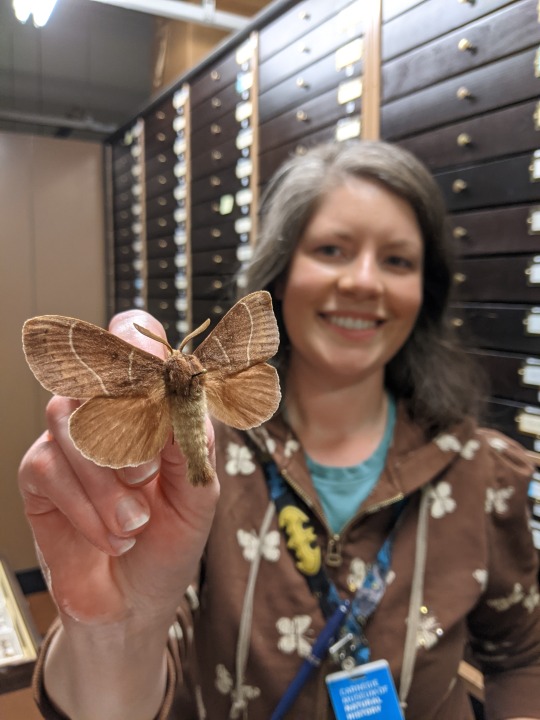
Vanessa Verdecia

September 13, 2022 by Erin Southerland

Two Perspectives on Attending a Course on Moths and Butterflies in the Southwest

by Kevin Keegan and Vanessa Verdecia

Kevin Keegan, Collection Manager of Invertebrate Zoology (IZ), and Vanessa Verdecia, Scientific Preparator for IZ, recently returned from a ten-day long crash course on moth and butterfly (Lepidoptera) taxonomy, systematics, natural history, specimen collection, and specimen preparation/curation in the beautiful Chiricahua Mountains of southeastern Arizona. The course includes both classroom time and field experiences at the American Museum of Natural History’s Southwestern Research Station.
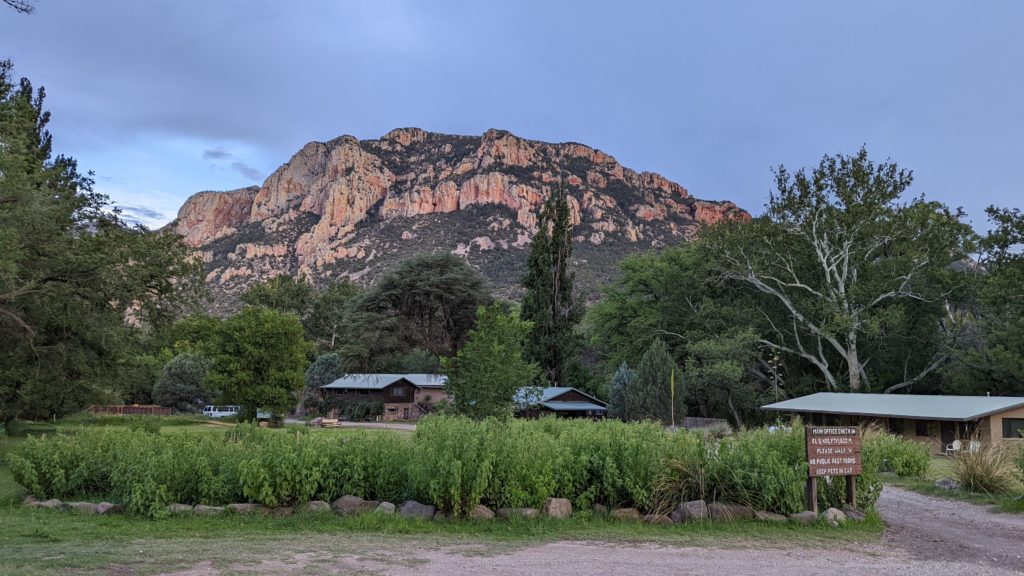
American Museum of Natural History's Southwestern Research Station

The biological richness of the setting was ideal for learning about moths and butterflies. The Chiricahuas are one of the Sky Islands of the North American desertss, a term biologists use to describe mountains that abruptly rise high enough from the surrounding territory to support wildly different habitat on their upper flanks and summit. Because each range is surrounded by lowland desert, many mountaintop animals are isolated on what are effectively islands of high elevation.

Attending the Lepidoptera Course as an Instructor

Kevin attended the program as an instructor and gave two lectures: one on the amazing ways caterpillars deceive their predators to avoid getting eaten, and another on the taxonomy/systematics, identification, diversity, and natural history of a massive group of moths collectively called the Noctuoidea or the owlet moths(there are about 40,000 described species of owlet moths in the world). 

When he wasn’t teaching, Kevin was able to collect many species of owlet moths for study and incorporation into the CMNH IZ collection. He will soon be working with these specimens in the museum’s Molecular Lab, extracting and sequencing their DNA, and adding it to a large dataset he and other owlet moth researchers around the world have built over the last decade. With this DNA data, Kevin will be able to build evolutionary trees to determine the proper placement for these species in the tree of life, a determination that will also reveal whether any of the specimens he collected are of species new to science.
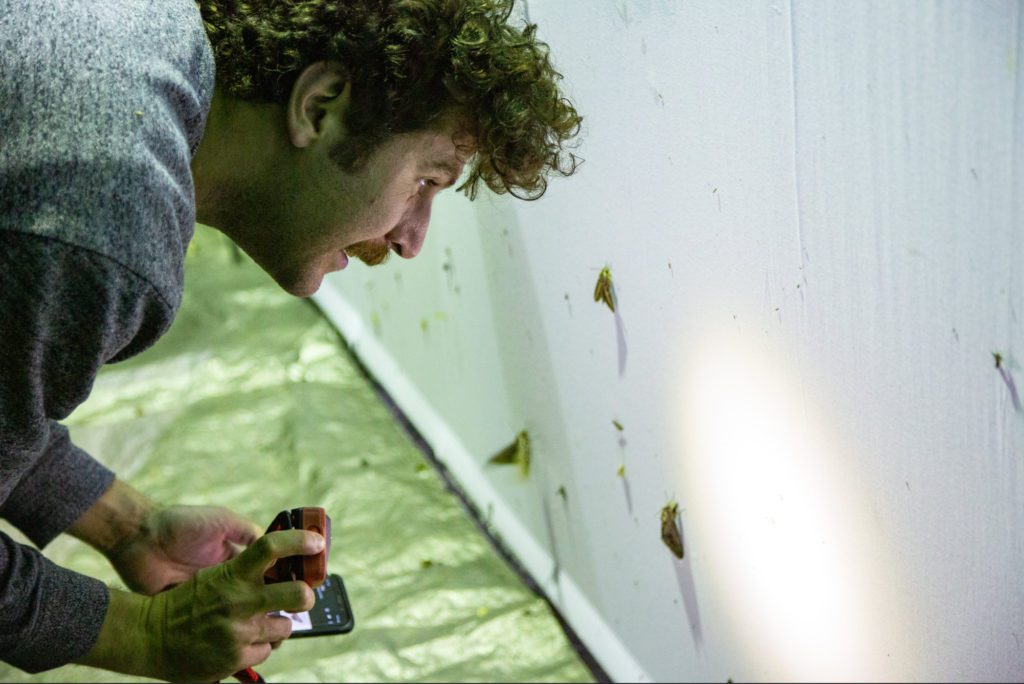
Kevin Keegan looking at moths on a light sheet. Image credit: Chris Grinter

In addition to classroom time, instructors organized daytime and nighttime field experiences, including hikes to look for butterflies and caterpillars, and setting up light sheets where students could observe and collect any moths attracted to the lights. Instructors also set out traps each night to collect moths in bulk for students to identify and sort into taxonomic groups. Moths collected by these efforts were also used by students to practice preparing museum-quality specimens. 
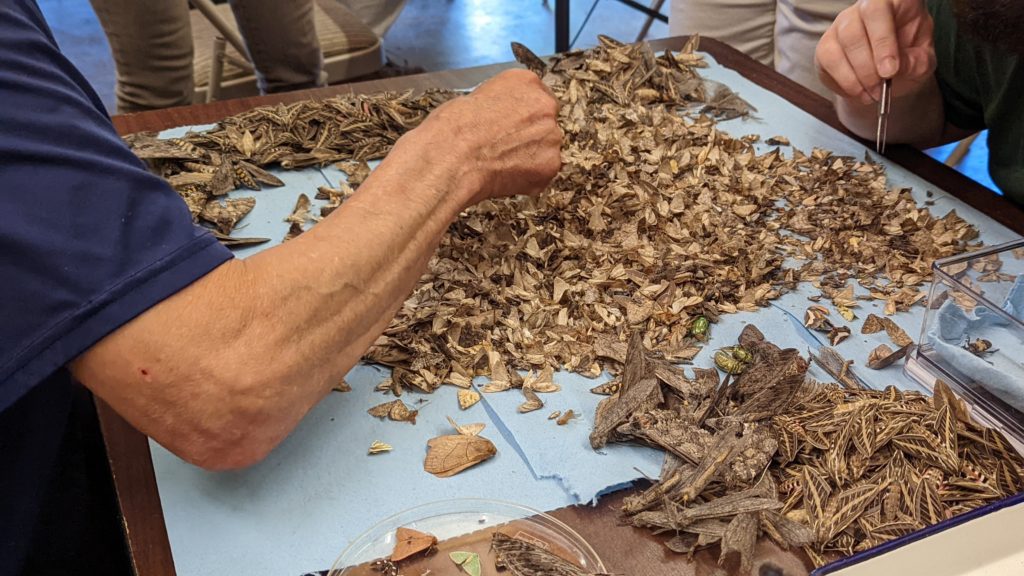
Sorting moth specimens

Instructors and students also had plenty of time to get to know one another outside of scheduled activities. All meals were served communally in the research station dining hall, which allowed for extended conversations about moths and butterflies, biogeography, the history of lepidopterology, and numerous other topics. 

Attending the Lepidoptera Course as a Student
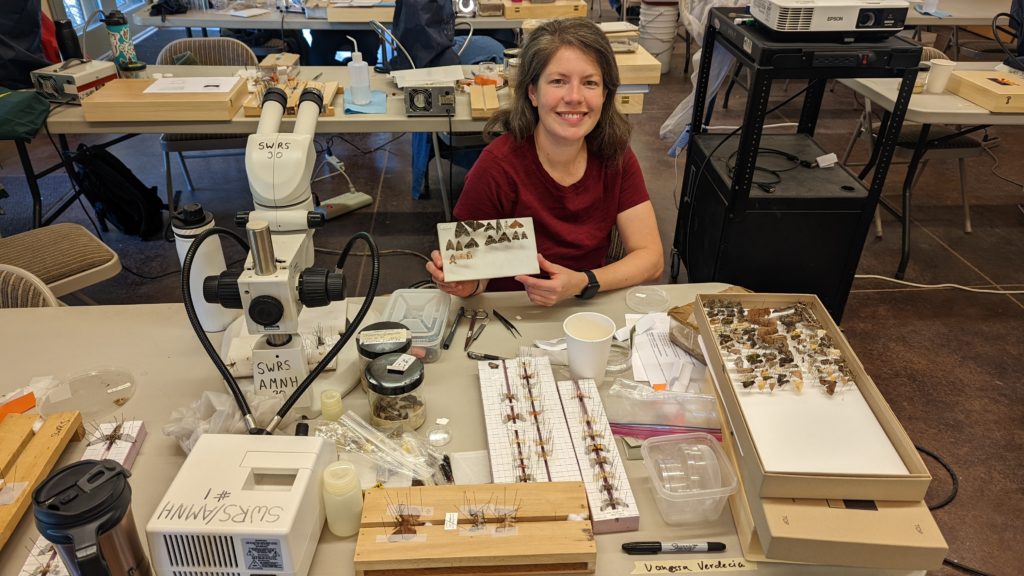
Vanessa Verdecia in the classroom. Image credit: Vicki Wolfe

Vanessa attended as a student and learned a lot even though she already has extensive field experience and training in specimen handling from her work at the museum. Vanessa found it wonderful to meet experts and professors from around the country who came together to teach the course. She also enjoyed the formal training and opportunity to learn how to identify different groups of moths by processing moth samples in the company of both experts and students.
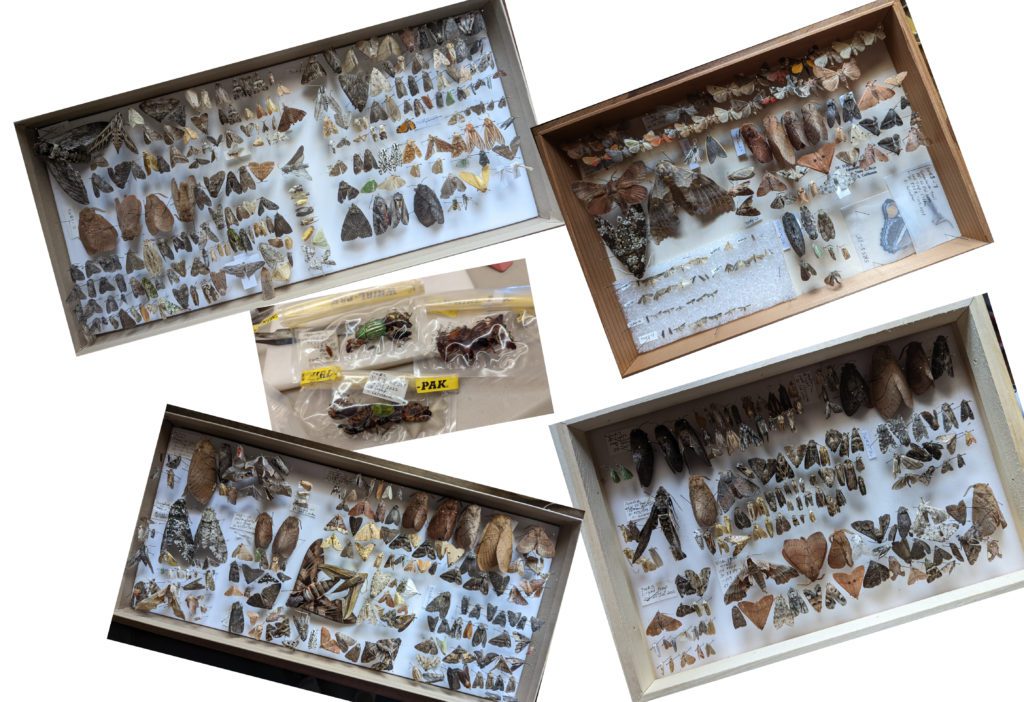
Specimens Vanessa collected for the museum. 

She brought back four boxes of moths for our IZ collection. Over the next several months she will be preparing and labeling all the specimens. Even though the course was about moths and butterflies, other groups of insects sometimes merited attention. Because the light sheets attracted many amazing beetles along with the moths, Vanessa collected two dozen small beetle specimens for the beetle experts on our staff. She also learned new techniques in spreading the wings on moths and butterflies, how to dissect specimens to be able to examine them under the microscope, and the latest information about identifying and classifying moths.

Kevin Keegan is Collection Manager and Vanessa Verdecia is Scientific Preparator for the Section of Invertebrate Zoology at Carnegie Museum of Natural History.

Related Content

Is This Butterfly Blue or Green?

Traub Flea Data Books

Working with the Type Collection

Carnegie Museum of Natural History Blog Citation Information

Blog author: Keegan, Kevin; Verdecia, Vanessa
Publication date: September 13, 2022
Share this post!

  • Share on Twitter Share on Twitter
  • Share on Facebook Share on Facebook
  • Share on Pinterest Share on Pinterest
  • Share on LinkedIn Share on LinkedIn
  • Share on Reddit Share on Reddit
  • Share via Email Share via Email

Filed Under: Blog Tagged With: Invertebrate Zoology, Kevin Keegan, Science News, Vanessa Verdecia

May 10, 2021 by wpengine

Natural History Discoveries

by Vanessa Verdecia

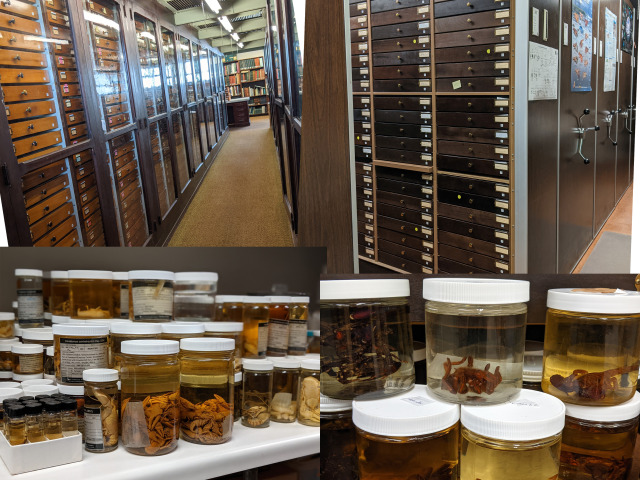
Collage of photos from the Section of Invertebrate Zoology. The top two photos show cabinets of drawers. The bottom two photos show jars of specimens preserved in liquid.

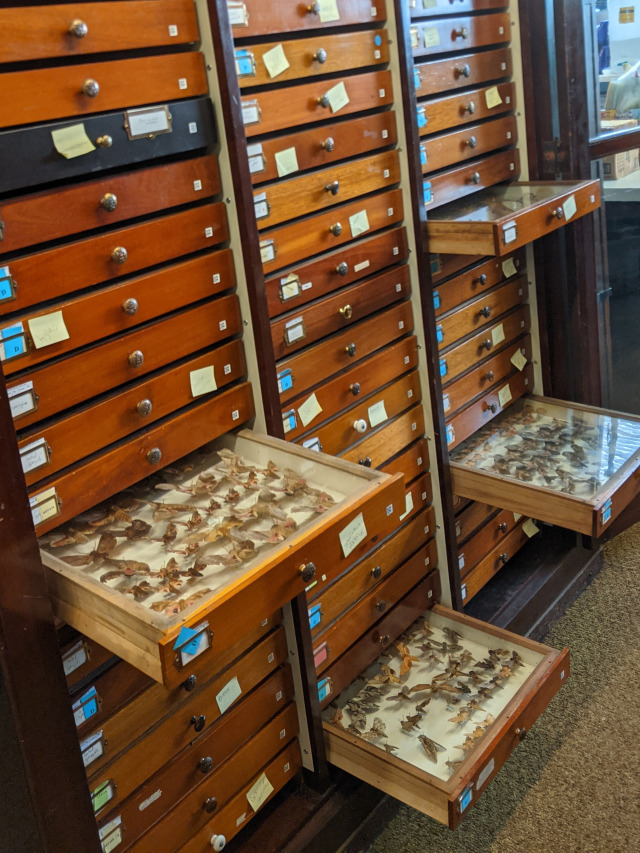
“Why do you collect so many?” That’s a common question we get from people who experience a glimpse into the Invertebrate Zoology collection at Carnegie Museum of Natural History. The Invertebrate Zoology collection, which consists of mostly insects, but also includes crayfish, spiders, and other invertebrates like millipedes and centipedes, is the largest collection at CMNH.

There are several reasons why we collect so many specimens. Nature is not always easy to interpret, even for the most knowledgeable scientists. In fact, an expert’s knowledge develops in part from time spent looking at many specimens, an unparalleled experience which helps create an accurate understanding of complicated species. So, one of the reasons we collect so many is to have enough material to look at and make informed decisions regarding species determinations. Some species can have significant variations across individuals. Having a lot of material also allows scientists to sacrifice some specimens for dissections or for use in molecular studies.

Another important reason for collecting so many is to create records of species occurring across as many geographical regions as possible and at different times of the year. By sampling and re-sampling, there is more data available to be analyzed and used to arrive at stronger conclusions. Having a historical collection is important for research that looks at species composition over time. Such collections help to answer questions about how biodiversity has been affected by climate change and other factors over time.

Collections as Scientific Tools

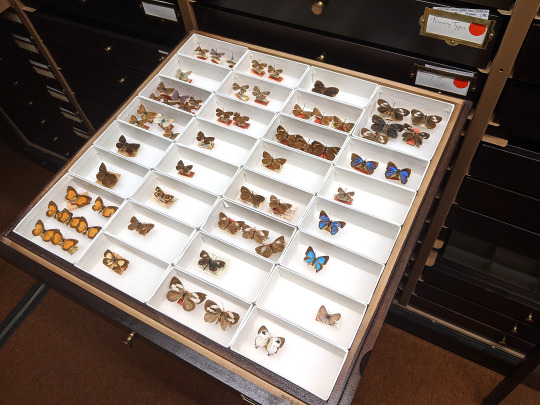
For these reasons, the insect collection at the Carnegie is an incredible scientific tool. We get many requests to borrow specimens, requests to visit the collection to gather data from the specimens, and requests for images of published specimens that are designated as types and deposited at CMNH. Type specimens are among the most scientifically valuable specimens, and the Invertebrate Zoology collection holds tens of thousands of specimens in type series that are referenced in scientific research and provide comparison material during the discovery of new species.

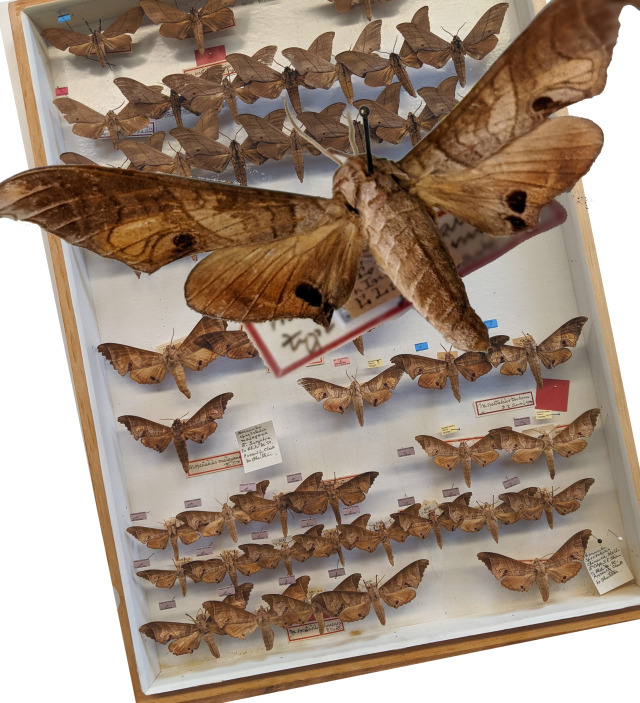
Drawer full of moth specimen with a larger moth over top.
Marumba drawer with types.

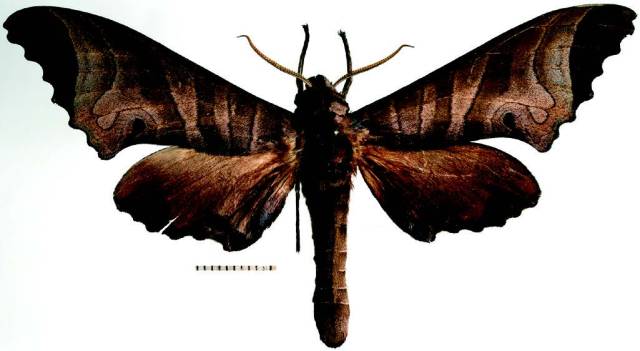
This background information leads to a nice little story for me to share. Sometimes requests for collection access come with a very special “thank you.” A request for images of type specimens in the Sphingidae (hawkmoths) collection earlier this year led to a publication that included new species, and instead of the usual acknowledgment, one of the authors named a new species after me—Marumba verdeciae. This type of taxonomic work, which involves making detailed observations related to the form and structures on the new specimens, requires the use of published museum specimens for comparative reference. Without access to the types, researchers would not be able to verify their discoveries, since comparison to the type material is essential in confirming the new species.

specimen of the moth Marumba verdeciae
Marumba verdeciae. Image from original description. Eitschberger, U. and H.B. Nguyen. 2021. Erster Schritt zur Revision des Marumba saishiuana auct. Artenkomplexes (nec Okamoto, 1924) (Lepidoptera, Sphingidae). Neue Entomologische Nachrichten 75: 123-327

Naming Species

Biological species are given a Latin name in the form of a genus and species. Placement of a species in a given genus is based on a biological relationship, but the species name is unique. There should be a section in the published work that explains the root of the name, which is often based on a Latin descriptive term related to a distinct feature of the species. However, sometimes a new species is dedicated to a person. In the case of Marumba verdeciae, the genus (Marumba) already existed, and one of the new species was dedicated to me as recognition of the effort I put into locating and imaging type specimens needed as a reference for the research the authors were doing with this group of moths. People might have a species dedicated to them for various reasons, which range from participating in or facilitating the research, to achieving prominence as an expert in a group of organisms. The species name verdeciae is a Latin conjugation of my last name, Verdecia.

The focus of this story, however, should be the importance of CMNH collections, and other museum collections across the world. In this case, the researchers in Germany needed to reference type specimens deposited at CMNH in order to complete their research. But CMNH scientists also need to borrow and request images of type specimens deposited at other museums when doing their research. Strong collaboration between scientists is very important. As stewards of our collections, we are not only maintaining the specimens for our use, but for use by the entire scientific community.

Cabinet of drawers with four drawers open showing specimens preserved inside.
Columns of Sphingidae protem.

Although it is an honor to have a new species named after me, the next step is the most exciting—the ongoing use of the new published work to hunt for specimens of the newly described species in our own collection. We have a vast collection in Invertebrate Zoology, and the moths and butterflies (Lepidoptera) comprise about 2/3 of the entire collection. There are many drawers with specimens that are not curated and there are over 100 drawers of mixed Sphingidae that, depending upon the geographical represented, might include some of the new species of Marumba. When new research like this is published, it allows curatorial staff to go into their collections to curate specimens, and update identifications. The Invertebrate Zoology collection is a work in progress, with many specimens waiting to be curated, and many discoveries yet to be made.

Vanessa Verdecia is Scientific Preparator in the museum’s Invertebrate Zoology Section. Museum employees are encouraged to blog about their unique experiences and knowledge gained from working at the museum.

Related Content

How to Prepare Insect Specimens

Ask a Scientist: What is a caterpillar database?

Garden for the Birds (or bees, or butterflies, or creepy crawlies, or you get the picture)…

Carnegie Museum of Natural History Blog Citation Information

Blog author: Verdecia, Vanessa
Publication date: May 10, 2021

Share this post!

  • Share on Twitter Share on Twitter
  • Share on Facebook Share on Facebook
  • Share on Pinterest Share on Pinterest
  • Share on LinkedIn Share on LinkedIn
  • Share on Reddit Share on Reddit
  • Share via Email Share via Email
  • Share on Twitter Share on Twitter
  • Share on Facebook Share on Facebook
  • Share on Pinterest Share on Pinterest
  • Share on LinkedIn Share on LinkedIn
  • Share on Reddit Share on Reddit
  • Share via Email Share via Email

Filed Under: Blog Tagged With: insects, Invertebrate Zoology, Science News, SWK2, Vanessa Verdecia

February 18, 2021 by wpengine

New Moth Species Marumba verdeciae Named for CMNH Scientific Preparator

Specimens from Carnegie Museum of Natural History are frequently cited in the research papers of scientists from all over the world.  For researchers, access to these vital materials comes through the assistance of museum staff who are familiar with the physical organization of the collections, and this routine service is generally recognized in the “Acknowledgements” section of any resulting publications. A far rarer form of “thank you” occurred this month when German entomologist Ulf Eitschberger, the first author of a 200-page paper revising  a species complex of a sphinx moth known from multiple localities across southeast Asia, named one of the resulting new species for Vanessa Verdecia, Scientific Preparator in the CMNH Section of Invertebrate Zoology.

image
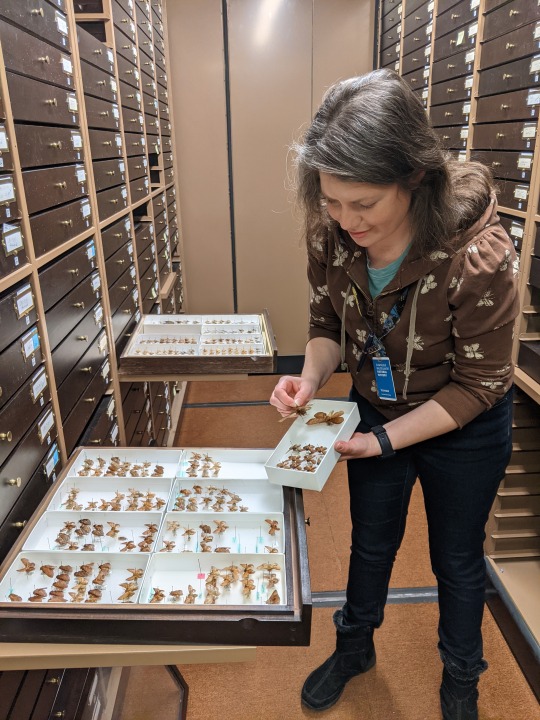
Vanessa checking specimens in a collection storage unit.

Vanessa assisted Ulf in his study of the Marumba saishiuana species complex by taking images of specimens from the museum’s collection and sharing them with him via email. This process involved searching for and verifying many relevant type specimens in the IZ collection because Ulf needed to view images of numerous moths within the Marumba genus for his research.

The type locality for Marumba verdeciae is Qingchenhou Shan, in Sichuan, China.  There were an additional 52 male specimens collected at the same site, between May and June of 2005, which need to be studied further. The new publication makes no mention of M. verdeciae collected at other sites, and at this time the female of the species is unknown.

image
The assistance of Vanessa Verdecia allowed a researcher in Germany to evaluate pinned insects in Pittsburgh.

Vanessa is pleased with the recognition. As she explains, “I feel honored to have this beautiful species dedicated to me as the Sphingidae are one of my favorite groups of moths and a part of the collection I enjoy working in. It was my pleasure to search for these specimens and provide the images necessary for this revision and ongoing work by this researcher.”

For reference the full citation of the publication is below:

“Erster Schritt zur Revision des Marumba saishiuana auct. Artenkomplexes (nec Okamoto, 1924) (Lepidoptera, Sphingidae)”

[TRANSLATION: “First step in revising the Marumba saishiuana species complex (Okamoto, 1924) (Lepidoptera, Sphingidae)”]

Authors:  Ulf Eitschberger & Hoa Binh Nguyen

Journal: Neue Entomologische Nachrichten 75: 123-327, Marktleuthen (Februar 2021)

Patrick McShea works in the Education and Visitor Experience department of Carnegie Museum of Natural History. Museum employees are encouraged to blog about their unique experiences and knowledge gained from working at the museum.

Related Content

Ask a Scientist: Why do moths love lamps?

The Significance of Raising Caterpillars

One-Spotted Variant Instars

Filed Under: Blog Tagged With: Invertebrate Zoology, moths, Science News, Vanessa Verdecia

August 18, 2020 by wpengine

How to Prepare Insect Specimens

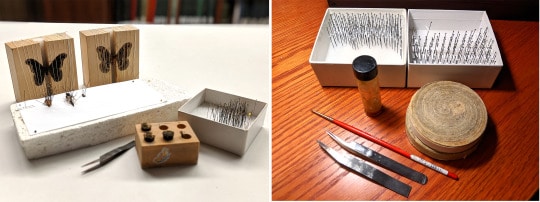
specimens and specimen preparation tools

Museum collections play a significant role in helping scientists answer questions about biodiversity and in providing data that may be used for conservation studies.  Every specimen in the Invertebrate Zoology collection tells a story and all together they contribute to the story of life on Earth.  Picture it, millions of specimens prepared and labeled.  Each has a story to tell about where, when, and how it was collected.  This critically important data is also gathered when samples are collected in the field.

The next step is processing the sample and picking specimens to be prepared.  So, how do we prepare specimens?  Lepidoptera (moths and butterflies) are usually pinned in the field or preserved in the freezer and then pinned and spread in the lab.  Most non-Lepidoptera are preserved in alcohol and prepared in the lab.  Preparation techniques differ, therefore, with what is being collected.

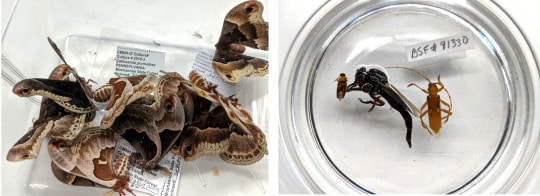
specimens before preparation

High quality scientific preparation is important, not just for aesthetic reasons but also for a specimen’s future in the service of research.  In some situations, characters on the bodies of the specimens need to be viewed under a microscope, sometimes segments need to be counted to identify a species, and more excitingly, a new species might need to be described from a series of specimens.

Handling of specimens that will be prepared needs to be done when the specimens are flexible—either from an alcohol sample, or a dry specimen that was rehydrated overnight.  The pin should be inserted within the thorax, which is the mid region of the body.  Insects are bilaterally symmetrical (left and right sides are duplicates), so the pin is always inserted slightly to the right of the midline.  This will preserve the integrity of the midline which might possess unique characters that are not duplicated.

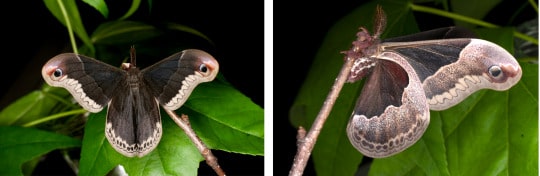
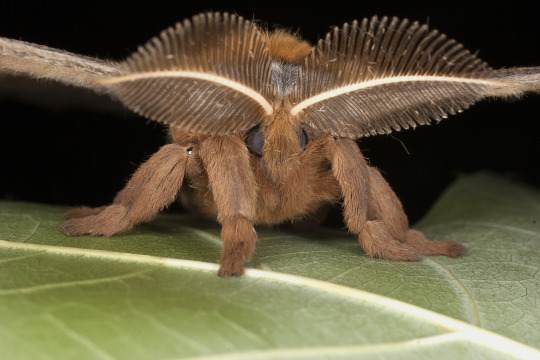
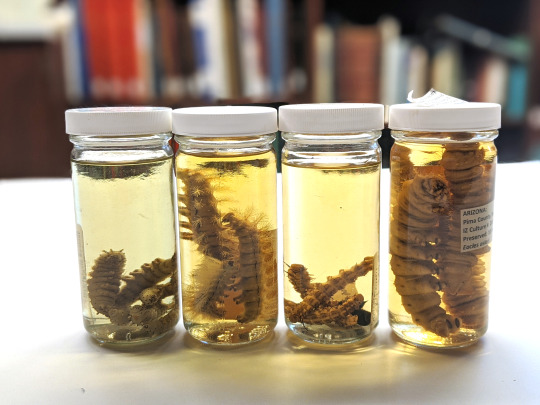
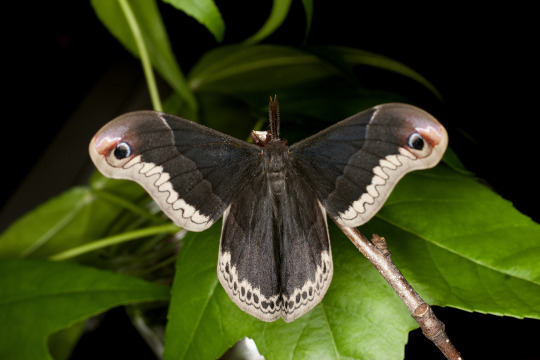
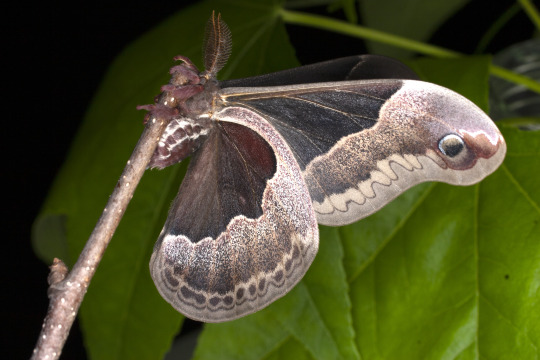
In 2018 a culture of Callosamia promethea caterpillars were reared.  A record of each stage of metamorphosis was preserved in alcohol and stored with reared caterpillars in the collection. Some of the cocoons were kept alive to allow the adult moths to emerge.  The adults were then preserved in the freezer so they could be prepared and added to the collection as a record of the offspring from that culture.

moths on leaves at night

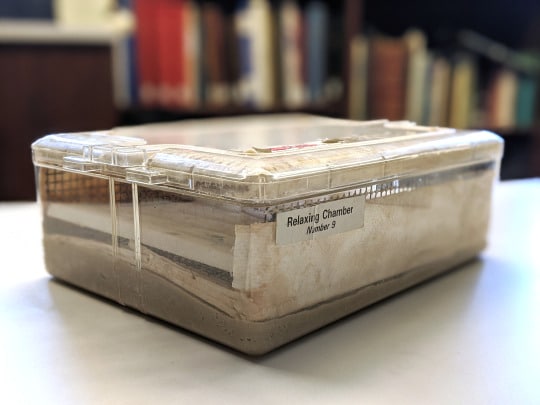
The moths were placed in a humidifying chamber overnight.  This chamber is kept humid by adding water to the absorbent paper towels that are layered in above a layer of sand mixed with an antifungal agent that keeps the specimens from getting moldy.

container labeled moth relaxing chamber number 3

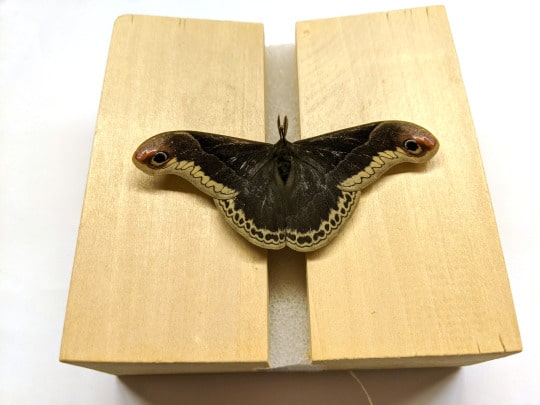
The specimens were thawed, and moisture kept the specimens relaxed enough to handle.  Specimens were pinned through the thorax and placed in a wooden pinning block designed for spreading the wings.

lepidoptera specimen laid out on blocks

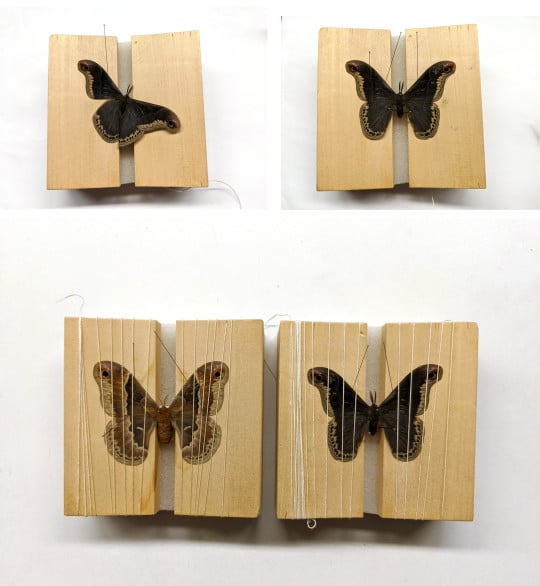
A series of very thin pins (size #000) were used to arrange the wings by carefully moving the forewings up high enough to expose the hindwings.  String was then wrapped around the block to hold the wings down and allow the specimens to dry.  Spread specimens remain on the spreading blocks for about a week to ensure they are completely dry and remain in the desired position.  Spreading moths and butterflies allows for all the characters on the hindwings to be visible, and it also allows the underside of the specimen to be viewed more easily.  The string is carefully unwrapped a week later, and specimens are removed from the blocks and ready to be labelled.

lepidoptera specimen on blocks in various stages of preparation

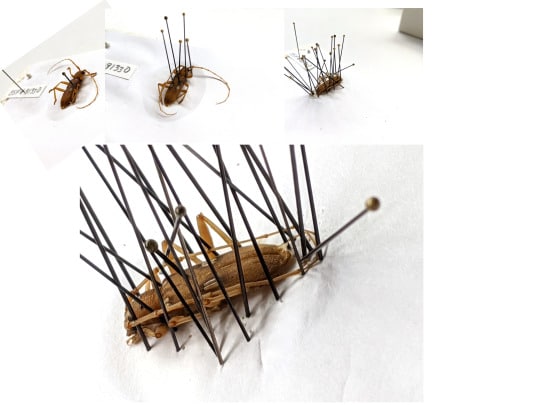
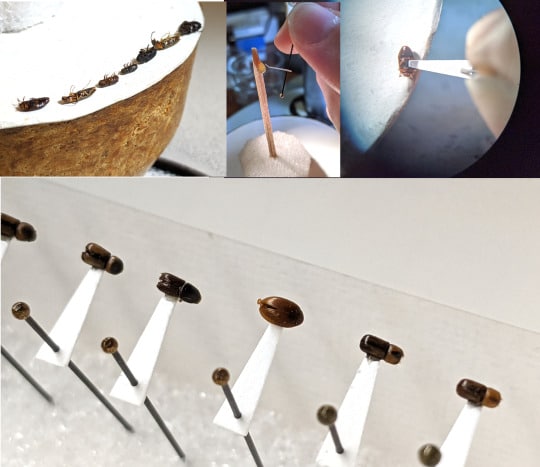
Non-Lepidoptera are usually pinned straight out of alcohol, when they are flexible enough to handle.  If they are collected and kept dry before preparation, then a relaxing chamber may be used to rehydrate them.  After the pin is inserted, the specimen is placed on a Styrofoam board lined with white paper.  Legs, antennae, and wings are arranged using brace pins that hold everything close to the body.  Specimens remain on the board for about a week until they are fully dry.

pinned specimens

If specimens are too small to be pinned, they are mounted on paper points using shellac glue.  The pin goes through the point made from archival paper using a tool known as a point punch.  After laying the specimens with the underside facing up, the tip of the point gets a dab of glue and each specimen is glued on to the tip of the point.

specimens mounted on paper

Guess what the next step is…labeling!

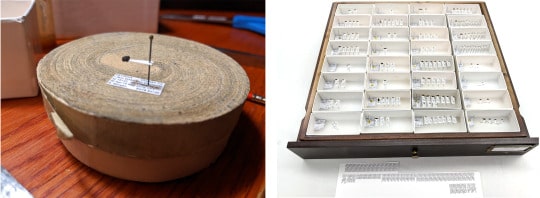
As mentioned before, specimens tell an important story.  The data is just as valuable as the specimens, and that data is printed on archival paper using a laser printer.  A labeling block is used to apply the label on the pin, below the specimen.  Any specimen that is prepared and labeled is ready to be identified and curated into the collection.

materials for labeling specimens

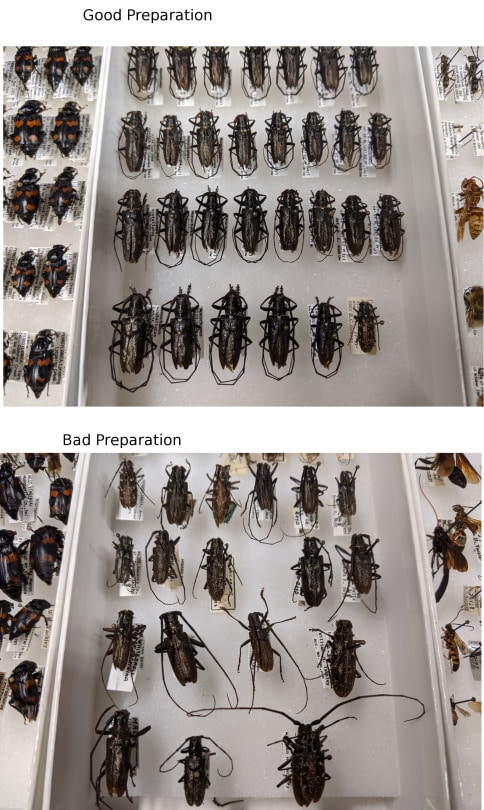
In a collection with 13.5 million specimens, space is valuable.  Well prepared specimens take up less space and are less vulnerable to damage.  A damaged specimen is still valuable because of the story it tells through its labels, even if damage makes the story incomplete.  High-quality preparation is important because it allows for easier examination of the specimens and interpretation of the differences between species.  These specimens are not just a bunch of bugs—all together, they are part of the record of life on Earth.

examples of good specimen preparation and bad specimen preparation

Vanessa Verdecia is Scientific Preparator in the museum’s Invertebrate Zoology Section. Museum employees are encouraged to blog about their unique experiences and knowledge gained from working at the museum.

Related Content

Traub Flea Data Books

Hillbilly Gourmets: Snail-eaters of the Yew Mountains

Ask a Scientist: What is a Caterpillar Database?

Filed Under: Blog Tagged With: Invertebrate Zoology, Science News, Section of Invertebrate Zoology, SWK2, Vanessa Verdecia

April 29, 2020 by wpengine

“Say Cheese!” – Specimen Imaging in Invertebrate Zoology

“A picture tells 1,000 words.”

Specimen imaging is a method of documenting specimens in the Invertebrate Zoology collection for research as well as collection maintenance. Digitizing the collection allows it to be more accessible to the scientific community. Specimen-based documentation includes capturing the data from the specimen as well as images of the specimen from different angles. Images of labels serve as a primary data capture that may then be used to populate a database of specimen records.

Most of the imaging currently being done is based on requests from the entomology community needing images of specimens known to be deposited at the Carnegie. There are many historical specimens that are not otherwise imaged but are referenced in older publications. These specimens include cataloged species vouchers referred to as types, or specimens referenced in publications that are of interest to researchers studying those species.  

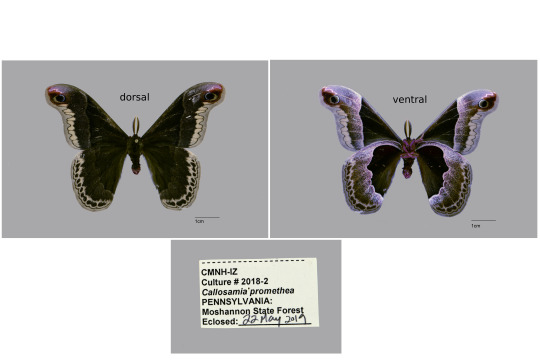
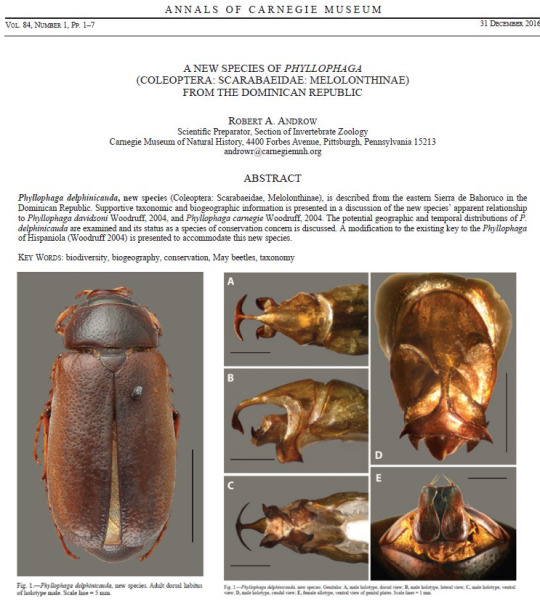
Specimen photography is also essential when discovering new species. When a paper is published describing a new species, images of the designated types are included. The type series includes the series of specimens that were examined and used to describe the new species in detail. These images should be taken with a scale line to show the size of the specimen. Images of prepared dissections are also included.

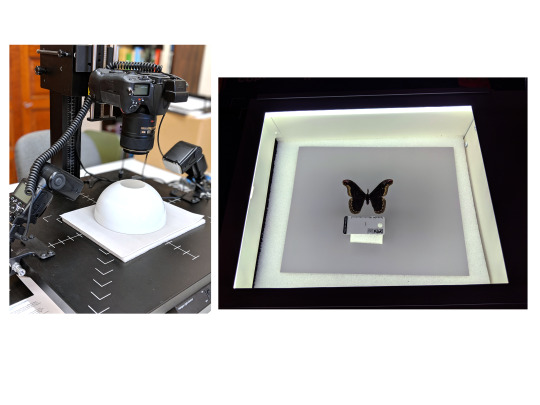
Imaging techniques include using a copy stand, flash lighting, and focus-stacking through software that produces a final high-quality image with all parts of the specimen in focus. A light box may also be used, as an alternative to flash lighting, to provide even lighting and sharp images.  

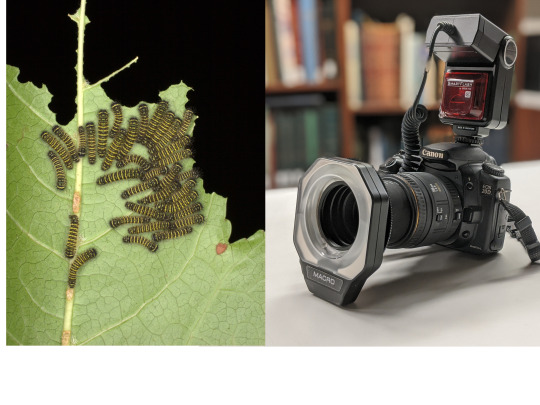
A macro ring flash helps with producing even lighting when imaging live insects that are moving or are very small and need to be really close to the lens.  

Photographing live specimens that will lose their color when preserved in alcohol, such as caterpillars, is crucial.  Larval images are a major component of the caterpillar collection and are incredibly valuable documentation of larval growth.  Raising caterpillars is a way to document the life history of different species of moths and butterflies, and their associated caterpillars.  Since the caterpillars will be stored in alcohol, the color will be lost in the preserved specimen, but these characteristics will be recorded through high-quality images.  

Several other types of equipment are used to capture images at higher magnification so that characters may be seen in greater detail.  Taking an image through a compound microscope allows one to capture an image that may be used to draw a detailed illustration. An image taken through a Scanning Electron Microscope offers even greater detail. All-together, the image collection is a major component of the archived data that contributes to the understanding of the specimens in the collection. This includes digital files and images on older slide film that still need to be scanned. The digital image collection continues to grow daily, and serves the broader entomological community that needs access to the reference specimens stored in the Invertebrate Zoology collection at the Carnegie.

Vanessa Verdecia is a collection assistant in the museum’s Invertebrate Zoology Section. Museum employees are encouraged to blog about their unique experiences and knowledge gained from working at the museum.

Filed Under: Blog Tagged With: Invertebrate Zoology, Museum from Home, Science News, Vanessa Verdecia

July 3, 2019 by wpengine

What Do Bugs Do During the Winter?

moth on plant at night

Ever wonder what happens to insects during the winter?  Depending on the species they will overwinter during one of the stages of their development.  In the case of the Promethea moths that were reared in Invertebrate Zoology last year, the caterpillar culture formed cocoons in the summer of 2018.  In their natural setting those cocoons protect the pupae as they experience diapause during the cold winter months.  Diapause is a state of dormancy that allows the specimens to survive harsh environmental conditions.

The pupae need to experience diapause before responding to the normal queues that trigger the adult moths to emerge from their cocoons. Insects depend on light and temperature queues which dictate when to enter the stages in their life cycle. In the lab setting, winter conditions were simulated by placing the cocoons in the refrigerator from November through March.

moth on plant at night

Luckily, the overwintering technique was successful and we had adult moths emerge in late May.  Look for these moths in your backyard as they emerge from their cocoons this summer. Watch for caterpillars that look like these, which will hatch from eggs laid by the adult moths flying this summer. These caterpillars will grow and form cocoons which will enter diapause this winter and continue the cycle.

Vanessa Verdecia is a collection assistant in the museum’s Invertebrate Zoology Section. Museum employees are encouraged to blog about their unique experiences and knowledge gained from working at the museum.

Filed Under: Blog Tagged With: Invertebrate Zoology, Vanessa Verdecia, wintertide

  • Page 1
  • Page 2
  • Go to Next Page »

sidebar

About

  • Mission & Commitments
  • Directors Team
  • Museum History

Get Involved

  • Volunteer
  • Membership
  • Carnegie Discoverers
  • Donate
  • Employment
  • Events

Bring a Group

  • Groups of 10 or More
  • Birthday Parties at the Museum
  • Field Trips

Powdermill

  • Powdermill Nature Reserve
  • Powdermill Field Trips
  • Powdermill Staff
  • Research at Powdermill

More Information

  • Image Permission Requests
  • Science Stories
  • Accessibility
  • Shopping Cart
  • Contact
  • Visitor Policies
One of the Four Carnegie Museums | © Carnegie Institute | Privacy Policy | Terms of Use | Accessibility
Rad works here logo