• Skip to primary navigation
  • Skip to main content
  • Skip to primary sidebar

Carnegie Museum of Natural History

One of the Four Carnegie Museums of Pittsburgh

  • Visit
    • Buy Tickets
    • Visitor Information
    • Exhibitions
    • Events
    • Dining at the Museum
    • Celebrate at the Museum
    • Powdermill Nature Reserve
    • Event Venue Rental
  • Learn
    • Field Trips
    • Educator Information
    • Programs at the Museum
    • Bring the Museum to You
    • Guided Programs FAQ
    • Programs Online
    • Climate and Rural Systems Partnership
  • Research
    • Scientific Sections
    • Science Stories
    • Science Videos
    • Senior Science & Research Staff
    • Museum Library
    • Science Seminars
    • Scientific Publications
    • Specimen and Artifact Identification
  • About
    • Mission & Commitments
    • Directors Team
    • Museum History
  • Tickets
  • Give
  • Shop

We Are Nature

February 28, 2018 by wpengine

Pittsburghers Inspire a New Museum Blog Series

girl holding a seedling tree

We recently launched a new exhibition at the museum entitled We Are Nature: Living in the Anthropocene. And just in case you haven’t heard of the term Anthropocene yet, it can be defined as the current geological era in which humans are making a profound impact on the geological strata. The term is actually being debated by geologists, but we have decided to embrace it as both a social and cultural tool for exploring the effect humans are having on the planet.

We are Nature was created completely in-house by our exhibitions team. Research conducted by our museum scientists and specimens from our own hidden collections are featured in this highly interactive exhibition.
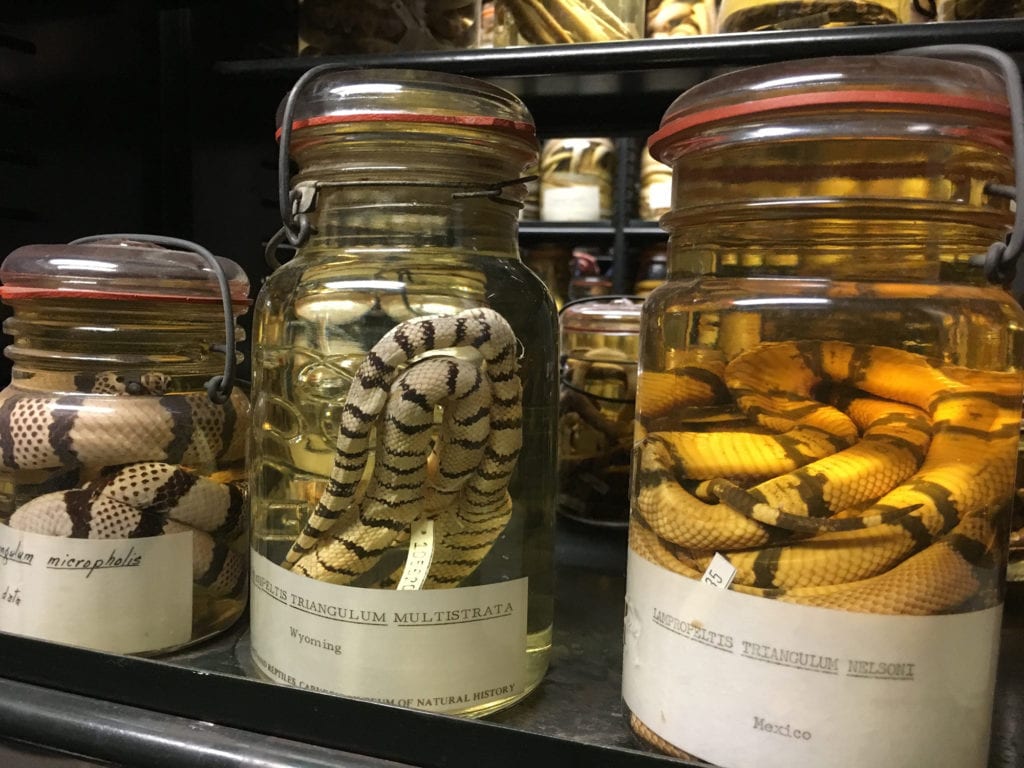
snakes in jars

Our new exhibition takes an unflinching look at the interconnectedness between humans and nature–the bad, the ugly and the good. As visitors walk through it, they learn, feel moved, get stirred up, and in the end, by and large, feel motivated. It ends by connecting visitors to great things that are already happening locally and helps to plug them into a bigger network of people who are collectively making an impact.
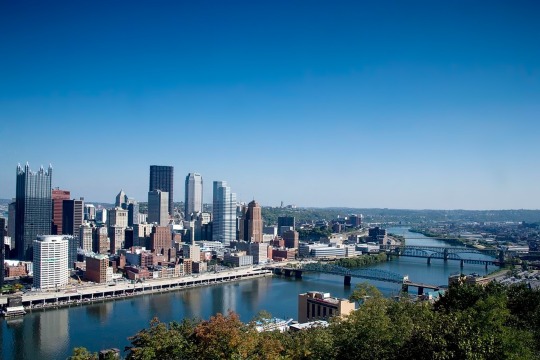
City of Pittsburgh skyline

In the spirit of recognizing all we are already doing in Pittsburgh, we have started a new blog series to compliment the exhibition. We are featuring Pittsburghers who are committed to improving the environment in which we live. Each blog features a new individual and shares some of the ways in which they are helping issues of sustainability, conservation, restoration, climate change, or helping Pittsburgh to be an even more beautiful place to live.
Filed Under: Blog Tagged With: Anthropocene, We Are Nature, We Are Nature: Living in the Anthropocene

February 19, 2018 by wpengine

In an age of humans, can the arts save the planet?

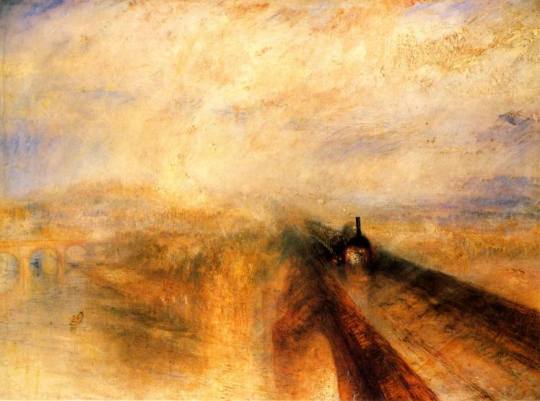
abstract painting of a moving train
William Turner, Rain Steam and Speed – the Great Western Railway (1856)

Article by Eric Dorfman, Director of Carnegie Museum of Natural History

The rapid decline of the global environment is an inescapable fact. The Earth’s major oxygen sources, coral reefs and rain forests, are disappearing along with the species that live in them. Atmospheric carbon is rising precipitously and one in a hundred year storms are becoming the norm. As the planet warms and forests are removed for bio-fuels and tropical oils,, semi-arid regions are becoming deserts. A floating island of plastic trash the size of Europe (and growing) is floating on the Pacific, the breakdown products of which are contaminating the fish on which many societies depend. Species are being sent extinct through wildlife trafficking to fuel the burgeoning demand for exotic pets and traditional medicines. And the list goes on.

While the sum total of these activities isn’t known, the decline is progressing. We’ve now arguably passed the point at which we can change our behavior and make things right again. So, despite some recent wins like the 2015 United Nations Climate Change Conference, it may be too late to bring the world back to a state that will sustain our great-grandchildren as it does us. And they’ll be hopping mad (although most of us probably won’t be around to hear them complain).


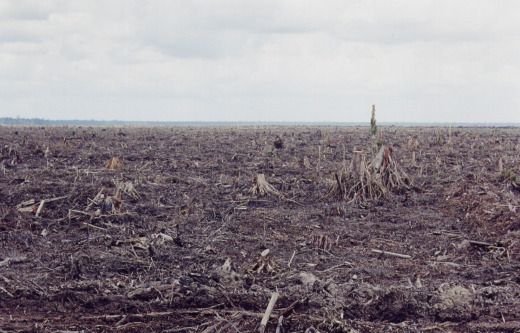
baren landscape where deforestation has occured
Mass destruction of rainforests in Indonesia mirrors activities across the globe. Photo: Rainforest Action Network (2011)

The summation of human impact on the Earth has been neatly packaged in the concept of the Anthropocene, or “The Age of Humans”. It is a proposed new epoch in which human activity is so pervasive and profound that our effects will be detectable in the geological strata millions of years ago (assuming, of course, anybody is there to look). A year ago, I presented a talk in Japan at a conference on the topic hosted by the National Museum of Nature and Science in Tokyo. I’ve just come back from their follow-up symposium on this, at which I gave a public lecture introducing the topic as it applies to natural history museums.

While preparing the material I began thinking of a talk I gave a couple of years ago about the power of the arts (broadly speaking) having a role to play in changing people’s attitudes and behavior around stewarding the global environment. It’s a big job. At the height of the Industrial Revolution, writer John Ruskin and painter William Turner tried and failed to make lasting inroads into changing public attitudes around declining landscape values in northern England, although writer Rachel Carson brought about the end of use of DDT in the United States with her book Silent Spring and the influence on public awareness of filmmakers like Jacques Cousteau and David Attenborough is undeniable.

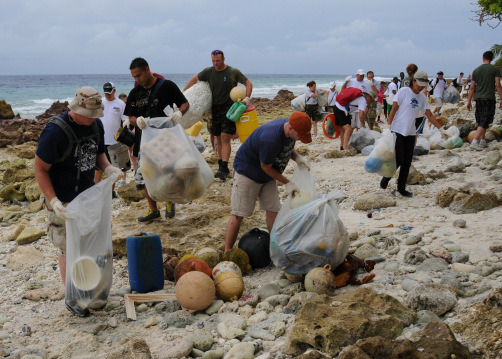
people cleaning up trash on a beach
DIEGO GARCIA (Sept. 14, 2012) One-hundred and thirty service members and residents of Diego Garcia, British Indian Ocean Territory, clean up trash at Barton Point, 2012. (Photo: Eric Pastor, U.S. Navy 120914-N-XY761-109)

Campaigns such as Earth Week, Earth Day and even Earth Hour sit beside a host of other initiatives the missions of which are to encourage people to clean up the coasts, save the dolphins or the koalas, recycle or plant trees. Whatever the content, the common thread is to use their time or their personal choices to buck a growing trend of global environmental degradation. Societies like Greenpeace and WWF are asking for the same thing, but hope you will give them money so that they can take action on your behalf to save the planet. The messaging they all use connects you personally with the state of the world.

There are also many very fine artists who care deeply about environmental causes. Artists like scholar and activist Max Liboiron. She is an Assistant Professor in Sociology and Environmental Sciences at Memorial University of Newfoundland and her academic work focuses on “how invisible, harmful, emerging phenomena such as “slow” disasters and toxicants from plastics become apparent in science and activism, and how these methods of representation relate to action”. Arguably, the works artists create combine a reflection of their own connection with nature, at the same time engaging with the viewer to send a message encouraging them to see things the same way.

Without this outpouring of creativity society would undoubtedly be the poorer. But is it effective? Certainly for the multinational nonprofits it works for them, as they keep growing. Artists keep doing what they believe and, if they’re successful, they sell their work sufficiently to keep doing it. However, it’s difficult to see the trends in environmental health and think that art, or in fact, any messaging focused on personal choices is going to make much difference.

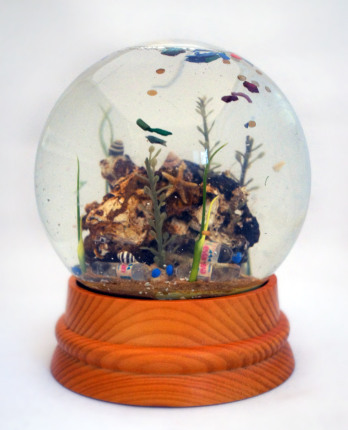
"snow globe" depicting the ocean
Sea Globe by Max Liboiron (2014). This series of sea globes are genuine New York City souvenirs. The plastics came from the Hudson River in south Brooklyn, and the rocks are made of bituminous coal from in a landfill that closed in the 1930s at Deadhorse Bay, which now resides underwater at high tide, also in south Brooklyn.

Individual choices, as important as they may be for democratic freedom, are insignificant in the face of industrial pollution. In fact, individual love of luxury and its promotion are two of the most important reasons we are in the state we are. Switching to eco-friendly light bulbs in your living room (even everybody’s living room) isn’t going to arrest the carbon footprint of a planet. And, sadly, we’re careering past the point of “every little bit helps”. While it’s true that our collective conscience stopped the use of hydrocarbons in aerosol, the multiplicity of environmental issues, and their interaction, means a holistic treatment of this “wicked problem” is necessary. There are now simply too many issues to be solved with recycling plastic bottles into more plastic bottles.

So where does this leave us? Try as I might I can’t see how things aren’t going to change for the personal lives of our descendants. We can no longer think in terms of a fix, quick or otherwise. I am not the first to suggest that the lives of human beings in the not-so-distant future will be about adapting to an environment that is utterly changed from what we know today. I can’t say if that adaptation will be about survival on a war-torn planet stripped of clean water and arable land, or if they will be learning to live with some rapidly developing new technology that allows our continuance in relative affluence. Either way, the lessons that we have to impart today may be next to useless in tomorrow’s world.

And it is here that I think the arts will make a huge difference. Even today, we are moved by da Vinci or Bach in a world that they themselves would not understand. Art connects us to our history and the collective experience of being human. In a future that is today unrecognizable the artistic outpouring of the past, as well as the art that is yet to be created, will tie us together and make the world a little less unknown.

And that has to be a good thing.


Eric Dorfman is the Daniel G. and Carole L. Kamin Director of Carnegie Museum of Natural History. Eric oversees strategic initiatives, operations, and research at the museum. He is an active advocate for natural and cultural heritage and has published books on natural history and climate change, as well as children’s fiction and scholarly articles on museology and ecology.


Filed Under: Blog Tagged With: Anthropocene, We Are Nature

January 22, 2018 by wpengine

What’s a Nurdle?

by Rachael Carlberg

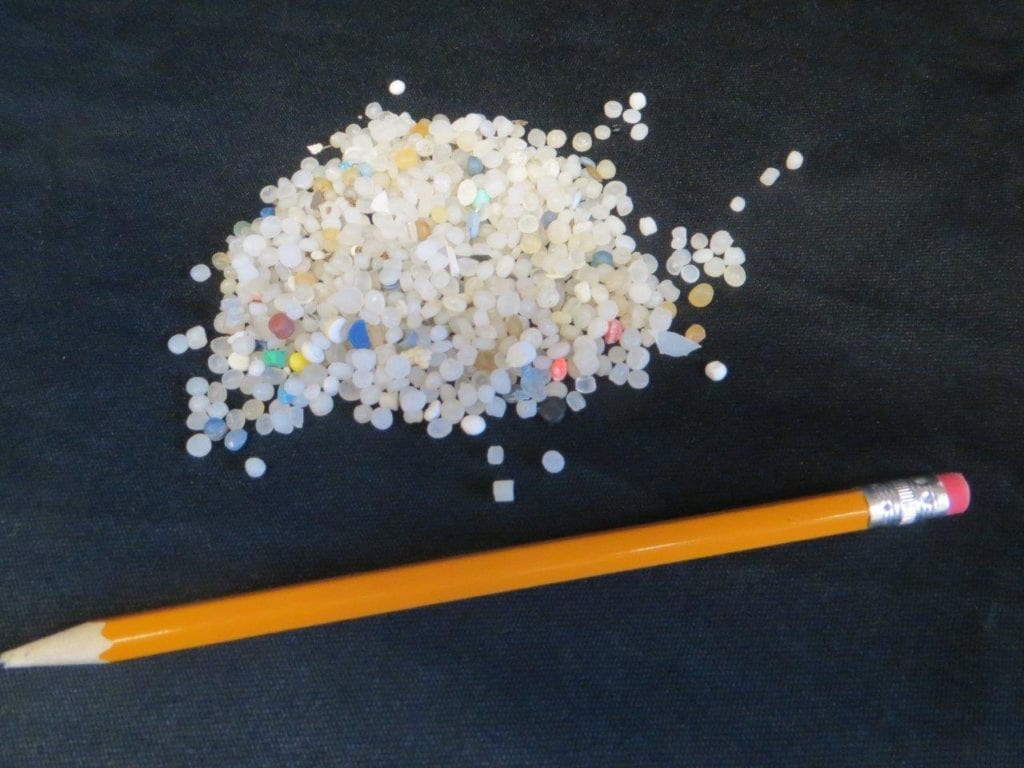
small plastic balls about the size of a pencil eraser
Example of nurdles

Nurdle is a silly word for a product with not-so-silly effects. Nurdles are small pellets that are the first step in the process of making any plastic thing.  Your plastic containers, bags, and bottles were all once nurdles.

Every nurdle is created to be melted down and turned into a product used by humans.  But, that often isn’t the case. Through leaks, spills, and other storage or transportation errors, nurdles end up in the environment, eventually making their way to the ocean.

So, what’s the big deal?  Little plastic pellets can’t really cause any harm, right?

Wrong. Once in the ocean, nurdles can cause a myriad of issues.  For one, many pollutants are attracted to the surface of nurdles, causing higher rates of toxicity in the water around them. Nurdles also are eaten by many organisms mistaking them for plankton or other food.  Once in the ocean, nurdles don’t go away.  Over time, they will break up into smaller and smaller particles, but will always be out in the environment unless removed by humans.

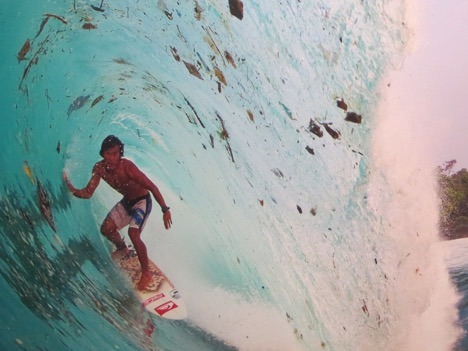
man surfing in a wave full of trash
(Plastic pieces are among the debris depicted in this photo mural in We Are Nature: Living in the Anthropocene.)

The good news is people can do something about the problem.  Reusing plastic containers or switching to alternatives (for example, using a refillable water bottle instead of disposable ones) reduces the need for new plastic products to be made.  If you live near a body of water where nurdles or any plastic waste are present, you can join in on cleanup efforts or start your own cleanup of the area.

Rachael Carlberg is an intern in the Education department of Carnegie Museum of Natural History. Museum employees are encouraged to blog about their unique experiences of working at the museum.

Filed Under: Blog Tagged With: pollution, Rachael Carlberg, We Are Nature, We Are Nature: Living in the Anthropocene

January 19, 2018 by wpengine

Notice any differences?

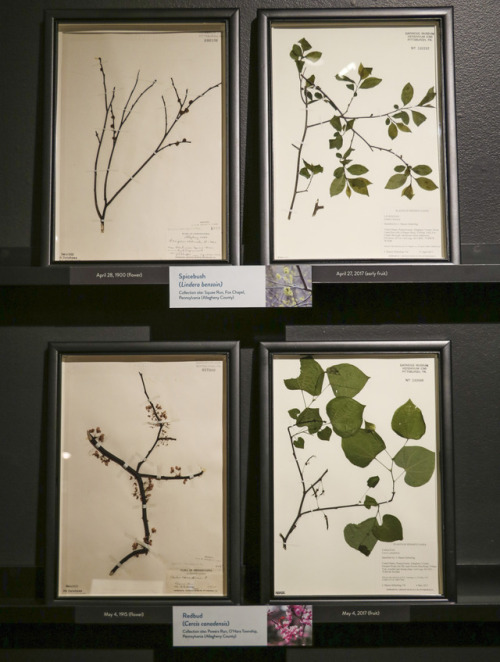
four herbarium specimens displayed in We Are Nature

Notice any differences between these two sets of botany sheets?

These specimens of spicebush and redbud from the museum’s herbarium were collected on the same day, exactly 100 years apart.

Changing seasonal patterns, thought to be caused by climate change, are causing plants to bloom and flower increasingly earlier in the year. Historical museum collections are helping researchers who are documenting environmental changes caused by humans in the Anthropocene.


The Anthropocene is the current geological era in which humans are making a profound impact on the geological strata. While the term itself is still being debated by geologists, the museum is embracing it as a social and cultural tool for exploring the broad sum effect humans are having on the planet in the exhibition We Are Nature: Living in the Anthropocene—open now through summer 2018.

Filed Under: Blog Tagged With: climate change, We Are Nature, We Are Nature: Living in the Anthropocene

January 11, 2018 by wpengine

Humans and Nature: The Pizzly

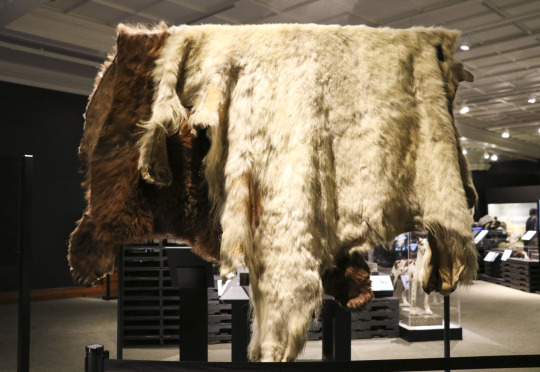
bear pelt displayed in We Are Nature

When you think of climate change, the image that might come to mind is a distressed polar bear perched on a tiny piece of ice in a warming ocean. In fact, a Google image search for “global warming” will show a handful of those exact images.

However moving the image, it doesn’t tell the full story of how climate change is affecting this particular species. As arctic ice shrinks, polar bears have been migrating inland into new territories to hunt. Warmer temperatures are also driving grizzlies north into the same territories, which has let to interbreeding and a new hybrid type of bear—the pizzly.

Pelts and skulls of both types of bears and the story of the impact climate change is having on them is on display in We Are Nature: Living in the Anthropocene, a new exhibition at Carnegie Museum of Natural History that explores the interconnectedness of humanity and nature in the Anthropocene.


The Anthropocene is the current geological era in which humans are making a profound impact on the geological strata. While the term itself is still being debated by geologists, the museum is embracing it as a social and cultural tool for exploring the broad sum effect humans are having on the planet in the exhibition We Are Nature: Living in the Anthropocene—open now through summer 2018.

Filed Under: Blog Tagged With: extinction, We Are Nature, We Are Nature: Living in the Anthropocene

January 8, 2018 by wpengine

Avocad-oh-no

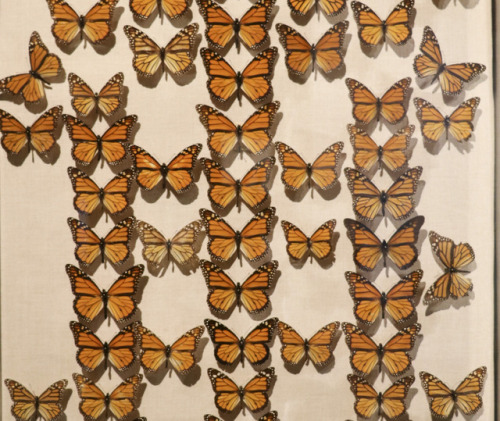
monarch butterfly speciemens

Avocad-oh-no

In the last couple years, avocados have been hailed as a “superfood” that is delicious with pretty much everything. However, as the demand increased, the seasonal home of migrating monarch butterflies has been cut down for more avocado farmland.

It’s a prime example of how the actions of humans inadvertently impacts other species, which is a core theme of Carnegie Museum of Natural History’s new exhibition We Are Nature: Living in the Anthropocene.


The Anthropocene is the current geological era in which humans are making a profound impact on the geological strata. While the term itself is still being debated by geologists, the museum is embracing it as a social and cultural tool for exploring the broad sum effect humans are having on the planet in the exhibition We Are Nature: Living in the Anthropocene—open now through summer 2018.

Filed Under: Blog Tagged With: We Are Nature, We Are Nature: Living in the Anthropocene

  • « Go to Previous Page
  • Page 1
  • Interim pages omitted …
  • Page 3
  • Page 4
  • Page 5
  • Page 6
  • Page 7
  • Page 8
  • Go to Next Page »

sidebar

About

  • Mission & Commitments
  • Directors Team
  • Museum History

Get Involved

  • Volunteer
  • Membership
  • Carnegie Discoverers
  • Donate
  • Employment
  • Events

Bring a Group

  • Groups of 10 or More
  • Birthday Parties at the Museum
  • Field Trips

Powdermill

  • Powdermill Nature Reserve
  • Powdermill Field Trips
  • Powdermill Staff
  • Research at Powdermill

More Information

  • Image Permission Requests
  • Science Stories
  • Accessibility
  • Shopping Cart
  • Contact
  • Visitor Policies
One of the Four Carnegie Museums | © Carnegie Institute | Privacy Policy | Terms of Use | Accessibility
Rad works here logo