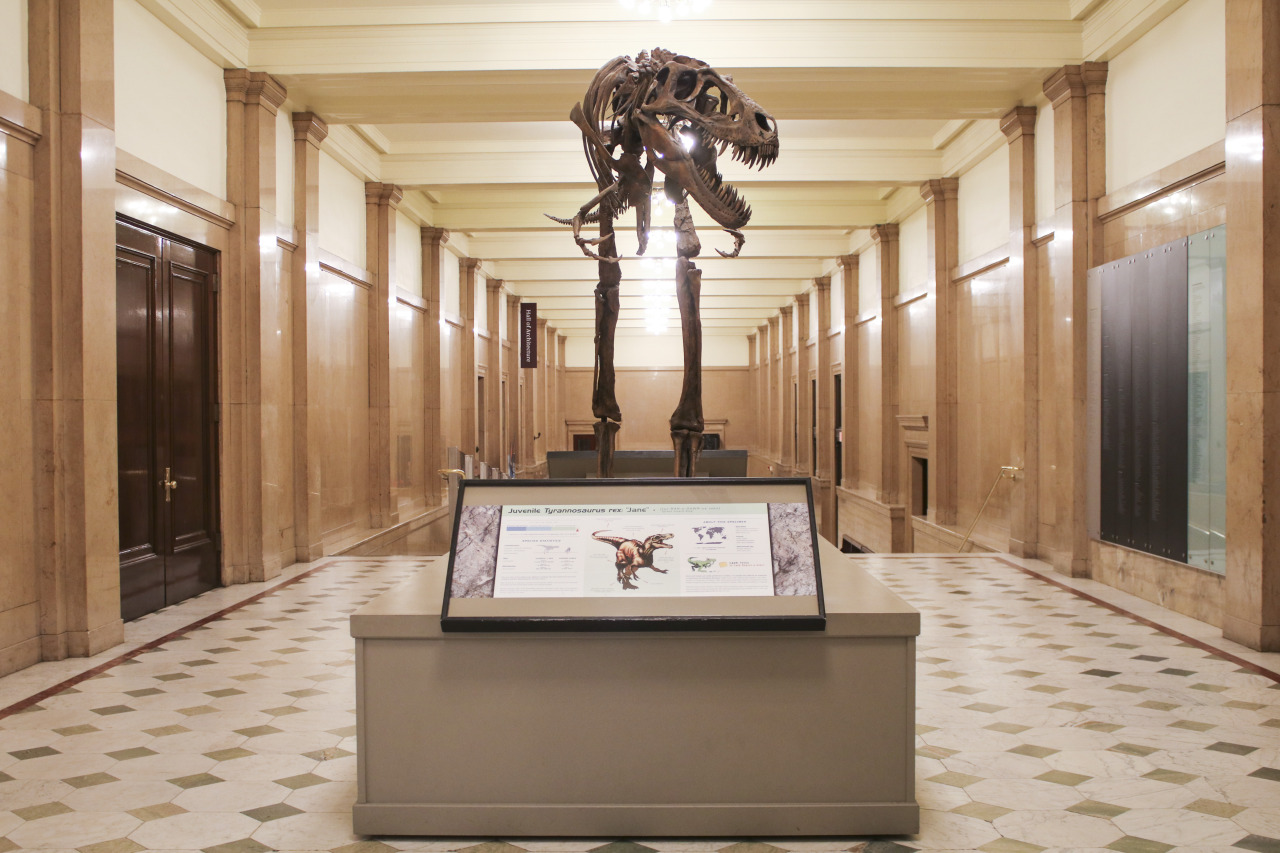
Carnegie Museum of Natural History’s juvenile Tyrannosaurus rex “Jane”
(Photo by Hayley Pontia)
Carnegie Museum of Natural History
One of the Four Carnegie Museums of Pittsburgh
Carnegie Museum of Natural History’s juvenile Tyrannosaurus rex “Jane”
(Photo by Hayley Pontia)
by Timothy A. Pearce
Since trees drop leaves every fall, why aren’t we up to our necks in dead leaves?
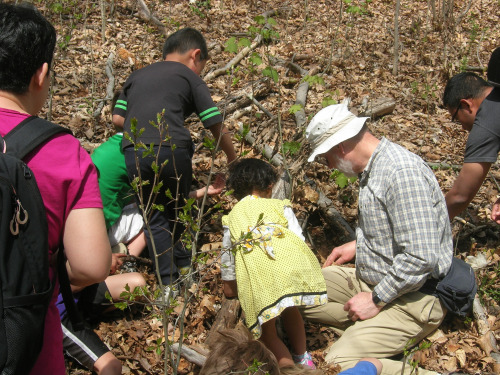
Thirty-seven people joined me on a series of four walks in Frick Park on April 24 to discover the answer: leaves are consumed by a myriad tiny creatures that turn them back into nutrients so plants can grow again.
Among the tiny creatures we found that consume leaves (and some that consume the leaf-eating creatures) were earthworms, sow bugs, spiders, daddy long legs, millipedes, centipedes, beetles, spring tails, and several species of snails, which are my favorite creatures. After the walks, we scrutinized our finds with magnifying glasses. The weather was sunny and the perfect temperature for walking outside. The children especially enjoyed digging in the soil.
Timothy A. Pearce, PhD, is the head of the mollusks section at Carnegie Museum of Natural History. Museum employees are encouraged to blog about their unique experiences and knowledge gained from working at the museum.
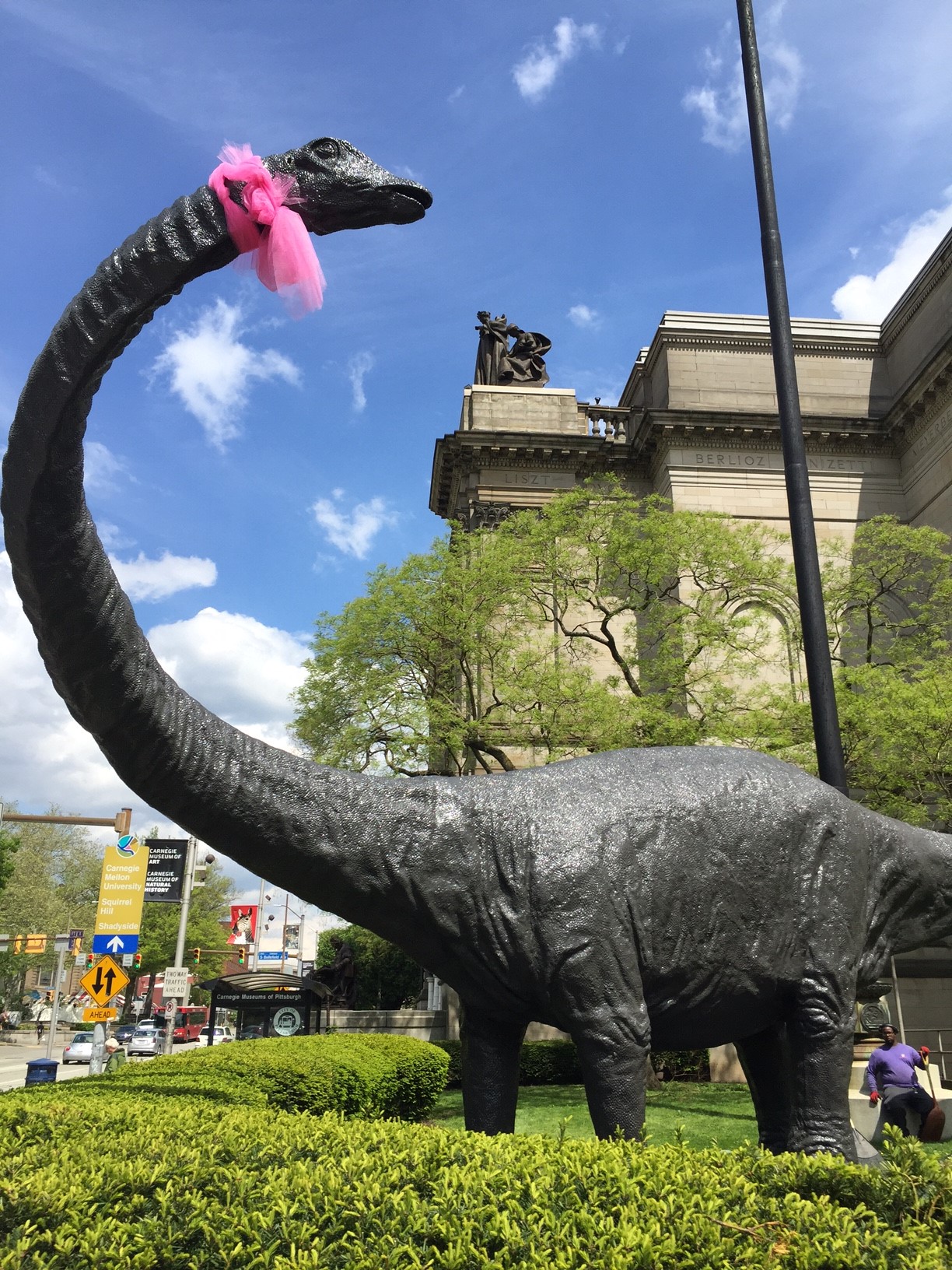
Dippy, our 22-foot tall dinosaur sculpture, is sporting pink this week for Sunday’s Susan G. Komen Race for the Cure in Pittsburgh!
by Jose M. Padial
On April 26, a massive fire devoured the National Museum of Natural History in Delhi,
India.
The museum was home to invaluable collections and played a crucial role in environmental education in a country suffering of rampant habitat destruction.
This is a great loss for nature lovers and for the museum world but also a particular tragedy for the Carnegie Museum of Natural History. The Carnegie has an important historical connection with the museum in Delhi, for during the early stages of its development, curatorial staff from the Carnegie helped to train museum personnel and build their collections.
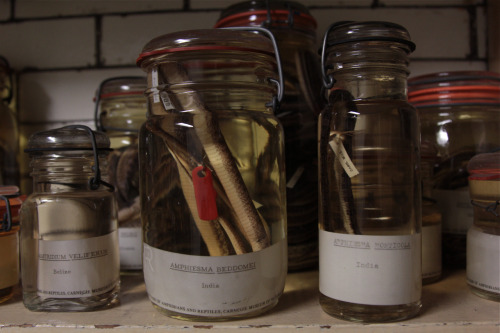
We have selected some items from the herpetology collection and archives to pay homage to the National Museum in Delhi and express our support and condolences to our colleagues in India.
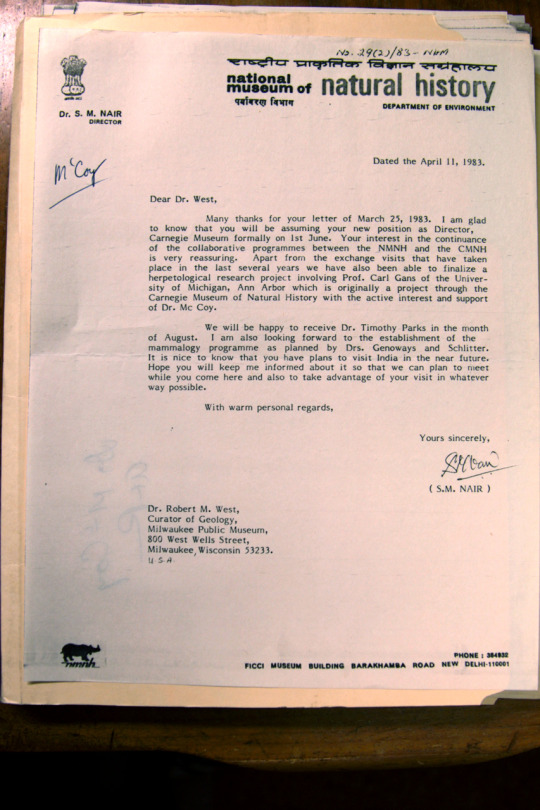
Letter dated April 11, 1983, written by Dr. Nair, director of the National Museum of Natural History in Delhi, and addressed to Dr. Robert M. West, Curator of Geology at the Milwaukee Public Museum, who was about to become director of the Carnegie Museum of Natural History. The letter mentions ongoing collaborations between the two museums, especially in the area of herpetology under the supervision of Dr. Jack McCoy and Dr. Carl Gans.
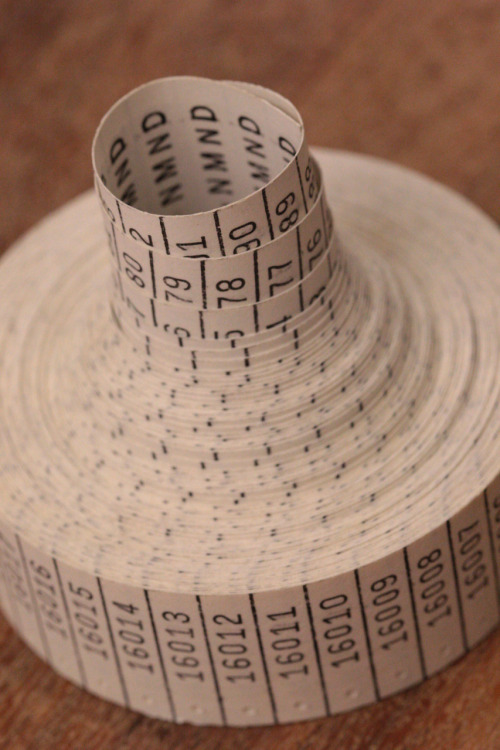
Museum tags for the National Museum of Natural History in Delhi ordered by Carnegie
Curator of Amphibians and Reptiles Jack McCoy and fabricated in the US by the
National Tag Company.
José Padial is the William and Ingrid Rea Assistant Curator of Herpetology at Carnegie Museum of Natural History. He most recently traveled to the remote Vilcabamba mountains of Peru in the pursuit of biodiversity research. Read more at www.tumblr.com/blog/expeditions-carnegiemnh.
By Laurie Giarratani
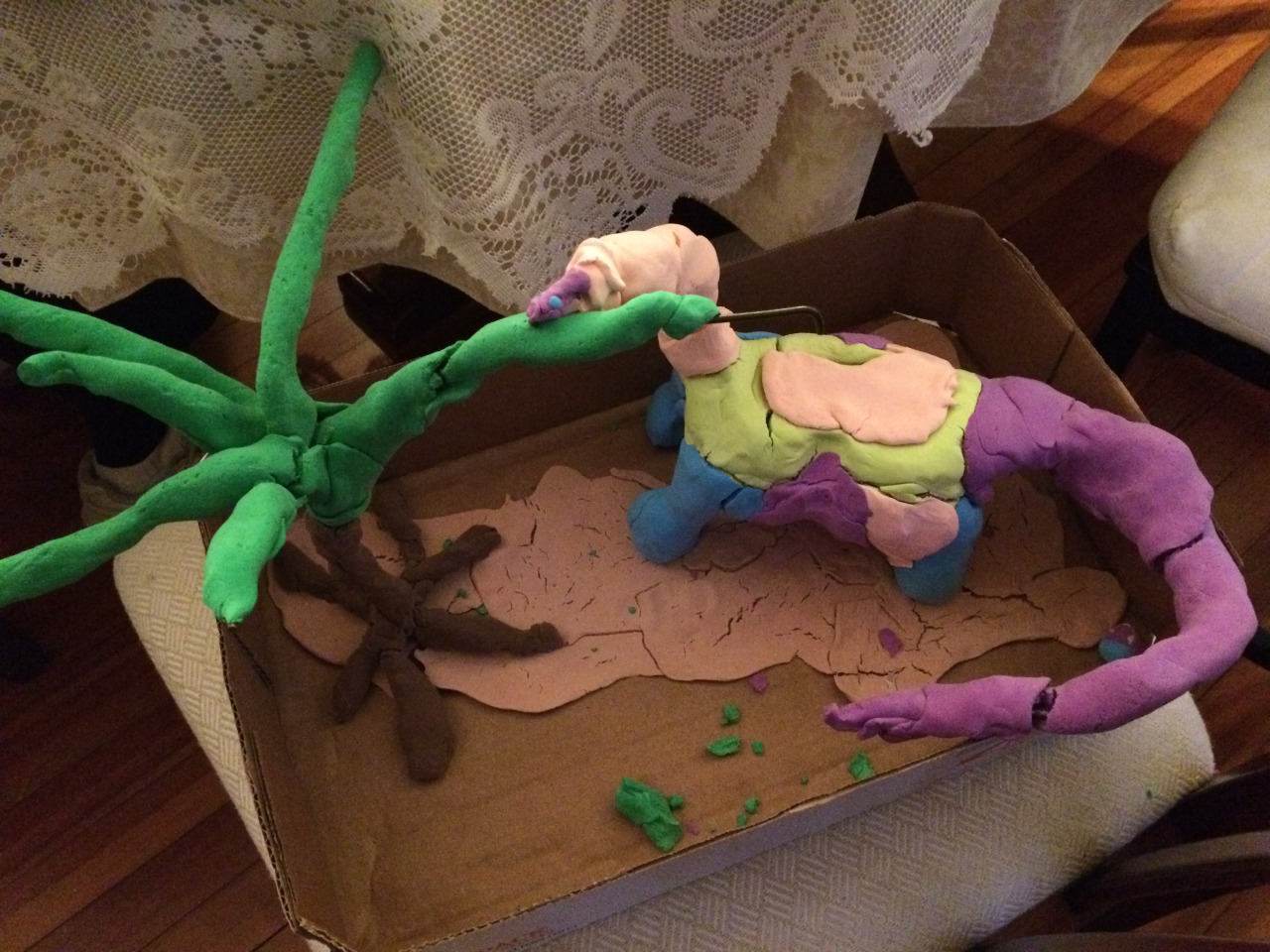
Recently I had dinner with friends, one of whom recently visited Carnegie Museum of Natural History on a school field trip. After dinner Mira Conti, age 5, showed me a project that she completed as homework after her visit. The task: to create a three dimensional dinosaur based on what she learned at the museum.
Mira chose Dippy as her model, shown above. Three things delight me about this creation:
1) It features a plant! In Mira’s mini diorama, Dippy gracefully grazes on a leafy tree top, showing that dinosaurs were part of a complex ecosystem and evolved alongside diverse plant life.
2) Dippy’s tail extends in a powerful arc, held high off the ground. Form and function are key evolutionary concepts that we strive to make accessible to every age level through the museum’s education programs. It’s nice to see how one such detail sticks in a young mind.
3) We welcome over 25,000 school children annually on field trips, and every day we are astounded by their joy, curiosity, and the unpredictable ways that they connect their existing knowledge to new discoveries at the museum. Very rarely do we get a window into what aspects of their museum experience resonate with them later at home, at school, and in their communities.
I’d like to thank Mira for showing me her project, and thank her teachers at Sacred Heart Elementary School for taking the time and effort to plan their field trip along with such a creative homework assignment. I hope to see you all again at the museum soon!
Laurie Giarratani works in the Education department at Carnegie Museum of Natural History. Museum employees are encouraged to blog about their unique experiences and knowledge gained from working at the museum.
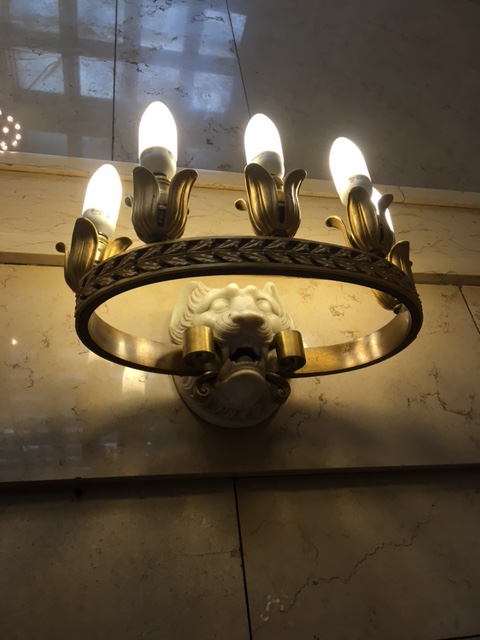
Do you think this lion’s jaws ever gets tired of keeping the Grand Staircase lit at Carnegie Museum of Natural History?
