• Skip to primary navigation
  • Skip to main content
  • Skip to primary sidebar

Carnegie Museum of Natural History

One of the Four Carnegie Museums of Pittsburgh

  • Visit
    • Buy Tickets
    • Visitor Information
    • Exhibitions
    • Events
    • Dining at the Museum
    • Celebrate at the Museum
    • Powdermill Nature Reserve
    • Event Venue Rental
    • Gift Cards
  • Learn
    • Field Trips
    • Educator Information
    • Programs at the Museum
    • Bring the Museum to You
    • Guided Programs FAQ
    • Programs Online
    • Climate and Rural Systems Partnership
  • Research
    • Scientific Sections
    • Science Stories
    • Science Videos
    • Senior Science & Research Staff
    • Museum Library
    • Science Seminars
    • Scientific Publications
    • Specimen and Artifact Identification
  • About
    • Mission & Commitments
    • Directors Team
    • Museum History
  • Tickets
  • Give
  • Shop

wpengine

April 23, 2016 by wpengine

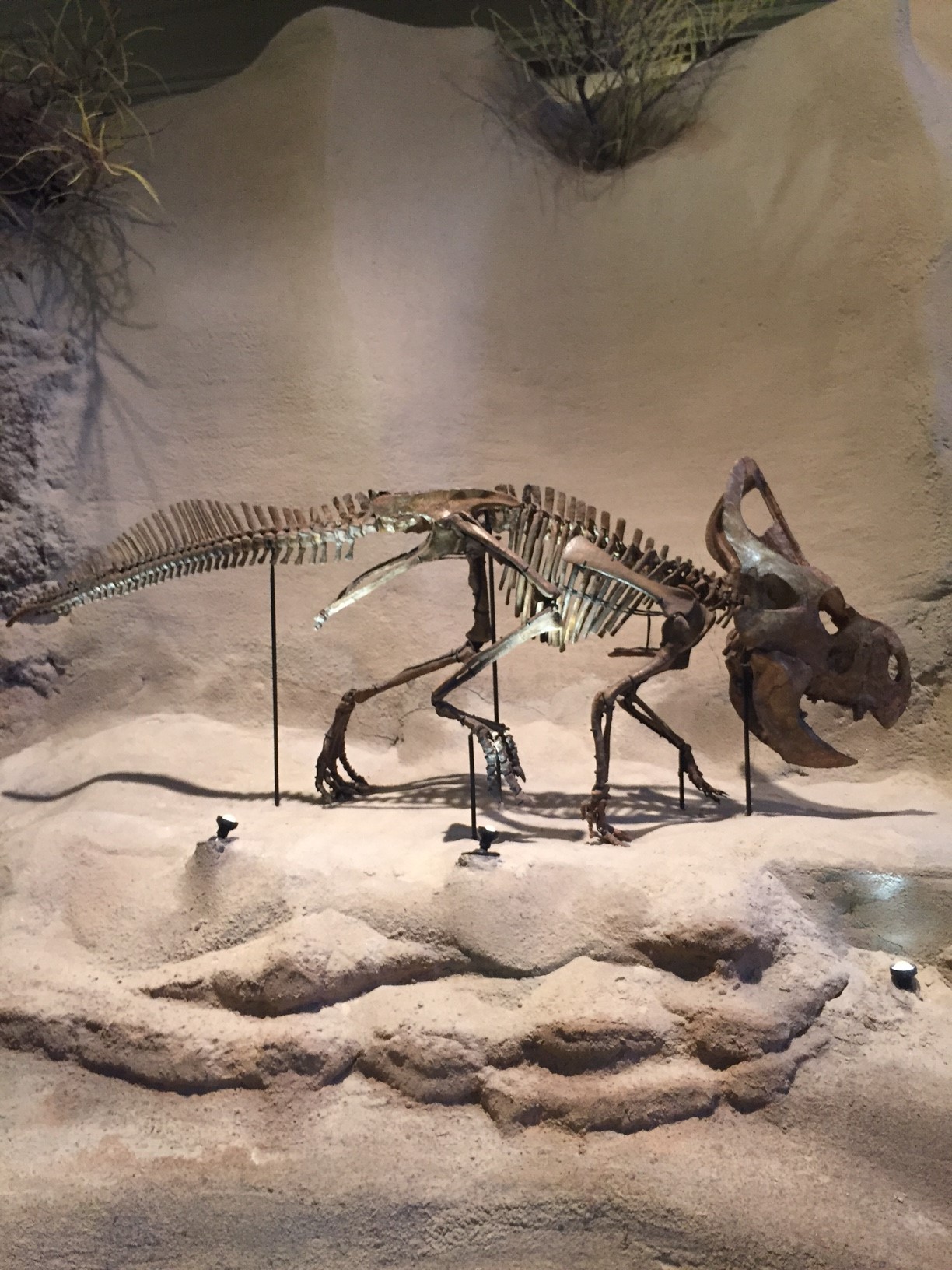
Protoceratops andrewsi

male Protoceratops andrewsi fossil

Protoceratops andrewsi lived about 80 million years ago in what is now Mongolia and China. These horned dinosaurs stood only about two and a half feet tall and were an earlier relative of the famous Triceratops.

Seen above is a immature male Protoceratops andrewsi on display at Carnegie Museum of Natural History in Pittsburgh.
Filed Under: Blog Tagged With: dinosaurs, Pittsburgh

April 21, 2016 by wpengine

Carnegie Museum Scientist Discovers New Species of Frog

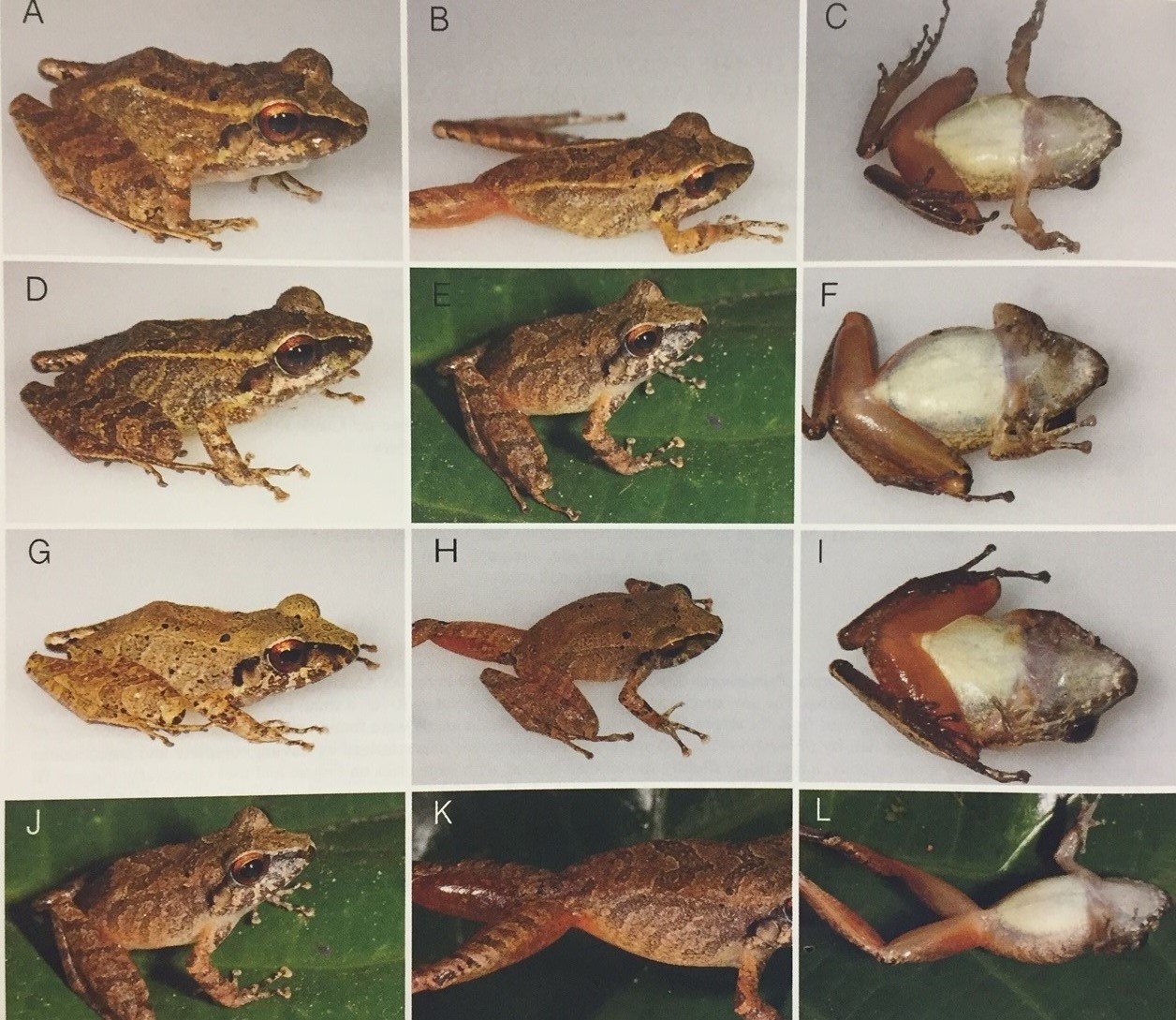
Pristimantis iiap frog
Discovering a new species is no easy undertaking in 2016.

Dr. José Padial and a team of scientists had to venture deep into the Amazonian rainforest where they trod through dense bamboo and the dark of night to discover a new species of frog that was unknown to science until now.

Padial, the Carnegie Museum of Natural History assistant curator of amphibians and reptiles, led the team of scientists into the Peruvian back country in 2014, where they identified a new species of frog – Pristimantis iiap. The frog was named and described in the February 2016 Annals of the Carnegie Museum of Natural History.

The team found and identified a species of frog in the lowland forests of the Peruvian Amazon calling after dark along the bamboo dominated forests of the Sepahua River, a small tributary of the Urubamba River.

Pristimantis iiap, was named after the Instituto de Investigaciones de la Amazonia Peruana (Peruvian Amazon Research Institute or IIAP) for its role in biodiversity research and conservation.

Pristimantis iiap belongs to the Pristimantis conspicillatus species group, a group that has a broad distribution in northern South America across a diversity of habitats that include the Amazonian forests, Andean hills, the dry forests of the Cerrado, and the Mata Atlantica of eastern Brazil. Analyses of its mating call and anatomical traits provided evidence of the distinctiveness of this new species.

The 2014 trip was part of a series of expeditions in the Fitzcarrald Arch in southeastern Peru, one of the least explored areas of the Amazon basin. Little is known about the herpetofauna there, but this expedition and other recent explorations have discovered that there are more reptiles and lizards in that area than was previously thought. Several other new species are still being described, so stay tuned for more fascinating discoveries!

José Padial is the William and Ingrid Rea Assistant Curator of Herpetology at Carnegie Museum of Natural History. He most recently traveled to the remote Vilcabamba mountains of Peru in the pursuit of biodiversity research. Read more at www.tumblr.com/blog/expeditions-carnegiemnh.

Filed Under: Blog Tagged With: discovery, herpetology, new species

April 19, 2016 by wpengine

In Defense of Dandelions

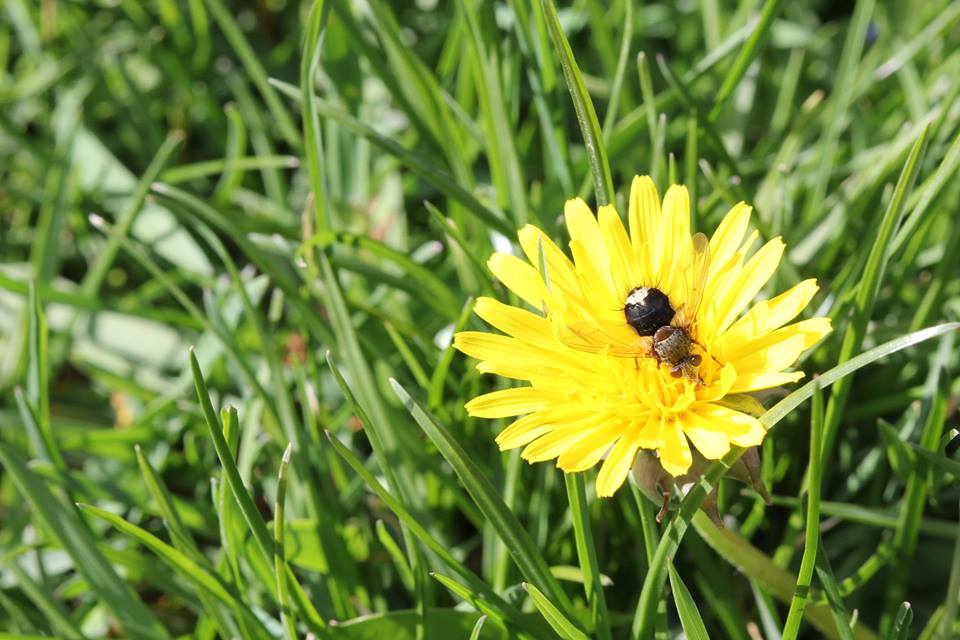
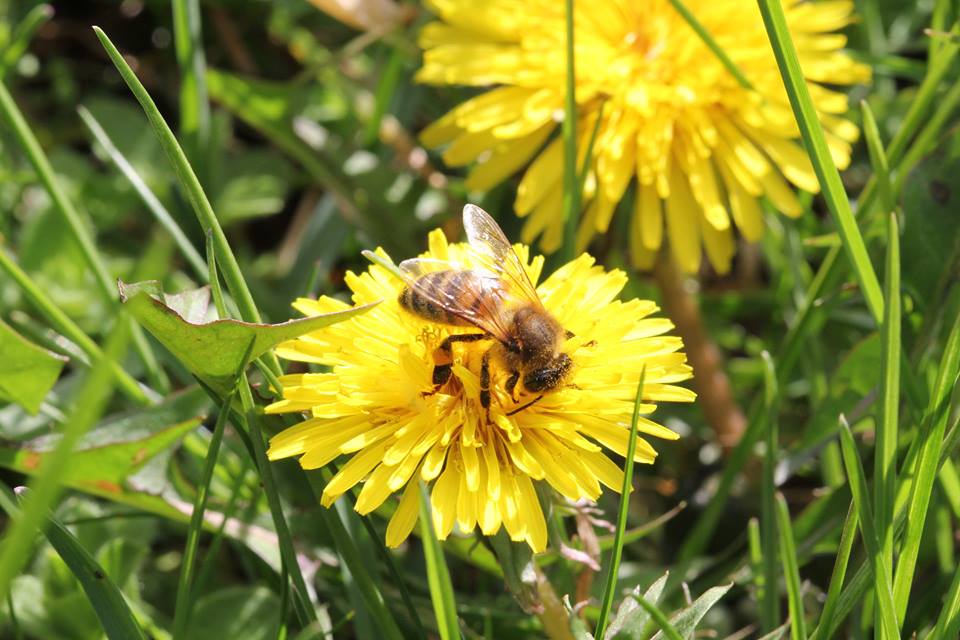
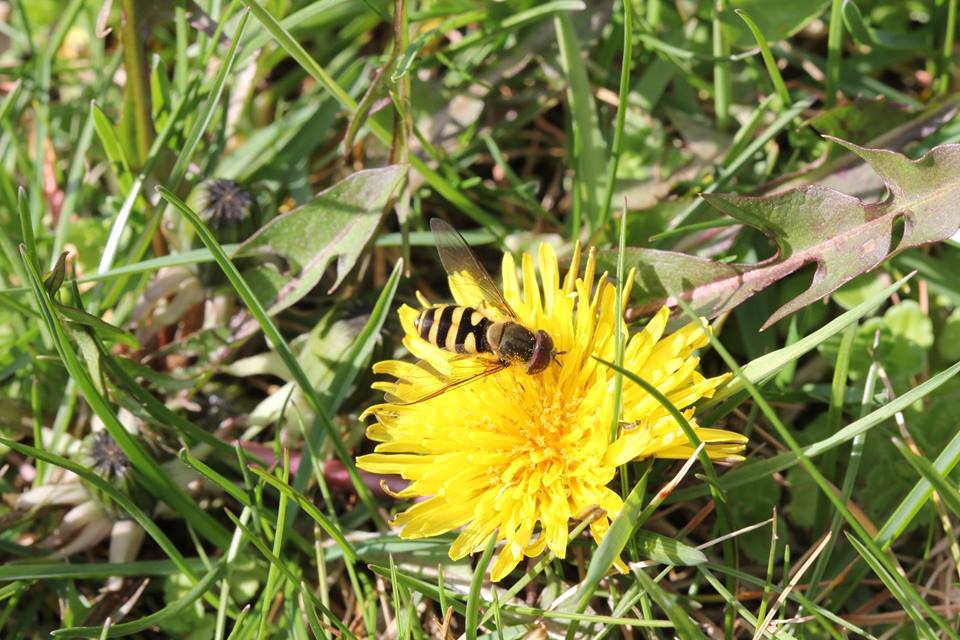
Dandelion in the grass Dandelion with honey bee Dandelion with insect
by Andrea Kautz

Dandelions are surely one of the most detested weeds out there, but if you go out on a sunny spring day, you will notice a variety of insects visiting the bright yellow flowers for nectar and pollen.

This is an important early-season food source for many pollinators including bees and flower-visiting flies like the ones pictured here, visiting dandelions in front of Carnegie Museum of Natural History’s environmental research center– Powdermill Nature Reserve–one afternoon last week.

Without flowering weeds like dandelions, our lawns turn into large pollinator food deserts, so maybe we can learn to put up with them.

After all, they are beautiful!

Andrea Kautz is a research entomologist at Carnegie Museum of Natural History’s Powdermill Nature Reserve. Museum employees are encouraged to blog about their unique experiences and knowledge gained from working for the museum.

Filed Under: Blog Tagged With: conservation, gardening

April 18, 2016 by wpengine

A Visit from the Vet

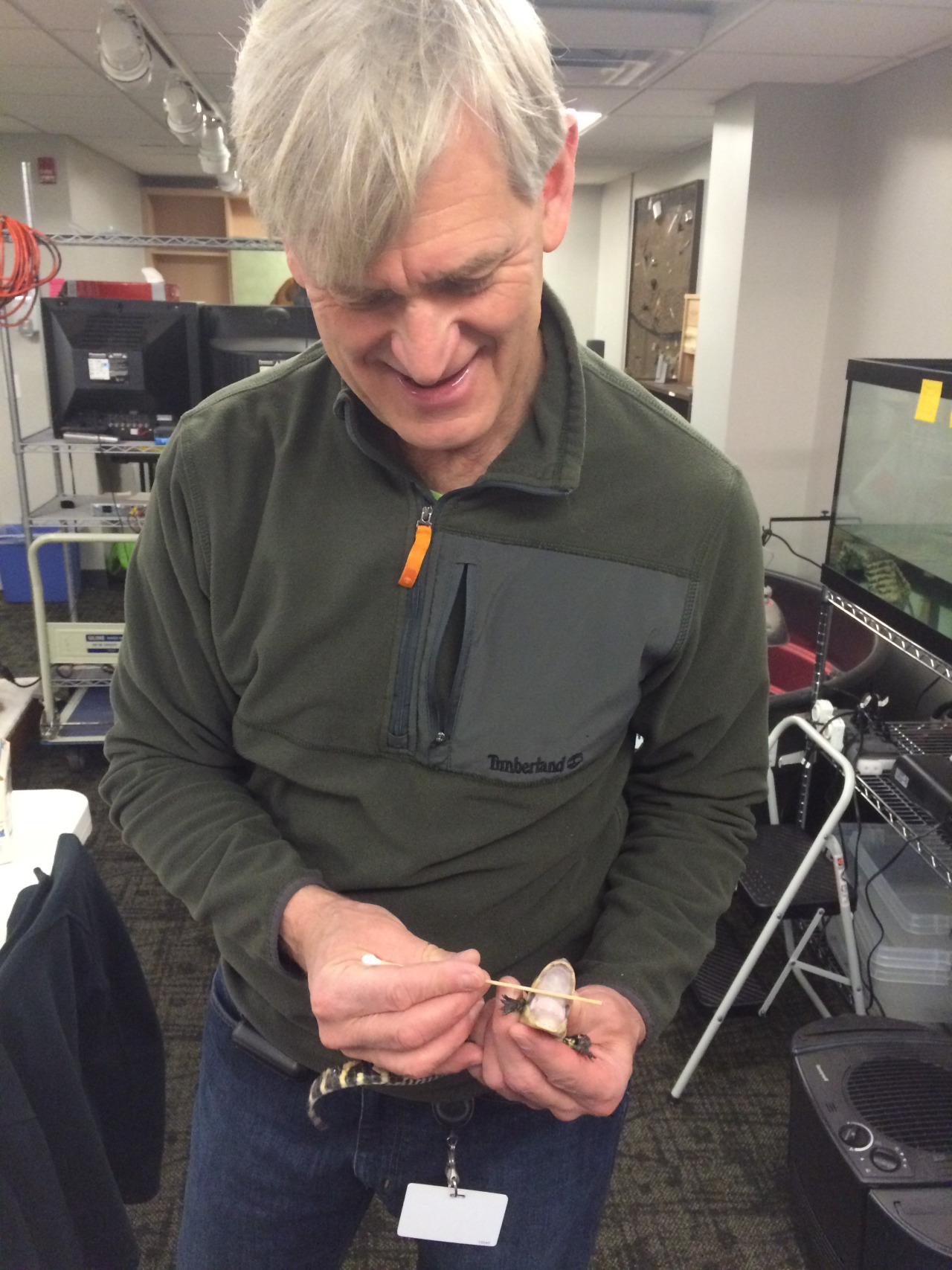
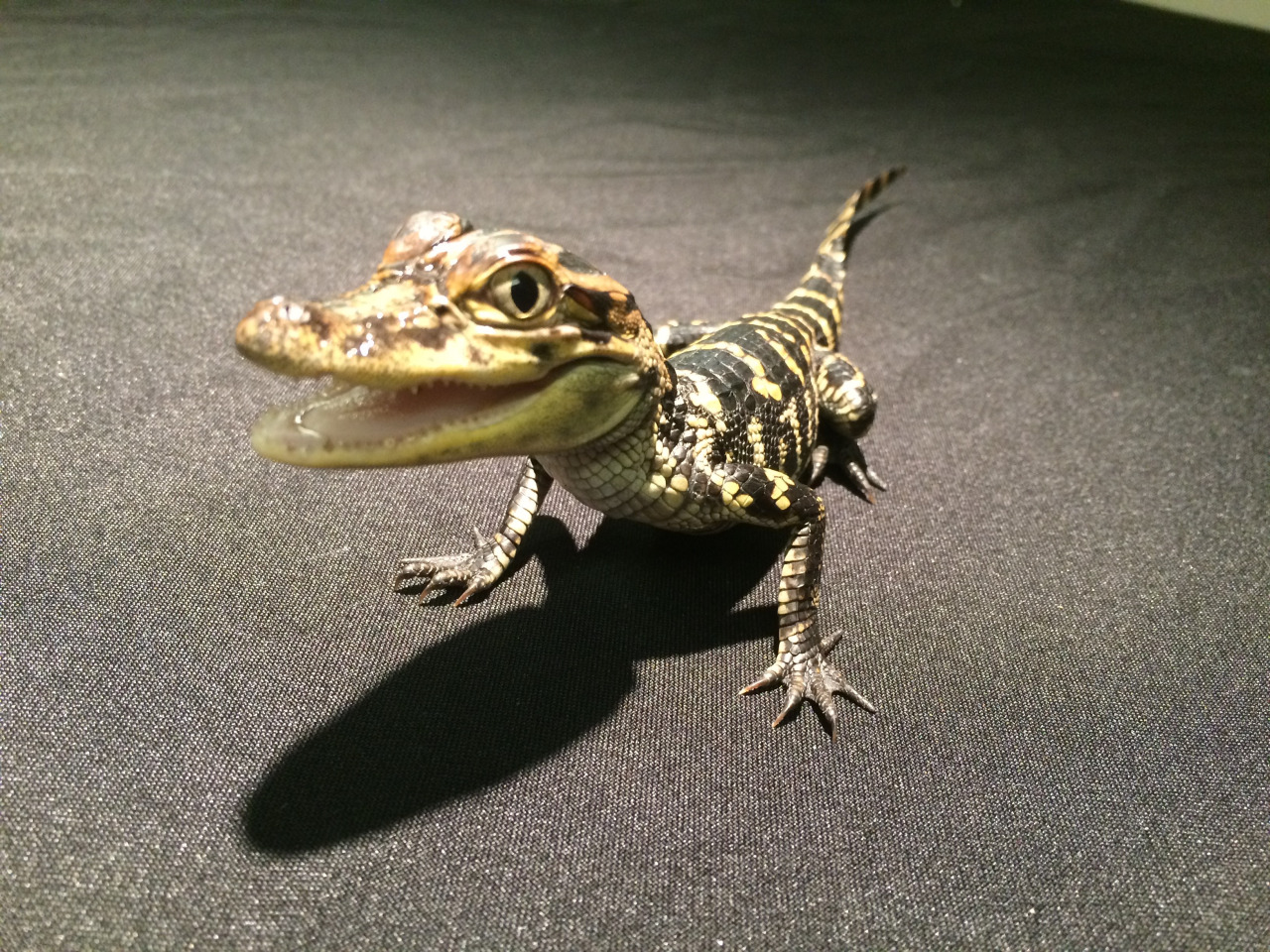
baby alligator gets a vet visit hatchling alligator

by Mallory Vopal

The alligators in the Living Collection at Carnegie Museum of Natural History are always the stars of the show when they come out for a public visit with museum guests.  We closely monitor the gators by keeping records on them daily to make sure they are always healthy and ready to go for educational programming.

A vital component to our animal care team at the museum is having an experienced exotic veterinarian who is willing to make a “house call” to the museum to give our gator friends a checkup.  Pictured is Dr. Robert Wagner, a well-known local exotic veterinarian who has more than 30 years of experience. He gave our little hatchling friend Albert a clean bill of health, but only after Albert said “ahh” of course!

Mallory Vopal is Gallery Experience Manager at Carnegie Museum of Natural History and also
manages the Living Collection.  Her animal husbandry background includes reptiles, birds, amphibians, mammals, and invertebrates.

Filed Under: Blog

April 16, 2016 by wpengine

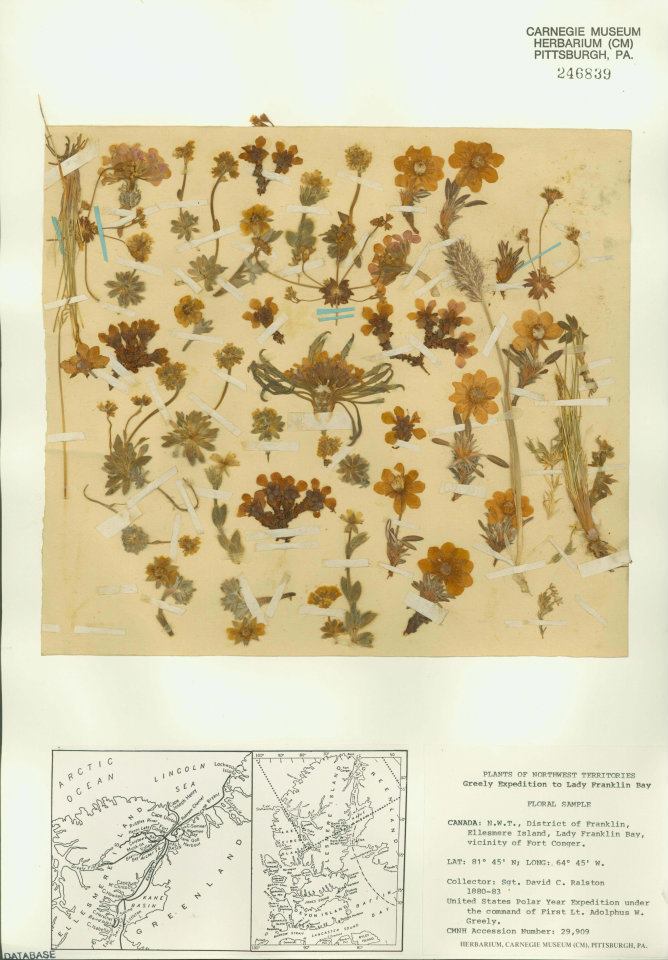
Plants of the Northwest territories

Pressed flowers from the Northwest territories

From our botany collection: “Plants of the Northwest territories” that were collected on an expedition in the 1880s


Filed Under: Blog Tagged With: Botany, plants

April 15, 2016 by wpengine

Scientists on Specimen ID

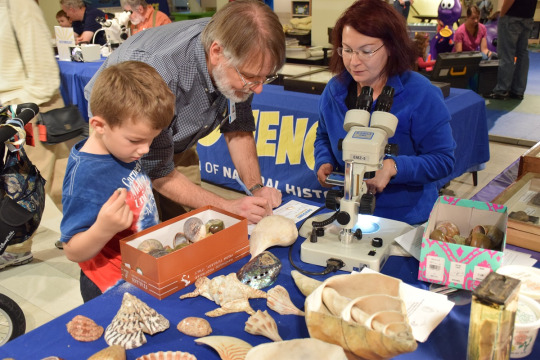
Scientists with child helping to identify shells
Above: Timothy Pearce, Assistant Curator of Mollusks, helps identify a specimen.

Can you stump the scientist?

Carnegie Museum of Natural History’s scientists will be available on Saturday, April 16 to identify objects that visitors have found in nature for Super Science: Specimen ID Day. 

These events are a unique experience for visitors, but also an interesting way for our scientists to interact with the public and test their knowledge!

Albert Kollar, Section of Invertebrate Paleontology, said that the number of places that people bring in specimens from is the part of Specimen ID Day that he finds most intriguing.

Kollar said he helped identify specimens collected from Pennsylvania, Ohio, western New York, Virginia, Maryland along the Chesapeake Bay, South Carolina and North Carolina’s underwater shoreline, Indiana, Missouri, and Colorado.

“That was fun and a challenge to review my knowledge,” he said. “Some of it was easy as it worked to my experiences of conducting research in many of those states excluding North and South Carolina.”

He said a little girl who collected fossils from the Falls of the Ohio rocks of Indiana was one of the best specimens brought to him at a Specimen ID Day.

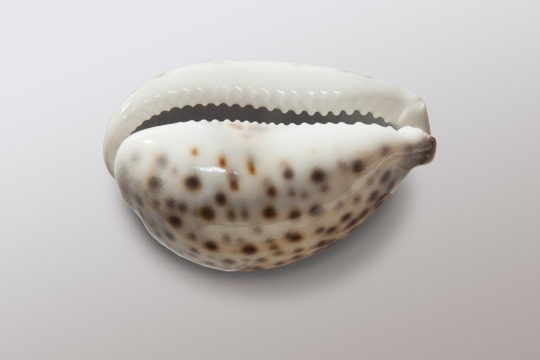
Timothy Pearce, Assistant Curator of Mollusks, said someone brought in a fist-sized shell that looked like a cowry (appealingly shaped, attractive, shiny sea shells), but not like any cowry he had ever seen at a similar event.

A cowry shell
A cowry

“We finally determined that it is actually the earbone of a whale, which is, interestingly, shaped very much like a cowry!” Pearce said. “This was way before we had Google Images, so it took a bit of sleuthing to track it down.”

Filed Under: Blog Tagged With: Albert Kollar, invertebrate paleontology, museums, Tim Pearce

  • « Go to Previous Page
  • Page 1
  • Interim pages omitted …
  • Page 196
  • Page 197
  • Page 198
  • Page 199
  • Page 200
  • Interim pages omitted …
  • Page 206
  • Go to Next Page »

sidebar

About

  • Mission & Commitments
  • Directors Team
  • Museum History

Get Involved

  • Volunteer
  • Membership
  • Carnegie Discoverers
  • Donate
  • Employment
  • Events

Bring a Group

  • Groups of 10 or More
  • Birthday Parties at the Museum
  • Field Trips

Powdermill

  • Powdermill Nature Reserve
  • Powdermill Field Trips
  • Powdermill Staff
  • Research at Powdermill

More Information

  • Image Permission Requests
  • Science Stories
  • Accessibility
  • Shopping Cart
  • Contact
  • Visitor Policies
Stay in the loop! Sign up for our newsletter(s).
One of the Four Carnegie Museums | © Carnegie Institute | Privacy Policy | Terms of Use | Accessibility
Rad works here logo