• Skip to primary navigation
  • Skip to main content
  • Skip to primary sidebar

Carnegie Museum of Natural History

One of the Four Carnegie Museums of Pittsburgh

  • Visit
    • Buy Tickets
    • Visitor Information
    • Exhibitions
    • Events
    • Dining at the Museum
    • Celebrate at the Museum
    • Powdermill Nature Reserve
    • Event Venue Rental
    • Gift Cards
  • Learn
    • Field Trips
    • Educator Information
    • Programs at the Museum
    • Bring the Museum to You
    • Guided Programs FAQ
    • Programs Online
    • Climate and Rural Systems Partnership
  • Research
    • Scientific Sections
    • Science Stories
    • Science Videos
    • Senior Science & Research Staff
    • Museum Library
    • Science Seminars
    • Scientific Publications
    • Specimen and Artifact Identification
  • About
    • Mission & Commitments
    • Directors Team
    • Museum History
  • Tickets
  • Give
  • Shop

January 10, 2023 by

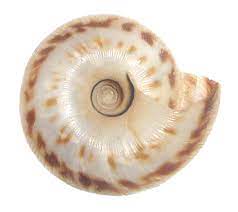
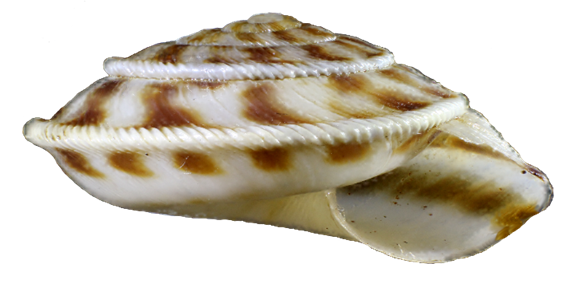
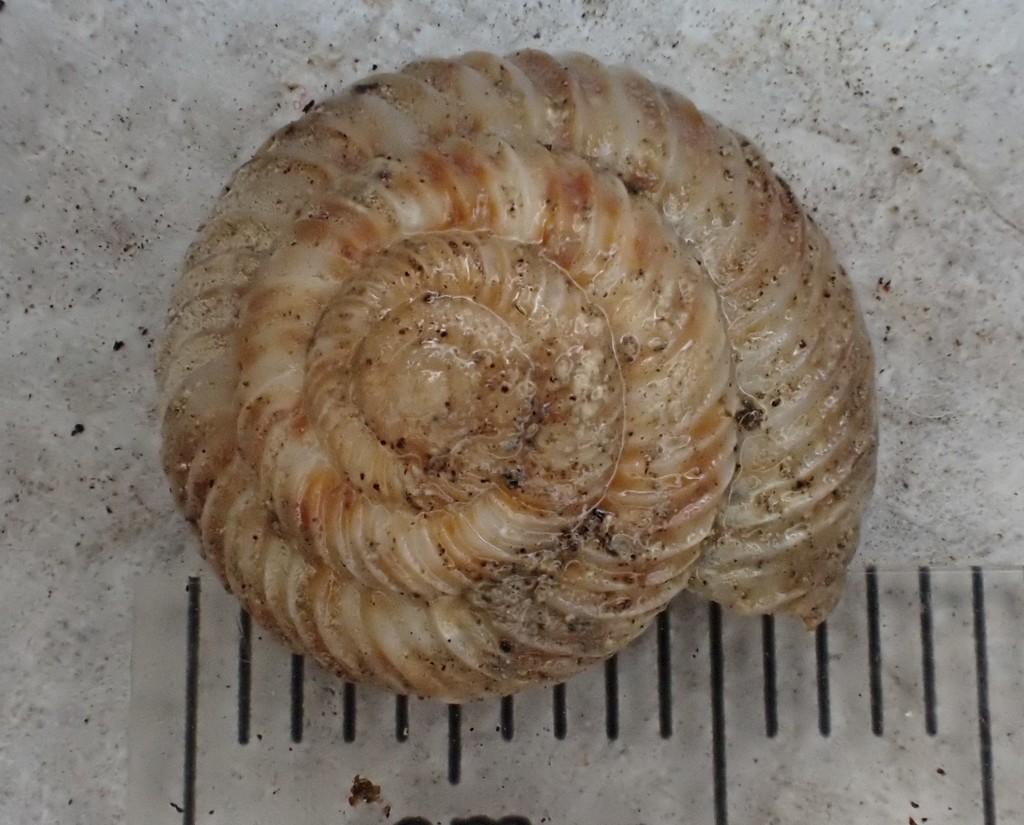
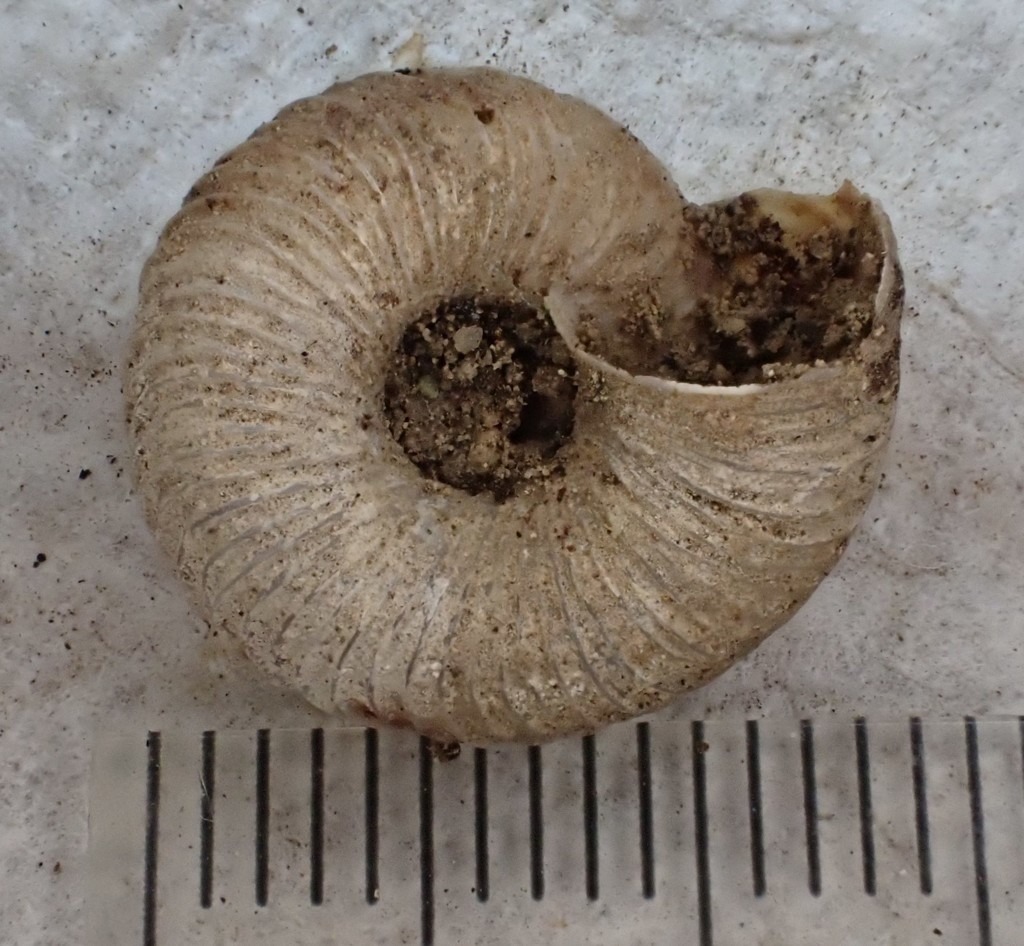
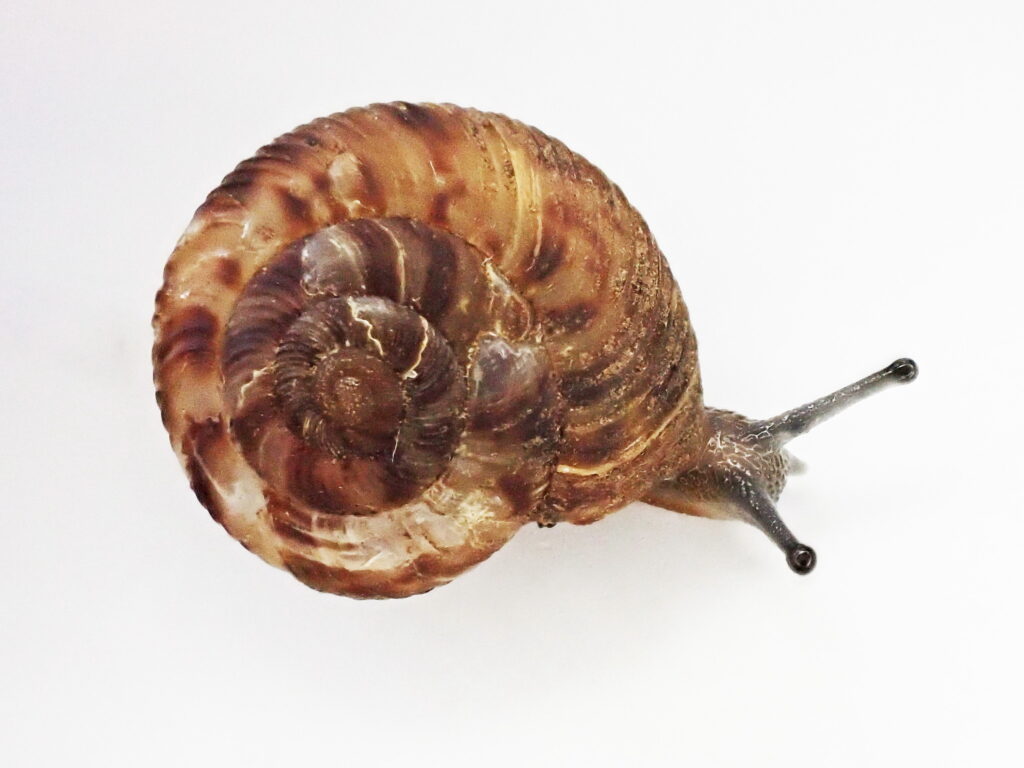
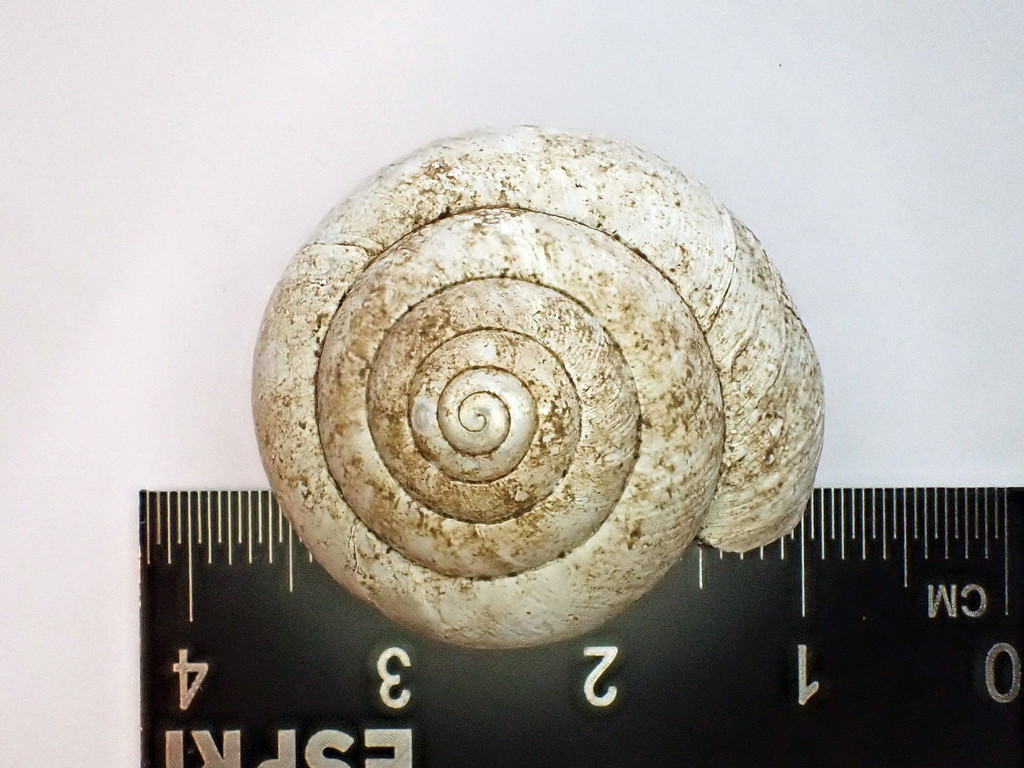
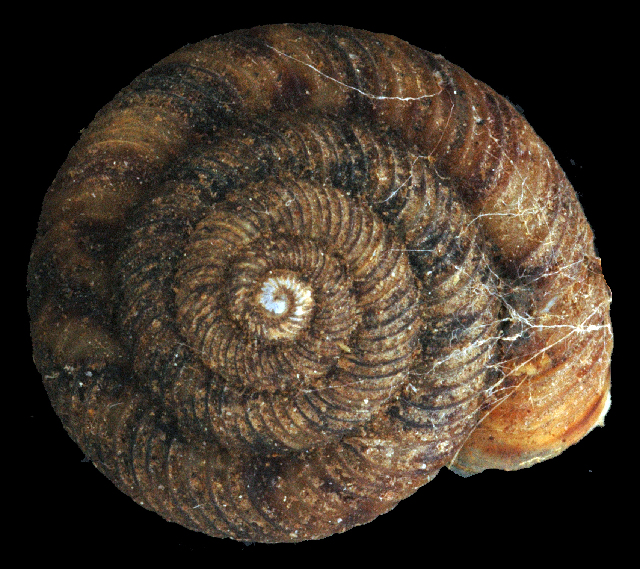
Anguispira strongylodes

superior view of southeastern disk shell, showing strong radial ridges across all 5 whorls
profile view of snail showing the foot fringe
  • John Slapcinsky, Florida Museum of Natural History
  • CC BY-NC 3.0 DEED
  • Additional information about this specimen

Family: Discidae

Common name: Southeastern Disk

Discovery: Pfeiffer, 1854

Identification

Width: 18 mm
Height: 10 mm
Whorls: 5+  

The shell of Anguispira strongylodes has a low heliciform shape with a deep open umbilicus, a thin lip, and strong radial ridges. It is distinguished from A. alternata only by its reduced color pattern. Its chestnut-colored spots are smaller, and there are no radiating streaks.

Ecology

In Tennessee, Anguispira strongylodes has been found in close association with limestone and neutral soils, very steep slopes and high elevations, and late-successional forests, particularly oak-cedar forests (Coney et al, 1982).

Taxonomy

Recent work on the shells and genetics of Anguispira species shows a great deal of variation within the widespread A. alternata, A. jessica, and A. stronylodes, and color patterns may not be helpful in distinguising these species. There are also some unique individuals within A. alternata that suggest the possibility of a “hidden” cryptic species.

Synonyms for A. strongylodes are Anguispira alternata strongylodes, A. a. crassa, A. a. macneilli, A. crassa, A. macneilli, Helix strongyloides, and Pyramidula alternata rarinotata.

Distribution

This animal has been reported in 15 southeastern states, from east Texas to northern Florida, north to Illinois and Virginia.  The easternmost occurrence of this species in Virginia is a sub-fossil shell reported by Hubricht (1985) in Halifax County (not shown on range map).

Conservation

NatureServe Global Rank: G5

Author: Ken Hotopp, Meegan Winslow
Publication date: 8/2012, updated by Ken 2/2018
January 10, 2023 by

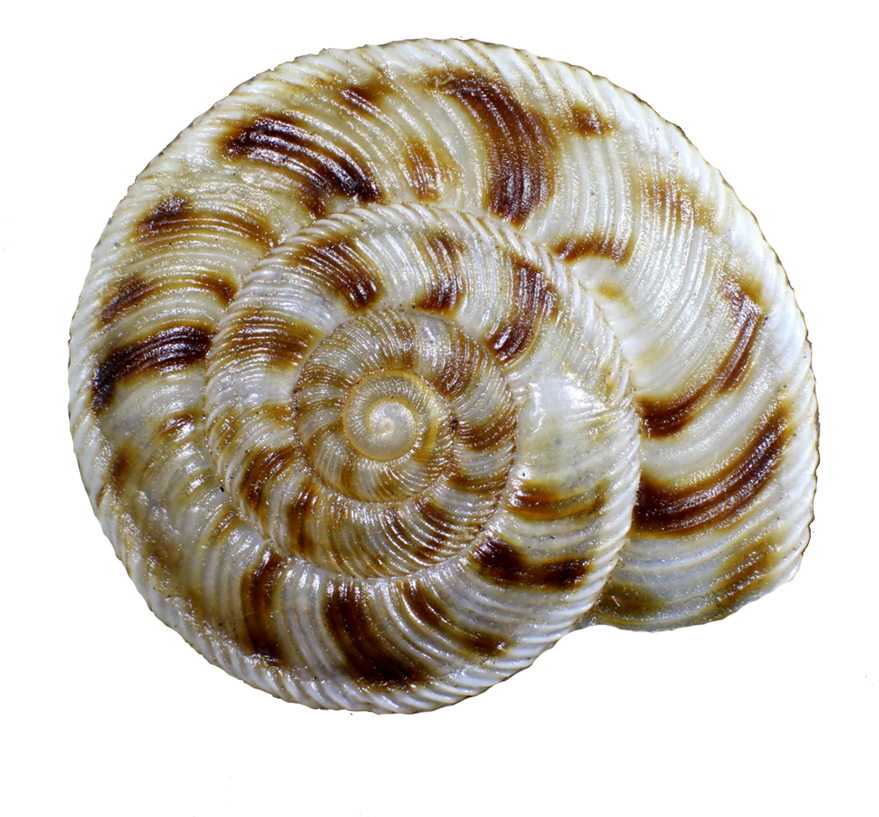
Anguispira stihleri

superior view of snail shell highlighting dark brown chevrons pinwheeled around center whorl
Inferior view of shell, a paler smoother version of the superior view
profile view of shell highlighting the carinate "pinched" periphery

Image Usage Information

  • Dan Dourson
  • CC BY-NC 4.0 DEED

Family: Discidae

Common name: Greenbrier Tigersnail

Discovery: Dourson, 2015

Identification

Width: 15-18 mm
Height: 6-10 mm
Whorls: 5-6

The defining feature of Anguispira stihleri is the extremely carinate “pinched” periphery. The shell is a depressed heliciform shape, umbilicate, and possesses a simple lip. The base color of the shell is white, stained by bold, rusty-brown blotches, some forming chevrons that are strongest on the tip and periphery but seen only as faded streaks on the base.  The embryonic whorl has crisscrossed striae. Later whorls are sculptured with transverse ribs that are strongest on the first three whorls but becoming weakest on the last whorl. On the base the striae are weaker yet, with some shells being nearly smooth. Adult shells with at least 5 whorls have approximately 90 ribs (striae) on the last whorl. Spiral striae are a rather faint attribute.

Ecology

Anguispira stihleri is restricted to limestone clifflines and very occasionally, trees located near the rock structure. In clifflines, they may hide in crevices or under large boulders in eastern redcedar glades. The species seems to prefer dry, open cliff faces where little vegetation grows. The flattened shell may be an adaptation allowing it to move more freely in tight quarters. The diet of this snail would likely include a variety of cliffline fodder such as lichens, algae, sooty mold, cricket scat and decomposing fern fronds. It has been observed feeding on decaying leaves and stems of plants (Dourson, 2015).

Taxonomy

This globally-restricted land snail was originally discovered in 1993 by West Virginia Division of Natural Resources biologist Craig Stihler, for whom it is named. Anguispira stihleri is similar to A. cumberlandiana and A. alabama but is smaller, not as compressed and has a proportionately smaller umbilicus. It differs from A. picta in being smaller, less inflated, more lens-shaped, and having a smaller umbilicus. Anguispira stihleri populations are significantly disjunct from other endemic congeners, none of which are closer than 600 kilometers.

Distribution

An endemic to the state of West Virginia, this species is restricted to limestone bluffs and cedar glades above the Greenbrier River in Greenbrier County, West Virginia. 

Conservation

NatureServe Global Rank: Not yet ranked, recommended G1. NatureServe State Rank: West Virginia, S1. This highly-restricted species may be imperiled.

Author: Dan Dourson
Publication date: 5/2017

January 10, 2023 by

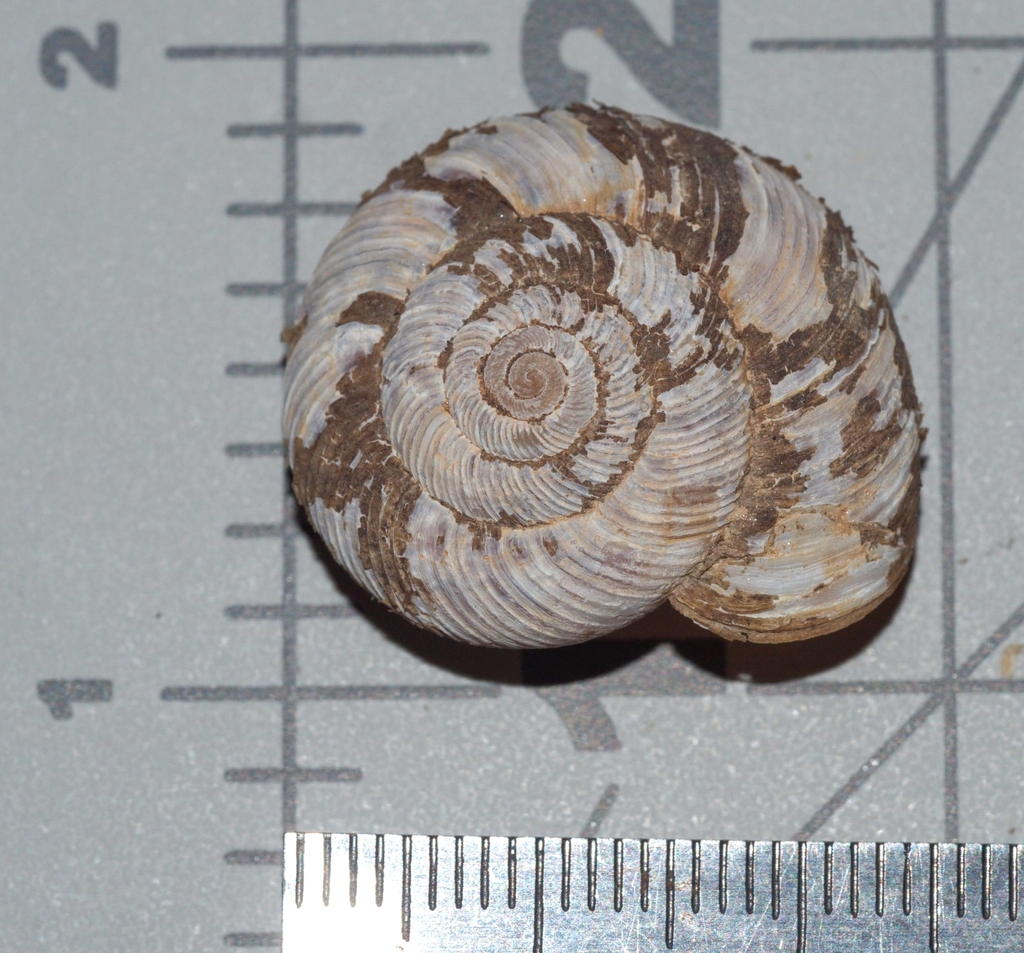
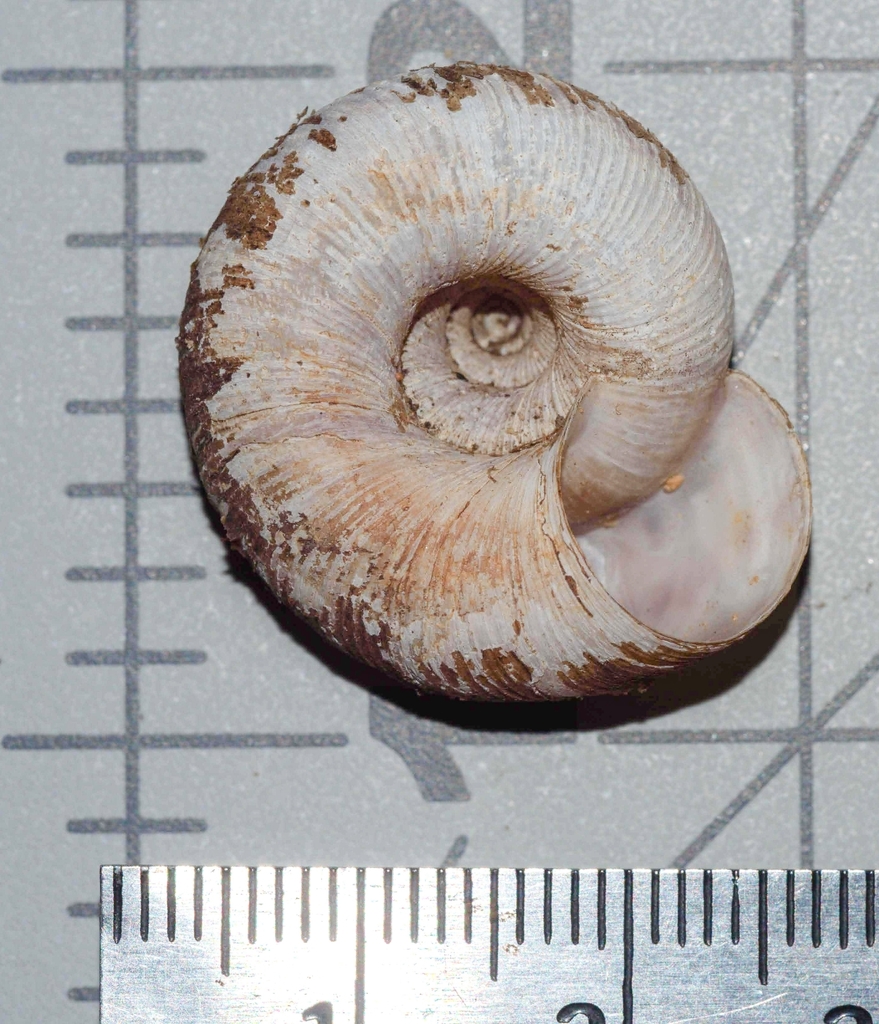
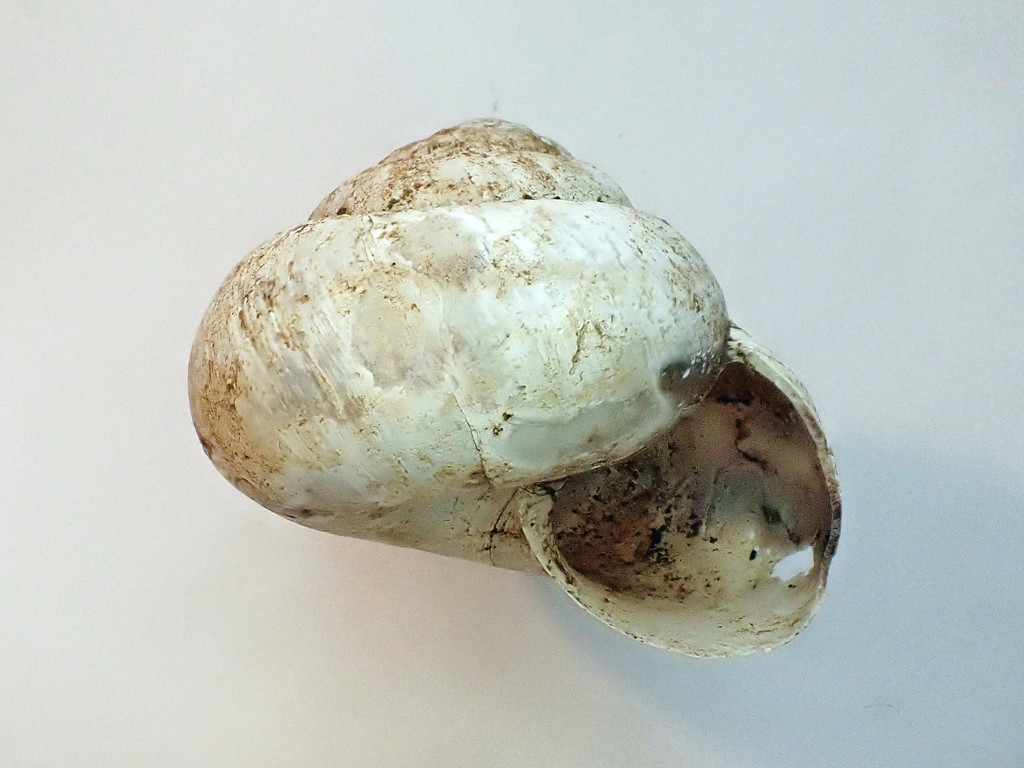
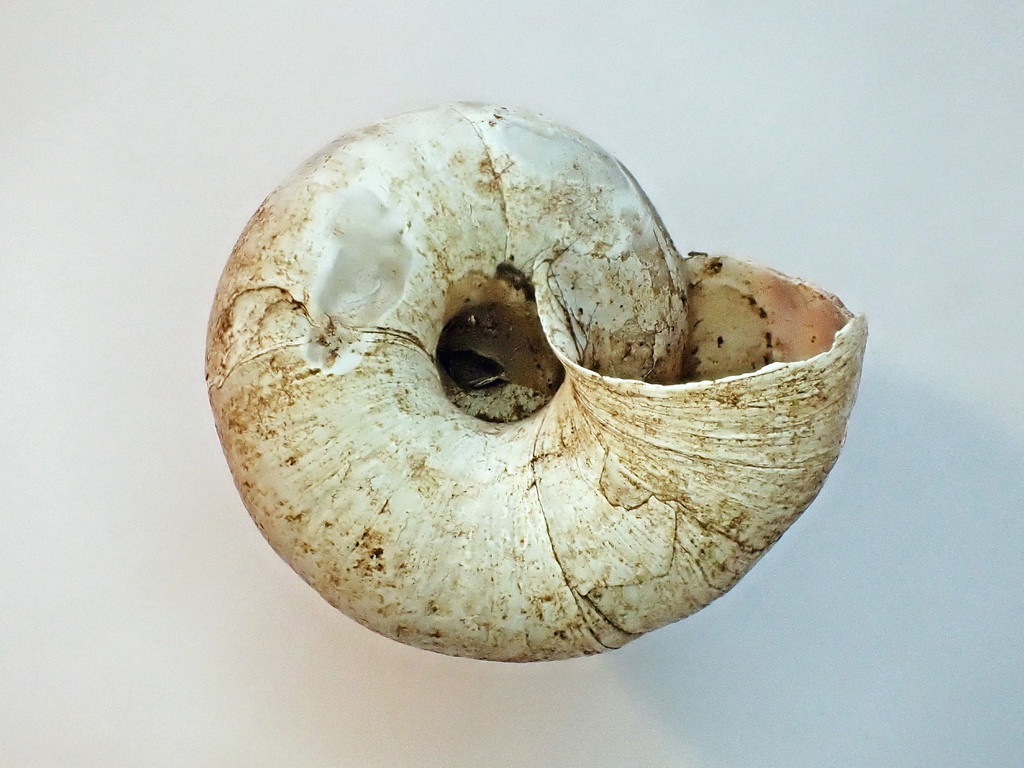
Anguispira rugoderma

superior view of pine mountain tigersnail, measuring approximately one inch wide
inferior view of shell where aperture measures approx. 1 cm wide
profile view of shell featuring aperture and distinct growth ridges in shell

Image Usage Information

  • Tina Marie Camp Scheff
  • CC BY-NC 4.0 DEED
  • Additional information about this specimen

Family: Discidae

Common name: Pine Mountain Tigersnail

Discovery: Hubricht, 1938

Identification

Width: 21-30 mm
Height: 12.5-16.4 mm
Whorls: 5.5-6.0

The shell of Anguispira rugoderma is a depressed heliciform, with an open umbilicus and a ridged sculpture. There are dark brownish irregular spots in a radial pattern. The shell is very much like A. alternata, but tends to be larger, has a wider umbilicus, and less-prominent markings. With magnification, strong growth wrinkles can be seen in addition to the ridge pattern.

Ecology

Anguispira rugoderma is found near rotten logs, in old growth or mature second growth tuliptree (Dourson, 2010).

Taxonomy

This animal was submerged within A. alternata knoxensis by Pilsbry (1948), but is now recognized as distinct (Hubricht, 1968).

Distribution

This animal is found only in four counties in southeastern Kentucky (Hubricht, 1985; Dourson, 2010), where it is listed as Endangered. Although it is not reported from Virginia, it may be found in the southwest bordering Kentucky. The type locality for A. rugoderma is on Pine Mountain, a part of which forms a segment of the Kentucky-Virginia line.

Conservation

NatureServe Global Rank: G2

Author: Ken Hotopp
Publication date: 11/2013

January 10, 2023 by

Anguispira mordax

superior of appalachian tigersnail shell measuring just over one inch
inferior view of the shell, showing aperture measures nearly one half inch wide
profile of shell showing shell is distinctly striated

Image Usage Information

  • Barb Graham
  • CC BY-NC 4.0 DEED
  • Additional information about this specimen

Family: Discidae

Common name: Appalachian Tigersnail or Appalachian Disc

Discovery: Shuttleworth, 1852

Identification

Width: 16 – 18 mm
Height: 6 mm
Whorls: 5.5

The shell of this species is somewhat flat but still has a notable a curve in the apex. The carina is well defined but not particularly sharp. The lip on the A. mordax is thin. The shell is yellow with interrupted red streaks that run in bands parallel to the radial ribs. These ribs are big and wide, sometimes up to 1 mm apart, giving the shell texture a wavy look.

Ecology

Anguispira mordax is found in a wide range of habitats similar to A. alternata (Hubricht, 1985). Kutchka (1940) reports this animal on basswood and tuliptree logs.

Taxonomy

There’s some uncertainty about the taxonomy of this animal (Pilsbry, 1946-8).  Hubricht (1985) says A. mordax is only pure in North Carolina, and elsewhere hybridizes with other species in the same genus.

Synonyms for A. mordax are: Anguispira alternata mordax, A. a. lawae, A. a. paucicostata, A. a. smithi, A. cumberlandiana Columba, A. smithi, A Columba, A. paucicostata, A. mordax paucicostata, Helix mordax, and Pyramidula alternata mordax. 

Distribution

This species has been found in Alabama, Kentucky, North Carolina, Tennessee, Virginia, and West Virginia.  It is found in north-western Virginia and along the border with West Virginia. 

Conservation

NatureServe Global Rank: G4

Author: Ken Hotopp
Publication date: 7/2012, 2/2018

January 10, 2023 by

Anguispira alternata

superior view of flamed disk snail's shell, highlighting dark patches pinwheeled over shell
measurement of flamed disk snail, with shell at just under an inch wide, but just over an inch including head and eyestalks
inferior view of flamed disk snail, showing body emerging from aperture, showing reddish color of foot
inferior view of flamed disk highlighting contrast between reddish foot and darker gray body

Image Usage Information

  • David Lang
  • CC BY-NC 4.0 DEED
  • Additional information about this specimen

Family: Discidae

Common name: Flamed Disk

Discovery: Say, 1816

Identification

Width: 18-23 mm
Height: 11-13 mm
Whorls: 5+

The large shell of the Flamed Disk is decorated with dark reddish-brown patches arranged in a pinwheel pattern upon a lighter brown background. The shell is heliciform with an open umbilicus, and the periphery is bluntly angular, but may vary to nearly round. The height of shells varies as well. The mucus is blood-red, but thin and watery. The animal’s body is gray above, becoming reddish at the mantle and foot edge.

Ecology

The habitats favored by A. alternata are usually hardwood or mixed wood forests. It can often be found on logs, in leaf litter, under bark, and among rocks. It is sometimes seen climbing tree trunks. Shells may become large and abundant upon limestone. Kutchka (1940) added, “in bog woods it often lives at the base of Arbor vitae and spruce,” and may aggregate beneath flat stones in summer and to overwinter. Hubricht (1985) said that this species is also found in more open habitat such as roadsides and railroad tracks. Jones (1935) reported that A. alternata buries itself by moving loose soil with its foot and pulling its shell into the depression.

Elwell & Ulmer (1971) detailed the habitats of A. alternata in Iowa, finding that it did not produce sperm until reaching 9mm diameter and did not oviposit until at least 13mm. In the wild these snails matured in their second or third summer. In a captive colony this snail burrowed into soil, gravel, or decayed wood and laid eggs 2-3mm in diameter at a depth of 1.5 to 2.5cm. The number of eggs laid by an individual varied from 2 to 25, but may have been as high as 40. Eggs that were left where they were laid hatched in 30-45 days, with almost all hatching. Predation by small mammals such as mice and chipmunks were a major cause of mortality. Cannibalism of eggs by adults was also observed. Near a lake in New York, Short-tailed Shrews (Blarina brevicauda) were a predator of this species, with both live cached snails and discarded snails found in shrew runs (Ingram, 1942).

Taxonomy

Recent work on the shells and genetics of Anguispira species shows a great deal of variation within the widespread A. alternata (Clutts, 2008). Shell shapes may overlap between A. alternata, A. jessica, and A. strongylodes, and color patterns may not be helpful in distinguishing these species. There are also some unique individuals within A. alternata that suggest the possibility of “hidden” cryptic species.

Synonyms of this animal’s name include Anguispira alternata palustris, A. alternata var. alba, Carocolla dubia, Helix radiata, H. alternata, H. scabra, H. infecta, and Pyramidula alternata.

Distribution

This animal is widespread in eastern North America, from southern Canada and the Maritime Provinces, south to the north ends of the Gulf States. In Virginia, A. alternata is reported mainly from the middle-to-western counties. Shell variations from place-to-place have led to a proliferation of recognized forms and varieties. One of those is A. alternata form angulata Pilsbry, 1948, which is more angular than typical forms and whose ridges may be coarser. This form is reported in Rockbridge County (Pilsbry 1946-48). Some old reports of A. alternata may be closely-related species that were misidentified.

Conservation

Anguispira alternata appears to have declined in the Northeast over several decades. Atmospheric acid deposition is implicated in this snail’s decline in Pennsylvania after approximately 1960 (Pearce and Arnold, 2016).
NatureServe Global Rank: G5.

Author: Ken Hotopp
Publication date: 2012, Updated 2/2018

January 10, 2023 by

Anguispira kochi

shall of banded globe snail measuring over 35mm wide
profile shot of shell with aperture open to viewer, showing conical height of shell, around 20 mm
inferior view of banded globe snail, showing thin lip of aperture

Image Usage Information

  • David Lang
  • CC BY-NC 4.0 DEED
  • Additional information about this specimen

Family: Discidae

Common name: Banded Globe

Discovery: Pfeiffer, 1821

Identification

Width: 19.5-31.0 mm
Height:  15-21 mm
Whorls: ~6

The shell of Anguispira kochi is a robust heliciform shape, the largest in its Family (Pilsbry, 1948).  The lip is simple and the umbilicus is wide. The surface is a matte yellow with two dark brown spiral bands above.

Ecology

The habitat of Anguispira kochi is leaf litter and coarse woody debris, on river bluffs and in dry woods (Pilsbry, 1948; Hubricht, 1985). In Michigan, Goodrich (in Pilsbry, 1948) reports it is an animal of old forest, rarely found even in second-growth timber. Although it is widespread, this species is not common in the East – it is often found as a subfossil shell or in river drift.

Taxonomy

Synonyms for A. kochi are Helix solitaria, H. kochi, Patula solitaria, and Pyramidla solitaria.

Distribution

Anguispira kochi is reported from southern Michigan, west and south to Indiana and Tennessee, and east into Pennsylvania, but also in a disjunct population in the Pacific Northwest. These are the first reports of this species in Virginia, where it was collected in Scott County by John Slapcinsky and in Alleghany County by Ken Hotopp and team.

Conservation

NatureServe Global Rank: G5
NatureServe State Ranks: Pennsylvania, S2, Imperiled; West Virginia, SH, Historic

Author: Ken Hotopp
Publication date: 1/2013
  • « Go to Previous Page
  • Page 1
  • Interim pages omitted …
  • Page 44
  • Page 45
  • Page 46
  • Page 47
  • Page 48
  • Interim pages omitted …
  • Page 53
  • Go to Next Page »

sidebar

About

  • Mission & Commitments
  • Directors Team
  • Museum History

Get Involved

  • Volunteer
  • Membership
  • Carnegie Discoverers
  • Donate
  • Employment
  • Events

Bring a Group

  • Groups of 10 or More
  • Birthday Parties at the Museum
  • Field Trips

Powdermill

  • Powdermill Nature Reserve
  • Powdermill Field Trips
  • Powdermill Staff
  • Research at Powdermill

More Information

  • Image Permission Requests
  • Science Stories
  • Accessibility
  • Shopping Cart
  • Contact
  • Visitor Policies
Stay in the loop! Sign up for our newsletter(s).
One of the Four Carnegie Museums | © Carnegie Institute | Privacy Policy | Terms of Use | Accessibility
Rad works here logo