• Skip to primary navigation
  • Skip to main content
  • Skip to primary sidebar

Carnegie Museum of Natural History

One of the Four Carnegie Museums of Pittsburgh

  • Visit
    • Buy Tickets
    • Visitor Information
    • Exhibitions
    • Events
    • Dining at the Museum
    • Celebrate at the Museum
    • Powdermill Nature Reserve
    • Event Venue Rental
  • Learn
    • Field Trips
    • Educator Information
    • Programs at the Museum
    • Bring the Museum to You
    • Guided Programs FAQ
    • Programs Online
    • Climate and Rural Systems Partnership
  • Research
    • Scientific Sections
    • Science Stories
    • Science Videos
    • Senior Science & Research Staff
    • Museum Library
    • Science Seminars
    • Scientific Publications
    • Specimen and Artifact Identification
  • About
    • Mission & Commitments
    • Directors Team
    • Museum History
  • Tickets
  • Give
  • Shop

September 15, 2023 by

CLIMATE AND RURAL SYSTEMS PARTNERSHIP (CRSP)

The Climate and Rural Systems Partnership
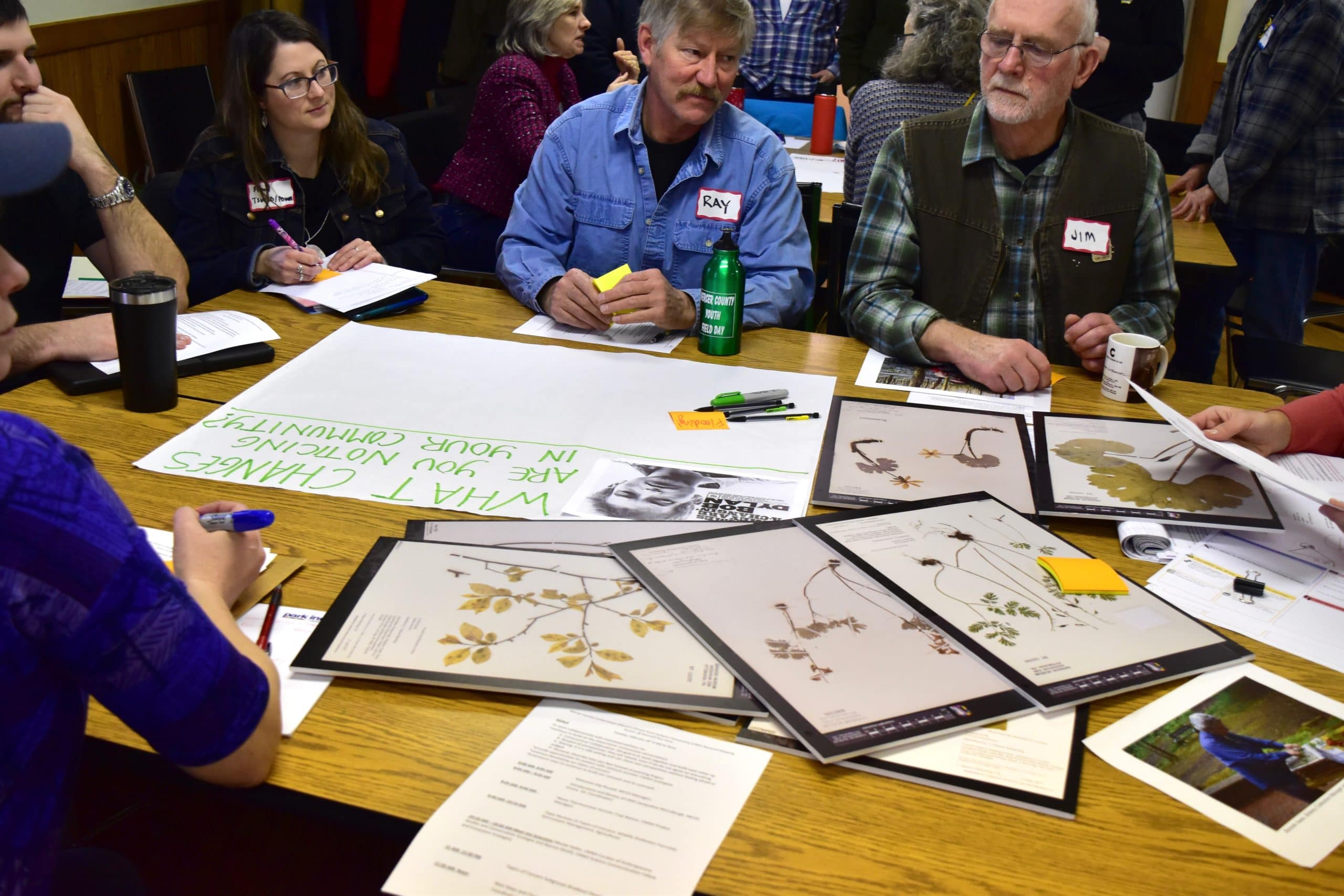
The Climate and Rural Systems Partnership

Talking about human-caused climate change can be difficult, especially in communities where it feels politicized or socially unsafe. However, starting the conversation is an essential step toward taking the scaled actions we need to tackle this challenge and build sustainable, resilient futures, both in our region and the world. 

The Climate and Rural Systems Partnership (CRSP, pronounced “crisp”) is a collaborative learning-research project that aims to get people talking about climate change in Western Pennsylvania so that, ultimately, we can do something about it. CRSP operates at the intersection of three ideas: 1) museum resources are valuable for understanding environmental change, 2) museums are underserving rural audiences, and 3) complex socio-scientific environmental change topics are deeply connected to social decision-making in rural communities. Over the past four years, the Carnegie Museum of Natural History, together with the University of Pittsburgh, has engaged community partners across rural Western Pennsylvania in a research practice partnership that supports professional networking, reflection and learning about human-caused climate change. Through this partnership we seek to improve methodologies and practices for practitioners to effectively address climate change issues with their audiences, including the museum’s work with its audiences. 

The project is centered at two community hubs: Powdermill Nature Reserve in the Laurel Highlands and Mercer County Conservation District north of Pittsburgh. Community partners across these hubs have included formal and informal educators, conservation practitioners, watershed specialists, land managers, farmers, environmental advocates, recreationists, industry leaders, and scientists. Together, we have explored strategies to overcome social and political barriers to talking about human-caused climate change and encourage conversation about the climate impacts and solutions, both present and future, here in rural Western Pennsylvania.  
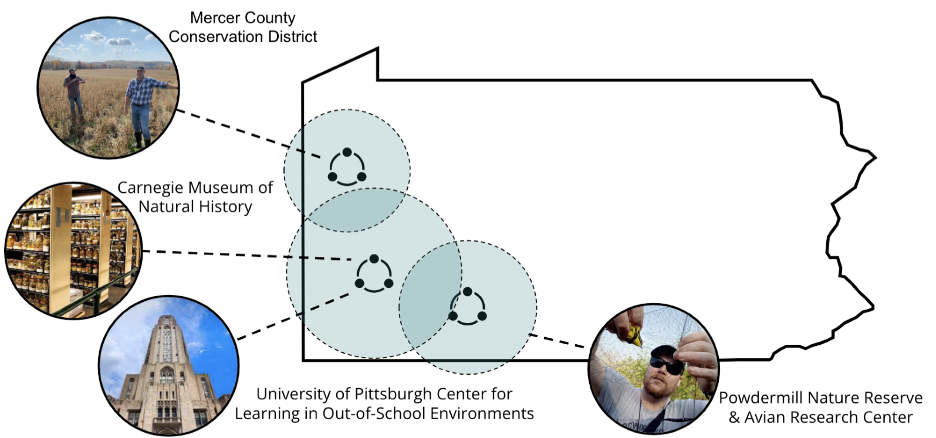
CRSP partners on a map of Pennsylvania.

CRSP partners: Mercer County Conservation District, Carnegie Museum of Natural History, University of Pittsburgh Center for Learning in Out-of-School Environments, and Powdermill Nature Reserve & Avian Research Center

A cross-disciplinary team leads this learning research project, with scientists and educators at the Carnegie Museum of Natural History providing expertise in ecological and climate science, science communication, and facilitation techniques, researchers from the University of Pittsburgh Center for Learning in Out-of-School Environments (UPCLOSE) providing expertise in learning research and practitioners at Powdermill Nature Reserve and the Mercer County Conservation District providing expertise in environmental education, conservation, and engagement with rural communities. Our collective work supports socially safe, science-based discussions about human-caused climate change and is building regional capacity for information exchange across organizations.


CRSP Resource Library

The resources found in this library were co-produced by CRSP network partners and CMNH scientists and educators to spark climate change conversations with public rural audiences. Co-production is a process through which the creation of new knowledge or resources remains relevant to the needs and experiences of the community members it is meant to support. CRSP network partners were involved in all stages of creation, from defining a shared goal for the resource to developing and refining content.

Please use any of the resources you see, and don’t hesitate to contact us if you have a question!

  • Resources
  • Climate Change Stories
  • Activities

Climate Conversations Starter Guide for the Laurel Highlands

When it comes to climate conversations, where do you begin? This guide is meant to help you get conversations started with eight different “Have you noticed…?” questions related to local climate change solutions and impacts based on the latest scientific evidence. The booklet also includes some general tips for talking about climate, six climate actions you can take, and a section on climate science basics. Use this guide as an information resource to help you feel more comfortable and confident with climate change topics. You can also pull information from this guide to incorporate into programming, materials, or other engagements.
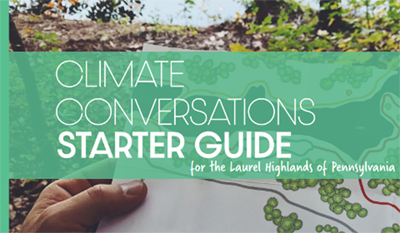
Climate Conversations Starter Guide
PDF Booklet

The Road to Farm Resilience to Weather Extremes

These tri-fold pamphlets were co-produced by farmers and ag professionals at the Shenango River Valley CRSP hub (Shenango Climate and Rural Environmental Studies Team or S-CREST) and Bonnie McGill, a CRSP scientist and illustrator. During 2021, the group explored local climate data and worked to write the pamphlet text for their intended audience, conventional farmers in the region growing corn and soybeans. The group wanted to make a resource that could help them have conversations with such farmers about how certain conservation practices will help farmers build resilience in their operations to the current and worsening impacts of climate change. Many of these practices also build soil carbon, which mitigates climate change.
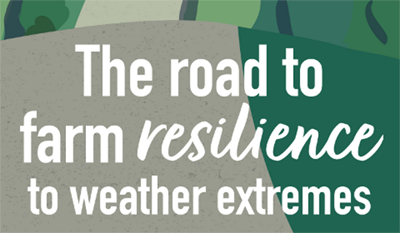
The Road to Farm resilience to Weather Extremes
Mercer County PDF
Indiana County PDF

Signs of Climate Change in Migratory Songbirds of Pennsylvania

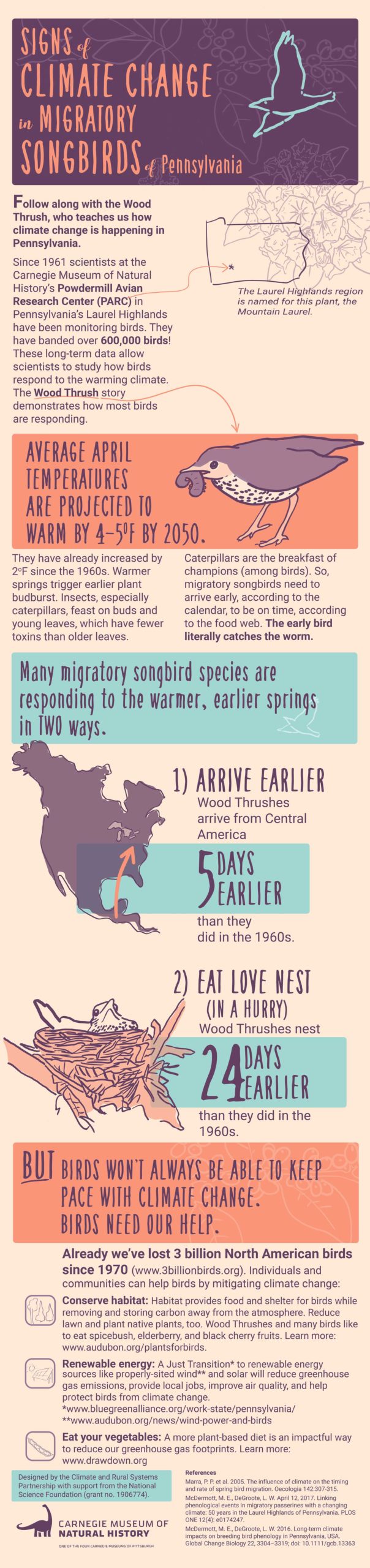
This infographic looks to migratory songbirds as teachers, showing us how climate change is here and now rather than somewhere else in the future. These birds, and the Powdermill Avian Research Center scientists who study them, show us how climate change is speeding up their arrival from the south and the timing of their nesting dates – a pace they might not be able to keep up with. You can use this infographic to share the story of migratory songbirds, something everyone in Western Pennsylvania can notice and care about, and start a conversation about what we can do to help them in the face of a changing climate.
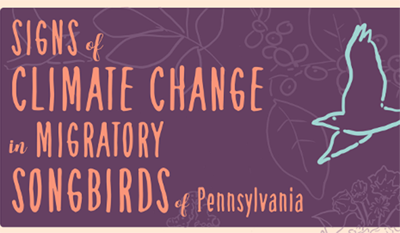
Signs of Climate Change on Migratory Songbirds of PA
View Webpage
Infographic

Research Publications

“Shifting Climate Communication Narratives Toward Actions and Futures in a Rural Area of Appalachia“

McGill, B. M., Nelson, T., Steiner, M. A., & Heller, N. E. (2024). Shifting Climate Communication Narratives Toward Actions and Futures in a Rural Area of Appalachia. Science Communication, 46(2), 178-209.  https://doi.org/10.1177/10755470241227443

This peer-review research publication shares results from CRSP workshops with professional networks in the Laurel Highlands. Workshops were designed to understand rural perspectives and support effective climate talk rooted in evidence from climate change communication science. We analyze the social and economic context of climate conversations in Western Pennsylvania, the content and framings of climate action expressed by rural network members and offer strategies for shifting climate talk from issues and past (e.g. impacts) toward action and futures (e.g. solutions).

“Taking time to listen and learn: a museum partnership designed to engage rural audiences in climate change conversations“

MaryAnn Steiner, Karen Knutson, Kevin Crowley, Nicole Heller, Bonnie McGill, Laurie Giarratani, Jay Russell & Taiji Nelson (2023) Taking time to listen and learn: a museum partnership designed to engage rural audiences in climate change conversations, Museums & Social Issues, DOI: 10.1080/15596893.2023.2263528

Brook Trout in a Warming World

Trout fishing is deeply rooted in the cultural heritage of Pennsylvania’s Laurel Highlands, yet many stewards have been noticing how climate change is jeopardizing its future. This story navigates climate change from the perspective of the Brook Trout, holding a hopeful call to action front and center and highlighting several organizations in the Laurel Highlands working to address climate change, protect Brook Trout, and pass on the legacy of trout fishing to future generations. You can use this storymap to spark climate conversations with various Brook Trout stakeholders, from anglers to students to conservation groups, that inspire stewardship on behalf of both the Brook Trout and ourselves.
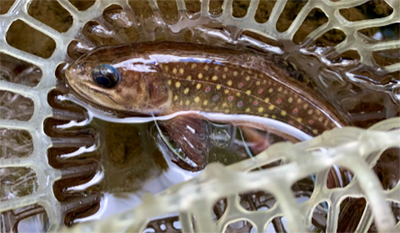
A brook trout
Story Map

Striving for a Better Future on the Shenango

This storymap centers on the Shenango River, a beloved waterway for those who live, work, and play around it, to explain the relationship between climate change, the water cycle, and the watershed-level impacts that threaten nearby communities. The story also highlights different organizations and projects in Northwestern Pennsylvania working to address climate change in the Shenango River Watershed. You can use this storymap
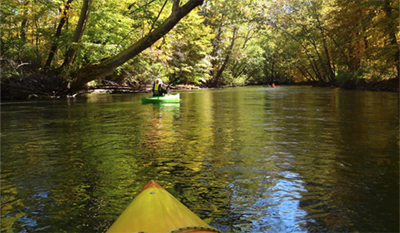
Striving for a Better Future on the Shenango
Story Map

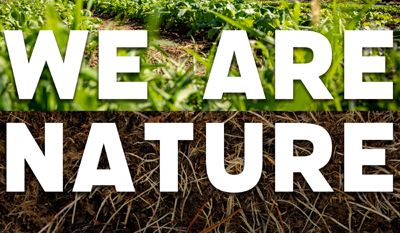
We Are Nature Podcast

This podcast series features stories of natural histories and livable futures directly from individuals and organizations on the frontlines of climate change adaptation and mitigation, conservation, and building just and joyous futures for all life. Use these podcast stories to learn and teach about locally relevant issues and actions, and to inspire hope in others.
Podcast Page

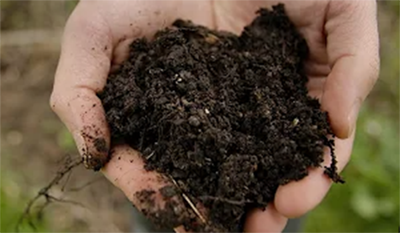
We Are Nature Videos

These videos supplement select We Are Nature podcast episodes, featuring several CRSP community partners on the frontlines of climate action through their work. Notice how solutions take different forms, from advocacy to regenerative farming to stream conservation and more. Use these videos to take a deeper look at several areas of work currently happening in Western Pennsylvania.
View Videos

Climate Card Activity

Coming soon!


Take A Stand

Coming soon!


Contact a CRSP Team Member
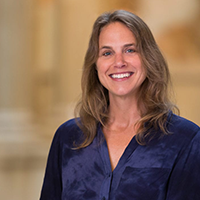
Nicole Heller
Nicole Heller
Associate Curator, Anthropocene Studies
Co-PI, Climate and Rural Systems Partnership
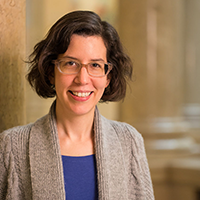
Laurie Giarratani
Laurie Giarratani
Director of Learning and Community
Co-PI, Climate and Rural Systems Partnership
Fill out my online form.

The CRSP project is funded by the National Science Foundation. This material is based upon work supported by the National Science Foundation under Grant #1906774.


CRSP Blogs and News
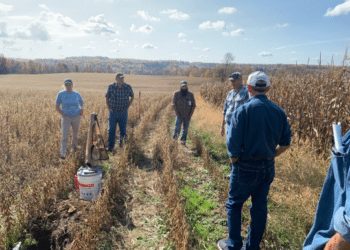
five people in a field

What Does Climate Change Mean for Western PA Farmers?

Agriculture is many things when it comes to climate change: a source of heat trapping gases, a casualty of extreme…
Read More
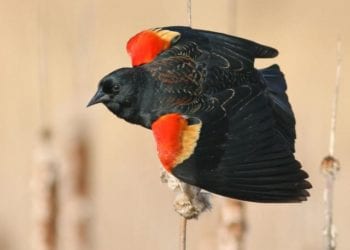
black bird with red and yellow on its wings

Warmer Springs and Earlier Birds

by Bonnie McGill Male Red-winged Blackbird (Agelaius phoeniceus) by Jonathan Eckerson via Macaulay Library. Male Red-winged…
Read More
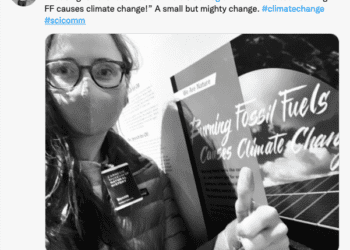
Tweet includes a selfie photo of the author in front of the new label. The tweet reads “That’s right—the fossil fuels exhibit @CarnegieMNH now states ‘Burning FF causes climate change’! A small but mighty change. #climatechange #scicomm” My twitter handle is @BonnSci and the museum is @CarnegieMNH.

Climate Change Myth Busting at the Museum

by Dr. Bonnie McGill If you’ve visited the museum recently you may have noticed some new orange labels throughout the…
Read More
paperback copy of "The Sixth Extinction"

We Get Questions: Climate Change, Hope, and Action

by Patrick McShea “Tell me what gives you hope?” The student’s question during a high school environmental science class in…

Read More

More on Climate Change at the museum

CARNEGIE MUSEUM OF NATURAL HISTORY PRESENTS LIFE IN ONE CUBIC FOOT

September 28, 2023

Pittsburgh, September 28, 2023 — This fall and holiday season, Carnegie Museum of Natural…

Read More

Carnegie Museum of Natural History Awarded $225K Grant from Richard King Mellon Foundation to Lead Campaign Against Spread of Invasive Plant Species

July 11, 2023

Pittsburgh, Pennsylvania, July 11, 2023 — Thanks to a $225,000 grant from the…

Read More

Researchers Call for New Conservation Paradigm that Embraces Positive Contributions of Land Stewardship

April 10, 2023

In a new study published by the journal Nature Sustainability, researchers call for a…

Read More

Climate Change Threatens North American Wildflowers

December 7, 2022

Adverse Effects to Spring Ephemerals May Be Greater in North America than…

Read More

Carnegie Museum of Natural History Launches New “We Are Nature” Podcast Series, Exploring Natural Histories and Livable Futures

November 1, 2022

Series Introduces Listeners to Climate Action Conversations and Strategies in Southwestern Pennsylvania Featuring…

Read More

Scientists Call for New Research Studying the Combined Effects of Climate Change and Urbanization on Body Size Across Species

July 20, 2022

Rhacophorus dulitensis (jade tree frog). Photo by Dr. Jennifer Sheridan, Carnegie Museum of…

Read More

CUSP Exhibits on display at Pitt

Participants engage in an activity at CUSP, coordinated locally by Carnegie Museum…
Read More

A New Way to Study Climate Change

Students from Shady Side Academy Middle School studied our extensive fossil collection…
Read More
fossils from Invertebrate Paleontology

Songbirds and Climate Change

How are songbirds in western Pennsylvania adapting to climate change? Fairly well…
Read More
song bird being held by a researcher

The Economics of Climate Change

by Barbara Klein Scientists agree that the list of species in danger…
Read More
cracked dry ground with grass growing out of one side

Did you know?

Did you know that water temperature determines the sex of a sea…
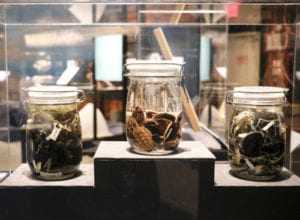
Read More
baby sea turtle specimens in jars

Did you know that coral is expected to be the first casualty?

Did you know that coral is expected to be the first casualty…
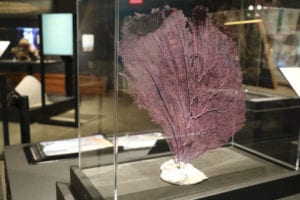
Read More
purple specimen of coral

Notice any differences?

Notice any differences between these two sets of botany sheets? These specimens…
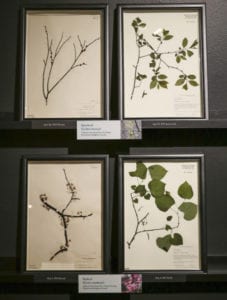
Read More
four herbarium specimens displayed in We Are Nature

Migrate or Die

By Dr. Nicole Heller Becoming Migrant was this year’s theme for the…
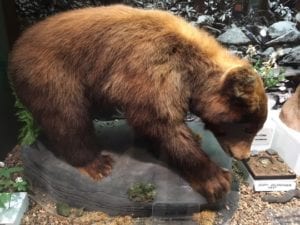
Read More
baby black bear taxidermy

New Member of the Section of Herpetology

By Jennifer Sheridan The Section of Herpetology has welcomed a new curator—me!…
Read More

None Like It Hot

By Joylette Portlock July. Long known across the U.S. for fireworks, barbecues,…
Read More
side by side comparison of plant specimens collected 100 years apart

Wet Weekend!

by Joylette Portlock I had the chance to visit Powdermill Nature Reserve…
Read More

Combating Climate Change with Plants

by Steve Tonsor It is easy for everyone to overlook plants as…
Read More
aster

Filed Under: Uncategorized

September 6, 2023 by

Guided Programs FAQs

Guided Programs Frequently Asked Questions

two people in front of a botany diorama

Booking Programs

To book a guided program, please read the information found on this page and fill out the booking form. Someone will reach out as soon as possible to get your program on our schedule! Guided Tours and Museum Quests must be booked 4 weeks in advance of the visit, and Learner-Led Explorations must be booked 2 weeks in advance.

If you are no longer able to make your scheduled program date, please let us know as soon as possible! You can email GroupVisits@carnegiemuseums.org and CMNHTours@carnegiemnh.org or call Group Visits at 412.622.3289. Please contact us no later than 9:30 a.m. for day-of-visit cancellations.

If you plan on bringing packed lunches to eat inside at the museum, you must reserve a 30-minute time slot in one of our group lunchrooms. If you indicate you need a lunchroom on the booking form, a lunchtime will be scheduled for you based on availability (the time and location will be listed on your confirmation letter). If you don’t see a lunchtime listed but would like to reserve space, please contact Group Visits as soon as possible. Please note, the lunchrooms are not available during the months of June, July, and August.

Payment is due no later than one week prior to your visit, and is submitted along with your signed confirmation letter. Payment can be accepted by check made out to Carnegie Institute or by credit card. Please let Group Visits staff know if these payment options are a barrier for your school or group.

Yes! We have scholarships available for schools and groups booking guided programs who demonstrate financial need. Funding decisions are based on free and reduced lunch eligibility or other comparable factors. More information is on the field trip booking request page.


Program Descriptions

Natural History Interpreters lead one-hour guided tours through exhibitions that can be customized to meet your experiential goals and grade level. Topics include: 

Animals, Plants, and Ecosystems
Explore habitats in the museum’s historic dioramas and wildlife halls. Examine the relationships between animals, plants, climate, and weather as you compare and contrast how organisms adapt in grassland, arctic, forest, and desert environments. 

Anthropology
Analyze artifacts and specimens from cultures of Indigenous peoples of North America. Discover how cultures and traditions are uniquely shaped by resources, environments, and geographic locations.  

World of Dinosaurs
Travel through the Mesozoic Era in the core exhibition Kamin Hall of Dinosaurs,featuring real fossils and scientifically accurate reconstructions of ancient habitats. Learn how animals, climate, and ecosystems change over time, and what fossils reveal about dinosaurs, plants, and other prehistoric creatures.

Rocks, Minerals, and Gems
Discover how rocks and minerals reveal the history of Earth while exploring the museum’s artfully displayed collections. Learn about geologic processes like fossilization and the rock cycle, and discuss the formation of natural resources from fossil fuels to building stones to decorative gems. 

Pennsylvania Natural History
Learn about Pennsylvania geology, wildlife, and native cultures in Benedum Hall of Geology, the Hall of North American Wildlife, and Alcoa Foundation Hall of American Indians. Investigate the geological history of Pennsylvania, and examine the intricate detail of Pennsylvania’s plants and animals in the museum’s classic dioramas. Explore the coexistence between native cultures and nature, and learn about current scientific research and conservation efforts that are impacting our local ecosystems.

Evolution of Life
Utilize the museum’s collection to investigate how animals, climates, and ecosystems change over time. Discuss geologic time, adaptation, and natural selection as you examine fossils and explore the museum’s dioramas.

Biomes and Climate
Study the biomes that make up North America and Africa in the museum’s historic wildlife halls, and compare them to environments across the globe. Examine the links between animals, plants, and weather, and discover the vital role that climate plays in these relationships. Use evidence to infer how organisms respond to environmental change.

Museum Quests are self-paced, scavenger hunt-styled learning activities that guide learners through exhibits to practice critical thinking skills. Chaperones receive answer packets to support the group’s exploration. Museum Quests can be booked as a stand-alone program or added on to a Guided Tour for an additional cost per person. Topics include:

Animals, Plants, and Ecosystems
Explore the museum’s wildlife dioramas in-depth, and discover the relationships between animals and plants across varied biomes. Put your observational skills to the test and examine adaptations for hunting, defense, and reproduction across species using interactive museum materials. Ideal for grades K-8.

Rocks, Minerals, and Gems
Use colors and shapes as clues to guide an investigation throughout our world-renowned rocks and minerals collection in Hillman Hall of Minerals and Gems. Learn about the properties of these brightly colored specimens along the way. Ideal for grades K-8.

Anthropology
Compare and contrast food, clothing, and shelter between your everyday experience and the Indigenous cultures represented in Alcoa Foundation Hall of American Indians. Analyze artifacts and museum dioramas to discover how cultures are shaped by unique natural resources in different geographic locations. Ideal for grades 3-8.

For groups looking to explore the museum on their own with a flexible schedule, the Learner-Led Exploration includes a printed guide for chaperones to support learners on their exploration. Learners can build observation skills and make connections at their own pace throughout three floors of exhibits.

We have moved away from unguided visits to a similar program called Learner Led Explorations. This program still includes admission to both museums and flexible timing, with additional resources to support your museum visit. See the above question for more details. 


Planning for Your Visit

Backpacks are not permitted to be worn on your back in the museum. We recommend leaving backpacks and large bags in the provided green carts when you arrive. If it is necessary to bring backpacks into the galleries, they must be carried at your side like a briefcase or worn on your front.

Food and drinks are not permitted in the museum. All food and drinks must be consumed and stored in the lunchrooms or outside.

The museum requires a minimum of 1 adult for every 10 learners. Chaperones and teachers are admitted free for field trips at a ratio of up to 1 adult for every 5 learners, and additional chaperones can be included at a reduced admission rate of $15 per adult.

About one week before your scheduled program, we will be in touch by email with information on how you should divide your group. For tours, each group will be assigned a Natural History Interpreter to guide the tour. Groups are usually about 10 learners (or 5-7 for our youngest learners). We suggest having assigned groups before you arrive.

If you need a specific number of groups or have any questions about this, please contact CMNHTours@carnegiemnh.org at least two weeks in advance.


Day of Program

The Carnegie Museums of Art and Natural History are located in Oakland at 4400 Forbes Avenue, Pittsburgh, PA 15213.

For guests arriving in cars or vans, there is parking available onsite at the museum. The parking lot entrance is located at the corner of Forbes Avenue and South Craig Street. Please take a parking ticket from the kiosk upon arrival; regular daily parking rates apply. Please note that the parking kiosks do not accept cash. Additional free and metered street parking is available in Oakland near the museum on a first come, first served basis.

Bus parking is not available onsite at the museum. Please refer to the map in your confirmation packet for bus parking suggestions.

K – 12 Guided Program Groups check in at the Portal Entrance located in the rear of the museum. Buses should enter the museum parking lot at the corner of Forbes Avenue and South Craig Street to unload at the back of the museum at the Portal Entrance. Security and Visitor & Museum Services staff greet buses when they arrive and direct learners and chaperones into the building. The group leader should check in with museum staff in the small office located in the back right of the Portal area.

Afternoon and weekend guided tour groups may be directed to check in at the front desk. Please keep an eye on your email in the week leading up to the tour for information about where to check in and meet for your tour.

During a guided tour, trained Natural History Interpreters lead their groups through one or several exhibitions, making many stops to observe, ask and answer questions, and explore hands-on materials when possible. Every tour is a little different – Interpreters customize each experience based on the needs and interests of each group. We encourage talking on the bus ride home and sharing some of the favorite things that each group learned!

If you have time to spend on your own before or after your program, we suggest exploring the museum! Museum staff can provide maps and suggest exhibitions that your group might enjoy exploring.

Here’s a look at the museum’s exhibitions by floor.

First Floor

Benedum Hall of Geology
Hillman Hall of Minerals and Gems
Wertz Gallery of Gems and Jewelry
PaleoLab
Kamin Hall of Dinosaurs
Cretaceous Seaway
The Age of Mammals: Cenozoic Era
Bone Hunters’ Quarry
Discovery Basecamp
Art of the Diorama

Second Floor

Hall of North American Wildlife
Hall of African Wildlife
Hall of Botany
Amphibians and Reptiles

Third Floor

Bird Hall
Polar World: Wyckoff Hall of Arctic Life
Alcoa Foundation Hall of American Indians
Bug Hall
R.P. Simmons Family Gallery – rotating and temporary exhibitions

If you are running late, please call 412.622.3289 or 412.622.3288 to give us a heads-up. Unfortunately, we are not able to adjust program times for late arrivals, but we will do what we can to make sure everyone still has a great visit!

Yes! Please call 412.622.3289 or 412.622.3288  as early as possible, preferably before 9:30am, if you are not able to make your scheduled visit due to the weather. We can work with you to find another visit date. We will contact you as soon as possible if the museum is closed due to the weather.

Filed Under: Uncategorized

February 6, 2023 by

Protected: Educator Loan Registration

This content is password protected. To view it please enter your password below:

Filed Under: Uncategorized

January 6, 2023 by

Protected: Sorter HTML

This content is password protected. To view it please enter your password below:

Filed Under: Uncategorized

November 2, 2021 by

Protected: Lesson Plan: Winter Plants

This content is password protected. To view it please enter your password below:

Filed Under: Uncategorized

November 2, 2021 by

Protected: Lesson Plans for the Holidays and Winter

This content is password protected. To view it please enter your password below:

Filed Under: Uncategorized

  • « Go to Previous Page
  • Page 1
  • Page 2
  • Page 3
  • Page 4
  • Interim pages omitted …
  • Page 9
  • Go to Next Page »

sidebar

About

  • Mission & Commitments
  • Directors Team
  • Museum History

Get Involved

  • Volunteer
  • Membership
  • Carnegie Discoverers
  • Donate
  • Employment
  • Events

Bring a Group

  • Groups of 10 or More
  • Birthday Parties at the Museum
  • Field Trips

Powdermill

  • Powdermill Nature Reserve
  • Powdermill Field Trips
  • Powdermill Staff
  • Research at Powdermill

More Information

  • Image Permission Requests
  • Science Stories
  • Accessibility
  • Shopping Cart
  • Contact
  • Visitor Policies
One of the Four Carnegie Museums | © Carnegie Institute | Privacy Policy | Terms of Use | Accessibility
Rad works here logo