• Skip to primary navigation
  • Skip to main content
  • Skip to primary sidebar

Carnegie Museum of Natural History

One of the Four Carnegie Museums of Pittsburgh

  • Visit
    • Buy Tickets
    • Visitor Information
    • Exhibitions
    • Events
    • Dining at the Museum
    • Celebrate at the Museum
    • Powdermill Nature Reserve
    • Event Venue Rental
  • Learn
    • Field Trips
    • Educator Information
    • Programs at the Museum
    • Bring the Museum to You
    • Guided Programs FAQ
    • Programs Online
    • Climate and Rural Systems Partnership
  • Research
    • Scientific Sections
    • Science Stories
    • Science Videos
    • Senior Science & Research Staff
    • Museum Library
    • Science Seminars
    • Scientific Publications
    • Specimen and Artifact Identification
  • About
    • Mission & Commitments
    • Directors Team
    • Museum History
  • Tickets
  • Give
  • Shop

bird banding

March 15, 2018 by wpengine

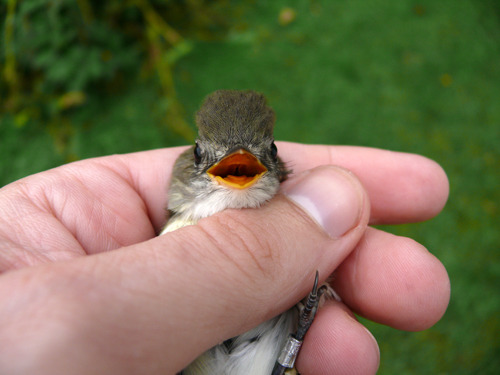
Flycatcher

Flycatcher bird with a yellow mouth

Check out the yellow-orange mouth lining of this Flycatcher.


Powdermill Nature Reserve’s avian research center is part of Carnegie Museum of Natural History’s biological research station in Rector, Pennsylvania.  The research center operates a bird banding station, conducts bioacoustical research, and performs flight tunnel analysis with the goal of reducing window collisions.
 

Filed Under: Blog Tagged With: bird banding, Powdermill Nature Reserve

February 28, 2018 by wpengine

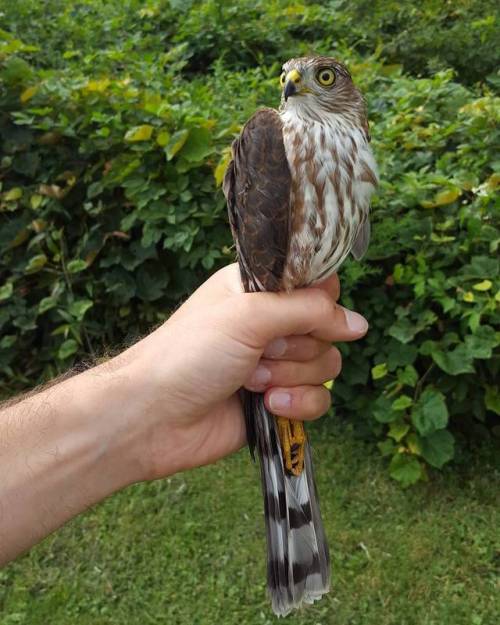
Sharp shinned hawk

small hawk being held by a researcher

This sharp shinned hawk banded in August at Powdermill Nature Reserve, the museum’s environmental research center, was born just this summer. When it matures into an adult its chest will become red and its back grey.

(Photo courtesy Powdermill’s Instagram)


Powdermill Nature Reserve’s avian research center is part of Carnegie Museum of Natural History’s biological research station in Rector, Pennsylvania.  The research center operates a bird banding station, conducts bioacoustical research, and performs flight tunnel analysis with the goal of reducing window collisions.
 

Filed Under: Blog Tagged With: bird, bird banding, Powdermill

February 26, 2018 by wpengine

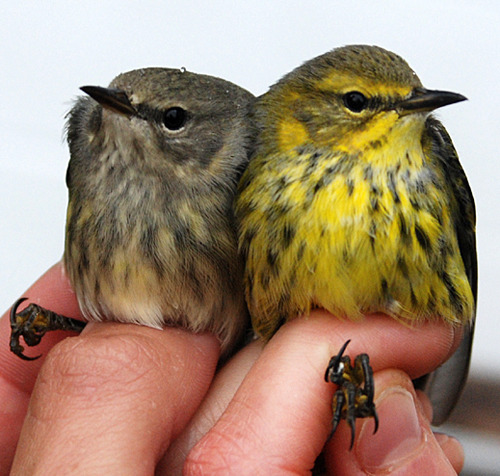
Hatching-year female and Cape May Warbler male

female and male warbler

At first glance, these two birds may seem unrelated, but they are actually male and female of the same type. Females can be tricky to identify when birding, but look for the heavily streaked breast on a drably plumaged warbler.


Powdermill Nature Reserve’s avian research center is part of Carnegie Museum of Natural History’s biological research station in Rector, Pennsylvania.  The research center operates a bird banding station, conducts bioacoustical research, and performs flight tunnel analysis with the goal of reducing window collisions.
 

Filed Under: Blog Tagged With: bird banding, Birds, Powdermill Nature Reserve

February 22, 2018 by wpengine

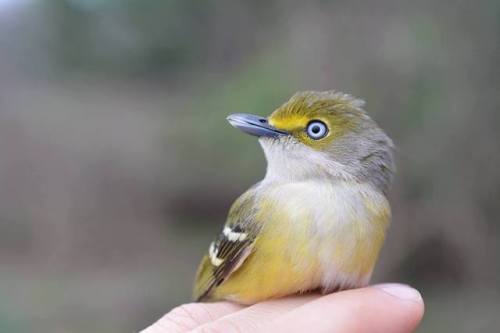
Bird Banding

yellow and grey bird with blue eyes

Did you know that over the last 55 years, Carnegie Museum of Natural History staff have banded nearly three quarters of a million birds at Powdermill Nature Reserve, the museum’s environmental research center in Rector, Pennsylvania?

Powdermill’s banding program began in 1961 and is the longest continually running banding program in the United States. Data from the program has been used to show that birds are adapting to climate change by breeding a month earlier than they did in 1961.


Powdermill Nature Reserve’s avian research center is part of Carnegie Museum of Natural History’s biological research station in Rector, Pennsylvania.  The research center operates a bird banding station, conducts bioacoustical research, and performs flight tunnel analysis with the goal of reducing window collisions.
 

Filed Under: Blog Tagged With: bird banding, Birds, Powdermill Nature Reserve

October 5, 2017 by wpengine

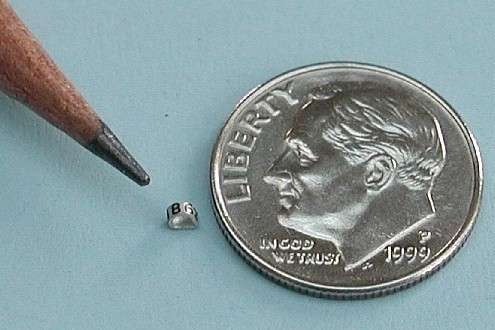
Hummingbird Bands

tiny hummingbird band similar in size to the point of a pencil

At Powdermilll Nature Reserve, researchers use different sized bands for different sized birds, which helps them track the movement and lifespan of populations.

The band pictured above is a hummingbird band. It is so small that the customary nine-digit band number is reduced to five digits with a letter prefix.


Powdermill Nature Reserve’s avian research center is part of Carnegie Museum of Natural History’s biological research station in Rector, Pennsylvania.  The research center operates a bird banding station, conducts bioacoustical research, and performs flight tunnel analysis with the goal of reducing window collisions.

Filed Under: Blog Tagged With: bird banding, Birds, parc, Powdermill Nature Reserve

July 7, 2017 by wpengine

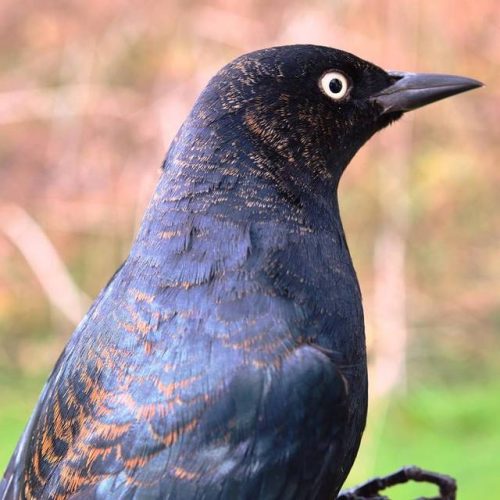
Adult male rusty blackbird

male rusty blackbird

This adult male rusty blackbird was banded March 29, 2017 at Powdermill Nature Reserve, Carnegie Museum of Natural History’s environmental research center.

Filed Under: Blog Tagged With: bird banding, Birds, Powdermill

  • « Go to Previous Page
  • Page 1
  • Page 2
  • Page 3
  • Page 4
  • Page 5
  • Go to Next Page »

sidebar

About

  • Mission & Commitments
  • Directors Team
  • Museum History

Get Involved

  • Volunteer
  • Membership
  • Carnegie Discoverers
  • Donate
  • Employment
  • Events

Bring a Group

  • Groups of 10 or More
  • Birthday Parties at the Museum
  • Field Trips

Powdermill

  • Powdermill Nature Reserve
  • Powdermill Field Trips
  • Powdermill Staff
  • Research at Powdermill

More Information

  • Image Permission Requests
  • Science Stories
  • Accessibility
  • Shopping Cart
  • Contact
  • Visitor Policies
One of the Four Carnegie Museums | © Carnegie Institute | Privacy Policy | Terms of Use | Accessibility
Rad works here logo