• Skip to primary navigation
  • Skip to main content
  • Skip to primary sidebar

Carnegie Museum of Natural History

One of the Four Carnegie Museums of Pittsburgh

  • Visit
    • Buy Tickets
    • Visitor Information
    • Exhibitions
    • Events
    • Dining at the Museum
    • Celebrate at the Museum
    • Powdermill Nature Reserve
    • Event Venue Rental
    • Gift Cards
  • Learn
    • Field Trips
    • Educator Information
    • Programs at the Museum
    • Bring the Museum to You
    • Guided Programs FAQ
    • Programs Online
    • Climate and Rural Systems Partnership
  • Research
    • Scientific Sections
    • Science Stories
    • Science Videos
    • Senior Science & Research Staff
    • Museum Library
    • Science Seminars
    • Scientific Publications
    • Specimen and Artifact Identification
  • About
    • Mission & Commitments
    • Directors Team
    • Museum History
  • Tickets
  • Give
  • Shop

Botany Blogs

These blogs are written about and by our Section of Botany researchers. The herbarium at the museum which contains approximately 3,000 type specimens--specimens that define an entire plants' species. These type specimens only represent about 0.6 % of the collection.

Mason Heberling, head of the section, regularly shares herbarium specimens that have been "Collected on this day" in history.

February 27, 2017 by wpengine

1920s Exhibit on Conservation

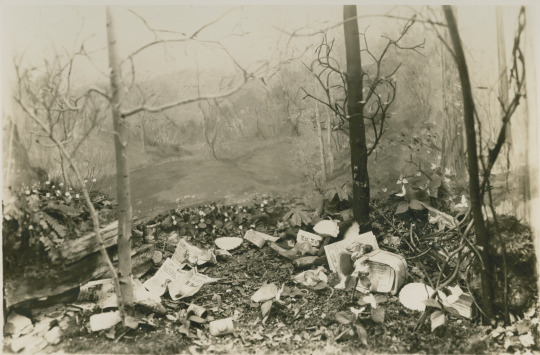
Sepia-toned photo of a 1920's diorama including trash littering the ground

by Bonnie Isaac

In looking through museum archives, I found a photograph that intrigued me. The image (above) looked very similar to the spring wildflower diorama in Botany Hall, but different in that there was litter on the ground. After some digging around, it turns out that our curators and exhibit designers here at the museum were way ahead of the curve on conservation awareness.

The 32nd annual report of Carnegie Museum from 1929 states:

“One of the ideas underlying the preparation of this group was that of stressing the importance of preserving our wildflowers. In order to present this idea without marring the natural appearance of the main exhibit, there were prepared two miniature exhibits, exact duplicates of the larger one, but showing on the one hand the desecration of such a beautiful spot by thoughtless and destructive picnickers, and, on the other hand, the bleak devastation wrought by fire. These miniature exhibits, one placed on each side of the main exhibit, have attracted much attention and undoubtedly help to serve the desired educational purpose.”

Smokey Bear was created in 1944, and the first Earth Day was celebrated in 1970. Carnegie Museum of Natural History was raising these concerns in 1928!
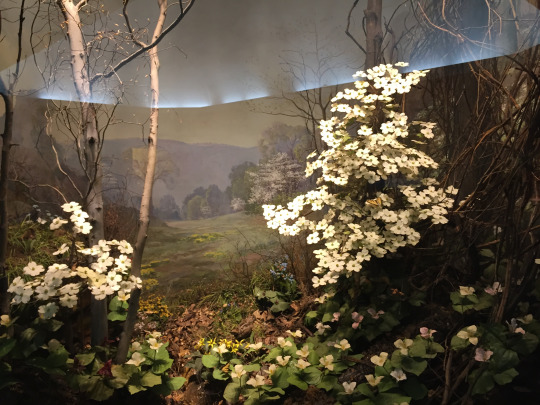
spring wildflower diorama
The spring wildflower diorama today


Bonnie Isaac is the collection manager in the Section of Botany at Carnegie Museum of Natural History. Museum employees are encouraged to blog about their unique experiences and knowledge gained from working at the museum.
Filed Under: Blog Tagged With: Bonnie Isaac, Botany, botany hall, conservation

February 22, 2017 by wpengine

Collected on this Day in 1918

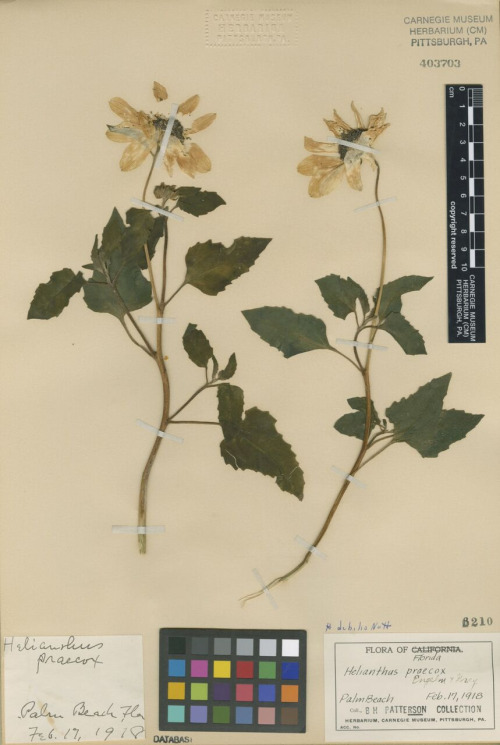
preserved specimen of the flower Helianthus debilis, also known as beach sunflower

Collected on February 17, 1918, this specimen was found in Palm Beach, Florida. Helianthus debilis (also known as beach sunflower) is native to the coastal United States. Most Helianthus species are native to North
America, including the well-known common sunflower (Helianthus annuus), which was domesticated in the southeastern United States by Native Americans over 4,000 years ago.


Botanists at Carnegie Museum of Natural History share pieces of the herbarium’s historical hidden collection on the dates they were discovered or collected. Check back for more!

Filed Under: Blog Tagged With: Botany, Mason Heberling

February 3, 2017 by wpengine

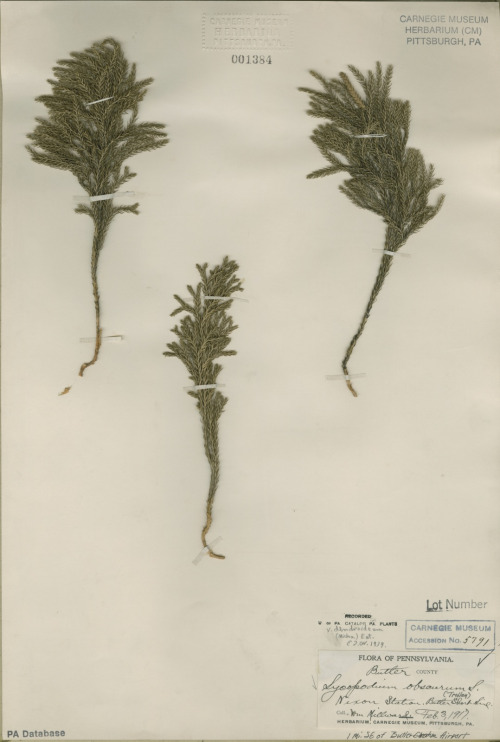
Collected on this Day in 1917

ground pine specimens mounted in a display

Collected on February 3, 1917, this specimen was found by W. Millward in Butler County near the former Nixon Station on the Butler Trolley Short Line. This species, known as ground pine, belongs to an important group of plants that consists of the oldest living group of vascular plants called fern allies. This plant does not produce flowers or seeds.


Botanists at Carnegie Museum of Natural History share pieces of the herbarium’s historical hidden collection on the dates they were discovered or collected. Check back for more!

Filed Under: Blog Tagged With: Botany, Mason Heberling, museum history

January 31, 2017 by wpengine

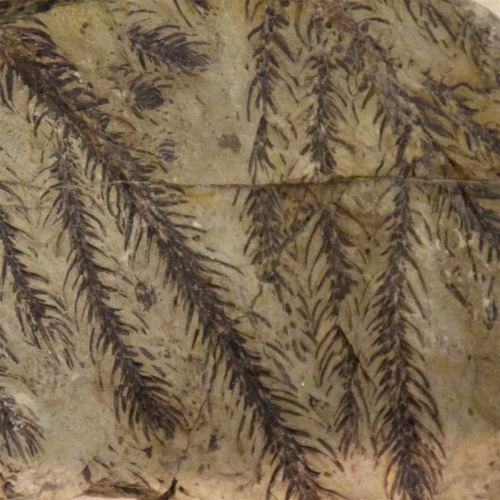
Fossilized Elatides

fossilized Elatides specimen

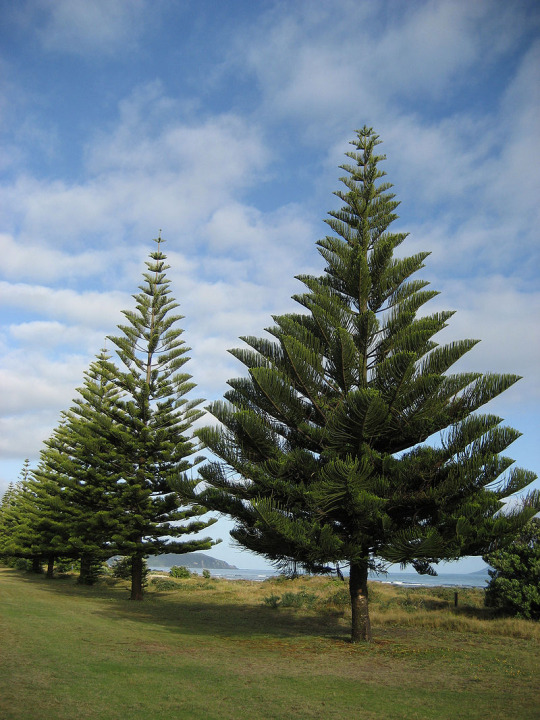
Conifers like this fossilized Elatides specimen were common during the Late Cretaceous period. This tree may have resembled the modern Norfolk Island Pine, which exists today and is pictured below.

Norfolk Island Pine

Filed Under: Blog Tagged With: Botany, fossils

January 20, 2017 by wpengine

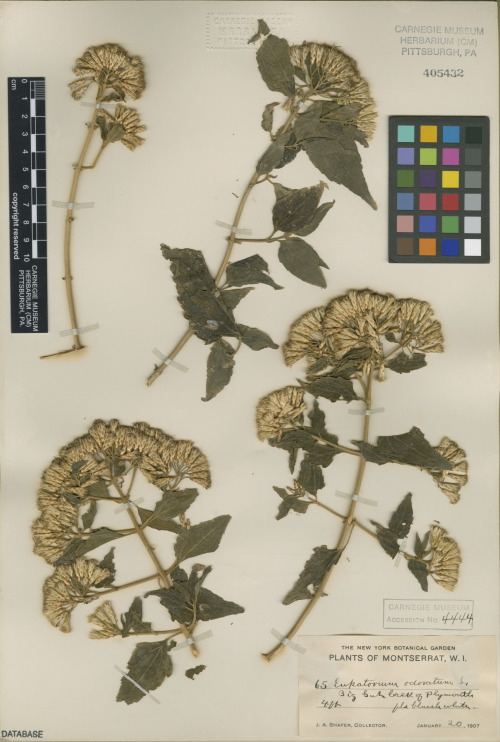
Collected on this day in 1907

specimen Chromolaena odorata
On January 20, this specimen was found in Montserrat, in the Caribbean, by John A. Shafer, who became the museum’s first curator of the herbarium  in 1897.  Known as “devil weed,” Chromolaena odorata is in the sunflower family (Asteraceae). It is native to the Caribbean, Mexico, and subtropical United States, and it has become a problematic invader in tropical regions of Asia, Africa, and the Pacific.


Botanists at Carnegie Museum of Natural History share pieces of the herbarium’s historical hidden collection on the dates they were discovered or collected. Check back for more!

Filed Under: Blog Tagged With: Botany, Mason Heberling, museum history

January 12, 2017 by wpengine

Collected on this Day in 1935

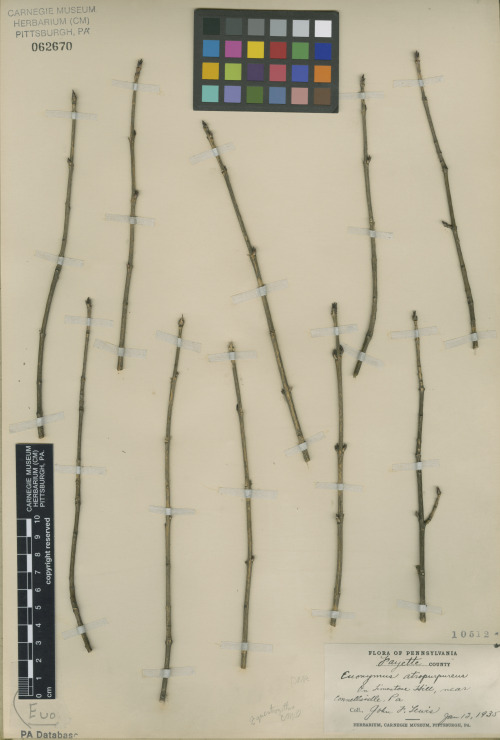
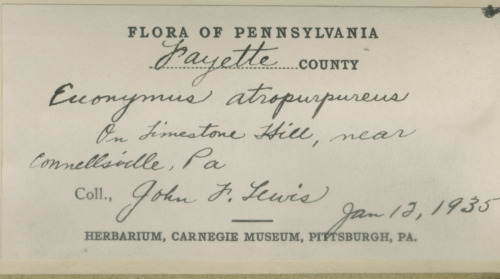
eastern wahoo (Euonymus atropurpureus)

Collection tag with collection location of Limestone Hill, near Connellsville, PA
This eastern wahoo (Euonymus atropurpureus) specimen was collected near Connellsville, Pennsylvania on January 12, 1935 by John Franklin Lewis.

Eastern wahoo is native to midwestern states and parts of Pennsylvania. This specimen is part of Carnegie Museum of Natural History’s hidden botany collection.


Botanists at Carnegie Museum of Natural History share pieces of the herbarium’s historical hidden collection on the dates they were discovered or collected. Check back for more!

Filed Under: Blog Tagged With: Botany, Mason Heberling

  • « Go to Previous Page
  • Page 1
  • Interim pages omitted …
  • Page 24
  • Page 25
  • Page 26
  • Page 27
  • Page 28
  • Go to Next Page »

sidebar

About

  • Mission & Commitments
  • Directors Team
  • Museum History

Get Involved

  • Volunteer
  • Membership
  • Carnegie Discoverers
  • Donate
  • Employment
  • Events

Bring a Group

  • Groups of 10 or More
  • Birthday Parties at the Museum
  • Field Trips

Powdermill

  • Powdermill Nature Reserve
  • Powdermill Field Trips
  • Powdermill Staff
  • Research at Powdermill

More Information

  • Image Permission Requests
  • Science Stories
  • Accessibility
  • Shopping Cart
  • Contact
  • Visitor Policies
Stay in the loop! Sign up for our newsletter(s).
One of the Four Carnegie Museums | © Carnegie Institute | Privacy Policy | Terms of Use | Accessibility
Rad works here logo