• Skip to primary navigation
  • Skip to main content
  • Skip to primary sidebar

Carnegie Museum of Natural History

One of the Four Carnegie Museums of Pittsburgh

  • Visit
    • Buy Tickets
    • Visitor Information
    • Exhibitions
    • Events
    • Dining at the Museum
    • Celebrate at the Museum
    • Powdermill Nature Reserve
    • Event Venue Rental
    • Gift Cards
  • Learn
    • Field Trips
    • Educator Information
    • Programs at the Museum
    • Bring the Museum to You
    • Guided Programs FAQ
    • Programs Online
    • Climate and Rural Systems Partnership
  • Research
    • Scientific Sections
    • Science Stories
    • Science Videos
    • Senior Science & Research Staff
    • Museum Library
    • Science Seminars
    • Scientific Publications
    • Specimen and Artifact Identification
  • About
    • Mission & Commitments
    • Directors Team
    • Museum History
  • Tickets
  • Give
  • Shop

Chase Mendenhall

October 22, 2018 by wpengine

Mapping Wildlife Habitats Beyond the Borders of Protected Areas

by Chase D. Mendenhall

The best way to prevent extinctions is to protect wildlife habitats. In a world where only 13% of the land surface is dedicated to nature reserves, croplands and pastures are playing an increasingly important role in the conversation of biodiversity by providing habitat to some wildlife. Historically, agricultural activities have been pitted against nature reserves—playing the role of the “inhospitable matrix” surrounding nature reserves, which act as “islands” that safeguard biodiversity into the future. In fact, the metaphor of “islands” and “matrix” comes from decades of research studying plants and animals on oceanic islands surrounded by water.

On the mainland, we continue the tradition of largely ignoring the matrix of human-made habitats and the wildlife that use them. A major reason for overlooking human-made habitats is that we develop and use mapping techniques that only value large tracts of wildlife habitat, that are incapable of mapping fine-scale habitats, and that incorrectly classify land use types by confusing forests with croplands and pastures.
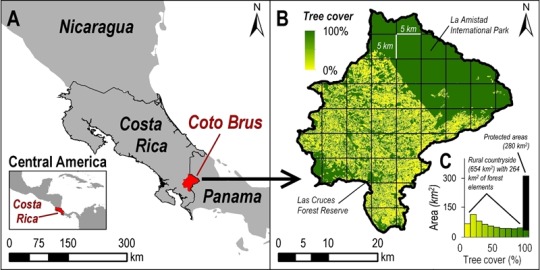
map and diagram of trees in part of Costa Rica

A new study published by the Carnegie Museum of Natural History has attempted to test the classification precision and accuracy of automated tree mapping techniques for identifying wildlife habitat in Costa Rica. In the end, we were surprised to find that two prominent mapping techniques gave distorted estimates of tree cover in deforested areas and that these distortions are potentially leading to poor decision making beyond the borders of nature reserves. We recommend conservation scientists interested in quantifying wildlife habitats embedded in croplands and pastures to consider modest techniques of digitizing habitats by hand using Google Earth. We also identify lots of room for developing new technologies using satellites, citizen science, and drones to solve the problem of counting up wildlife habitats, big and small.

The full study is available as a PDF: Improving tree cover estimates for fine-scale landscape ecology.

Chase Mendenhall is Assistant Curator of Birds, Ecology, and Conservation at Carnegie Museum of Natural History. Museum employees are encouraged to blog about their unique experiences and knowledge gained from working at the museum.
Filed Under: Blog Tagged With: Anthropocene, Chase Mendenhall

September 20, 2018 by wpengine

Urban Bird Conservation Coordinator Featured Photographer in Wildlife Newsletter

by Chase Mendenhall

While outside collecting data for BirdSafe Pittsburgh or installing Motus antennas that locate migrating birds—Jonathan Rice, Urban Bird Conservation Coordinator at CMNH, is taking award-winning photos of wildlife. Jon was the featured photographer for the Northeastern Section of the Wildlife Society for summer 2018.

Check out some of his inspiring photographs, and his work at CMNH that prevents birds from colliding with glass and tracks migration using cutting-edge technology.

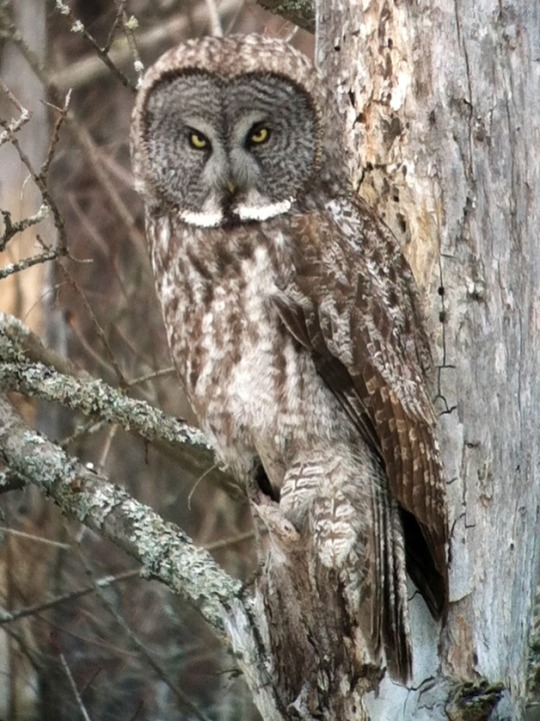
Great Grey Owl
Great Grey Owl (Strix nebulosa)

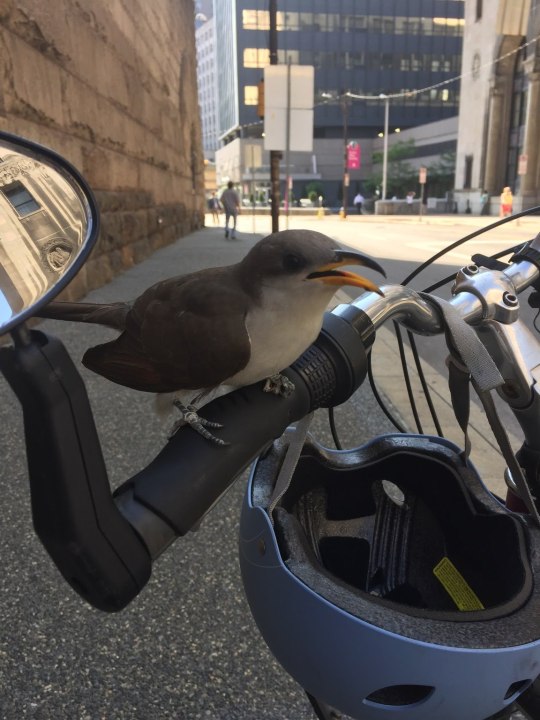
Yellow-billed Cuckoo
Yellow-billed Cuckoo (Coccyzus americanus)

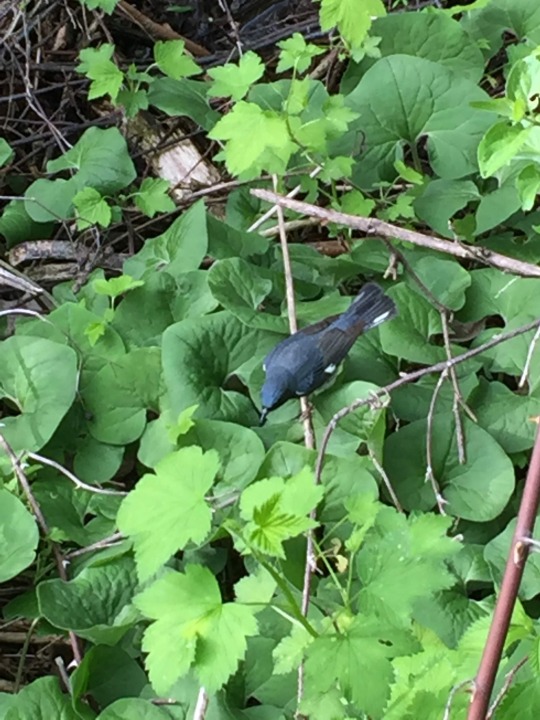
Black-throated Blue Warbler
Black-throated Blue Warbler (Setophaga caerulescens)

Jonathan Rice is Urban Bird Conservation Coordinator and Chase Mendenhall is Assistant Curator of Birds, Ecology, and Conservation at Carnegie Museum of Natural History. Museum employees are encouraged to blog about their unique experiences and knowledge gained from working at the museum.
Filed Under: Blog Tagged With: Birds, birdsafe pittsburgh, Chase Mendenhall, photography

September 4, 2018 by wpengine

Fire Destroys Brazilian Museum Once Called House of the Birds

by Chase D. Mendenhall

One of Latin America’s most important museums burned Sunday night —destroying up to 20 million scientific and historical artifacts. It is unclear how many of the irreplaceable treasures housed at the National Museum in Rio de Janeiro were lost. The museum was established in 1818 by the King of Portugal and in its early days was known as the “Casa dos Pássaros,” or House of the Birds, for its impressive bird collections.

Today, the museum was best known for its exhibits of the Americas consisting of mammals, birds, reptiles, amphibians, insects, minerals, aboriginal collections of utensils, Egyptian mummies, South American archaeological artifacts, meteorites, fossils and many other findings. Sadly, many of these invaluable objects are permanently lost.

Novelist Paulo Coelho described the reaction to the fire by saying, “the country is in tears.” Others have demonstrated their pain by carrying signs that say “200 years of history, 20 million items, reduced to ashes.”

We find comfort knowing that some pieces of Brazilian history are safely stored in other museums around the world. The Carnegie Museum of Natural History represents Brazil strongly in its collections, especially in the Section of Birds. We house one of the most comprehensive collections of Brazilian birds outside of Rio de Janeiro. We have 885 species of birds from Brazil, represented by 20,292 specimens—4,357 of which are on loan around the world.

Museums generate millions of data points and inform published scientific debates that are shared through networks. Today, these networks of knowledge and sharing define museum collections and exist precisely to safeguard against disasters.

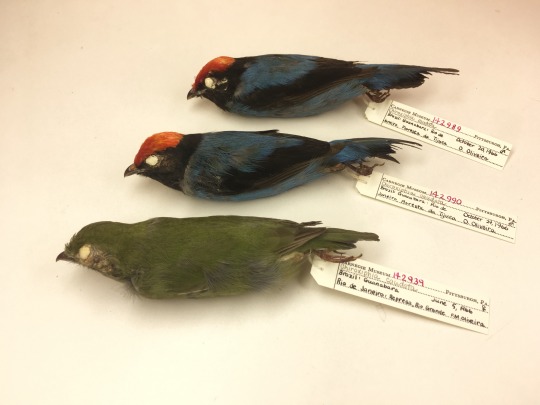
Chiroxiphia caudata study skins

Birds from the Carnegie Museum of Natural History collected from Rio de Janero include Blue Manakins (Chiroxiphia caudata), a species with one of the best examples of a cooperative breeding behavior. Males (red, black, and blue birds in background) meet in groups to dance in a coordinated, circular loop to breed with the solitary females (green bird in foreground) who raise the young on their own.

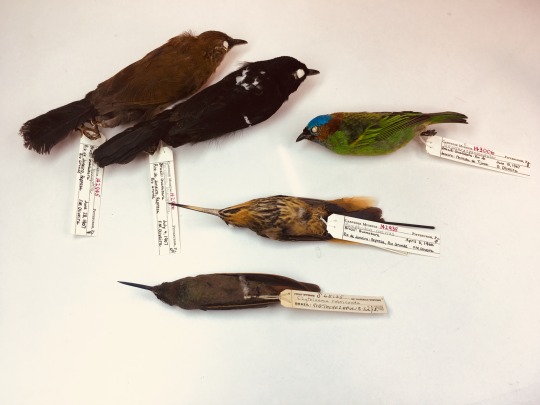
study skins of Brazilian birds

Other birds representing Brazil from the collections at the Carnegie Museum of Natural History include a pair of White-shouldered Fire-eye (Pyriglena leucoptera), a Red-necked Tanager (Tangara cyanocephala), a Saw-billed Hermit (Ramphodon naevius), and a Brazilian Ruby (Clytolaema rubricauda). Specimens are listed in the image from top to bottom.

Chase Mendenhall is Assistant Curator of Birds, Ecology, and Conservation at Carnegie Museum of Natural History. Museum employees are encouraged to blog about their unique experiences and knowledge gained from working at the museum.
Filed Under: Blog Tagged With: bird hall, Birds, Chase Mendenhall, Mason Heberling, Section of Birds

July 20, 2018 by wpengine

Powerlifting Poultry and Mallards that Marathon

By Chase D. Mendenhall

Fried, roasted or barbequed—most of us have a preference for cuts of light or dark meat when chicken is for dinner. But why the striking differences between dark and light meat?

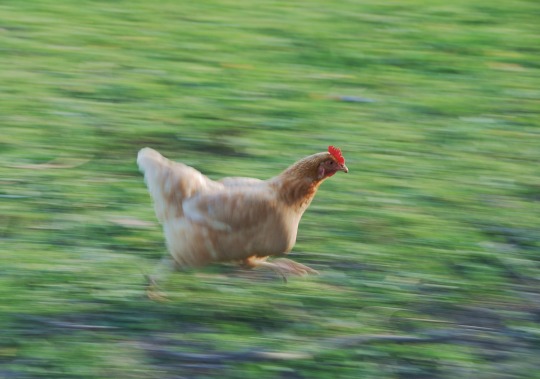
Chickens are gallinaceous birds, meaning they belong to a group of heavy-bodied, ground-feeding birds that generally prefer not to fly. Their leg muscles are used for standing, walking, and running throughout the day. Like a marathon runner, chickens build muscles in their legs that are highly resistant to fatigue and require lots of oxygen for the aerobic exercise being on foot all day. In fact, drumsticks and thighs get their color from the iron held in a special muscle fiber, myoglobin. The myoglobin in the dark muscles breaks down during cooking, giving the cooked meat a brownish color.

chicken running

Chickens build muscles in their wings and breasts for explosive bursts of flight from a resting position, similar to a bodybuilder maxing out their bench press. The flight of a chicken is mostly an anaerobic exercise, meaning that muscles are reacting quickly and doing extremely hard work in the absence of oxygen. Lighter muscle fibers take up sugars to fuel the explosive movement of flight from a standstill, but these muscles fatigue very quickly. When muscles with very little myoglobin muscle fibers are cooked, the proteins in the muscle fibers denature and coagulate, resulting in the white, opaque appearance we associate with a chicken breast.

But what about duck breast, isn’t it dark meat? Duck à l’orange and Pan Roasted Duck only have darker cuts of meat for us to choose from—including the breasts. Because ducks use their flight muscles to sustain long-distance flights, they stock their flight muscles with myoglobin to sustain aerobic flight. The aerobic demands of flight for a duck means that their meat is a darker color when served for supper.

Chase Mendenhall is Assistant Curator of Birds, Ecology, and Conservation at Carnegie Museum of Natural History. Museum employees are encouraged to blog about their unique experiences and knowledge gained from working at the museum.
Filed Under: Blog Tagged With: Birds, Chase Mendenhall, Section of Birds

July 10, 2018 by wpengine

How Birds Breathe with their Butts

by Chase D. Mendenhall

The avian respiratory system is the most efficient in the animal kingdom, which explains how birds get enough oxygen to power flight, even at high altitudes where oxygen is scarce. A key feature that makes avian respiration special is the fact that they have static lungs and breath unidirectionally by breathing with air sacs throughout their body instead of diaphragms common in other land animals.

When a bird draws in a breath of air, it travels through the nares (or nostrils) down the trachea into a series of posterior air sacs located in the thorax and rump—in their butts. When a bird exhales that same breath, it does not leave the body as it does with mammals but rather moves into the lung where oxygen is absorbed and carbon dioxide expelled. When a bird inhales for the second time, that same breath of air moves from the lungs into the anterior air sacs. The second and last exhalation is when the stale air leaves the bird’s body through the nares.

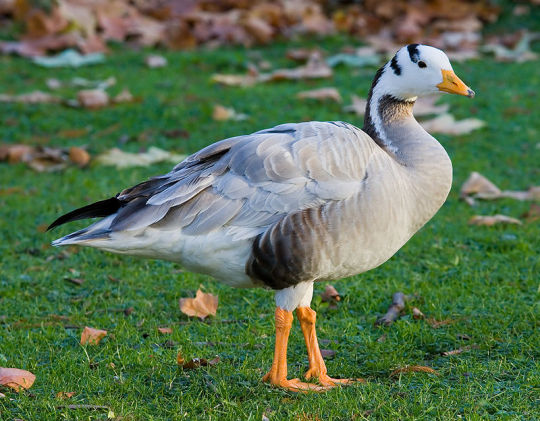
Every breath a bird takes requires two breathing cycles to complete a single breath, making the air passing through the lung unidirectional and always fresh and full of oxygen. Bird lungs are small and rigid, with the gas exchange region of their anatomy organized into a series of parallel tubes that bring deoxygenated blood into the lung at the opposite direction the air is flowing. This “counter-current” gas exchange is efficient and unique to bird lungs and partly enables species, such as the Bar-headed Goose (Anser indicus), to fly over the summit of Mt. Everest without issue. Human explorers, on the other hand, struggle for fresh air at 29,029 feet above sea level because mammalian lungs never expel all the stale air during exhalation, making mammalian explorers long for the ability to use their butts to breath continuous fresh air like the birds.


Chase Mendenhall is Assistant Curator of Birds, Ecology, and Conservation at Carnegie Museum of Natural History. Museum employees are encouraged to blog about their unique experiences and knowledge gained from working at the museum.
Filed Under: Blog Tagged With: birding, Birds, Chase Mendenhall, nature

  • « Go to Previous Page
  • Page 1
  • Page 2

sidebar

About

  • Mission & Commitments
  • Directors Team
  • Museum History

Get Involved

  • Volunteer
  • Membership
  • Carnegie Discoverers
  • Donate
  • Employment
  • Events

Bring a Group

  • Groups of 10 or More
  • Birthday Parties at the Museum
  • Field Trips

Powdermill

  • Powdermill Nature Reserve
  • Powdermill Field Trips
  • Powdermill Staff
  • Research at Powdermill

More Information

  • Image Permission Requests
  • Science Stories
  • Accessibility
  • Shopping Cart
  • Contact
  • Visitor Policies
Stay in the loop! Sign up for our newsletter(s).
One of the Four Carnegie Museums | © Carnegie Institute | Privacy Policy | Terms of Use | Accessibility
Rad works here logo