• Skip to primary navigation
  • Skip to main content
  • Skip to primary sidebar

Carnegie Museum of Natural History

One of the Four Carnegie Museums of Pittsburgh

  • Visit
    • Buy Tickets
    • Visitor Information
    • Exhibitions
    • Events
    • Dining at the Museum
    • Celebrate at the Museum
    • Powdermill Nature Reserve
    • Event Venue Rental
  • Learn
    • Field Trips
    • Educator Information
    • Programs at the Museum
    • Bring the Museum to You
    • Guided Programs FAQ
    • Programs Online
    • Climate and Rural Systems Partnership
  • Research
    • Scientific Sections
    • Science Stories
    • Science Videos
    • Senior Science & Research Staff
    • Museum Library
    • Science Seminars
    • Scientific Publications
    • Specimen and Artifact Identification
  • About
    • Mission & Commitments
    • Directors Team
    • Museum History
  • Tickets
  • Give
  • Shop

Deb Wilson

December 13, 2018 by wpengine

A Perfect Mineral for the Christmas Season

by Debra Wilson

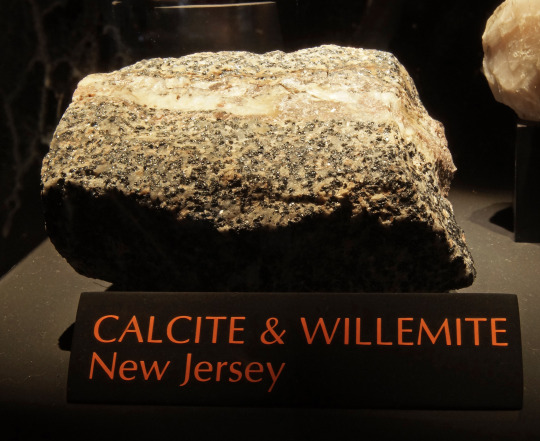
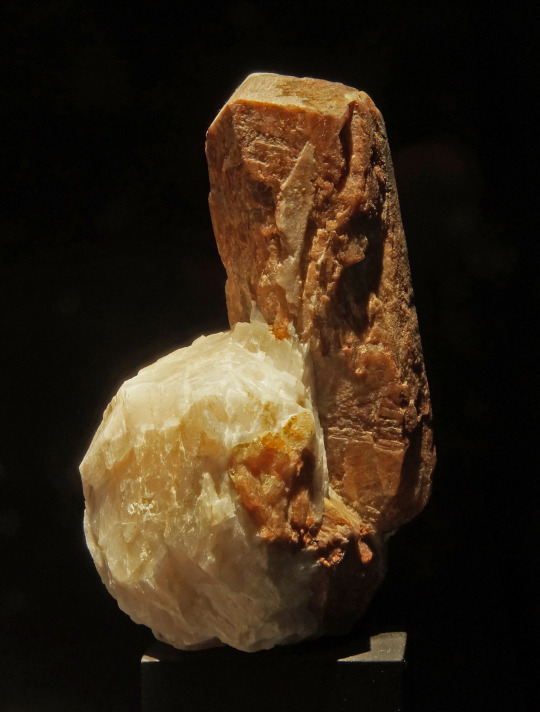
How can you decorate a mineral for Christmas? If it’s the right mineral, all you need to do is shine a SWUV (short wave ultraviolet) light on it. Such is the case with a mineral that is known as “Christmas Ore.” Under normal light it looks like kind of a drab rock as the one in this photo does.
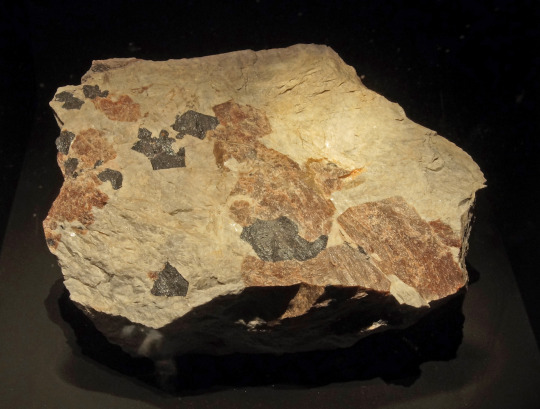
Christmas ore

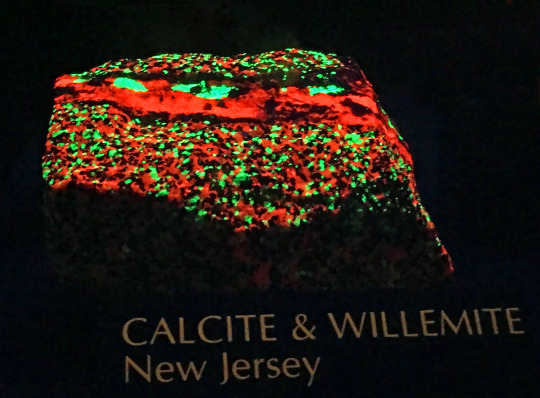
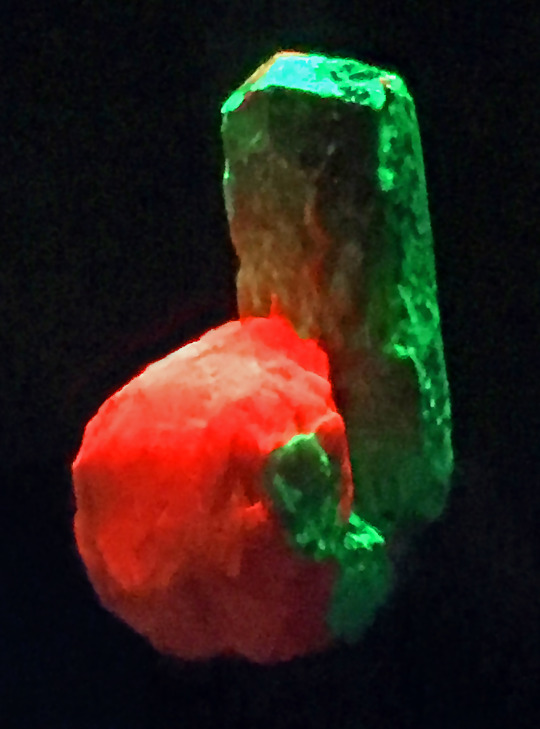
This specimen of calcite (tan color), willemite (brown color) and franklinite (black color) is on display in Hillman Hall of Minerals and Gems in the Fluorescence & Phosphorescence exhibit and was donated by the Sterling Hill Mining Museum for this exhibit. It originated from the Sterling Hill mine in Ogdensburg, in the Franklin Mining District of New Jersey. When you shine the SWUV light on it you will see why it is called “Christmas Ore” because it glows with the colors of Christmas. The calcite glows a bright red and the willemite glows a bright green, as you can see in this photo.
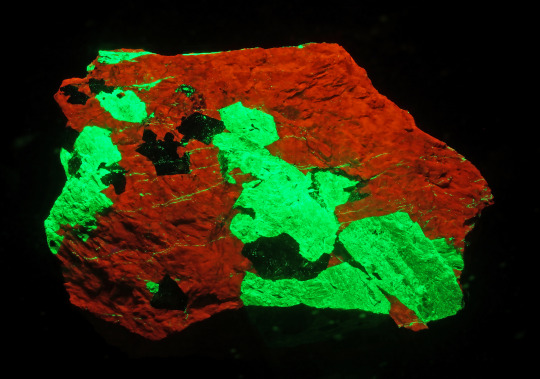
christmas ore

This glowing is known as fluorescence and the Franklin Mining District is known as the fluorescent capital of the world. The Franklin and Sterling Hill ore bodies are the source of at least 350 mineral species.At present, over 80 fluorescent mineral species are known from the area. Willemite and calcite are the most common fluorescents in these ore bodies and are known as “Christmas Ore” when they occur together in the same specimen.

So, what causes the fluorescence? Fluorescence usually occurs when specific impurities known as “activators” are present within the mineral. These activators are typically cat ions of metals such as: tungsten, molybdenum, lead, boron, titanium, manganese, uranium and chromium. Rare earth elements such as europium, terbium, dysprosium, and yttrium are also known to contribute to the fluorescence phenomenon. Fluorescence can also be caused by crystal structural defects or organic impurities. Calcite (CaCO3) and willemite (Zn2SiO4) are examples of minerals that in their pure state do not fluoresce but add a little divalent manganese (Mn2+) and they will fluoresce red and green, respectively.

There are two other specimens of calcite and willemite, also from the Franklin District, in the Fluorescence & Phosphorescence exhibit, shown here under normal light and under SWUV light.
Christmas ore
christmas ore
christmas ore
Christmas ore

Come to Hillman Hall of Minerals and Gems to hear a more detailed explanation of the phenomenon of fluorescence and see all 21 specimens in the exhibit from world-wide localities that glow under the ultraviolet lights.

Debra Wilson is the Collection Manager for the Section of Minerals at Carnegie Museum of Natural History. Museum employees are encouraged to blog about their unique experiences and knowledge gained from working at the museum.

Related Content

Born to the Purple

Thanksgiving and Nutritional Mineralogy

Ask a Scientist: Why do some minerals glow?

Carnegie Museum of Natural History Blog Citation Information

Blog author: Wilson, Debra
Publication date: December 13, 2018
Share this post!

  • Share on Twitter Share on Twitter
  • Share on Facebook Share on Facebook
  • Share on Pinterest Share on Pinterest
  • Share on LinkedIn Share on LinkedIn
  • Share on Reddit Share on Reddit
  • Share via Email Share via Email

Filed Under: Blog Tagged With: Deb Wilson, gems and minerals, Hillman Hall, Hillman Hall of Minerals and Gems, minerals, minerals and gems, Section of Minerals

June 11, 2018 by wpengine

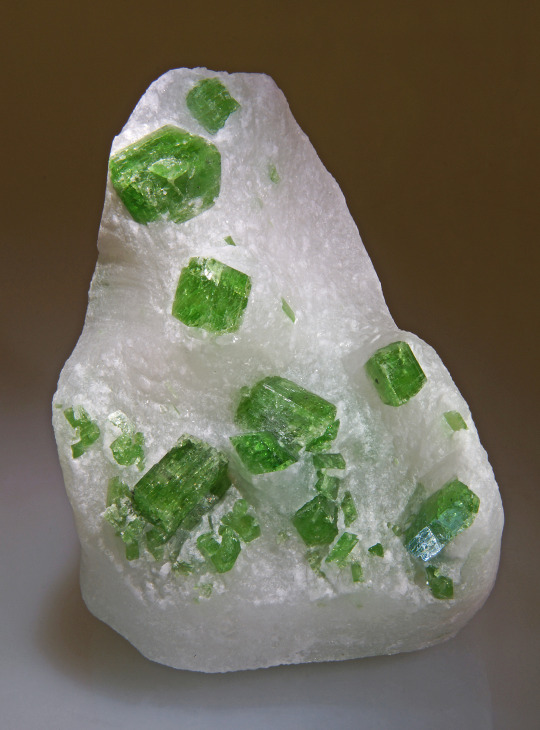
Pargasite on Marble

Pargasite on Marble

Pargasite on marble from Vietnam is now on display in Hillman Hall of Minerals and Gems. Pargasite is a mineral found all over the world including the United States, Finland, and Sri Lanka. Here, pargasite is bright green, but it can also be a darker shade of green, brown, and even black.

Look for this specimen in the Silicates 2 case in the Systematic Collection in Hillman Hall.

Photo by Debra Wilson, Collection Manager,Section of Minerals

Filed Under: Blog Tagged With: Deb Wilson, Hillman Hall of Minerals and Gems, minerals and gems

March 5, 2018 by wpengine

Necklace Made of Sardonyx

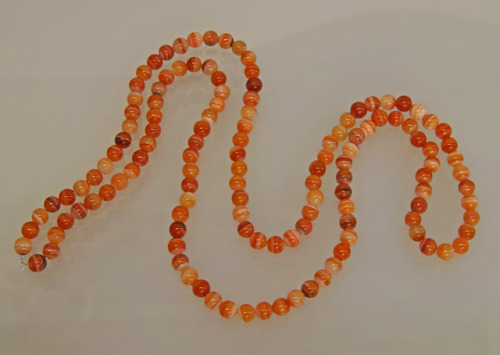
orange necklace made of sardonyx beads

This necklace made of sardonyx, a type of cryptocrystalline quartz, is on display in Wertz Gallery of Gems and Jewelry.

Quartz has unlimited variations in color and form, making it valuable to human culture since ancient times in everything from jewelry, to arrowheads, to metalworking.

(photo by Debra Wilson)

Filed Under: Blog Tagged With: Deb Wilson, gems and minerals, minerals, Wertz Gallery

March 1, 2018 by wpengine

Section of Minerals Collection Manager, Deb Wilson, attends…

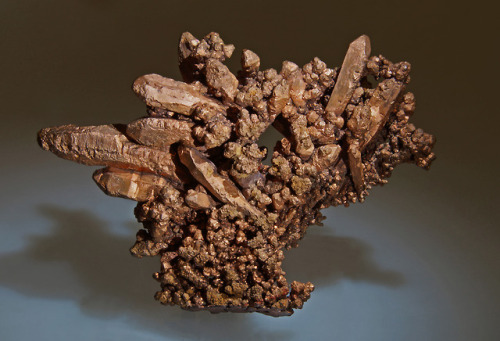
copper specimen

copper specimen purchased at the show

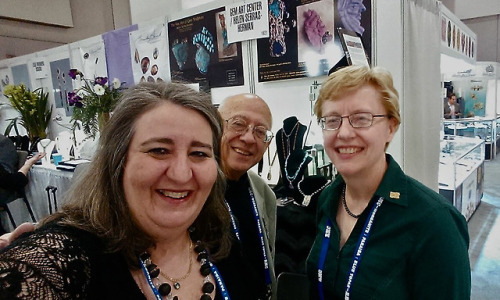
Deb Wilson at the show

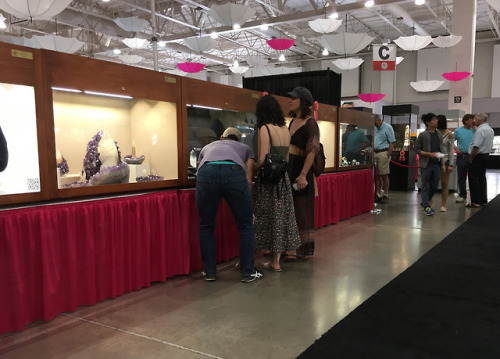
visitors browsing the gem and mineral show

Deb Wilson with other visitors to the show

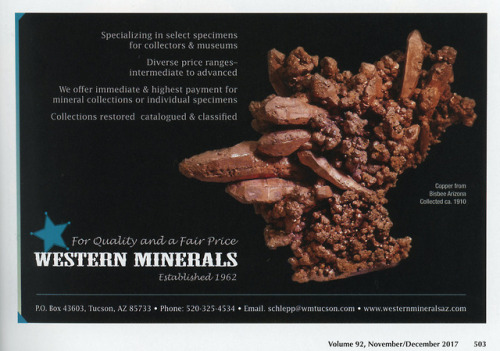
Section of Minerals Collection Manager, Deb Wilson, attends the Tucson Gem and Mineral Show every year. This year Deb Wilson acquired a beautiful piece of copper that was mined out of Bisbee, Arizona in 1910, which is now on display in Hillman Hall of Minerals and Gems.


Filed Under: Blog Tagged With: Deb Wilson, Hillman Hall, minerals

December 7, 2017 by wpengine

A Couple of Rock Stars

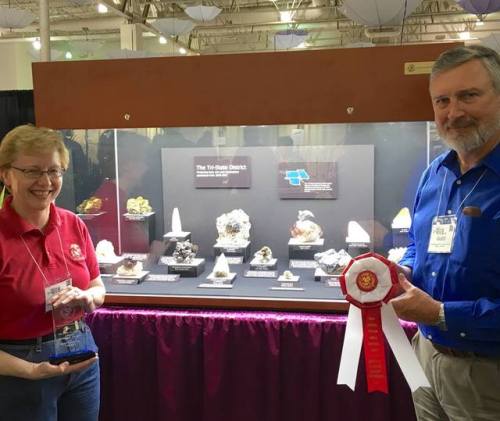
Deb and Marc standing in front of a mineral display case with their prize ribbons
Above: Deb (left) and Marc (right) Wilson celebrate award for best museum exhibit at the 2017 Tucson Gem and Mineral Show.

After 25 years at Carnegie Museum of Natural History, Curator of Collections for the Section of Minerals, Marc Wilson, retired in August 2017. Marc began managing the museum’s impressive mineral and gem collection in 1992 and greatly improved the collection and exhibition halls during his tenure.

In 2007 Hillman Hall of Minerals and Gems was renovated and expanded with the addition of Wertz Gallery: Gems and Jewelry. He received the Friends of Mineralogy Award of Merit and was recognized as EFMLS Honoree for the 2001 AFMS Scholarship Award. He was inducted into the National Rockhound and Lapidary Hall of Fame in 2001 and served as a consulting editor for Rocks & Minerals since 1998. Collection Assistant Debra Wilson will now serve as Collection Manager for the Section of Minerals at Carnegie Museum.

Congrats to both Marc and Deb!

Filed Under: Blog Tagged With: Deb Wilson, gems and minerals, Hillman Hall, minerals, Wertz Gallery

February 17, 2017 by wpengine

Best Museum Exhibit

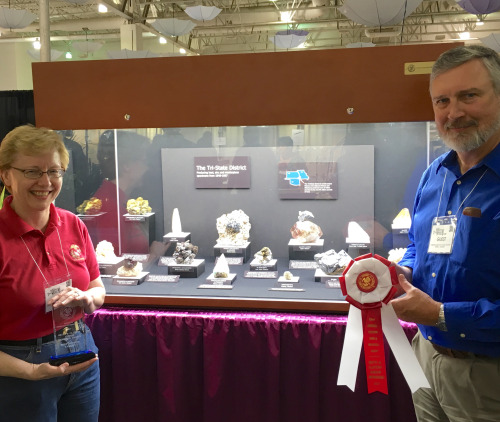
Marc and Deb Wilson standing with their award in front of a mineral display
Carnegie Museum of Natural History received an award for best museum exhibit at the Tucson Gem and Mineral Show. Congratulations to Curator of Collections Marc Wilson (right) and Collection Assistant Deb Wilson (left).

Filed Under: Blog Tagged With: Deb Wilson, gems and minerals, Marc Wilson

  • « Go to Previous Page
  • Page 1
  • Page 2

sidebar

About

  • Mission & Commitments
  • Directors Team
  • Museum History

Get Involved

  • Volunteer
  • Membership
  • Carnegie Discoverers
  • Donate
  • Employment
  • Events

Bring a Group

  • Groups of 10 or More
  • Birthday Parties at the Museum
  • Field Trips

Powdermill

  • Powdermill Nature Reserve
  • Powdermill Field Trips
  • Powdermill Staff
  • Research at Powdermill

More Information

  • Image Permission Requests
  • Science Stories
  • Accessibility
  • Shopping Cart
  • Contact
  • Visitor Policies
One of the Four Carnegie Museums | © Carnegie Institute | Privacy Policy | Terms of Use | Accessibility
Rad works here logo