• Skip to primary navigation
  • Skip to main content
  • Skip to primary sidebar

Carnegie Museum of Natural History

One of the Four Carnegie Museums of Pittsburgh

  • Visit
    • Buy Tickets
    • Visitor Information
    • Exhibitions
    • Events
    • Dining at the Museum
    • Celebrate at the Museum
    • Powdermill Nature Reserve
    • Event Venue Rental
    • Gift Cards
  • Learn
    • Field Trips
    • Educator Information
    • Programs at the Museum
    • Bring the Museum to You
    • Guided Programs FAQ
    • Programs Online
    • Climate and Rural Systems Partnership
  • Research
    • Scientific Sections
    • Science Stories
    • Science Videos
    • Senior Science & Research Staff
    • Museum Library
    • Science Seminars
    • Scientific Publications
    • Specimen and Artifact Identification
  • About
    • Mission & Commitments
    • Directors Team
    • Museum History
  • Tickets
  • Give
  • Shop

diorama

September 2, 2016 by wpengine

Selected for Speed

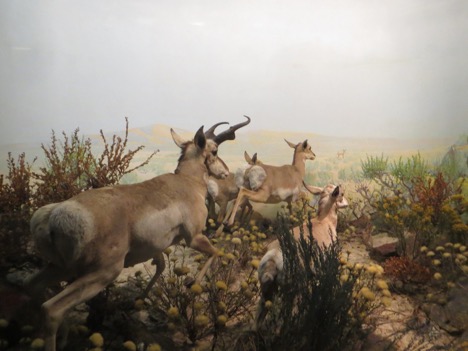
Pronghorn Antelopes in a diorama by Patrick McShea

At first it seems absurd to discuss speed in front of adiorama in which nothing moves. With appropriate prompts, however, this threedimensional snapshot of galloping pronghorn antelopes can generate an astonishing level of mind’s eye animation.

When viewed from dusty Wyoming roadsides, distant pronghorns appear to gallop without sound, even when their pace suddenly changes and their speed doubles for 100-yard stretches.

At the close vantage point offered by the diorama, such antelope maneuvers would undoubtedly produce a sensory mix of blurred furred forms, the staccato clatter of hooves against rock, and the powerful scent of crushed sage.

The species’ blazing speed invites speculation about its evolutionary history. Could pronghorn antelopes be adapted to elude a predator no longer found on western landscapes? A large extinct cat termed an American cheetah is sometimes cited as the missing participant in this natural selection process.

Fossil evidence examined during the past 25 years complicates this narrative. Paleontologists point to expansive ranges for these big cats that include mountainous areas and sea coasts, and the absence, to date, of sites containing both cat and antelope fossils.

With the identity of the pronghorn’s prehistoric predator unsettled, a viewing position in front of the diorama is a place to ponder possibilities.


Patrick McShea works in the Education and Visitor Experience department of Carnegie Museum of Natural History. Museum employees are encouraged to blog about their unique experiences of working at the museum.
Filed Under: Blog Tagged With: diorama, fossils, museums, Patrick McShea, Pittsburgh

August 15, 2016 by wpengine

An Immersive Alaskan Scene

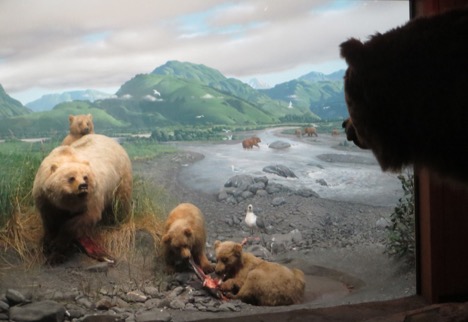
Bears in a diorama in the Hall of North American Wildlife
by Patrick McShea

Well planned dioramas support multiple levels of interpretation. At the Alaskan Brown Bear diorama, however, it’s initially difficult to consider any narrative not focused upon these powerful creatures.

The Kodiak Island scene features nine brown bears – four distant bears are painted into the backdrop landscape and taxidermy mounts of an adult female and three cubs fill the diorama’s left foreground. Facing them from a four-foot high rock ledge outside the exhibit glass, a large male bear adds tension to the display.

The noses of the two adult two adult bears are less than 13 feet apart, a narrow zone that is routinely occupied by museum visitors when they read an adjacent label that highlights the potential for a violent encounter. “Male bears routinely prey on cubs. Fiercely protective, mother bears are known to attack and may even kill larger males that come too close.”

This immersive aspect was created during a 1995 renovation that extensively upgraded an exhibit originally dedicated in 1918.

The upgrade also involved the replacement of king salmon with red or sockeye salmon to accurately represent the species whose summer spawning runs draw bears to the stream. The diorama’s immersive zone is the perfect place to consider how the pair of cubs eating a single fish can represent an enormous transfer of nutrients between ocean and forest ecosystems.

When spawning red salmon return to the stream in which they were born, they do so after spending as long as four years at sea. If they manage to avoid bears and other predators, they still die, often far inland, within a few weeks of spawning. Research studies into the ecological impact of salmon runs have charted the movement of stable nitrogen isotopes from salmon tissue to the stems and leaves of streamside vegetation. The bears, in such cycles, are just intermediary processors.

Patrick McShea works in the Education and Visitor Experience department of Carnegie Museum of Natural History. Museum employees are encouraged to blog about their unique experiences of working at the museum.
Filed Under: Blog Tagged With: diorama, Hall of North American Wildlife, Patrick McShea, Pittsburgh

July 24, 2016 by wpengine

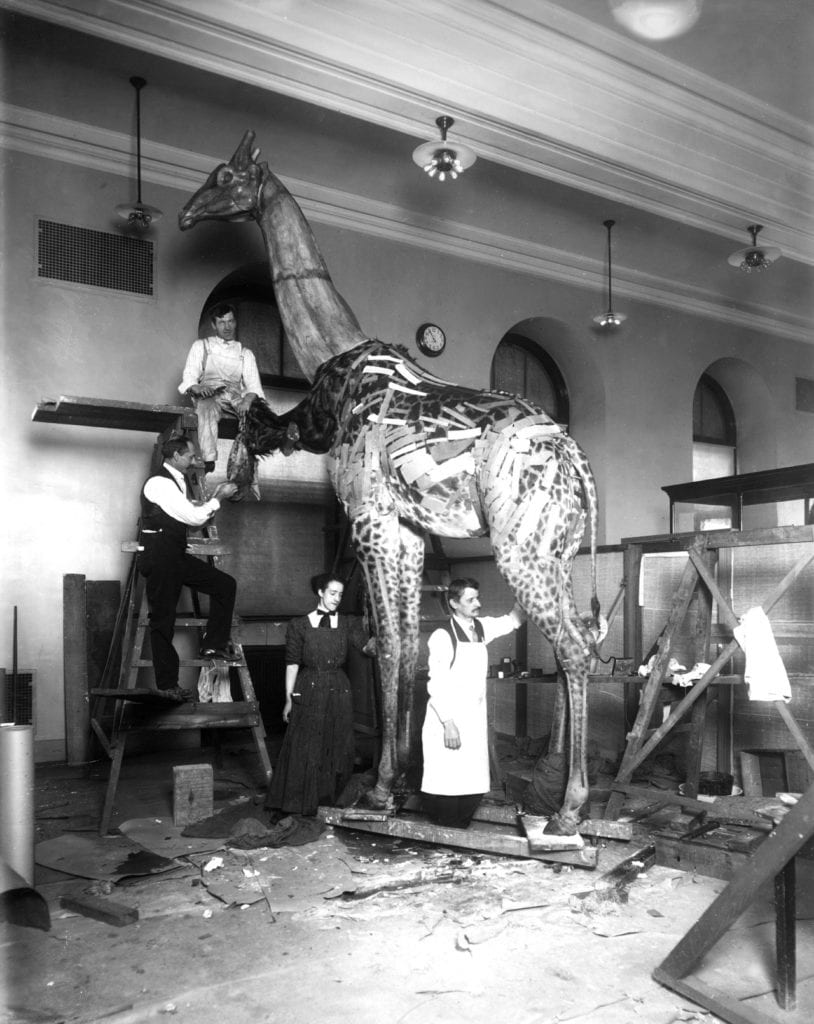
Carnegie Museum of Natural History taxidermists

scientists working to reassemble a taxidermy giraffe

Carnegie Museum of Natural History taxidermists creating the giraffe in the Hall of African Wildlife.

Filed Under: Blog Tagged With: diorama, Hall of African Wildlife, taxidermy

July 10, 2016 by wpengine

What kind of habitat would you like to live in?

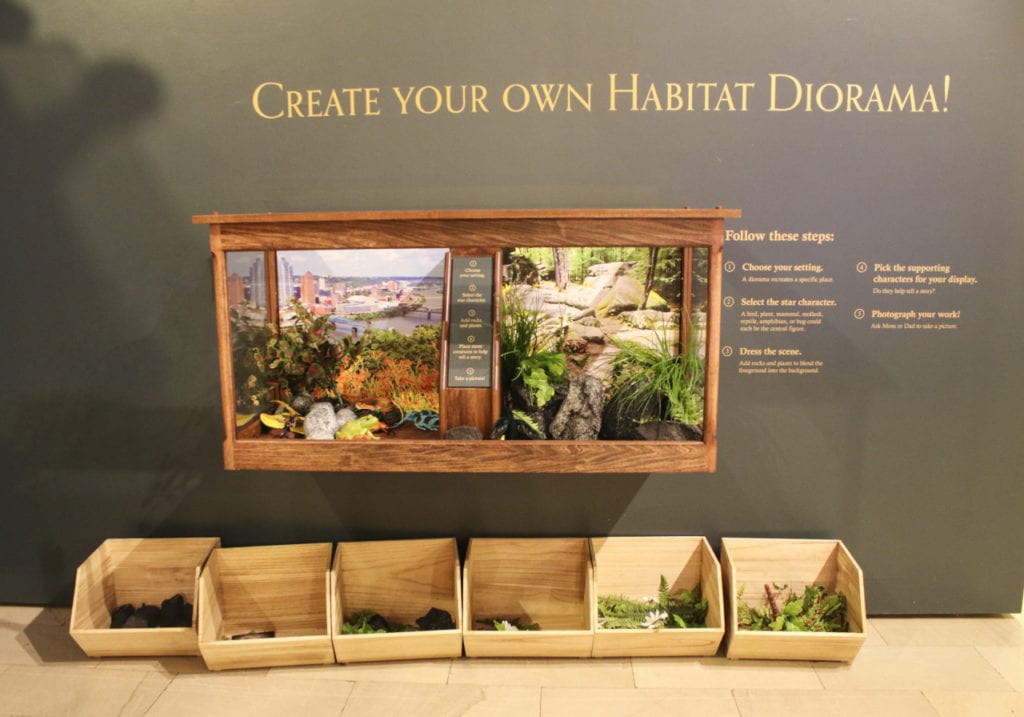
Create your own habitat exhibit at CMNH

What kind of habitat would you like to live in? A warm beach or a peacful forest? What kind of plants and animals would be there?

An interactive exhibit at Carnegie Museum of Natural History lets visitors create their own habitat replicas after looking at some of the museum’s historic dioramas! Choose a  setting and various creatures to
star in a totally unique environmental display.

What would you build?

(Photo by Hayley Pontia)


Filed Under: Blog Tagged With: art of the diorama, diorama, Pittsburgh

May 27, 2016 by wpengine

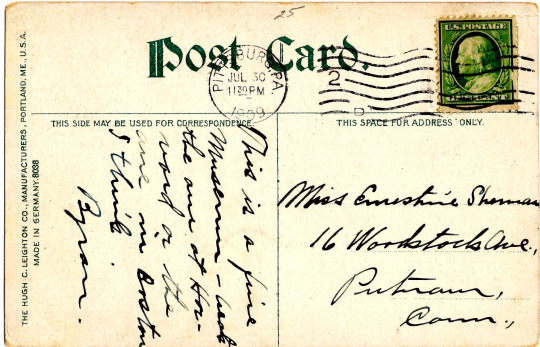
100-year-old Postcard: The Original Social Media

Postcard with handwritten address and message in fancy script
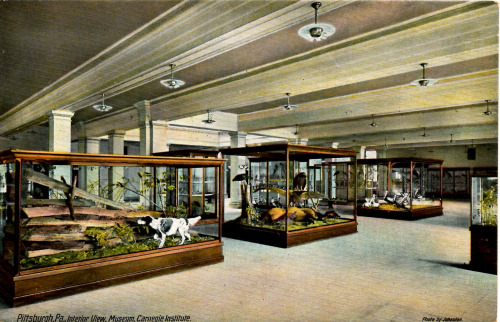
Historic Hall CMNH

How did word get around about Carnegie Museum of Natural History before Facebook, Twitter, and Snapchat?
Postcards of course!

Steve Rogers, our collection manager of Section of Birds and Section of Amphibians and Reptiles, purchased a classic Carnegie Museum postcard that’s more than 100 years old on eBay years ago, and recently scanned and shared it in preparation for a talk he’ll give at the National Taxidermists Association meeting in Seven Springs next month.

The front of the postcard shows dioramas that include an old Count Noble exhibit that was sent to Kentucky about 15 years ago, the condor case with the elk, and the pelican case which was dismantled around 2000.

The back of the card reads…

This is a fine Museum – beats the one at Harvard or the one in Boston I think, Brian”

It is postmarked 1909, not long after we expanded the museum from the original Carnegie Institute.

Maybe our Tumblr and Facebook posts will be rediscovered 100 years from now. Either way, we’re always excited to share cool pieces of Carnegie history!

Filed Under: Blog Tagged With: bird hall, diorama, Pittsburgh, Stephen Rogers, taxidermy

May 14, 2016 by wpengine

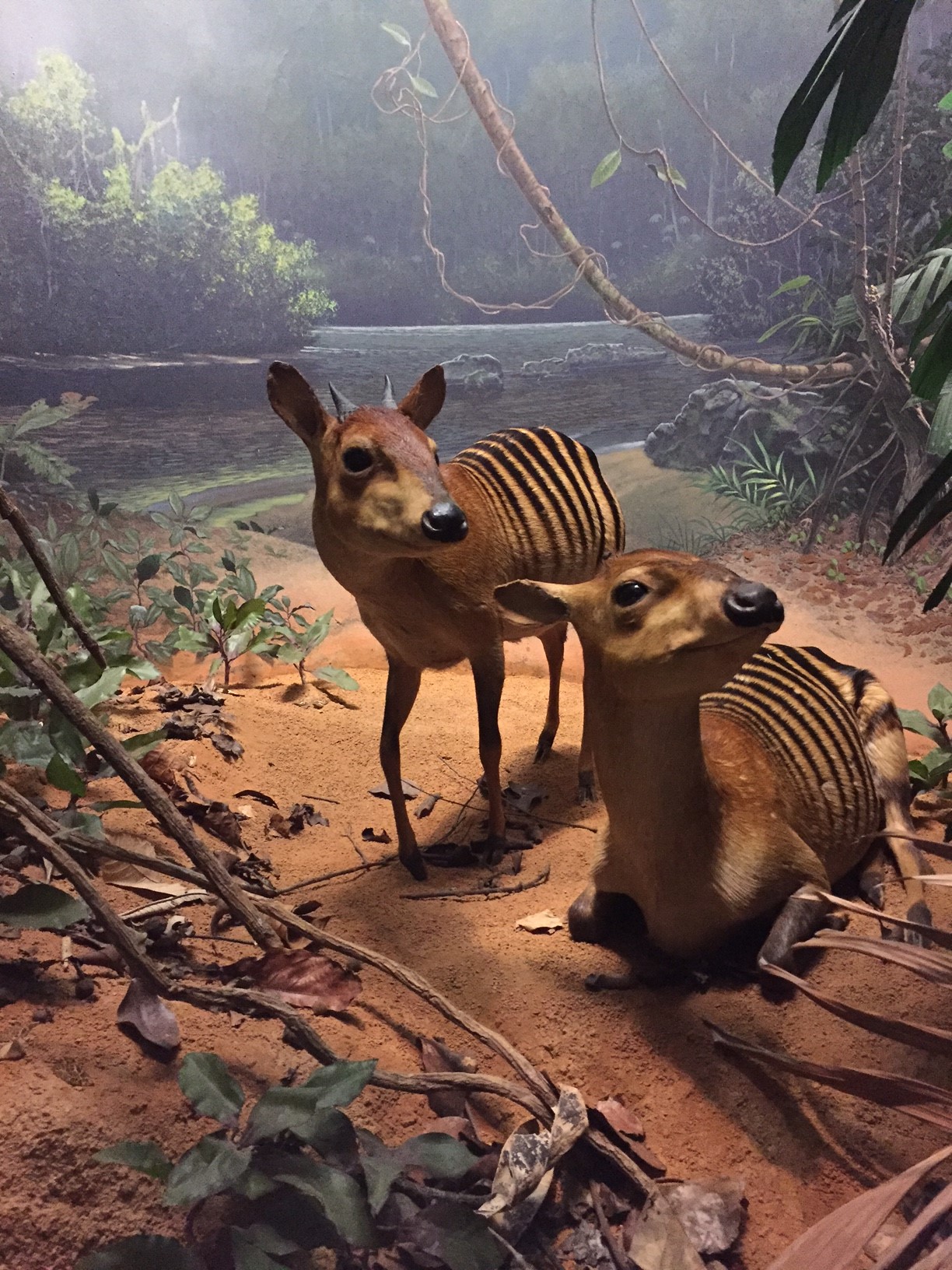
Zebra Duiker Dioramas

2 Zebra Duikers in a diaroma

The Carnegie Museum of Natural History’s Zebra Duikers are shown in their natural habitat, the coastal rain forests of Africa in the Hall of African Wildlife.

Filed Under: Blog Tagged With: diorama, Hall of African Wildlife, museums, Pittsburgh

  • « Go to Previous Page
  • Page 1
  • Page 2
  • Page 3
  • Go to Next Page »

sidebar

About

  • Mission & Commitments
  • Directors Team
  • Museum History

Get Involved

  • Volunteer
  • Membership
  • Carnegie Discoverers
  • Donate
  • Employment
  • Events

Bring a Group

  • Groups of 10 or More
  • Birthday Parties at the Museum
  • Field Trips

Powdermill

  • Powdermill Nature Reserve
  • Powdermill Field Trips
  • Powdermill Staff
  • Research at Powdermill

More Information

  • Image Permission Requests
  • Science Stories
  • Accessibility
  • Shopping Cart
  • Contact
  • Visitor Policies
One of the Four Carnegie Museums | © Carnegie Institute | Privacy Policy | Terms of Use | Accessibility
Rad works here logo