• Skip to primary navigation
  • Skip to main content
  • Skip to primary sidebar

Carnegie Museum of Natural History

One of the Four Carnegie Museums of Pittsburgh

  • Visit
    • Buy Tickets
    • Visitor Information
    • Exhibitions
    • Events
    • Dining at the Museum
    • Celebrate at the Museum
    • Powdermill Nature Reserve
    • Event Venue Rental
    • Gift Cards
  • Learn
    • Field Trips
    • Educator Information
    • Programs at the Museum
    • Bring the Museum to You
    • Guided Programs FAQ
    • Programs Online
    • Climate and Rural Systems Partnership
  • Research
    • Scientific Sections
    • Science Stories
    • Science Videos
    • Senior Science & Research Staff
    • Museum Library
    • Science Seminars
    • Scientific Publications
    • Specimen and Artifact Identification
  • About
    • Mission & Commitments
    • Directors Team
    • Museum History
  • Tickets
  • Give
  • Shop

Invertebrate Zoology

December 4, 2017 by wpengine

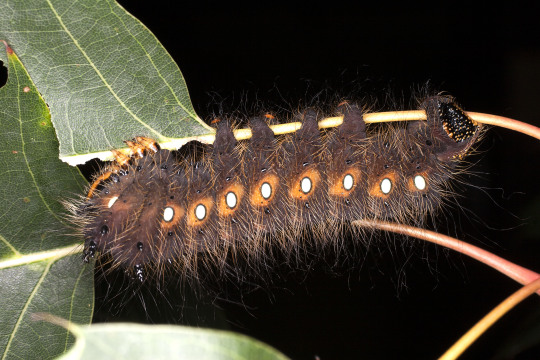
Eacles imperialis

imperial moth caterpillars (Eacles imperialis)

by Vanessa Verdecia

A culture of imperial moth caterpillars (Eacles imperialis) was reared on oak leaves this summer in Carnegie Museum of Natural History’s Section of Invertebrate Zoology. This species is common in Pennsylvania and belongs to the giant silkworm moth family known as the Saturniidae. The caterpillars occur in various color forms including green, brown, red, and pink, but they all have long setae (“hairs” as seen in the image) and pronounced white spots along the side. All the ones in this culture were brown. The larvae occur from July through September, and there is one generation this far north. The adult moths should eclose next year—late spring or early summer.


Vanessa Verdecia is a collection assistant in the museum’s Invertebrate Zoology Section. Museum employees are encouraged to blog about their unique experiences and knowledge gained from working at the museum.
Filed Under: Blog Tagged With: caterpillars, Invertebrate Zoology, Vanessa Verdecia

September 11, 2017 by wpengine

Did you know?

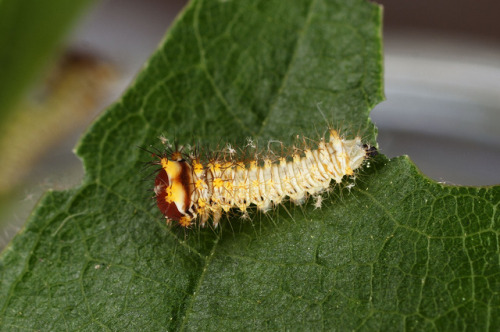
red and yellow caterpillar

Did you know that most of the insects on Earth have yet to be discovered?

Carnegie Museum of Natural History curator John Rawlins is particularly interested in Lepidoptera (butterflies and moths), and one of his favorite elements of working at the museum is taking part in watching the life history of moths develop as he and his staff rear them from egg cultures.

Recording each step of their metamorphosis is a way to associate an adult moth with its very different-looking caterpillar. There are many life histories unknown in the Lepidoptera, and learning the practice of rearing is important in terms of associating larval and pupal stages with corresponding adults and knowing which plants the caterpillars feed on.

Filed Under: Blog Tagged With: Invertebrate Zoology, John Rawlins

September 11, 2017 by wpengine

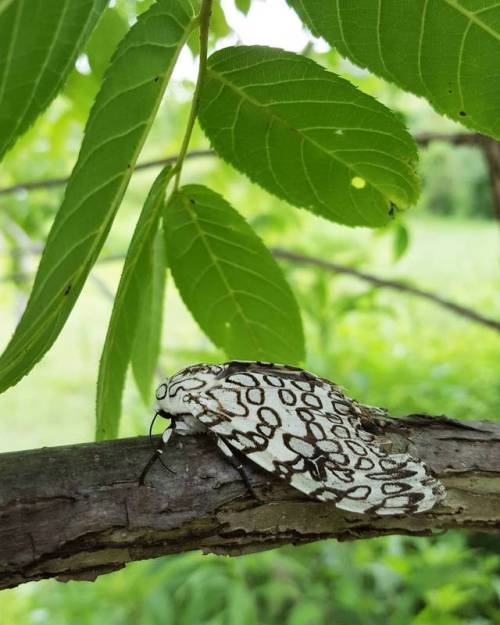
Giant leopard moths

Giant leopard moth on a tree branch

Giant leopard moths can secrete a yellow liquid from their thorax that works as a chemical defense against predators. This one, spotted at Powdermill Nature Reserve, unfortunately must be close to death as they are nocturnal, thus avoiding daytime activity.

Powdermill Nature Reserve in Carnegie Museum of Natural History’s environmental research center located in the Laurel Highlands of western Pennsylvania. Follow them on Instagram for more photos like this.

Filed Under: Blog Tagged With: Invertebrate Zoology

August 3, 2017 by wpengine

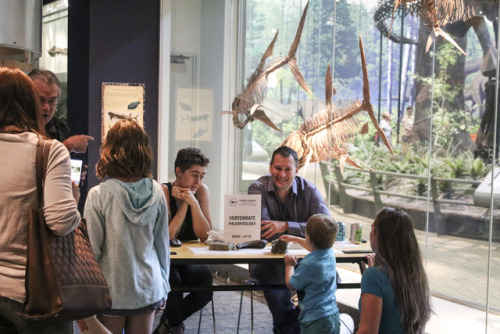
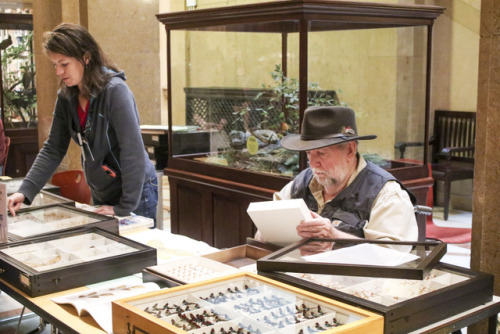
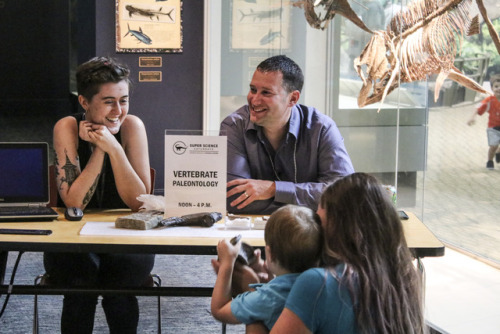
Researchers and scientists at work

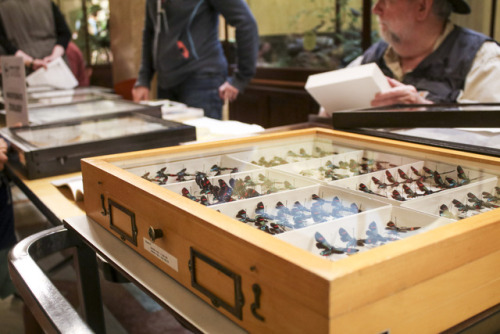
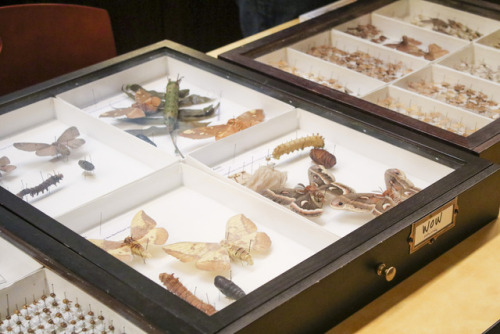
specimens from the section of Invertebrate Zoology

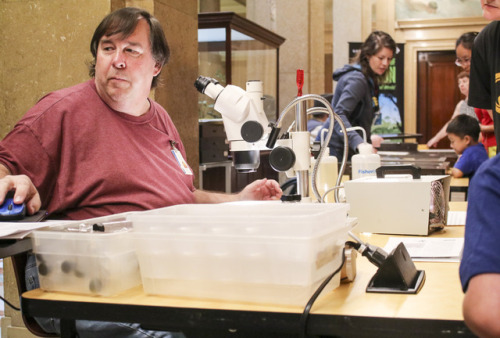
researchers at work

moth and caterpillar specimens

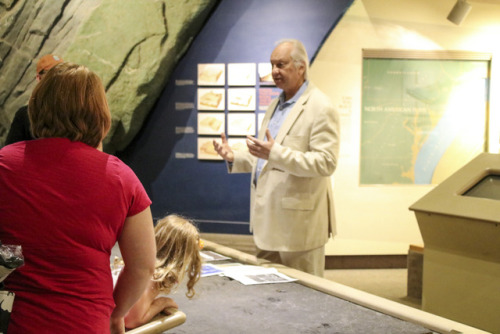
Albert talking to visitors in Benedum Hall of Geology

visitors meeting our dinosaur experts

researchers in the section of Invertebrate Zoology

researchers in the section of Vertebrate Palentology

Did you know researchers and scientists are at work in the museum every day?

Visitors got an inside look at the behind-the-scenes science of our museum by interacting with Carnegie scientists at a special Super Science Saturday—Scientist Takeover!

Entomologists, paleontologists, anthropologists, and other scientists spent Saturday, July 22 in the galleries showing off their cool collections, answering questions, and discussing their work with curious museum-goers. Visitors also enjoyed tours and hands-on activities like sifting through soil to find Pennsylvania land snails.

Super Science Saturdays is a program at Carnegie Museum of Natural History that invites visitors of all ages to explore a special theme through hands-on activities, experiments, demonstrations, discussions with museum experts, and more. Events are free with museum admission.

Don’t miss our next event, Whiskers and Woofs, on August 19.

Filed Under: Blog Tagged With: Albert Kollar, invertebrate paleontology, Invertebrate Zoology, John Rawlins, Matt Lamanna, mollusks, Super Science Saturday, Vertebrate Paleontology

July 18, 2017 by wpengine

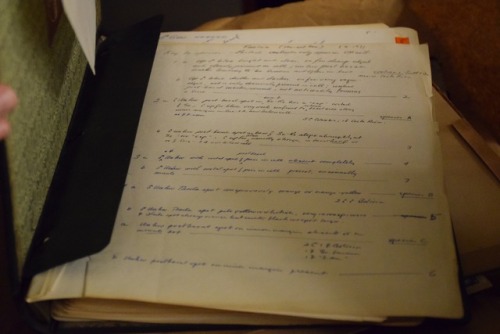
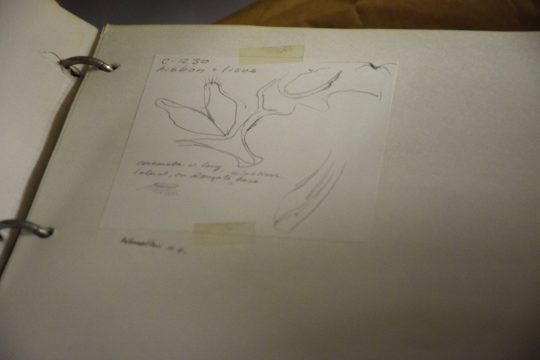
Handwritten notes and sketches

old pages with handwritten notes

Handwritten notes and sketches penned by a former curator are kept in the museum’s hidden Invertebrate Zoology collection.

hand drawn sketches in a book

Filed Under: Blog Tagged With: Invertebrate Zoology, museum history

July 17, 2017 by wpengine

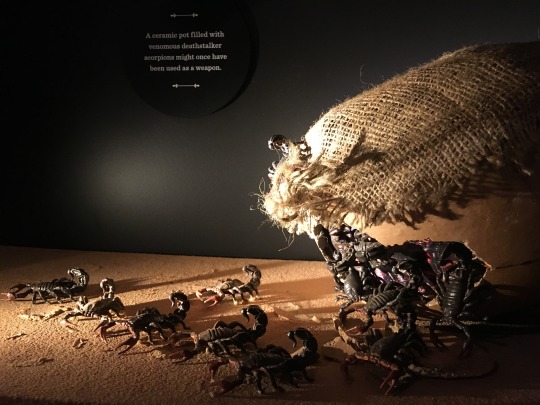
Scorpion Bombs

a bunch of scorpians crowling out of broken pot

Can you imagine having a jar full of scorpions dropped on you?

Scholars suspect that a small desert kingdom used ceramic bombs filled with venomous insects or scorpions to ward off the Roman Empire roughly 1,800 years ago in present day Iraq.

Learn more about poisons in history or the venom of scorpions in The Power of Poison, open through September 4 at Carnegie Museum of Natural History.

Filed Under: Blog Tagged With: bugs, Invertebrate Zoology

  • « Go to Previous Page
  • Page 1
  • Interim pages omitted …
  • Page 6
  • Page 7
  • Page 8
  • Page 9
  • Page 10
  • Go to Next Page »

sidebar

About

  • Mission & Commitments
  • Directors Team
  • Museum History

Get Involved

  • Volunteer
  • Membership
  • Carnegie Discoverers
  • Donate
  • Employment
  • Events

Bring a Group

  • Groups of 10 or More
  • Birthday Parties at the Museum
  • Field Trips

Powdermill

  • Powdermill Nature Reserve
  • Powdermill Field Trips
  • Powdermill Staff
  • Research at Powdermill

More Information

  • Image Permission Requests
  • Science Stories
  • Accessibility
  • Shopping Cart
  • Contact
  • Visitor Policies
One of the Four Carnegie Museums | © Carnegie Institute | Privacy Policy | Terms of Use | Accessibility
Rad works here logo