• Skip to primary navigation
  • Skip to main content
  • Skip to primary sidebar

Carnegie Museum of Natural History

One of the Four Carnegie Museums of Pittsburgh

  • Visit
    • Buy Tickets
    • Visitor Information
    • Exhibitions
    • Events
    • Dining at the Museum
    • Celebrate at the Museum
    • Powdermill Nature Reserve
    • Event Venue Rental
    • Gift Cards
  • Learn
    • Field Trips
    • Educator Information
    • Programs at the Museum
    • Bring the Museum to You
    • Guided Programs FAQ
    • Programs Online
    • Climate and Rural Systems Partnership
  • Research
    • Scientific Sections
    • Science Stories
    • Science Videos
    • Senior Science & Research Staff
    • Museum Library
    • Science Seminars
    • Scientific Publications
    • Specimen and Artifact Identification
  • About
    • Mission & Commitments
    • Directors Team
    • Museum History
  • Tickets
  • Give
  • Shop

Invertebrate Zoology

July 27, 2018 by wpengine

The Very Hungry Promethea Caterpillars

by Vanessa Verdecia

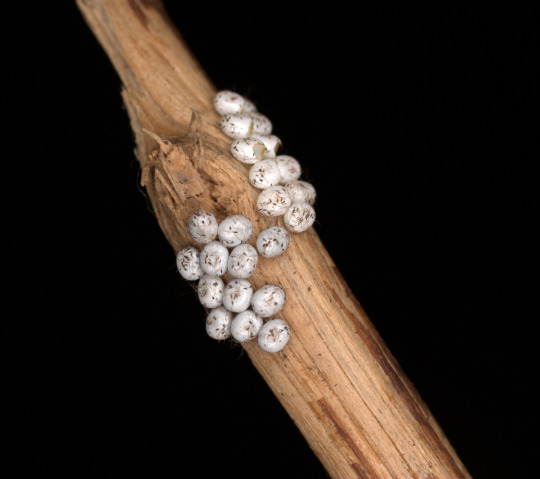
promethea moth eggs

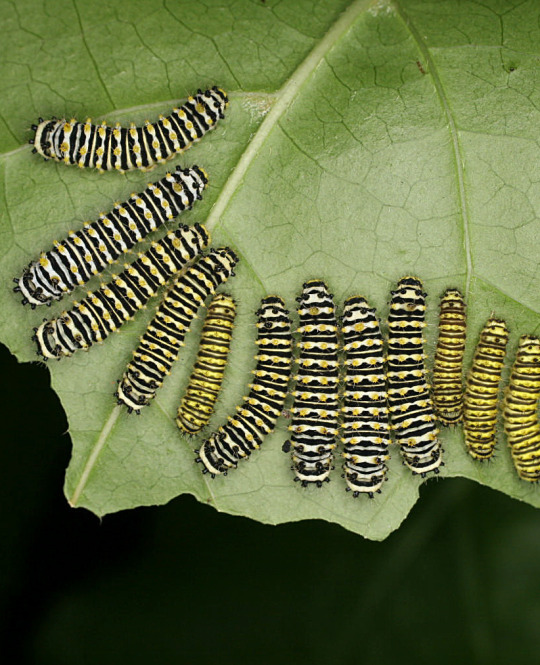
These Promethea Moth (Callosamia promethea) eggs were laid in clusters by a single female parent.  When the caterpillars first hatched they measured approximately 3mm in length and as the caterpillars grew, they shed their skin and molted through a series of stages referred to as instars.  Each one of these instars varies in appearance.  Early instars are gregarious and remain together on the underside of the leaves.  
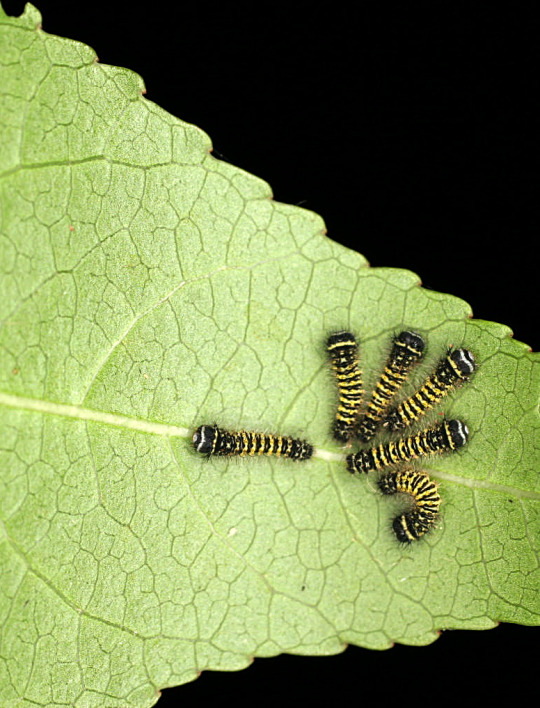
promethea moth caterpillars

In the earlier instars the Promethea Moth caterpillars have a black and yellow banded appearance.  In contrast to these earlier stages, the body of the last instar caterpillars are pale green and they are recognized by the protruding, bright red knobs that are located on the thoracic region as well as the yellow knob found on the eighth abdominal segment.  The final instar caterpillars in this culture measured up to 4.5cm in length in a resting position, but they can measure up to 6cm when active and stretched out.
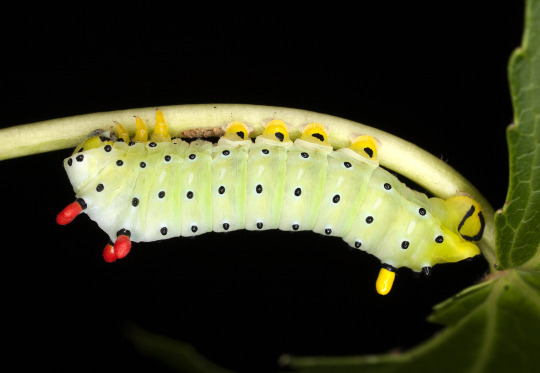
promethea moth caterpillar

The Promethea Moth is a member of the family Saturniidae, a group known as the Giant Silkworm moths. In this group of moths, the mouth parts are reduced and the digestive tract is absent, which means they do not feed as adults.  Most caterpillar species are big eaters, but in families like Saturniidae, the adult moths rely heavily on all the energy stored while eating in the larval stages.

Raising caterpillars in the lab is a labor of love.  Caterpillars depend on having fresh food and a clean environment that is created by housing the live caterpillars in plastic chambers that help preserve the moisture in the leaves.  This culture was reared on sweet gum, but Promethea Moth caterpillars will feed on many different trees.  The caterpillars hatched on 8-June-2018 and some of the specimens in the final instars were seen spinning their cocoons on 17-July-2018.
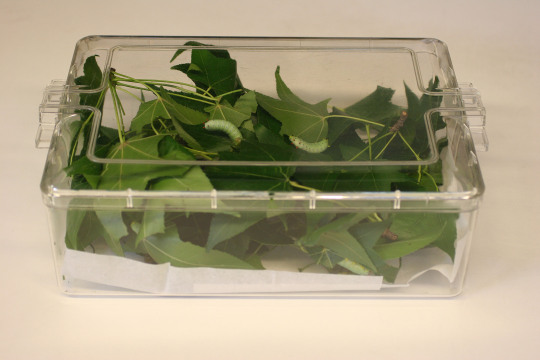
caterpillars on sweet gum

The caterpillars produce silk on a leaf and the petiole and spin a cocoon with the leaf wrapped around it. After the caterpillars spin their cocoons, they will enter the pupal stage and overwinter until the late spring or early summer of 2019, however, a partial second generation in the summer is known to occur in Pennsylvania.  Cocoons attached to the hostplant by the silk can be seen in the winter when all the other leaves have fallen.
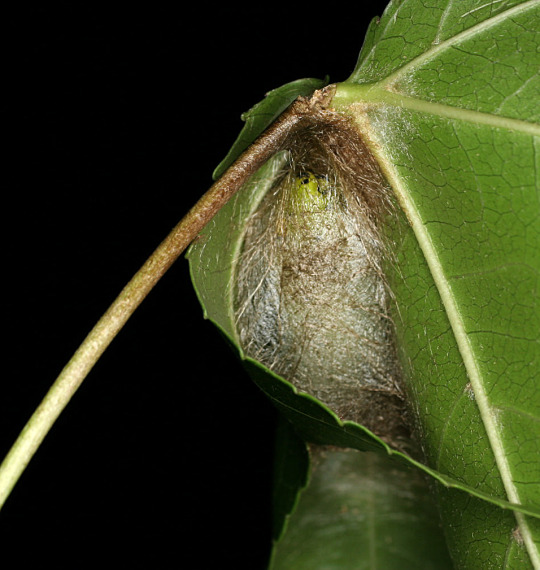
cocoon

Vanessa Verdecia is a collection assistant in the museum’s Invertebrate Zoology Section. Museum employees are encouraged to blog about their unique experiences and knowledge gained from working at the museum.
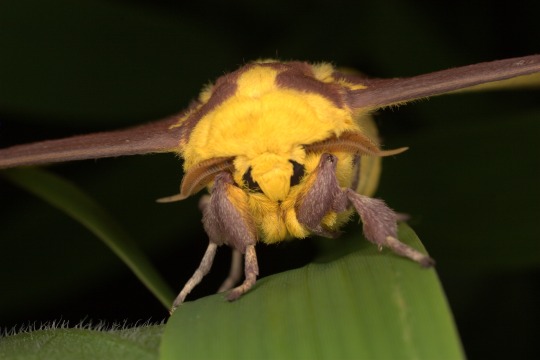
Filed Under: Blog Tagged With: caterpillars, Invertebrate Zoology, moths, nature, research, Vanessa Verdecia

July 12, 2018 by wpengine

The Significance of Raising Caterpillars

By Vanessa Verdecia

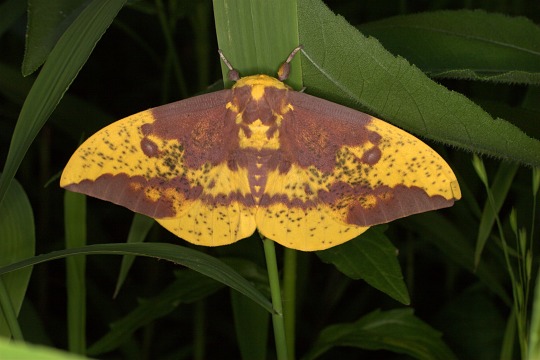
Imperial moth

The Imperial moth (Eacles imperialis) is a member of the Saturniid family, a group also known as the Giant Silkworm Moths.  This specimen is one of several that was reared from eggs laid last year. The corresponding larva (caterpillar) can be seen in this 2017 blog post.

Lepidoptera (moths and butterflies) develop through a process known as complete metamorphosis. They go through four distinct stages: egg, larva, pupa, and adult.  Entomologists use isofemale culture rearings to document these stages in a wide variety of different species.  In isofemale cultures, wild-caught females are kept in isolation until they have laid their eggs. The resulting larvae then represent one known species derived from a single individual. This method eliminates the possibility of accidentally rearing two or more different species together.

Recording the growth and development of caterpillars is important to understanding the natural history of a species. Detailed notes tell the story of the species being reared. For example, we can document the time of year that adults are found and when eggs are laid, food preferences of the larvae, and whether adults eclose from the pupae in the Fall or overwinter until the Spring before starting the cycle all over again.  Even though laboratory conditions may affect the timing of these changes, the specimens preserved still serve as vouchers to represent stages associated with each species.

The Section of Invertebrate Zoology’s Lepidoptera larval collection serves as an incredible library of associated eggs, larvae, pupae, and adult stages for many species documented through extensive isofemale culture rearings. The corresponding notes serve as a valuable resource for life history information, such as host plant preferences.  Host records are important since a given species will survive on only certain types of host plants.  The caterpillars of the Imperial moth will eat a variety of deciduous trees and this specimen was reared on oak.  However, some species may be host specific and only survive when given the correct plant to eat.

Imperial moth

The larvae of Imperial moth caterpillars reared last year overwintered in the pupal stage.  Winter conditions were provided by storing the pupae in containers kept in the refrigerator through the winter.  The containers were removed and placed at room temperature and we are now enjoying the adult Imperial moths that have been eclosing since May and June.  Many images have been taken, and multiple voucher specimens were preserved to fully document this species in the museum’s reared larval collection.

Vanessa Verdecia is a collection assistant in the museum’s Invertebrate Zoology Section. Museum employees are encouraged to blog about their unique experiences and knowledge gained from working at the museum.
Filed Under: Blog Tagged With: Invertebrate Zoology, Lepidoptera, moths, Vanessa Verdecia

July 9, 2018 by wpengine

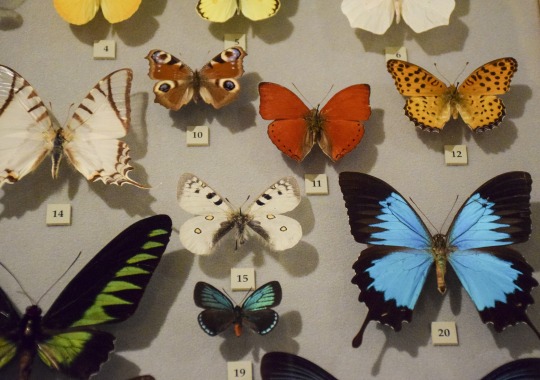
Can you spot the red, white, and blue specimens on display?

butterfly specimens

The red butterfly (11) is a male specimen from tropical Africa in the genus Cymothoe.

The white butterfly (15) is a male specimen from high montane elevations in the northern hemisphere in the genus Parnassius.

The blue butterfly (20) is a specimen of undetermined sex from Indonesian rainforests in the genus Papilio.

Filed Under: Blog Tagged With: Invertebrate Zoology

February 27, 2018 by wpengine

Celebrating Carnegie History: Dr. Andrey Avinoff

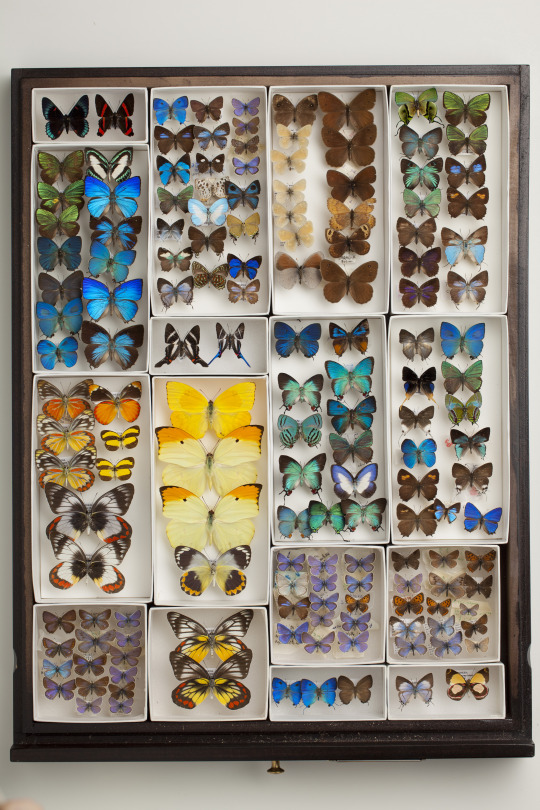
butterfly and moth collection

Since Carnegie Museum of Natural History was founded in the late 1800s, it has been the home of an impressive group of alumni scientists who made great progress in their fields. One in this group who stands out is Dr. Andrey Avinoff, the director of the museum from 1926-1946.

Dr. Avinoff’s career began in Russia, where he studied geographical variation in moths and butterflies across different mountain ranges in Asia. He studied how smaller sub-ranges of the Himalayas led to the prevention of interbreeding in some species, but allowed it in others, depending on the geography and geology of the specific area. As he put it, “the study of variation divorced from geographical distribution is futile.”

Throughout his studies, he amassed a huge collection of specimens, but his collection was appropriated and held by the Zoological Institute of the Russian Academy of Sciences.

When he began his tenure at Carnegie Museum of Natural History, Dr. Avinoff virtually replicated his moth and butterfly collection through financed expeditions and trades with other collectors.

Dr. Avinoff was also an avid artist; “I bow to scientific fact until 5 o’clock,” he said. In 1941, he brought his two passions together and began the ambitious project to collect, describe, and illustrate the flora of western Pennsylvania. Partnering with the curator of Botany at the time, Otto E. Jennings, living plants were found growing wild, then brought to the museum for Dr. Avinoff to capture in paint. When the specimens were no longer needed for painting, they were dried and pressed to be saved in the herbarium.

Dr. Avinoff’s paintings were published in the book Wildflowers of Western Pennsylvania and the Upper Ohio Basin, which was printed in 1953.


Throughout the month of September, Carnegie Museum of Natural History is celebrating Pittsburghers living longer and better through enriching cultural engagement. We will be reflecting on cool pieces of museum history on our blog and social media and offering a series of programming at the museum that will range from dancing to specialized tours, geared towards visitors who are 45 and older. Visit our website for more information and programming details.

Filed Under: Blog Tagged With: Andrey Avinoff, Botany, Invertebrate Zoology, museum history

January 16, 2018 by wpengine

Tiger Beetle

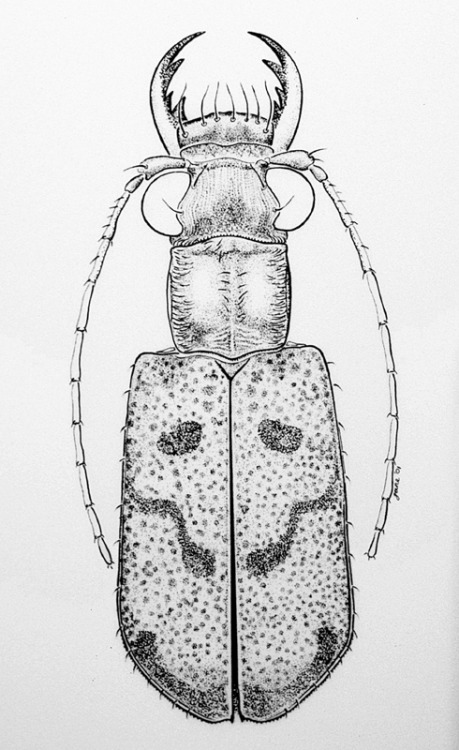
line drawing of a tiger beetle

An illustration of a tiger beetle from Carnegie Museum of Natural History’s collection.

Filed Under: Blog Tagged With: beetles, Invertebrate Zoology

December 8, 2017 by wpengine

Three New Crayfish Species

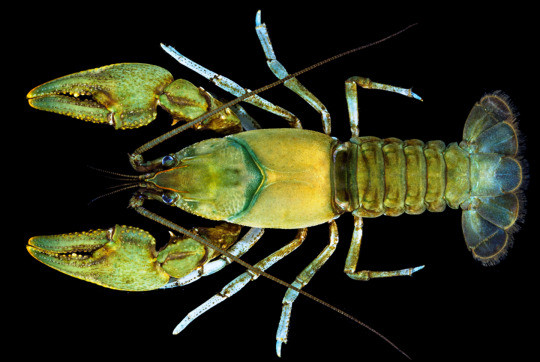
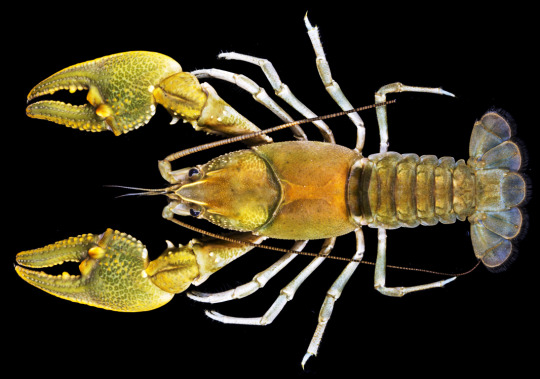
Newly described species Cambarus guenteri crayfish
Newly described species Cambarus guenteri

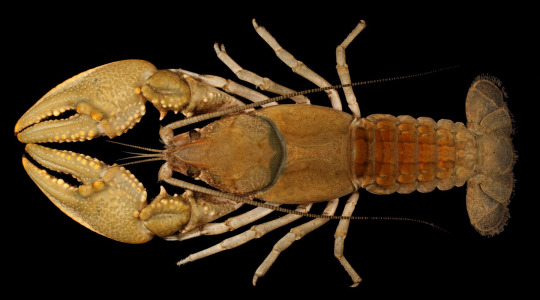
Using genetic testing, Carnegie Museum of Natural History’s Assistant Curator Jim Fetzner (Section of Invertebrate Zoology) and collaborators discovered three new species of crayfish from the Licking and Kentucky River basins in Kentucky.

Their findings, published in the peer-reviewed journal Zootaxa, attracted local press coverage by Pittsburgh Post-Gazette and WESA. The next step? Determine what level of protection these species need to survive in habitats that are increasingly dominated by human activities, such as mining and logging.

Cambarus taylori crayfish from above
Cambarus taylori
Cambarus hazardi crayfish from above
Cambarus hazardi

Filed Under: Blog Tagged With: Invertebrate Zoology, Jim Fetzner

  • « Go to Previous Page
  • Page 1
  • Interim pages omitted …
  • Page 5
  • Page 6
  • Page 7
  • Page 8
  • Page 9
  • Page 10
  • Go to Next Page »

sidebar

About

  • Mission & Commitments
  • Directors Team
  • Museum History

Get Involved

  • Volunteer
  • Membership
  • Carnegie Discoverers
  • Donate
  • Employment
  • Events

Bring a Group

  • Groups of 10 or More
  • Birthday Parties at the Museum
  • Field Trips

Powdermill

  • Powdermill Nature Reserve
  • Powdermill Field Trips
  • Powdermill Staff
  • Research at Powdermill

More Information

  • Image Permission Requests
  • Science Stories
  • Accessibility
  • Shopping Cart
  • Contact
  • Visitor Policies
One of the Four Carnegie Museums | © Carnegie Institute | Privacy Policy | Terms of Use | Accessibility
Rad works here logo