• Skip to primary navigation
  • Skip to main content
  • Skip to primary sidebar

Carnegie Museum of Natural History

One of the Four Carnegie Museums of Pittsburgh

  • Visit
    • Buy Tickets
    • Visitor Information
    • Exhibitions
    • Events
    • Dining at the Museum
    • Celebrate at the Museum
    • Powdermill Nature Reserve
    • Event Venue Rental
  • Learn
    • Field Trips
    • Educator Information
    • Programs at the Museum
    • Bring the Museum to You
    • Guided Programs FAQ
    • Programs Online
    • Climate and Rural Systems Partnership
  • Research
    • Scientific Sections
    • Science Stories
    • Science Videos
    • Senior Science & Research Staff
    • Museum Library
    • Science Seminars
    • Scientific Publications
    • Specimen and Artifact Identification
  • About
    • Mission & Commitments
    • Directors Team
    • Museum History
  • Tickets
  • Give
  • Shop

Melissa Cagan

August 6, 2019 by wpengine

Spiders as Interior Designers

by Megan Jones
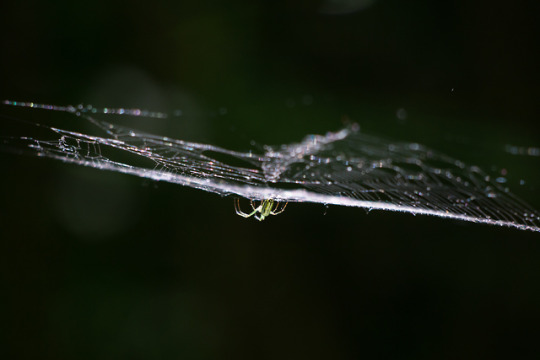
spider hanging from a spider web
A spider meticulously builds an orb web.

Did you know you can recognize a family group of spiders by the way a spider web is designed?  These web-making skills are important to a spider’s survival, and each style helps spiders catch prey in slightly different ways.

There are over 40,000 known species with different types of silk and designs. The most common four spider web designs you’ll see while exploring nature are orb webs, tangled webs, woolly webs, and sheet webs.

Silky Smooth Designs

Orb webs

Orb webs are the classic looking spider webs with a wheel-shape that allows spiders to fully enter a vertical space. Orb webs help attract prey, catching up to 250 insects per day!
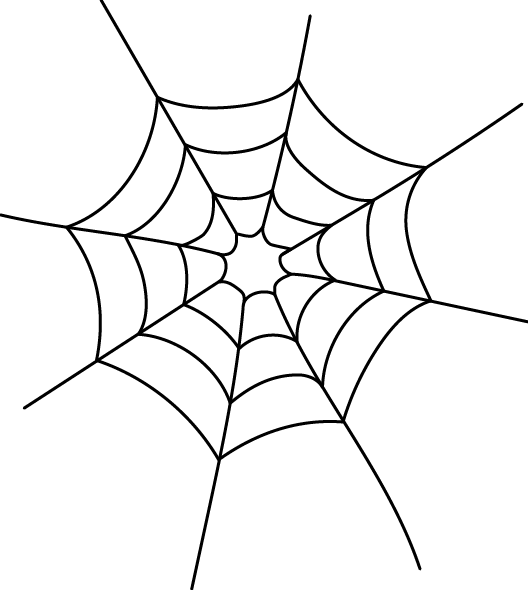
drawing of an orb web

Tangled webs

Tangled webs or cobwebs are known for their messy and shapeless design.

These are the webs you’ll see in the corner of an un-swept room. The ends of this web have sticky droplets that help catch unsuspecting prey.
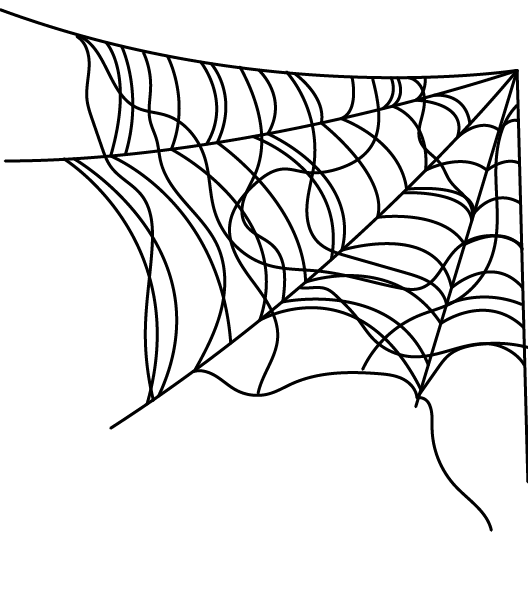
drawing of tangled web

Woolly webs

Woolly webs have a unique texture with adhesive silk. Woolly webs aren’t perfectly made but are usually built horizontally in a geometric shape.
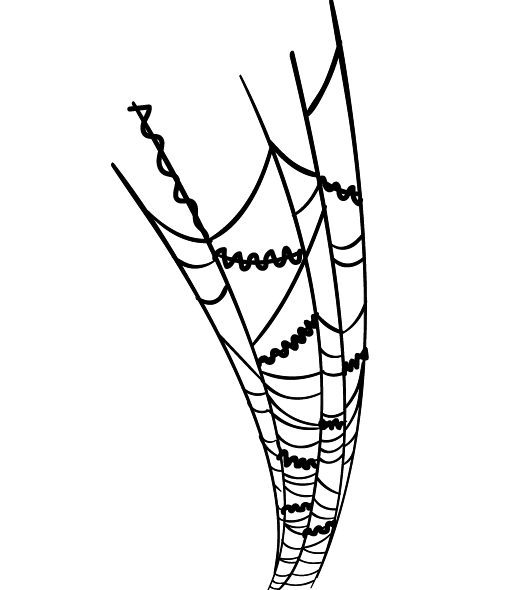
drawing of woolly web

Sheet webs

Sheet webs can be found strung across bushes acting as a maze of silk. When an insect flies into one of the silk strings, it is knocked into a net below where the spider waits for its prey.
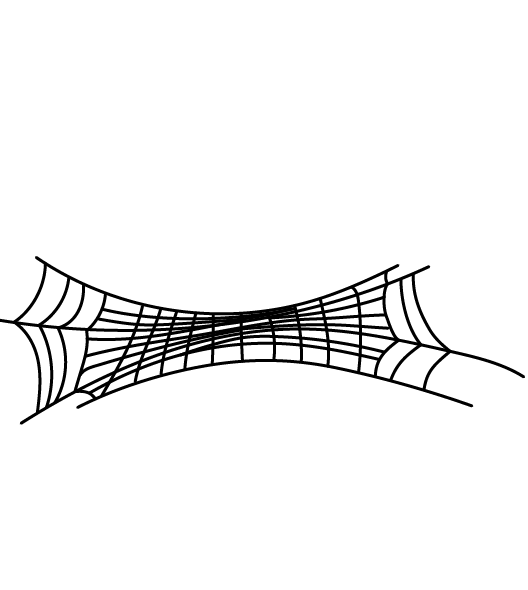
drawing of sheet web

Too Much Time On The Web

Spiders don’t just use their silk for web-building. They are known to use their silk as a trail behind them when hunting and as material for creating egg sacs. Some spiders even hang glide by sailing through the sky attached to strands of silk!

What Designs Are Around You?

Although most web designs are done with purpose, some spiders are known to actively decorate their webs. They creatively weave their webs daily. Now that you know what you’re looking for, even your backyard can be an adventure!
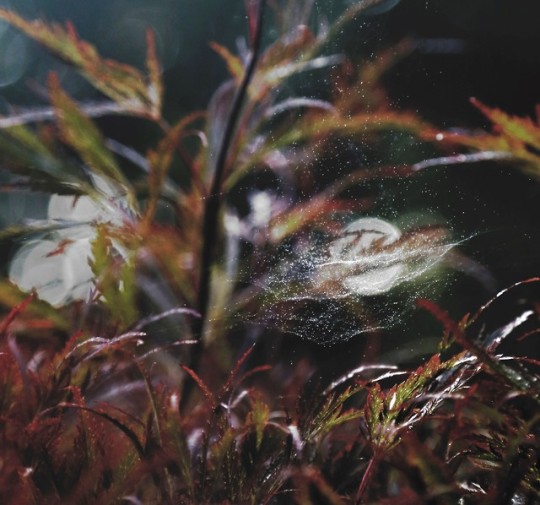
tangled spider web on a plant
A tangled web covers a plant in wait for prey to land.

Can You find all four types of webs around you? Draw a picture of each web you find!

Spider webs can be found anywhere. We recommend your backyard, the nooks and crannies of your porch, or even the corners of an undusted room in your house!

Blog post and illustrations by Megan Jones. Photos by Melissa Cagan. Museum employees are encouraged to blog about their unique experiences and knowledge gained from working at the museum.

Related Content

Spiders Catch All Sorts of Insects

Jumping Spiders

Natural History Discoveries

Carnegie Museum of Natural History Blog Citation Information

Blog author: Jones, Megan
Publication date: August 6, 2019

Share this post!

  • Share on Twitter Share on Twitter
  • Share on Facebook Share on Facebook
  • Share on Pinterest Share on Pinterest
  • Share on LinkedIn Share on LinkedIn
  • Share on Reddit Share on Reddit
  • Share via Email Share via Email

Share this post!

  • Share on Twitter Share on Twitter
  • Share on Facebook Share on Facebook
  • Share on Pinterest Share on Pinterest
  • Share on LinkedIn Share on LinkedIn
  • Share on Reddit Share on Reddit
  • Share via Email Share via Email

Filed Under: Blog Tagged With: Education, insects, Megan Jones, Melissa Cagan

May 1, 2019 by wpengine

What’s in the Rivers?

We all know that Pittsburgh has three rivers – it’s one of the first things you learn about Pittsburgh!  There’s the Allegheny, the Monongahela, and the two rivers meet to form the Ohio River. But have you ever wondered what kinds of creatures might be lurking beneath the three rivers’ surfaces?  

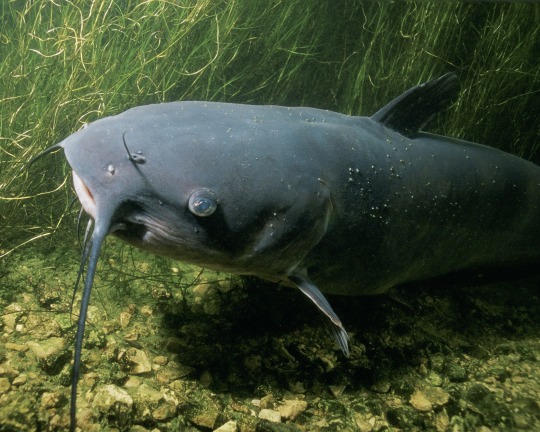
A channel catfish sits on the floor of a river.

Three Rivers Thrive

The three rivers are currently home to almost 70 different species of fish! Some of the most common fish found in the rivers are:

-Smallmouth Bass

-Rock Bass

-Muskellunge

-Channel Catfish

-Flathead Catfish

-Freshwater Drums

-Sauger

-Common Carp

You may have heard of a few of these before – bass and catfish are well known fish – but did you know that some of these watery creatures can grow to be more than 3 feet in length?  A flathead catfish, for example, can grow to be more than three and a half feet long and can weigh more than 40 pounds!  That’s crazy!

Fish Flourish

When the rivers flourish and are filled with fish, they draw predators such as bald eagles and ospreys to the Pittsburgh area.  In the 1970s, work began to restore the water quality of the three rivers back to good health.  Since then, as the waters have become less polluted, more diverse fish have been found in the rivers and streams of Western Pennsylvania – allowing other aquatic creatures to thrive, like river otters.

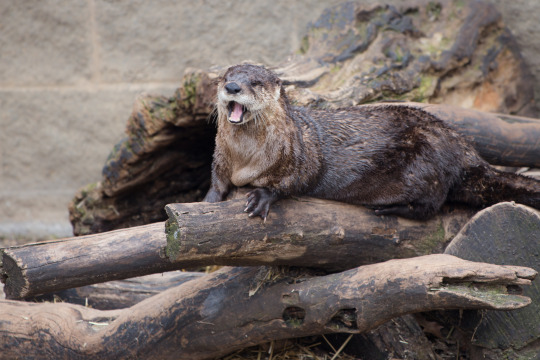
A river otter at the Pittsburgh Zoo sits on a log.

Keeping Pittsburgh Clean

We’ve made a lot of progress in cleaning our rivers during the past 50 years.  However, there is still quite a lot of work to be done.  One way to keep track of the progress we’ve made is by monitoring the water quality of streams and watersheds in the Pittsburgh area. Allegheny College’s Creek Connections is an organization that works with Pittsburgh-area schools to monitor the health of local water sources.  For more information on Creek Connections’ work you can visit https://sites.allegheny.edu/creekconnections/.

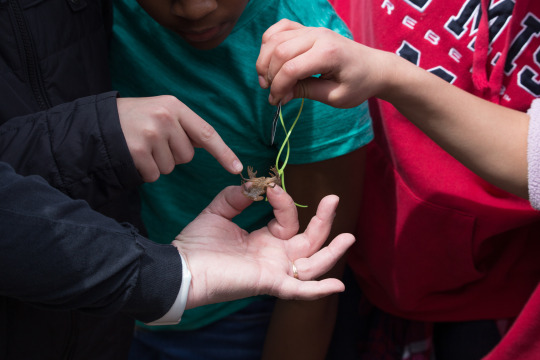
Students working with Allegheny College’s Creek Connections inspect a crayfish found in a local stream.

You Otter Be Kidding Me

Because of pollution and environmental destruction, the river otter population in Western Pennsylvania was almost extinct in the 1900s.  To help, conservationists spent years working on rebuilding habitats and cleaning the rivers before finally reintroducing river otters to the Pittsburgh area in 1982.  Since then, river otters have continued to reclaim their habitat along the three rivers.

Explore nature together.  Visit Nature 360 for activities and information.

Blog post by Melissa Cagan. 

Filed Under: Blog Tagged With: Anthropocene, fish, Melissa Cagan, Nature 360, Pittsburgh

April 19, 2019 by wpengine

More Info: Steel City Nature Challenge on the Blog: Here We Go Pittsburgh!

City Nature Challenge 2019 logo

Ever wondered what wildlife is thriving in your city?  One way to learn about what is in your backyard is to team up with other people to explore nature through the City Nature Challenge!  The competition has been running since 2016, beginning in California, and growing into an international event. This year people will be participating from Antarctica to India!

We Need Your Help!

Your challenge is to look around and take pictures of as many types of plants, animals, and fungi as you can in four days!  Cities around the world are competing with each other to see who can log the most observations on iNaturalist (a free online and mobile application) – and we want Pittsburgh to have its best year yet!  This year, the City Nature Challenge takes place in two stages: the first part is April 26 – April 29 and the second part is April 30 – May 5. We’re calling for anyone in the Allegheny, Butler, Washington, Armstrong, Beaver, and Westmoreland counties to put their exploring hats on and help us identify the wildlife in our area!

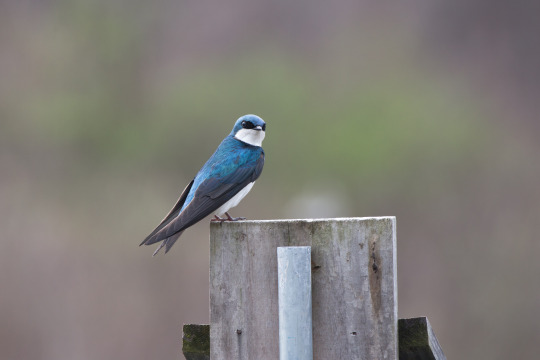
bird on a post
Spring is a great time to go outside and look for wildlife!

Three Simple Steps

All you need to remember to participate are these steps:

1.    Find Wildlife!

2.    Take Pictures!

3.    Share your Findings on iNaturalist!

Stage One: April 26 – April 29

Take a picture of every wild plant or animal you find, even if it’s something you see every day!  Only photos taken during this period of time will count for the Challenge. Last year the City Nature Challenge had over 420,000 observations – can we get even more this year?

Places to look for wildlife: your backyard, local parks, hiking trails, gardens.

Stage Two: April 30 – May 5

Identify what you’ve found and explore others’ observations!  You can confirm other people’s identifications or suggest a different identification.  If you receive two confirmations for a picture you’ve shared, you’ve got yourself a research grade identification!  Cool!

How Do I Use iNaturalist?

Below are two videos to help you navigate iNaturalist.  The first will explain how you can upload observations onto iNaturalist for stage one.  The second will show you how you can identify others’ observations during stage two.

Stage One: Uploading Observations

Stage Two: Identify and Confirm Observations

image has text at the top that says City Nature Challenge is Organized By, underneath the text are logos for California Academy of Sciences and Natural History Museum of Los Angeles County

Explore nature together.  Visit Nature 360 for activities and information.

Blog post by Melissa Cagan.

Filed Under: Blog Tagged With: Anthropocene, City Nature Challenge, iNaturalist, Melissa Cagan, Nature 360, Pittsburgh

April 15, 2019 by wpengine

Holy Vibrissae Batman!

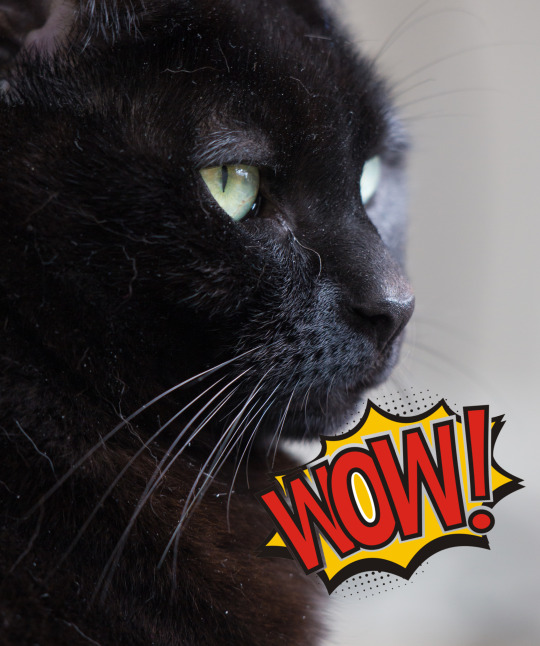
black cat face with the word wow in comic book lettering

Boom! Pow! When you think of superheroes, who do you think of? Wonder Woman? Black Panther? Batman? Well, did you know that there’s a superhero you’ve likely met that might even live in your house? It’s a bird! It’s a plane! No, it’s a cat! Yup, that’s right…cats have superpowers!

My Feline Senses Are Tingling

Cats can “see” what’s around them even in the dark, detect predators, and almost always land on their feet. How can cats do this? All of these superpowers are helped by a kind of radar you’ve seen right on their face – whiskers! Whiskers, also called vibrissae, are long, thick hairs that are packed with “super” nerves and are sensitive enough to detect even the slightest movements of air. At the end of each vibrissa is an organ which tells the cat about the position of its body and legs, helping them move stealthily and react quickly.

black cat face with the word cool in comic book lettering

Mind Reading

Vibrissae on a cat can also act as a “cat-signal” to let people know what that cat is feeling. When a cat is relaxed, its whiskers will mostly be still and at rest. One “cat-signal” to watch out for are whiskers that are bunched together and lying flat on the cat’s face. In this case, the cat is telling you “back off” or “I’m scared” so you should give that cat some space – you don’t want that cat to “hulk out” on you! You can also tell when a cat is going into hunter-mode when its whiskers are pointed slightly forward.

Rule Number One

If you are the sidekick to a super-cat at home, you must remember one thing: never cut or trim your cat’s whiskers. Cutting a cat’s whiskers will leave them scared and disoriented. Whiskers can be shed and grown back naturally. So don’t mess with a cat’s whiskers! Hands off!

Secret Weapon

Did you know that cats have whiskers in places other than their nose? It’s true! Cats have whiskers above their eyes (like very long eyebrows), on their chin, and even on the back of their front legs! Whiskers on the back of a cat’s front legs help with catching and trapping prey. These vibrissae tell the cat whether their prey is struggling or trying to escape. It’s their secret weapon!

Imagine you could have the superpower of anything in nature. What power would you choose?

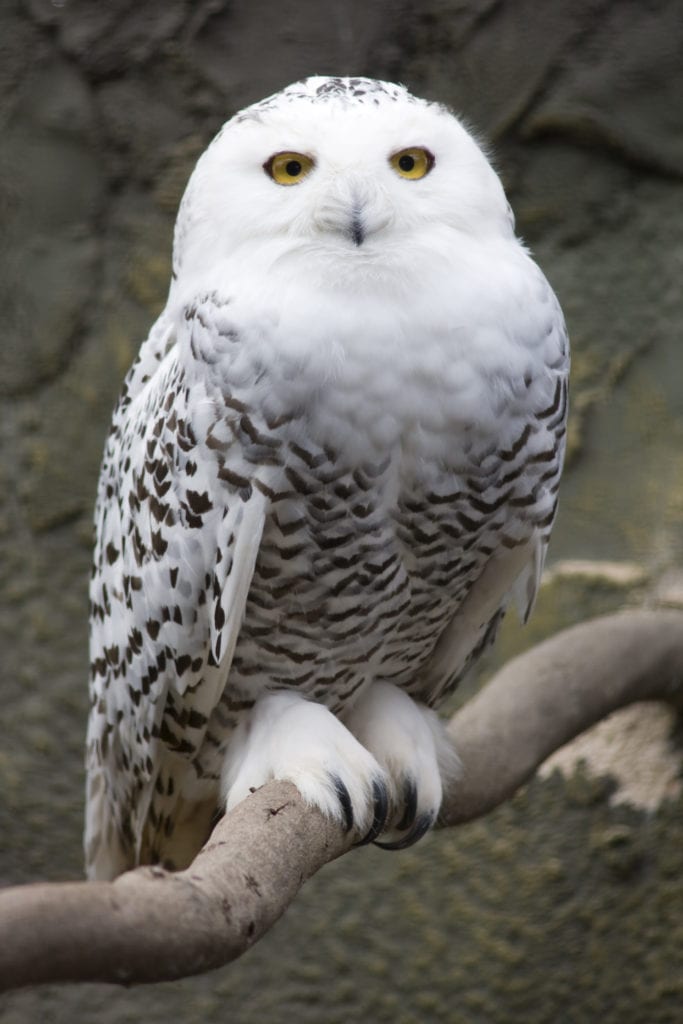
snowy owl

Night Vision

Owls can see well in the dark thanks to sensitive retinal rods and a layer of tissue in their eyes that reflects light.  An owl’s eyes are so big, they can even take up 3% of its body weight!

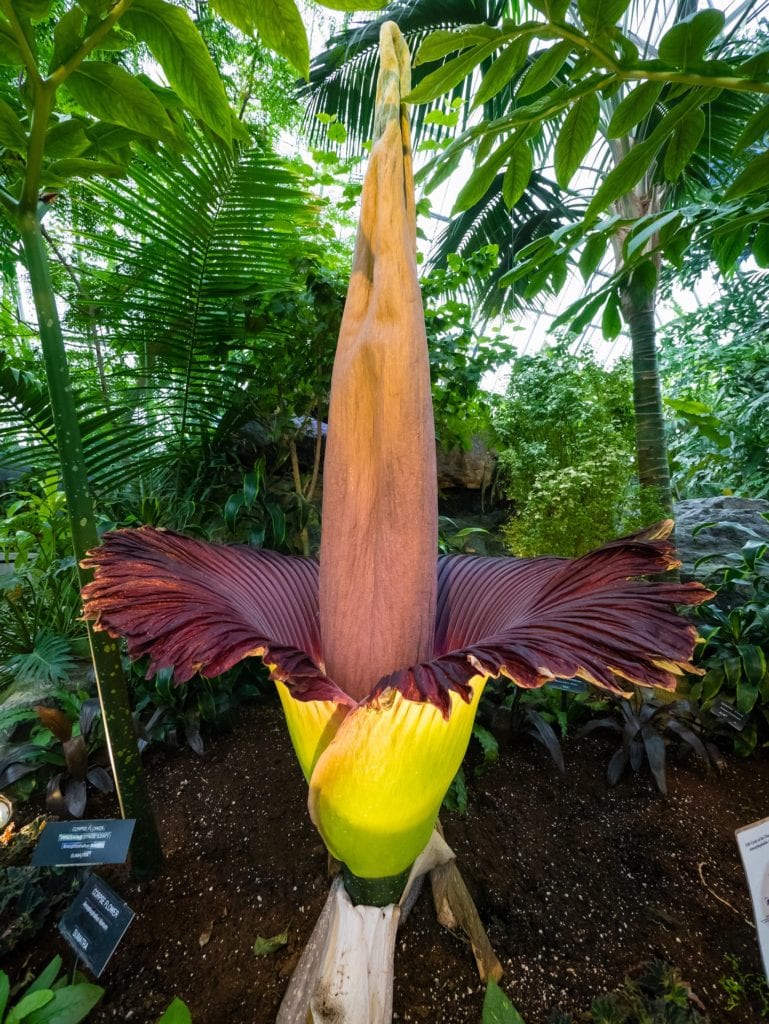
Corpse Flower

Super-Smell

This absurd-looking plant is known by a dramatic name – the corpse flower.  The reason for this name is the extremely foul odor that the flower emits when it blooms, which smells like a rotting corpse.

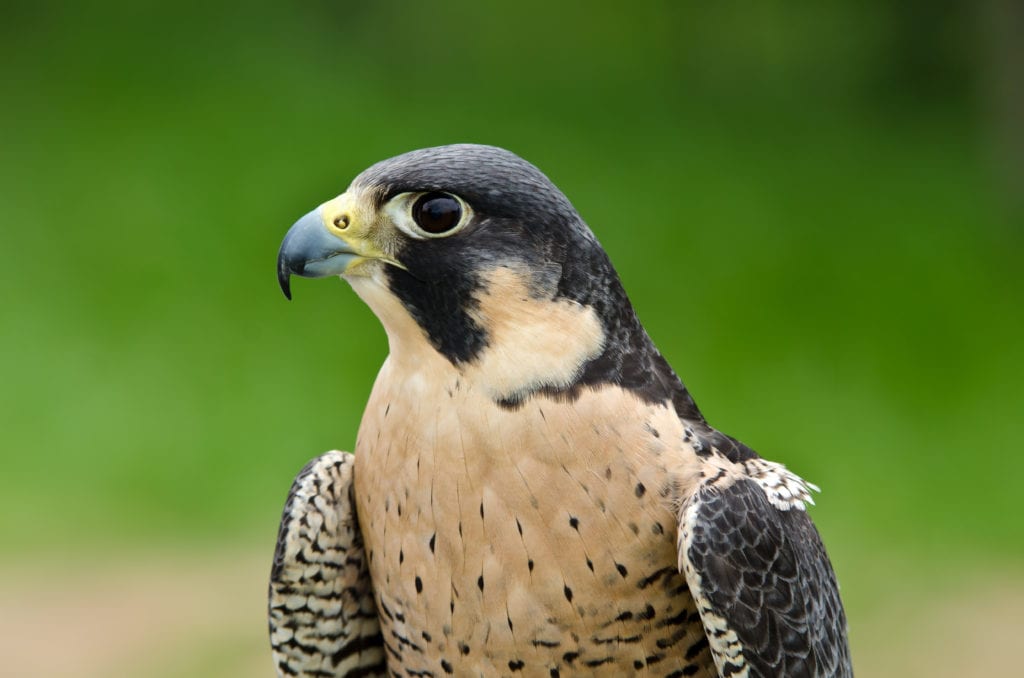
Peregrine Falcon

Lightning Speed

Peregrine Falcons are the world’s fastest animal.  They can reach speeds of over 200 mph when going into a dive, making them especially deadly predators.

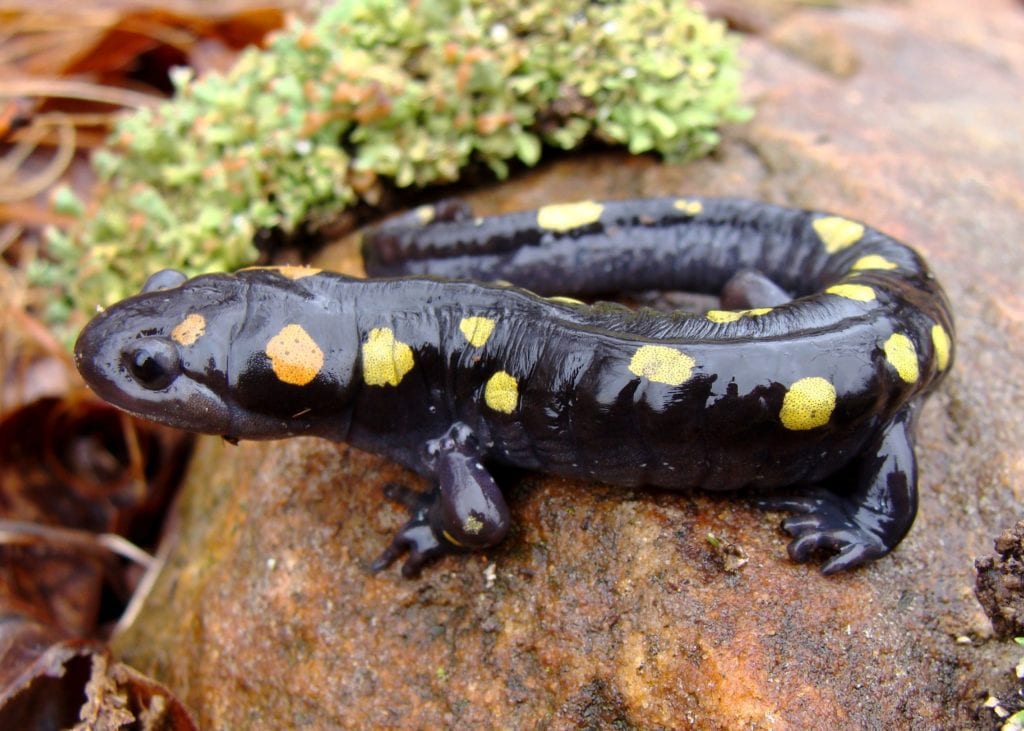
salamander

Regeneration

Did you know that salamanders can regrow entire limbs and even organs?  A salamander might even sacrifice a tail or limb as a defense mechanism, knowing it can regrow it once the salamander gets to safety.

Explore nature together.  Visit Nature 360 for activities and information.

Blog post by Melissa Cagan.

Filed Under: Blog Tagged With: cats, mammals, Melissa Cagan, Nature 360

March 29, 2019 by wpengine

Adventures with Taiji Nelson

“If you stop and look with some intention, you can find some really amazing things…”

Taiji Nelson

Frick Park has an extensive network of trails and is home to more wildlife than you might imagine.  Taiji Nelson is there to help you explore it all.

“When nature shows up for you as an educator, it’s so great…”

Taiji works for the Pittsburgh Parks Conservancy at the Frick Environmental Center as a Naturalist Educator.  What does that mean?  It means that he works with middle school and high school students to look at ecosystems in the parks and restore park health.  He shows students how parks can connect communities and introduce people to nature.

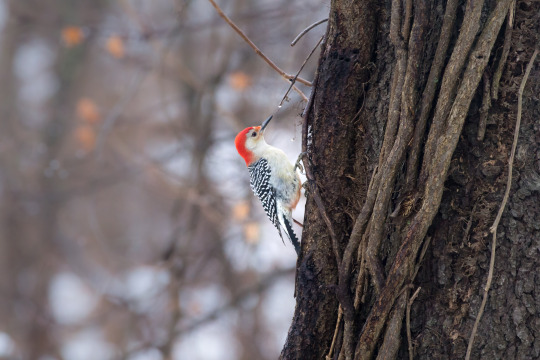
A red-belied woodpecker sips from a water droplet.

“Finding a salamander, finding a snake, finding an owl…you don’t expect to be able to see that kind of stuff in the middle of a city, in the middle of Pittsburgh, but it’s out here.”

“An interest in nature can be a really strong force to connect people.”

Taiji loves parks because he thinks they are places where groups of people can come together and be excited about being outside.

“There’s a ton of value in bringing people with different perspectives together.  Being a queer person of color, I understand the value of meeting people who think differently than you and being able to find common ground.”

“I’m the hype man for nature.”

Nature is always there for adventurers who want to see new and exciting things.  Taiji is there to guide those adventurers along.

A World of Wonder

In the parks, Taiji has seen all sorts of interesting sights. There are always birds flying from tree to tree, there are great horned owls that come out when it gets dark, and even a beaver that’s been known to frequent a stream in the park’s ravine.

Explore nature together.  Visit Nature 360 for activities and information.

Blog post by Melissa Cagan. 

Filed Under: Blog Tagged With: Education, Melissa Cagan, Nature 360, Pittsburgh, Taiji Nelson

February 7, 2019 by wpengine

Bird is the Word

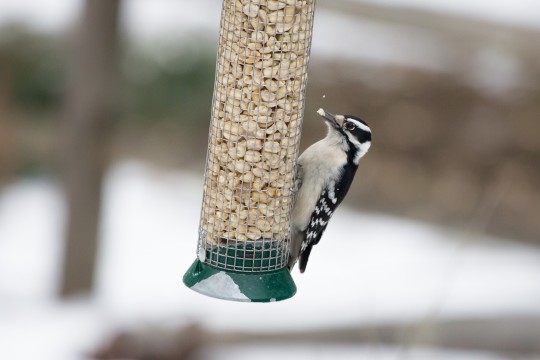
bird at bird feeder

February’s here and you know what that means… it’s time for the Great Backyard Bird Count!  Since 1998, people all over the world have participated annually in the Great Backyard Bird Count to collect information on wild birds by observing areas in their own neighborhoods.  Last year people from over 100 countries participated!  The Great Backyard Bird Count gathers data to help scientists figure out what is happening to bird populations around the globe.  That means YOU can contribute to science just by taking time to look outside your windows.  Scientists can’t be everywhere, and that’s where you come in!

Birds, Birds, Everywhere

The best part about the bird count is… it’s really easy (and free) to join in!  All you need is a way to note your observations (a task perfect for your handy nature notebook), access to the internet, and your enthusiasm!  You can look at a local park, your yard, or anywhere you want to go — data from everywhere is useful!

Ready, Set, Count!

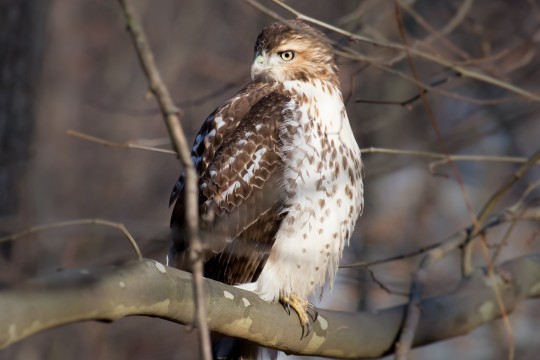
bird on a branch

Before you start looking for birds, you’ll want to set up an online account through the Great Backyard Bird Count’s website.  Once that is ready, all you have to do is spend at least 15 minutes looking outside at any time between February 15th and February 18th.  Count the number of birds and different species you see, and then submit your observations through your online account. Scientists will use the data, and you can use the information to explore what kinds of birds other people have seen nearby.

Some questions you might help scientists answer are:

-“How does weather and climate change affect bird populations?

-“How are diseases that birds can catch, like the West Nile virus, affecting birds in different areas?”

-“Are there bird species that only live in certain locations such as cities or rural areas?”

Lord of the Wings

The Christmas Bird Count, which happens at the end of December, found over 24,000 birds in Pittsburgh in 2018.  There were 71 different species represented in the total count.  Let’s see if we can find even more birds this February!  Follow this link to get ready!

Explore nature together. Visit Nature 360 for more activities and information.

Blog post written by Melissa Cagan and Rachel Carlberg.

Filed Under: Blog Tagged With: Anthropocene, bird hall, birding, Birds, Education, Melissa Cagan, Nature 360, Rachel Carlberg

  • Page 1
  • Page 2
  • Go to Next Page »

sidebar

About

  • Mission & Commitments
  • Directors Team
  • Museum History

Get Involved

  • Volunteer
  • Membership
  • Carnegie Discoverers
  • Donate
  • Employment
  • Events

Bring a Group

  • Groups of 10 or More
  • Birthday Parties at the Museum
  • Field Trips

Powdermill

  • Powdermill Nature Reserve
  • Powdermill Field Trips
  • Powdermill Staff
  • Research at Powdermill

More Information

  • Image Permission Requests
  • Science Stories
  • Accessibility
  • Shopping Cart
  • Contact
  • Visitor Policies
One of the Four Carnegie Museums | © Carnegie Institute | Privacy Policy | Terms of Use | Accessibility
Rad works here logo