• Skip to primary navigation
  • Skip to main content
  • Skip to primary sidebar

Carnegie Museum of Natural History

One of the Four Carnegie Museums of Pittsburgh

  • Visit
    • Buy Tickets
    • Visitor Information
    • Exhibitions
    • Events
    • Dining at the Museum
    • Celebrate at the Museum
    • Powdermill Nature Reserve
    • Event Venue Rental
  • Learn
    • Field Trips
    • Educator Information
    • Programs at the Museum
    • Bring the Museum to You
    • Guided Programs FAQ
    • Programs Online
    • Climate and Rural Systems Partnership
  • Research
    • Scientific Sections
    • Science Stories
    • Science Videos
    • Senior Science & Research Staff
    • Museum Library
    • Science Seminars
    • Scientific Publications
    • Specimen and Artifact Identification
  • About
    • Mission & Commitments
    • Directors Team
    • Museum History
  • Tickets
  • Give
  • Shop

museums

September 27, 2016 by wpengine

The Ongoing Question of Trophy Hunting

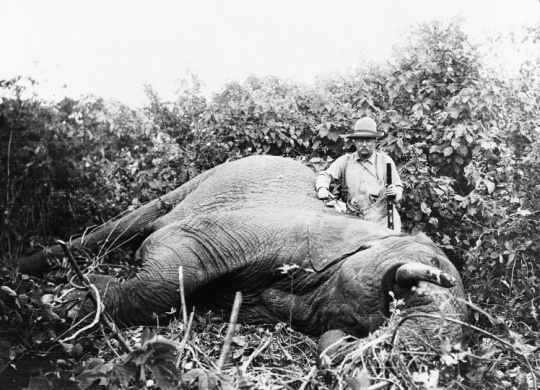
Teddy Roosevelt standing with a dead elephant
Teddy Roosevelt in 1909 on a safari that helped popularize the activity. Photo: Library of Congress

by Eric Dorfman

After the infamous case of the untimely death of the beloved Cecil the lion, natural history museums have become even more careful than before about demonstrating the provenance of the specimens they use for research and display. Big game hunting can be viewed with such distaste by members of the museum-going public that its display can be somewhat controversial. For those of us in the industry, it presents a conundrum of messaging, not least because the topic of big game hunting is highly nuanced and has many benefits to both wilderness landscape and the local communities that both utilize and (potentially) protect the land.
Filed Under: Blog Tagged With: museums

September 15, 2016 by wpengine

A Dino in a ‘Death Pose’

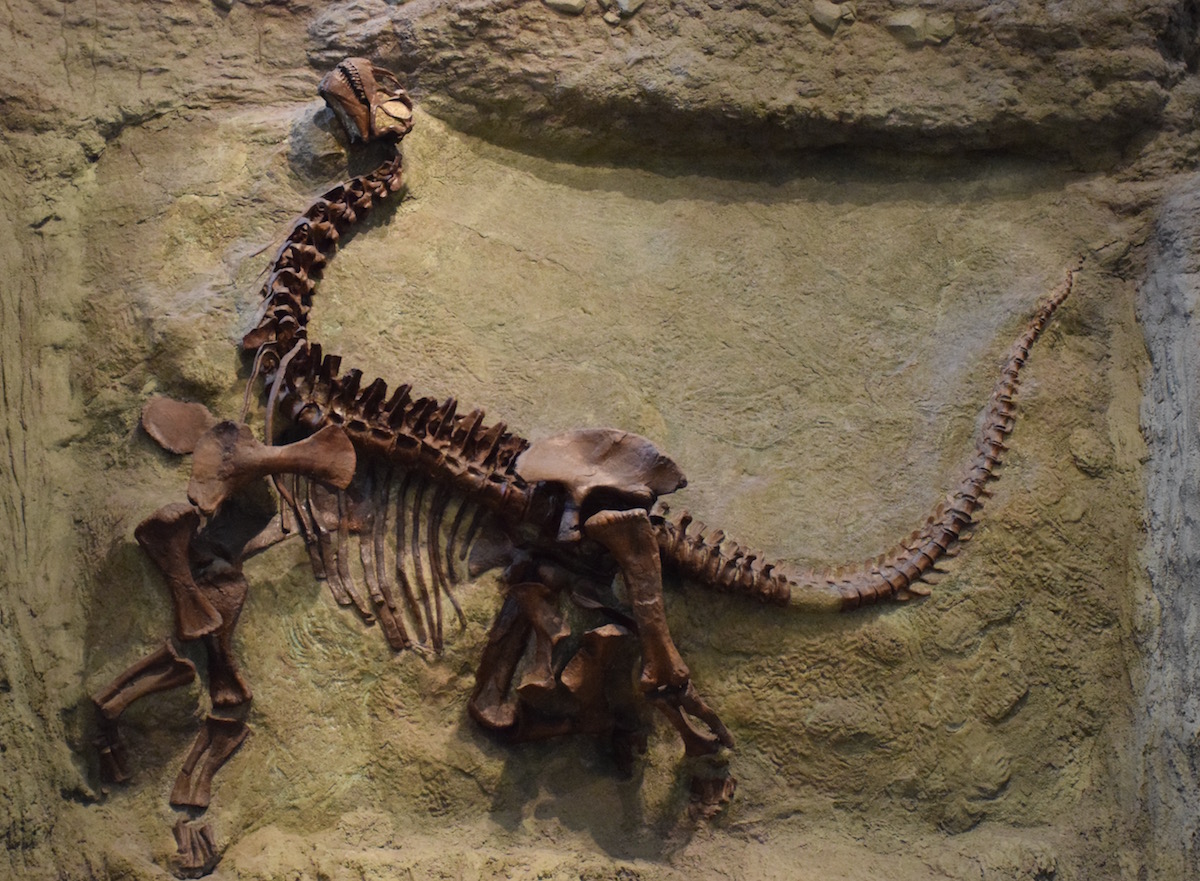
Camarasaurus dinosaur skeleton

This immature Camarasaurus’ uncomfortable stance isn’t caused by a crick in his long neck. It was discovered in what paleontologists call the “death pose.” Many dinosaur skeletons like this one are found with their neck arching back dramatically towards the tail. This specimen in Carnegie Museum of Natural History’s Dinosaurs in Their Time is displayed almost exactly as it was discovered.

The death pose may have been caused by the dinosaur’s final thrashing movements before it died. Scientists note that this pose is only seen in animals with high metabolic rates, suggesting that dinosaurs such as Camarasaurus may have been active creatures.

Filed Under: Blog Tagged With: dinosaurs, dinosaurs in their time, fossils, museums, paleontology

September 10, 2016 by wpengine

From Antarctica to Pittsburgh

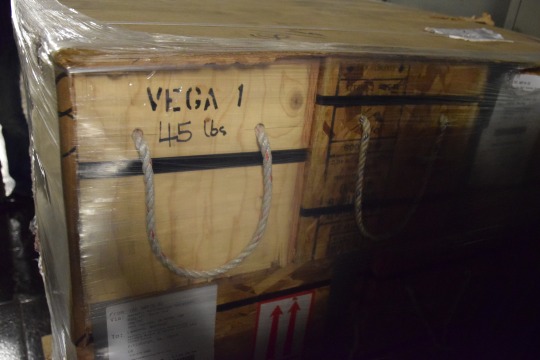
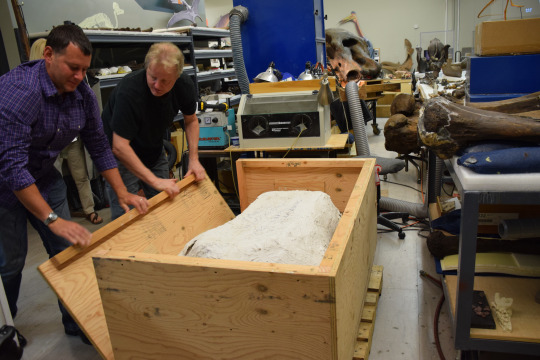
Last week, several tons of fossils arrived at Carnegie Museum of Natural History from Antarctica, where our paleontologist and principal dinosaur research Matt Lamanna led the AP3 Expedition this spring. The fossils traveled by boat from Antarctica to Chile to the United States, where they were then trucked across the country to our museum.

In the coming weeks, our staff will begin carefully unpacking these specimens and studying them.

To read more about the expedition, visit our expedition blog.


Lamanna and Dan Pickering, a scientific preparator, open one package containing the largest fossil in the shipment.
A box with fossils collected from Vega Island in Antarctica.

Filed Under: Blog Tagged With: antarctica, behind the scenes, expedition, fossils, Matt Lamanna, museums, paleontology

September 2, 2016 by wpengine

Selected for Speed

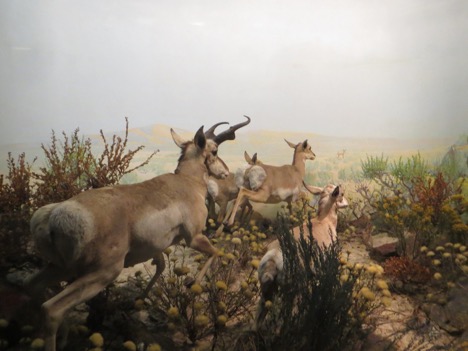
Pronghorn Antelopes in a diorama by Patrick McShea

At first it seems absurd to discuss speed in front of adiorama in which nothing moves. With appropriate prompts, however, this threedimensional snapshot of galloping pronghorn antelopes can generate an astonishing level of mind’s eye animation.

When viewed from dusty Wyoming roadsides, distant pronghorns appear to gallop without sound, even when their pace suddenly changes and their speed doubles for 100-yard stretches.

At the close vantage point offered by the diorama, such antelope maneuvers would undoubtedly produce a sensory mix of blurred furred forms, the staccato clatter of hooves against rock, and the powerful scent of crushed sage.

The species’ blazing speed invites speculation about its evolutionary history. Could pronghorn antelopes be adapted to elude a predator no longer found on western landscapes? A large extinct cat termed an American cheetah is sometimes cited as the missing participant in this natural selection process.

Fossil evidence examined during the past 25 years complicates this narrative. Paleontologists point to expansive ranges for these big cats that include mountainous areas and sea coasts, and the absence, to date, of sites containing both cat and antelope fossils.

With the identity of the pronghorn’s prehistoric predator unsettled, a viewing position in front of the diorama is a place to ponder possibilities.


Patrick McShea works in the Education and Visitor Experience department of Carnegie Museum of Natural History. Museum employees are encouraged to blog about their unique experiences of working at the museum.

Filed Under: Blog Tagged With: diorama, fossils, museums, Patrick McShea, Pittsburgh

August 29, 2016 by wpengine

Bones in the Basement

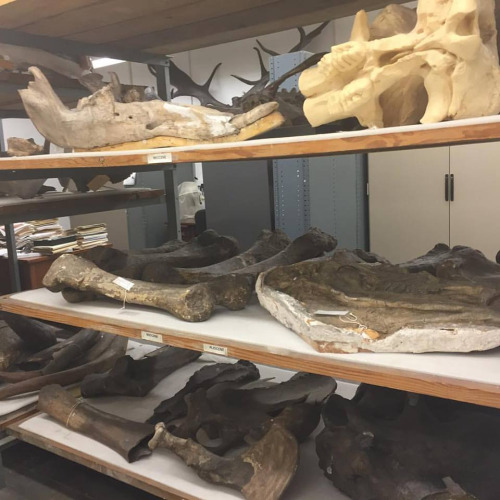
Bones on a shelf

by Hayley Pontia
If you thought there were a lot of bones on display in the Carnegie Museum of Natural History, think again. Many of the 22 million objects and scientific specimens in the museum’s collection are kept in storage and used for scientific research.

Amy Henrici, Collection Manager for Vertebrate Paleontology, manages the Vertebrate Paleontology collection, which houses fossils that span through 465 million years of prehistoric history. It is the fourth largest collection in the country and includes 79,464 catalogued specimens: 80 percent are mammals, 11 percent fish, 5 percent reptiles (including 690 dinosaur fossils), 3 percent amphibians, and .5 percent birds.

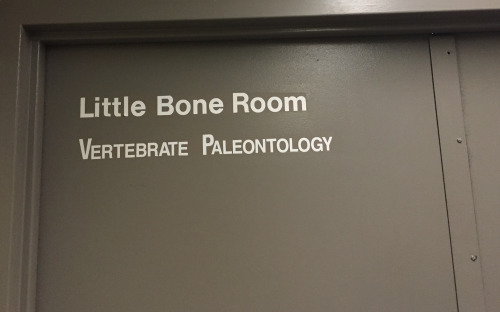
Most of the dinosaur specimens are archived in the Big Bone Room and the Little Bone Room. Contrary to popular belief, the description of these rooms is in relation to the space available, not the size of the bones.

Little bone room door


Hayley Pontia is the marketing assistant at Carnegie Museum of Natural History and a student at the University of Pittsburgh. Museum employees are encouraged to blog about their unique experiences of working at the museum.

Filed Under: Blog Tagged With: Amy Henrici, behind the scenes, fossils, museums, paleontology, Pittsburgh

August 26, 2016 by wpengine

Pholidophorus macrocephalus

Pholidophorus macrocephalus fossil

Pholidophorus macrocephalus is a bony fish that lived about 150 million years ago in the late Jurassic Period of the Mesozoic Era.

Filed Under: Blog Tagged With: fish, fossils, museums, Pittsburgh

  • « Go to Previous Page
  • Page 1
  • Page 2
  • Page 3
  • Page 4
  • Page 5
  • Interim pages omitted …
  • Page 7
  • Go to Next Page »

sidebar

About

  • Mission & Commitments
  • Directors Team
  • Museum History

Get Involved

  • Volunteer
  • Membership
  • Carnegie Discoverers
  • Donate
  • Employment
  • Events

Bring a Group

  • Groups of 10 or More
  • Birthday Parties at the Museum
  • Field Trips

Powdermill

  • Powdermill Nature Reserve
  • Powdermill Field Trips
  • Powdermill Staff
  • Research at Powdermill

More Information

  • Image Permission Requests
  • Science Stories
  • Accessibility
  • Shopping Cart
  • Contact
  • Visitor Policies
One of the Four Carnegie Museums | © Carnegie Institute | Privacy Policy | Terms of Use | Accessibility
Rad works here logo