• Skip to primary navigation
  • Skip to main content
  • Skip to primary sidebar

Carnegie Museum of Natural History

One of the Four Carnegie Museums of Pittsburgh

  • Visit
    • Buy Tickets
    • Visitor Information
    • Exhibitions
    • Events
    • Dining at the Museum
    • Celebrate at the Museum
    • Powdermill Nature Reserve
    • Event Venue Rental
    • Gift Cards
  • Learn
    • Field Trips
    • Educator Information
    • Programs at the Museum
    • Bring the Museum to You
    • Guided Programs FAQ
    • Programs Online
    • Climate and Rural Systems Partnership
  • Research
    • Scientific Sections
    • Science Stories
    • Science Videos
    • Senior Science & Research Staff
    • Museum Library
    • Science Seminars
    • Scientific Publications
    • Specimen and Artifact Identification
  • About
    • Mission & Commitments
    • Directors Team
    • Museum History
  • Tickets
  • Give
  • Shop

Nature 360

September 3, 2019 by wpengine

How to Use a Lensatic Compass

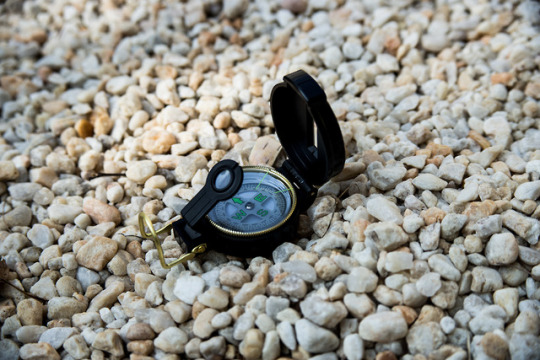
compass open on rocky ground

Have you ever heard someone say they need to find their bearings? It dates back to the Age of Discovery and refers to the bearings inside a compass that move the directional needle. That saying has lived on and so has the simple compass! Let’s learn about the military’s preferred version, the lensatic compass. It’s incredibly precise, affordably priced at just a couple of dollars, and easy to find in your local big box or sporting goods store.

What you’ll need

Lensatic compass

Enough room to rotate in a circle

Step 1
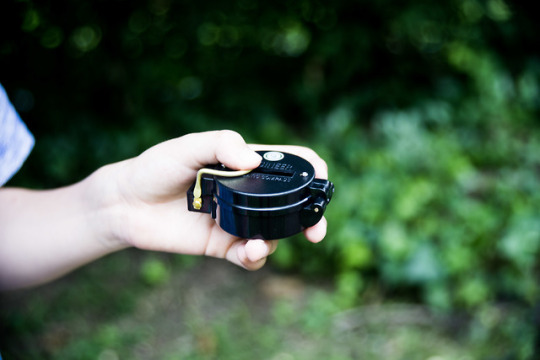
closed compass in hand

●     Hold the compass in the hand that you write with.

●     Make sure the side facing up has the open slot in the cover.

Step 2
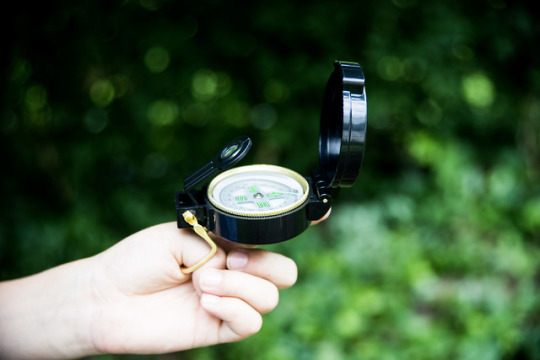
open compass in hand

●     Use your thumb to pull the thumb ring back about halfway.

●     Flip up the lid to a 90-degree angle.

●     Flip up the small magnifying glass.

●     Pull the ring underneath the compass and put your thumb through.

●     Wrap your middle, ring and pinky finger around your thumb for support. Use your index finger to steady the front of the compass.

Step 3
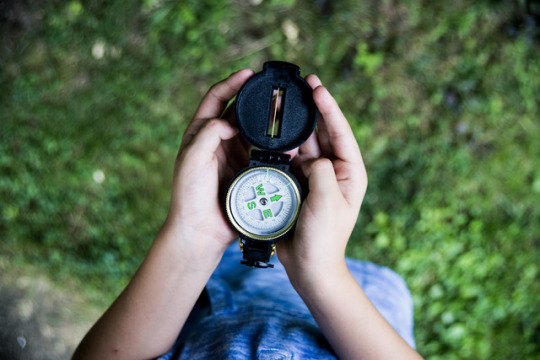
open compass in two hands

●     Notice the slot in the lid has a sight wire running down the middle.

●     Turn the dial until the larger line aligns with the sight wire.

●     Notice the second line of numbers surrounding the outside of the dial goes from 0 to 360 degrees to represent a full circle. That provides a more accurate direction. Saying an object is at 340 degrees Northwest is more accurate than saying it is Northwest.

Step 4
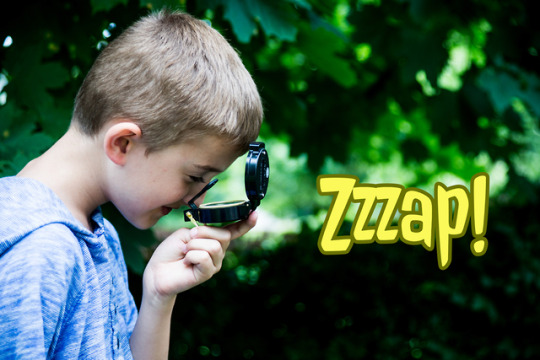
child reading compass

●     Hold the compass in front of your nose with the lid facing out.

●     Pick an object, rotate your entire body (not just the compass), and align the object with the sight wire.

●     Look through the magnifying glass and find the green line that we matched to the sight wire.

●     Locate the number on the inner dial. You will also see the directions North, South, East, and West. Congratulations, you found your bearings!

●     Pretend your compass is a cool space laser and say “Zzzap!” as you pretend to fire away at your landmark….OK that last part isn’t necessary, but might be fun!

Fun Fact

The lensatic compass is very versatile. You can also use it as you would a standard compass by pulling back the lid and magnifying glass to fully show directions North, South, East, and West. Hold your elbows tight against your body and the compass near your waist to get your bearings and find out which direction you are facing!

parts of the compass diagram


“There’s an app for that”

True, but learning how to read a compass can come in handy.

Do you have a phone or tablet? Look down and check the battery life. How about the WiFi and cellular service? Remember, batteries lose their charge and service can be unreliable in some areas.

Learn this skill in familiar territory like your backyard or a local park.

That way, if you need to use it in unfamiliar territory, you will be ready.

Can you com-pass this text? Give it a try!

Now that you know how to use the compass, let’s put your knowledge to the test! Head into your yard or an outdoors area to begin. Ready? Set? Go!

Locate North. What do you see? _______________

Rotate to the East. What do you see? _______________

Now West. What do you see? _______________

Find South. What do you see?  _______________

Great job so far! Let’s make things a little more challenging by incorporating the degrees.

Locate 340 degrees Northwest. What do you see? _______________

Now turn to 120 degrees Southeast. What do you see? _______________

You are now part of a group of navigators that goes back hundreds of years. Research dates the use of the magnetized mineral lodestone as a compass all the way back to the year 1,000. Ancient Chinese explorers learned that they could float the stone on a small piece of wood in a cup of water and the stone would always point to the north pole. Sailors later discovered that rubbing a needle against a piece of lodestone made the needle magnetic and the evolution of the modern compass began, along with superstitions. Prior to the scientific explanation, sailors thought the compass was a magical object that could tell fortunes and cure illness. They also thought that onions and garlic could block the magnetic force, so those ingredients never boarded their ships.

Luckily, we know that compasses today are useful tools that help us find our bearings – no magic required. Congratulations on joining the club of compass navigators!
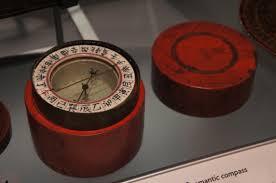
The ancient Chinese are believed to have created the first compass. This version was used on a ship around 1760.

Blog post by Eddie Phillips. Graphics by Megan Jones. 

Learn more in Nature Lab!

Filed Under: Blog Tagged With: Eddie Phillips, Education, Megan Jones, Nature 360, Nature Lab

August 26, 2019 by wpengine

Make Your own Cloud

Are you the kind of person who always has their head in the clouds? Come back down to earth, but bring the clouds with you. With just a few household items, you’ll get to see clouds form right in front of you!

Here’s What You Need:

  • A glass jar with a lid
  • Hot (almost boiling) water
  • Ice
  • Aerosol hairspray

Here’s What To Do:

  1. Fill your jar about 1/3 full with hot water.
  2. Place the lid upside-down on top of the jar.
  3. Fill the lid with as many ice cubes as will fit.
  4. Let the jar sit for about 10 seconds.
  5. Quickly, lift the lid and spray some hairspray into the jar.
  6. Place the lid with ice back on top of the jar.
  7. Watch as a cloud forms above the water!

For step-by-step visuals, check out this quick animation!

https://carnegiemnh.org/wp-content/uploads/2019/08/Cloud-in-a-Jar-animation.mp4

Here’s How It Works:

Clouds are formed when water vapor (the gaseous form of water) condenses (turns from a gas into a liquid) into very small, visible droplets.  The water vapor condenses onto other particles in the air, like dust or smoke. In the jar, the hot water gives off water vapor that cools when it reaches the ice on the top of the jar. By spraying hairspray in the jar, we give the water vapor particles to condense onto.  The water vapor condenses into tiny droplets that we see as a miniature cloud.

Go outside and take a look at the clouds. How do they compare to the cloud you saw in your jar? What is the same? What is different?

mason jar filled with water, mason jar lid with ice, and thumbs up

mason jar filled with water beside mason jar lid with ice

Fun Fact:

Clouds are actually quite heavy. Those white, fluffy clouds that look weightless as they float through the air can contain millions, billions, or even trillions of pounds of water! Clouds float because they are not as dense or heavy  as the dry air beneath them. It’s similar to the way that oil floats on water.

Blog post by Eddie Phillips. 

Learn more in Nature Lab!
Filed Under: Blog Tagged With: Eddie Phillips, Education, Educators, nature, Nature 360, Nature Lab

June 11, 2019 by wpengine

Fantastic Beasts and Where to Find Them in Real Life

If you’re a fan of Harry Potter and other fantasy stories, you probably have read about many wondrous and otherworldly creatures that only exist in your imagination.  You may have come across dragons that spit fire and rule the skies, sea creatures that live in the depths of dark waters, or trolls that live under bridges with vicious teeth and claws.  But did you know that some of the fantastical creatures you’ve heard of in stories have counterparts in our world?  Here are some creatures from the Harry Potter universe that are based on real life critters.

1. Acromantula

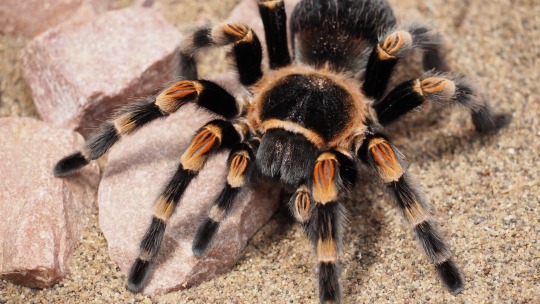
A large, hairy tarantula – one of the inspirations for Acromantula.

As you might imagine, these giant spiders are based on big, hairy spiders you can find in your backyard or in other places around the world. Specifically, the acromantula that you see in Harry Potter films were inspired by the wolf spider, which you can find in right here in western Pennsylvania! Other spiders that resemble acromantula include the huntsman spider often found in Australia and, of course, the tarantula – the hairiest and most famous of the three spiders.  In fact, the world’s largest spider is a type of tarantula, the goliath bird-eating tarantula, which can reach up to one foot in length – although luckily not as large as a fifteen-foot acromantula.

2. Salamanders

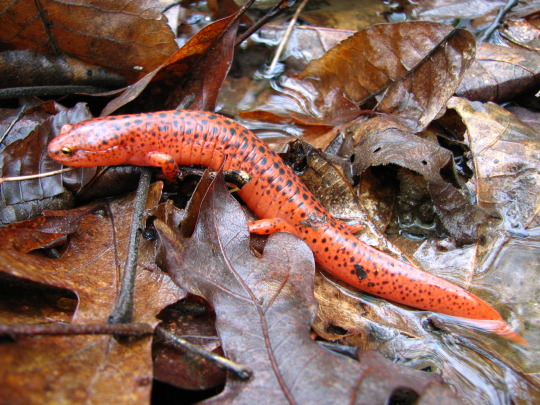
A red salamander slithers over wet leaves. Photo credit: Joe Stavish.

Wait – how can a real animal be a fantastical creature? Well, as it turns out, salamanders have been surrounded by myth and legend since the time of the Roman Empire, when Pliny the Elder declared that salamanders could put out fires with their bodies and spit poisonous fluids. In the Harry Potter universe, salamanders are born and live in fires and can only survive as long as their birth fire continues to burn. In Pittsburgh, salamanders live in moist areas, such as near streams or in damp forests, because they need to keep their skin wet to breathe. In fact, there are over 20 species of salamander in Pennsylvania including the brightly colored Red Salamander and the yellow-flecked Spotted Salamander, both of which you can find in the western half of the state. Some good places to look for salamanders are in parks around the city – there’s even one in Fox Chapel Borough named Salamander Park!

3. Bowtruckles

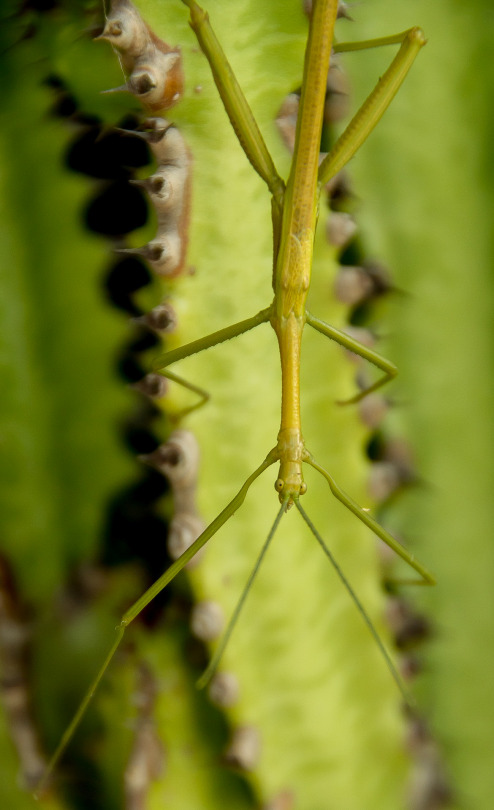
A green walking stick that looks remarkably like a fantastical bowtruckle.

In the Harry Potter world, bowtruckles are creatures that look like bark or twigs and guard trees used to make wands.  They have sharp claws and are very protective of their habitats. In our world, stick insects mimic bark or twigs to blend into foliage, and while bowtruckles eat tree lice, stick insects are actually herbivores, with each species preferring particular leaves.  Stick insects belong to the order Phasmatodea, which also includes leaf-bugs – creatures that mimic leaves as a form of camouflage.

4. Dragons

t - rex skull fossil
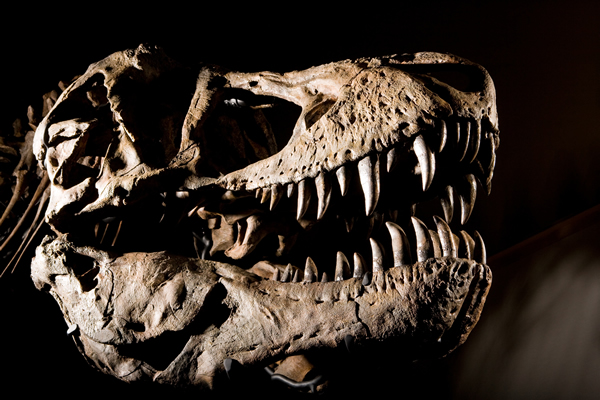
A Tyrannosaurus rex skeleton at the Carnegie Museum of Natural History. Photo Credit: Joshua Franzos, Treehouse Media.

One of the most famous mythical creatures in our world, dragons are ferocious creatures in the Harry Potter universe with big claws, big teeth, and the ability to breathe fire. While there are no real animals that breathe fire (as far as we know 😉), there are groups of extinct creatures who resembled dragons with sharp teeth, hooked claws, and, sometimes, scaly, lizard-like bodies. Some of these creatures even had wings! You guessed it – dinosaurs and pterosaurs! At the Carnegie Museum of Natural History, there are multiple dinosaur and pterosaur skeletons on display. Some skeletons reminiscent of dragons include two ferocious looking Tyrannosaurus rex and a large pterosaur called Quetzalcoatlus northropi that had a wingspan of up to 37 feet.

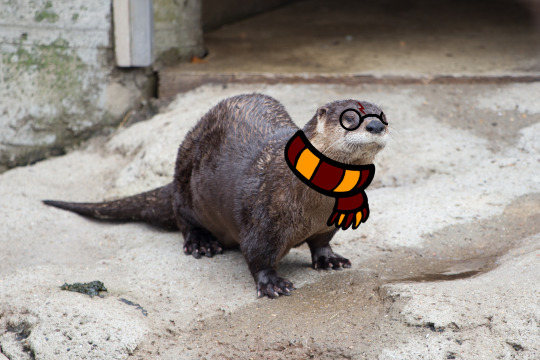
5. Harry Otter

A North American River Otter (part of the Lutrinae subfamily) at the Pittsburgh Zoo.

The Lutrinae who lived.

[gravityform id=”28″ title=”false” description=”false”]

Explore nature together.  Visit Nature 360 for activities and information.

Blog post by Melissa Cagan. 

Filed Under: Blog Tagged With: dinosaurs, Nature 360, spiders

May 1, 2019 by wpengine

What’s in the Rivers?

We all know that Pittsburgh has three rivers – it’s one of the first things you learn about Pittsburgh!  There’s the Allegheny, the Monongahela, and the two rivers meet to form the Ohio River. But have you ever wondered what kinds of creatures might be lurking beneath the three rivers’ surfaces?  

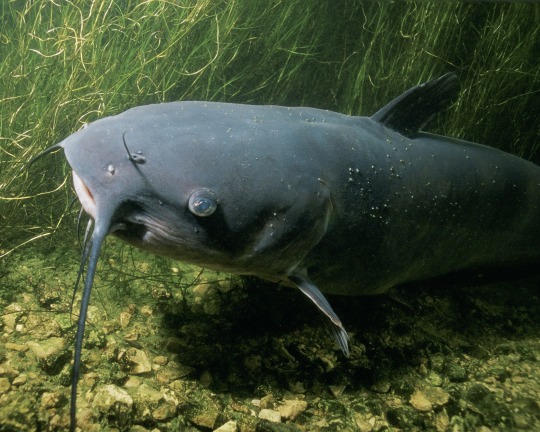
A channel catfish sits on the floor of a river.

Three Rivers Thrive

The three rivers are currently home to almost 70 different species of fish! Some of the most common fish found in the rivers are:

-Smallmouth Bass

-Rock Bass

-Muskellunge

-Channel Catfish

-Flathead Catfish

-Freshwater Drums

-Sauger

-Common Carp

You may have heard of a few of these before – bass and catfish are well known fish – but did you know that some of these watery creatures can grow to be more than 3 feet in length?  A flathead catfish, for example, can grow to be more than three and a half feet long and can weigh more than 40 pounds!  That’s crazy!

Fish Flourish

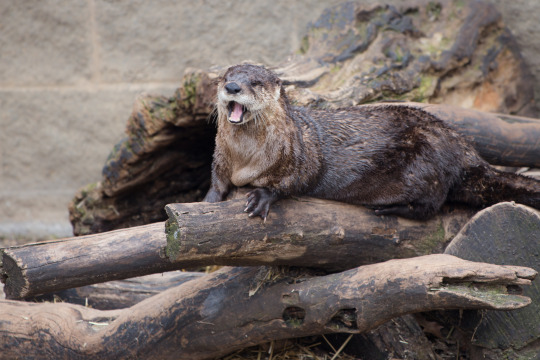
When the rivers flourish and are filled with fish, they draw predators such as bald eagles and ospreys to the Pittsburgh area.  In the 1970s, work began to restore the water quality of the three rivers back to good health.  Since then, as the waters have become less polluted, more diverse fish have been found in the rivers and streams of Western Pennsylvania – allowing other aquatic creatures to thrive, like river otters.

A river otter at the Pittsburgh Zoo sits on a log.

Keeping Pittsburgh Clean

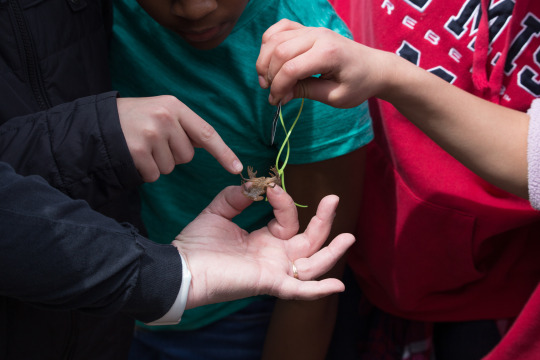
We’ve made a lot of progress in cleaning our rivers during the past 50 years.  However, there is still quite a lot of work to be done.  One way to keep track of the progress we’ve made is by monitoring the water quality of streams and watersheds in the Pittsburgh area. Allegheny College’s Creek Connections is an organization that works with Pittsburgh-area schools to monitor the health of local water sources.  For more information on Creek Connections’ work you can visit https://sites.allegheny.edu/creekconnections/.

Students working with Allegheny College’s Creek Connections inspect a crayfish found in a local stream.

You Otter Be Kidding Me

Because of pollution and environmental destruction, the river otter population in Western Pennsylvania was almost extinct in the 1900s.  To help, conservationists spent years working on rebuilding habitats and cleaning the rivers before finally reintroducing river otters to the Pittsburgh area in 1982.  Since then, river otters have continued to reclaim their habitat along the three rivers.

Explore nature together.  Visit Nature 360 for activities and information.

Blog post by Melissa Cagan. 

Filed Under: Blog Tagged With: Anthropocene, fish, Melissa Cagan, Nature 360, Pittsburgh

April 19, 2019 by wpengine

More Info: Steel City Nature Challenge on the Blog: Here We Go Pittsburgh!

City Nature Challenge 2019 logo

Ever wondered what wildlife is thriving in your city?  One way to learn about what is in your backyard is to team up with other people to explore nature through the City Nature Challenge!  The competition has been running since 2016, beginning in California, and growing into an international event. This year people will be participating from Antarctica to India!

We Need Your Help!

Your challenge is to look around and take pictures of as many types of plants, animals, and fungi as you can in four days!  Cities around the world are competing with each other to see who can log the most observations on iNaturalist (a free online and mobile application) – and we want Pittsburgh to have its best year yet!  This year, the City Nature Challenge takes place in two stages: the first part is April 26 – April 29 and the second part is April 30 – May 5. We’re calling for anyone in the Allegheny, Butler, Washington, Armstrong, Beaver, and Westmoreland counties to put their exploring hats on and help us identify the wildlife in our area!

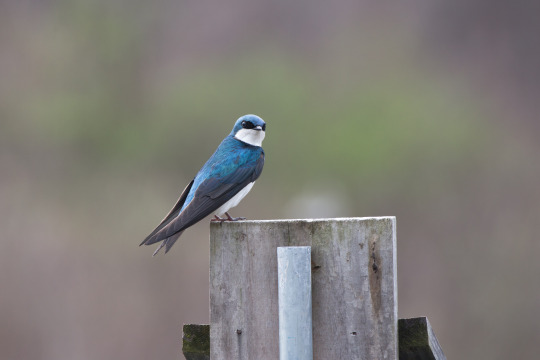
bird on a post
Spring is a great time to go outside and look for wildlife!

Three Simple Steps

All you need to remember to participate are these steps:

1.    Find Wildlife!

2.    Take Pictures!

3.    Share your Findings on iNaturalist!

Stage One: April 26 – April 29

Take a picture of every wild plant or animal you find, even if it’s something you see every day!  Only photos taken during this period of time will count for the Challenge. Last year the City Nature Challenge had over 420,000 observations – can we get even more this year?

Places to look for wildlife: your backyard, local parks, hiking trails, gardens.

Stage Two: April 30 – May 5

Identify what you’ve found and explore others’ observations!  You can confirm other people’s identifications or suggest a different identification.  If you receive two confirmations for a picture you’ve shared, you’ve got yourself a research grade identification!  Cool!

How Do I Use iNaturalist?

Below are two videos to help you navigate iNaturalist.  The first will explain how you can upload observations onto iNaturalist for stage one.  The second will show you how you can identify others’ observations during stage two.

Stage One: Uploading Observations

Stage Two: Identify and Confirm Observations

image has text at the top that says City Nature Challenge is Organized By, underneath the text are logos for California Academy of Sciences and Natural History Museum of Los Angeles County

Explore nature together.  Visit Nature 360 for activities and information.

Blog post by Melissa Cagan.

Filed Under: Blog Tagged With: Anthropocene, City Nature Challenge, iNaturalist, Melissa Cagan, Nature 360, Pittsburgh

April 15, 2019 by wpengine

Holy Vibrissae Batman!

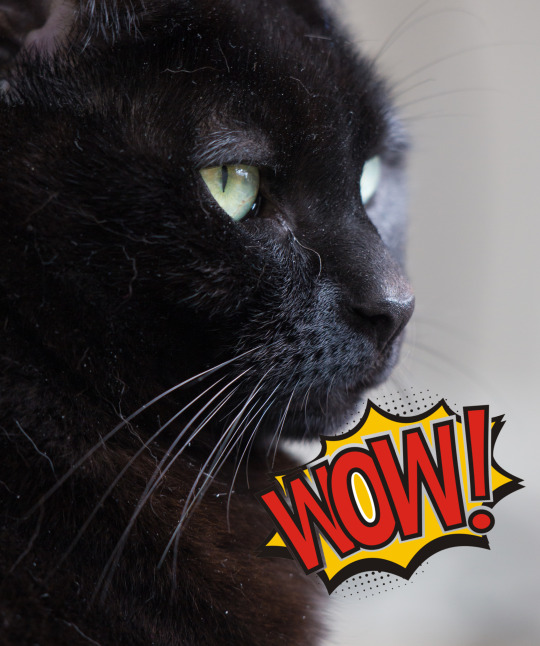
black cat face with the word wow in comic book lettering

Boom! Pow! When you think of superheroes, who do you think of? Wonder Woman? Black Panther? Batman? Well, did you know that there’s a superhero you’ve likely met that might even live in your house? It’s a bird! It’s a plane! No, it’s a cat! Yup, that’s right…cats have superpowers!

My Feline Senses Are Tingling

Cats can “see” what’s around them even in the dark, detect predators, and almost always land on their feet. How can cats do this? All of these superpowers are helped by a kind of radar you’ve seen right on their face – whiskers! Whiskers, also called vibrissae, are long, thick hairs that are packed with “super” nerves and are sensitive enough to detect even the slightest movements of air. At the end of each vibrissa is an organ which tells the cat about the position of its body and legs, helping them move stealthily and react quickly.

black cat face with the word cool in comic book lettering

Mind Reading

Vibrissae on a cat can also act as a “cat-signal” to let people know what that cat is feeling. When a cat is relaxed, its whiskers will mostly be still and at rest. One “cat-signal” to watch out for are whiskers that are bunched together and lying flat on the cat’s face. In this case, the cat is telling you “back off” or “I’m scared” so you should give that cat some space – you don’t want that cat to “hulk out” on you! You can also tell when a cat is going into hunter-mode when its whiskers are pointed slightly forward.

Rule Number One

If you are the sidekick to a super-cat at home, you must remember one thing: never cut or trim your cat’s whiskers. Cutting a cat’s whiskers will leave them scared and disoriented. Whiskers can be shed and grown back naturally. So don’t mess with a cat’s whiskers! Hands off!

Secret Weapon

Did you know that cats have whiskers in places other than their nose? It’s true! Cats have whiskers above their eyes (like very long eyebrows), on their chin, and even on the back of their front legs! Whiskers on the back of a cat’s front legs help with catching and trapping prey. These vibrissae tell the cat whether their prey is struggling or trying to escape. It’s their secret weapon!

Imagine you could have the superpower of anything in nature. What power would you choose?

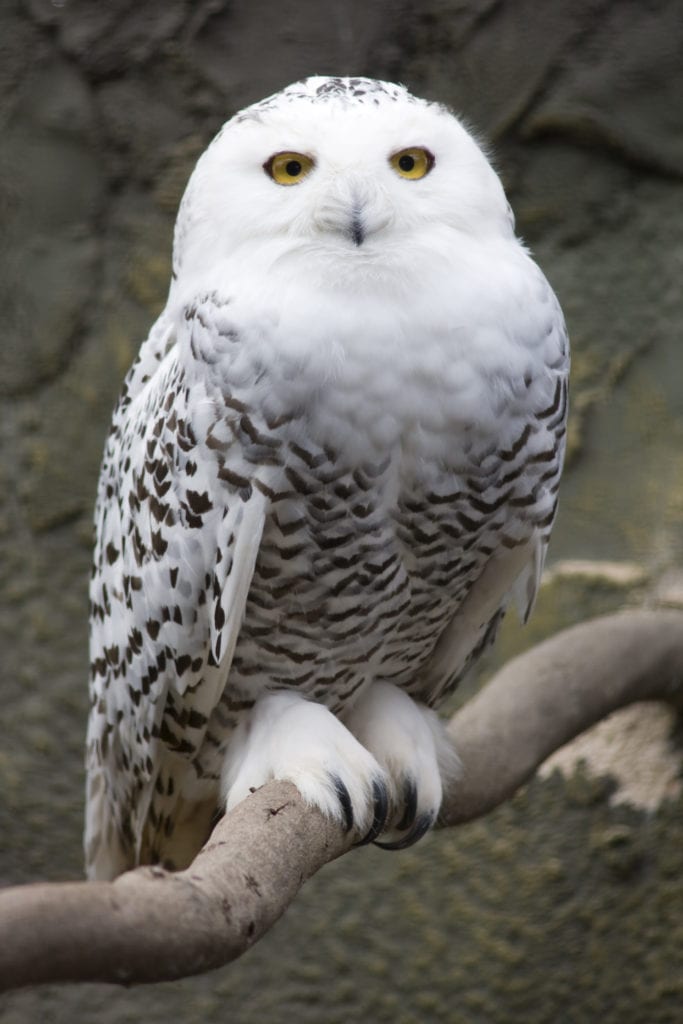
snowy owl

Night Vision

Owls can see well in the dark thanks to sensitive retinal rods and a layer of tissue in their eyes that reflects light.  An owl’s eyes are so big, they can even take up 3% of its body weight!

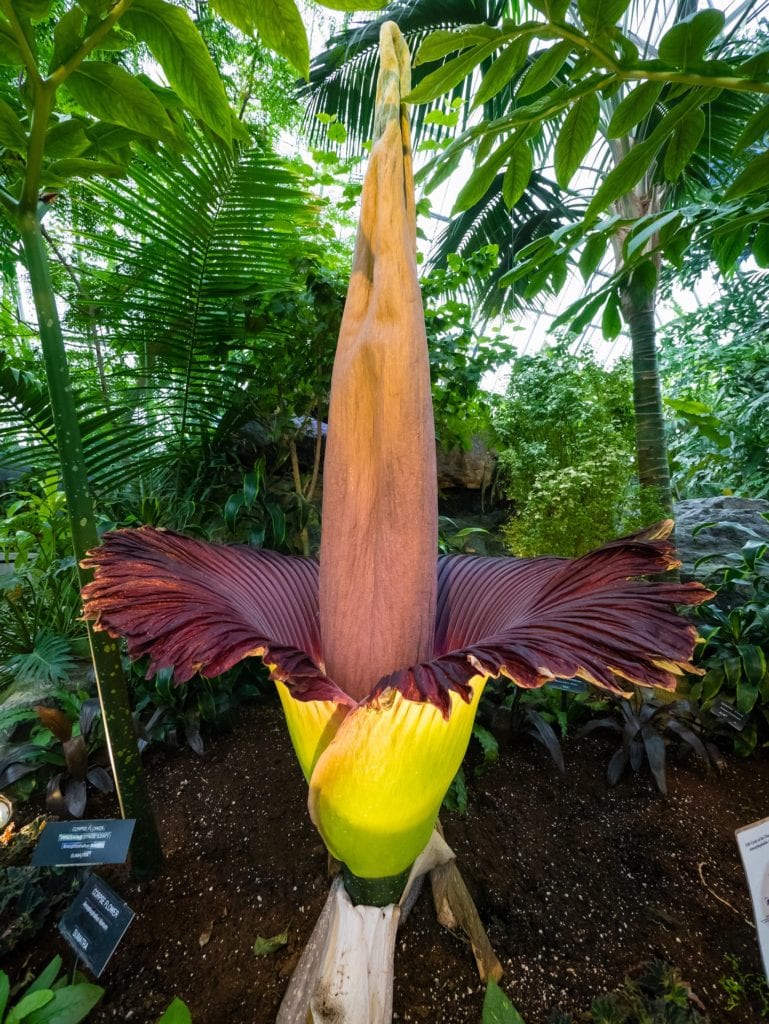
Corpse Flower

Super-Smell

This absurd-looking plant is known by a dramatic name – the corpse flower.  The reason for this name is the extremely foul odor that the flower emits when it blooms, which smells like a rotting corpse.

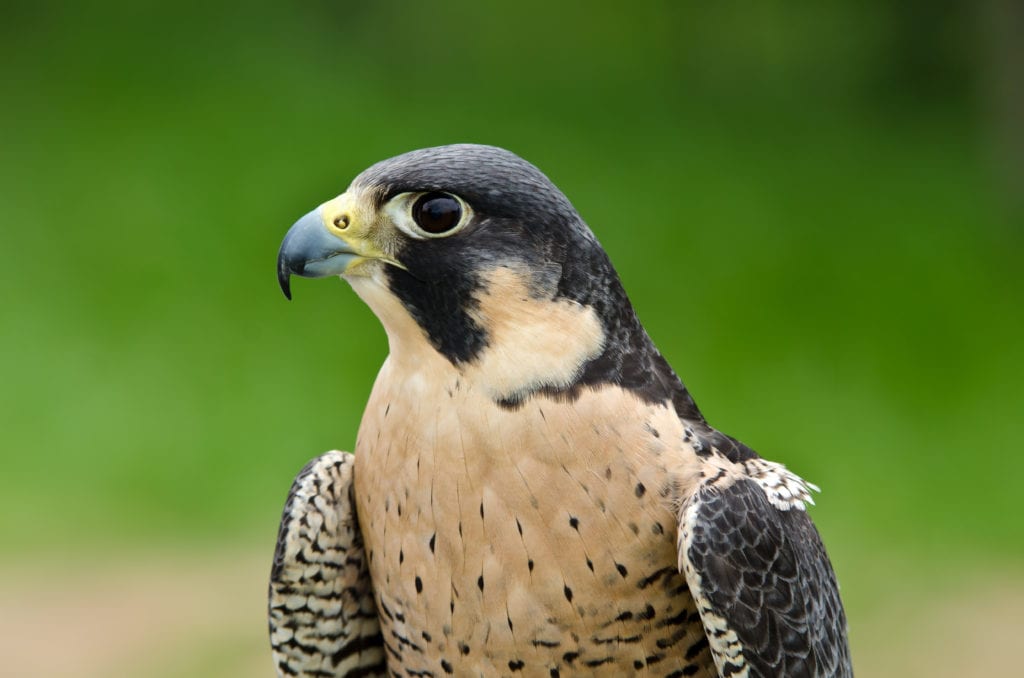
Peregrine Falcon

Lightning Speed

Peregrine Falcons are the world’s fastest animal.  They can reach speeds of over 200 mph when going into a dive, making them especially deadly predators.

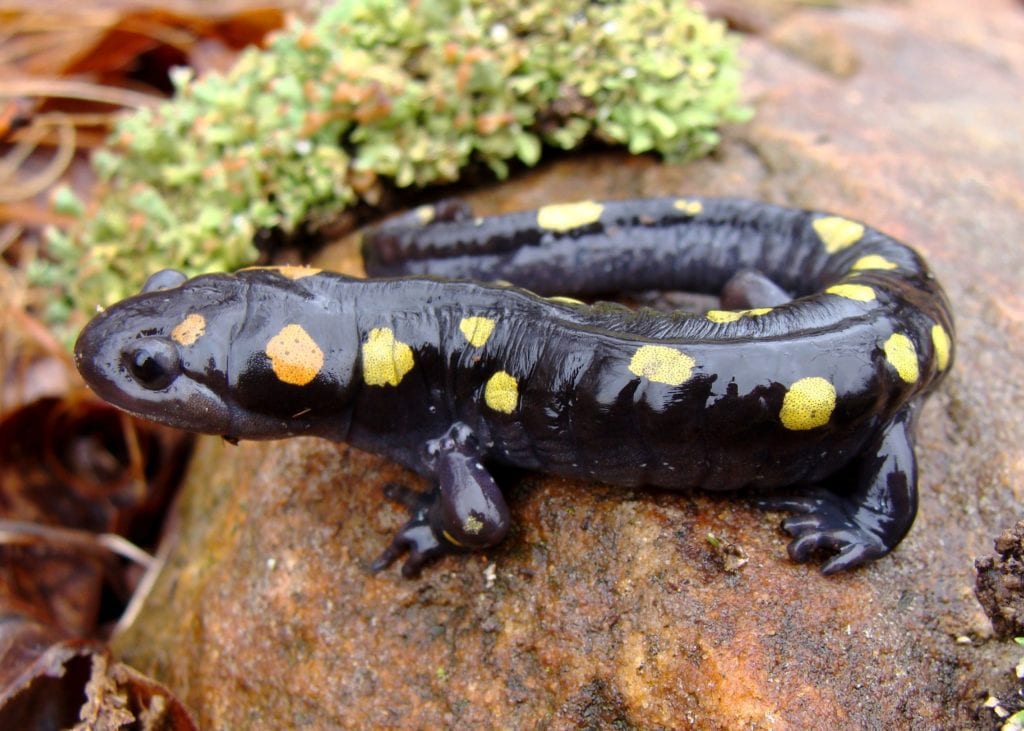
salamander

Regeneration

Did you know that salamanders can regrow entire limbs and even organs?  A salamander might even sacrifice a tail or limb as a defense mechanism, knowing it can regrow it once the salamander gets to safety.

Explore nature together.  Visit Nature 360 for activities and information.

Blog post by Melissa Cagan.

Filed Under: Blog Tagged With: cats, mammals, Melissa Cagan, Nature 360

  • « Go to Previous Page
  • Page 1
  • Page 2
  • Page 3
  • Page 4
  • Page 5
  • Go to Next Page »

sidebar

About

  • Mission & Commitments
  • Directors Team
  • Museum History

Get Involved

  • Volunteer
  • Membership
  • Carnegie Discoverers
  • Donate
  • Employment
  • Events

Bring a Group

  • Groups of 10 or More
  • Birthday Parties at the Museum
  • Field Trips

Powdermill

  • Powdermill Nature Reserve
  • Powdermill Field Trips
  • Powdermill Staff
  • Research at Powdermill

More Information

  • Image Permission Requests
  • Science Stories
  • Accessibility
  • Shopping Cart
  • Contact
  • Visitor Policies
Stay in the loop! Sign up for our newsletter(s).
One of the Four Carnegie Museums | © Carnegie Institute | Privacy Policy | Terms of Use | Accessibility
Rad works here logo