• Skip to primary navigation
  • Skip to main content
  • Skip to primary sidebar

Carnegie Museum of Natural History

One of the Four Carnegie Museums of Pittsburgh

  • Visit
    • Buy Tickets
    • Visitor Information
    • Exhibitions
    • Events
    • Dining at the Museum
    • Celebrate at the Museum
    • Powdermill Nature Reserve
    • Event Venue Rental
  • Learn
    • Field Trips
    • Educator Information
    • Programs at the Museum
    • Bring the Museum to You
    • Guided Programs FAQ
    • Programs Online
    • Climate and Rural Systems Partnership
  • Research
    • Scientific Sections
    • Science Stories
    • Science Videos
    • Senior Science & Research Staff
    • Museum Library
    • Science Seminars
    • Scientific Publications
    • Specimen and Artifact Identification
  • About
    • Mission & Commitments
    • Directors Team
    • Museum History
  • Tickets
  • Give
  • Shop

Nature Lab

May 4, 2020 by wpengine

Math In Nature? It All Adds Up!

For all of its breathtaking beauty and seemingly spontaneous happenings, there are also some surprisingly consistent patterns in nature that math can help us understand. These patterns literally shape nature and the world around us. Let’s a take a closer look at some of these phenomena and how they work.

The Fibonacci Sequence
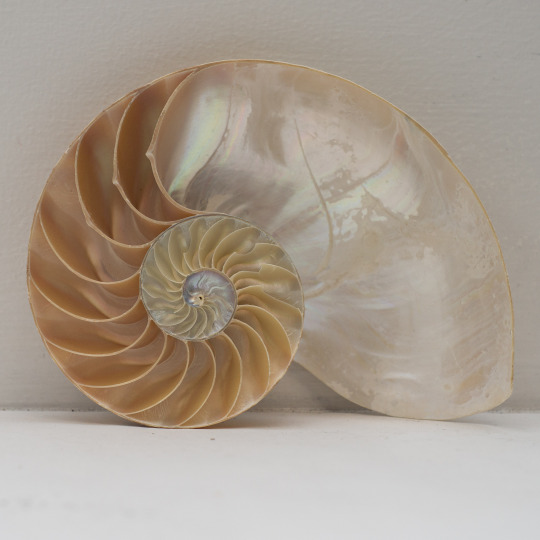
photo of spiral shell

What do the numbers 0, 1, 1, 2, 3, 5, 8, 13, 21, 34, 55, 89, 144, 233 have in common? At first glance, it’s just a jumble of numbers, right? But there’s a distinct pattern within. Starting with 0 and 1, you add those numbers together. What does it equal? 1! Then add 1 and 1 to get 2, then 2 and 3 to get 5 and so on. This sequence can be found in the spirals of shells, the shape of a pine cone and even in the family trees of certain animals. Can you add to the sequence mentioned in the first line of this paragraph? What comes after 233? See how far you can go!
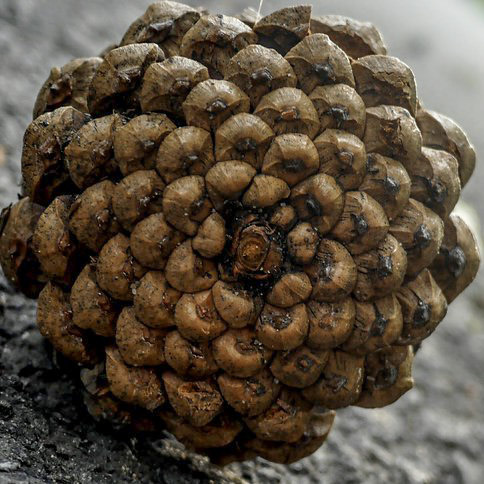
photo of bottom of pine cone

Don’t Be Stumped By That Tree

You can tell how old a tree is by counting the rings. Each one changes in shade from light to dark and is separated by a distinct dark circle. The lighter area is wood that grew faster in the spring in summer. The dark parts represent the slowed growth in the winter and fall. Knowing how old the tree is benefits scientists in numerous ways, including the study of climate change. Those rings hold secrets to the weather patterns of each year and by studying each ring, scientists can get a detailed look at how climate changed during the tree’s lifetime.

Math Is Out Of This World

That’s right, math’s reach goes way beyond earth. Our solar system is actually a Fibonacci spiral. One of the coolest events in the galaxy, a solar eclipse, can be explained by math. The eclipse happens when the moon blocks the view of the sun from earth. But how can this happen when the sun is 400 times larger than the moon? The moon is about 400 times closer to the sun, creating the perfect angle for an incredible occurrence.

Fun Fact

While rounded shapes are common in nature, so are shapes with angles. One of the most common is the hexagon. Honeycombs, snowflakes, and the eyes of some insects are just a few examples of the hexagon appearing in nature.

image of Dippy logo without a tail

Help Create Dippy’s Fabulous Fibonacci Tail!

You have probably noticed that Dippy has a sense for fashion. In addition to that iconic scarf collection, not to mention all of those trendy hats, Dippy is looking to expand his fashion sense. Dippy is pretty tired of that whip-like tail and wants to try on something new. Since we just learned about the Fibonacci sequence, we’ll need you to create a stylish new tail. Use the template below to draw a Fibonacci spiral tail and then decorate any way you like. With a parent’s permission, tag Dippy on social media (@Dippy_the_Dino) to show them the awesomeness you created!
Filed Under: Blog Tagged With: Education, Museum from Home, Nature 360, Nature Lab

April 29, 2020 by wpengine

The Birds and the Trees

The City Nature Challenge is a great way to get outdoors in a socially responsible way and see the living things that make up our neighborhoods. If you want to make it even more of a challenge, try this game in which you collect sightings of birds and trees from common to rare to ultra rare. Play with your friends to see who can collect the most points and share your findings on iNaturalist!

Birds

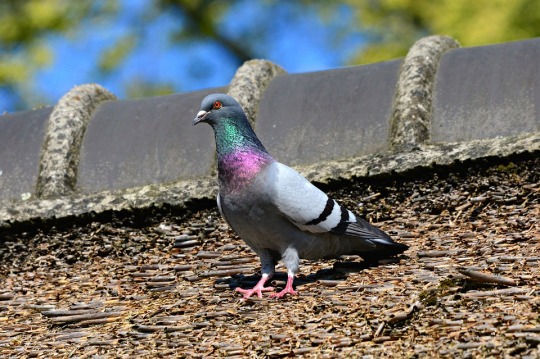
1 point: Rock Dove. You may know this well-known city dweller by its common nickname, the pigeon. Their gray bodies and black banded wings make pigeons easy to recognize.

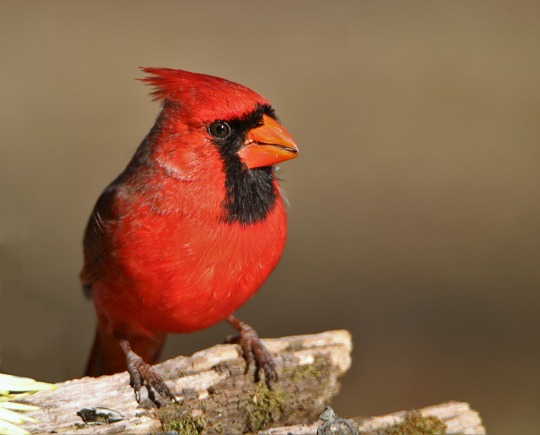
2 points: Northern Cardinal. Also known as redbirds, these brightly-colored birds are hard to miss. Males have red bodies, a prominent crest, orange beaks and black markings around their face. Females have brown bodies and a reddish-orange tint in their wings, although their facial markings and beaks are similar to males.

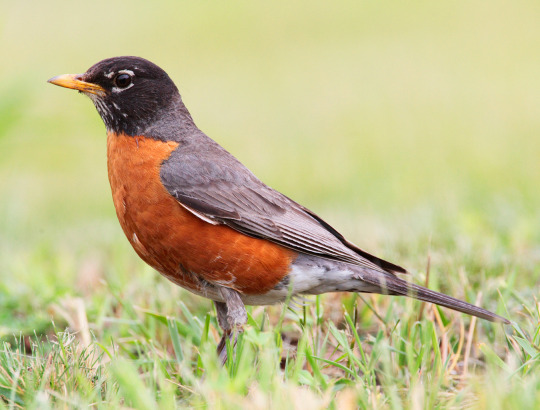
3 points: American Robin. This songbird is recognizable by its orange-red breast, gray body,  and stocky build. Because robins feed on the ground at this time of year, they are easy to spot.

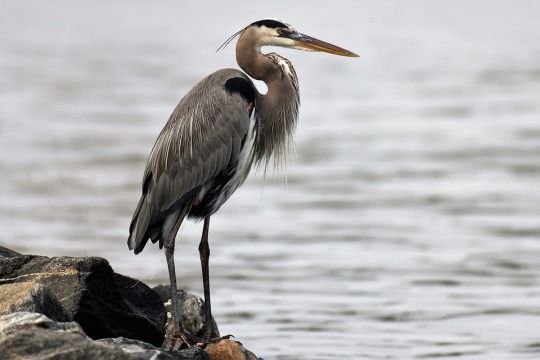
4 points: Great Blue Heron. Rare! A larger bird than the others mentioned so far, this bird enjoys wading in water and using its long bill to snatch up meals. It’s more of a grayish blue shade with a yellow bill and prominent black plumes of feathers on its head. You may even find one close to the Carnegie Museum of Natural History. They have been known to visit Panther Hollow Lake in nearby Schenley Park.

5 points: Peregrine Falcon. Rare! About the size of a crow, this bird of prey has a white breast speckled with brownish dots and a darker back. They like to perch in high places, like the Cathedral of Learning in Oakland. When these birds fly over Oakland, they can sometimes be identified by their sharp-winged silhouette.

Trees

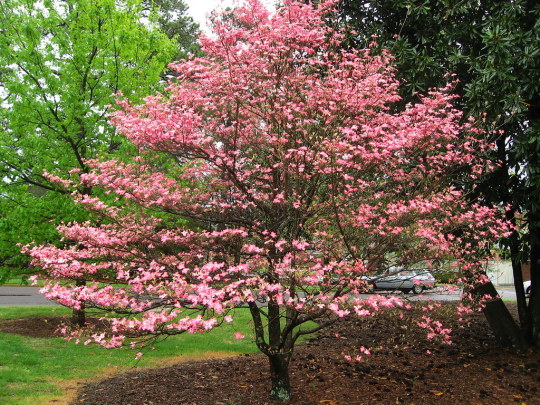
1 point: Flowering Dogwood. How can you identify a dogwood tree? By its bark! Beneath the lovely white and pink bloom of flowers, this tree features a distinct bark that resembles scales. In the coming weeks, look for the incredible bloom of flowers to locate a dogwood tree. These are planted along streets in the city, where they can bloom a few weeks earlier because the hard surfaces in cities trap heat.

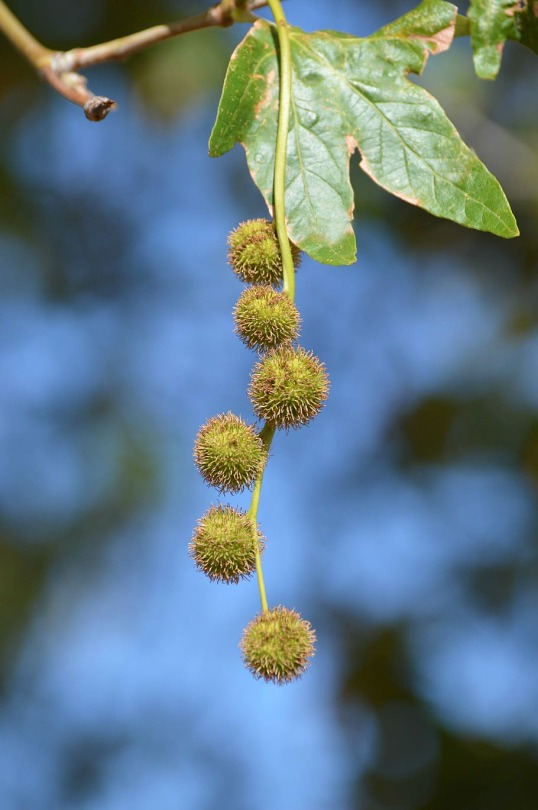
2 points: American Sycamore. These can grow up to 100 feet high and can live for 600 years. They are known for their scaly white and gray bark, and the brown, bumpy fruit balls that hang from branches and drop in the fall. Look for them in parks.

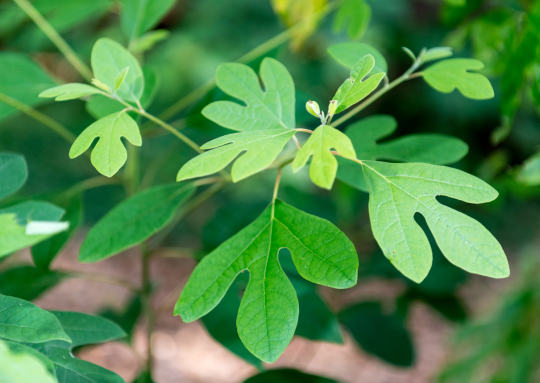
3 points: Sassafras. Perhaps easier to spot in the fall with their exuberant colors, sassafras leaves are recognizable all year-round due to their unique leaves. This park tree produces leaves with three shapes – oval, two-lobed, and three-lobed – sometimes right next to each other.

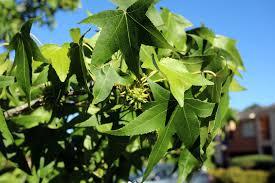
4 points: Sweet Gum. Rare! This tree is known for its distinct star-shaped leaves and spiky fruit balls that hang from its branches. Its seeds feed wildlife like squirrels and different species of birds. Look along city streets, where these may have been planted.

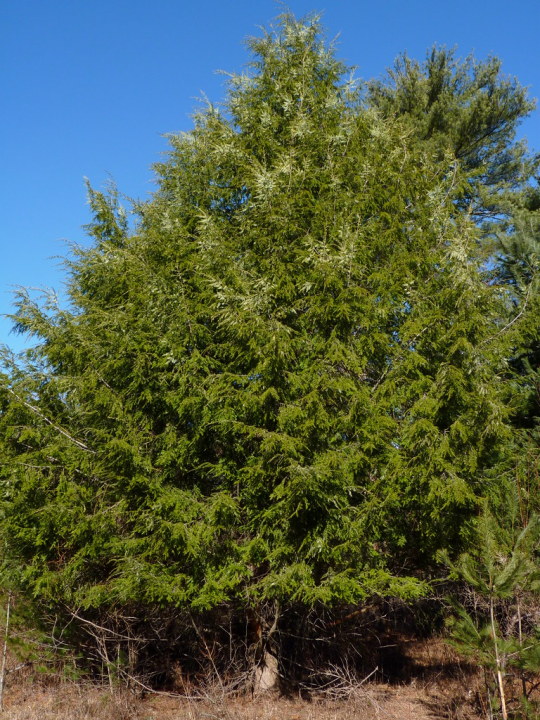
5 points: Eastern Hemlock. Rare! This large coniferous tree sports small needles and pine cones. Its large, shady branches keep forests cool and provide shelter to numerous bird species. It favors locations such as stream hollows in parks and also is the state tree of Pennsylvania.

Did you see a bird on the list perched in one of the mentioned trees? That’s an ultra-rare! Give yourself five additional points if that happened. Now, add up your total and compare it with friends.

Filed Under: Blog Tagged With: City Nature Challenge, Museum from Home, Nature Lab

April 29, 2020 by wpengine

Nature in Sidewalk Cracks

When you hear the word “nature,” what scenes do you think of? Mountains, streams, and forests? Cities are probably not the first places that come to mind. Living in Pittsburgh, you might notice buildings and roads at first glance, but what happens when you start looking a little closer? Try searching for nature in unexpected places and you’ll see that nature has the power to survive in and transform spaces all around you.

Growing in Strange Places

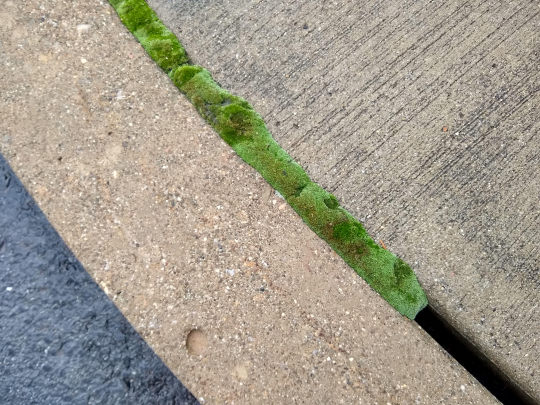
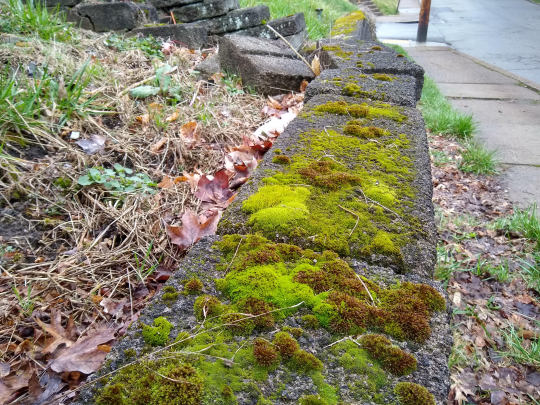
Nature is most likely crawling past you while you’re walking on the sidewalk. Most sidewalks and roads have cracks where small amounts of soil form and different plants can begin to flourish. Shallow cracks will house things like mosses while larger cracks favor small weeds or flowering plants. Anything growing in a sidewalk crack or groove must adapt to harsh environmental conditions like heat and lack of nutrients.

Some people have even gone as far to purposefully grow plants or herbs in their sidewalk cracks. With replacement concrete being expensive, some homeowners have grown herbs like thyme or mint so when someone walks by the scent is released. Although this may expand the sidewalk cracks further, it’s a fun way to incorporate nature in your urban life.

Exploring Sidewalk Cracks

Pat Howe, coordinator of the Natural History Interpreter program at Carnegie Museum of Natural History, shared photos of plants growing in unusual places right in her neighborhood. She was able to find moss growing on rocks and inside of a sidewalk crack, garlic mustard growing between stairs, and grass beginning to sprout on a manhole cover.

If you’re having trouble identifying what you found, iNaturalist is a great tool for learning the names of some things we see daily but don’t know much about. Download the app, snap a photo, and let other users identify your findings for you! If you share your photos on iNaturalist between April 24 and April 27, 2020 you’ll be a part of the global City Nature Challenge!

What can you find in different cracks around you? The next time you’re walking down the street, take a closer look at your sidewalk and see what you can find! We’d love to see your findings. Email them to us at nature360@carnegiemnh.org or tag us on social media @CarnegieMNH.

Filed Under: Blog Tagged With: City Nature Challenge, Museum from Home, Nature 360, Nature Lab

April 29, 2020 by wpengine

Observing Nature at Night

When the sun goes down, you may think nature observations are over for the day, but darkness brings out a whole new group of creatures to look for. With the City Nature Challenge on iNaturalist coming up April 24th-27th, we wanted to give you some tips for observing nature at night.

Using Your Senses

It’s harder to see at night, so you should try using some other senses to explore.  What can you find if you listen very carefully, or use your nose as a guide? You can even record sound files and share them on iNaturalist – they count for the City Nature Challenge!

Safety comes first, though, especially in the dark.  Try not to startle or disturb animals, and keep them (and you!) safe by avoiding any physical contact.

Nighttime Observations

• Earthworms, snails, and other creatures with damp body surfaces tend to take cover during the day to protect themselves from drying out in the sun. At night, try spotting their slimy trails across pavement or grass with a flashlight. You may not find the animals, but their trails will let you know they’re nearby.

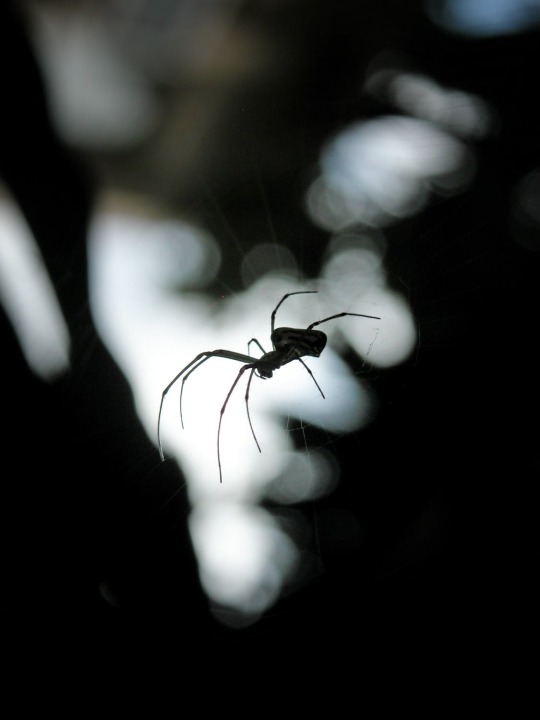
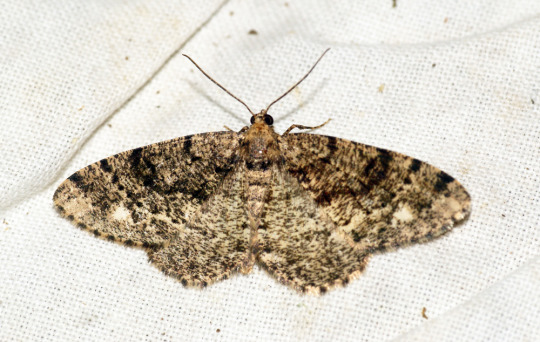
• If you have a porch light, you may be able to watch creatures from the comfort of your home. The light will draw in insects like moths, in turn attracting hungry creatures like spiders. Can you find a web-spinning arachnid hunting for its next meal?

• Try exploring with a red light! Use a headlamp with a red light setting, or tape a piece of red paper to the front of your flashlight and explore your backyard. Red light is easier on your eyes and causes less disruptions of animal behaviors than a white light.

•Be sure to check any flowers in your yard. Pollinators visit them both day and night!

•Attract bugs with a white sheet. Hang or lay a sheet in your back yard and shine a light on it. Insects will fly around then settle on your sheet so you can observe and photograph them.

We want to see your nighttime discoveries! Share your photos and sounds on iNaturalist between April 24-27, or use the hashtag #CityNatureChallenge and tag @CarnegieMNH on Facebook, Instagram, or Twitter.

Fun Fact

If you’re having trouble observing nature around you, visit the Explore tab of the iNaturalist App. This will let you see what iNaturalist users are observing all over the world!

Filed Under: Blog Tagged With: City Nature Challenge, Education, Museum from Home, Nature Lab

April 29, 2020 by wpengine

A Walking Tour of Blooming Trees in Pittsburgh

I live within walking distance of the Carnegie Museum of Natural History in the neighborhood known as Squirrel Hill. One of my favorite things about living in this neighborhood is springtime – more specifically all of the beautiful blooms. I decided to practice my picture taking skills for the upcoming City Nature Challenge, while staying socially distant from neighbors, by taking a walking tour of the blooming trees of Squirrel Hill. Let’s see what I found.

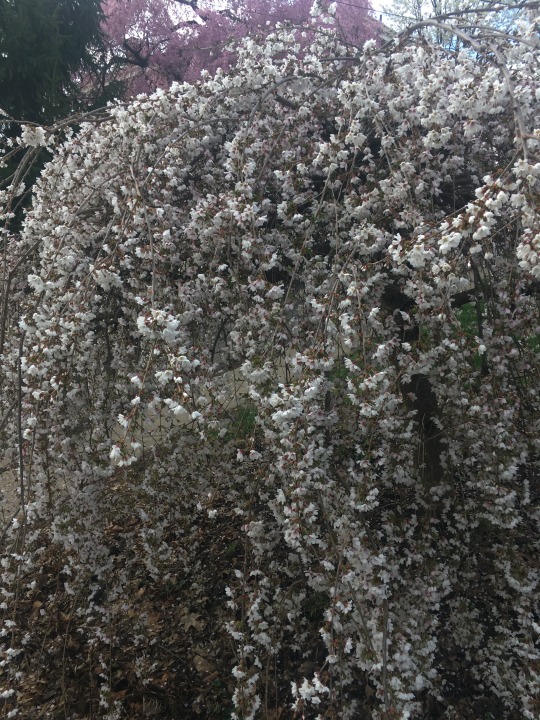
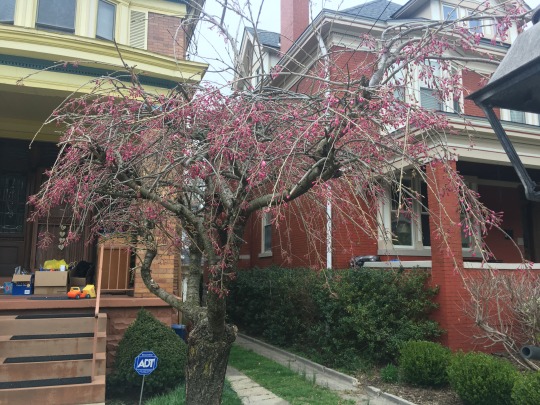
This tree is most likely an almond tree, based on the flower shape and colors. For some trees it is easier to identify them from their leaves, but this early in the year the tree doesn’t have any yet. I used my handy iNaturalist app to help me out with initial identification. While I don’t know for sure if it is in fact an almond tree and not a plum or something similar, now that I have posted it on the app, hopefully someone else will correct or verify the identification in the future.

Like the almond tree and this weeping cherry tree, most of the flowering trees in the neighborhood are fruit trees that individuals planted in their yards. This is important to remember when uploading information to iNaturalist, especially during the City Nature Challenge. When I uploaded these images I clicked on the button “Captive / Cultivated” to make sure that it is documented that these trees were purposefully planted by people and would not grow native here in Pennsylvania. While there is nothing wrong with adding non-native plants to our yards, it’s important for people using the data on iNaturalist that we include that information.

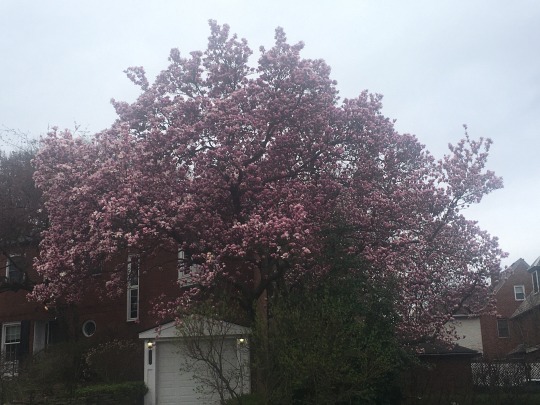
My last stop on the neighborhood tour is one of my very favorites: my neighbor’s giant magnolia tree. I recently found out that magnolia trees are a very ancient group of flowering plants, and they evolved to be pollinated by beetles instead of bees! There are a couple of characteristics that show that they were adapted for this type of pollination, including their flower color and size, and a special covering over their seeds to protect them from beetle mouthparts. This lineage of trees is so old that Tyrannosaurus rex and other late Cretacous dinosaurs walked past its relatives. Next time you visit the museum keep an eye out for a tree in Dinosaurs in Their Time that looks a lot like our magnolias today.

As spring continues the neighborhood will start to look different. All these shades of white and pink will turn to green as the trees grow their leaves and new blooms closer to the ground will take their place. I’m excited to go for more walks and document more nature!

You can learn more about magnolias from the Magnolia Society.

Jenise Brown is a Museum Educator with Carnegie Museum of Natural History. Museum staff, volunteers, and interns are encouraged to blog about their unique experiences and knowledge gained from working at the museum.

Filed Under: Blog Tagged With: City Nature Challenge, Education, Museum from Home, Nature Lab

April 29, 2020 by wpengine

City Nature Challenge Activity: Make Your Own Birdfeeder

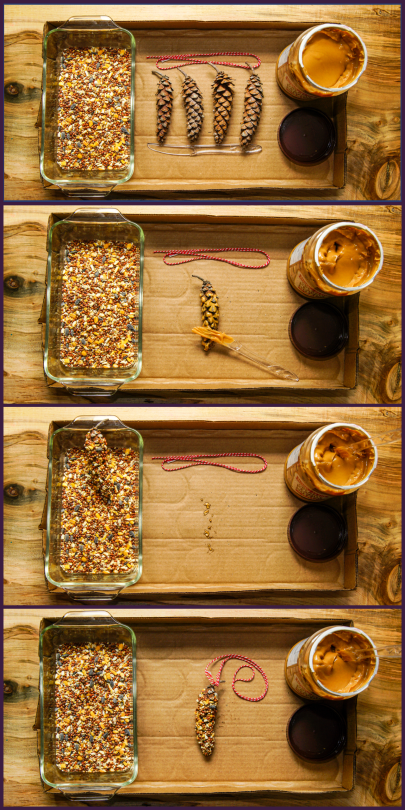
During the City Nature Challenge (April 29-2, 2022) you can share your nature discoveries with people around the world! And one great way to find nature is to bring it right to you. A simple bird feeder made with items you can find inside or around your house can turn your front or back porch into a bird sanctuary. If you are lucky, you might observe some other visitors from nature. By using the iNaturalist app you can share photos with others and be a part of the City Nature Challenge.

Here’s what you need:

·       Pinecones (collect as many as you want to make!)

·       Birdseed in a plastic or glass container

·       Peanut butter (use an alternative if you have a nut allergy)

·       A spreading utensil

·       String

·       Cardboard, wax paper or foil

Here’s what to do:

·       First, gather your materials and get your station ready. Lay down a piece of cardboard, wax paper or foil to contain any mess. Trust us, your parents will thank you.

·       Smear some peanut butter on your first pinecone with your spreading utensil. This layer will give the pinecone a sticky surface and one more layer of flavor for your feathered friends to enjoy.

·       Next, roll the pinecone in the container of bird seed until it has a nice, even coat.

·       Tie your string around the stem of the pinecone and make sure it is secure enough to hang. If your pinecone does not have a stem, that’s not a problem. Just tie it around the widest end.

Hang it from a secure location and wait for nature to come to you!

What happens next?

Now it’s time to get scientific! Use a journal to keep track of the different birds and animals that visit. Check at different times of the day, too – does anything change from morning to evening? If you take photos or record sound files, you can share them on the iNaturalist app (with a grownup’s permission!) and learn more about what you found. Bonus: any photos you take & share on iNaturalist between April 24-27 count for the City Nature Challenge. We would love to see your findings as well! Use the hashtag #CityNatureChallenge and tag @CarnegieMNH on Facebook, Instagram, Twitter, or TikTok.

Fun Fact

One of the earliest known bird feedings took place in India in roughly 1500 B.C. The practice of “bhuta yajna” involved feeding birds traditional rice cakes. This practice is still occurs today and the birds remain well fed!

Filed Under: Blog Tagged With: activities, City Nature Challenge, Museum from Home, Nature Lab

  • « Go to Previous Page
  • Page 1
  • Page 2
  • Page 3
  • Page 4
  • Go to Next Page »

sidebar

About

  • Mission & Commitments
  • Directors Team
  • Museum History

Get Involved

  • Volunteer
  • Membership
  • Carnegie Discoverers
  • Donate
  • Employment
  • Events

Bring a Group

  • Groups of 10 or More
  • Birthday Parties at the Museum
  • Field Trips

Powdermill

  • Powdermill Nature Reserve
  • Powdermill Field Trips
  • Powdermill Staff
  • Research at Powdermill

More Information

  • Image Permission Requests
  • Science Stories
  • Accessibility
  • Shopping Cart
  • Contact
  • Visitor Policies
One of the Four Carnegie Museums | © Carnegie Institute | Privacy Policy | Terms of Use | Accessibility
Rad works here logo