• Skip to primary navigation
  • Skip to main content
  • Skip to primary sidebar

Carnegie Museum of Natural History

One of the Four Carnegie Museums of Pittsburgh

  • Visit
    • Buy Tickets
    • Visitor Information
    • Exhibitions
    • Events
    • Dining at the Museum
    • Celebrate at the Museum
    • Powdermill Nature Reserve
    • Event Venue Rental
  • Learn
    • Field Trips
    • Educator Information
    • Programs at the Museum
    • Bring the Museum to You
    • Guided Programs FAQ
    • Programs Online
    • Climate and Rural Systems Partnership
  • Research
    • Scientific Sections
    • Science Stories
    • Science Videos
    • Senior Science & Research Staff
    • Museum Library
    • Science Seminars
    • Scientific Publications
    • Specimen and Artifact Identification
  • About
    • Mission & Commitments
    • Directors Team
    • Museum History
  • Tickets
  • Give
  • Shop

We Are Nature: Living in the Anthropocene

December 19, 2017 by wpengine

Humans and Nature: Pangolins

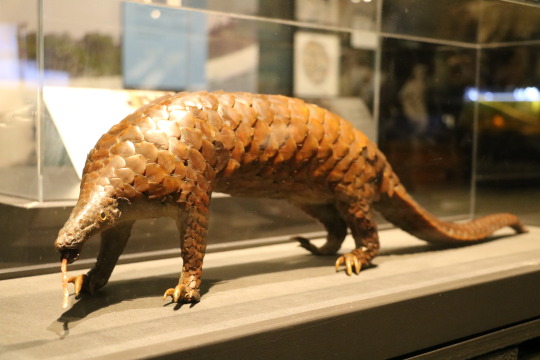
model of a pangolin

Have you ever heard of the pangolin? If not, it may surprise you to learn that they are the most illegally trafficked animal on the planet.

Sometimes called scaly anteaters, pangolins are unique in that they are mammals that are scaly, have no teeth, and eat social insects like termites or ants. There are eight species of pangolins worldwide: four in Africa and four in Asia.

Their scales are valued in some African and Asian medical practices, and though they may not look appetizing to Americans, their tender meat is a delicacy in some cultures. Just one kilogram of pangolin scales can be sold for thousands of dollars. As a result, pangolin populations have been nearly decimated by humans.

The third Saturday of February is World Pangolin Day, which was instituted by conservationists looking to draw attention to the terrible, impending crisis facing the future of pangolins.

Here at the museum, we raised awareness by including a taxidermy mount of a pangolin in We Are Nature: Living in the Anthropocene, an exhibition that explored the interconnectedness of humanity and nature in the Anthropocene.


The Anthropocene is the current geological era in which humans are making a profound impact on the geological strata. While the term itself is still being debated by geologists, the museum is embracing it as a social and cultural tool for exploring the broad sum effect humans are having on the planet. We Are Nature: Living in the Anthropocene was the first exhibition in the nation to focus on the Anthropocene as a concept and it was built entirely within Carnegie Museum of Natural History.

Related Content

We Are Nature: Repurposing Old Furniture

We Are Nature: Future Thinking

What is the Anthropocene and How Does it Relate to Earth Day?
Share this post!

  • Share on Twitter Share on Twitter
  • Share on Facebook Share on Facebook
  • Share on Pinterest Share on Pinterest
  • Share on LinkedIn Share on LinkedIn
  • Share on Reddit Share on Reddit
  • Share via Email Share via Email

Filed Under: Blog Tagged With: Anthropocene, mammals, We Are Nature, We Are Nature: Living in the Anthropocene

December 14, 2017 by wpengine

Shopping cart symbol

by Patrick McShea

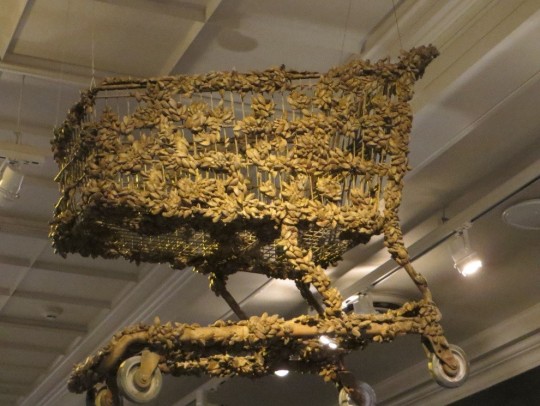
shopping cart covered in green ocean life

The shell-encrusted shopping cart in We Are Nature would get lots of visitor attention even if it weren’t suspended from the ceiling. Hundreds of zebra mussels coat the familiar contraption, creating an eerily appropriate symbol for human-altered natural systems:  An empty icon of consumer culture armored by hitchhiking organisms of global trade.

Zebra mussels, a freshwater species native to the Caspian Sea and Black Sea, were unwittingly introduced into the Great Lakes during the 1980s via ballast water dumped by ocean-crossing cargo ships. The creature’s rapid dispersal since then has been attributed to the passive drifting of tiny larvae and the ability of mature zebra mussels to attach to boats moving between the lakes and adjacent river systems.

As invaders, zebra mussels have profound effects on ecosystems. They feed by filtering tiny organisms from the water, and by sheer numbers can out-compete fish larvae and native mussel species dependent on the same food source. Zebra mussels attach to any submerged hard surface. Their profusion attracts attention when it results in clogged water in-take pipes, but not necessarily when thousands of the striped fingernail-sized creatures occupy physical positions atop existing beds of native freshwater mussels.

At Carnegie Museum of Natural History, concern for the health of our region’s diverse population of native freshwater mussels has a long history.  In 1909, Arnold Ortmann, then Curator of Invertebrate Zoology, termed the disappearance of mussel species “the first sign of pollution of a dangerous character in a stream.” His observation was based upon biological surveys in rivers and streams throughout Western Pennsylvania, fieldwork performed during a time of rapid industrialization that garnered the museum an irreplaceable collection of local mussel shells.

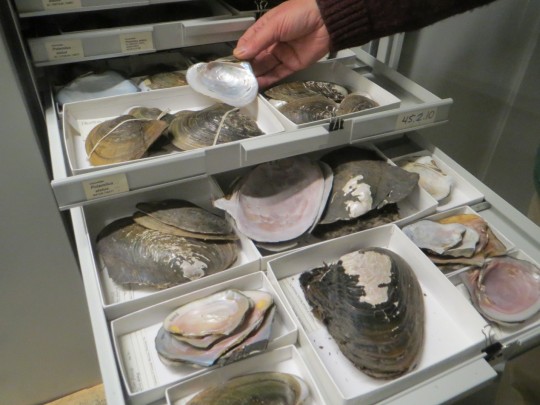
drawer full of mussel shells
Shells of Potamilus alatus, or pink heelsplitter, a native freshwater mussel in the Carnegie Museum of Natural History Section of Mollusks.

Patrick McShea works in the Education and Visitor Experience department of Carnegie Museum of Natural History. Museum employees are encouraged to blog about their unique experiences of working at the museum.


Filed Under: Blog Tagged With: mollusks, We Are Nature, We Are Nature: Living in the Anthropocene

December 8, 2017 by wpengine

The Passenger Pigeon

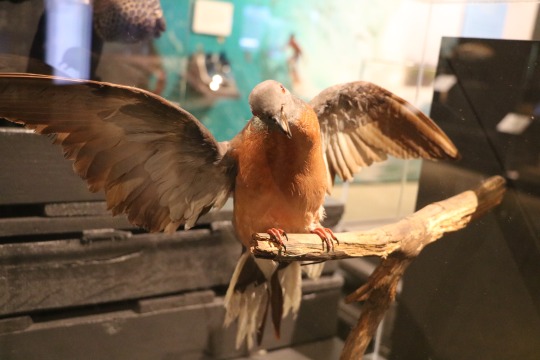
taxidermy of a Passenger Pigeon on a branch

Memories of an extinct species sometimes serve as a tragic reminders of ongoing human-driven damage to nature.

Carnegie Museum of Natural History’s exhibition We Are Nature: Living in the Anthropocene includes an exhibit about the passenger pigeon, which went extinct a century ago. The exhibition—which includes specimens from the museum’s hidden collection and interactive components—explores how humans are impacting the environment and animals in the Anthropocene—the proposed current geological era in which humans are making a profound impact on the geological strata

The passenger pigeons—the most abundant bird species in America in the early 19th century—were known for gathering in huge flocks. In fact, in 1810, Alexander Wilson—a Scottish-American naturalist and ornithology pioneer—described the flock of pigeons he witnessed along the Ohio River “marking a space on the face of the heavens resembling the windings of a vast and majestic river.” In 1813, renowned naturalist John James Audubon recorded a pigeon flight over the Ohio River that eclipsed the sun for three days.

In 1871, an estimated 136 million passenger pigeons covered an area of Wisconsin the size of 15 Pittsburghs geographically – their biggest nesting site. Sadly, a single gun dealer there sold more than a half million rounds of ammunition to about 100,000 hunters over the two-month nesting season, leaving some 1.2 million birds dead. The bird population was decimated. Close to three decades later, the last wild passenger pigeon in Ohio was shot. In 1914, the last of the species – a captive bird named Martha – died at the Cincinnati Zoo.

John Rawlins, head of the Carnegie Museum’s Section of Invertebrate Zoology, said in Carnegie Magazine in 2014 that natural history collections like ours play a critical role in researching the preservation of species.

“When emergencies happen in the environment, when an invasive species strikes, when there is a need to understand why a species is either reproducing too much or going extinct, it basically comes down to the need for information and context,” Rawlins said. “And often that need is relatively rapid.”


The Anthropocene is the current geological era in which humans are making a profound impact on the geological strata. While the term itself is still being debated by geologists, the museum is embracing it as a social and cultural tool for exploring the broad sum effect humans are having on the planet in the exhibition We Are Nature: Living in the Anthropocene—open now through summer 2018.

Filed Under: Blog Tagged With: Birds, John Rawlins, We Are Nature, We Are Nature: Living in the Anthropocene

December 5, 2017 by wpengine

Did you know?

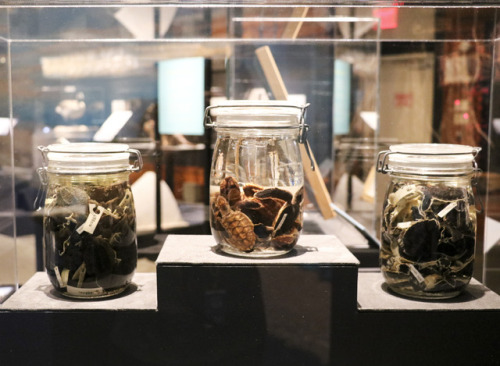
baby sea turtle specimens in jars

Did you know that water temperature determines the sex of a sea turtle?

Warmer waters produce female sea turtles while cooler waters produce males, meaning that rising water temperatures are producing too few males for the females to mate with. All seven species of sea turtle are being affected by warmer waters along breeding grounds. Learn more in We Are Nature: Living in the Anthropocene, open now at Carnegie Museum of Natural History.


The Anthropocene is the current geological era in which humans are making a profound impact on the geological strata. While the term itself is still being debated by geologists, the museum is embracing it as a social and cultural tool for exploring the broad sum effect humans are having on the planet in the exhibition We Are Nature: Living in the Anthropocene—open now through summer 2018.

Filed Under: Blog Tagged With: climate change, We Are Nature, We Are Nature: Living in the Anthropocene

December 4, 2017 by wpengine

The Economics of Climate Change

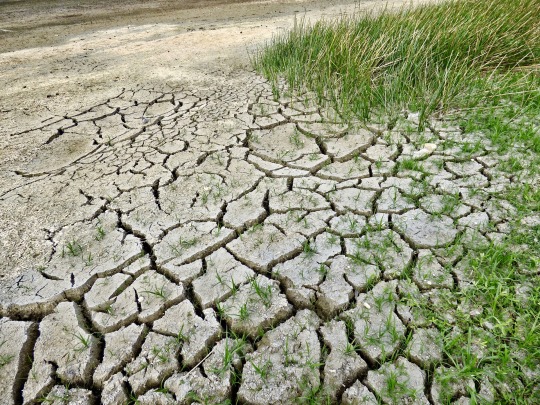
cracked dry ground with grass growing out of one side

by Barbara Klein

Scientists agree that the list of species in danger of extinction due to climate change is long. Very long.

But according to a group of economists and scholars collectively known as the Climate Impact Lab, that list must also include our nation’s poor.

In their new study published in Science magazine, professors Solomon Hsiang of the University of California, Berkeley and Robert Kopp of Rutgers University crunched the numbers and found that if climate change continues unabated, the country’s most-in-need populations will experience the most devastation.

Focusing on the 3,140-plus counties in the United States, the research measured 29,000 potential outcomes based on different temperature and economic variables.

As reported in the Washington Post, here is what they concluded. “The poorest third of counties—many of them in the South and lower Midwest—could sustain economic losses by the last decades of this century that would be comparable to those suffered during the Great Recession.

“The Gulf Coast would face major risks from hurricanes and encroaching seas,” the article continued. “Higher temperatures in the South would drive up air-conditioning costs and hamper productivity. Agriculture in the Midwest could see losses on par with the Dust Bowl of the 1930s.”

But the big difference, Hsiang pointed out, is that “these changes are here to stay.”

In terms of the bottom line, The Atlantic summed it up this way: “Overall, the paper finds that climate change will cost the United States 1.2 percent of its GDP for every additional degree Celsius of warming.”

More specifically, the stats suggest that our nation’s poorest 100 counties will experience an average loss of 11 percent of their GDP due to climate change while the richest 100 counties will lose just 1 percent.

Although the study dealt primarily with the United States, its global predictions were equally ominous. It seems there is no place on Earth where climate change won’t disproportionately impact the poorest people in the poorest nations.


The Anthropocene is the current geological era in which humans are making a profound impact on the geological strata. While the term itself is still being debated by geologists, the museum is embracing it as a social and cultural tool for exploring the broad sum effect humans are having on the planet in the exhibition We Are Nature: Living in the Anthropocene—open now through summer 2018.

Filed Under: Blog Tagged With: climate change, We Are Nature, We Are Nature: Living in the Anthropocene

December 4, 2017 by wpengine

We Are Nature: Native Plants

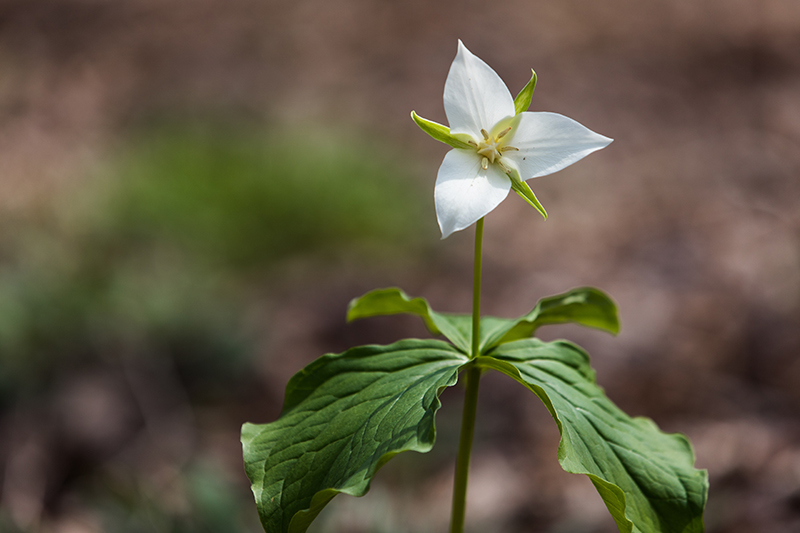
white trillium in the woods
Trillium, a native plant, photographed at Powdermill Nature Reserve

As spring inches closer and closer, there is no better time to start thinking about your garden or even planting some indoor seedlings.

One increasingly popular trend in sustainable landscaping is the planting of native gardens, featuring plants that naturally occur in your area. Starting a native garden can begin to restore biodiversity to even the most urbanized areas.

Not only are native plants good for biodiversity, they are generally low maintenance, having already adapted to your specific climate zone. They often need less watering, and their strong roots hold soil in place to prevent flooding and soil loss during heavy rains.

In western Pennsylvania, there is no shortage of native options for your garden! Pittsburgh is a Zone 6 climate, which includes black-eyed susans, milkweed, royal ferns, columbine, and more! Learn more about zone 6 native plants.


This year, we are sharing simple tips and tricks for greener living in tandem with our exhibition We Are Nature: Living in the Anthropocene, which explores the interconnected relationship between humans and our environment. A first of its kind in North America, the exhibition utilizes interactive exhibits, innovative gallery design, and specimens from our hidden collection in an unflinching exploration of the Anthropocene.

The Anthropocene is the current geological era in which humans are making a profound impact on the geological strata. While the term itself is still being debated by geologists, the museum is embracing it as a social and cultural tool for exploring the broad sum effect humans are having on the planet.

Filed Under: Blog Tagged With: biodiversity, Botany, We Are Nature, We Are Nature: Living in the Anthropocene

  • « Go to Previous Page
  • Page 1
  • Interim pages omitted …
  • Page 4
  • Page 5
  • Page 6
  • Page 7
  • Go to Next Page »

sidebar

About

  • Mission & Commitments
  • Directors Team
  • Museum History

Get Involved

  • Volunteer
  • Membership
  • Carnegie Discoverers
  • Donate
  • Employment
  • Events

Bring a Group

  • Groups of 10 or More
  • Birthday Parties at the Museum
  • Field Trips

Powdermill

  • Powdermill Nature Reserve
  • Powdermill Field Trips
  • Powdermill Staff
  • Research at Powdermill

More Information

  • Image Permission Requests
  • Science Stories
  • Accessibility
  • Shopping Cart
  • Contact
  • Visitor Policies
One of the Four Carnegie Museums | © Carnegie Institute | Privacy Policy | Terms of Use | Accessibility
Rad works here logo