• Skip to primary navigation
  • Skip to main content
  • Skip to primary sidebar

Carnegie Museum of Natural History

One of the Four Carnegie Museums of Pittsburgh

  • Visit
    • Buy Tickets
    • Visitor Information
    • Exhibitions
    • Events
    • Dining at the Museum
    • Celebrate at the Museum
    • Powdermill Nature Reserve
    • Event Venue Rental
  • Learn
    • Field Trips
    • Educator Information
    • Programs at the Museum
    • Bring the Museum to You
    • Guided Programs FAQ
    • Programs Online
    • Climate and Rural Systems Partnership
  • Research
    • Scientific Sections
    • Science Stories
    • Science Videos
    • Senior Science & Research Staff
    • Museum Library
    • Science Seminars
    • Scientific Publications
    • Specimen and Artifact Identification
  • About
    • Mission & Commitments
    • Directors Team
    • Museum History
  • Tickets
  • Give
  • Shop

Expeditions

March 26, 2016 by wpengine

AP3: Antarctica Peninsula Paleontology Project

Researchers in Antartica Researchers in Antartica Researchers in Antartica

AP3: Antarctica Peninsula Paleontology Project

February 29–March 6, 2016

Project G-182-N (PI Matt Lamanna)

The team completed several of its research objectives and continued to make progress towards others during week three. At the Sandwich Bluff locality on Vega Island, scientists discovered four new fossil plant sites, found additional Cretaceous fish and bird material, and prepared a plesiosaur (long-necked marine reptile) shoulder girdle for extraction.

All of these specimens were recovered from the Upper Cretaceous Sandwich Bluff Member of the López de Bertodano Formation. At approximately 70 million years in age, this rock unit dates to only a few million years prior to the infamous mass extinction that ended the Mesozoic era, or Age of Dinosaurs.

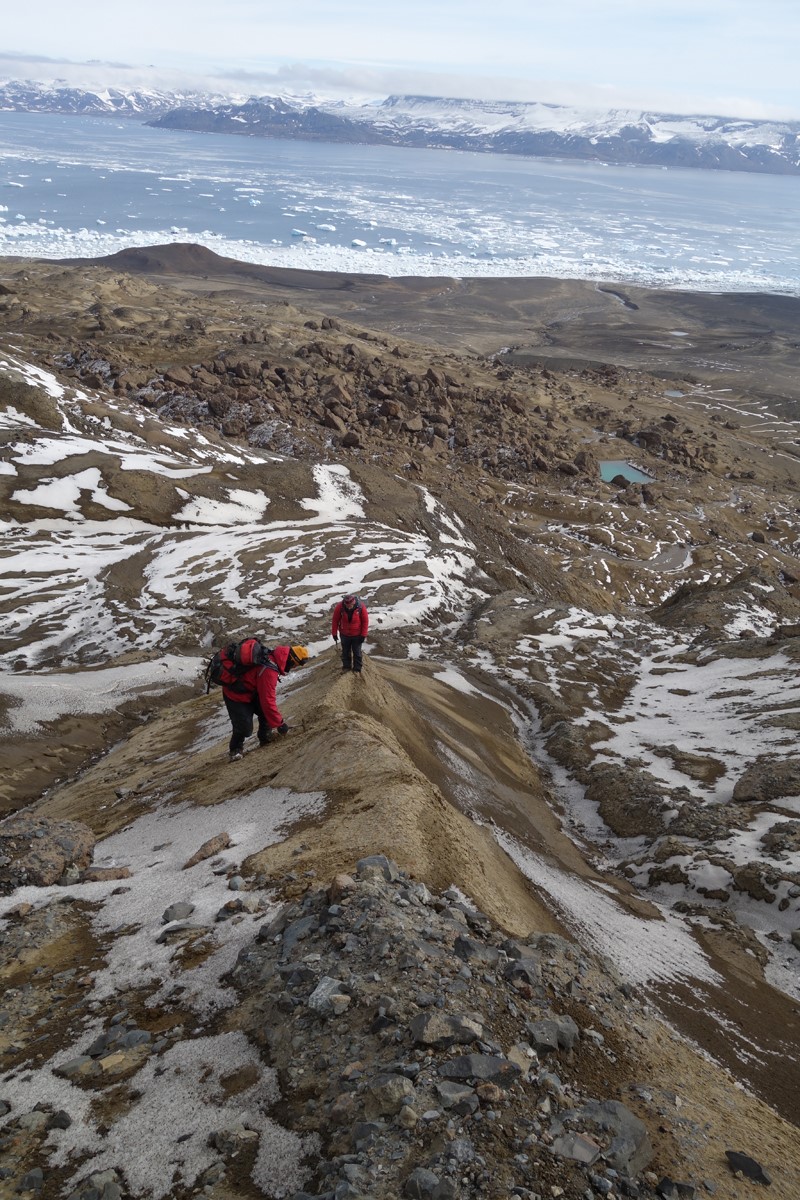
Geologists Eric Roberts and Zubair Jinnah completed their stratigraphic and sedimentological study of the sections of the Snow Hill Island and López de Bertodano formations exposed on the southwestern flank of Sandwich Bluff, an area that, due to its steepness, elevation, and snow cover, has been nicknamed ‘K2’ after that well-known Himalayan peak. They sampled the middle and upper levels of the Sandwich Bluff Member for aragonitic fossil invertebrate shells to be used in strontium isotope geochronological analyses.

Scientists also continued to conduct helicopter-supported reconnaissance visits to other areas of the James Ross Basin, identifying two previously undocumented Cretaceous exposures that were targeted for future investigation.

Inclement weather forced many members of the team to return to their ship, the RVIB Nathaniel B. Palmer, for two days during week three. They spent the time refining strategies for the remainder of the field season, updating the project’s blog and social media pages, and studying fossils that had already been collected.

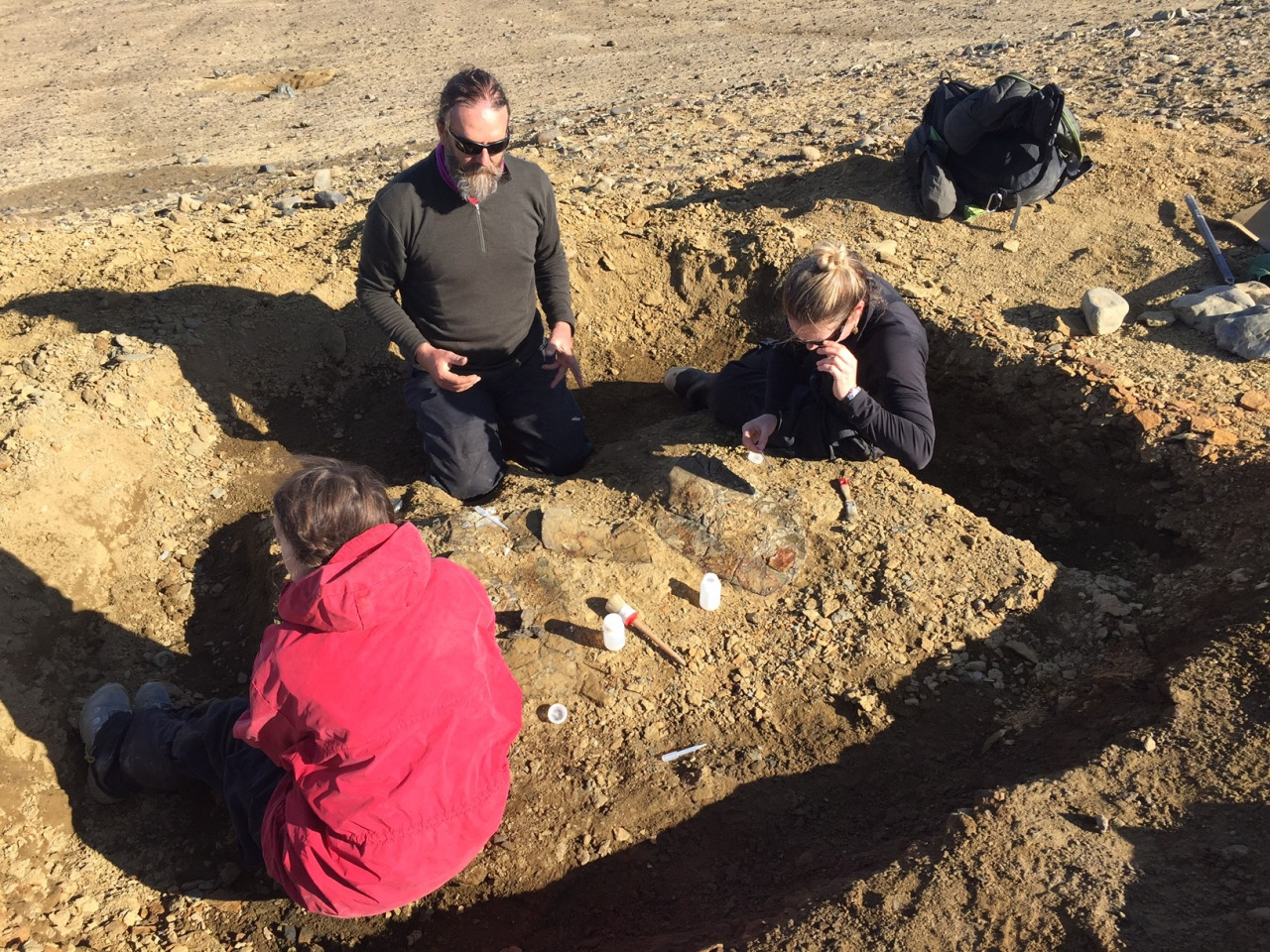
1) G-182-N paleontologists Abby West (left) and Steve Salisbury (center) collect a plesiosaur shoulder girdle co-discovered by Salisbury with ASC Marine Technician Julia Carlton (right). Photo by Matt Lamanna.

2) G-182-N geologists Zubair Jinnah (foreground) and Eric Roberts study the stratigraphy and sedimentology of the ‘K2’ section on Vega Island. Photo by Pat O’Connor.

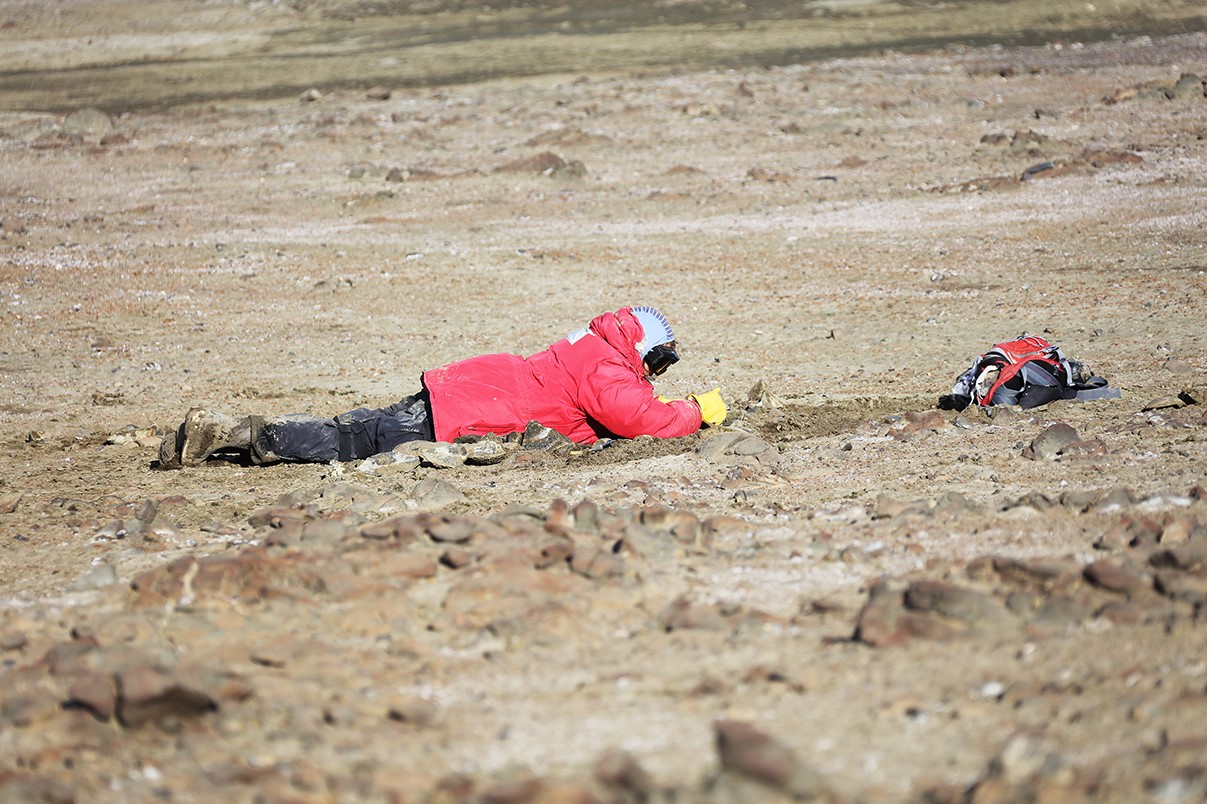
3.) G-182-N paleontologist Kerin Claeson searches for fossils in the ‘Fish Horizon’ near the K–Pg boundary on Seymour Island. Claeson and other G-182-N personnel have collected dozens of partial to nearly complete fish skeletons from the ‘Fish Horizon’ to date, the analysis of which promises to inform understanding of the K–Pg mass extinction in the southern high latitudes. Photo by Meng Jin.

Matt Lamanna is a paleontologist and the principal dinosaur researcher at Carnegie Museum of Natural History in Pittsburgh. Matt and his team of researchers blog frequently from Antarctica while on expedition at antarticdinos.org.
Filed Under: Blog Tagged With: Matt Lamanna

March 17, 2016 by wpengine

AP3: Antarctica Peninsula Paleontology Project

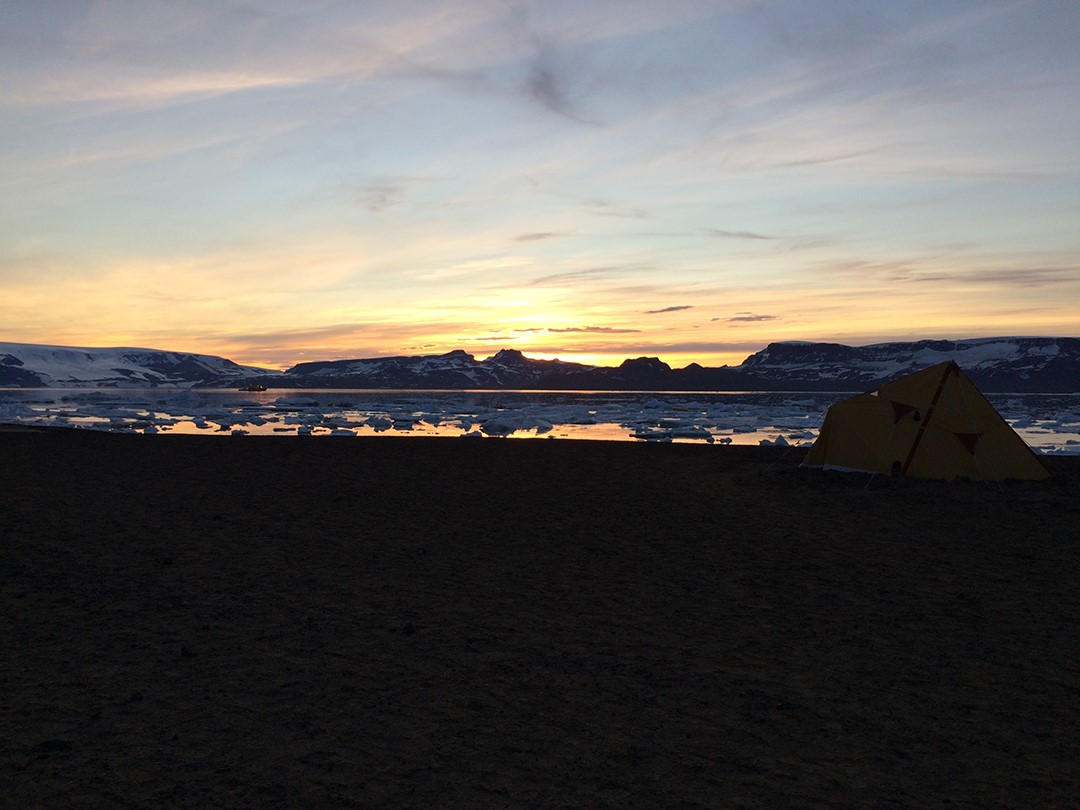
Sunset over camp on Vega Island
Sunset over camp on Vega Island. The eastern shore of James Ross Island and the RVIB Nathaniel B. Palmer are visible in the background. Photo by Pat O’Connor.
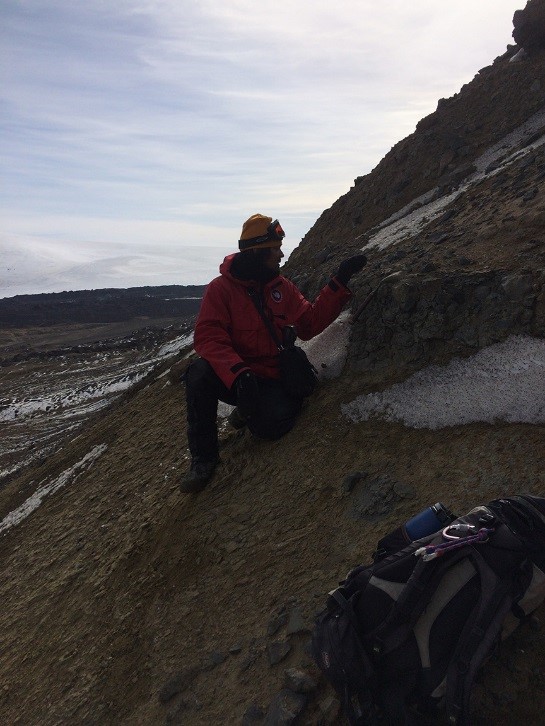
geologist Zubair Jinnah
G-182-N geologist Zubair Jinnah studies an exposure of the Upper Cretaceous upper Cape Lamb Member of the Snow Hill Island Formation on Vega Island. Photo by Pat O’Connor.

AP3: Antarctica Peninsula Paleontology Project

February 21–28, 2016

Project G-182-N (PI Matt Lamanna)

Work at the main basecamp on the western shore of Vega Island continued in week two and resulted in the discovery of a wealth of fossils.

Senior project geologist Eric Roberts located a partial plesiosaur. The specimen, which preserves numerous vertebrae, ribs, paddle bones, and gastroliths (stomach stones), appears to be the most complete marine reptile discovered by the project to date. Many of its bones remain articulated (preserved in life position) and are beautifully preserved within sandstone concretions. With time and effort in the laboratory, much of the postcranial skeleton will likely be reassembled and will likely be significant both for scientific study and possible display.

The project made significant progress towards its geological aims as well. Roberts and fellow geologist Zubair Jinnah continued their efforts to decipher the age and depositional environments of the sediments exposed on the uppermost levels of Sandwich Bluff. They collected rock and fossil samples from the uppermost Sandwich Bluff Member and basal Sobral Formation for geochemical and palynological analyses and strontium isotopic dating. They also began to subdivide the Sobral Formation into discrete units, as Roberts and colleagues did for the Sandwich Bluff Member in a 2014 paper.

Helicopter reconnaissance efforts continued with additional trips to Seymour and eastern Vega Island. Considerable effort was expended during week two towards installing a field camp near the Cretaceous–Paleogene boundary horizon in the central area of Seymour Island. Those at the camp are having success in recovering fossils of fishes, putative turtles, and other Cretaceous vertebrates.

Lastly, filmmaker Matt Koshmrl continues to skillfully document all aspects of the project through video and still photography.

Also discovered during week two

– A second plesiosaur partial skeleton. Several partial-to-complete fossil leaves and a conifer branch. Partial skeletons of Cretaceous fishes that may be the most completely-preserved fishes yet found from Cretaceous sediments on Vega Island.

– A partial dorsal rib of a very large-bodied tetrapod, possibly a sauropod (long-necked plant-eating dinosaur)

– Multiple isolated Cretaceous bird bones were also collected, as was a possible avian skull

– An abundance of exceptionally-preserved Eocene penguin bones, including a partial skull of a giant species (possibly Anthropornis nordenskjoeldi or Palaeeudyptes antarcticus). This is exciting as only a handful of cranial elements of fossil penguins have ever been described from Seymour Island.

Matt Lamanna is a paleontologist and the principal dinosaur researcher at Carnegie Museum of Natural History in Pittsburgh. Matt and his team of researchers blog frequently from Antarctica while on expedition at antarticdinos.org.
Filed Under: Blog Tagged With: Matt Lamanna

March 11, 2016 by wpengine

Live from Antarctica!

Eric Dorfman and one of the many young aspiring paleontologists who attended
The crowd at Forbes Digital Plaza for Live from Antartica!
Dr. Matt Lamanna shows the audience a fossil of a clam from Antarctica
Carnegie Museum of Natural History Director Dr. Eric Dorfman
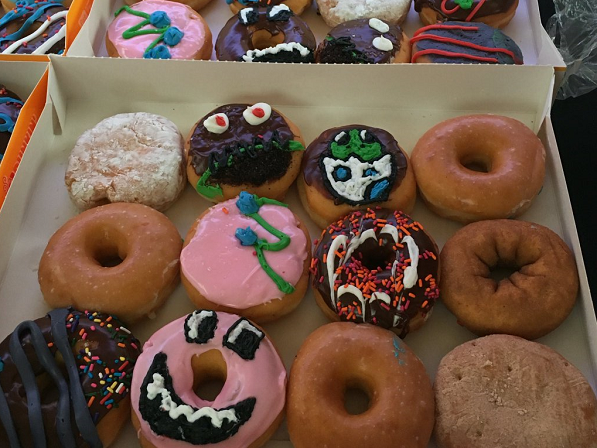
Dino treats provided by Dunkin' Donuts
Dino treats provided by Dunkin’ Donuts
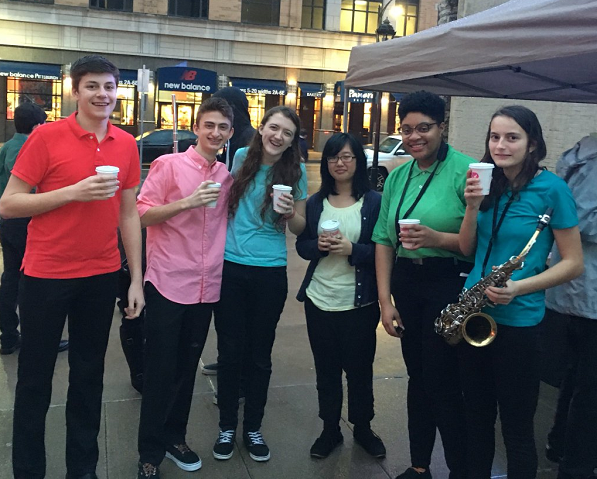
Members of Taylor Allderdice High School's band performed
Members of Taylor Allderdice High School’s band performed

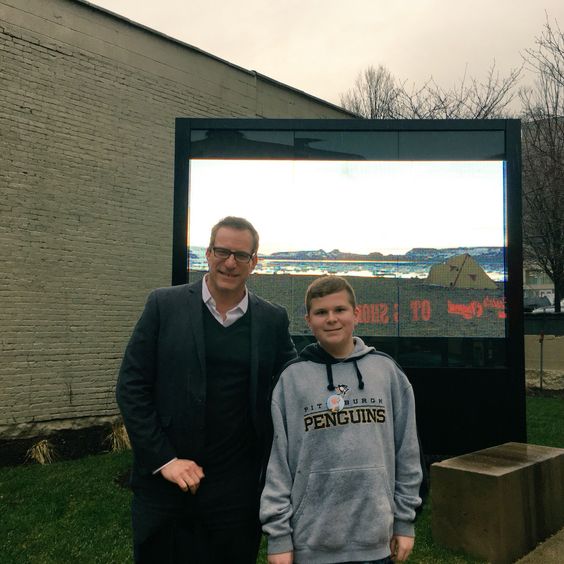
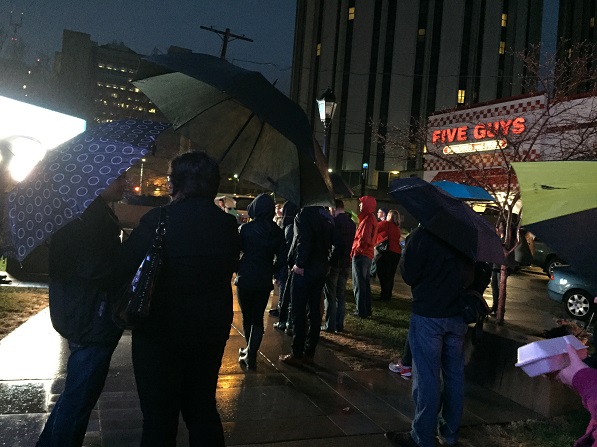
Undeterred by rain, about 65 people attended Live from Antarctica! to ask a paleontologist on the southernmost continent questions about his search for fossils.

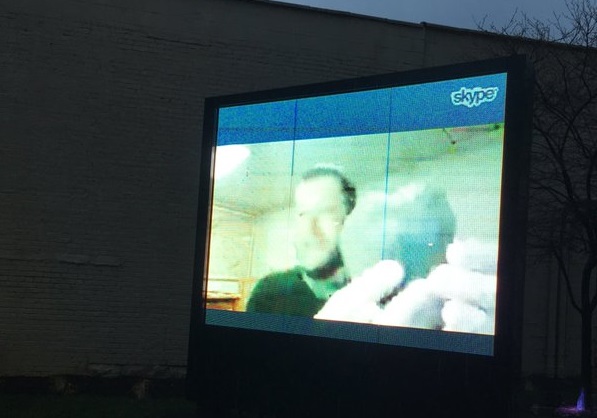
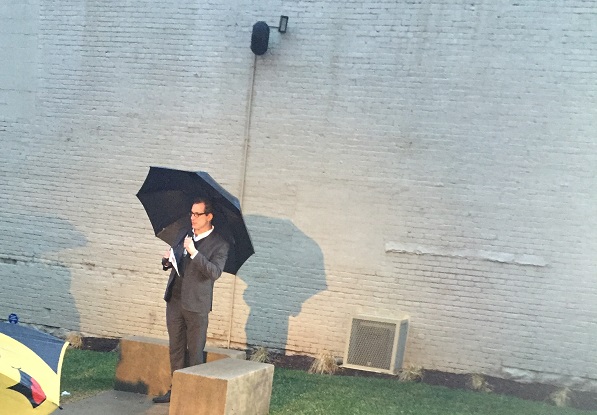
Using Skype and a large, high-definition digital screen, Dr. Matt Lamanna, Carnegie Museum of Natural History’s principal dinosaur researcher, answered questions from museum director, Dr. Eric Dorfman, and members of the audience on March 10 during the free community event at Forbes Digital Square in Oakland.

Along with a team of experts, Dr. LaManna is searching for fossils on the Antarctica Peninsula. He Skyped in from aboard the research vessel Nathaniel B. Palmer to talk about his work to answer questions about Antarctic weather, live animals he’s seen, fossils his team has found, and what he will bring back to our museum here in Pittsburgh.

Its summer in Antarctica, but Dr. Lamanna said weather has still been challenging with occasional snow, rain and fog. Interestingly, some of the fossils his expeditions have found have been of leaves, which he said indicate that the coldest continent was once covered in forests, much like Western Pennsylvania.

“It’s a great example of how environments can change over time,” Dr. Lamanna said. Because days and nights that far south are extended and shortened the changing seasons, he said there’s no contemporary equivalent of the ancient environment that existed there as the age of the dinosaurs ended.

“We’re unearthing an ancient ecosystem and bringing that ecosystem back to Pittsburgh,” he said.

Other fossils found include clams, fish, and even dinosaur bones. Dr. Lamanna said they’ll carefully pack and ship an estimated three to four tons of fossils back to Pittsburgh.

Visitors will be able to view many of the new specimens in the museum’s PaleoLab this summer.

Many thanks to Oakland Business Improvement District for helping put on the event, the Taylor Allderdice High School jazz band for a great performance, and Dunkin’ Donuts for passing out dino donuts.

Dr. Lamanna’s expedition ends next week, but you can see photos of his work, wildlife he’s seen and the stunning landscape of Antarctica by following the Carnegie Museum of Natural History on Instagram, Tumblr, Twitter and Facebook .

Filed Under: Blog Tagged With: antarctica, dinosaur, fossils, Matt Lamanna, Paleolab, paleontology

March 9, 2016 by wpengine

AP3 Antarctica Peninsula Paleontology Project 2016

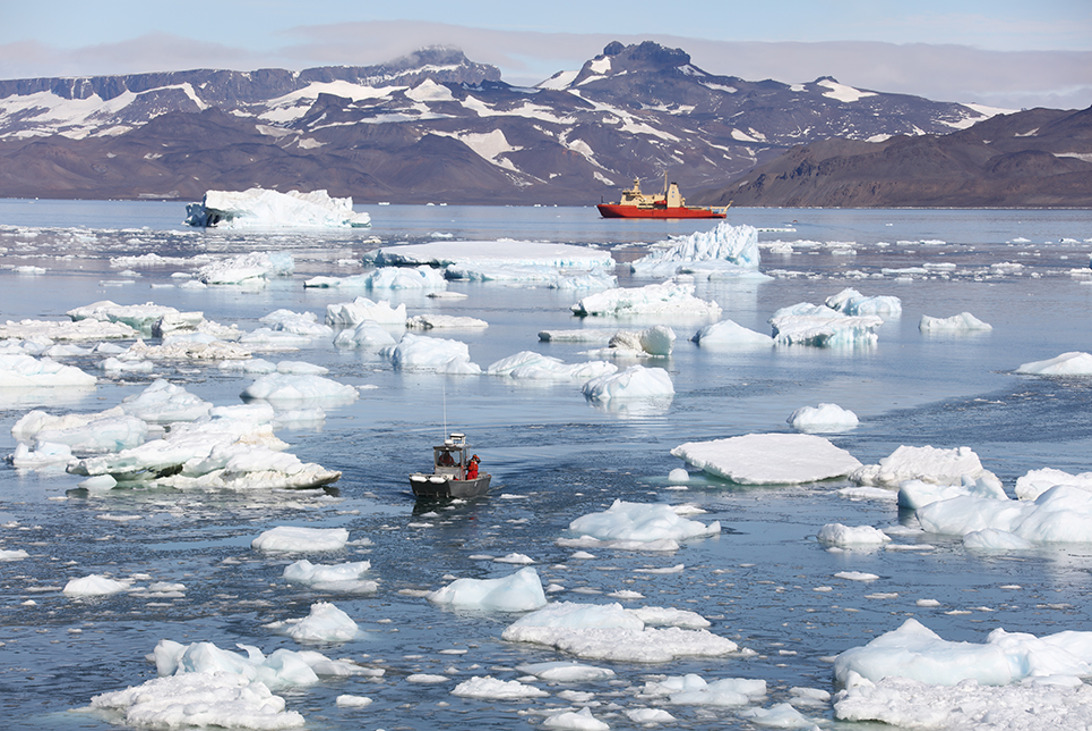
boats surrounded by chunks of ice

Q: What is the biggest anticipated challenge facing the expedition?

A: The thing that concerns us the most are the weather and climate conditions in our
study area. If it is very windy or foggy, our helicopters cannot fly.  If
there is fast ice stuck to the islands we want to visit, our small boats (i.e.,
landing craft) cannot reach them. If it snows, the rocks are covered, and so we
can’t find the fossils in them. Lots of different environmental factors could
pose problems for us. Other potential hazards include injuries, exhaustion,
frostbite, inability to find fossils in some places, and problems with
helicopters.

If you live in Pittsburgh, stop by tomorrow evening on 3/10/16 at 6 p.m. for Live from Antarctica at the corner of Forbes and South Bouquet in Oakland. You will be able to ask Dr. Matt Lamanna questions about his expedition from the field via a live video conference. Learn more at http://www.carnegiemnh.org/live_from_antarctica/

Filed Under: Blog Tagged With: antarctica, expedition, fossils, Matt Lamanna, research

March 8, 2016 by wpengine

AP3: Expedition 2016

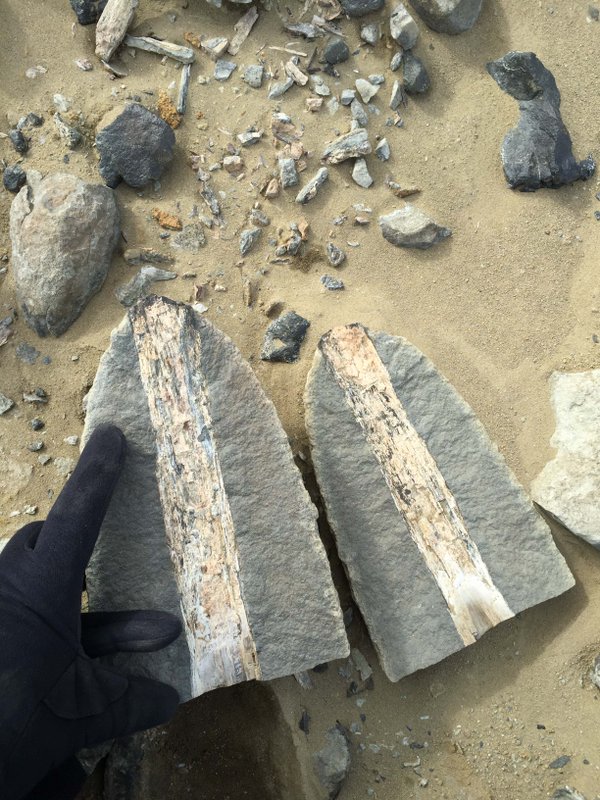
fossilized wood found in Antarctica

“It’s not just dino bones we’re seeking. Here’s some fossilized wood found on Cape Lamb.”

Matt Lamanna is a paleontologist and the principal dinosaur researcher at Carnegie Museum of Natural History in Pittsburgh. Matt and his team of researchers blog frequently from Antarctica while on expedition at antarticdinos.org.
Filed Under: Blog Tagged With: Matt Lamanna

March 8, 2016 by wpengine

Discoverers Expedition Vilcabamba 2016: Lima

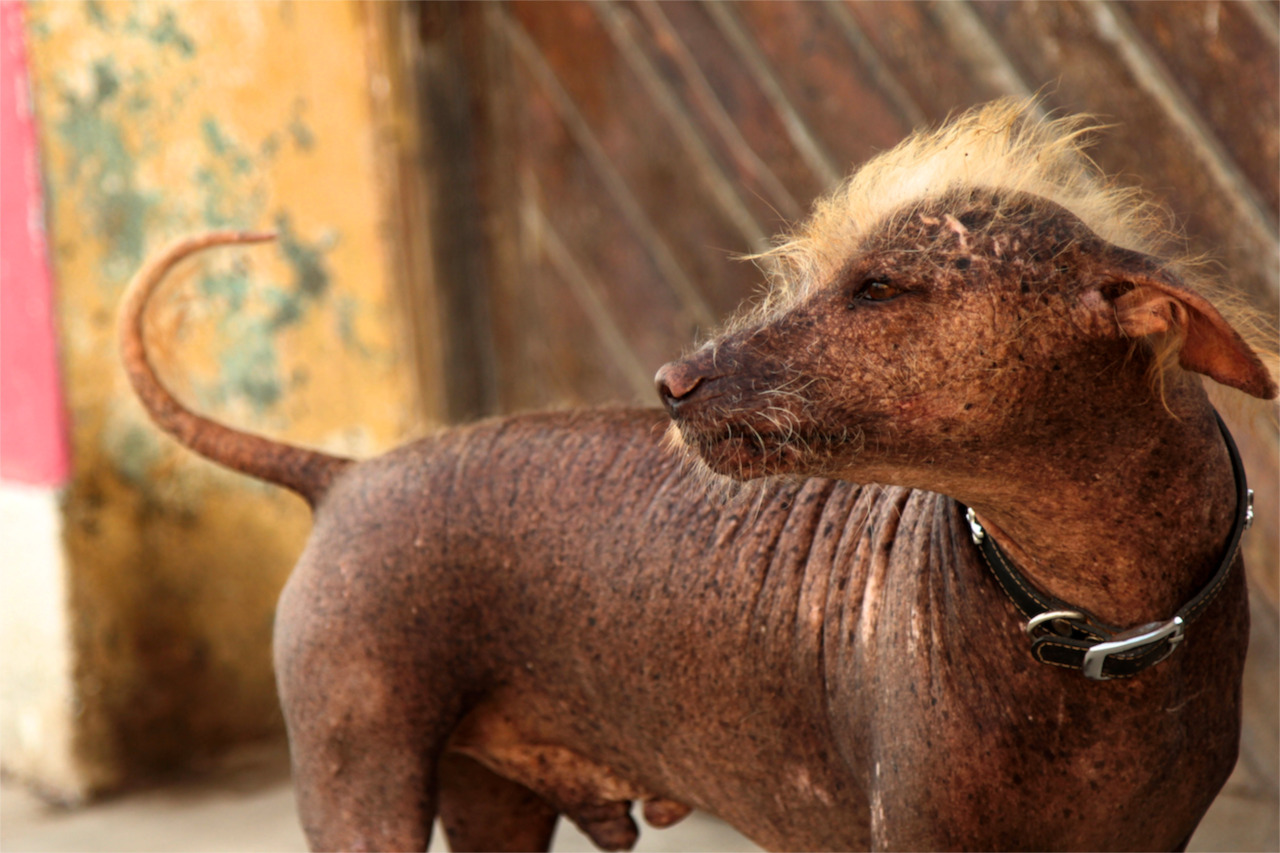
“naked” peruvian dog (perro calato de sechura in Spanish)
The bizarre, and beautiful, “naked” peruvian dog (perro calato de sechura in Spanish), a common companion of local peoples.
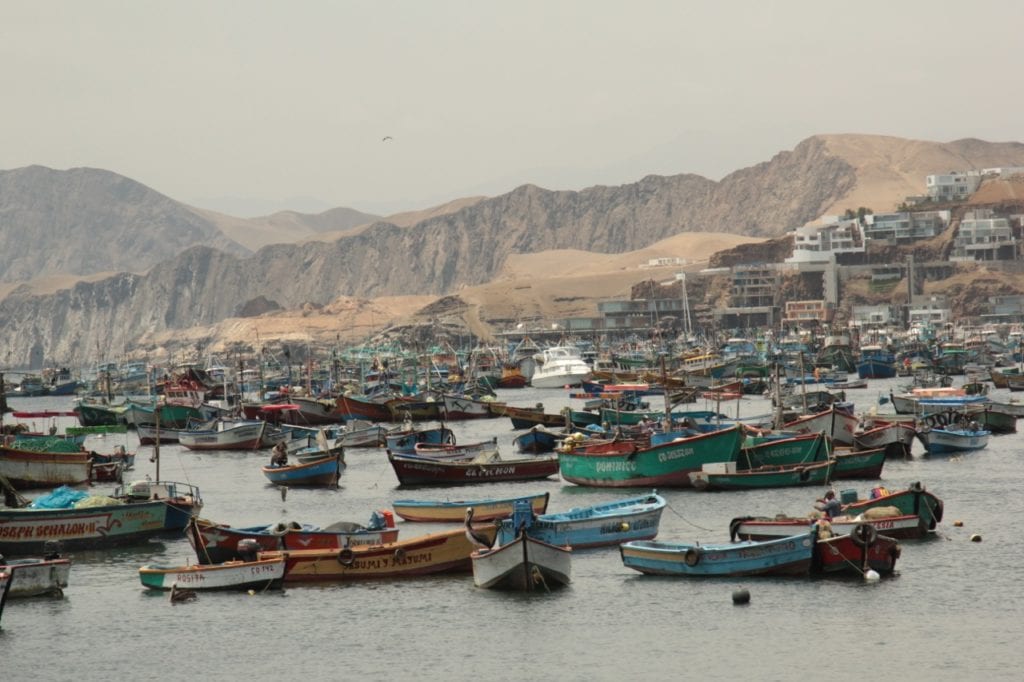
The bay of Pucusana with the arid slopes of the Atacama desert in the background.
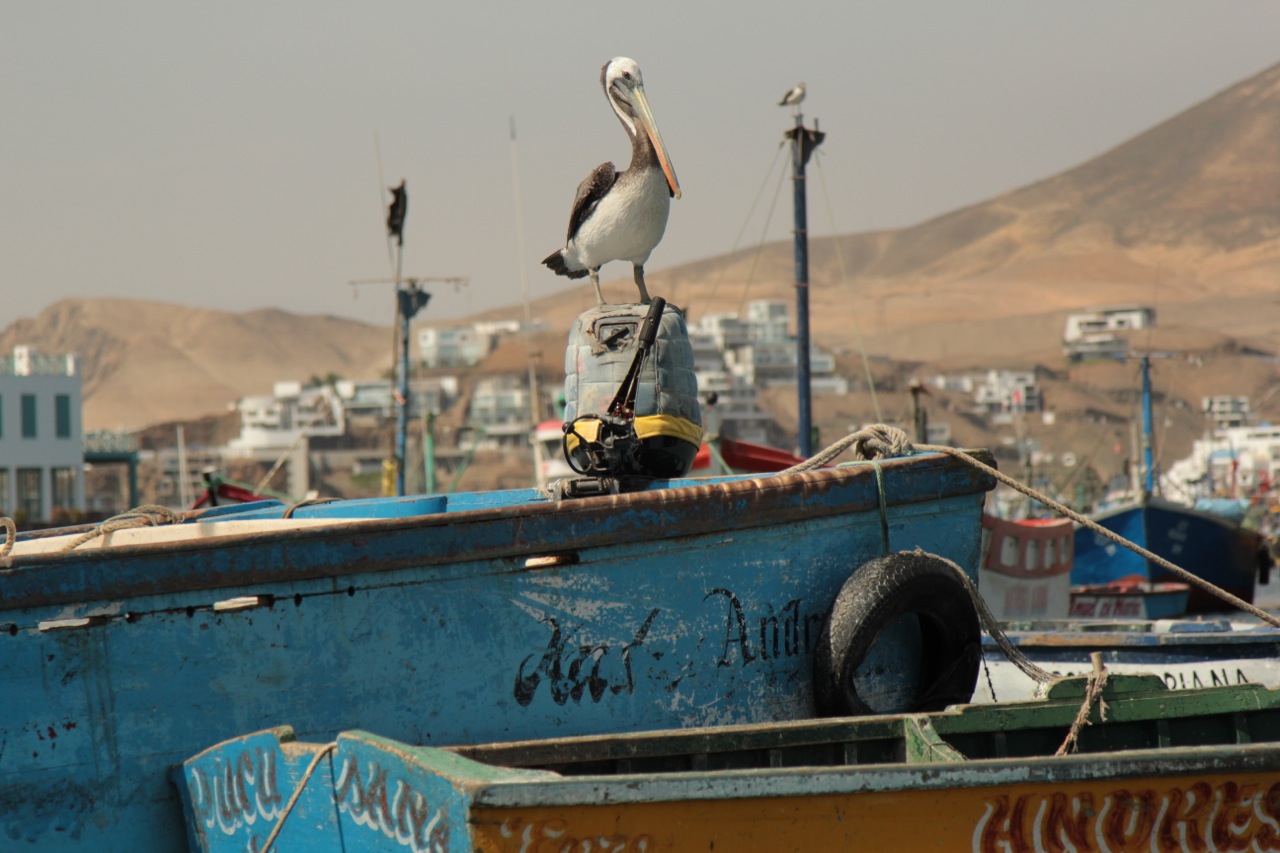
pelican (Pelecanus tagus)
The pelican (Pelecanus tagus), lord of the bay.
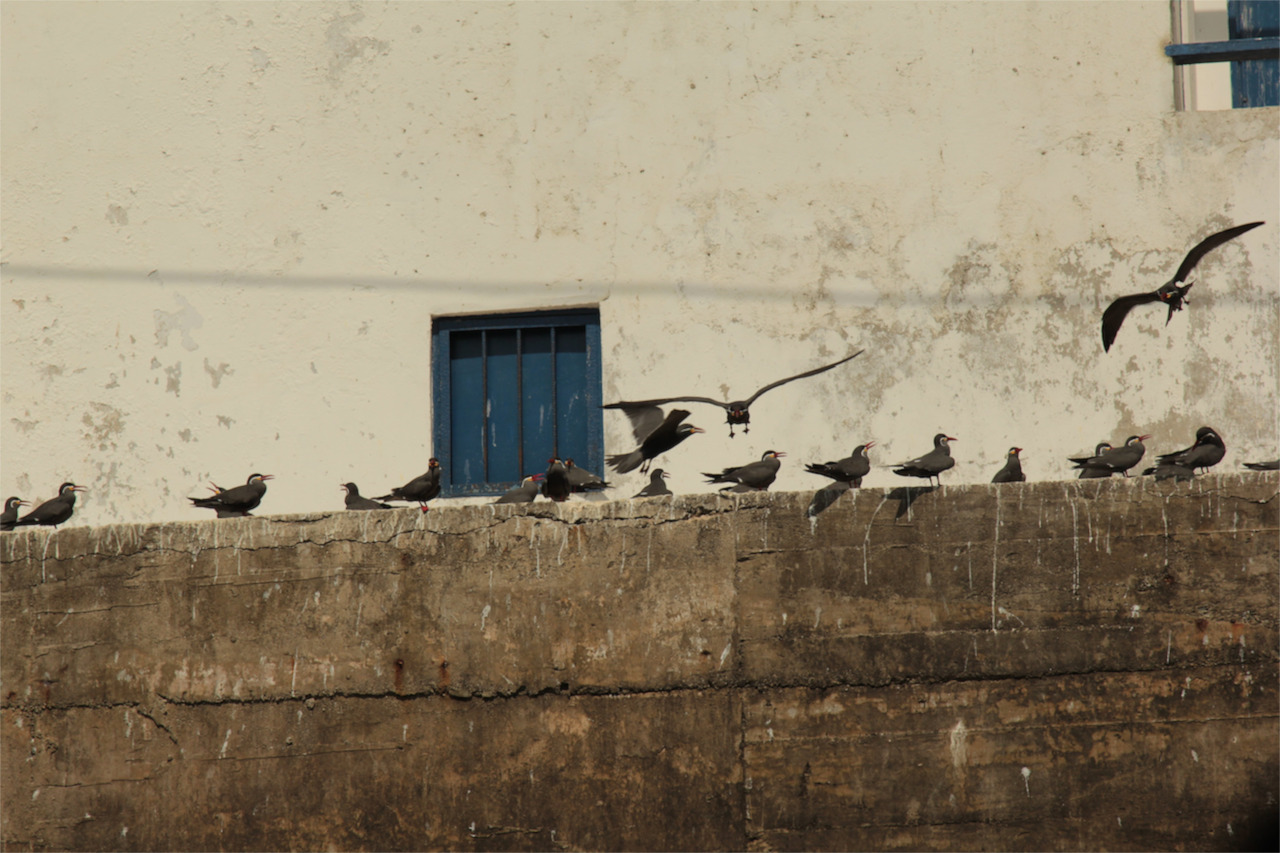
zarcillo (Larosterna inca)
A group of the common and beautiful zarcillo (Larosterna inca).
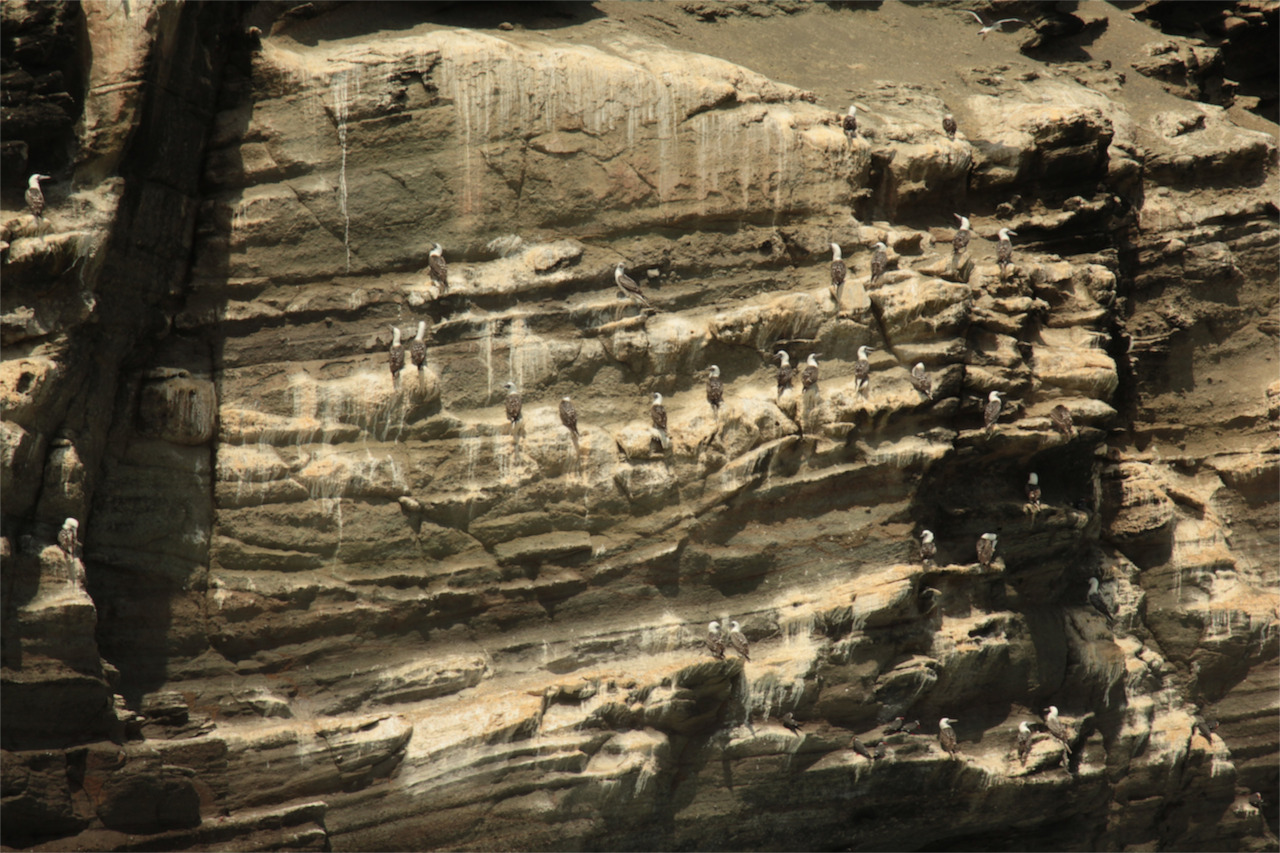
colony of boobies
A colony of boobies (Sula variegata), one of the most abundant species along the coast of Lima.
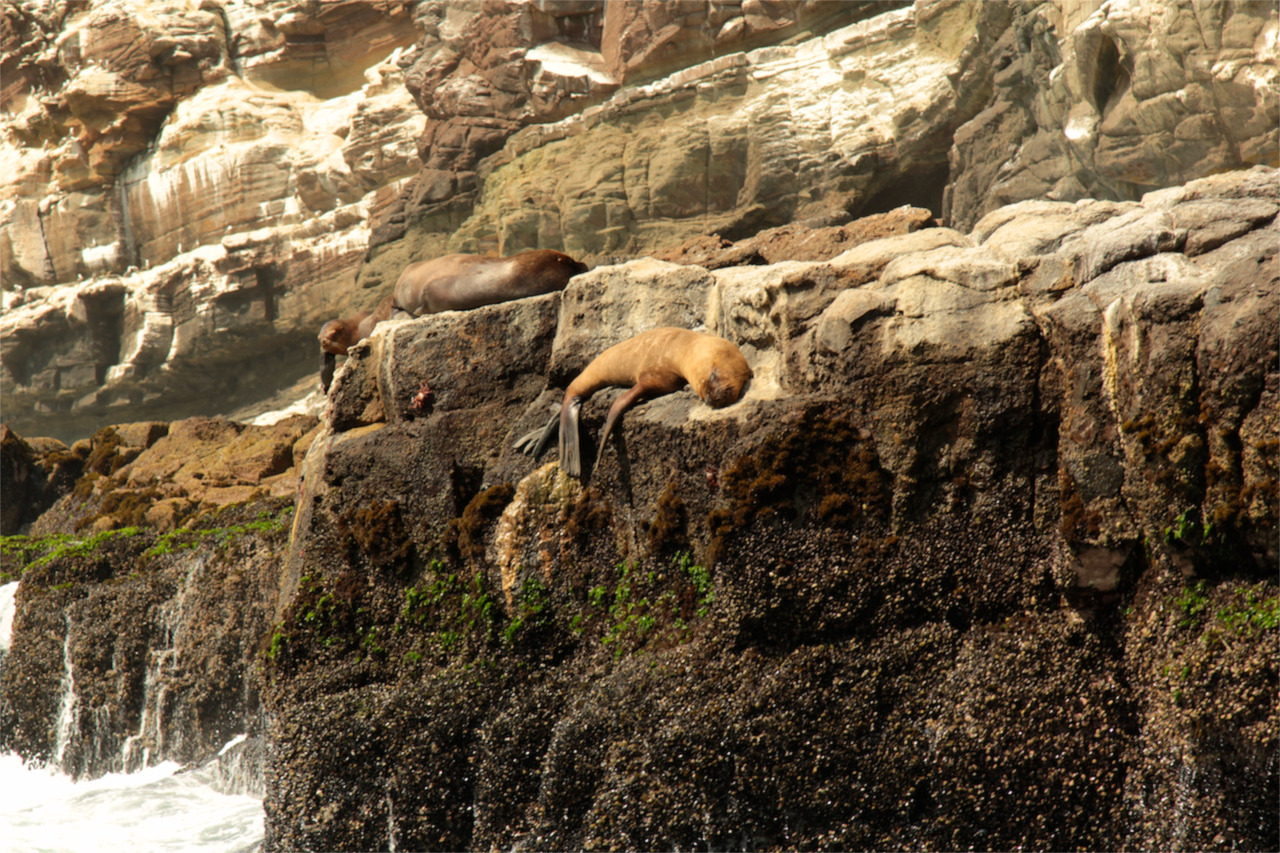
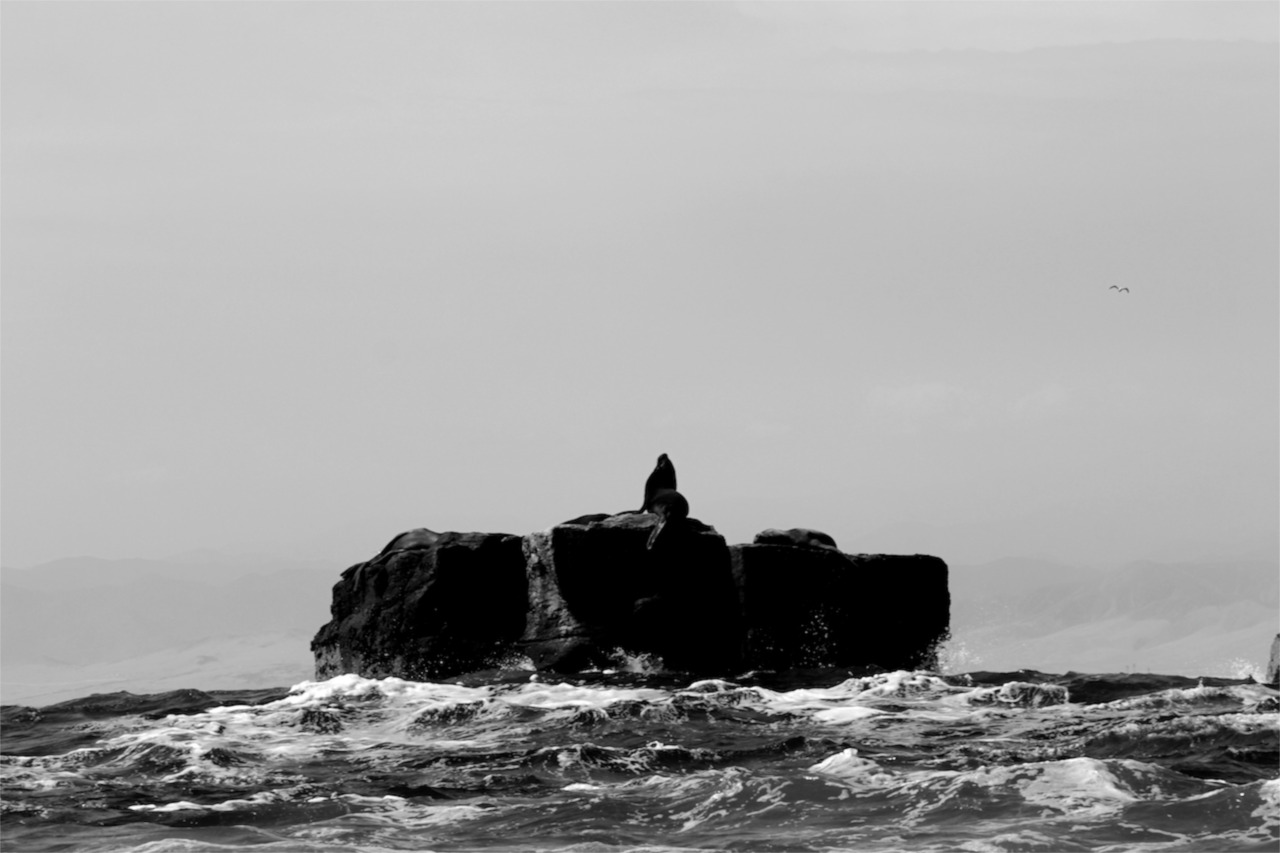
sea lions
Sleepy sea lions (Otaria byronia) enjoying the burning sun and the refreshing splashes of salty water.
sea lion
A huge male sea lion (Otaria byronia) dries its hairy skin under a strong afternoon sun and guards its privileged position amongst a group of females.

February 28, 2016

We arrived to Lima on a sunny, hot day and decided to make a trip to the beach to see some wildlife. We left the outskirts of the gigantic city of Lima on a bus that headed South through the arid regions of the Atacama desert. After about an hour we reached the small and beautiful fishermen village of Pucusana.

Dozens of boats were docked along an ample and peaceful bay where a crowd of people, pelicans, gulls, and sea lions where all busy doing what they do. We rented an small boat and went off to enjoy the wonders of the Pacific coast of the Atacama desert, one of the most productive and best preserved coastal areas of the world—millions of sea birds populate the many islands, islets, and cliffs of the coast. The sea birds produce the guano, a rich manure that has been exploited ever since Alexander von Humboldt described its wonders after studying it at the port of Callao. Here is a glimpse, in pictures, of the few hours we spent in this extraordinary ecosystem.

José Padial and his team of researchers have traveled to the remote Vilcabamba mountains of Peru in the pursuit of biodiversity research. He blogs and sends photos as often as possible capturing his expedition along the way and his return home to the Carnegie Museum of Natural History in Pittsburgh, PA.

Filed Under: Blog Tagged With: peru

  • « Go to Previous Page
  • Page 1
  • Page 2
  • Page 3
  • Page 4
  • Page 5
  • Go to Next Page »

sidebar

About

  • Mission & Commitments
  • Directors Team
  • Museum History

Get Involved

  • Volunteer
  • Membership
  • Carnegie Discoverers
  • Donate
  • Employment
  • Events

Bring a Group

  • Groups of 10 or More
  • Birthday Parties at the Museum
  • Field Trips

Powdermill

  • Powdermill Nature Reserve
  • Powdermill Field Trips
  • Powdermill Staff
  • Research at Powdermill

More Information

  • Image Permission Requests
  • Science Stories
  • Accessibility
  • Shopping Cart
  • Contact
  • Visitor Policies
One of the Four Carnegie Museums | © Carnegie Institute | Privacy Policy | Terms of Use | Accessibility
Rad works here logo