• Skip to primary navigation
  • Skip to main content
  • Skip to primary sidebar

Carnegie Museum of Natural History

One of the Four Carnegie Museums of Pittsburgh

  • Visit
    • Buy Tickets
    • Visitor Information
    • Exhibitions
    • Events
    • Dining at the Museum
    • Celebrate at the Museum
    • Powdermill Nature Reserve
    • Event Venue Rental
  • Learn
    • Field Trips
    • Educator Information
    • Programs at the Museum
    • Bring the Museum to You
    • Guided Programs FAQ
    • Programs Online
    • Climate and Rural Systems Partnership
  • Research
    • Scientific Sections
    • Science Stories
    • Science Videos
    • Senior Science & Research Staff
    • Museum Library
    • Science Seminars
    • Scientific Publications
    • Specimen and Artifact Identification
  • About
    • Mission & Commitments
    • Directors Team
    • Museum History
  • Tickets
  • Give
  • Shop

November 5, 2025 by

Selections from the Collections

Paleobiology

Paleobiology includes multiple fields of study, and focuses on using fossils to better understand the diversity and biology of ancient life. This selection of specimens was chosen to showcase the areas of study in the museum’s Paleobiology collection, including Invertebrate Paleontology (organisms without backbones), Paleobotany (fossilized plants), and Vertebrate Paleontology (animals with backbones).    

1            
Brachiopod  
Mississippian (340 million years old)
Missouri 
CM 65245

Brachiopod
Mississippian (340 million years old)
Missouri
CM 65246

2            
Brachiopod  
Mississippian (340 million years old) 
New Mexico 
CM 65244 

3   
Petrified wood  
Cretaceous 
South Dakota 
CM 1400

4       
Turtle shell 
Testudine  
Early Oligocene (33 million years old) 
Nebraska 
CM 3810

5            
Various mammal microfossils    
Holocene (~1,000 years old) 
West Virginia 
Uncatalogued 

6            
Fern seed  
Late Pennsylvanian (300 million years old) 
Pennsylvania 
CM 659 

7
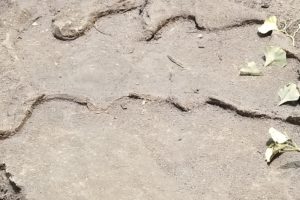
Arthropod trackway  
Diplichnites sp.  
Pennsylvania 
CM 53762

8      
Fish choking on belemnite (squid-like cephalopod) 
Tharsis dubius  
Late Jurassic (150.8 million years old) 
Germany 
CM 4876  

9
Megaraptor claw (cast) 
Late Cretaceous (93.9 million years old) 
Argentina 
Uncatalogued 

10 & 11   
Vole (skulls and jaws)  
Pitymys pinetorum   
Holocene (1,130 years old) 
Pennsylvania  
CM 8429

12       
Seed fern  
Alethopteris sp.  
Late Pennsylvanian (300 million years old) 
Pennsylvania   
CM 4564 

13
Fly  
Diptera sp.  
Late Eocene (34 million years old) 
Colorado 
CM 40566 

14          
Bird feather  
Eocene (48.5 million years old) 
Utah 
CM 9770

15   
Marine snail  
Worthenia tabulata    
 Pennsylvanian  
Pennsylvania 
CM 10827 

16     
Marine snail  
Euomphalus springvalensis  
Mississippian (340 million years old) 
Iowa 
Uncatalogued 

17           
Salamander-like amphibian  
Late Oligocene 
France 
CM 4024

18     
Mold of iridescent ammonite  
Maorites densicostatus  
Late Cretaceous (76 million years old) 
Antarctica
CM 40610

19           
Scallop valve  
Chesapecten madisonius  
Early Pliocene (5.3 million years old) 
Virginia 
CM 63518 

Scallop valve  
Chesapecten jeffersonius  
Early Pliocene (5.3 million years old) 
Virginia 
CM 63207 

20     
Lycophyte trunk 
Sigillaria elegans  
Late Pennsylvanian (300 million years old) 
Pennsylvania 
CM 5502    

21           
Extinct pronghorn 
Merycodus furcatus  
Middle Miocene (15 million years old) 
Nebraska 
CM 19657

Anthropology and Archaeology

The Section of Anthropology and Archaeology cares for objects that help us understand how people across time and place have connected with, understood, and shaped their worlds. Our work emphasizes ethical stewardship and collaboration with descendant communities to ensure these objects are preserved and shared with respect. The objects here were selected to highlight and celebrate the diversity of the collection we are privileged to care for at the museum. 

23
Figure, puppet
Javanese diaspora in Suriname, South America
Made around 1940-1960 CE
CM 34856-106

24
Cuneiform cylinder of king Nebuchadnezzar II
Marad (modern day Tell Wannat es-Sadun, Iraq)
Made around 604-562 BCE
Neo-Babylonian Period, reign of Nebuchadnezzar II
CM 6760

25
Enameled glass bottle
Persia (present day Iran)
Made around 1600-1700 CE
CM 24069-1

26
Alabaster bull’s head
South Arabia, Timna Cemetery (present day Yemen)
Made around 300 BCE–100 CE
CM 22094-3

27
Group of netsukes
Japan
Made around 1700-2000 CE
Various

28
Group of shabtis
Egypt
Made around 945-712 BCE
Third Intermediate Period, Dynasty 22
CM 2983-6628 through 6652

29
Group of oracle bones
Xiatun, Anyang, Henan Province, China
Made around 1600-1046 BCE
Shang Dynasty
Various

30
Seminole doll
Florida, United States
Made around 1940-1960 CE
CM 38728-43

31
Kayapó feathered headdress
Pará, Brazil
Made around 1900-2000 CE
CM 34856-106

Mammals

Behind the scenes, museum scientists carry out important scientific research. The mammal specimens here are used in ongoing research and showcase a variety of unique display methods. 

32
Dog Skull, Beauchêne method
CM 156

33
Short-beaked echidna
Tachyglossus aculeatus
CM 18071

34
Arctic ground squirrel
Urocitellus parryii
CM 118229

35
Black-footed ferret
Mustela nigripes
CM 21391

75
Pygmy hippopotamus, lower jaw
Choeropsis liberiensis
CM 59646

76
Hippopotamus, lower jaw
Hippopotamus amphibius
CM 2033

Botany

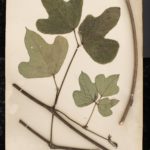
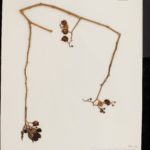
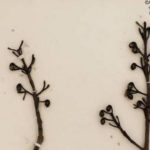
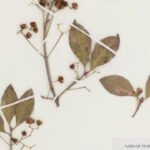
The Botany collection is home to a large herbarium of over 550,000 dried, pressed, and mounted plant specimens. While today the museum preserves samples on loose herbarium sheets, the samples here are book bound herbaria, which were once popular to store and display delicate botanical specimens. Individual loose herbarium sheets became common practice in the 1700s, but book bound herbaria remained popular especially among private collectors and amateur naturalists.

36
Bound Herbarium #27

37
Bound Herbarium #26
Wildflowers from Palestine

38
Bound Herbarium #10
Specimens from Labrador, Canada from the collection of Jacob Wolle, grandfather of William Holland (Museum Director, 1901-1922)

Invertebrate Zoology

The museum’s largest collection belongs to Invertebrate Zoology, comprised mostly of insects. The specimens here show the diversity of the collection and the variety of ways they can be preserved and stored for future study. Which, given their size and physical characteristics, can vary greatly.  

39
Assorted arthropods preserved in ethanol vials

40
Vinegaroon or whip scorpion preserved in ethanol

41
Traub flea collection, slide-mounted

42
Bark beetles stored in gel-caps

43
Photographs of Lymantriinae lepidoptera specimens
Stored in church donation envelopes

73
Papered lepidoptera specimens
Temporary storage in cigar box

74
Papered lepidoptera specimens
Contemporary, long-term storage

Birds

The Birds collection cares for over 200,000 specimens and encompasses numerous preparation types, each serving a distinct purpose! The specimens you see here illustrate the variety of ways we preserve specimens. All but one (the egg clutch) is from the same species, the Collared Aracari (Pteroglossus torquatus). 

44
Chestnut-eared Aracari egg clutch
Pteroglossus castanotis
CM E2184

45
Collared Aracari fluid preserved
Pteroglossus torquatus
CM A4433

46
Collared Aracari study skin
Pteroglossus torquatus
CM P132634

47
Collared Aracari skeleton (same individual as wing)
Pteroglossus torquatus
CM S6587

48
Collared Aracari wing (same individual as skeleton)
Pteroglossus torquatus
CM S6587

49
Collared Aracari taxidermy mount
Pteroglossus torquatus
CM P131467

Mollusks

The mollusk collection at the museum represents both modern and ancient species. This selection of specimens shows a small sample of the diversity of mollusks, especially the variety of sizes, shapes, and colors.

50
Muricanthus radix
CM 174196

51
Xenophora sp.
Uncatalogued

52
Polymita picta
CM 155810
CM 141340
CM 141355

53
Xenophora pallidula
CM 118801

54
Haliotis fulgens
CM 62.7310

55
Spondylus sinensis
CM 75604

56
Conus geographus
CM 104392

57
Conus marmoreus
CM 62.1203

58
Mimachlamys sanguinea
CM 125126

Minerals and Earth Science 

The specimens displayed here from the Minerals and Earth Sciences collection are toxic, radioactive, or have even fallen from space! They each require special care when being handled or stored for the safety of the staff and objects.  

59
Refined liquid Mercury and lumps of amalgam
CM 303

60
Minium (a lead oxide)
Cantabria, Spain
CM 3072

Native Lead
Värmland, Sweden
CM 304.1

61
Cinnabar (a mercury sulfide)
Napa County, California
CM 758

62
Pennsylvania stony meteorite Bradford Woods
Found in Allegheny County in 1886
CM 31082

63
Tyuyamunite (a calcium, uranium, vanadate)
Grants, New Mexico
TC t1

64
Riebeckite variety crocidolite
South Africa
CM 6377

Chrysotile variety asbestos
Quebec, Canada
CM 9504

65
Native Arsenic
Saxony, Germany
CM 115

Amphibians and Reptiles

The amphibians and reptiles on display here are venomous, poisonous, or otherwise potentially dangerous. Whether an organism is venomous or poisonous depends on how the toxins are delivered.

66
Alligator snapping turtle
Macrochelys
CM 95359

67
Tiger keelback snake
Rhabdophis tigrinus
CM 34953

68
Gaboon viper
Bitis gabonica
CM 43817

69
Dyeing poison dart frog
Dendrobates tinctorius
CM T&E 80396

70
Mexican beaded lizard
Heloderma horridum
CM 112344

71
Gila monster
Heloderma suspectum
CM 142372

72
Bruno’s casque-headed frog
Aparasphenodon brunoi
CM 46008
Filed Under: Uncategorized

November 5, 2025 by

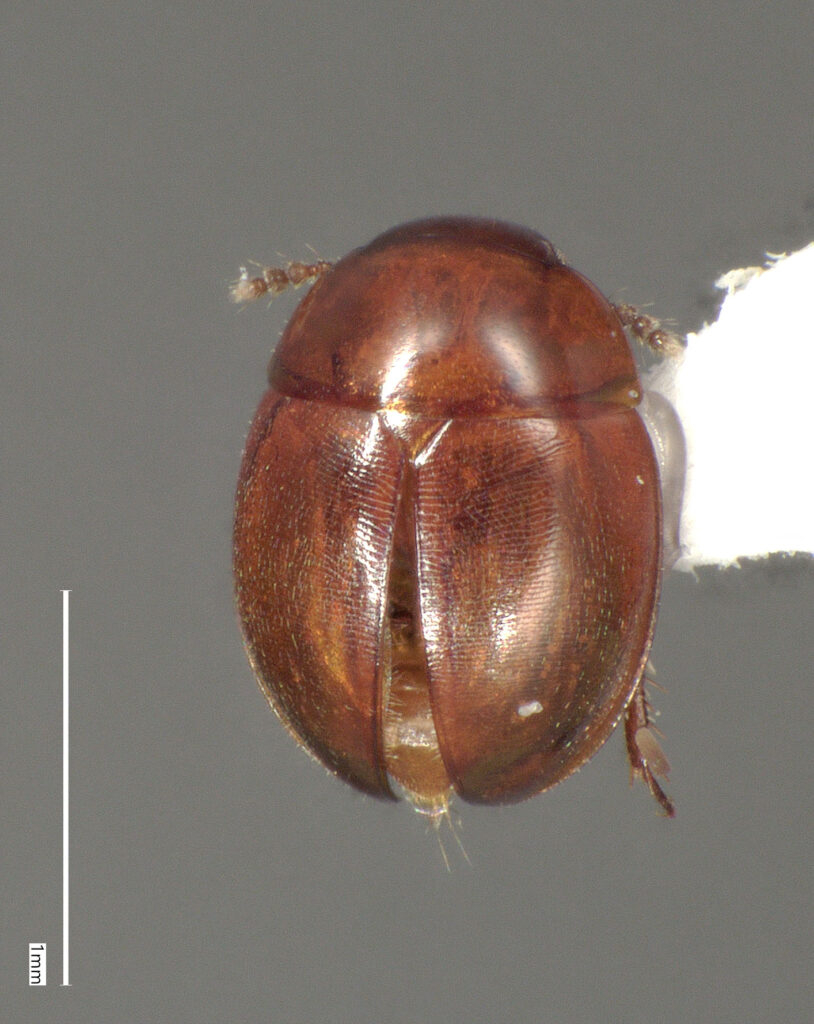
Colenis impunctate
Round fungus beetle
Acrotrichis sp.
Featherwinged beetle

https://carnegiemnh.org/explore/stories-we-keep-beetles/

Filed Under: Uncategorized

October 13, 2025 by

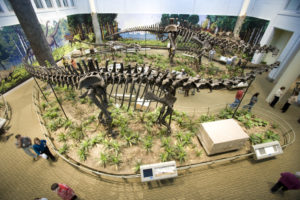
Daniel G. And Carole L. Kamin Hall of Dinosaurs

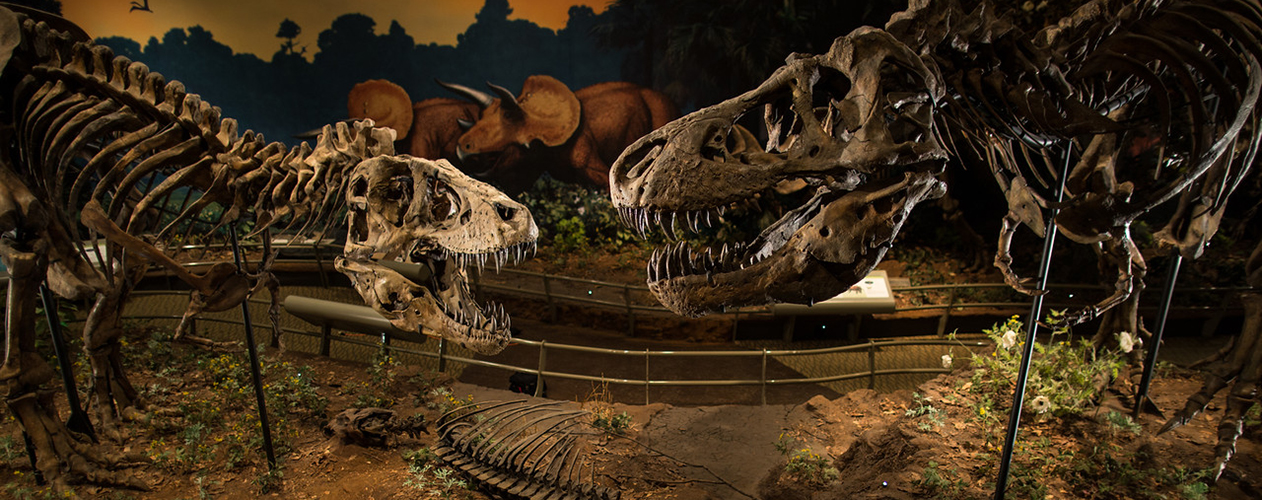
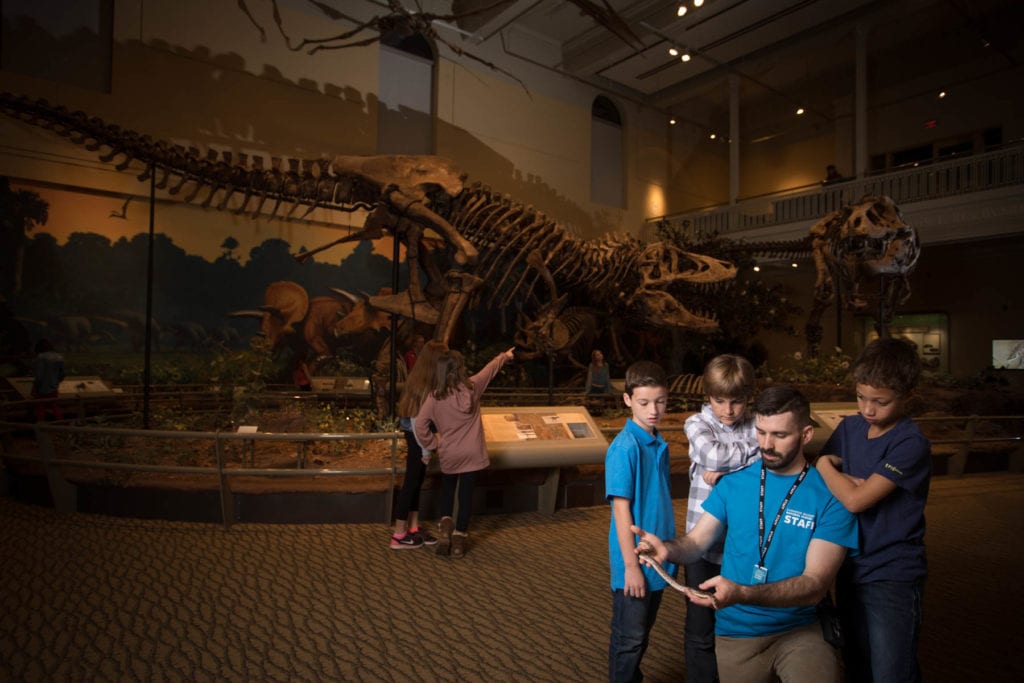
Plan an expedition to the Kamin Hall of Dinosaurs—Carnegie Museum of Natural History’s core exhibition featuring real dinosaur fossils.

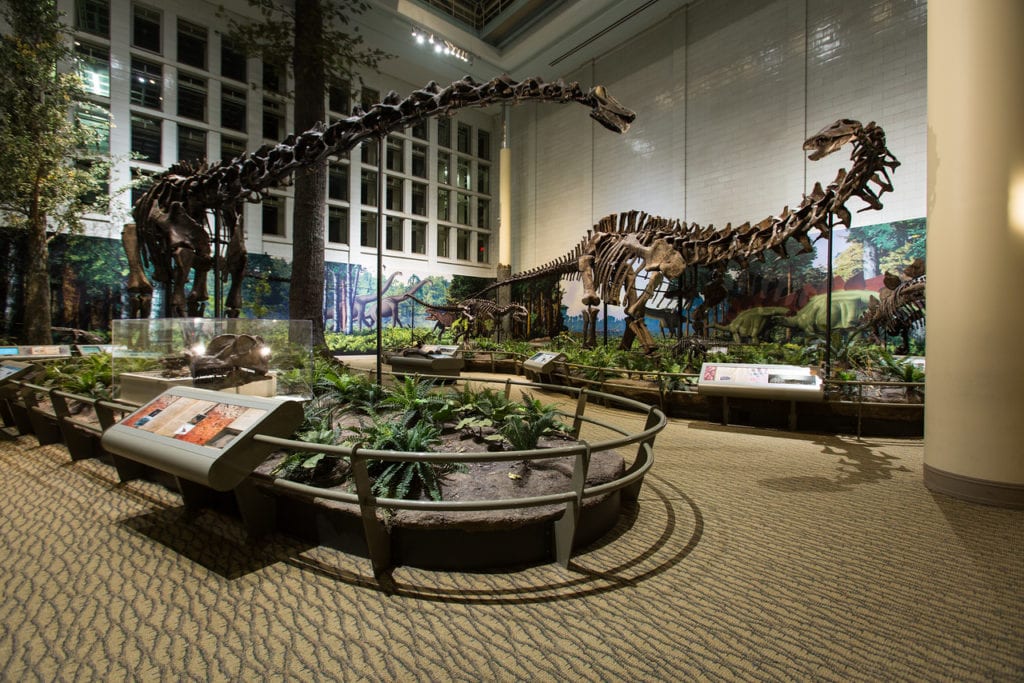
This exhibition is home to dozens of original fossils from throughout the Mesozoic Era displayed in scientifically accurate reconstructions of their ancient habitats.

Are the Dinosaur Fossils on Display Real?

About 75% of the more than 230 objects on display are original fossils from one of the finest paleontological collections in the world, and most of the exhibition’s dinosaur skeletons are real, not replicas. Several of these skeletons—including those of the iconic dinosaurs Apatosaurus louisae, Diplodocus carnegii, and Tyrannosaurus rex—are holotypes, the original specimens upon which their respective species are based.

In the many decades since the discovery of Diplodocus, scientific interpretations of dinosaurs and their lifestyles have changed dramatically. This exhibition uses up-to-date paleontological evidence—much of which has been provided by the museum’s own scientists—to accurately reconstruct the appearance and behavior of these colossal creatures.

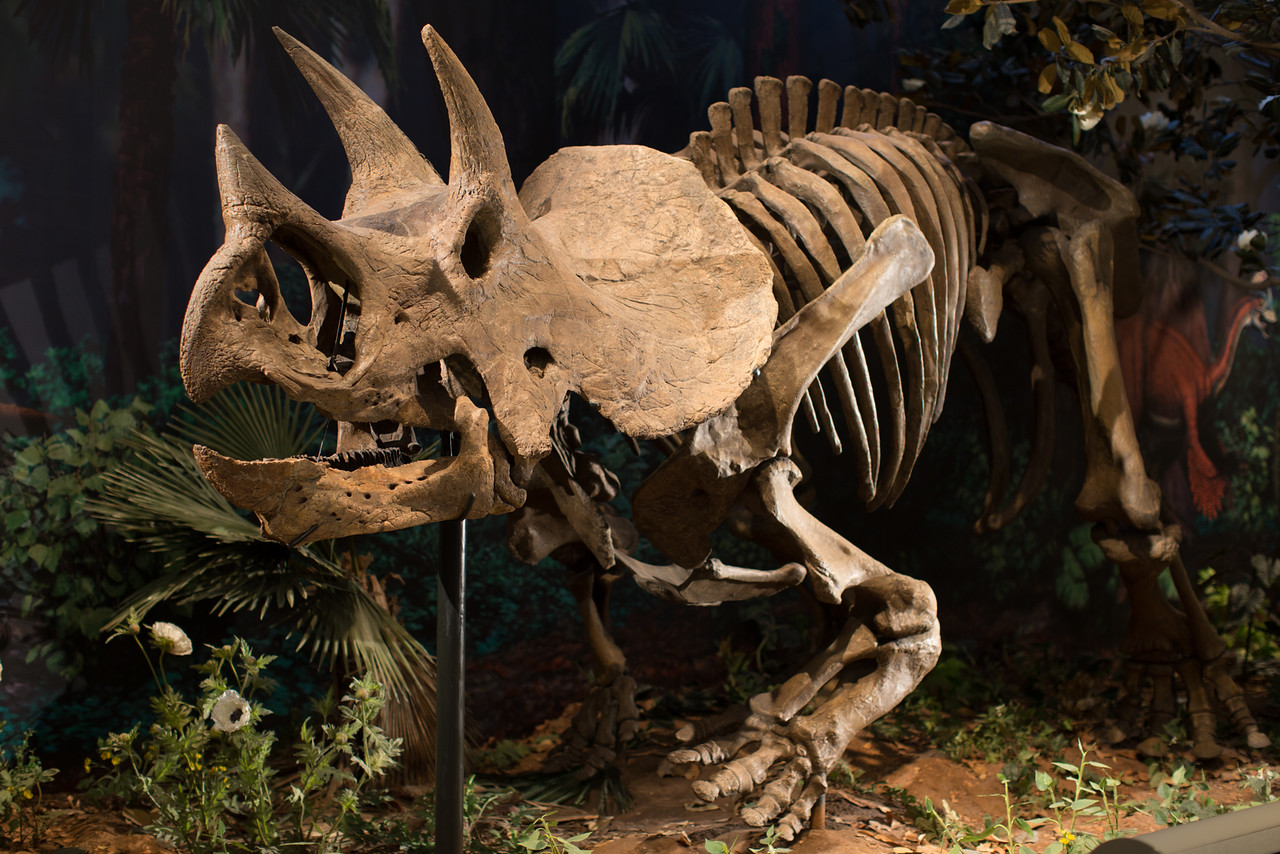
For instance, we now know that Apatosaurus and Diplodocus (two famous long-necked dinosaurs) did not spend their lives wallowing in swamps and that predatory dinosaurs such as T. rex walked with their tails held off the ground and their backs horizontal. The three-horned Triceratops may have used its famous headgear more for display than for fighting, whereas some theropod dinosaurs (such as Anzu wyliei, the notorious “Chicken from Hell”) would have closely resembled their modern descendants—modern birds.

Dinosaur Exhibition Layout

Many museum exhibitions group extinct species according to geologic time, but this exhibition takes this concept several steps further. In this exhibition, dinosaurs and other Mesozoic animals are shown in extraordinarily detailed reconstructions of their respective environments. Like the dinosaurs themselves, the habitats in this exhibition are firmly grounded in scientific evidence.

A panicked Apatosaurus smashes a small tree known from fossils found in the same Jurassic-aged rocks. A sculpted trackway of a hungry T. rex is based directly on the only known footprint of this terrifying meat-eater. The cat-sized Cretaceous mammal Didelphodon angrily confronts a much larger Triceratops. In short, in our museum’s exhibition, when dinosaur species are exhibited together, they actually lived together—their fossils are found in the same rock formations, and in many cases, the same quarries.

  • First Floor
triceratops
Visitors in Dinosaurs in their Time
herbivores in Dinosaurs in their Time

Meet our Vertebrate Paleontologists

Lamanna, Matt

Matt Lamanna, Ph.D.

Mary R Dawson Associate Curator

Learn More

sarah davis

Sarah Davis, Ph.D.

Collection Manager

Learn More

Meet the rest of the Fossil Vertebrate (Vertebrate Paleontology) Section

  • Stepping Back in Time

    Stepping Back in Time

    by Suzanne Nuss I grew up in the silent Canadian Arctic, so sounds switch me to alertness. Once alert, I pause to …
  • Jurassic Days: Icarosaurus

    Jurassic Days: Icarosaurus

    by Zach Lyons-Weiler Both visitors and staff love Carnegie Museum of Natural History’s Dinosaurs in Their Time exhibition for many reasons. For …
  • What Did Dinosaurs Sound Like?

    What Did Dinosaurs Sound Like?

    A Brief Foray into Paleoacoustics in Science and Film by Niko Borish and Caroline Lee Did Dinosaurs Roar? When you think about …
  • MESOZOIC MONTHLY: Volaticotherium

    MESOZOIC MONTHLY: Volaticotherium

    by Lindsay Kastroll Once again, spring has sprung. Prepare to see the gorgeous forests of Pennsylvania launch back into action. I, for …

Filed Under: Uncategorized Tagged With: dinos, dinosaurs, dinosaurs in their time

August 25, 2025 by

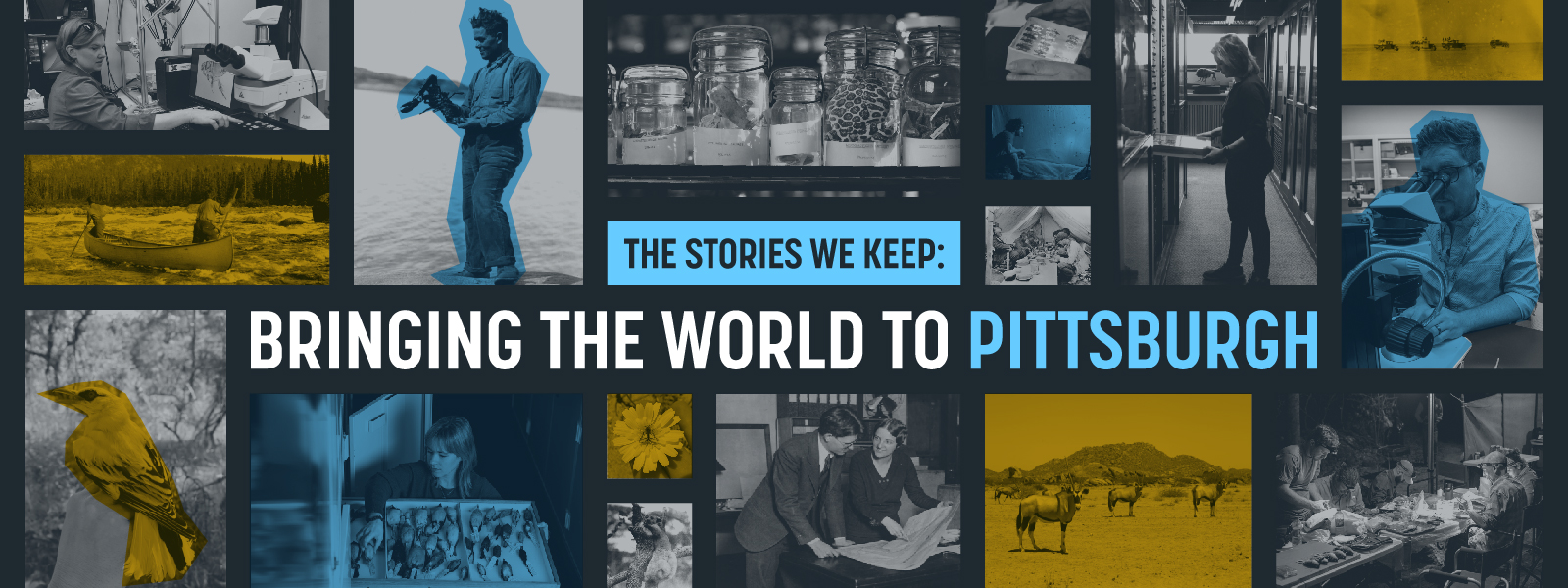
The Stories We Keep: Bringing the World to Pittsburgh

The Stories We Keep: Bringing the World to Pittsburgh banner

Open through January 11, 2027 | R.P. Simmons Family Gallery

When Andrew Carnegie founded the museum more than 125 years ago, he sought to “bring the world to Pittsburgh,” and today, the museum cares for over 22 million objects and specimens from around the world. But why do natural history museums collect objects and specimens? How do they care for them? What is their purpose? The Stories We Keep: Bringing the World to Pittsburgh explores these big questions about natural history museums through five distinct stories featuring the vast Carnegie Museum of Natural History collection. 

Through hands-on games and activities, expansive collection displays, and digital experiences, The Stories We Keep: Bringing the World to Pittsburgh invites you to consider what it means to collect and why natural history museum collections matter. In this exhibition, you will:

• Discover stories from past and present scientific expeditions to Angola.

• Encounter the Baron Ernest de Bayet collection of invertebrate fossils, one of the museum’s earliest and largest acquisitions.

• Create your own collection drawer, play an insect guessing game, and browse archival photos.

• Uncover 1898-1922 museum director William J. Holland’s role in shaping the museum into a world-class institution. 

• Get to know the scientists who collect, care for, and study the 13 million specimens in the Invertebrate Zoology collection, and why each bug in the collection is a data point that helps us understand our world.

• Learn about Indigenous guides like Paul Commanda (Nbisiing) and George Carey (Omuskego) who led museum expeditions across northern Ontario, Quebec, and Labrador.*

• Watch conservation and collections staff care for collections in the Visible Lab.

• Listen to clips from season two of the museum’s We Are Nature podcast and see objects and specimens featured in the episodes.

Plan Your Visit

We Are Nature

Dive deeper into the museum’s impressive collection on season two of the We Are Nature podcast, a companion to The Stories We Keep: Bringing the World to Pittsburgh. While the first season centered on collective climate action, the second season features items from the museum’s collections as windows into the science of the Anthropocene, as discussed by curators, collection managers, and community members. Listen to the podcast here.


Science Stories

Take a deeper look at the museum collections in the words of the experts who care for and study them.

shelves of specimens preserved in glass jars
Natural History Collection Managers: The Stewards of Time Travel 
Staff Favorites: Dolls in the Museum’s Care
a person posing for the camera holding a gecko
From Collections User To Collections Manager
signature on paper
Meet the Mysterious Mr. Ernest Bayet
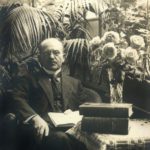
Black and white photo of a man in a suit holding a book. He is surrounded by books and plants.
Bayet and Krantz: 16 Words (Part 1)
mortality layer rock specimen
Hunting For Fossil Frogs In Wyoming
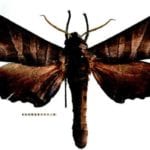
specimen of Marumba verdeciae
Natural History Discoveries
How to Prepare Insect Specimens

The Stories We Keep: Bringing the World to Pittsburgh is the second installment of The Stories We Keep exhibition series, following The Stories We Keep: Conserving Objects from Ancient Egypt, which went on view in 2024. 


* All content in this section of The Stories We Keep: Bringing the World to Pittsburgh was created in collaboration with North Bay Museum. Original content for the exhibition OUR GUIDES WERE REALLY GOING PLACES NISHNAABEG E-PAAMWINGEWAAD WAASA ZHAAWAG was curated and generously shared by Joan McLeod Shabogesic, Naomi Hehn, and Kirsten Greer. All of this content was edited, with permission, from the GUIDES exhibition or created in partnership with the Nipissing First Nation, Dokis First Nation, Nipissing University, and the North Bay Museum. 

Filed Under: Exhibitions, Featured Exhibitions

February 4, 2025 by

Uprooted: Plants Out of Place

Now Open | Hall of Botany and Third Floor Overlook

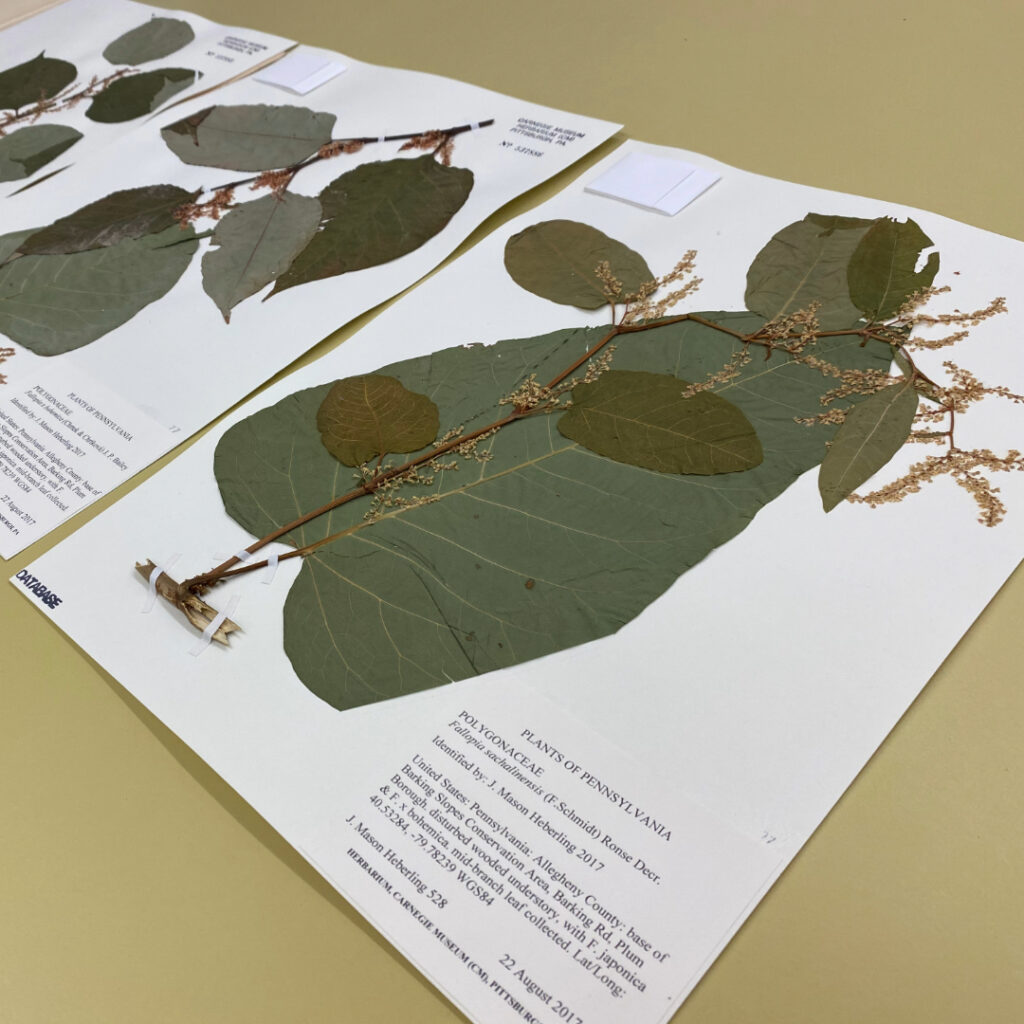
Even in urban environments, we see and rely on plants daily. Many of these plants are native to where we live, but many are introduced from other parts of the world. In the groundbreaking exhibition Uprooted: Plants Out of Place, visitors explore more than 4,800 square feet of Carnegie Museum of Natural History to learn how plants ride along as passengers, not drivers, from one region to another, and the consequences when an introduced plant becomes a harmful invasive species in its new environment. Uprooted showcases the museum’s historic herbarium collection, home to the largest collection of Western Pennsylvanian plants in the world, providing a magnified view of the interactions invasive plants have with their neighboring plant and animal communities, as well as of the environmental problems they present. The exhibition also shares stories of holistic invasive species management from community organizations around Pittsburgh.

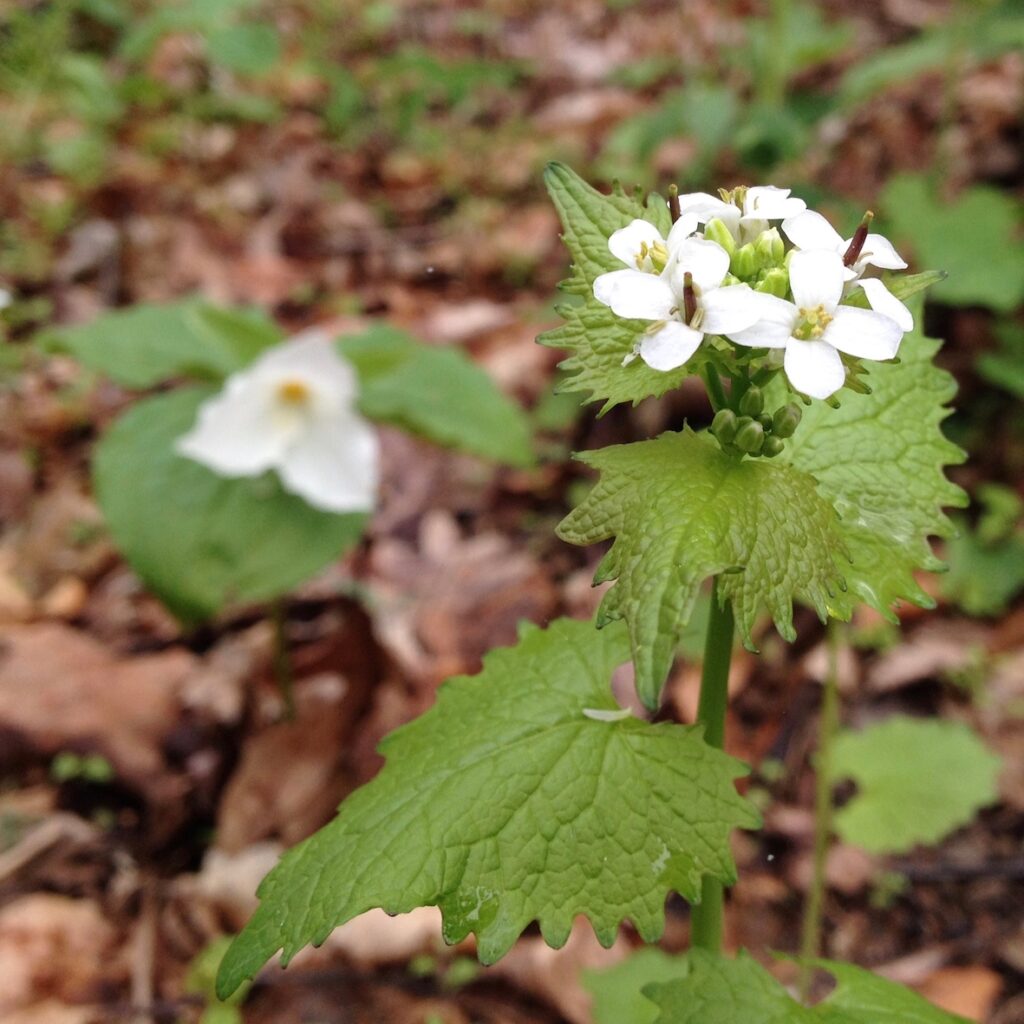
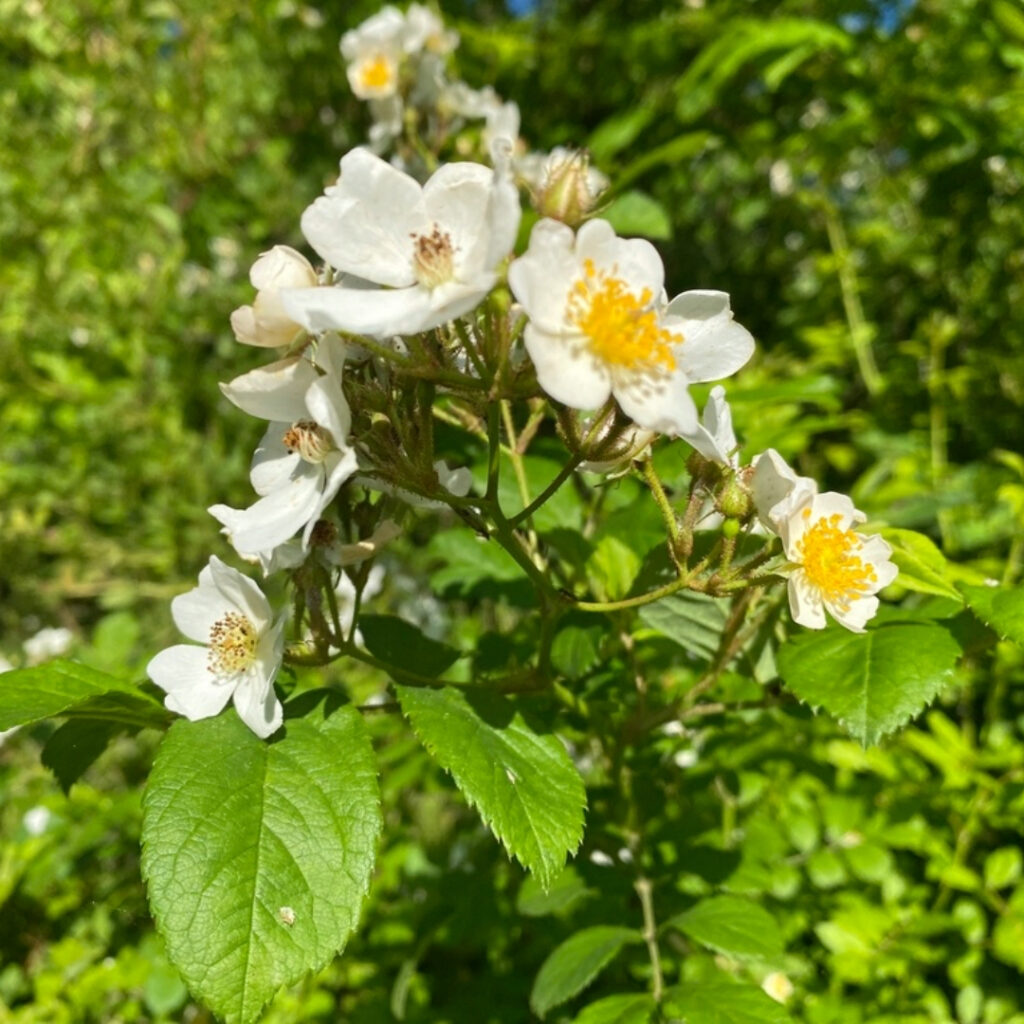
In the Hall of Botany, visitors discover the stories of invasive plant species including stiltgrass, garlic mustard, and multiflora rose, and how scientists track them. This exhibition showcases dioramas on permanent display through a new lens. What’s more, the exhibition offers a rare look at specimens from the historic Carnegie Museum of Natural History Herbarium, as well as plant illustrations from community partner Hunt Institute for Botanical Documentation. A plant smell station and touchable plant models engage the senses to enrich the overall visitor experience.

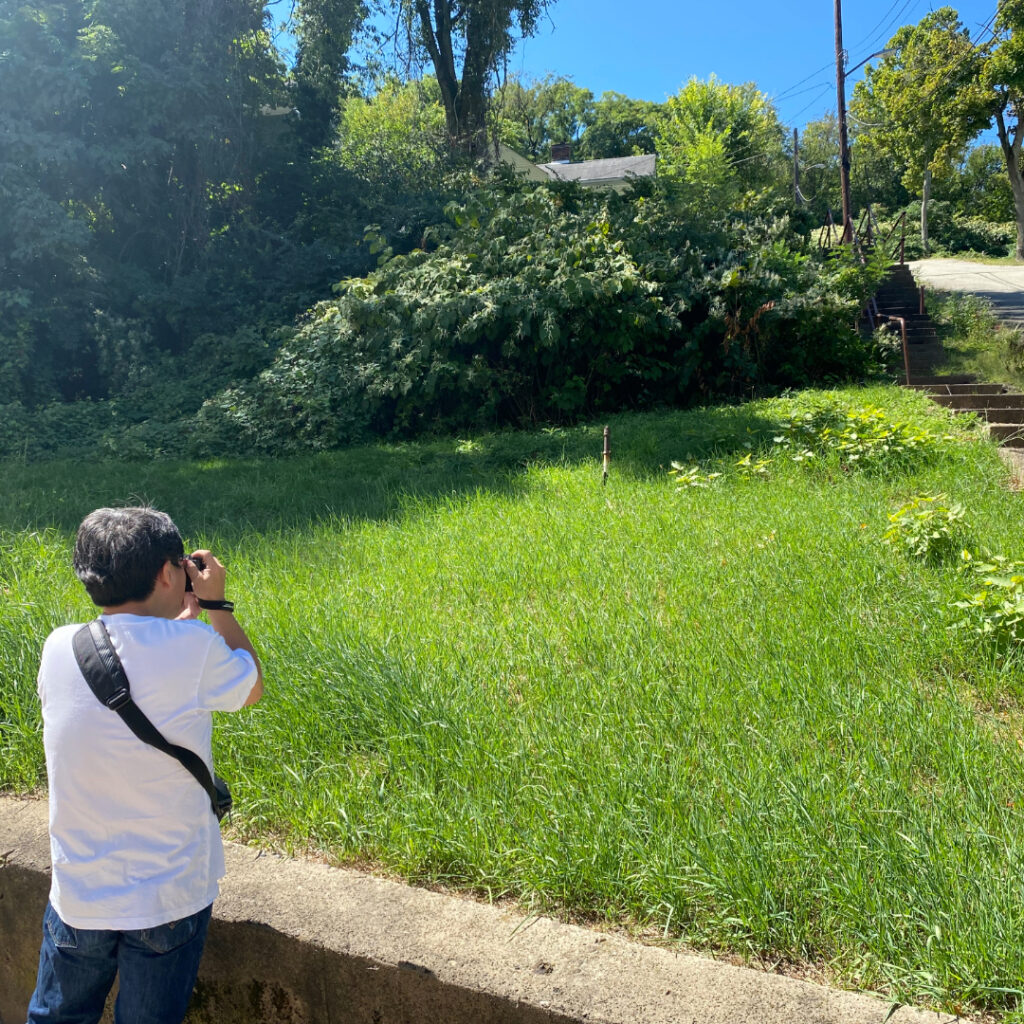
On the Third Floor Overlook, photos of itadori (knotweed) by celebrated Japanese photographer Koichi Watanabe, commissioned specifically for Uprooted, draw visitors in to learn more about the critical issue of land stewardship and how human actions impact plants in our ecosystems. In this striking space, visitors learn about native plants that support diverse habitats and careful language use on the subject of native and non-native plants.


Stories and Resources

Before or after your visit to the museum, dive into introduced species Science Stories written by museum researchers and educators.

museum label with grains of rice representing stilt grass seeds
Uprooted: Inside the Museum’s New Exhibition on Invasive Plants
garlic mustard
City Nature Challenge: Noticing Invasive Plants 
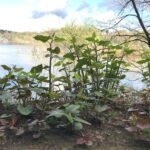
Japanese knotweed on a riverbank
What’s in a Name? Japanese Knotweed or Itadori
The Vine That Ate Pittsburgh? Not yet.
bittersweet specimen on herbarium sheet
Collected on this Day in 1951: Bittersweet
Collected on this Day in 1930: Native…or Not?
pressed plant
From cultivation to invasion: a common route
taxidermied plants
Collected on this Day in 2012: Wintercreeper

two people outdoors looking at plants
Museum researchers studying the effects of invasive species.
Garlic mustard, introduced as a kitchen herb.
multiflora rose
Multiflora rose, intentionally planted and now common in forests.
knotweed specimens
Herbarium specimens track centuries of environmental change.
Koichi Watanabe photographing itadori (knotweed).

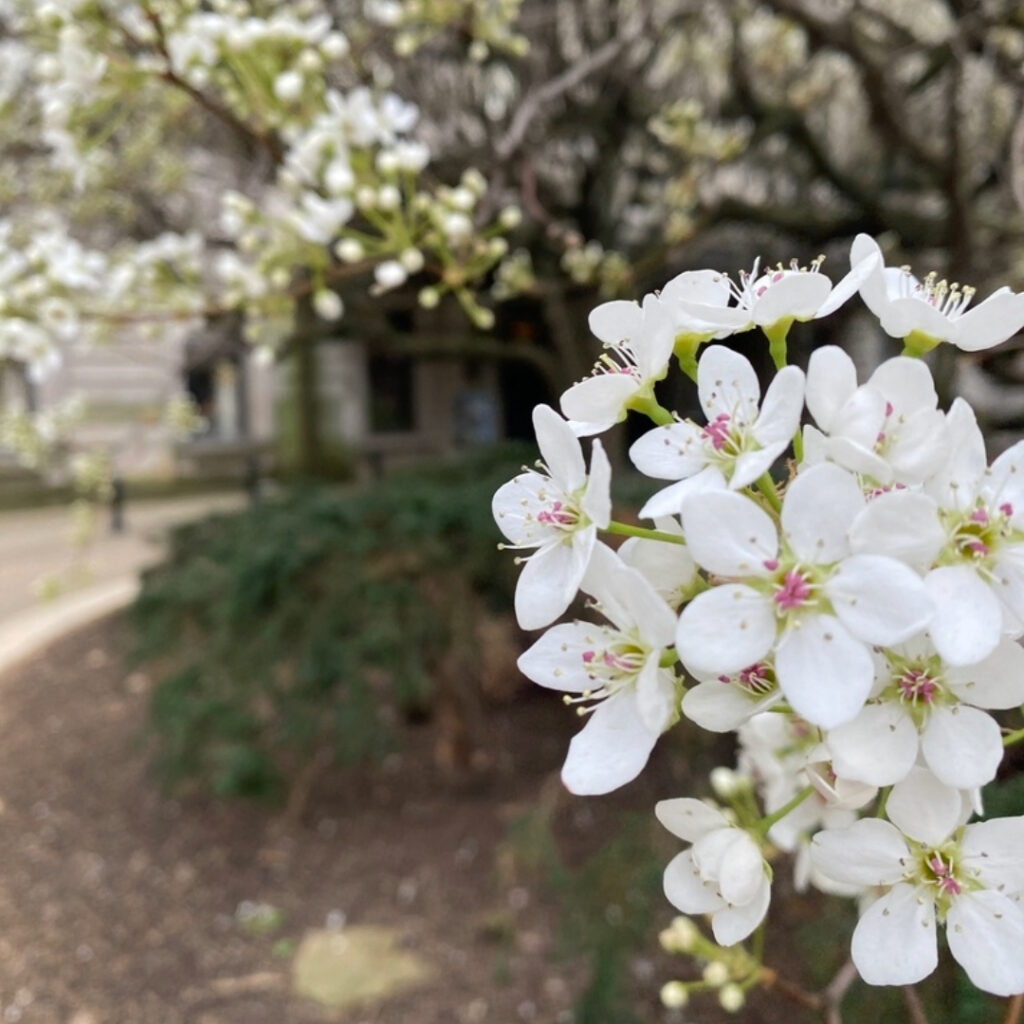
Callery pear, a common ornamental illegal to sell in Pennsylvania.

*Thank you to our community partners!*

Allegheny GoatScape
Dr. Craig Barrett, West Virginia University
Dr. Jocelyn E. Behm, Temple University
Dr. Rachel Reeb
Dr. Raja Adal, University of Pittsburgh
Erin Mallea
Garfield Community Farm
Hunt Institute for Botanical Documentation
Koichi Watanabe
Lauren Kosslow, West Virginia University
Meining Wang
Peyton Phillips, Temple University
Pittsburgh Parks Conservancy
Sean Stewart and the Lab at Silver Eye 

This work was made possible through support from the Richard King Mellon Foundation.

Filed Under: Exhibitions, Featured Exhibitions

October 31, 2024 by

About

Filed Under: Uncategorized

  • Page 1
  • Page 2
  • Page 3
  • Interim pages omitted …
  • Page 13
  • Go to Next Page »

sidebar

About

  • Mission & Commitments
  • Directors Team
  • Museum History

Get Involved

  • Volunteer
  • Membership
  • Carnegie Discoverers
  • Donate
  • Employment
  • Events

Bring a Group

  • Groups of 10 or More
  • Birthday Parties at the Museum
  • Field Trips

Powdermill

  • Powdermill Nature Reserve
  • Powdermill Field Trips
  • Powdermill Staff
  • Research at Powdermill

More Information

  • Image Permission Requests
  • Science Stories
  • Accessibility
  • Shopping Cart
  • Contact
  • Visitor Policies
One of the Four Carnegie Museums | © Carnegie Institute | Privacy Policy | Terms of Use | Accessibility
Rad works here logo