• Skip to primary navigation
  • Skip to main content
  • Skip to primary sidebar

Carnegie Museum of Natural History

One of the Four Carnegie Museums of Pittsburgh

  • Visit
    • Buy Tickets
    • Visitor Information
    • Exhibitions
    • Events
    • Dining at the Museum
    • Celebrate at the Museum
    • Powdermill Nature Reserve
    • Event Venue Rental
    • Gift Cards
  • Learn
    • Field Trips
    • Educator Information
    • Programs at the Museum
    • Bring the Museum to You
    • Guided Programs FAQ
    • Programs Online
    • Climate and Rural Systems Partnership
  • Research
    • Scientific Sections
    • Science Stories
    • Science Videos
    • Senior Science & Research Staff
    • Museum Library
    • Science Seminars
    • Scientific Publications
    • Specimen and Artifact Identification
  • About
    • Mission & Commitments
    • Directors Team
    • Museum History
  • Tickets
  • Give
  • Shop

Kathleen

June 19, 2020 by Kathleen

Stuffed Animal Safari: Giraffe

Can you answer these giraffe questions?

Grab your best stuffed animal friend and a notebook to use for this week’s activities–your safari field journal–and let’s get started! If you need help answering some questions, an adult can help you look for answers online.

  1. Where do giraffes mainly live?
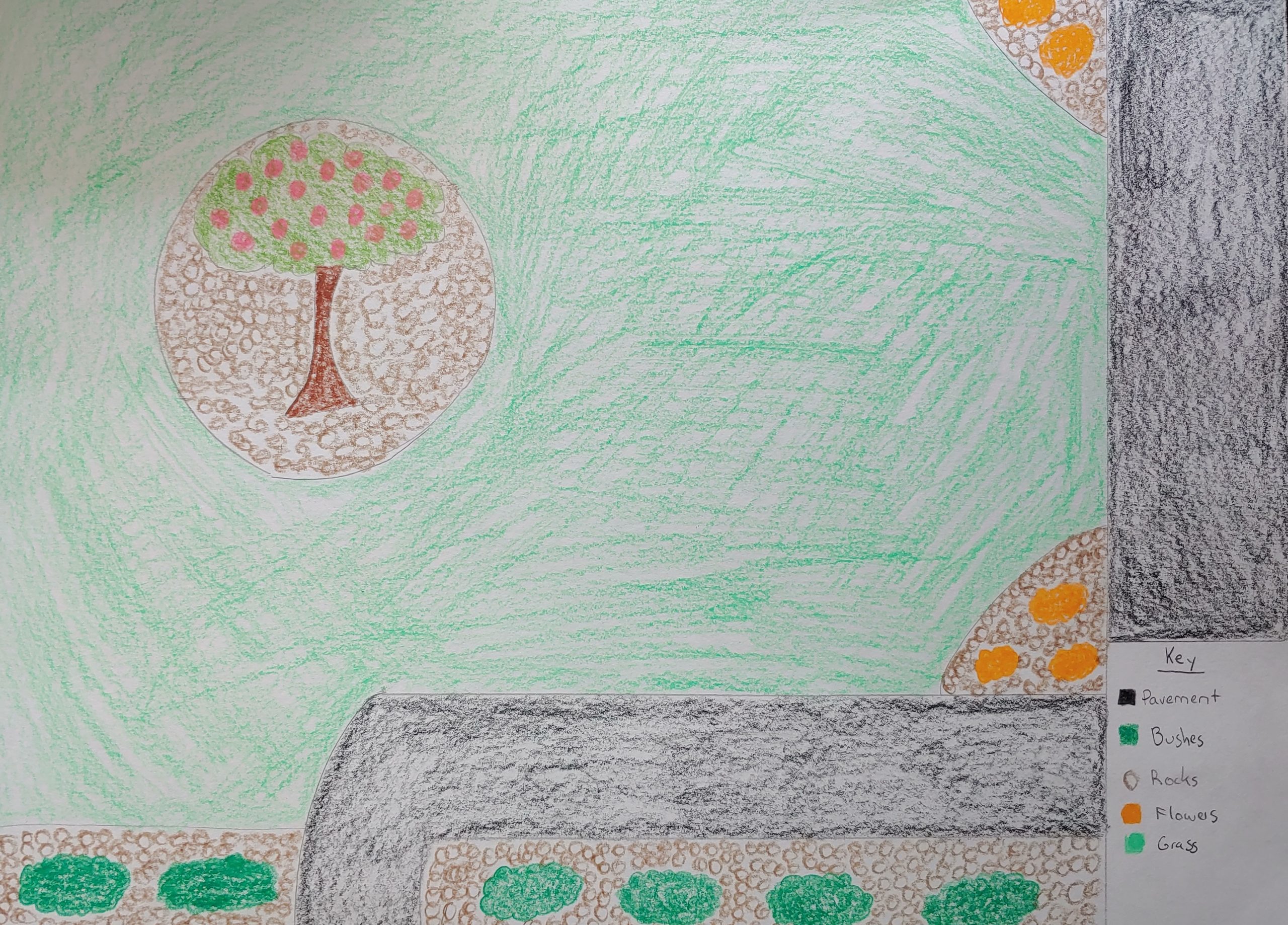
  2. What does this habitat look like? Draw it in your safari field journal!
  3. Could your stuffed animal friend live in this kind of habitat? Why or why not?
  4. What is one special adaptation giraffes have to help them survive in their habitat?
  5. What do giraffes eat? Are they carnivores, herbivores, or omnivores?
  6. Are giraffes endangered, vulnerable, or something else? What does this mean for future populations?

Learn More About Giraffes, Including Giraffes in the Museum Collection!

As the tallest terrestrial animal on Earth, giraffes (Giraffa) can get to fruits and leaves that other animals can’t reach.  But giraffes’ long limbs aren’t their only extraordinary features!

Giraffes are at home in the forests and savannahs of Africa.  These habitats are also where giraffes can find plenty of food high up in trees.  While tree leaves are the main part of their diet, they might also eat fruit, grass, and smaller shrubs.  Between 14 to 20 feet tall, adult giraffes can eat up to 75 pounds of leaves a day!  In order to easily pull all of those leaves out of trees, giraffes have an 18-inch-long purple tongue covered in thick hairs to protect against thorny twigs.

Baby giraffes start their life at six feet tall—which is as tall as an adult giraffe’s neck.  Within hours, the newborn giraffe can almost keep up with a running herd at 35 miles per hour.  Giraffes need to run fast from predators like lions and hyenas, but they can also defend themselves with a deadly kick powered by their long legs.

Not all giraffes are the same; there are at least eight different types or subspecies of giraffe found in Africa.  The pattern of blocky spots is one way to tell them apart—some giraffes’ spots have jagged edges and others are light or dark in color.

There are two different giraffes on display at the museum.  In the water hole exhibit is a Reticulated giraffe with large blocky spots that almost touch.  The other giraffe on display is a Masai giraffe with jagged spots. The Masai giraffe was collected by Pittsburgh-born Childs Frick on an expedition to Africa in 1912.  The completed giraffe display was the first of its kind in North America.

Giraffe taxidermy being constructed in early 1900s
Masai giraffe from Child’s Frick expedition being constructed as a taxidermy display for the museum.

Giraffes are listed as “Vulnerable” for conservation concerns and some types of giraffe are endangered.  This means that giraffes face serious risks in their native habitat and the number of wild giraffes is decreasing.  Major threats to giraffes include agricultural competition and illegal hunting.  Farmers and ranchers often exclude wild animals like giraffes from their land in order to prevent damage to crops or livestock.  Poaching, or illegal hunting, also directly impacts giraffe populations and can harm conservation efforts. The Giraffe Conservation Foundation is a great resource to learn more about and help wild giraffe populations!


Filed Under: Blog Tagged With: Stuffed Animal Safari, Super Science Days

June 18, 2020 by Kathleen

Sensory Bin Idea – Safari Bin

We have a great sensory bin idea for you–create a Safari themed Sensory Bin with materials you have at home!

What is a Sensory Bin?

Sensory bins are great tools for younger children or children who might have sensory processing disorders to experience some relaxed sensory learning activities. For example, a sensory bin might include textures that encourage fun or textures that you might want your child to get used to (like sand perhaps) as well as goaled learning activities, like foam letters or numbers. In this activity, we suggest including toy animals to learn more.

Make a Sensory Bin that resembles the Sahara and fill it with any desert-like materials that may stimulate the senses. This craft lists material examples but you can design a sensory bin to be themed around anything!

Materials Recommended

  • 1 small/medium-sized bin
  • Tongs or measuring cups
  • Rice (different colors/varieties)
  • Small Pebbles/Rocks
  • Fake plants or flowers
  • Any sort of pasta (penne, rigatoni, and elbow work great!)
  • Green or brown play-doh
  • Stuffed animals or small animal toys to recreate your own animal safari
  • A few drops of essential oil that you find pleasant
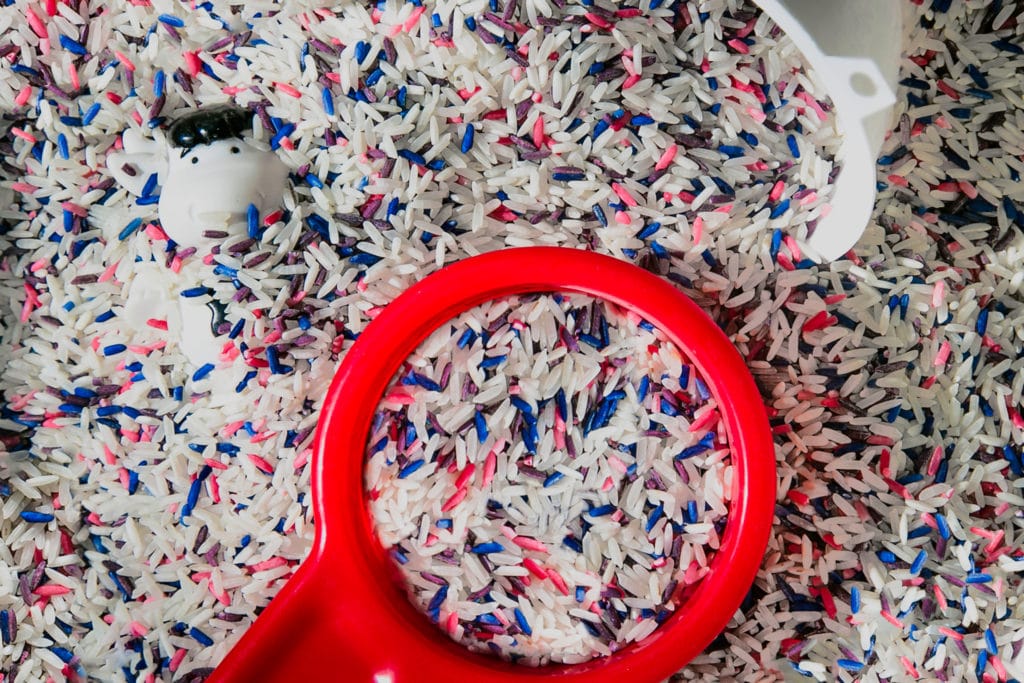
sensory bin

Directions

  1. Find a medium size bin that can be you can fill with your materials
  2. Fill it with your base, which could be pasta or rice.
  3. Fill with any materials listed above, whatever you think your child would get most excited over! 
  4. Once your bin is filled, use the tongs and measuring cups to help them pick our specific materials like the rocks or pieces of pasta! Pretend you are on a safari and learn about your animals. Get Creative and have fun! 

We’ll be working on more sensory friendly content as soon as we can, find it on our Sensory Friendly Saturdays Page.

Sensory Friendly Saturday

For more activities to complete with your household, check our our Super Science Saturday Page.
Super Science Saturday

Filed Under: Blog Tagged With: activities, Stuffed Animal Safari

June 18, 2020 by Kathleen

Stuffed Animal Safari: Walrus

Can you answer these walrus questions?

Grab your best stuffed animal friend and a notebook to use for this week’s activities–your safari field journal–and let’s get started! If you need help answering some questions, an adult can help you look for answers online.

  1. Where do walruses mainly live?
  2. What does this habitat look like? Draw it in your safari field journal!
  3. Could your stuffed animal friend live in this kind of habitat? Why or why not?
  4. What is one special adaptation walruses have to help them survive in their habitat?
  5. What do walruses eat? Are they carnivores, herbivores, or omnivores?
  6. Are walruses endangered, vulnerable, or something else? What does this mean for future populations?

The Atlantic Walrus (Odobenus rosmarus) is an easily recognizable Arctic mammal due to their large ivory tusks. Both male and female walruses have tusks and use them to make and maintain ice holes and pull themselves out of the water. This is how the walrus gets its scientific name—odobenus literally means “tooth walk.” Male walruses will also use their tusks to fight.

Walruses search for food in the shallow waters along coastlines and prefer to eat bivalve mollusks (like clams), but are opportunistic feeders. This means walruses will eat whatever types of aquatic animals are available including crustaceans (like crabs), sea worms, and fish. Their special whiskers, called vibrissae, are blood-and- nerve fed, which make them more sensitive than the whiskers we see on cats, dogs, or rodents. Those sensitive vibrissae help them feel small animals on the sea floor when they are foraging.

Walruses are well-suited for their chilly habitat. A layer of blubber, or fat, keeps them warm, even when swimming in freezing water. That layer of blubber can be almost 4 inches thick! Their blood vessels near the skin also constrict, or become smaller, when they swim in cold water, which helps keep more warmth on the inside of their body. When on land, walruses like to cuddle together to stay warm, and this is why they are known for being friendly and agreeable, at least with other walruses.

The Atlantic walrus is considered “vulnerable” or “near threatened” which means that this species is not endangered, but the numbers of wild walruses are decreasing and they may become endangered if that continues. Threats to wild populations include habitat loss and noise disturbance from ships and airplanes—walruses get startled easily and can stampede if a loud noise disturbs them.


Filed Under: Blog Tagged With: Stuffed Animal Safari, Super Science Days

June 17, 2020 by Kathleen

Stuffed Animal Safari: Scat Song Sing-a-Long

The scat song is from Brandon Lyle, a museum educator at Carnegie Museum of Natural History. For more educational songs by Brandon, visit his youtube.

Filed Under: Visitor Info Tagged With: Stuffed Animal Safari

June 17, 2020 by Kathleen

Stuffed Animal Safari: Jaguar

Can you answer these jaguar questions?

Grab your best stuffed animal friend and a notebook to use for this week’s activities–your safari field journal–and let’s get started! If you need help answering some questions, an adult can help you look for answers online.

  1. Where do jaguars mainly live?
  2. What does this habitat look like? Draw it in your safari field journal!
  3. Could your stuffed animal friend live in this kind of habitat? Why or why not?
  4. What is one special adaptation jaguars have to help them survive in their habitat?
  5. What do jaguars eat? Are they carnivores, herbivores, or omnivores?
  6. Are jaguars endangered, vulnerable, or something else? What does this mean for future populations?

It’s a lion…it’s a leopard…it’s a jaguar, or Panthera onca! Jaguars are the largest cats native to the Americas and although they’re related to lions, tigers, and leopards, they don’t live anywhere near these big cats. Their range extends from Mexico through Central and South America, including much of the rainforests known as Amazonian Brazil. Historically, jaguars once lived in the southern United States, but due to habitat loss and overhunting, only a few individual jaguars are still occasionally seen in states like Arizona, Texas, and New Mexico.

The majority of a jaguar’s habitat includes dense, forested areas with high humidity and frequent rainfall. Jaguars are known as apex predators, meaning they are highest on the food chain and aren’t hunted by other animals. Because of this, scientists often call them a keystone species; because they are opportunistic hunters and prey on a variety of animals, jaguars unintentionally help keep the forests they live in from becoming overpopulated and destroyed by one specific species of animal.

Jaguars are obligate carnivores—they eat meat and only meat. While they prefer larger prey like capybaras and giant anteaters, they will hunt smaller prey if desperate for food or if they are still young and inexperienced. Like their relatives, jaguars will often stalk and catch their prey by surprise rather than chasing their prey out in the open. They are excellent swimmers and have been known to ambush animals near or in rivers or during seasonal floods.

There are several adaptations jaguars have to help them survive—one of the most important being their spots. Although similar to a leopard’s spots, jaguars have far less spots and a distinctive dot—sometimes called an “eye”—in the middle of their spots that leopards lack. These spots provide them with camouflage to hide from prey or other jaguars competing for territory. They also have short and stocky limbs which allow them to climb and swim quickly and effortlessly.

Even though jaguars are apex predators, they are still considered “Near Threatened” on the IUCN Red List and their populations are currently in decline. A number of factors, including habitat loss, poaching, and increasing competition with humans. However, many steps have been taken to protect these big cats, like prohibiting hunting jaguars in a number of countries including Argentina, Brazil, Columbia, French Guiana, Honduras, Nicaragua, Panama, Paraguay, Suriname, the United States, and Venezuela. Large areas of open wild areas, called “Jaguar Units” have also been preserved for jaguars to live and breed safely.


Filed Under: Blog Tagged With: Stuffed Animal Safari, Super Science Days

June 16, 2020 by Kathleen

Stuffed Animal Safari: Binocular Activity

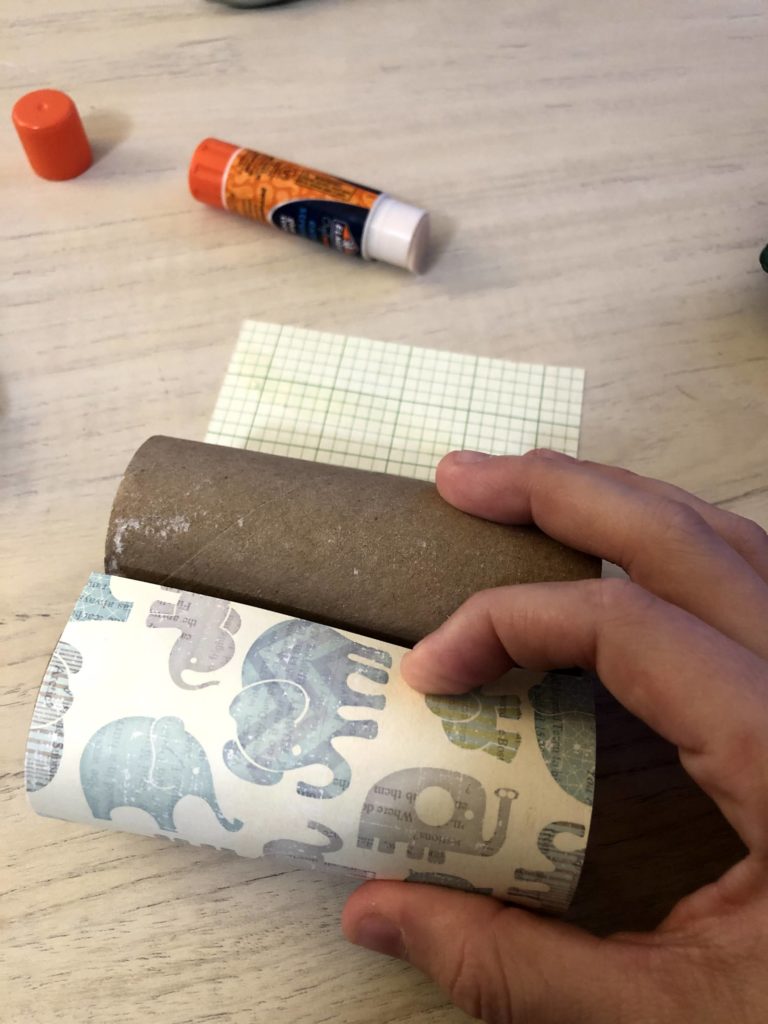
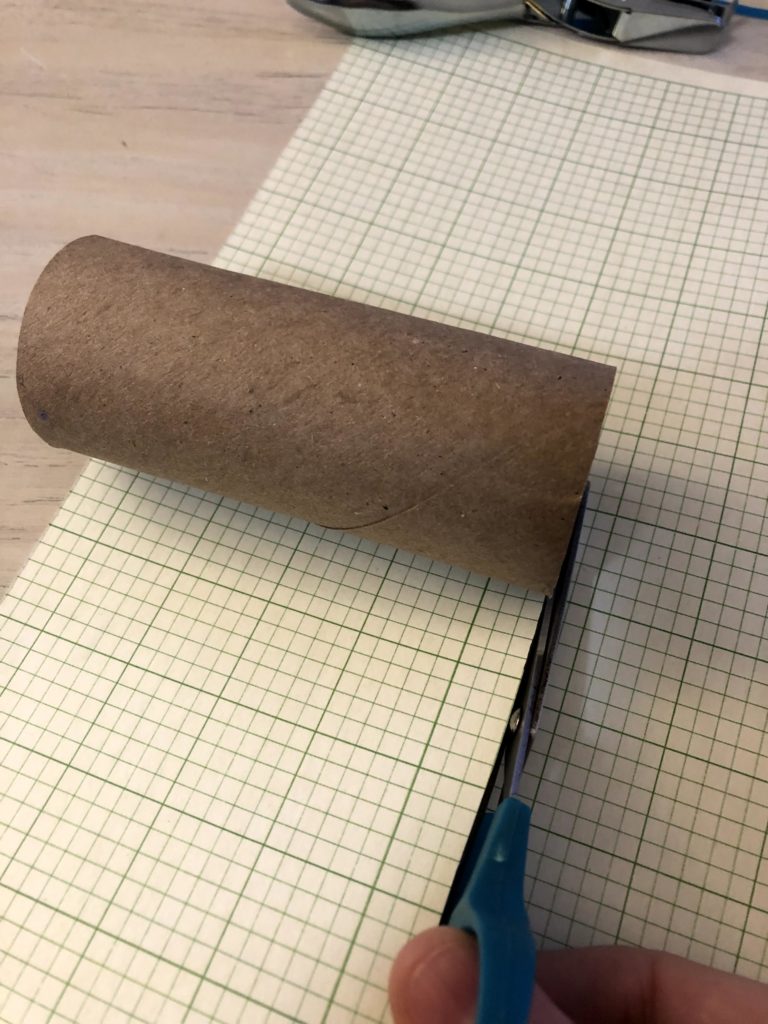
cutting paper to cover toilet paper tubes
rolling paper around toilet paper tubes and gluing it on
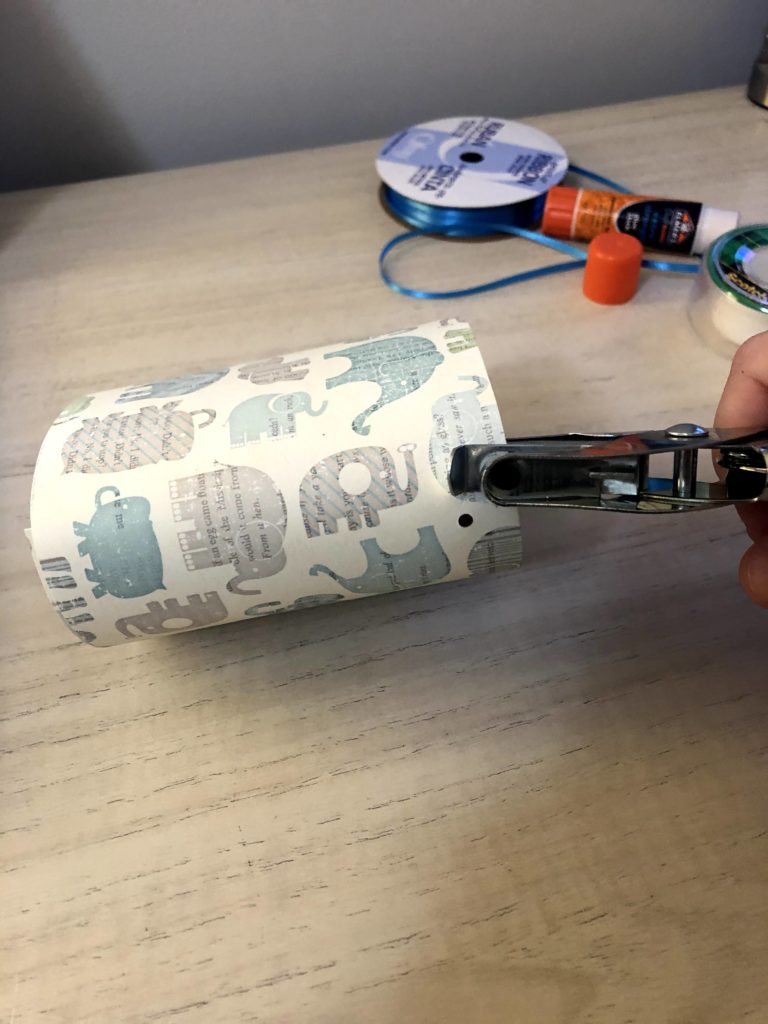
punching hole in toilet paper tubes for ribbon
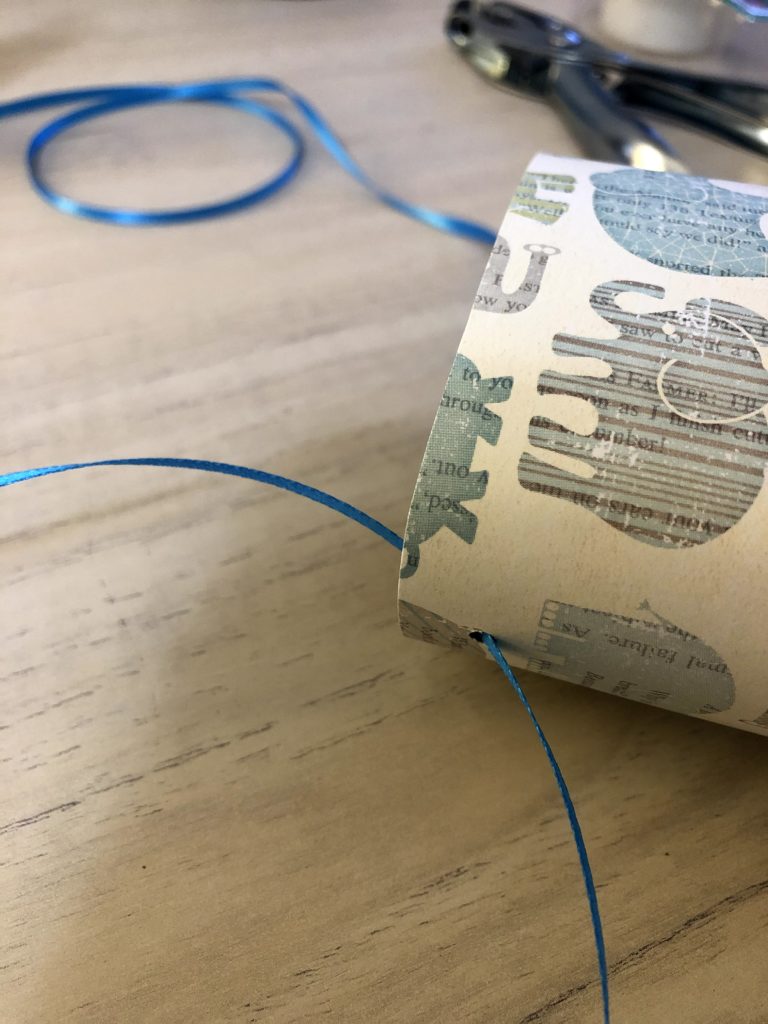
putting ribbon through binocular holes
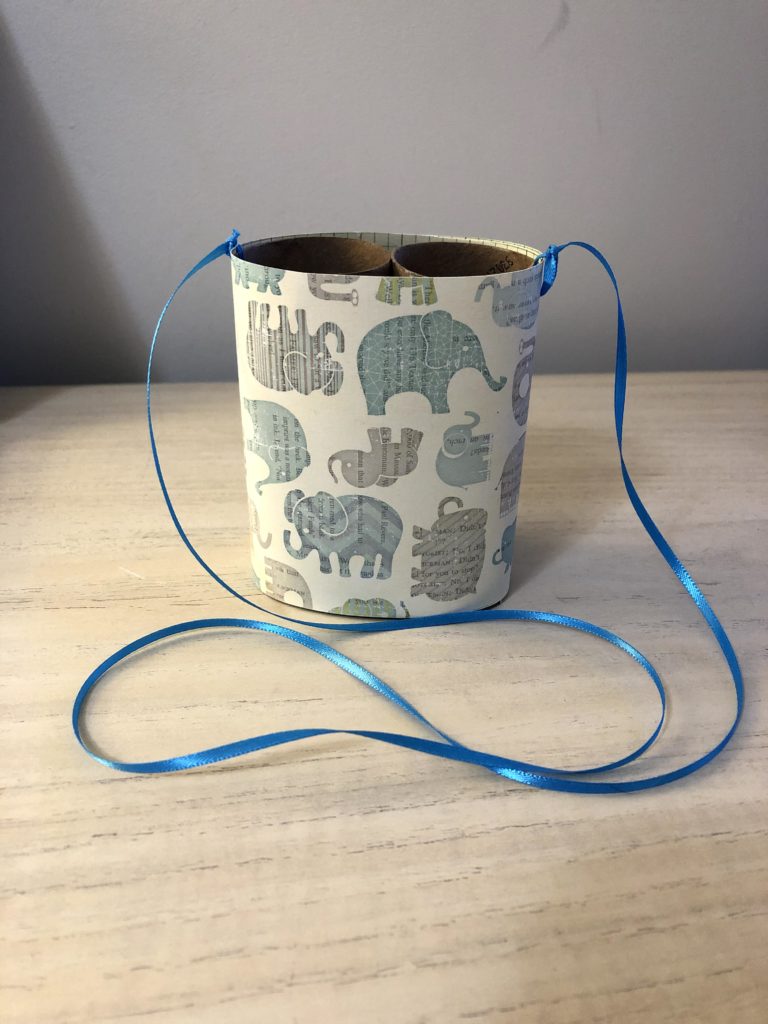
finished binoculars

What safari is complete without binoculars? Use this step-by-step guide to build your own set of binoculars to see all of the animals on our safari up close!

Materials Needed:

  • Sheet of paper at least 11 inches long (can be plan or patterned)
  • 3 feet of ribbon (or less depending on desired length)
  • 2 empty toilet paper tubes (or 1 empty paper towel tube, cut in half)
  • Scissors
  • Pencil
  • Hole punch
  • Glue stick
  • Tape
  • Crayons (for coloring paper)

Directions

  1. Lay 1 toilet paper tube against the back of the paper and mark the length of the tube with a pencil
  2. Cut at your mark to create a long piece of paper that is as wide as the tubes
  3. Decorate the outside of the paper, if desired
  4. Turn paper pretty side down
  5. Use the glue stick to place glue all over the back of the paper
  6. Use the glue stick to place glue all over the tubes
  7. Line up tubes with the edges of the paper and roll to cover the tubes
  8. Secure the seam with a piece of tape to hold everything in place as the glue dries
  9. Place a hole punch on one side for the string to go through
  10.  Place a hole punch in the same place on the opposite tube for the other string attachment
  11. Measure the length of string to your desired length
  12. Tie each end through the holes that are punched in the sides

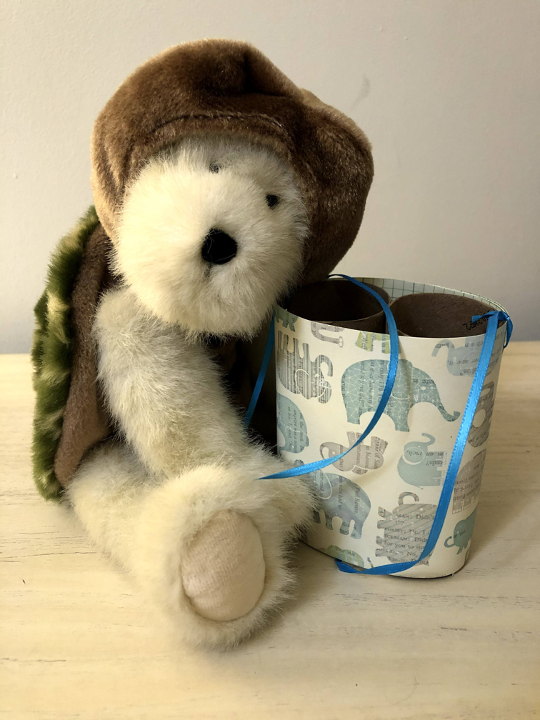
stuffed animal with binoculars

Filed Under: Blog Tagged With: activities, Crafts, Stuffed Animal Safari, Super Science Days

  • « Go to Previous Page
  • Page 1
  • Interim pages omitted …
  • Page 7
  • Page 8
  • Page 9
  • Page 10
  • Page 11
  • Interim pages omitted …
  • Page 13
  • Go to Next Page »

sidebar

About

  • Mission & Commitments
  • Directors Team
  • Museum History

Get Involved

  • Volunteer
  • Membership
  • Carnegie Discoverers
  • Donate
  • Employment
  • Events

Bring a Group

  • Groups of 10 or More
  • Birthday Parties at the Museum
  • Field Trips

Powdermill

  • Powdermill Nature Reserve
  • Powdermill Field Trips
  • Powdermill Staff
  • Research at Powdermill

More Information

  • Image Permission Requests
  • Science Stories
  • Accessibility
  • Shopping Cart
  • Contact
  • Visitor Policies
One of the Four Carnegie Museums | © Carnegie Institute | Privacy Policy | Terms of Use | Accessibility
Rad works here logo