• Skip to primary navigation
  • Skip to main content
  • Skip to primary sidebar

Carnegie Museum of Natural History

One of the Four Carnegie Museums of Pittsburgh

  • Visit
    • Buy Tickets
    • Visitor Information
    • Exhibitions
    • Events
    • Dining at the Museum
    • Celebrate at the Museum
    • Powdermill Nature Reserve
    • Event Venue Rental
    • Gift Cards
  • Learn
    • Field Trips
    • Educator Information
    • Programs at the Museum
    • Bring the Museum to You
    • Guided Programs FAQ
    • Programs Online
    • Climate and Rural Systems Partnership
  • Research
    • Scientific Sections
    • Science Stories
    • Science Videos
    • Senior Science & Research Staff
    • Museum Library
    • Science Seminars
    • Scientific Publications
    • Specimen and Artifact Identification
  • About
    • Mission & Commitments
    • Directors Team
    • Museum History
  • Tickets
  • Give
  • Shop

Kathleen

June 16, 2020 by Kathleen

Stuffed Animal Safari: Gila Monster

Can you answer these gila monster questions?

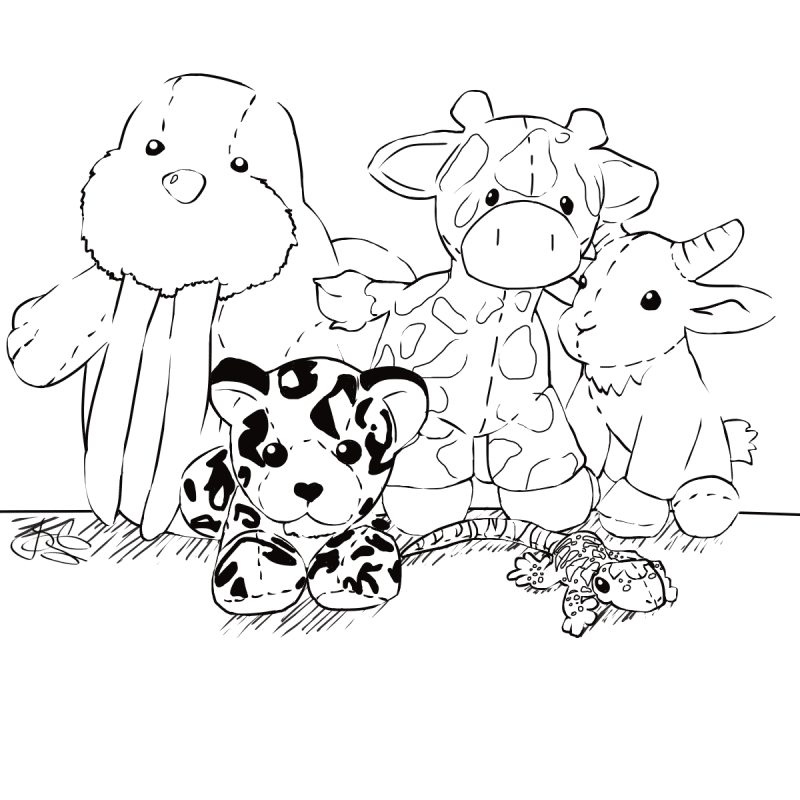
Grab your best stuffed animal friend and a notebook to use for this week’s activities–your safari field journal–and let’s get started! If you need help answering some questions, an adult can help you look for answers online.

  1. Where do gila monsters mainly live?
  2. What does this habitat look like? Draw it in your safari field journal!
  3. Could your stuffed animal friend live in this kind of habitat? Why or why not?
  4. What is one special adaptation gila monsters have to help them survive in their habitat?
  5. What do gila monsters eat? Are they carnivores, herbivores, or omnivores?
  6. Are gila monsters endangered, vulnerable, or something else? What does this mean for future populations?

Gila monsters were one of the first venomous lizards discovered, and the first found within the United States! Found in Arizona, New Mexico, and the Mojave, Sonoran, and Chihuahan deserts of Mexico, gila monsters prefer dry, desert habitats. They’re also burrowers, which means they dig underground holes to live in to help them stay out of the sun on super-hot days.

A full grown gila monster is a little under two feet long. They have stout, flat bodies with bright orange stripes to warn would-be predators of their venom. Unlike snakes, a gila monster doesn’t use fangs to inject venom into their prey. Instead, venom flows into the wound created by the bite. Gila monsters’ venom is an important adaptation that helps paralyze prey like small birds, mammals, smaller lizards, and insects. However, they usually prefer to eat “helpless” prey like eggs and carrion.

Like all reptiles, gila monsters are ectothermic, which means they receive heat from external sources such as the sun, sand, and the hot rocks they live on. And because their bodies aren’t using energy to keep their bodies warm like birds and mammals, gila monsters in their natural habitat don’t need to eat too much in order to stay alive. A gila monster, when observed in the wild, only needs to eat five to ten times per year. Imagine if you only needed to eat a few times a year!
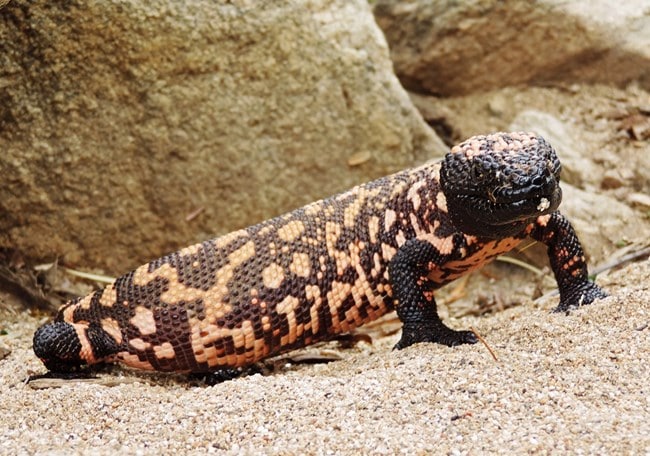
gila monster

Since gila monsters prefer prey that doesn’t move, scientists believe they mainly use their venom to stay safe! In the wild, gila monsters need to worry about predators like coyotes and raptors, birds of prey. However, the biggest threat to gila monsters are people. Since these reptiles are large and venomous, a lot of myths began circulating around pioneers settling in the American North West, including the myth that gila monsters possessed a deadly, noxious breath and that their bites were fatal! Today, we know this isn’t true, but in the past, people feared gila monsters and hunted them to the point that they were once endangered; however, strict laws in states like Arizona have helped them recover, and they are now considered “Near Threatened.”

On the rare occasion that a gila monster does bite a human, its venom can cause paralysis, make it difficult to breath, and cause convulsions. But a gila monster bite is rarely fatal to people! Despite being called “monsters,” these lizards don’t often attack people. This is because they’re sluggish and react slowly. However, like any wild animal, gila monsters are best left alone and should be appreciated from a safe distance.

Filed Under: Blog Tagged With: Stuffed Animal Safari, Super Science Days

June 15, 2020 by Kathleen

Stuffed Animal Safari: Mountain Goats

Can you answer these mountain goat questions?

Grab your best stuffed animal friend and a notebook to use for this week’s activities–your safari field journal–and let’s get started! If you need help answering some questions, an adult can help you look for answers online.

  1. Where do mountain goats mainly live?
  2. What does this habitat look like? Draw it in your safari field journal!
  3. Could your stuffed animal friend live in this kind of habitat? Why or why not?
  4. What is one special adaptation mountain goats have to help them survive in their habitat?
  5. What do mountain goats eat? Are they carnivores, herbivores, or omnivores?
  6. Are mountain goats endangered, vulnerable, or least concern? What does this mean for future populations?

Mountain goats (Oreamnos americanus) are unique to the mountains of Northwestern North America. Funnily enough, these animals aren’t even true goats, but goat-antelopes. They can be found from southeastern Alaska all the way through northern Colorado. These animals are very versatile in nature and are constantly on the move in their mountainous habitat.

Also known as Rocky Mountain goats, these animals have thick white layers of fur that cover their bodies. The white color allows for perfect camouflage in their snowy habitat. Their fur is divided into two layers—a shorter wool layer covers most of their body to protect them from the colder weather and longer, hollow hairs comprise the outer layer. These coverings, and their long beards, help with cold temperatures that can get down to -46°F.

Mountain goats are the largest mammal to live in a mountain range—they even climb into altitudes exceeding 13,000 feet! They are constantly on the move, roaming the mountains looking for food, protecting themselves from predators, resting, or regulating their body temperature. They also move seasonally! Their clove-hoofed feet allow them to balance on rocks while the rough pads on their feet act like grips.

Mountain goats have a very interesting diet. Being herbivores, they rely a lot on grasses, herbs, and lichens to name a few. They will also salt lick, a practice in which certain mammals will lick the salt and other minerals off of designated deposits. This allows for the mountain goats to maintain a happy and healthy diet.  

Mountain goats’ conservation status is technically “least concern” which means these animals have a steady population, but there are plenty of practices humans can do to prevent them from being harmed and help protect them. This includes citizen science efforts that can help maintain and observe goat population and migratory patterns, as well as scientist-lead research efforts, like observing habitat and disease.


Filed Under: Blog Tagged With: Stuffed Animal Safari

June 14, 2020 by Kathleen

Stuffed Animal Safari: Coloring Pages

Stuffed Animal Coloring Page
Download Stuffed Animal Coloring Page
Animal Location Coloring Page
Download Animal Habitats Coloring Page

Filed Under: Visitor Info Tagged With: Stuffed Animal Safari, Super Science Days

June 14, 2020 by Kathleen

The Meaning of Safari

Watching a gorgeous sunset over the South African terrain, I’ve never felt more connected to my life’s calling of conserving wild animals and wild places. I was half-way around the world, experiencing nature in a way that I never had before. This experience has shaped the very core of who I am, what I believe in and what I fight for.

Not only do safaris provide a safe way for guests to observe nature, but they also actively contribute to local conservation efforts. The Aquila Private Reserve, located in Touws River–two hours outside of Capetown, SA–is a 10,000-hectare conservancy that protects Africa’s natural wildlife. Many animals call this place home; they find safety and protection here. The lions that live on Aquila’s reserve were rescued from the ‘canned hunting’ industry, a practice in which animals are bred specifically to be hunted and then drugged and forced into small enclosures. Elephants living on the reserve were rescued from culling practices that segregate animals from their herds for hunting. It became clear that every animal had a story. The safari guides’ passion for sharing these stories deeply inspire me.

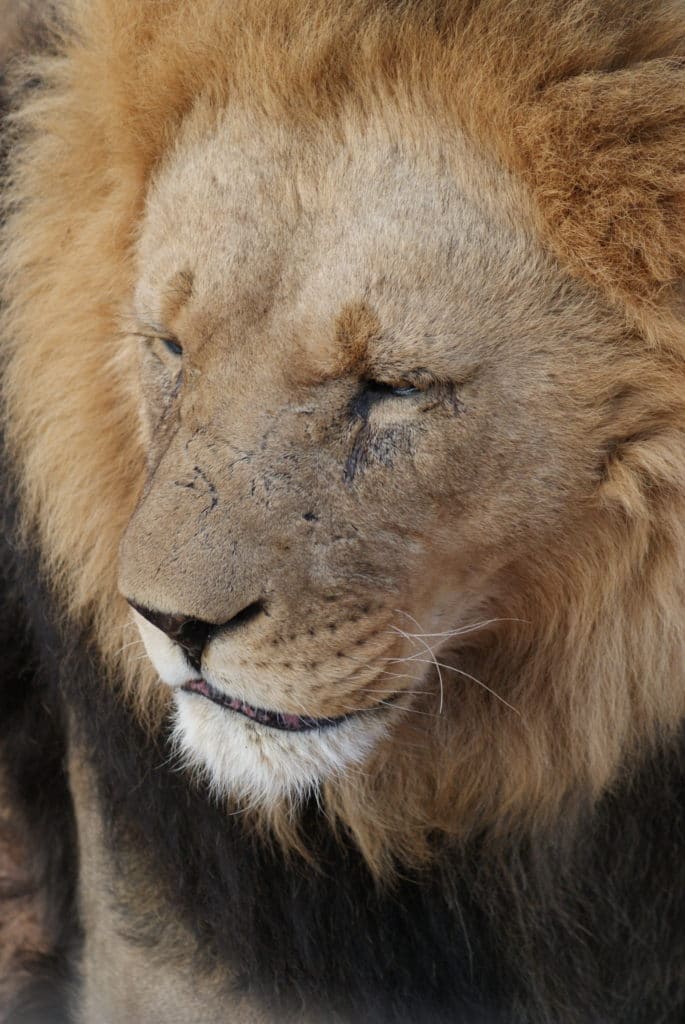
Male Lion

The meaning of the word ‘safari’ has changed over the last few hundred years. The term ‘safari’ originally referenced large scale game hunts, with participants often hunted Africa’s ‘big five,’ which includes the lion, leopard, elephant, rhinoceros, and Cape buffalo. These animals were on the verge of extinction by the late 1700s. Through the decades, the term has taken on new meaning. Today’s safaris focus on observing, photographing, or recording wildlife in its natural state. Safaris provide us a chance to appreciate and experience our wild spaces it in a completely different way.

In 2011, poachers attacked three rhinos at the Aquila Reserve, two of whom succumbed to their gruesome injuries. Rhino poachers seek illegal body parts, like rhino horns, to sell to the highest bidder. Poachers are only interested in adult animals with large horns, often leaving juvenile rhinos to die without a care giving parent. In response to the 2011 attack, Saving Private Rhino was born. This non-profit organization has grown over the years to be a vital resource for the rhinos of South Africa. Saving Private Rhino provides many critical resources including telephone support; rhino ‘carer’ dispatches to reserves; transportation of orphaned rhinos to orphanages; training on orphan care; and reconstructive surgery performed by a veterinarian–all free of charge. This 24-hour service is offered to reserves in South Africa. Saving Private Rhino has also launched its first training course designed to train rangers in anti-poaching tactics with a goal of having two trained rangers working at every reserve.

I began to care deeply for this place that provided safety and protection to local wildlife and the positive effects that has had on their community. I’ll never forget the time I spent there; I grew so much. Unplugged from technology and focused on the magnificent beauty right before my very eyes. Seeing the stars and the moon from the other side of the world. Listening to elephant trumpets reverberate off the surrounding hills. Watching baby rhinos jump and play in the sun under their mothers’ watchful eye. Smelling the cool night air as I listened to the sounds of nighttime on the reserve.

But my experiences went far beyond just viewing nature. My idea of a ‘safari’ had changed forever. Aquila isn‘t just a space where you can observe wildlife; it’s a place where an entire community is working together towards a sustainable future, providing the resources and education needed to protect and conserve local wildlife. It reminds me that we all have power with our choices. And we can use our power to support organizations that contribute to sustainability, conservation and community advancement.

In Swahili, safari merely means, ‘journey.’ I visited Aquila in 2017, but a new chapter of my journey had just begun.

Leslie Wilson is the On-Site Program Manager and Veterinary Technician for Carnegie Museum of Natural History. Museum employees are encouraged to write about their experiences so they can be shared on the blog. Leslie wrote this blog specifically for our Super Science Saturday: Stuffed Animal Safari program.

Filed Under: Visitor Info Tagged With: Stuffed Animal Safari

May 16, 2020 by Kathleen

Sensory Bin Idea – Lady Bug Bin

We have a great sensory bin idea for you–create a Lady Bug themed Sensory Bin with materials you have at home!

What is a Sensory Bin?

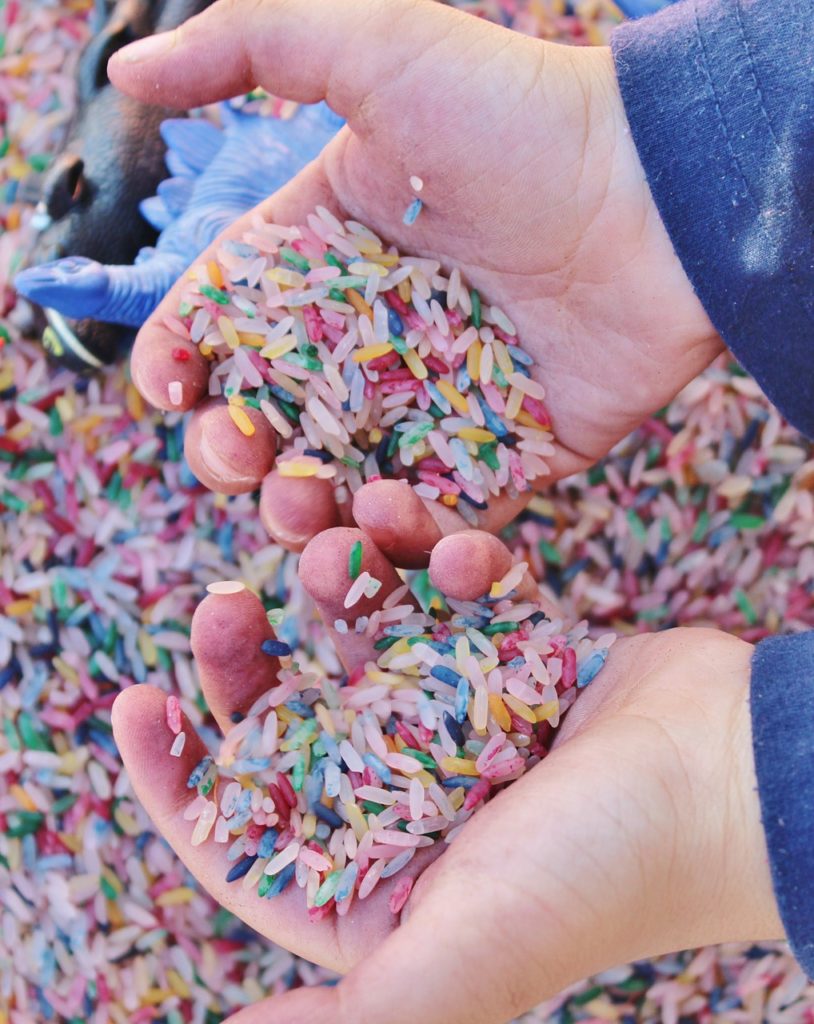
Sensory bins are great tools for younger children or children who might have sensory processing disorders to experience some relaxed sensory learning activities. For example, a sensory bin might include textures that encourage fun or textures that you might want your child to get used to (like sand perhaps) as well as goaled learning activities, like foam letters or numbers. In this activity, we suggest including toy insects to learn more about bugs.

Make a Sensory Bin that resembles a lady bug and fill it with any red and black materials that may stimulate the senses. This craft lists red and black material examples to create a Lady Bug, but you can create any kind of bug play bin; for example, if you have mostly green things around the house or don’t like lady bugs as much, you can make a Grasshopper bin!

Needed to Make the Sensory Bin

  • 1 small/medium-sized bin
  • Scissors
  • Black & red constructions paper
  • Black and red markers
  • Black or red pipe cleaners
  • Tongs or measuring cups
  • tape

Ideas to Fill the Sensory Bin

  • Red and black dried beans or oats
  • Red and black pompoms
  • Hard pasta colored red or black
  • DIY red or black play-doh/slime
  • Red or black-colored rocks
  • Red and black-colored buttons
  • Small plastic insect toys

Fill your lady bug bin with any materials you’d like to explore. There are some red and black options listed above, but feel free to use anything you have available!

child holding rice from sensory bin in hands

Directions

  1. Using your scissors, markers, and pipe cleaners, create the 6 legs, 2 antennae, and the head of the ladybug.
  2. Tape down the antennae, legs, and head onto the small/medium-sized bin.
  3. Fill your lady bug with any of the materials listed above or substitutes as desired. You can make all items black and red to resemble a lady bug.
  4. Once your sensory bin is filled use tongs and measuring cups to help your child pick our specific materials like small plastic insects or insect toys! Get Creative and have fun with it!

We’ll be working on more sensory friendly content as soon as we can, find it on our Sensory Friendly Saturdays Page.

Sensory Friendly Saturday

For more activities to complete with your household, check our our Super Science Saturday Page.

Super Science Saturday

Filed Under: Blog Tagged With: activities, Bug Bonanza

May 15, 2020 by Kathleen

Bug Bonanza: Virtual Bug Display

Bugs from our Research Collection

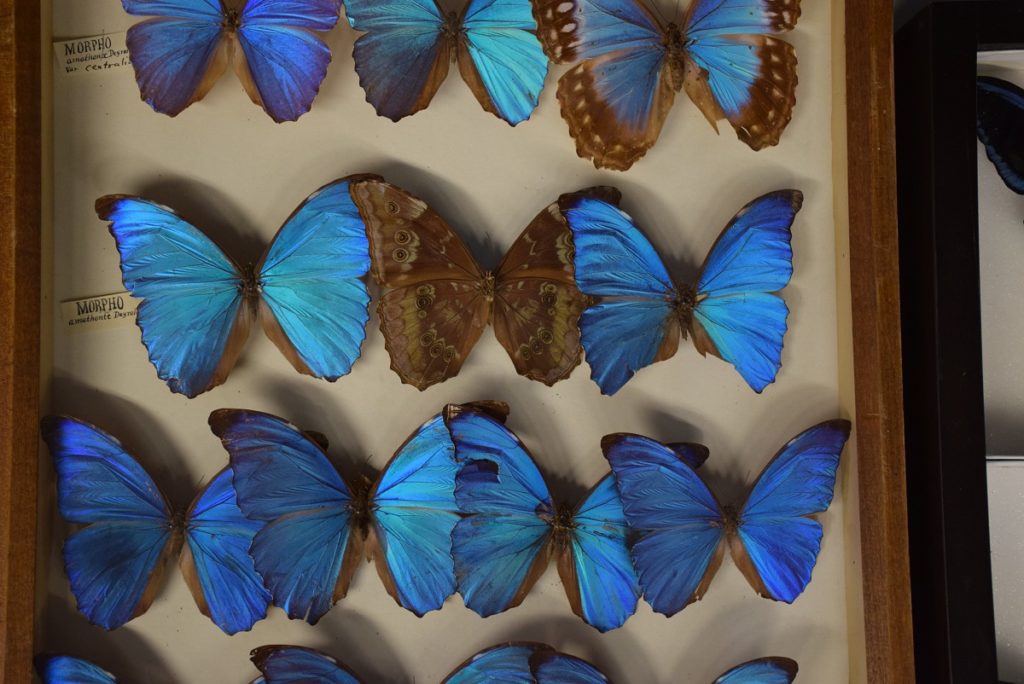
drawer of blue morpho butterflies

This is a specimen drawer of Blue Morpho butterflies from our Section of Invertebrate Zoology! This species is well known for its sexual dimorphism, which means that males and females of this species look physically different. The males of Blue Morpho butterflies are the bright blue specimens in the drawer above, and the darker brown specimen above is the female.

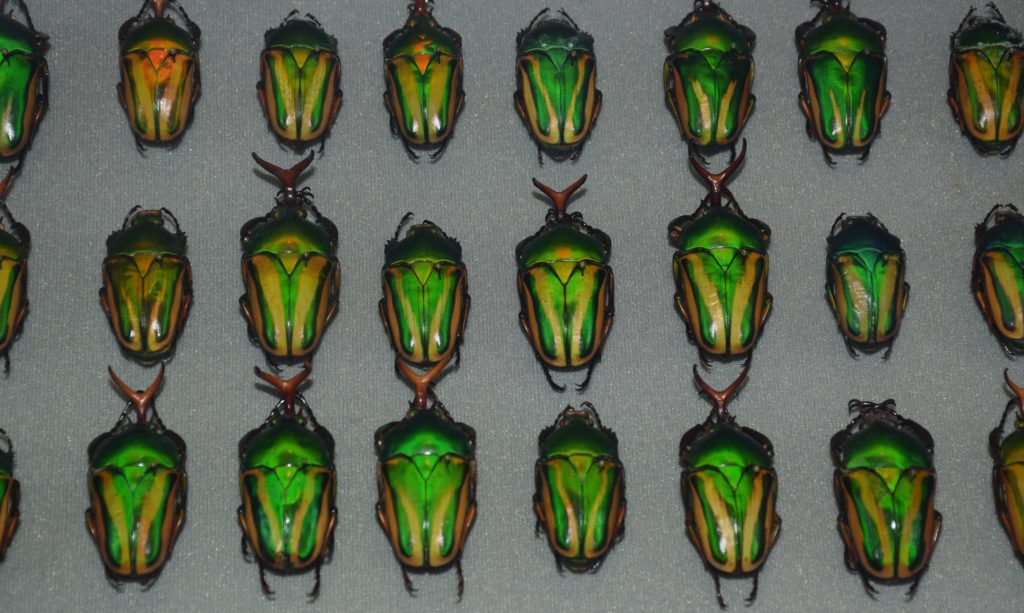
Shiny scarab beetles

This species of scarab, Eudicella gralli, which is sometimes referred to as the “Flamboyant Flower Beetle,” is on display at the museum. These scarab beetles are also sexually dimorphic, or males and females look physically different. The male scarabs in the picture above have large, Y-shaped horns that they mainly use to fight for females, while the females (look closely at the bottom right beetle) have shorter, shovel-like tusks great for digging and burrowing.

Paul Bauer preparing bug specimens

John Bauer (pictured above) was an entomologist at Carnegie Museum of Natural History for 43 years in the mid 1900s. He is pictured preparing beetle specimens, like the kind you see on display at the museum. Behind the scenes, our scientists continue to do incredible research with the hundreds of thousands more specimens they have collected and prepared since this photo was taken. Learn about some amazing ways our scientists help to share our collection with other scientists.

Bugs at Powdermill Nature Reserve

All of the photographs of the insects below were taken at Powdermill Nature Reserve, the museum’s environmental research center.

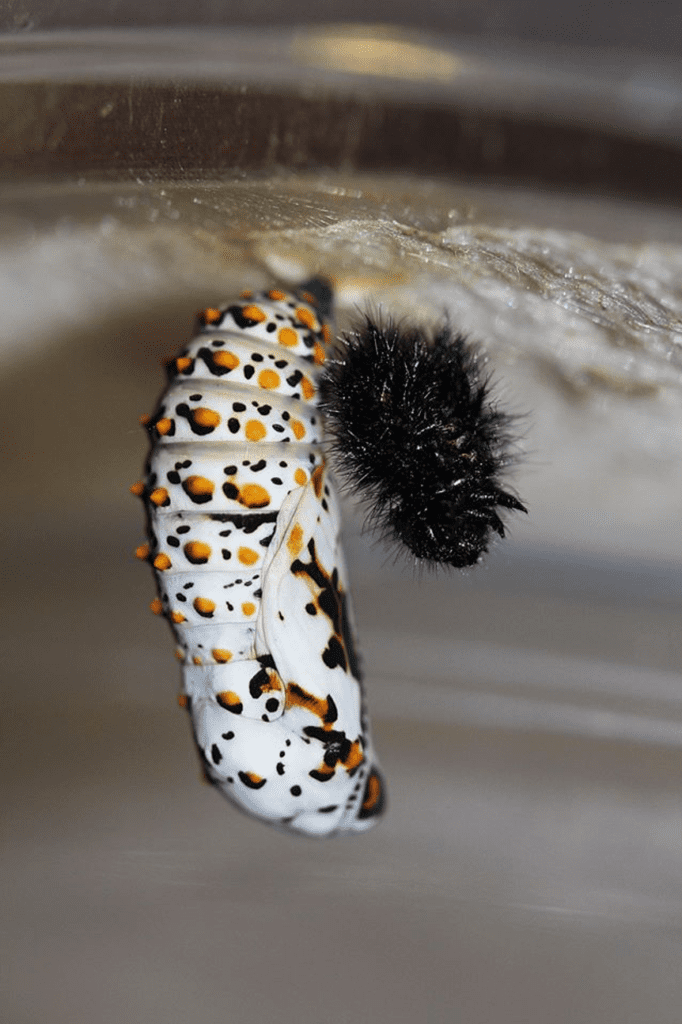
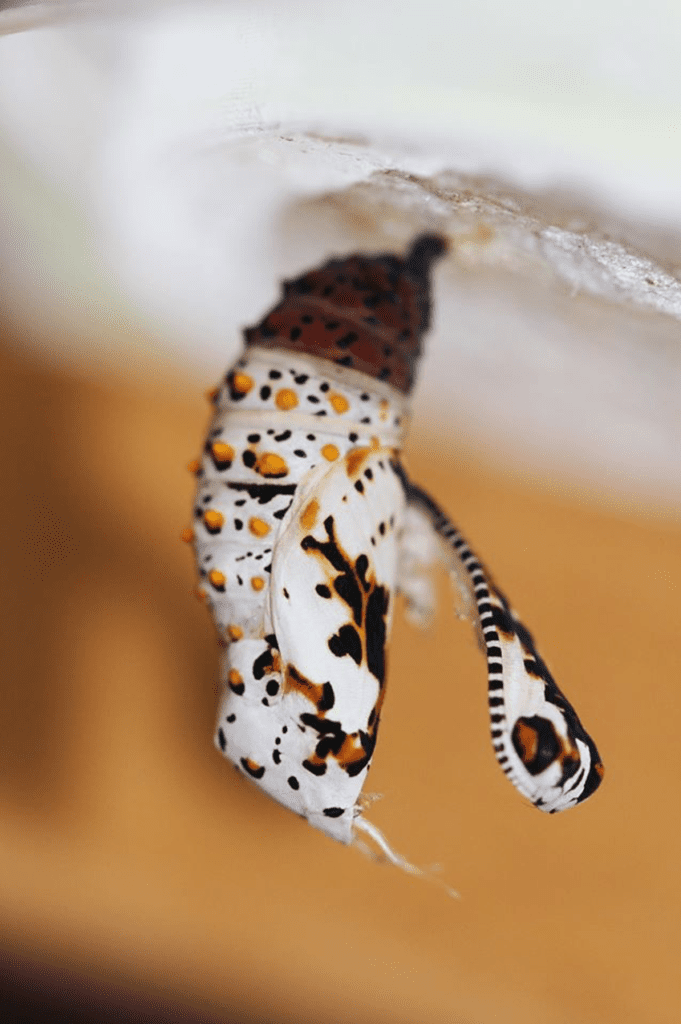
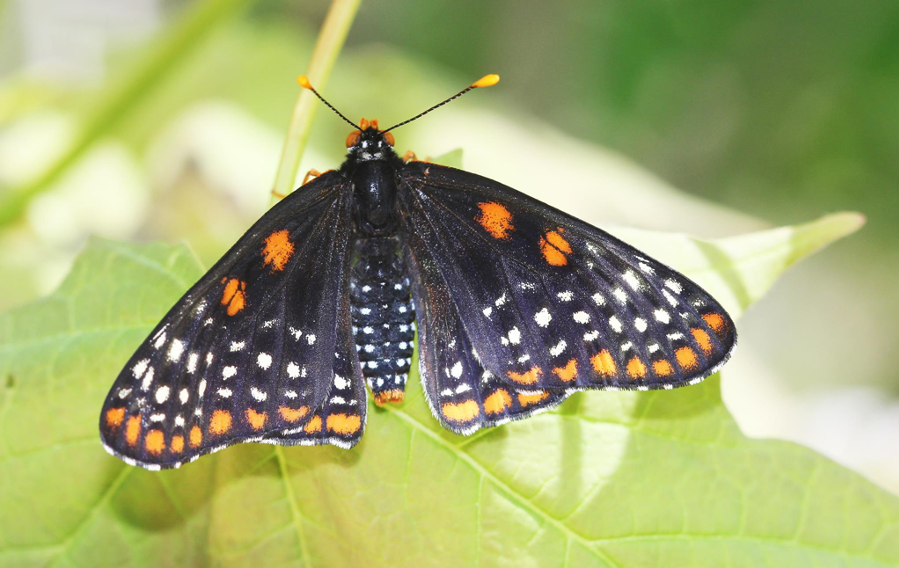
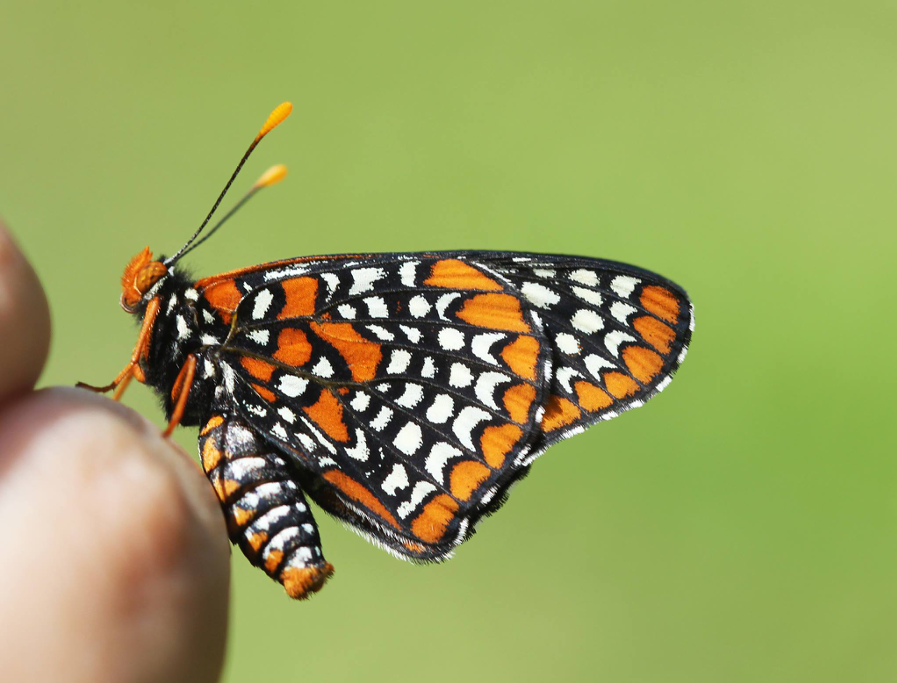
Life Stages of the Baltimore Checkerspot Butterfly

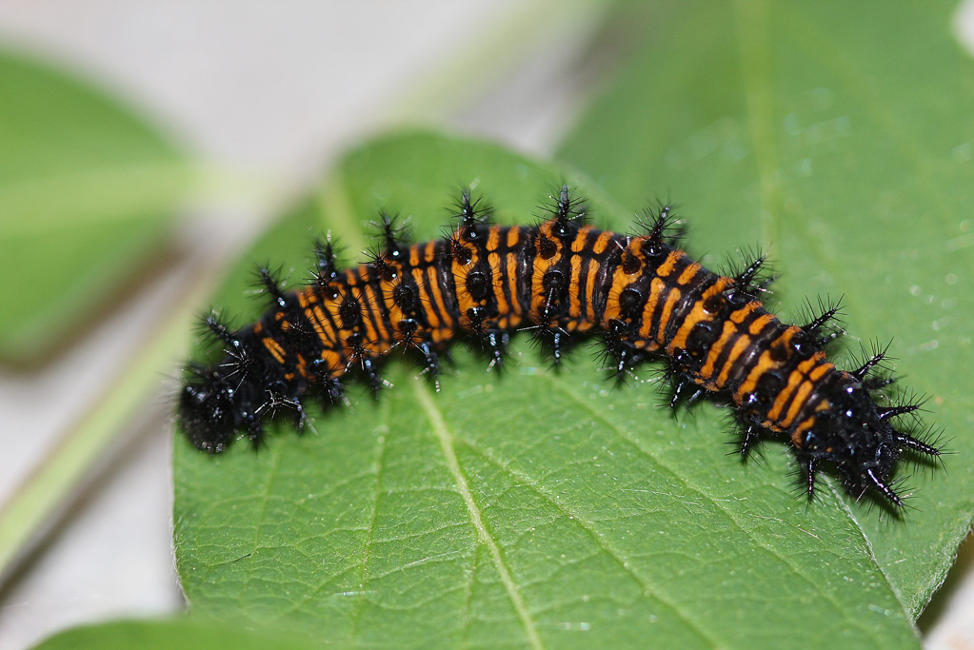
Baltimore Checkerspot Caterpillar
Caterpillar
Baltimore Checkerspot Chrysalis, with caterpillar skin
Chrysalis, with caterpillar skin
Baltimore Checkerspot chrysalis, with adult emerging
Chrysalis, with adult emerging
Baltimore Checkerspot Adult, top of wings
Baltimore Checkerspot Adult, underside of wings

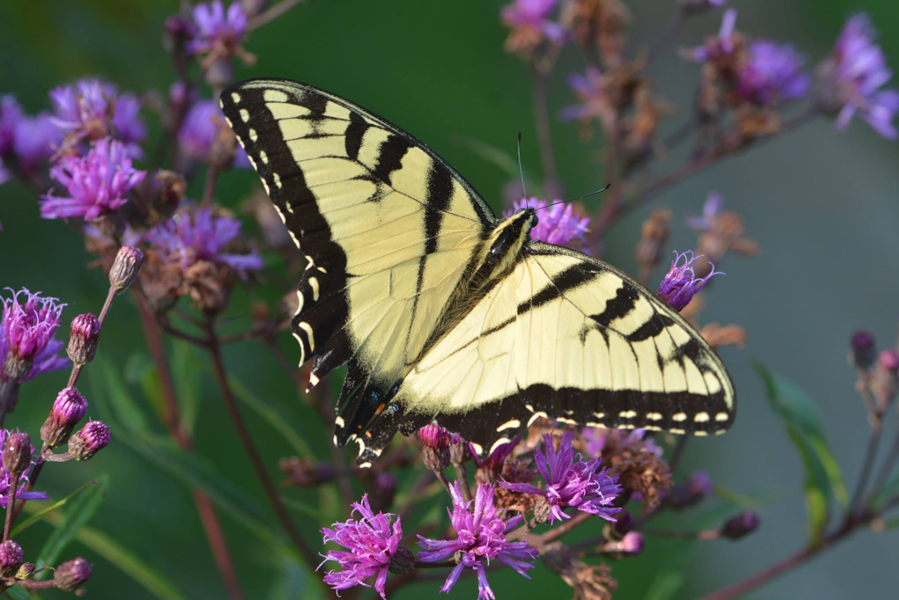
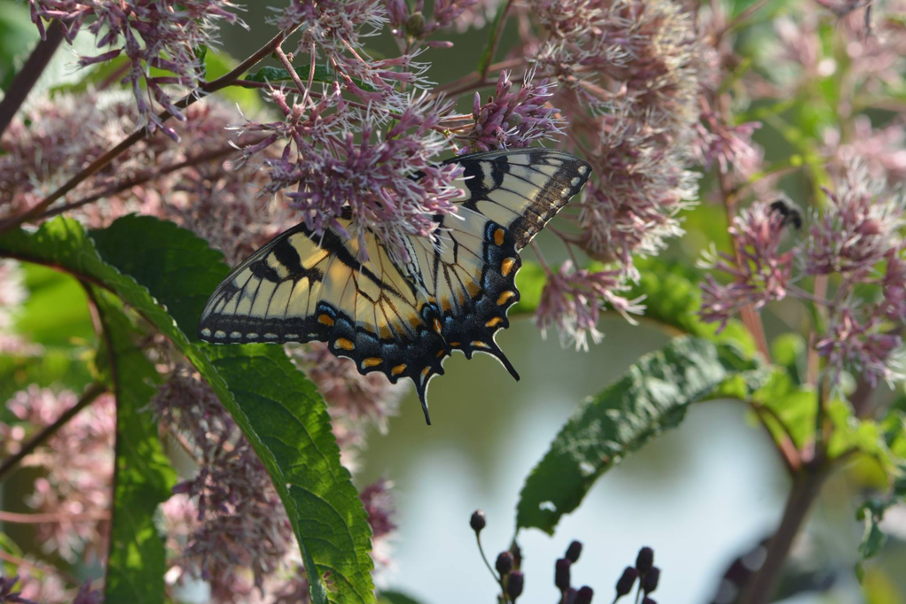
Eastern Tiger Swallowtail

The adults of this species of butterfly feed on nectar from flowers. This species is dimorphic, meaning males and females look different, with females being either black or yellow. A yellow female will look similar to a male, other than having blue spots on her hindwing. Do you think the butterflies shown here are male or female?

Eastern Swallowtail pollinating small purple flowers
Eastern Tiger Swallowtail pollinating tree flowers

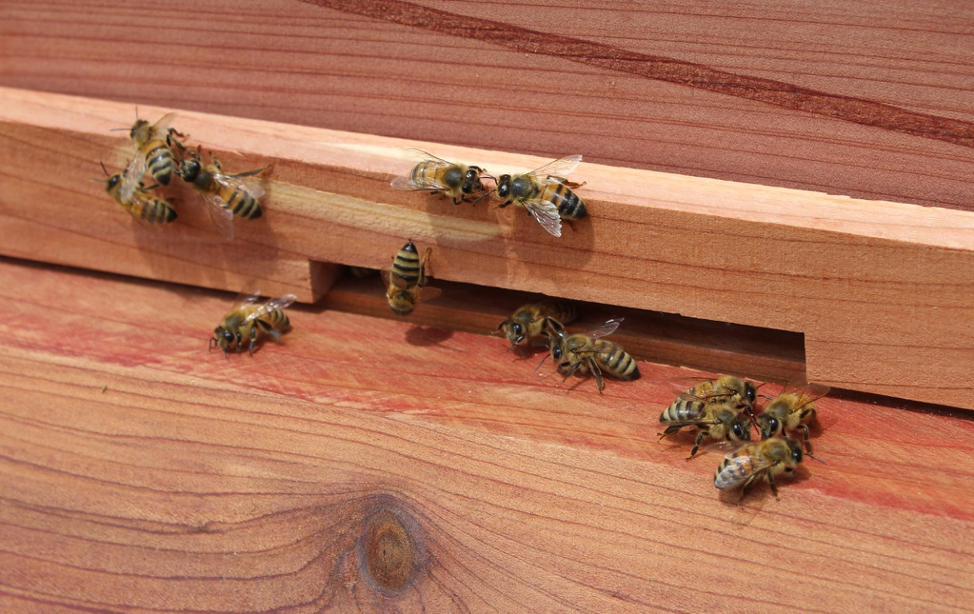
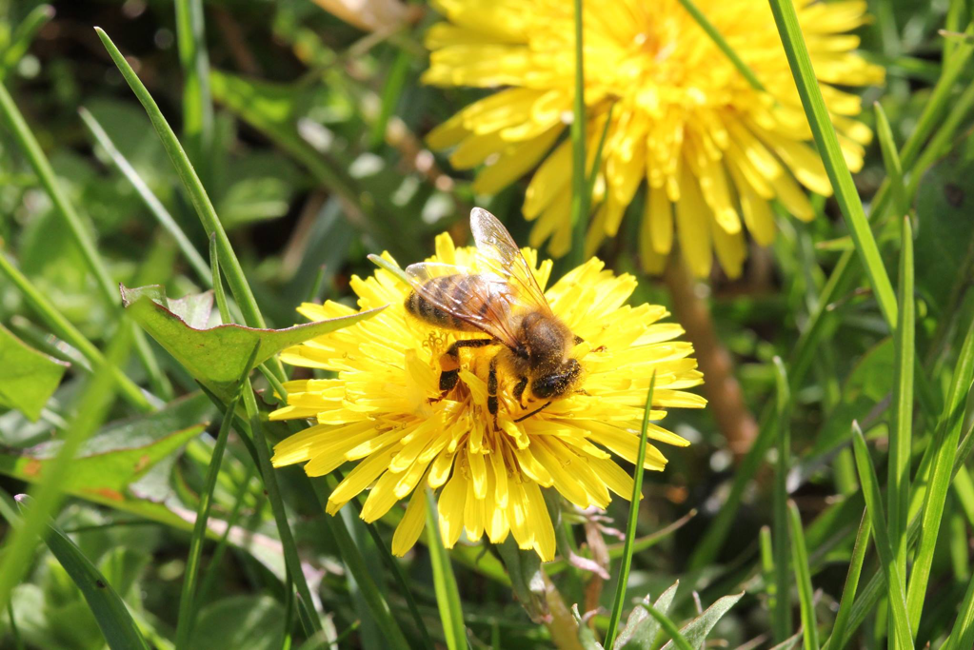
Honey Bees

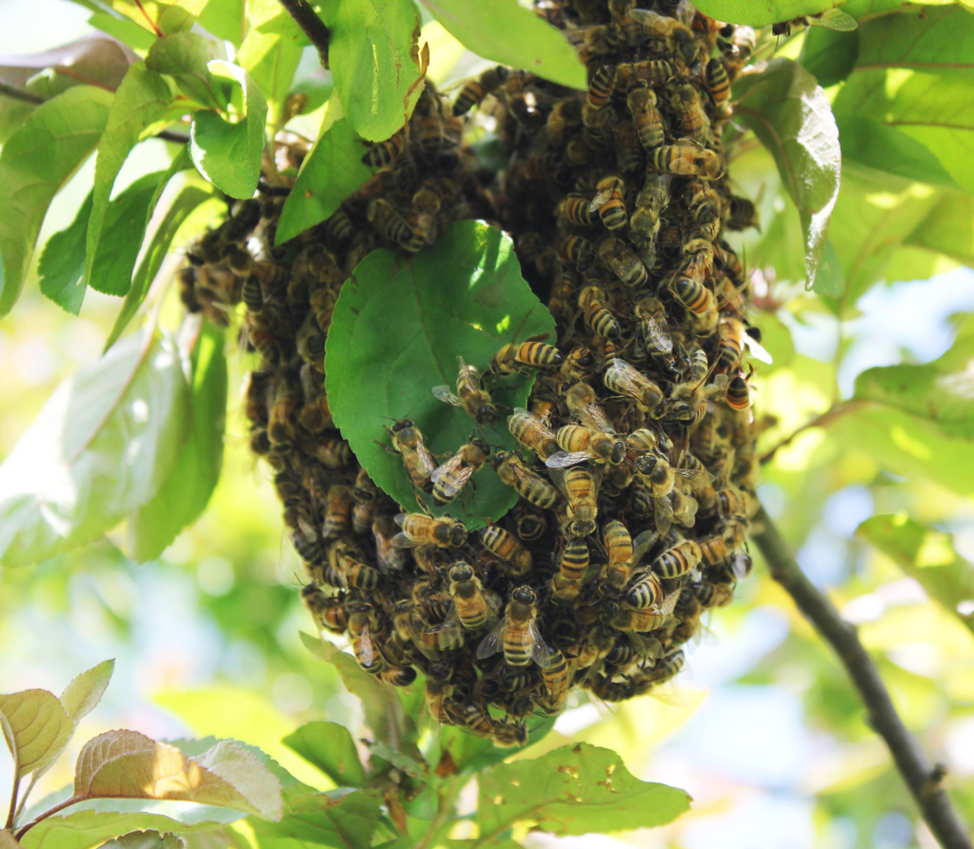
Honey Bees harvest nectar and pollen from flowering plants. They are social insects that live in large colonies. Female worker bees will fly around and gather pollen and nectar to take back to the hive, while male drones stay in the hive with the queen, who is in charge of the hive and lays all the eggs. You may see a swarm like the one shown here. If you do, please remember that it’s best to leave them alone: they are protecting their queen, and looking for a home. If the swarm is somewhere that is dangerous or inconvenient, try calling a local beekeeper to remove it safely!

Honey bees entering a man-made hive
Honey bee pollinating a dandelion
Swarm of Honey bees

Filed Under: Blog Tagged With: Bug Bonanza

  • « Go to Previous Page
  • Page 1
  • Interim pages omitted …
  • Page 8
  • Page 9
  • Page 10
  • Page 11
  • Page 12
  • Page 13
  • Go to Next Page »

sidebar

About

  • Mission & Commitments
  • Directors Team
  • Museum History

Get Involved

  • Volunteer
  • Membership
  • Carnegie Discoverers
  • Donate
  • Employment
  • Events

Bring a Group

  • Groups of 10 or More
  • Birthday Parties at the Museum
  • Field Trips

Powdermill

  • Powdermill Nature Reserve
  • Powdermill Field Trips
  • Powdermill Staff
  • Research at Powdermill

More Information

  • Image Permission Requests
  • Science Stories
  • Accessibility
  • Shopping Cart
  • Contact
  • Visitor Policies
Stay in the loop! Sign up for our newsletter(s).
One of the Four Carnegie Museums | © Carnegie Institute | Privacy Policy | Terms of Use | Accessibility
Rad works here logo