
Pholidophorus macrocephalus is a bony fish that lived about 150 million years ago in the late Jurassic Period of the Mesozoic Era.
Carnegie Museum of Natural History
One of the Four Carnegie Museums of Pittsburgh
Pholidophorus macrocephalus is a bony fish that lived about 150 million years ago in the late Jurassic Period of the Mesozoic Era.
by Patrick McShea
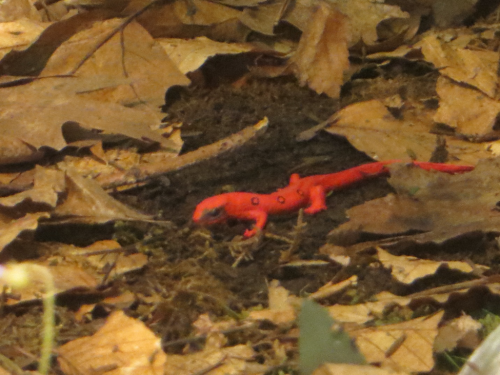
Within a Hall of Botany diorama depicting old growth Pennsylvania forest, a ferocious predator lurks amid dried oak, maple, and beech leaves. No snail, worm, or ground-dwelling insect is safe in the damp realm where this bright amphibian prowls.
The three-inch-long salamander is a red eft, the name given the land-dwelling middle life stage of the otherwise aquatic red-spotted newt. The creature’s solitary presence in the exhibit accurately reflects what you might hope
to see during a visit to a real old growth glen. At such a place, however, plenty of the eft’s near and distant salamander kin would almost certainly be lurking just out of sight.
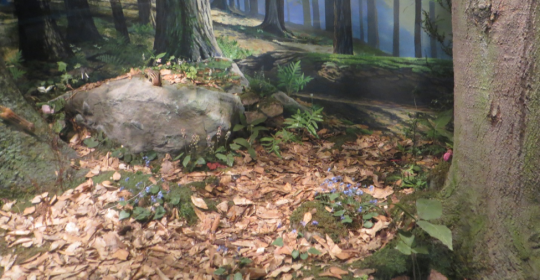
Pennsylvania supports 22 species of salamanders, the majority of which spend at least part of their lives foraging in habitat where trees, deep shade, damp leaf litter, loose soil, rotting logs, and mossy rocks occur. If the results of a 2014 University of Missouri study of salamander abundance in Ozark forests can be extrapolated to our region, the total biomass of salamanders inhabiting many wooded tracts rivals that of white-tailed deer.
Because these salamanders eat invertebrates that eat leaf litter, the abundance of the tiny predators helps forests to be places where a portion of the carbon pulled from the atmosphere by trees is stored in leaf litter.
Patrick McShea works in the Education and Visitor Experience department of Carnegie Museum of Natural History. Museum employees are encouraged to blog about their unique experiences of working at the museum.


by Kathleen Bodenlos
Pittsburgh has a reputation for transforming itself. Once a grimy industrialized city, we have become a network of neighborhoods with green spaces, bike trails, culturally rich attractions, and a thriving economy. The Pittsburgh Botanic Garden mirrors our transformation story.
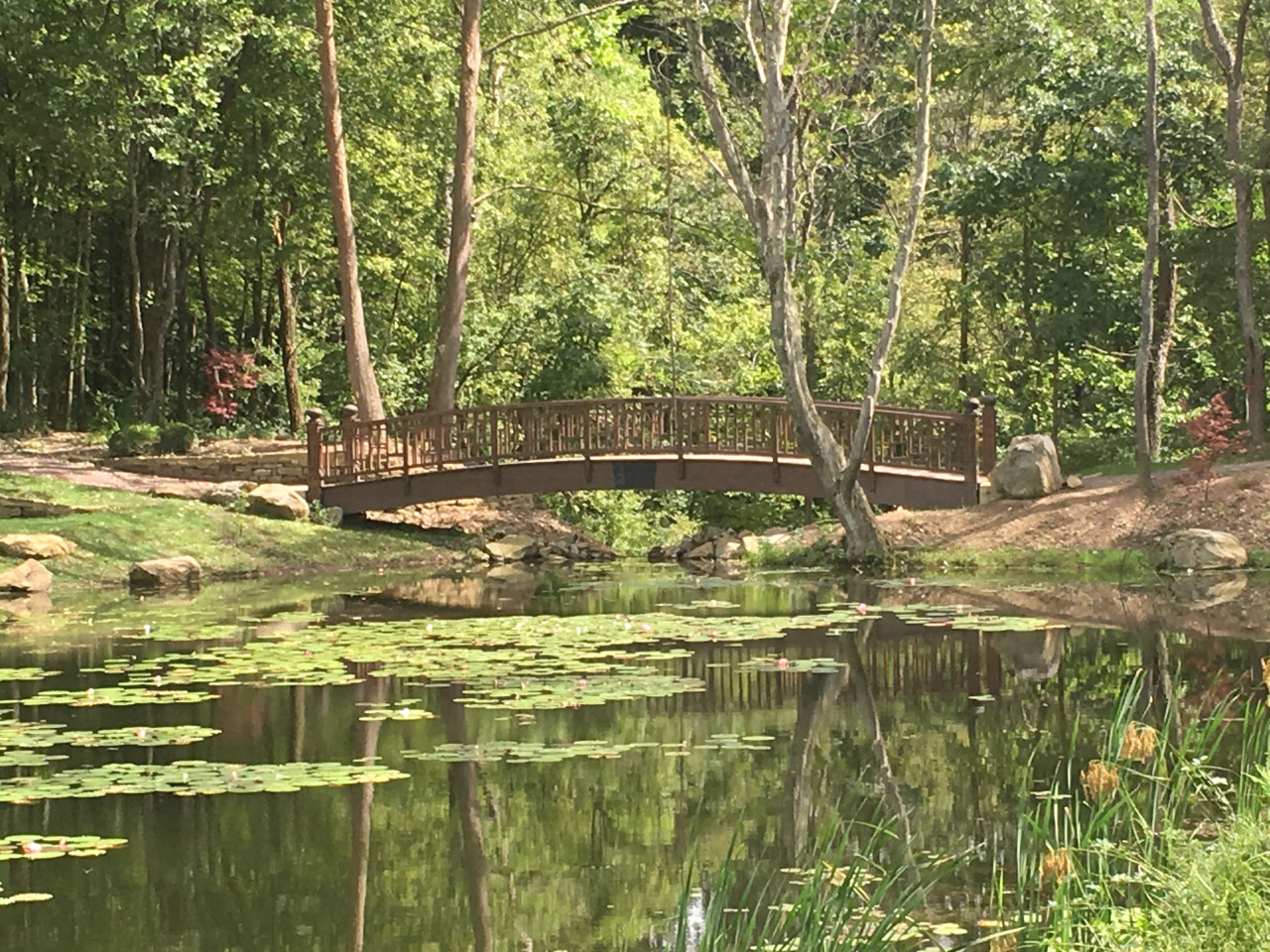
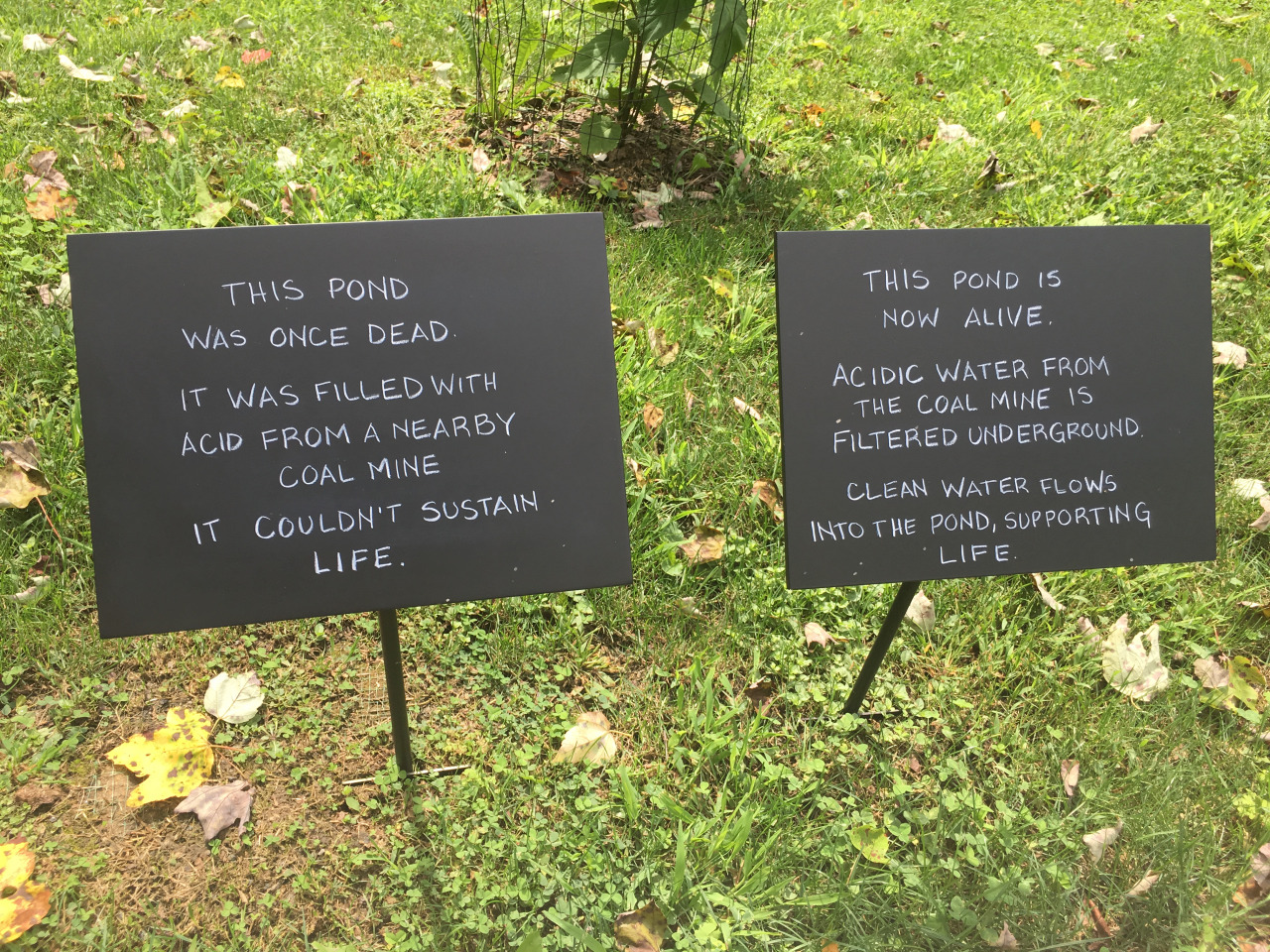
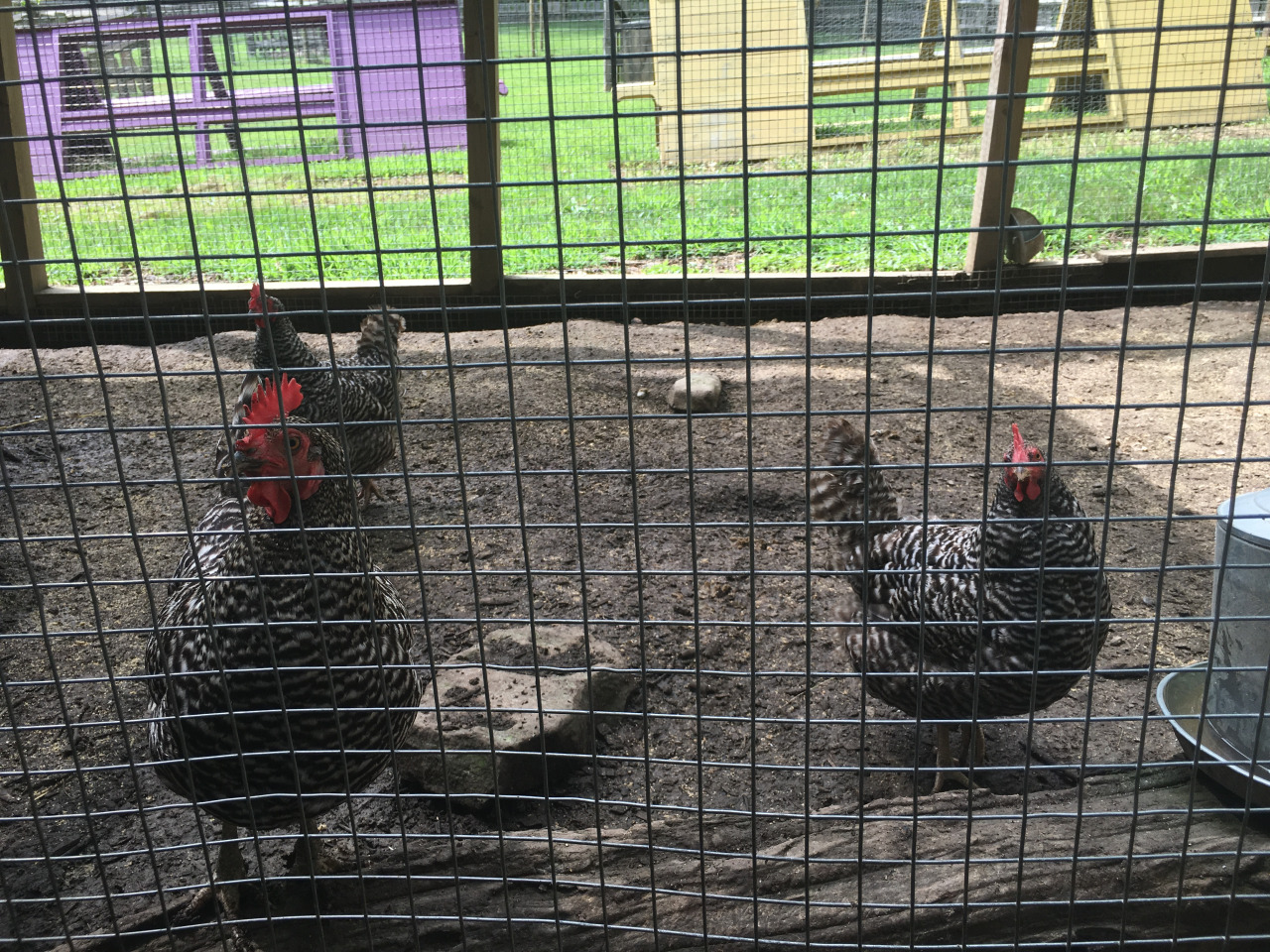
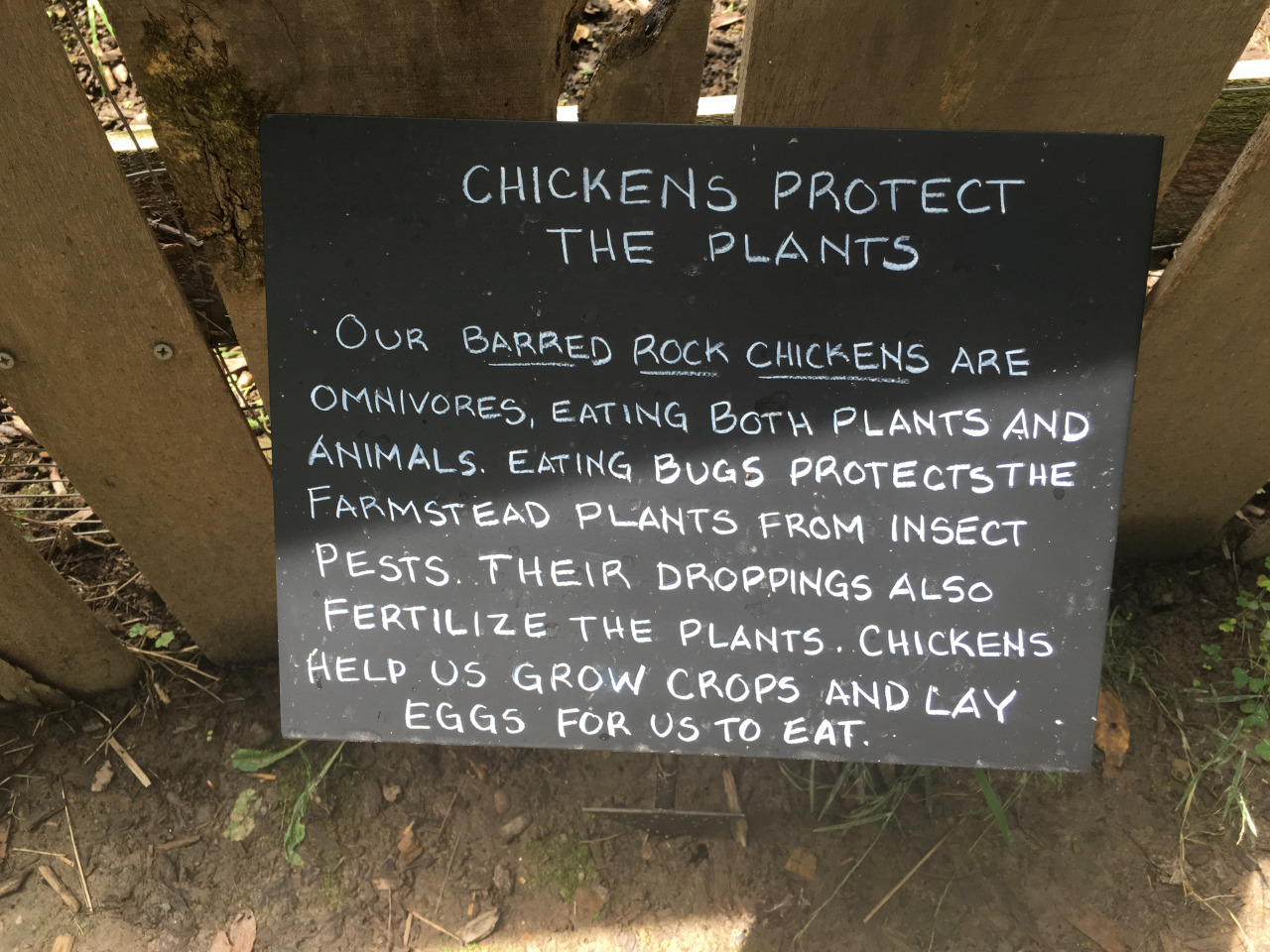
Reclaiming land from Pittsburgh’s industrial past, they transformed land and ponds into an artistic nature experience. Acres that were once farmed, logged and mined have been reinvented and now offer hiking trails, flowers, and surprising works of art. A Monet worthy pond that was once filled with acid is now alive with lotus. Barred Rock Chickens protect the plants through their natural diet of insects and also help to fertilize the crops.
The gardens offer plenty of surprises for kids from a giant bird nest that could fit a large human family to an enchanted area for reading time complete with toadstools on which to perch.
With 460 acres left to steward, it seems this impressive example of reclamation has only just begun.
Kathleen Bodenlos is the Director of Marketing at Carnegie Museum of Natural History. Passionate about nature, art, and travel she enjoys visiting other organizations with a similar focus on conservation and education.
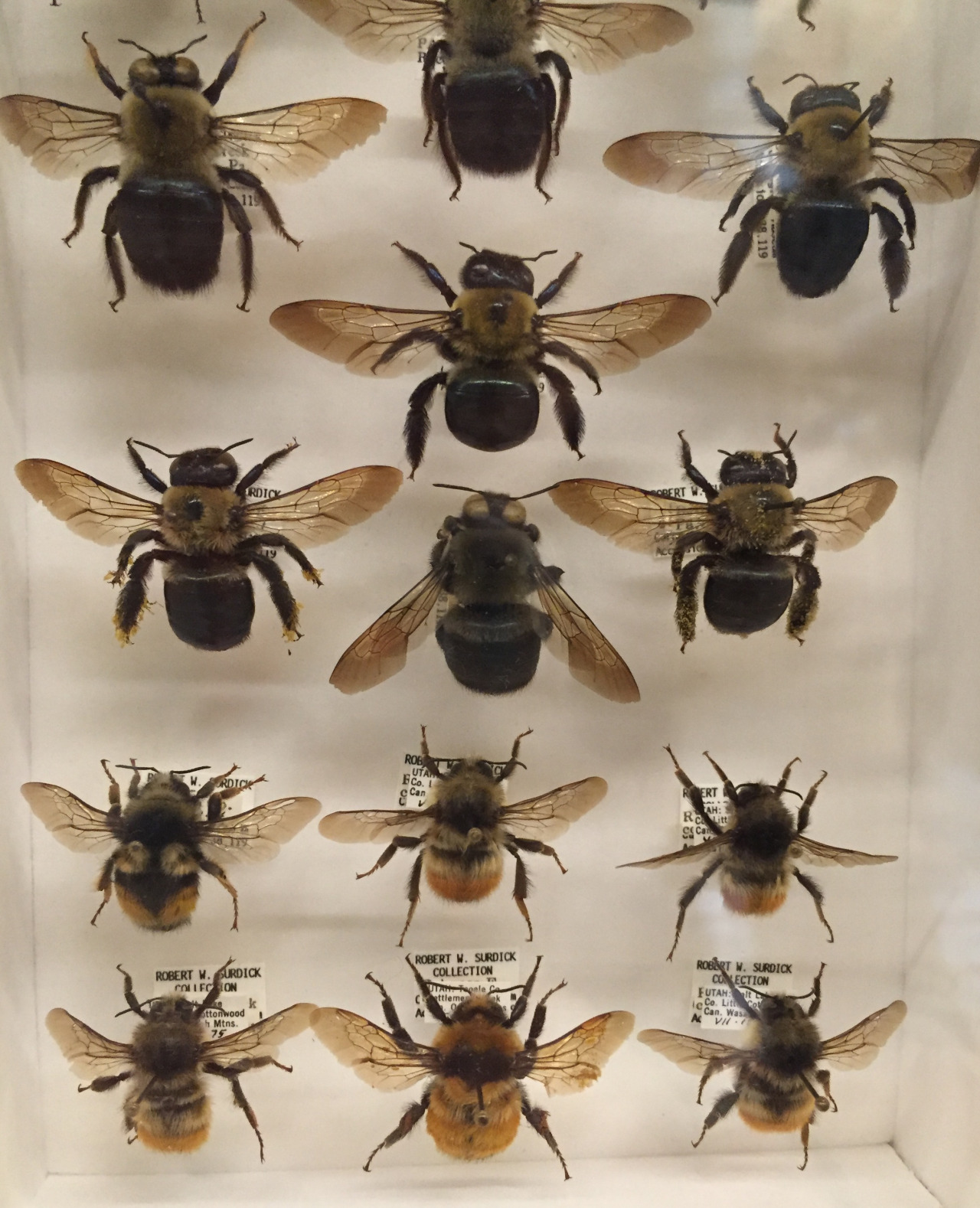
These specimens on display at Carnegie Museum of Natural History in Pittsburgh were not collected by museum scientists.
Local insect entusiasts Robert and Tressa Surdick who lived in Bethel Park, a suburb of Pittsburgh, spent their lives collecting insects from all over Western Pennsylvania. Bob visited the museum as a teen to examine the entomology collections.
When Bob passed away in 2012, he donated his collection of more than 100,000 beautifully prepared insects, including the bumblebees shown above.
A portion of his collection is now displayed near the landing of the Grand Staircase, where it catches the attention of young bug lovers each day.

A young green heron banded at Powdermill Nature Reserve, the environmental research center of Carnegie Museum of Natural History.
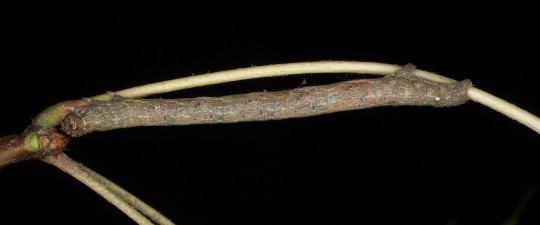
by Vanessa Verdecia
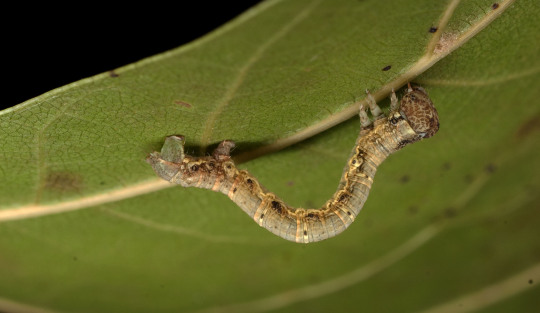
Carnegie Museum of Natural History’s Section of Invertebrate Zoology had a moth eclose earlier this month. The little caterpillar came in on the oak leaves that staff were feeding to other caterpillar cultures. It was identified as a one-spotted variant (Hypagyrtis unipunctata), a very common moth in the Geometridae subfamily Ennominae.
The pictures show its progress from an early instar caterpillar to an adult moth.
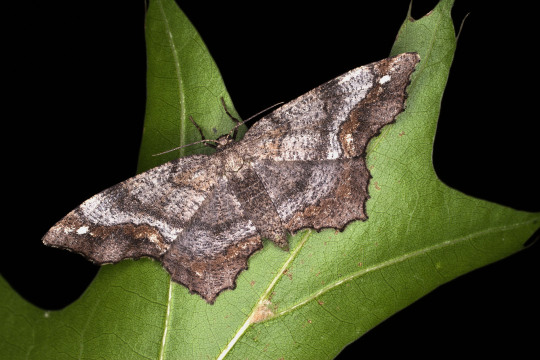
Vanessa Verdecia is a collection assistant in the museum’s Invertebrate Zoology Section. Museum employees are encouraged to blog about their unique experiences and knowledge gained from working at the museum.
