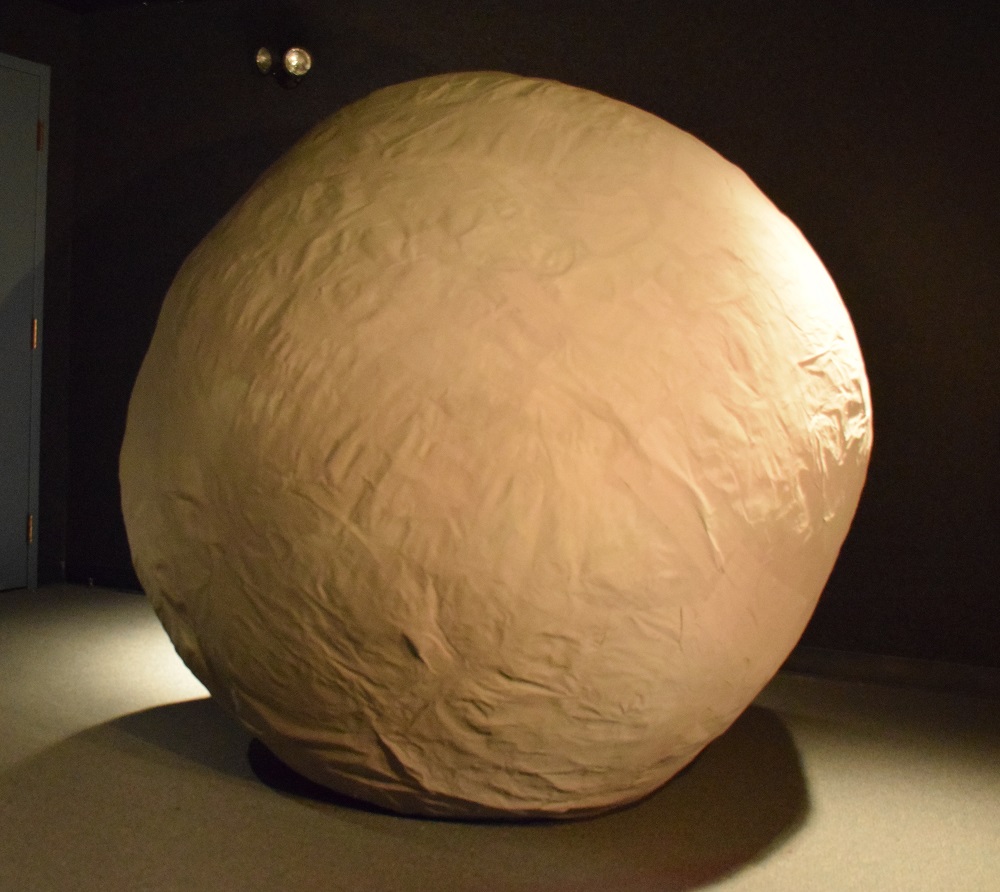
Take a selfie with our life-sized replica of the Indiana Jones boulder NEXT WEEKEND at Indiana Jones…After Dark on June 10. Tickets on sale now! afterdark.carnegiemnh.org
(Photo by Stephanie Sun)
Carnegie Museum of Natural History
One of the Four Carnegie Museums of Pittsburgh
Take a selfie with our life-sized replica of the Indiana Jones boulder NEXT WEEKEND at Indiana Jones…After Dark on June 10. Tickets on sale now! afterdark.carnegiemnh.org
(Photo by Stephanie Sun)
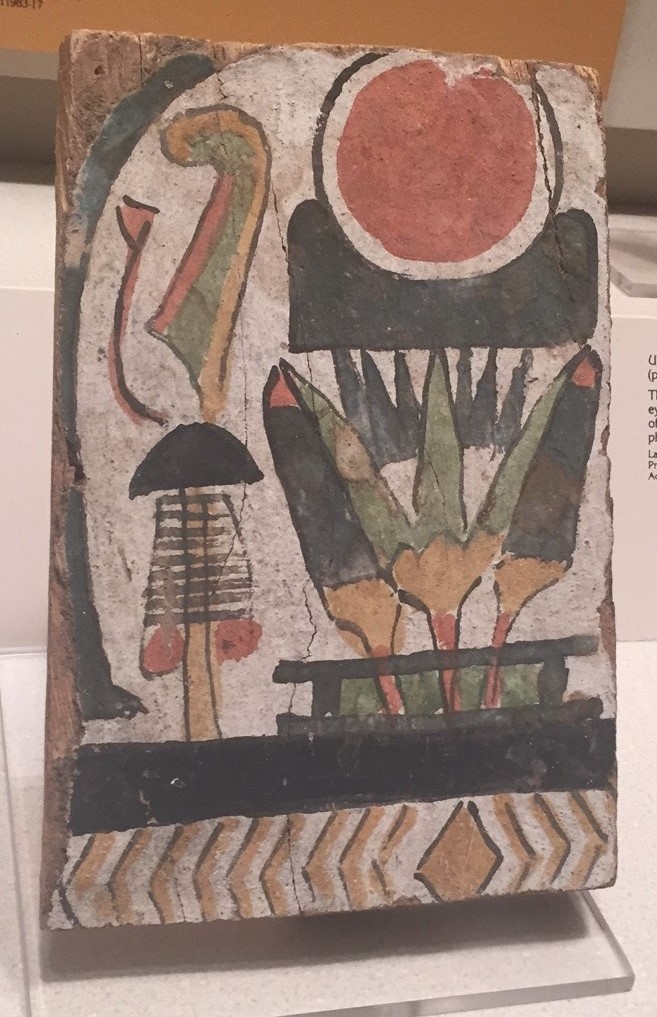
This piece of painted, gessoed wood is on display in Walton Hall of Ancient Egypt. Archaeologists dated it from between 1070 and 653 B.C. and believe it may have come from a coffin. The hieroglyphs on it represent the creator god Re and the afterlife, which symbolically represents creation or rebirth.
by Patrick McShea
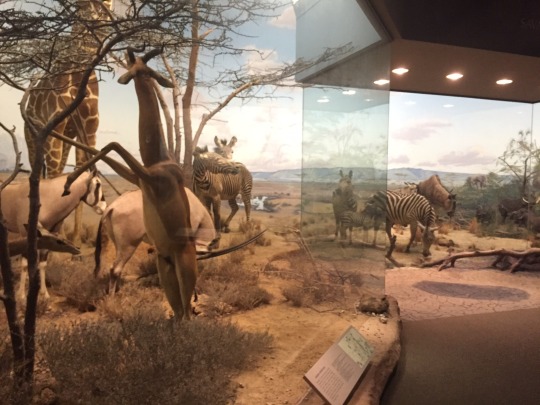
Amid the life sized, realistic diorama’s in Carnegie Museum of Natural History’s Hall of African Wildlife, there is a low table with adjacent seating that is reserved for play on a smaller scale.
Sturdy scale models of Africa’s emblematic species provide all that’s necessary for visitors to make associations, create scenes, simulate and imagine action, and engage in conversation.
The plastic menagerie is housed in a zebra-striped toolbox, which also contains brief information sheets about featured creatures. Based upon the arrangements I’ve found while checking the table’s animal inventory, a popular pastime involves matching models with respective information sheets.
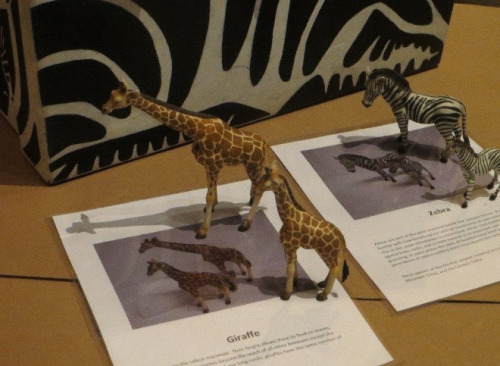
Novel uses include using the toolbox as a prop. Below the box stands-in for Noah’s Ark with the paired animal models in an orderly boarding line.
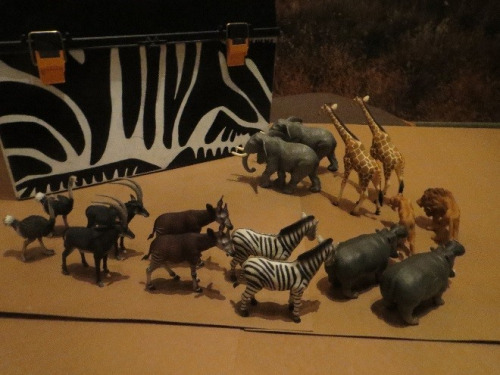
The creator of another scene appeared to imagine toolbox as a mesa with a line of grazers and browsers looking out to scout for predators or perhaps greener feeding grounds.
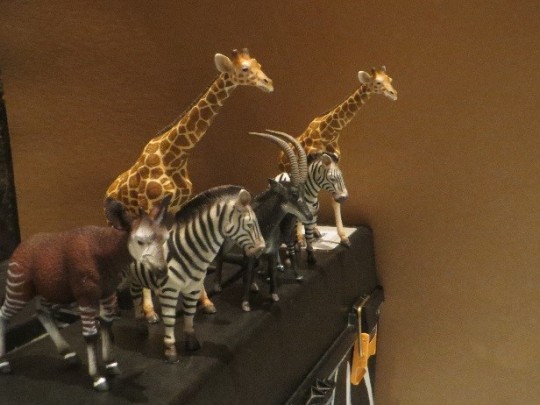
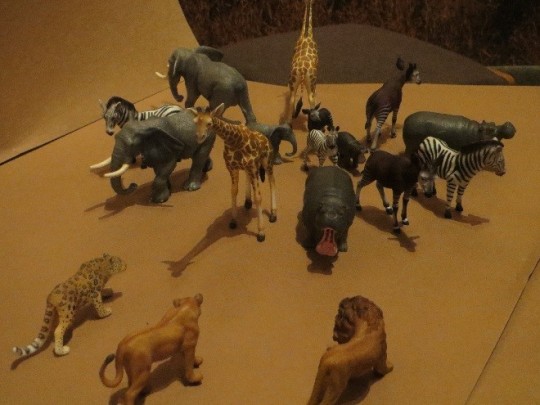
If the replicas’ proximity to dioramas containing life-sized taxidermy mounts invites discussion of scale, the plastic menagerie’s mix of carnivores and herbivores certainly leads to talk of predator and prey relationships. Below a dramatic visitor-constructed scene features a circle of full grown plant-eaters protecting their young from approaching meat-eaters.
Patrick McShea works in the Education and Visitor Experience department of Carnegie Museum of Natural History. Museum employees are encouraged to blog about their unique experiences and knowledge gained from working at the museum.
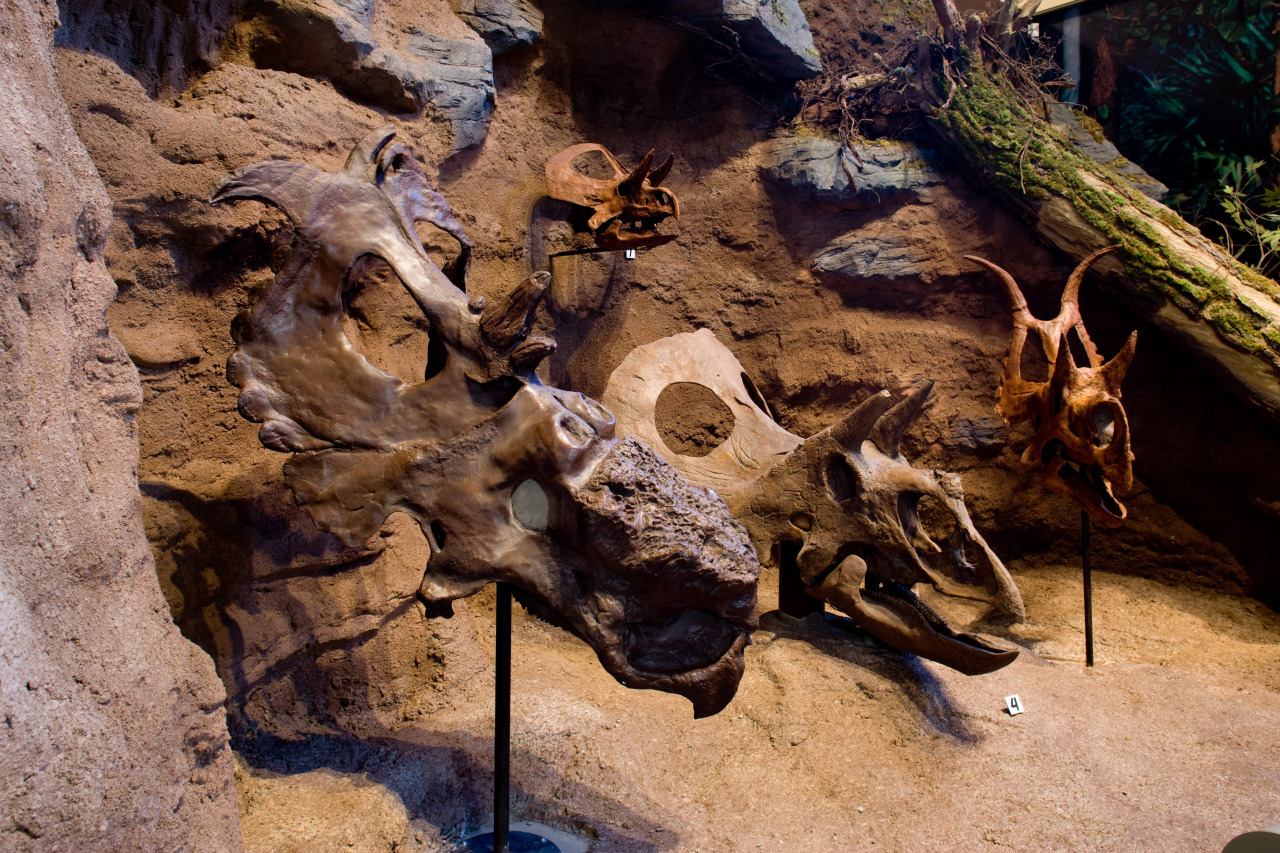
These fossilized skulls are all from Ceratopsians, a group of dinosaurs best known for their horns. This dinosaur group crossed a land bridge between East Asia and Alaska during the Cretaceous Period and lived in North America, where they flourished. A wealth of well-preserved fossils found across North America show that Ceratopsians split off into species with different types of horns, spikes, lumps, knobs, and other means of protecting themselves from predators.
Carnegie Museum of Natural History has far more mineral and
gem specimens that we could ever display, but than doesn’t mean they stay hidden.
Collections managers routinely swap out specimens in Hillman
Hall of Minerals and Gems. This week, we’re excited to share some behind the
scenes footage of two new specimens being put on display!
To display a new specimen, a collection managers removes the glass
from the cases and carefully swaps out the specimens, making sure to artfully position
the minerals for visitors to enjoy.
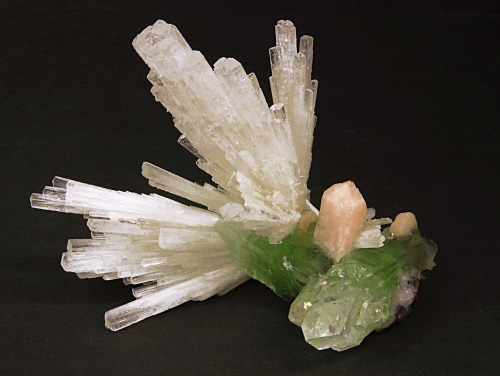
The first newly-displayed specimen features three different
mineral species. The base mineral is fluorapophyllite, with traces of vanadium
that give it a stunning green color. The white offshoots are scolecite, and the
peach colored mineral is stilbite.
Marc Wilson, head of the minerals section, said the specimen was
found in India,
when villagers in Jalgaon district of
Maharashtra State dug a well. Though
many specimens were collected from the site, Wilson said the specimen now at
Carnegie Museum of Natural History was the best.
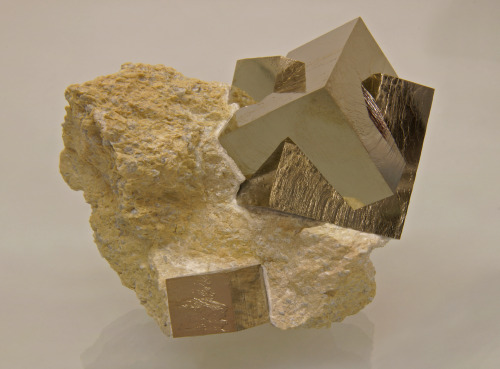
The second specimen
is pyrite, sometimes called “fool’s gold.” The cubical shape of the pyrite
occurs naturally, but the rock surrounding the mineral is mechanically removed.
This pyrite is from Navajun Spain, which is known for its
pyrite.
Both specimens are on display now in Hillman Hall
Photos by Debra Wilson
 When you think of a butterfly, do you imagine it fluttering through your garden? Maybe landing on a flower in a tropical forest?
Whatever you’re thinking… it’s probably doesn’t involve the Arctic. But butterflies live surprisingly far north!
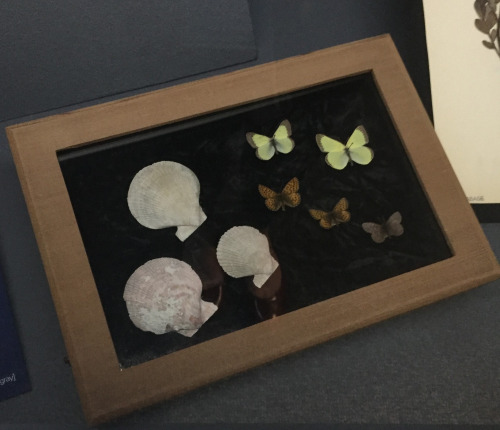
Less than 20 species of butterflies are known to live in the Arctic. Carnegie Museum of Natural History scientists collected these High Arctic Butterfly specimens on expeditions in the 1930s and 1940s. Five species are currently on display in Polar World: Wyckoff Hall of Arctic Life.
Shown above next to specimens of Icelandic Scallops, are five types of High Arctic butterflies.
