• Skip to primary navigation
  • Skip to main content
  • Skip to primary sidebar

Carnegie Museum of Natural History

One of the Four Carnegie Museums of Pittsburgh

  • Visit
    • Buy Tickets
    • Visitor Information
    • Exhibitions
    • Events
    • Dining at the Museum
    • Celebrate at the Museum
    • Powdermill Nature Reserve
    • Event Venue Rental
    • Gift Cards
  • Learn
    • Field Trips
    • Educator Information
    • Programs at the Museum
    • Bring the Museum to You
    • Guided Programs FAQ
    • Programs Online
    • Climate and Rural Systems Partnership
  • Research
    • Scientific Sections
    • Science Stories
    • Science Videos
    • Senior Science & Research Staff
    • Museum Library
    • Science Seminars
    • Scientific Publications
    • Specimen and Artifact Identification
  • About
    • Mission & Commitments
    • Directors Team
    • Museum History
  • Tickets
  • Give
  • Shop

wpengine

March 22, 2016 by wpengine

Prehistoric Egg Hunt

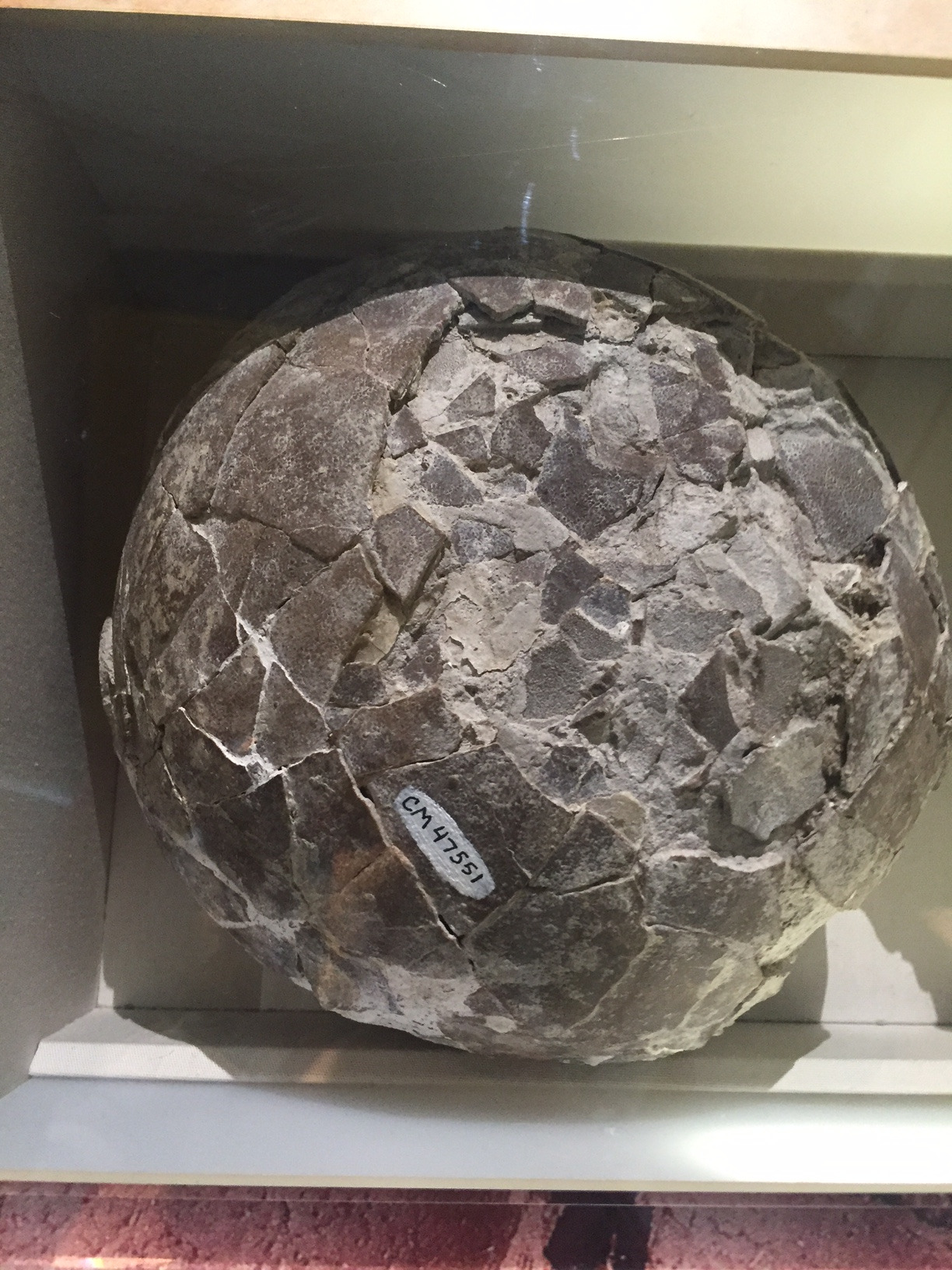
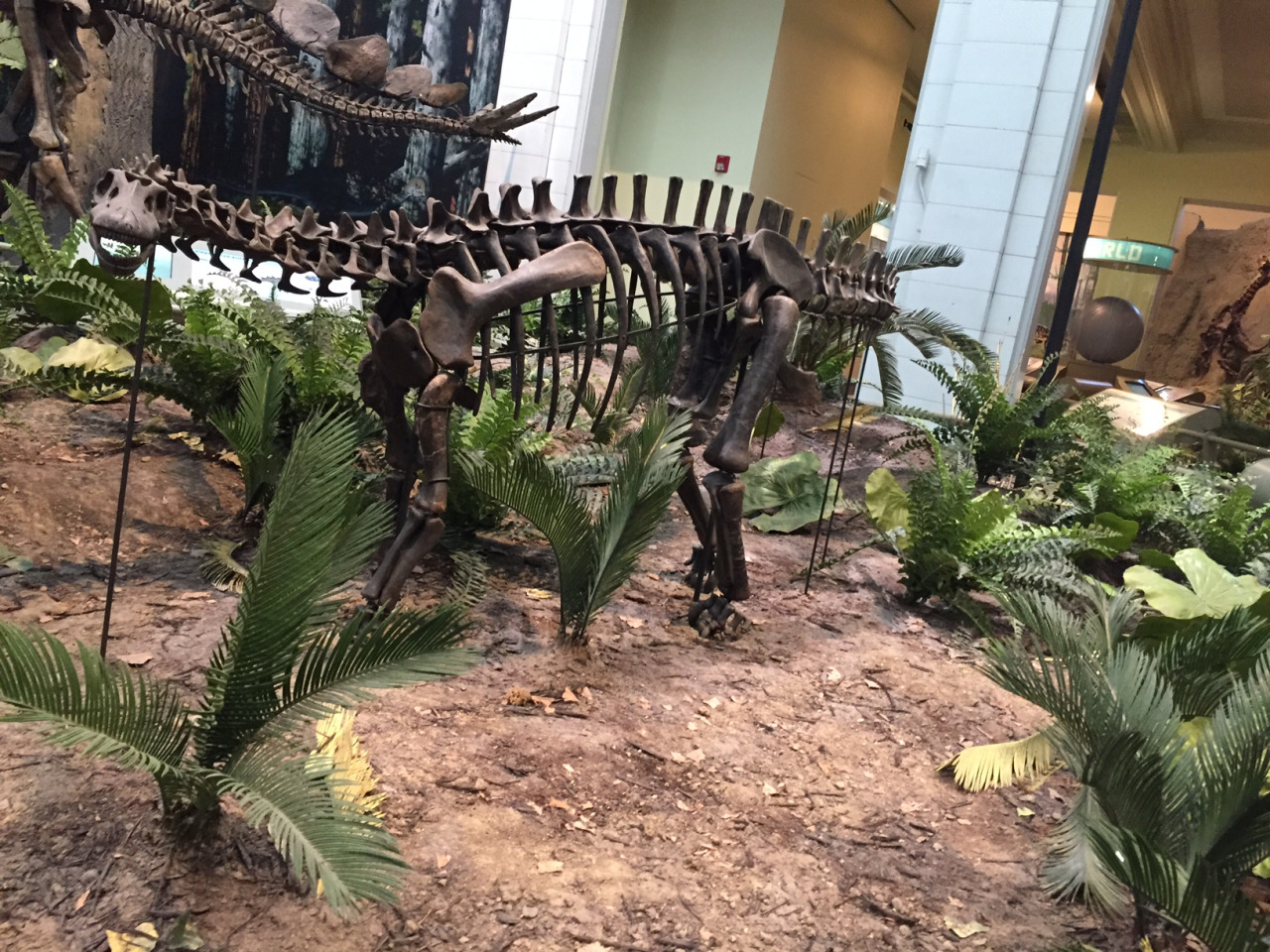
fossilized sauropod eggskeleton of a baby Apatosaurus
For many years, Paleontologists were on an egg hunt that extended way beyond Easter.

Until 1997, scientists did not know much about the way sauropods (herbivore dinosaurs with long necks and tails) reproduced and grew. A fossilized sauropod nesting ground with thousands of dinosaur eggs found in Argentina gave paleontologists answers about how sauropods nested and what baby sauropods looked like and how they grew.

Carnegie Museum of Natural History’s Dinosaurs in Their Time features a sauropod egg and the reconstructed skeleton of a baby Apatosaurus, originally believed to be a different type of dinosaur entirely.
Filed Under: Blog Tagged With: dinosaur eggs, paleontology

March 20, 2016 by wpengine

Shabtis

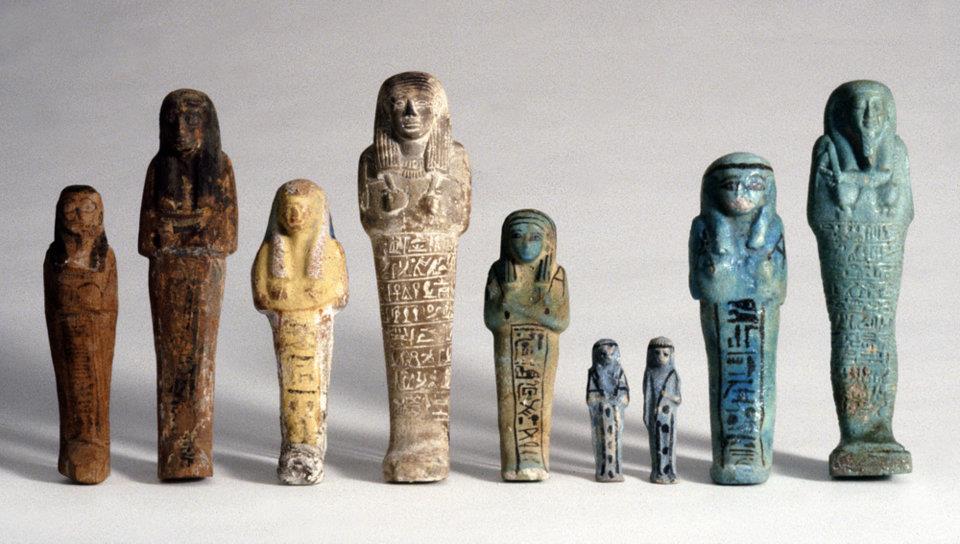
multi-colored shabtis in a row

Shabtis, small statues found in ancient Egyptian tombs, are on display in the Walton Hall of Ancient Egypt.

Filed Under: Blog Tagged With: archaeology, egypt, Walton Hall of Ancient Egypt

March 18, 2016 by wpengine

Bee-balm

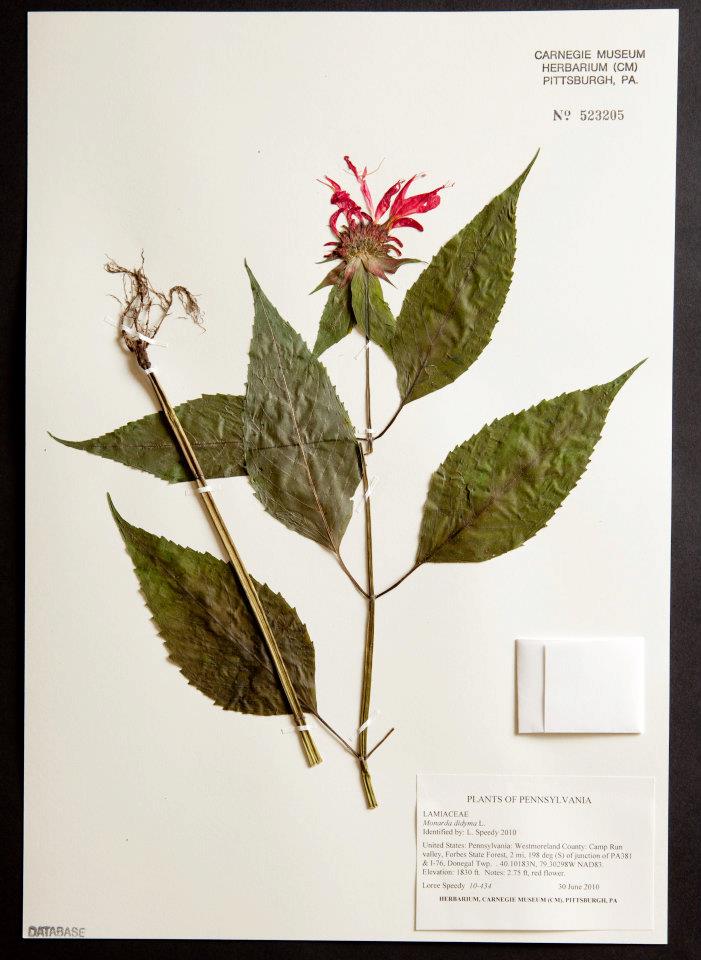
Pressed leaves and flowers of Bee-balm

Bee-balm (Monarda didyma Linnaeus) specimen in the Botany collection. Image credit: Josh Franzos/Carnegie Museum of Natural History.

Filed Under: Blog Tagged With: nature, plants

March 17, 2016 by wpengine

AP3: Antarctica Peninsula Paleontology Project

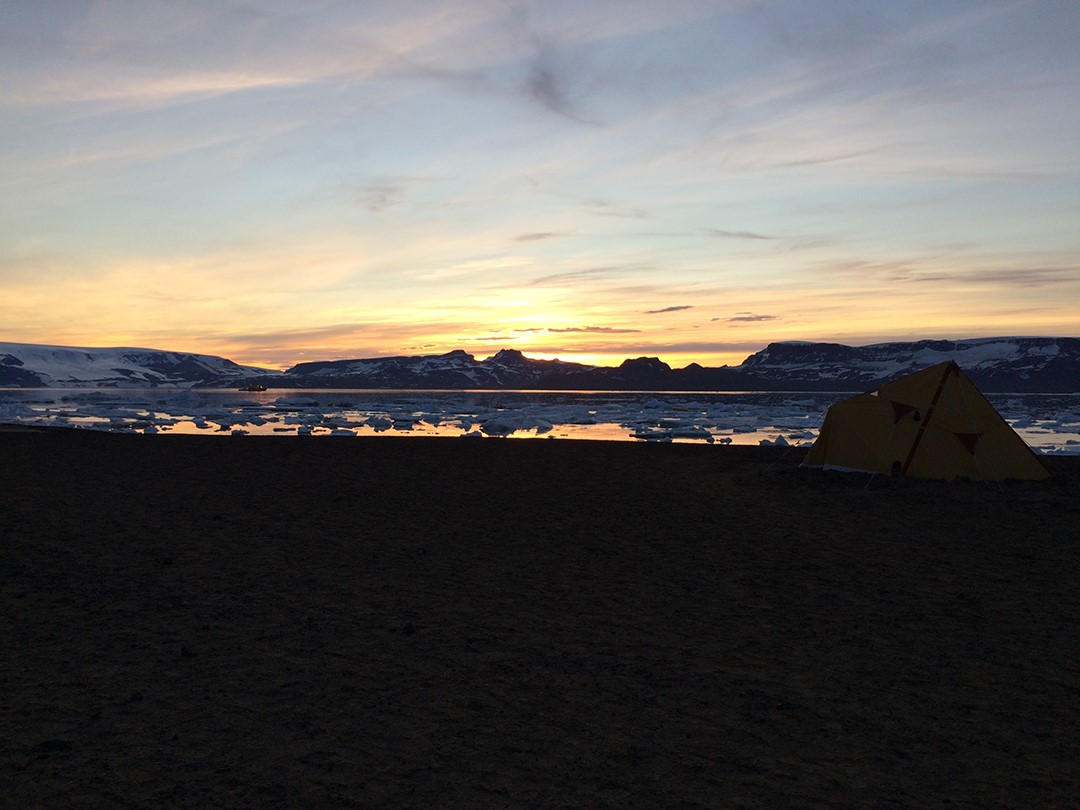
Sunset over camp on Vega Island
Sunset over camp on Vega Island. The eastern shore of James Ross Island and the RVIB Nathaniel B. Palmer are visible in the background. Photo by Pat O’Connor.
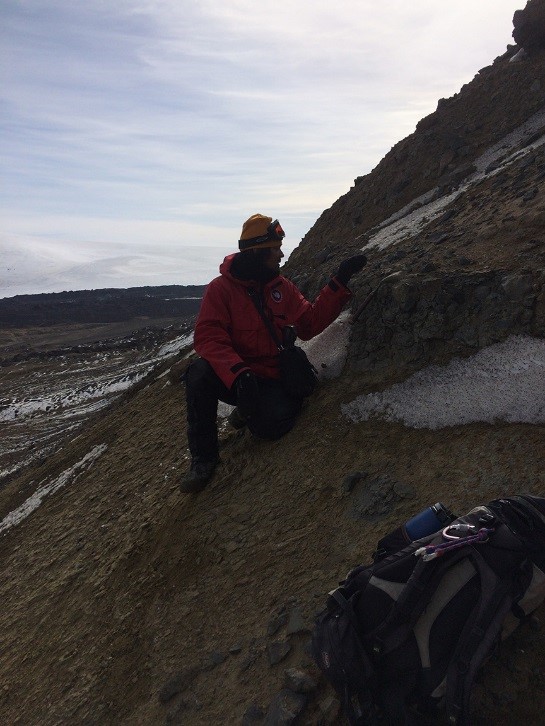
geologist Zubair Jinnah
G-182-N geologist Zubair Jinnah studies an exposure of the Upper Cretaceous upper Cape Lamb Member of the Snow Hill Island Formation on Vega Island. Photo by Pat O’Connor.

AP3: Antarctica Peninsula Paleontology Project

February 21–28, 2016

Project G-182-N (PI Matt Lamanna)

Work at the main basecamp on the western shore of Vega Island continued in week two and resulted in the discovery of a wealth of fossils.

Senior project geologist Eric Roberts located a partial plesiosaur. The specimen, which preserves numerous vertebrae, ribs, paddle bones, and gastroliths (stomach stones), appears to be the most complete marine reptile discovered by the project to date. Many of its bones remain articulated (preserved in life position) and are beautifully preserved within sandstone concretions. With time and effort in the laboratory, much of the postcranial skeleton will likely be reassembled and will likely be significant both for scientific study and possible display.

The project made significant progress towards its geological aims as well. Roberts and fellow geologist Zubair Jinnah continued their efforts to decipher the age and depositional environments of the sediments exposed on the uppermost levels of Sandwich Bluff. They collected rock and fossil samples from the uppermost Sandwich Bluff Member and basal Sobral Formation for geochemical and palynological analyses and strontium isotopic dating. They also began to subdivide the Sobral Formation into discrete units, as Roberts and colleagues did for the Sandwich Bluff Member in a 2014 paper.

Helicopter reconnaissance efforts continued with additional trips to Seymour and eastern Vega Island. Considerable effort was expended during week two towards installing a field camp near the Cretaceous–Paleogene boundary horizon in the central area of Seymour Island. Those at the camp are having success in recovering fossils of fishes, putative turtles, and other Cretaceous vertebrates.

Lastly, filmmaker Matt Koshmrl continues to skillfully document all aspects of the project through video and still photography.

Also discovered during week two

– A second plesiosaur partial skeleton. Several partial-to-complete fossil leaves and a conifer branch. Partial skeletons of Cretaceous fishes that may be the most completely-preserved fishes yet found from Cretaceous sediments on Vega Island.

– A partial dorsal rib of a very large-bodied tetrapod, possibly a sauropod (long-necked plant-eating dinosaur)

– Multiple isolated Cretaceous bird bones were also collected, as was a possible avian skull

– An abundance of exceptionally-preserved Eocene penguin bones, including a partial skull of a giant species (possibly Anthropornis nordenskjoeldi or Palaeeudyptes antarcticus). This is exciting as only a handful of cranial elements of fossil penguins have ever been described from Seymour Island.

Matt Lamanna is a paleontologist and the principal dinosaur researcher at Carnegie Museum of Natural History in Pittsburgh. Matt and his team of researchers blog frequently from Antarctica while on expedition at antarticdinos.org.

Filed Under: Blog Tagged With: Matt Lamanna

March 17, 2016 by wpengine

Ireland in the Ice Age

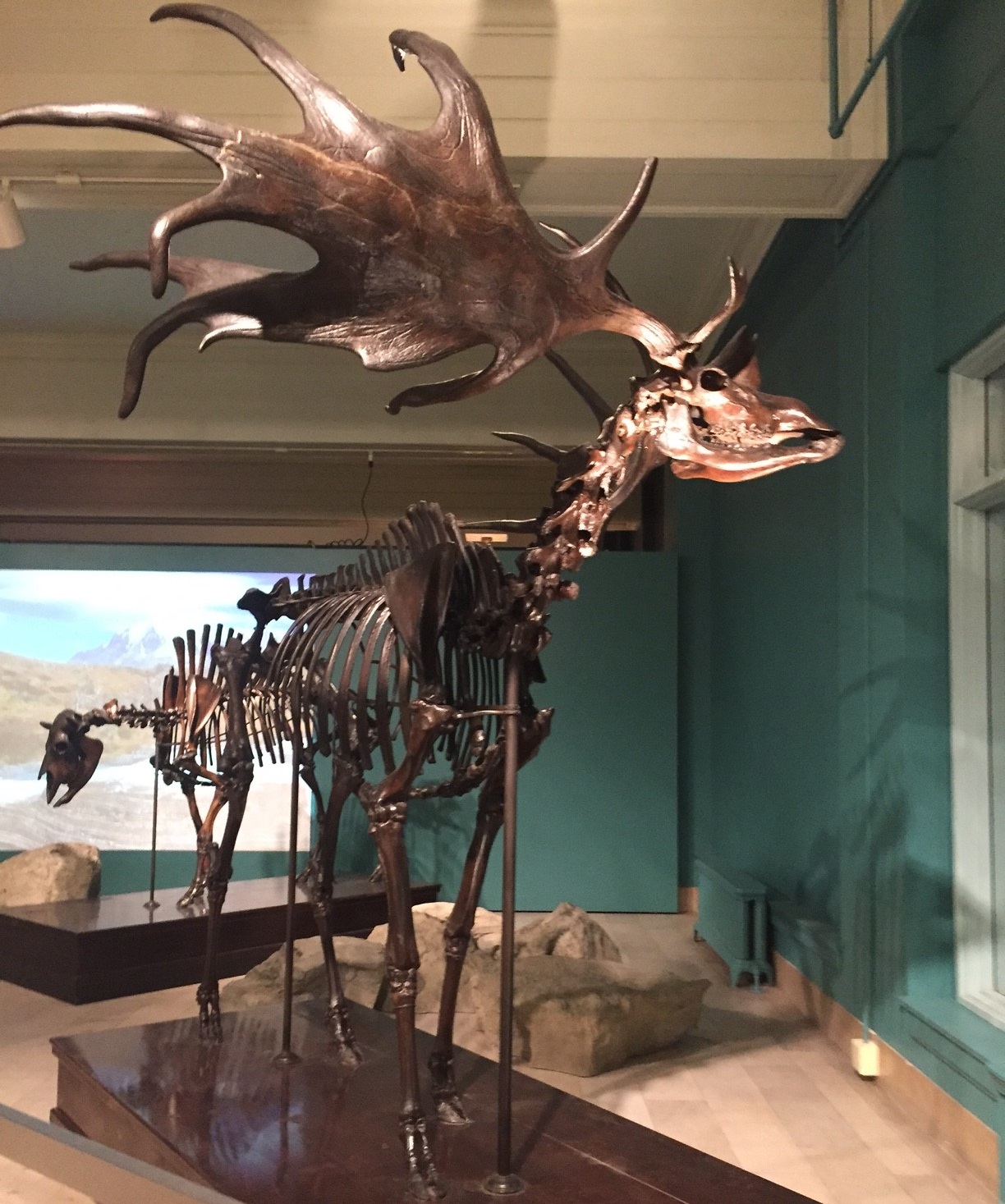
Megaloceros giganteus in museum
Long before St. Patrick chased the snakes out of Ireland, the Megaloceros giganteus strutted across the Emerald Isle during the Ice Age sporting antlers that weighed as much as 100 pounds and spanned up to 12 feet. Also known as Irish elk, Megaloceros giganteus were about 7-feet tall at the shoulder and the largest known deer that ever lived.

The species is thought to have lived throughout Eurasia, but the best documented remains are found in Irish peat bogs.

Our specimen was found in peat bog near Dublin, Ireland and is on display in Cenozoic Hall.

Filed Under: Blog Tagged With: Age of Mammals: The Cenozoic Era, Cenozoic Hall, paleontology

March 16, 2016 by wpengine

A Look Back at Carnegie Quarry

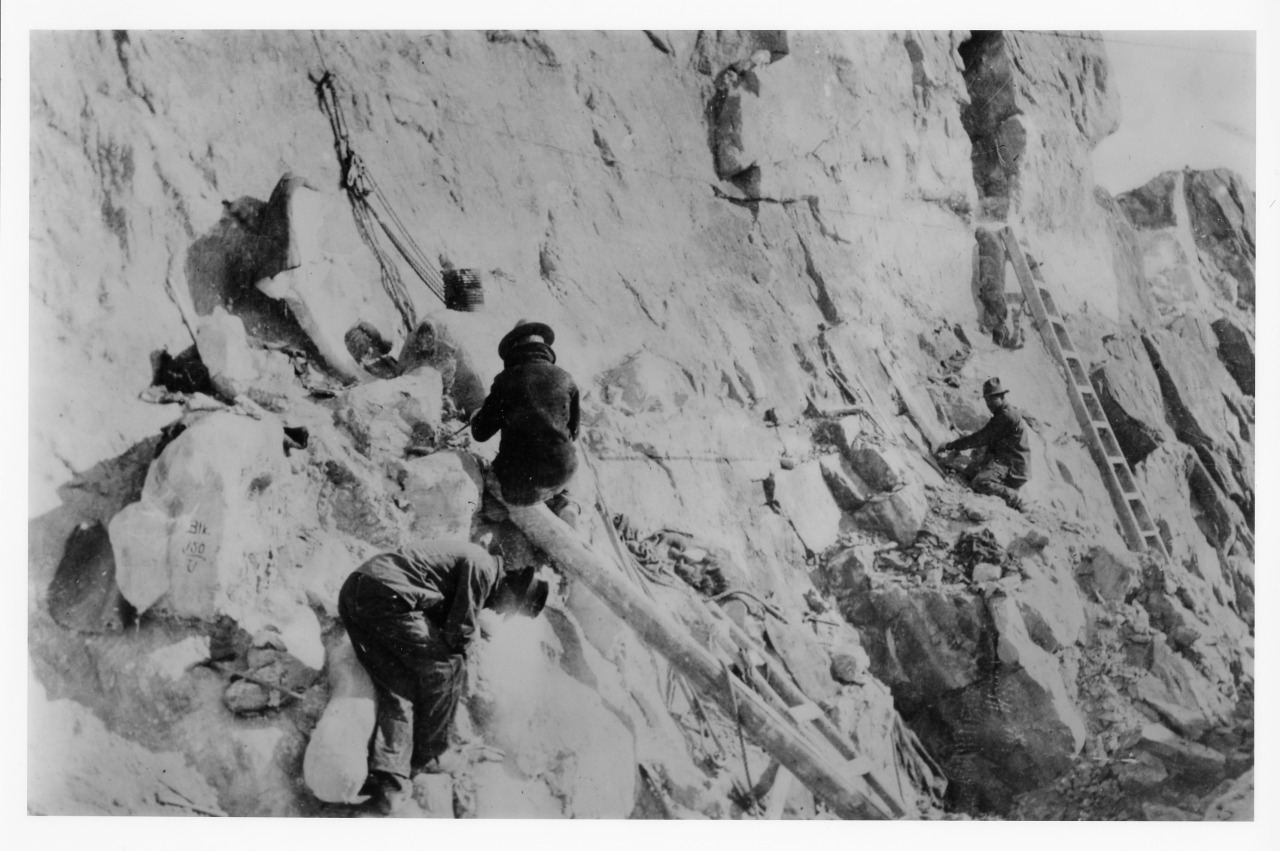
Scientists at work in Carnegie Quarry National Dinosaur Monument
Scientists at work in Carnegie Quarry National Dinosaur Monument, discovered in Utah by Carnegie Museum paleontologist Earl Douglass in 1909. The quarry yielded thousands of fossils still on display in Pittsburgh and museums across the country.

Filed Under: Blog

  • « Go to Previous Page
  • Page 1
  • Interim pages omitted …
  • Page 199
  • Page 200
  • Page 201
  • Page 202
  • Page 203
  • Interim pages omitted …
  • Page 206
  • Go to Next Page »

sidebar

About

  • Mission & Commitments
  • Directors Team
  • Museum History

Get Involved

  • Volunteer
  • Membership
  • Carnegie Discoverers
  • Donate
  • Employment
  • Events

Bring a Group

  • Groups of 10 or More
  • Birthday Parties at the Museum
  • Field Trips

Powdermill

  • Powdermill Nature Reserve
  • Powdermill Field Trips
  • Powdermill Staff
  • Research at Powdermill

More Information

  • Image Permission Requests
  • Science Stories
  • Accessibility
  • Shopping Cart
  • Contact
  • Visitor Policies
Stay in the loop! Sign up for our newsletter(s).
One of the Four Carnegie Museums | © Carnegie Institute | Privacy Policy | Terms of Use | Accessibility
Rad works here logo