• Skip to primary navigation
  • Skip to main content
  • Skip to primary sidebar

Carnegie Museum of Natural History

One of the Four Carnegie Museums of Pittsburgh

  • Visit
    • Buy Tickets
    • Visitor Information
    • Exhibitions
    • Events
    • Dining at the Museum
    • Celebrate at the Museum
    • Powdermill Nature Reserve
    • Event Venue Rental
    • Gift Cards
  • Learn
    • Field Trips
    • Educator Information
    • Programs at the Museum
    • Bring the Museum to You
    • Guided Programs FAQ
    • Programs Online
    • Climate and Rural Systems Partnership
  • Research
    • Scientific Sections
    • Science Stories
    • Science Videos
    • Senior Science & Research Staff
    • Museum Library
    • Science Seminars
    • Scientific Publications
    • Specimen and Artifact Identification
  • About
    • Mission & Commitments
    • Directors Team
    • Museum History
  • Tickets
  • Give
  • Shop

wpengine

March 8, 2016 by wpengine

AP3: Expedition 2016

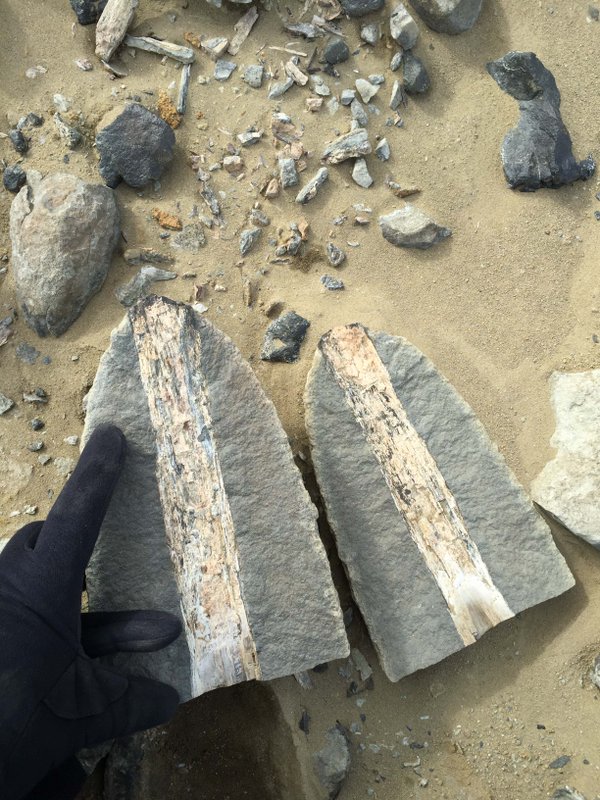
fossilized wood found in Antarctica

“It’s not just dino bones we’re seeking. Here’s some fossilized wood found on Cape Lamb.”

Matt Lamanna is a paleontologist and the principal dinosaur researcher at Carnegie Museum of Natural History in Pittsburgh. Matt and his team of researchers blog frequently from Antarctica while on expedition at antarticdinos.org.
Filed Under: Blog Tagged With: Matt Lamanna

March 8, 2016 by wpengine

Discoverers Expedition Vilcabamba 2016: Lima

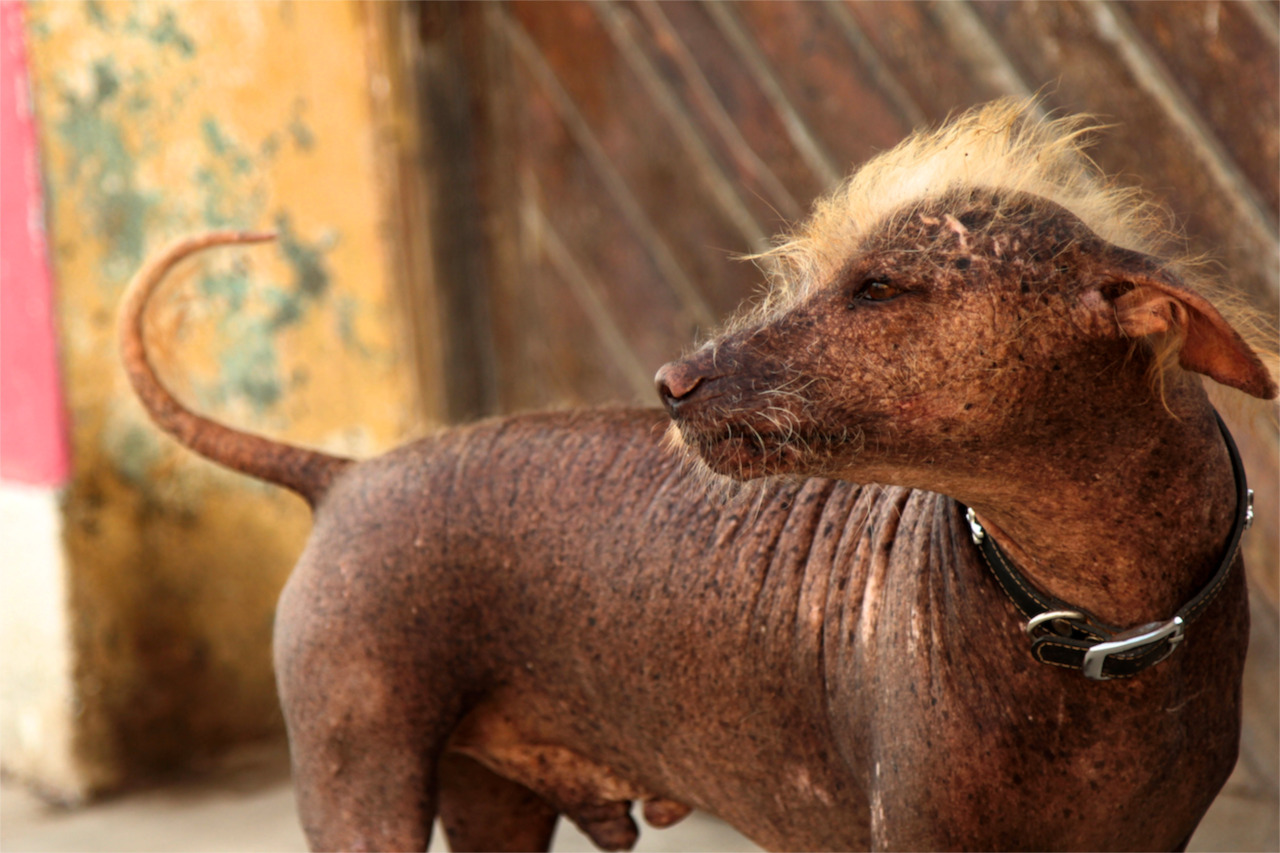
“naked” peruvian dog (perro calato de sechura in Spanish)
The bizarre, and beautiful, “naked” peruvian dog (perro calato de sechura in Spanish), a common companion of local peoples.
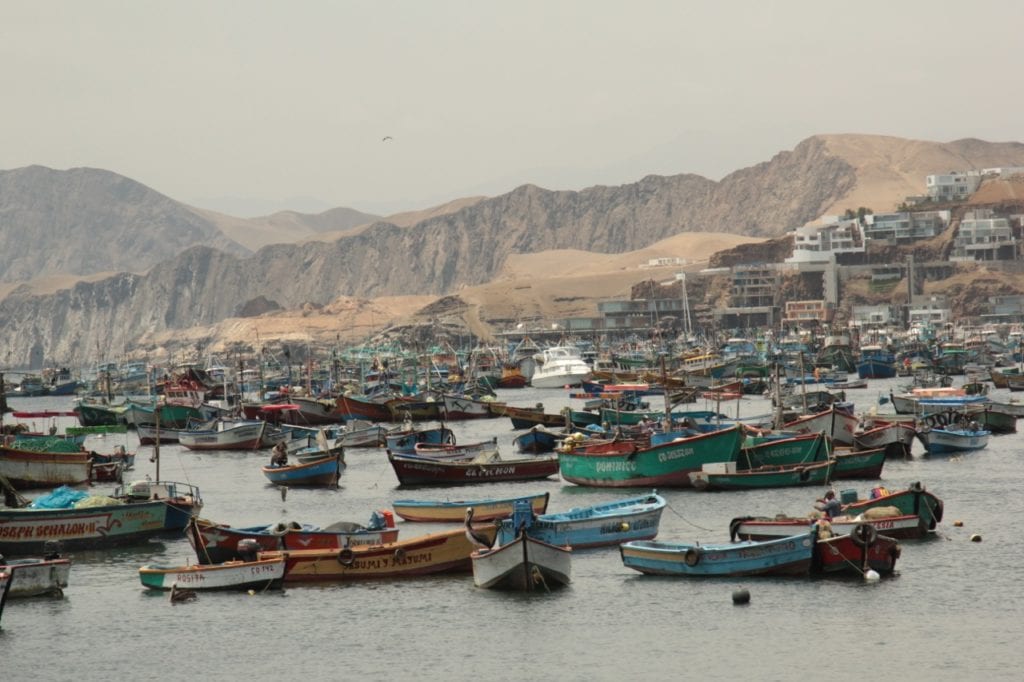
The bay of Pucusana with the arid slopes of the Atacama desert in the background.
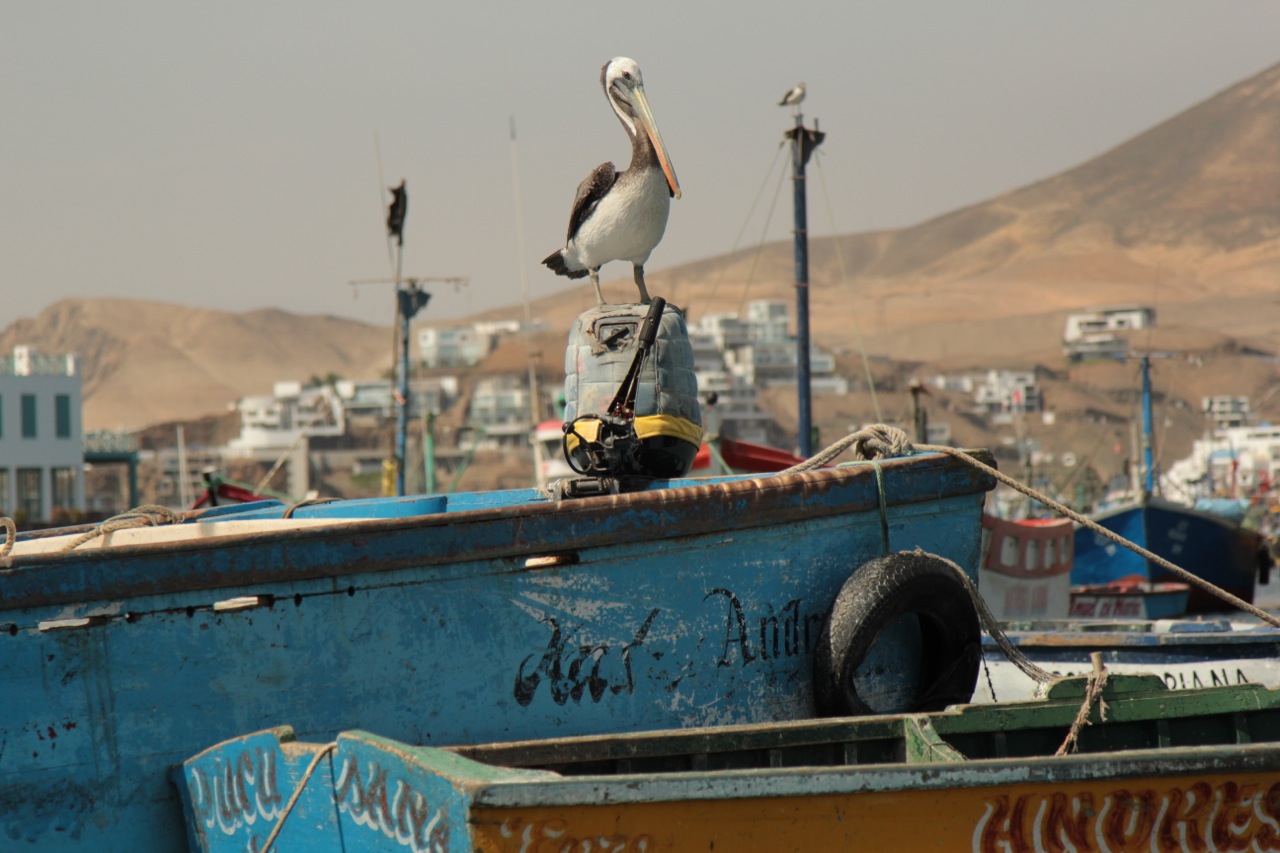
pelican (Pelecanus tagus)
The pelican (Pelecanus tagus), lord of the bay.
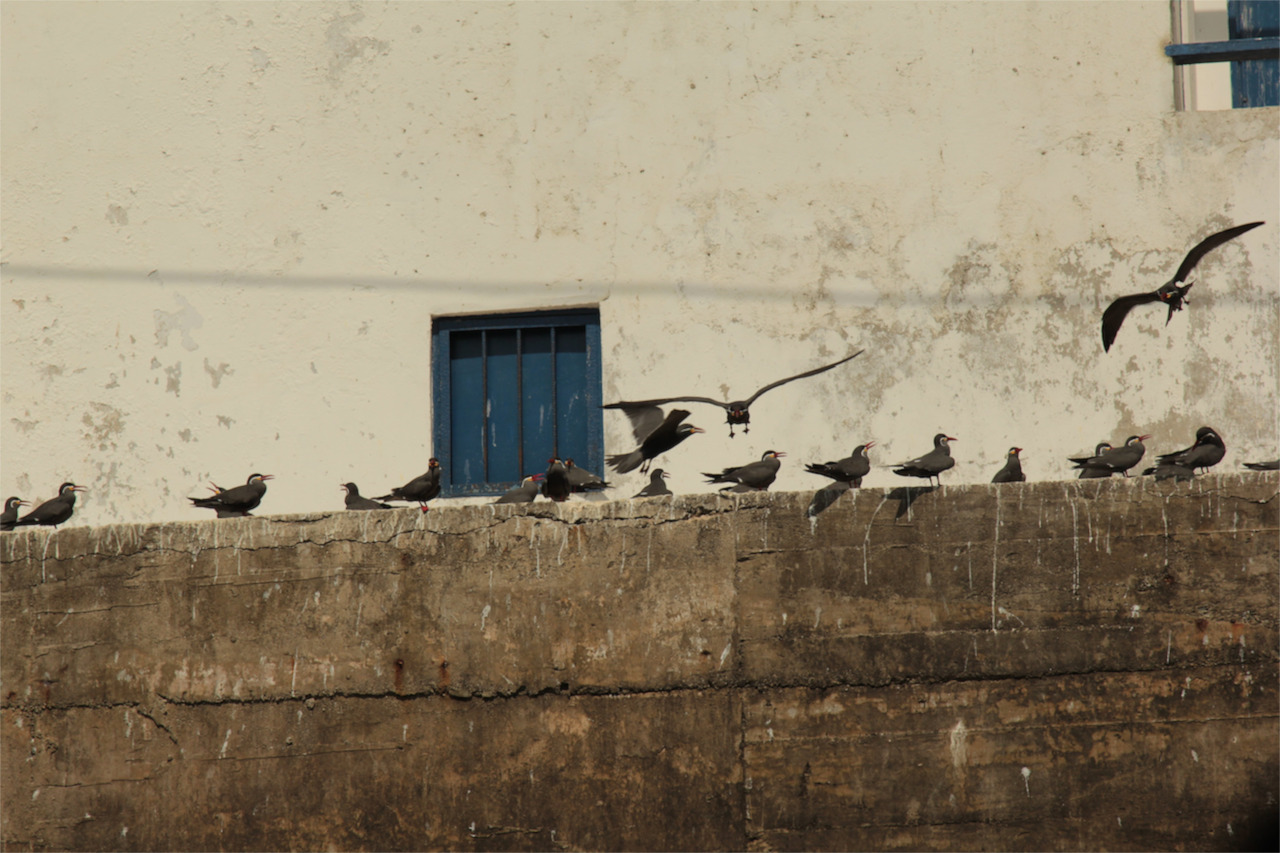
zarcillo (Larosterna inca)
A group of the common and beautiful zarcillo (Larosterna inca).
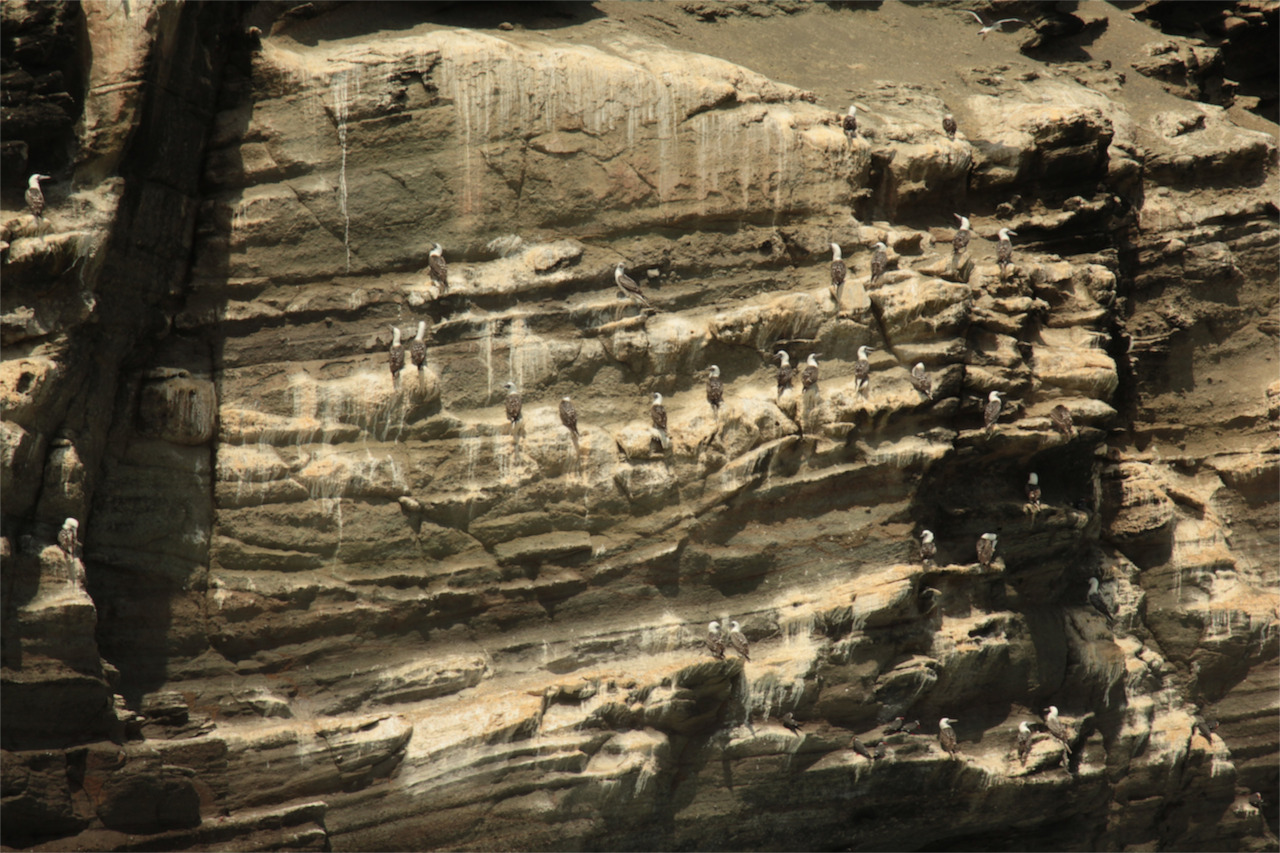
colony of boobies
A colony of boobies (Sula variegata), one of the most abundant species along the coast of Lima.
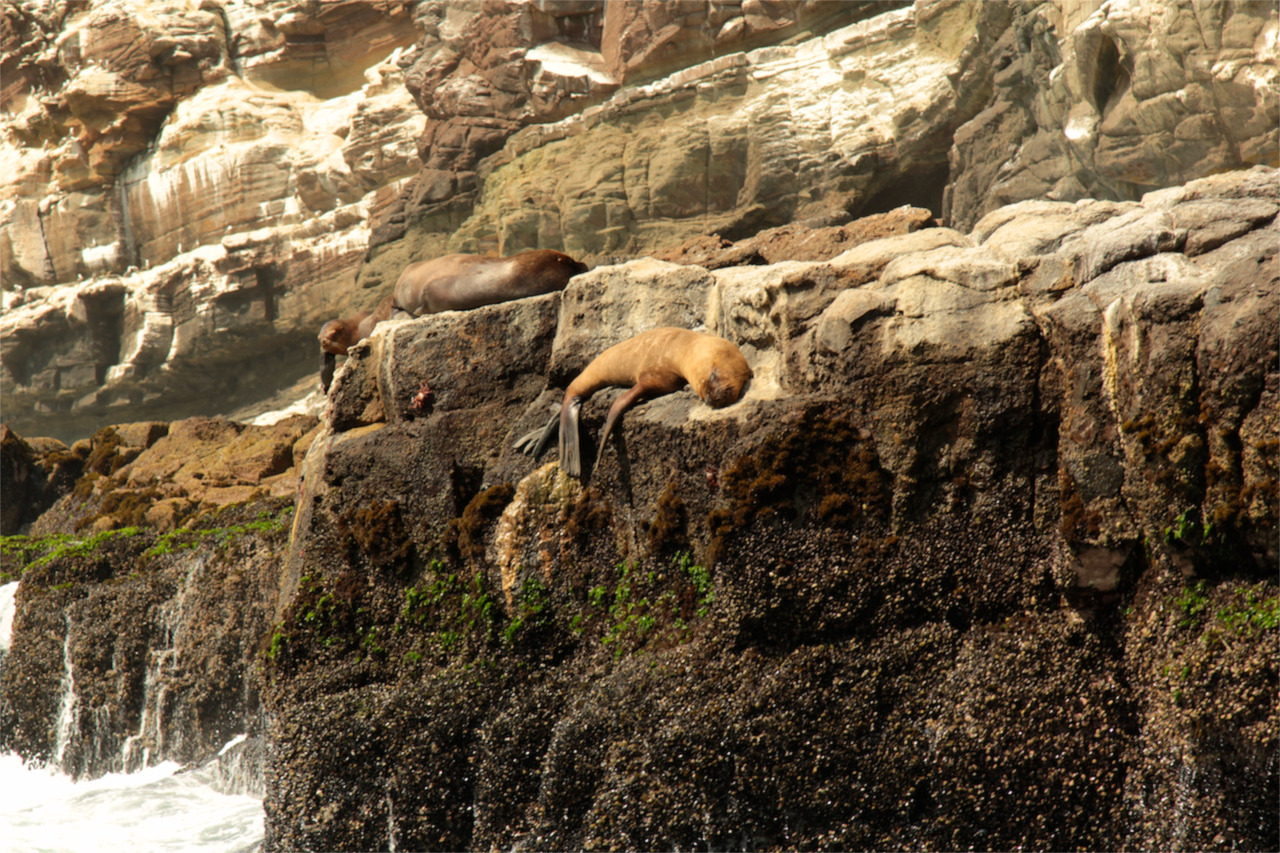
sea lions
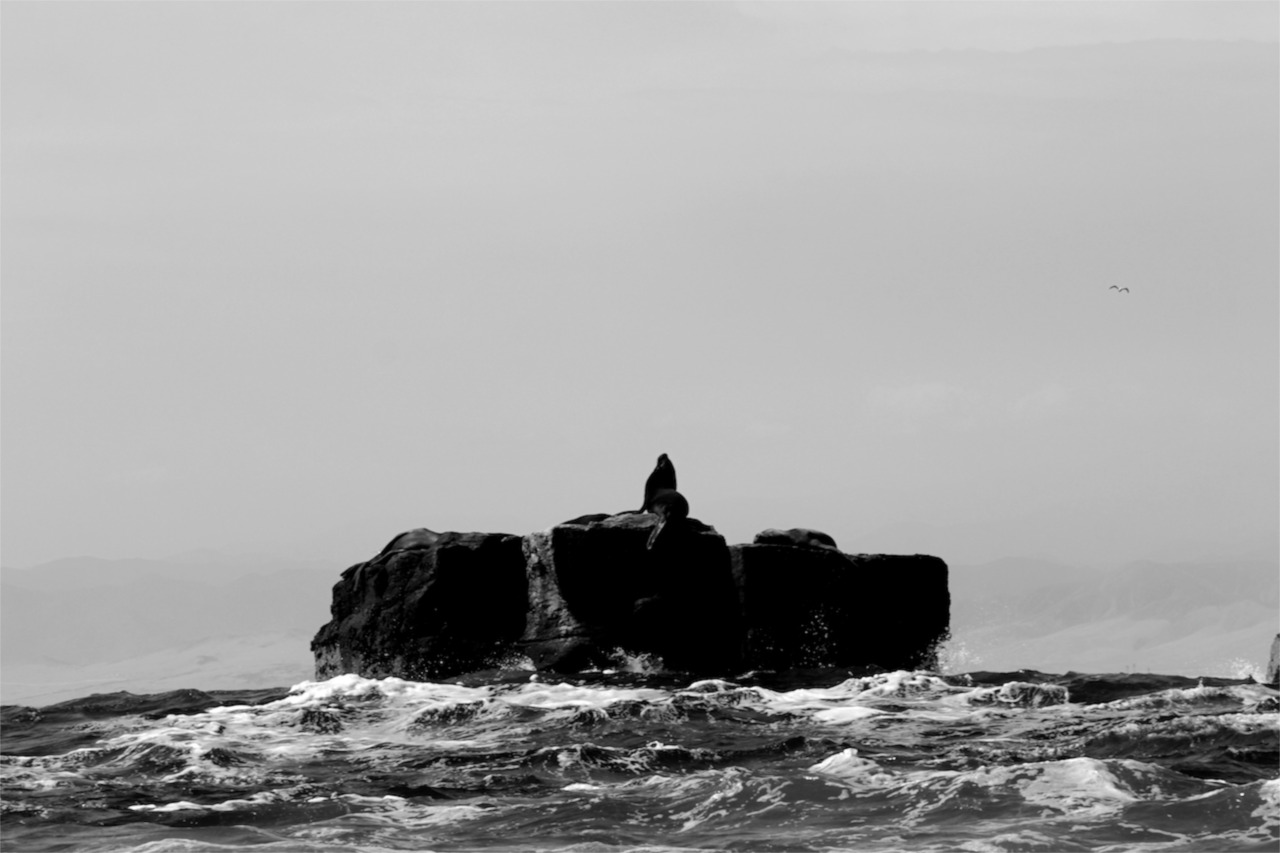
Sleepy sea lions (Otaria byronia) enjoying the burning sun and the refreshing splashes of salty water.
sea lion
A huge male sea lion (Otaria byronia) dries its hairy skin under a strong afternoon sun and guards its privileged position amongst a group of females.

February 28, 2016

We arrived to Lima on a sunny, hot day and decided to make a trip to the beach to see some wildlife. We left the outskirts of the gigantic city of Lima on a bus that headed South through the arid regions of the Atacama desert. After about an hour we reached the small and beautiful fishermen village of Pucusana.

Dozens of boats were docked along an ample and peaceful bay where a crowd of people, pelicans, gulls, and sea lions where all busy doing what they do. We rented an small boat and went off to enjoy the wonders of the Pacific coast of the Atacama desert, one of the most productive and best preserved coastal areas of the world—millions of sea birds populate the many islands, islets, and cliffs of the coast. The sea birds produce the guano, a rich manure that has been exploited ever since Alexander von Humboldt described its wonders after studying it at the port of Callao. Here is a glimpse, in pictures, of the few hours we spent in this extraordinary ecosystem.

José Padial and his team of researchers have traveled to the remote Vilcabamba mountains of Peru in the pursuit of biodiversity research. He blogs and sends photos as often as possible capturing his expedition along the way and his return home to the Carnegie Museum of Natural History in Pittsburgh, PA.

Filed Under: Blog Tagged With: peru

March 8, 2016 by wpengine

Signature Specimen

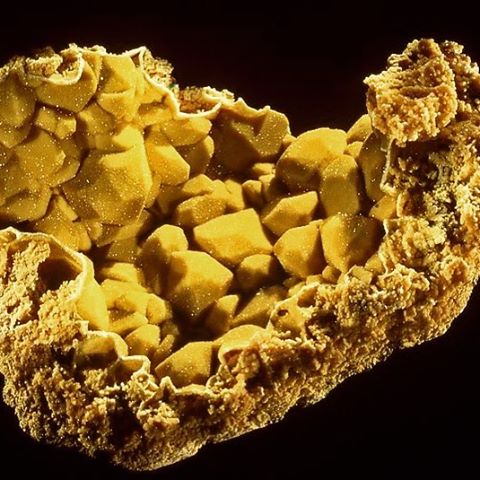
hemimorphite after calcite with greenockite inclusions

This signature specimen is a hemimorphite after calcite with greenockite inclusions from near Joplin, Missouri. It was donated to the museum in 1897 and was the first major specimen in the collection. Image © Harold & Erica Van Pelt.

Filed Under: Blog

March 7, 2016 by wpengine

Fast Cat and Invisible Insects

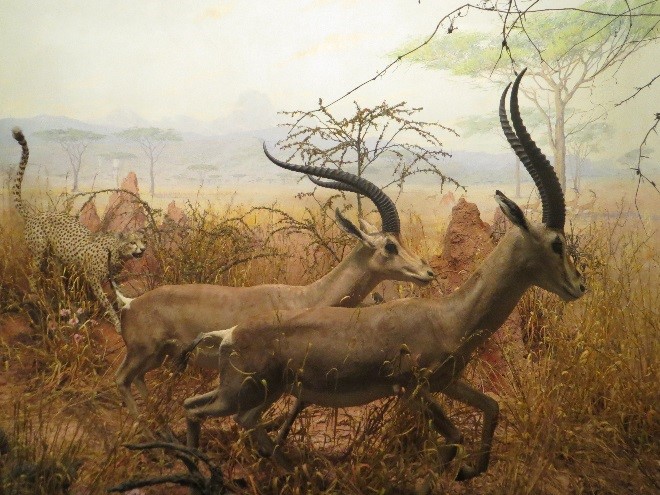
cheetah chasing gazelles in a diorama
by Patrick McShea

An argument can be made that one of the more interesting features within this diorama are the reddish earthen mounds framing the scene.

These irregular soil towers are termite mounds, the product of coordinated efforts by thousands of tiny social insects to create safe and stable living conditions. Mound-building termites are the master architects of the animal world. If they and their shelters were magically changed to our size and scale, their mounds would stretch upward as high as a 180 story building!

Within the thick walls of a termite mound air circulates through a network of channels to both cool the structure on hot days and warm it on cool days.

From hidden positions below ground and within their distinctive towers, termites exert tremendous influence over the landscape. By physically mixing various soils and their own wastes during the mound’s construction and as part of structure’s maintenance, the colony’s thousands of tiny insects improve the fertility of the savannah.

Herbivores such as the Grant’s gazelles featured in this diorama are attracted to the richer plant growth on the resulting islands of fertility. Cheetahs and other carnivores follow the plant eaters.

Patrick McShea works in the Education and Visitor Experience department of Carnegie Museum of Natural History. Museum employees are encouraged to blog about their unique experiences and knowledge gained from working at the museum.

Filed Under: Blog Tagged With: diorama, Patrick McShea

March 6, 2016 by wpengine

Discoverers Expedition Vilcabamba 2016: Lima

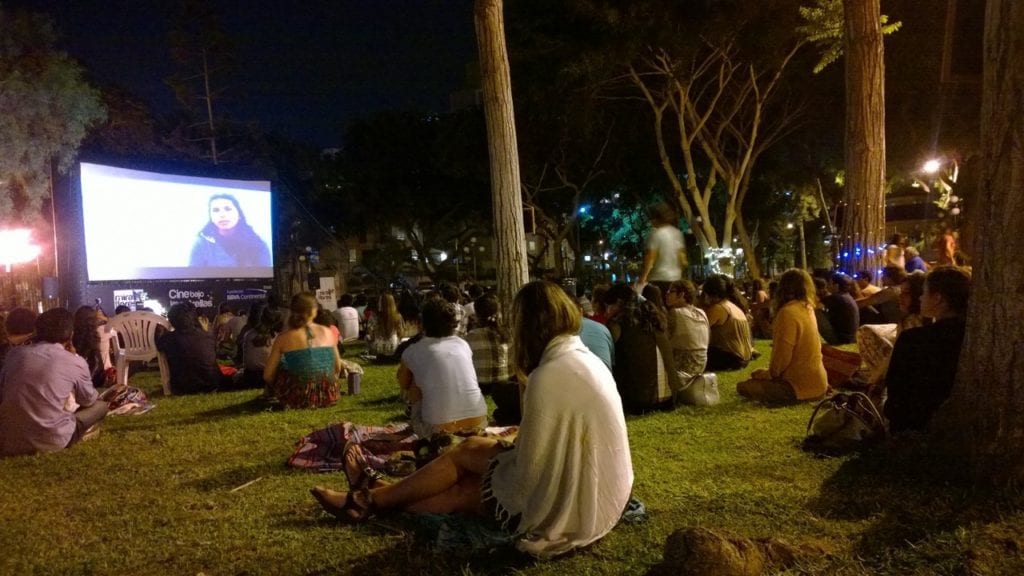
A large crowd meets at night a park of Lima to watch marine biology and and conservation documentaries during an open event of the 36th Annual Symposium on Sea Turtle Biology and Conservation (Photo: Juan C. Chaparro).
Dr. Corine Vriesendorp, Director of the Andes-Amazon program of the The Field Museum of Natural History, presents preliminary results of the Rapid Biological and Social Inventory #28: Middle Putumayo and Algodon River, Loreto – Perú.
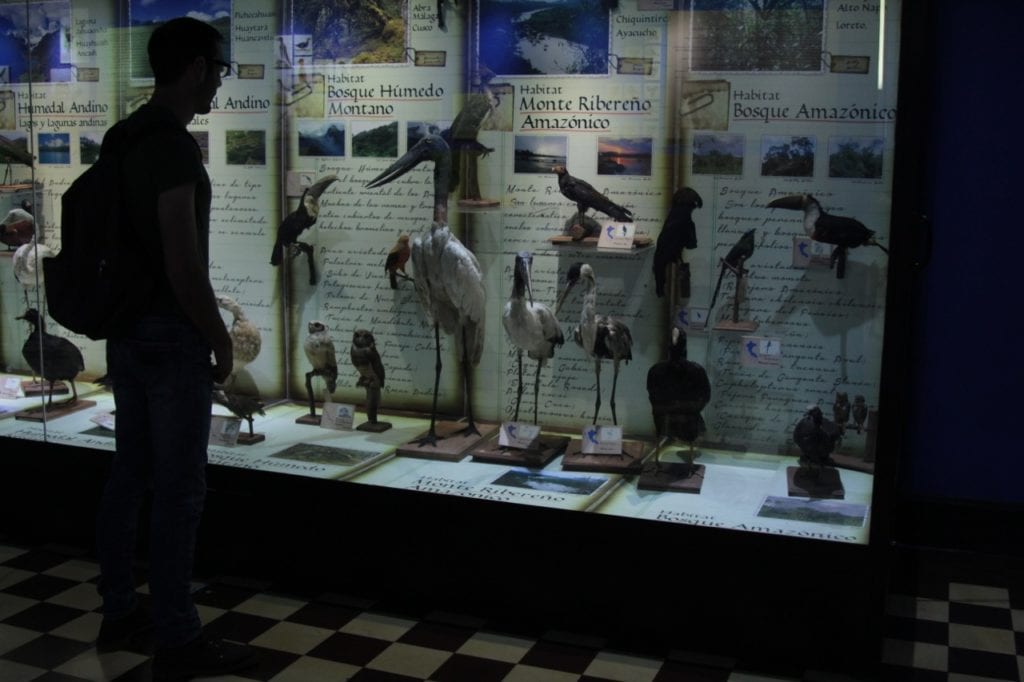
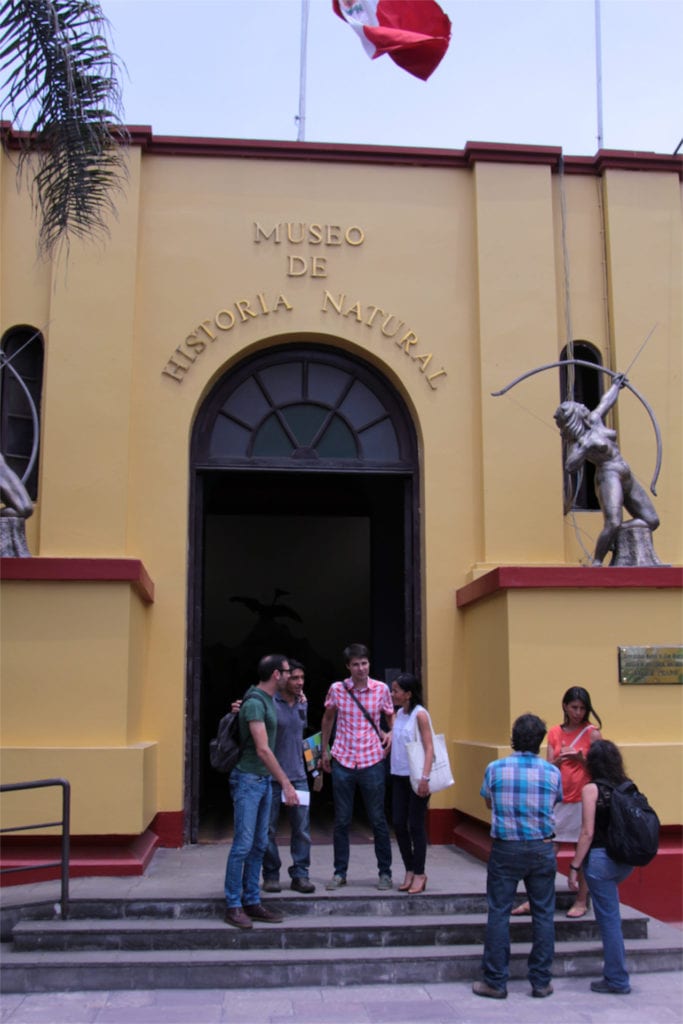
Dr. Santiago Castroviejo takes the opportunity to walk through the exhibits of the Natural History Museum of San Marcos University.
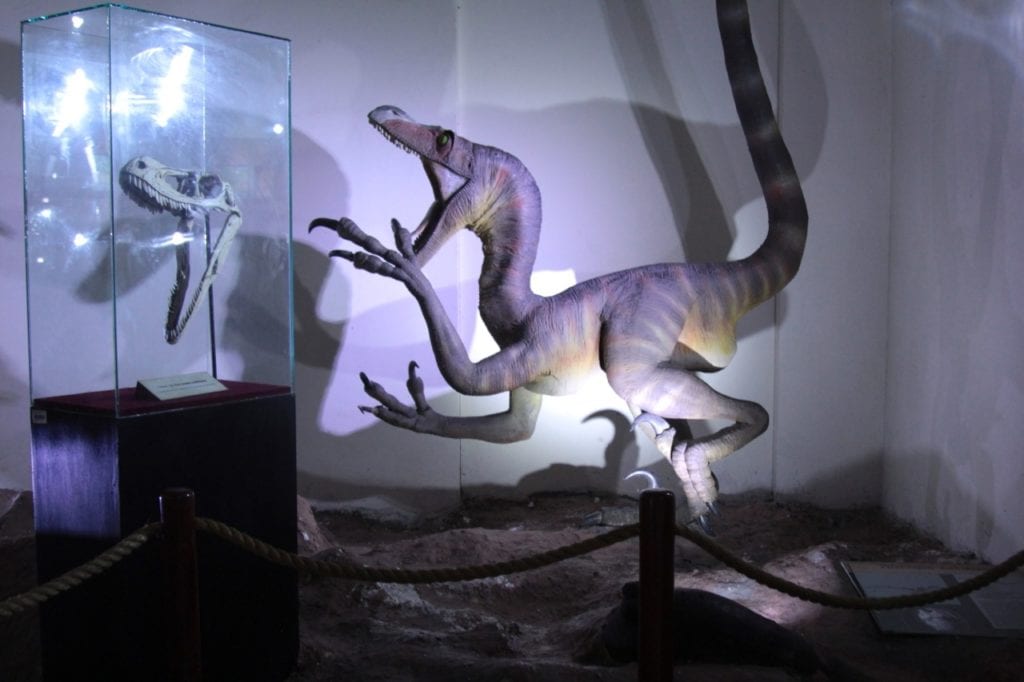
The exhibits at the museum in Lima made me think of my friend and colleague Dr. Matt Lamanna, who is now looking for dinosaurs in Antarctica. Greetings from Lima Matt!
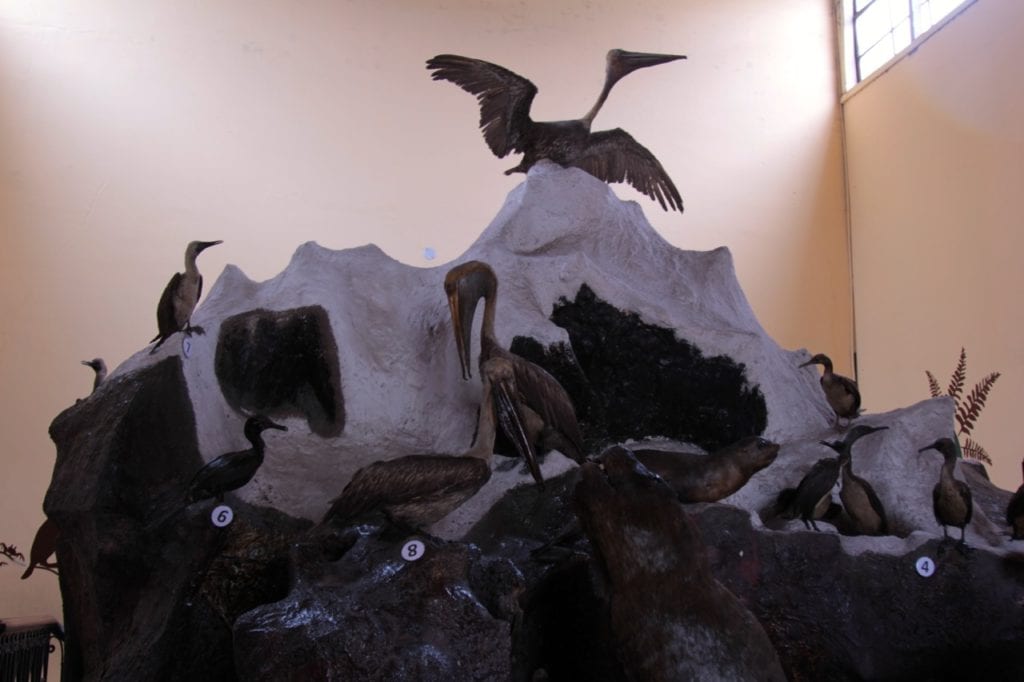
A diorama of the pacific coast around Lima at the Natural History Museum of San Marcos University.
Mammalogists, herpetologists, and ornithologists at the main entrance of the Natural History Museum of San Marcos University.

March 3, 2016

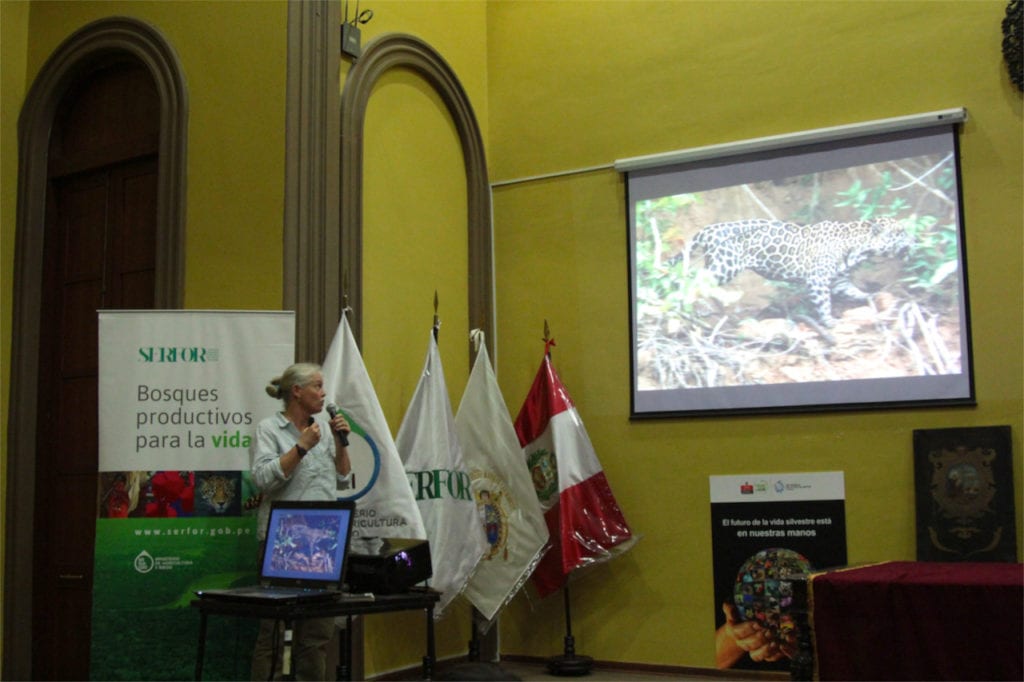
Our last week in Lima was a busy one. We are working from an apartment in the beautiful bohemian neighborhood of Barranco. We have built a lab in the living room where we examine our specimens and refine preliminary identifications performed in the field. Our certainty about what we thought were potential new species grows after checking pertinent literature and pictures of museums specimens. We also work on the paperwork necessary to export part of the samples to the Carnegie Museum of Natural History (half or more will stay in Peru).

In addition, we have been attending two important scientific events that are taking place in Lima this week: the 36th Annual Symposium On Sea Turtle Biology And Conservation, and the Day of Wildlife, celebrated today at the Natural History Museum of San Marcos University.

José Padial and his team of researchers have traveled to the remote Vilcabamba mountains of Peru in the pursuit of biodiversity research. He blogs and sends photos as often as possible capturing his expedition along the way and his return home to the Carnegie Museum of Natural History in Pittsburgh, PA.

Filed Under: Blog Tagged With: biodiversity, expedition, Matt Lamanna

March 6, 2016 by wpengine

AP3 Expedition 2016

Q: Will you be digging under deep layers of ice?

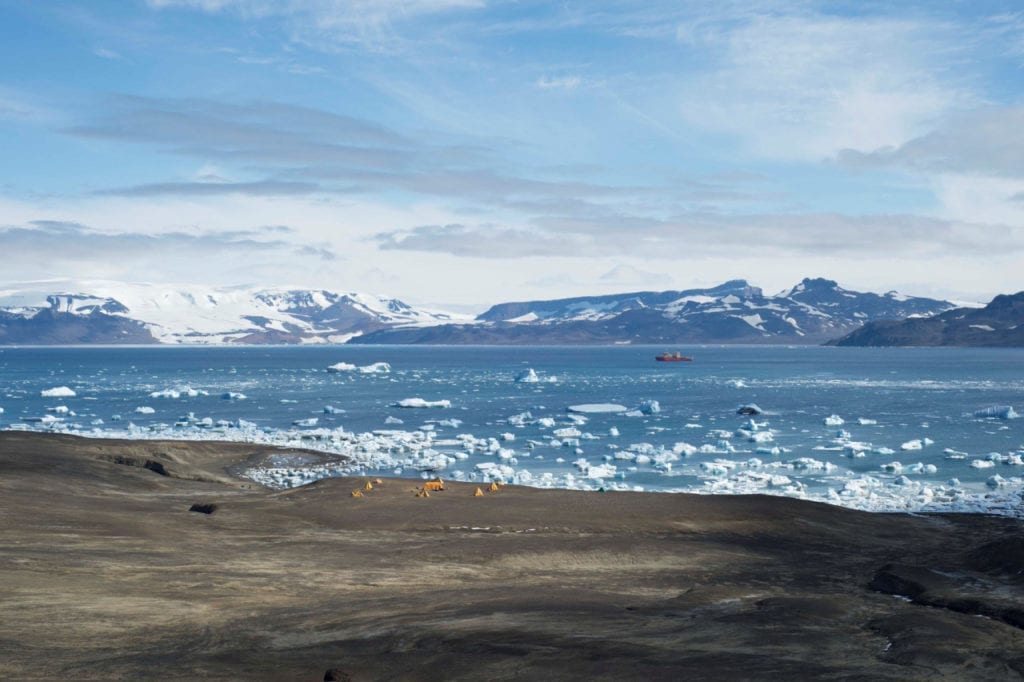
A: We will not be digging through ice for our expedition. Our expedition is timed for the end of the Austral summer, when most rock along the northernmost tip of the peninsula is readily available. There will be glaciers where we will be working but they will not be covering all of the islands where we will be working. Unfortunately, the possibility of a snow storm can still limit the amount of exposed rock with fossils.

Matt Lamanna, is a paleontologist and the principal dinosaur researcher at Carnegie Museum of Natural History in Pittsburgh. Matt and his team of researchers blog frequently from the field at antarticdinos.org.

Filed Under: Blog Tagged With: antarctica, expedition, fossils, Matt Lamanna

  • « Go to Previous Page
  • Page 1
  • Interim pages omitted …
  • Page 201
  • Page 202
  • Page 203
  • Page 204
  • Page 205
  • Page 206
  • Go to Next Page »

sidebar

About

  • Mission & Commitments
  • Directors Team
  • Museum History

Get Involved

  • Volunteer
  • Membership
  • Carnegie Discoverers
  • Donate
  • Employment
  • Events

Bring a Group

  • Groups of 10 or More
  • Birthday Parties at the Museum
  • Field Trips

Powdermill

  • Powdermill Nature Reserve
  • Powdermill Field Trips
  • Powdermill Staff
  • Research at Powdermill

More Information

  • Image Permission Requests
  • Science Stories
  • Accessibility
  • Shopping Cart
  • Contact
  • Visitor Policies
Stay in the loop! Sign up for our newsletter(s).
One of the Four Carnegie Museums | © Carnegie Institute | Privacy Policy | Terms of Use | Accessibility
Rad works here logo