• Skip to primary navigation
  • Skip to main content
  • Skip to primary sidebar

Carnegie Museum of Natural History

One of the Four Carnegie Museums of Pittsburgh

  • Visit
    • Buy Tickets
    • Visitor Information
    • Exhibitions
    • Events
    • Dining at the Museum
    • Celebrate at the Museum
    • Powdermill Nature Reserve
    • Event Venue Rental
    • Gift Cards
  • Learn
    • Field Trips
    • Educator Information
    • Programs at the Museum
    • Bring the Museum to You
    • Guided Programs FAQ
    • Programs Online
    • Climate and Rural Systems Partnership
  • Research
    • Scientific Sections
    • Science Stories
    • Science Videos
    • Senior Science & Research Staff
    • Museum Library
    • Science Seminars
    • Scientific Publications
    • Specimen and Artifact Identification
  • About
    • Mission & Commitments
    • Directors Team
    • Museum History
  • Tickets
  • Give
  • Shop

wpengine

March 30, 2016 by wpengine

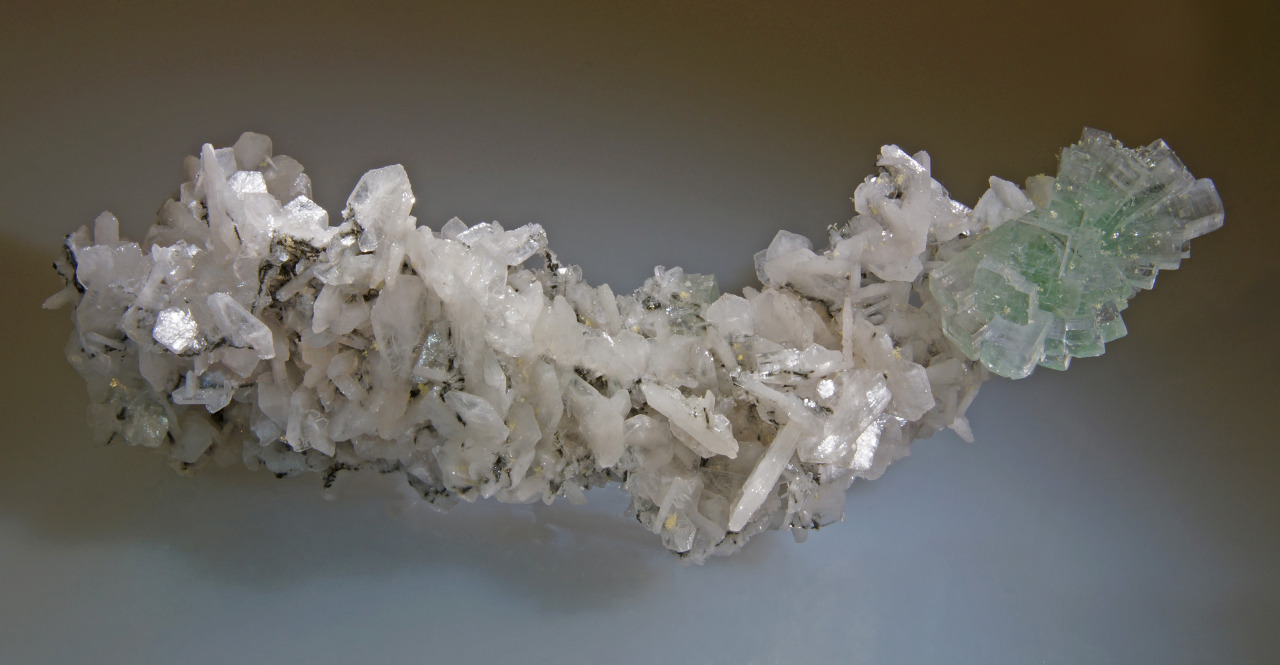
This stunning mineral

mineral fluorapophyllite specimen

Photo by Debra Wilson 

This stunning mineral is the most recent specimen to be exhibited in Hillman Hall of Minerals and Gems at the Carnegie Museum of Natural History. It is a 4.6 cm color-zoned bowtie spray of fluorapophyllite perched on top of a stilbite coated quartz stalactite from the Ahmadnagar district in India.
Filed Under: Blog Tagged With: Hillman Hall, quartz

March 28, 2016 by wpengine

Stream Sentences

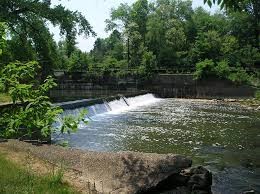
Pennsylvania Stream
Photo courtesy of the Western Pennsylvania Conservancy

By Patrick McShea

Among the joys of working as a museum educator are times when the traditional learning flow reverses. A memorable example occurred a few years ago during a writing exercise for high school students participating in the Allegheny College Creek Connections program.

Each student had been studying a stream near their school. My task was to motivate them to share their findings and impressions through writing.

I asked participants to write the name of their stream in the sentence: “________ ________ is far older than the road that shares its valley.” Then they had three minutes to compose the next narrative line.

A Butler County student had less work time than her peers, owing to the fifteen-letter Indian name “Connoquenessing” for the creek waters bordering her school’s campus.

Still, when she later recited a sentence that beautifully referenced horse-drawn wagons and steam locomotives
to note differences in travel time between creek valley towns during the previous two centuries, I involuntarily said aloud, “I wish I wrote that sentence.”

Patrick McShea works in the Education and Visitor Experience department of Carnegie Museum of Natural History. Museum employees are encouraged to blog about their unique experiences and knowledge gained from working at the museum.


Filed Under: Blog Tagged With: museums, Patrick McShea

March 28, 2016 by wpengine

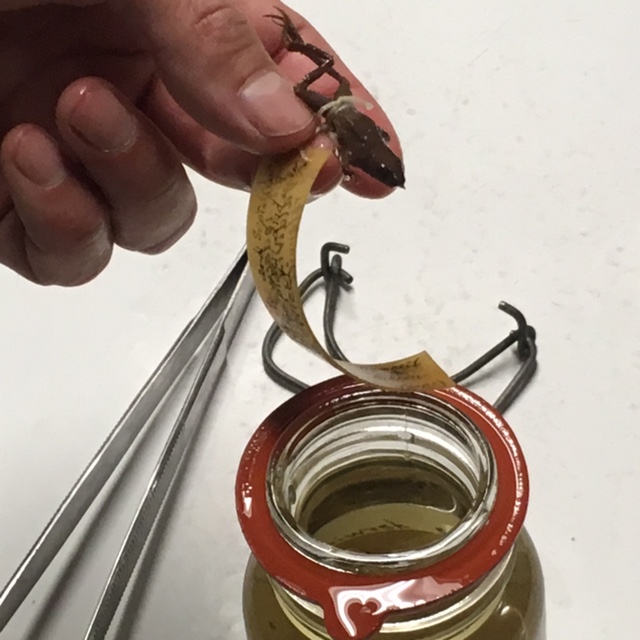
Unseen at Carnegie Museum of Natural History: The Alcohol House

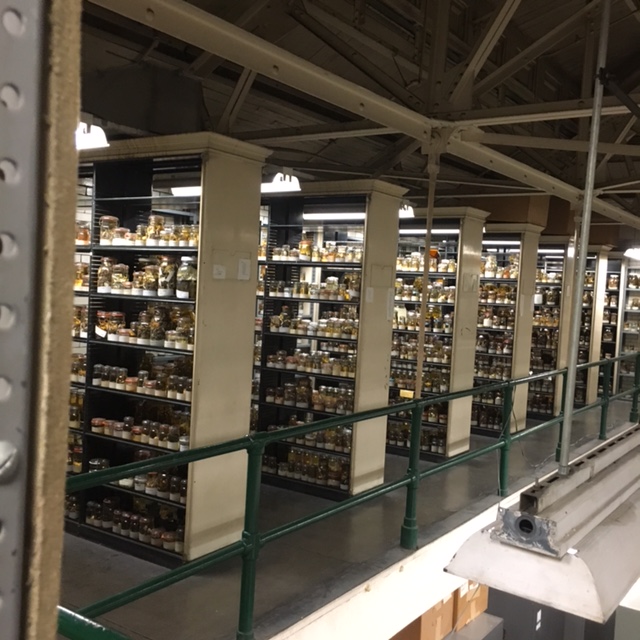
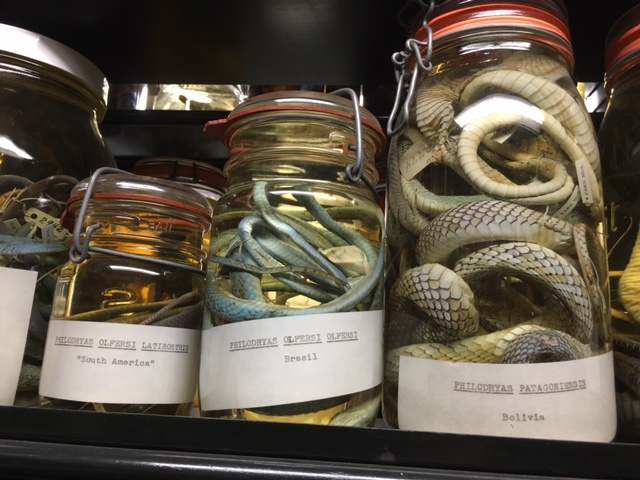
specimen in a jar shelves of specimens at alcohol house snakes in jars with labels
Away from the public eye, scientists at Carnegie Museum of Natural History have access to more than 200,000 jarred, labeled, and perfectly preserved specimens stored in The Alcohol House.

The three-story storage room has been a part of the museum for more than 100 years and is a herpetologist’s dream. It boasts about 65,000 salamanders, 54,000 frogs, 29,500 snakes, 29,500
turtles, and 30,500 lizards, all preserved in ethyl alcohol.

A past curator of the Alcohol House, C. J. McCoy, said the room is like “a three-way hybrid between a pickle warehouse, a reference library, and a mail-order establishment.”

Scientists use the specimens for their research, and can compare the size, shape, and extremities of reptiles and amphibians from 100 years ago with those found today and identify new species.

Filed Under: Blog Tagged With: alcohol house, herpetology

March 26, 2016 by wpengine

AP3: Antarctica Peninsula Paleontology Project

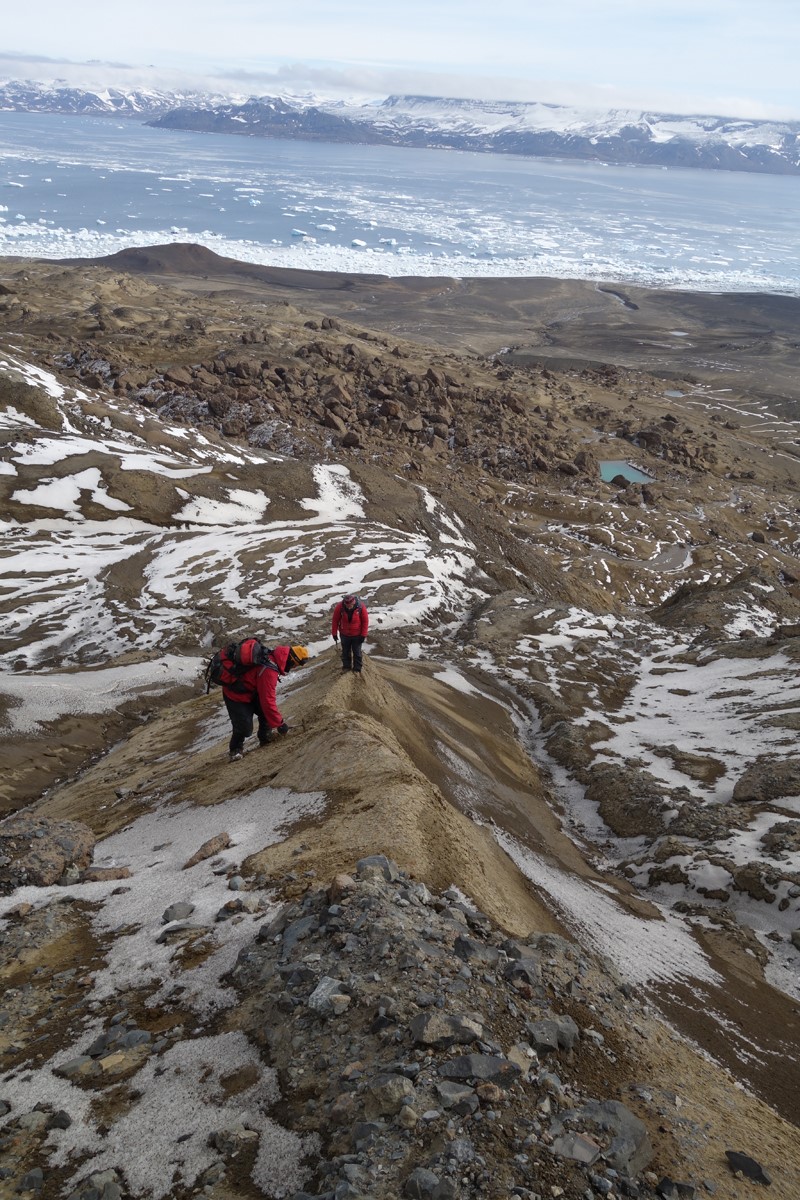
Researchers in Antartica Researchers in Antartica Researchers in Antartica

AP3: Antarctica Peninsula Paleontology Project

February 29–March 6, 2016

Project G-182-N (PI Matt Lamanna)

The team completed several of its research objectives and continued to make progress towards others during week three. At the Sandwich Bluff locality on Vega Island, scientists discovered four new fossil plant sites, found additional Cretaceous fish and bird material, and prepared a plesiosaur (long-necked marine reptile) shoulder girdle for extraction.

All of these specimens were recovered from the Upper Cretaceous Sandwich Bluff Member of the López de Bertodano Formation. At approximately 70 million years in age, this rock unit dates to only a few million years prior to the infamous mass extinction that ended the Mesozoic era, or Age of Dinosaurs.

Geologists Eric Roberts and Zubair Jinnah completed their stratigraphic and sedimentological study of the sections of the Snow Hill Island and López de Bertodano formations exposed on the southwestern flank of Sandwich Bluff, an area that, due to its steepness, elevation, and snow cover, has been nicknamed ‘K2’ after that well-known Himalayan peak. They sampled the middle and upper levels of the Sandwich Bluff Member for aragonitic fossil invertebrate shells to be used in strontium isotope geochronological analyses.

Scientists also continued to conduct helicopter-supported reconnaissance visits to other areas of the James Ross Basin, identifying two previously undocumented Cretaceous exposures that were targeted for future investigation.

Inclement weather forced many members of the team to return to their ship, the RVIB Nathaniel B. Palmer, for two days during week three. They spent the time refining strategies for the remainder of the field season, updating the project’s blog and social media pages, and studying fossils that had already been collected.

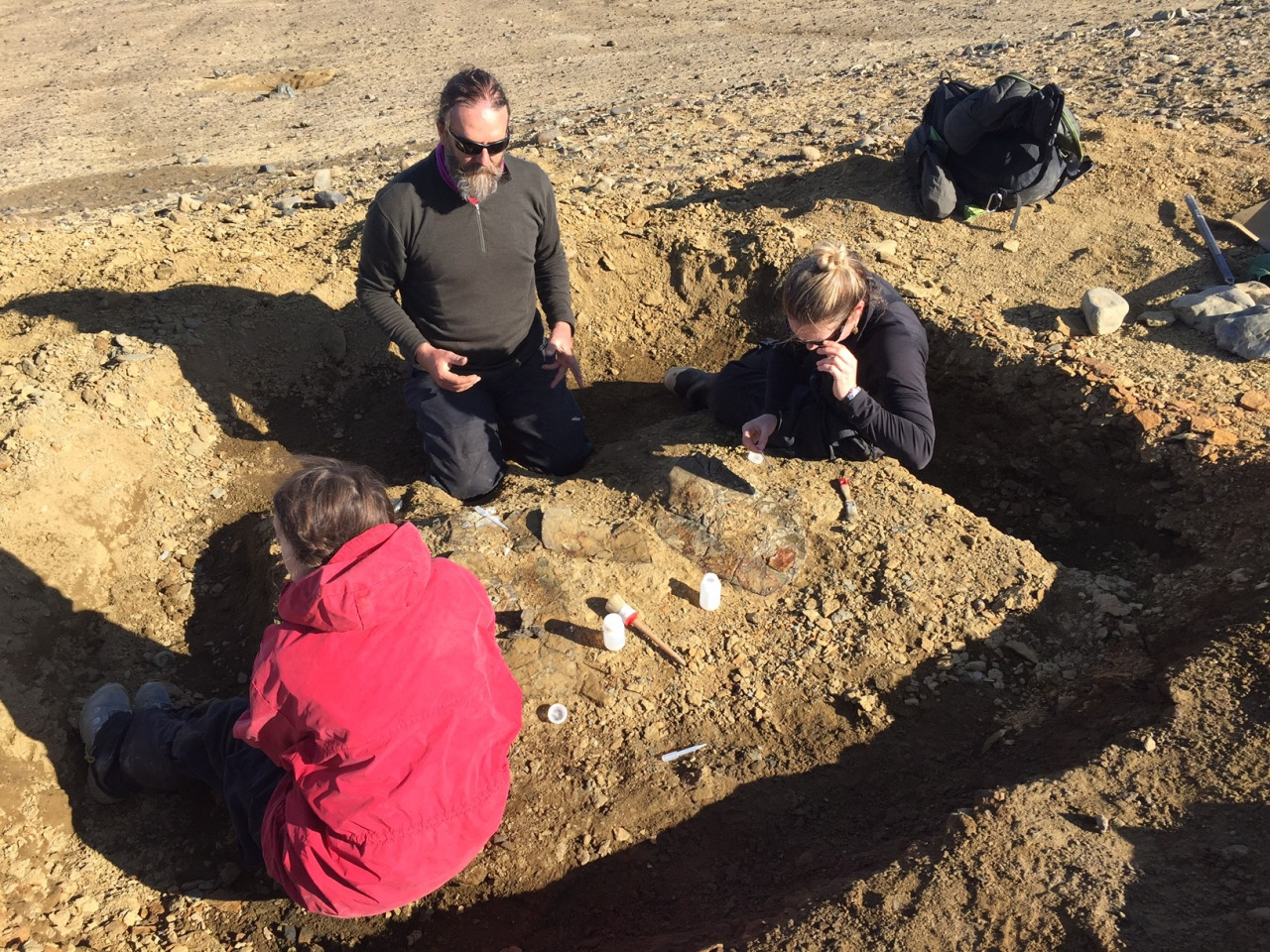
1) G-182-N paleontologists Abby West (left) and Steve Salisbury (center) collect a plesiosaur shoulder girdle co-discovered by Salisbury with ASC Marine Technician Julia Carlton (right). Photo by Matt Lamanna.

2) G-182-N geologists Zubair Jinnah (foreground) and Eric Roberts study the stratigraphy and sedimentology of the ‘K2’ section on Vega Island. Photo by Pat O’Connor.

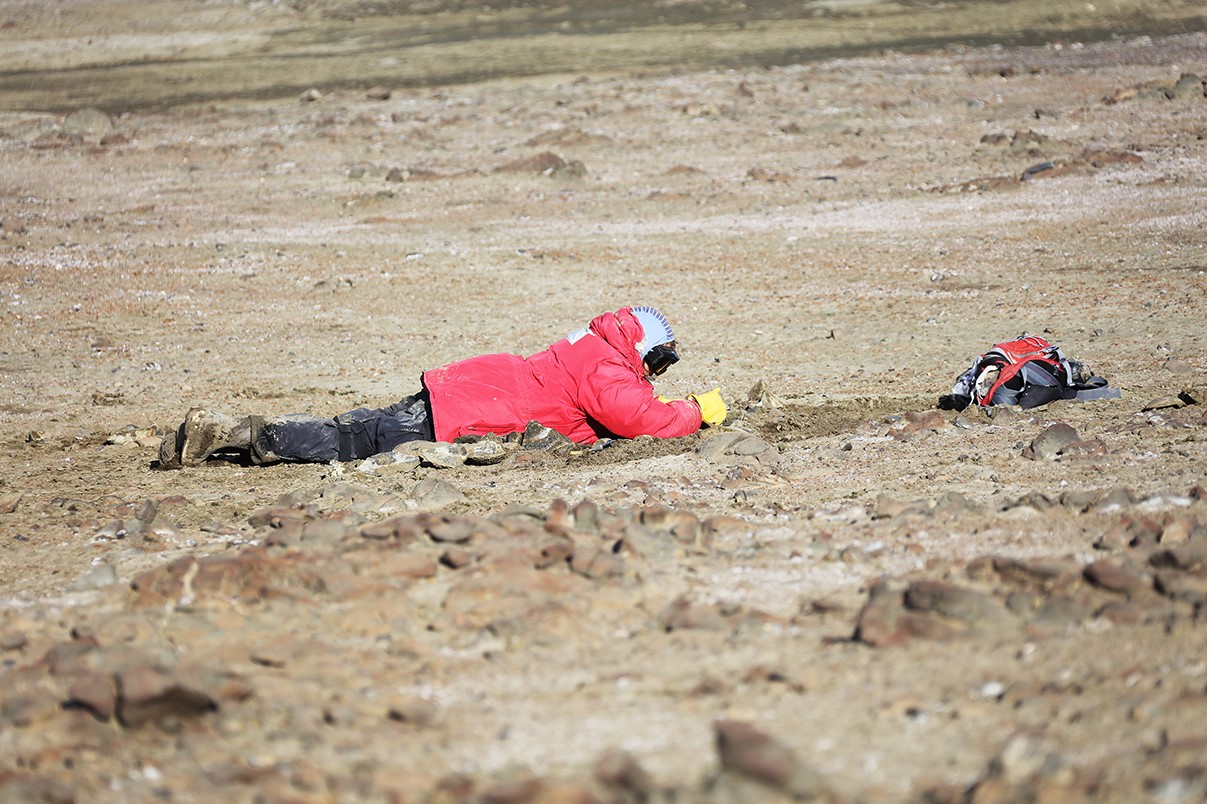
3.) G-182-N paleontologist Kerin Claeson searches for fossils in the ‘Fish Horizon’ near the K–Pg boundary on Seymour Island. Claeson and other G-182-N personnel have collected dozens of partial to nearly complete fish skeletons from the ‘Fish Horizon’ to date, the analysis of which promises to inform understanding of the K–Pg mass extinction in the southern high latitudes. Photo by Meng Jin.

Matt Lamanna is a paleontologist and the principal dinosaur researcher at Carnegie Museum of Natural History in Pittsburgh. Matt and his team of researchers blog frequently from Antarctica while on expedition at antarticdinos.org.

Filed Under: Blog Tagged With: Matt Lamanna

March 24, 2016 by wpengine

Egg-cellently Prepared

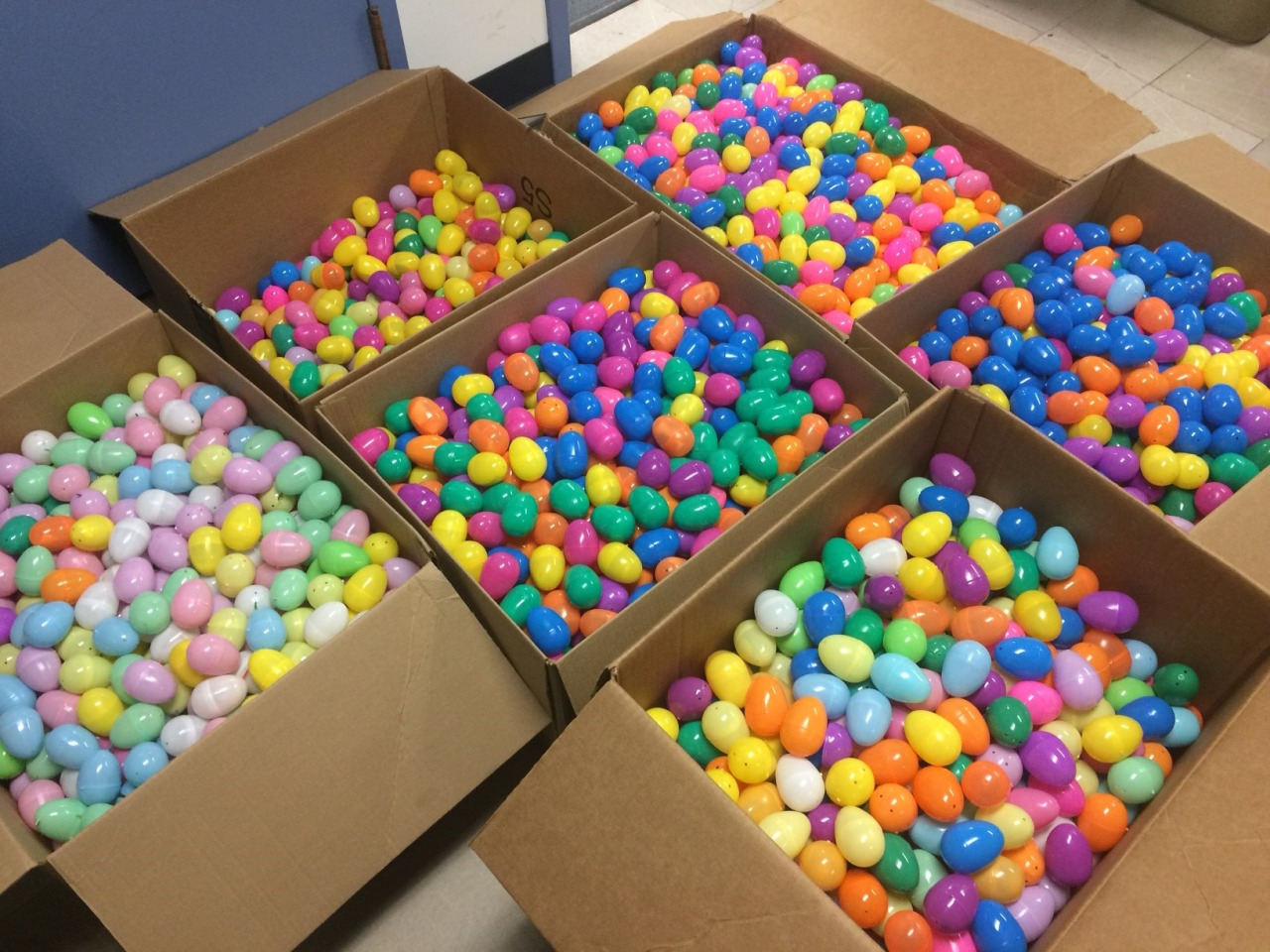
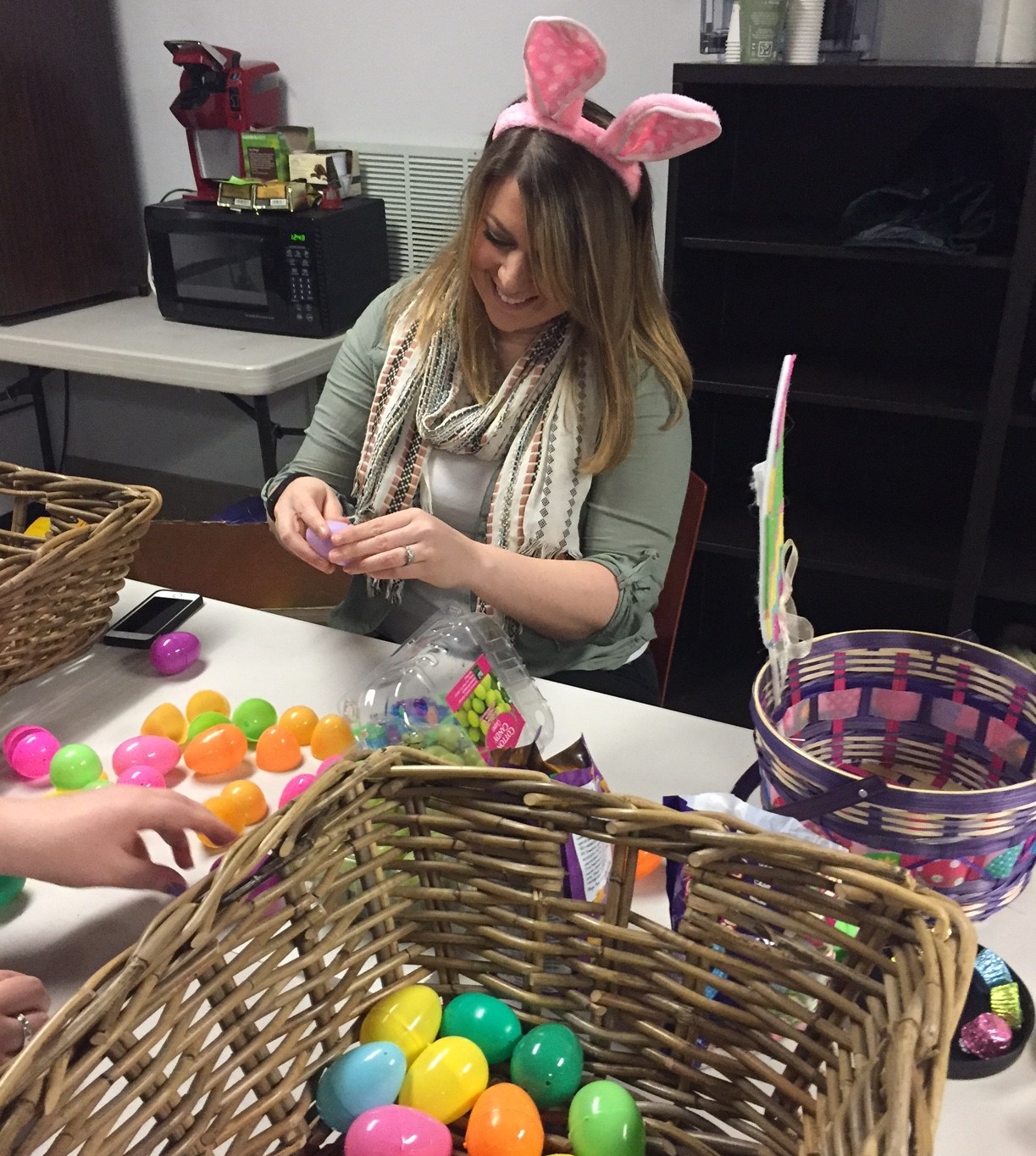
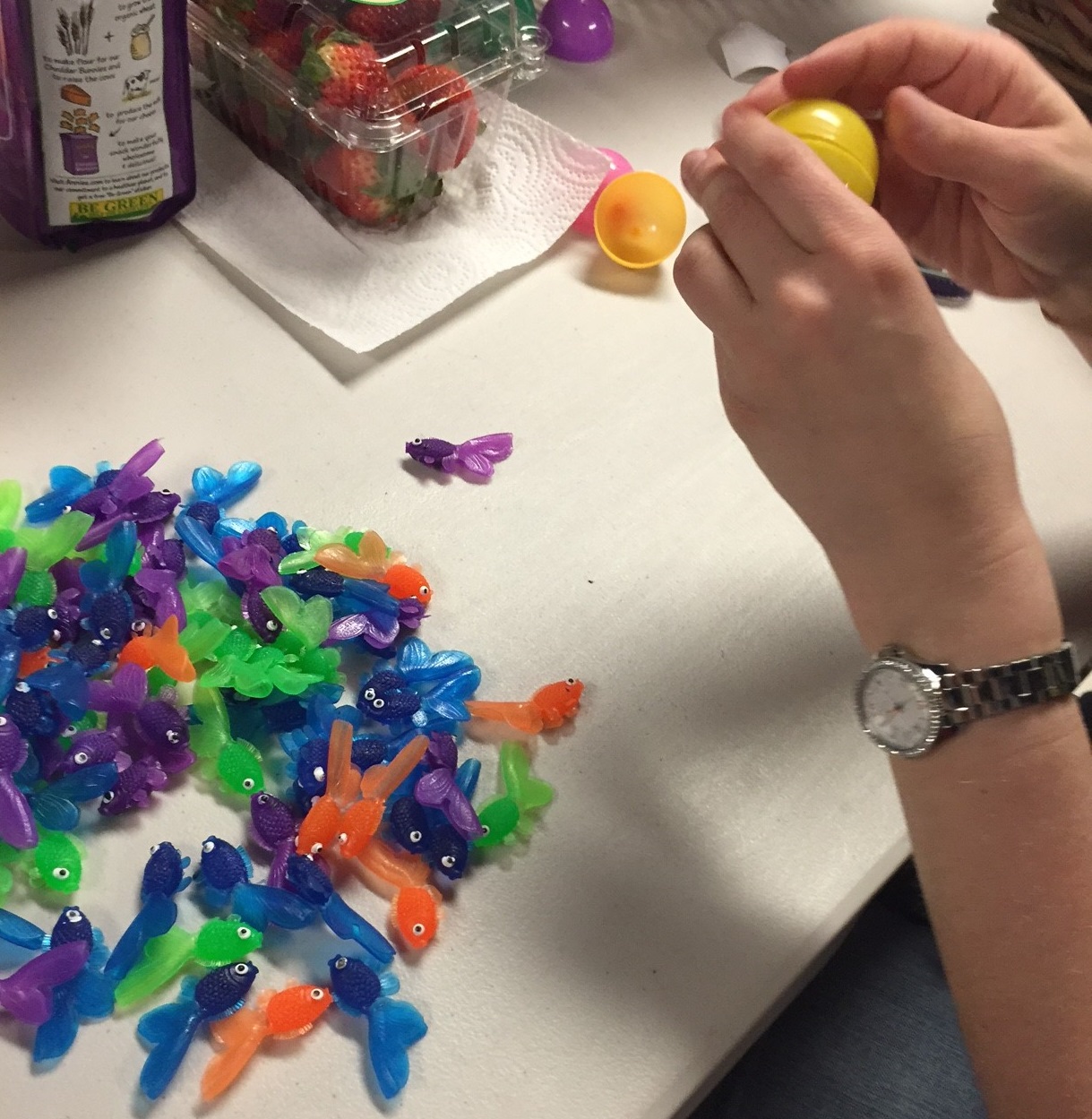
Boxes of colorful plastic eggs Assembling eggs Filling plastic eggs

Museum staff was hard at work last week stuffing more than 4,000 eggs for the annual Egg-cellent Egg Hunt on March 26. The first 600 children to participate will be able to follow clues around the museum that will lead to the treats! This event will be from noon-4 p.m. and is designed for children 3–10 years old.

Filed Under: Blog Tagged With: behind the scenes, museums

March 23, 2016 by wpengine

North American Wildlife Mural

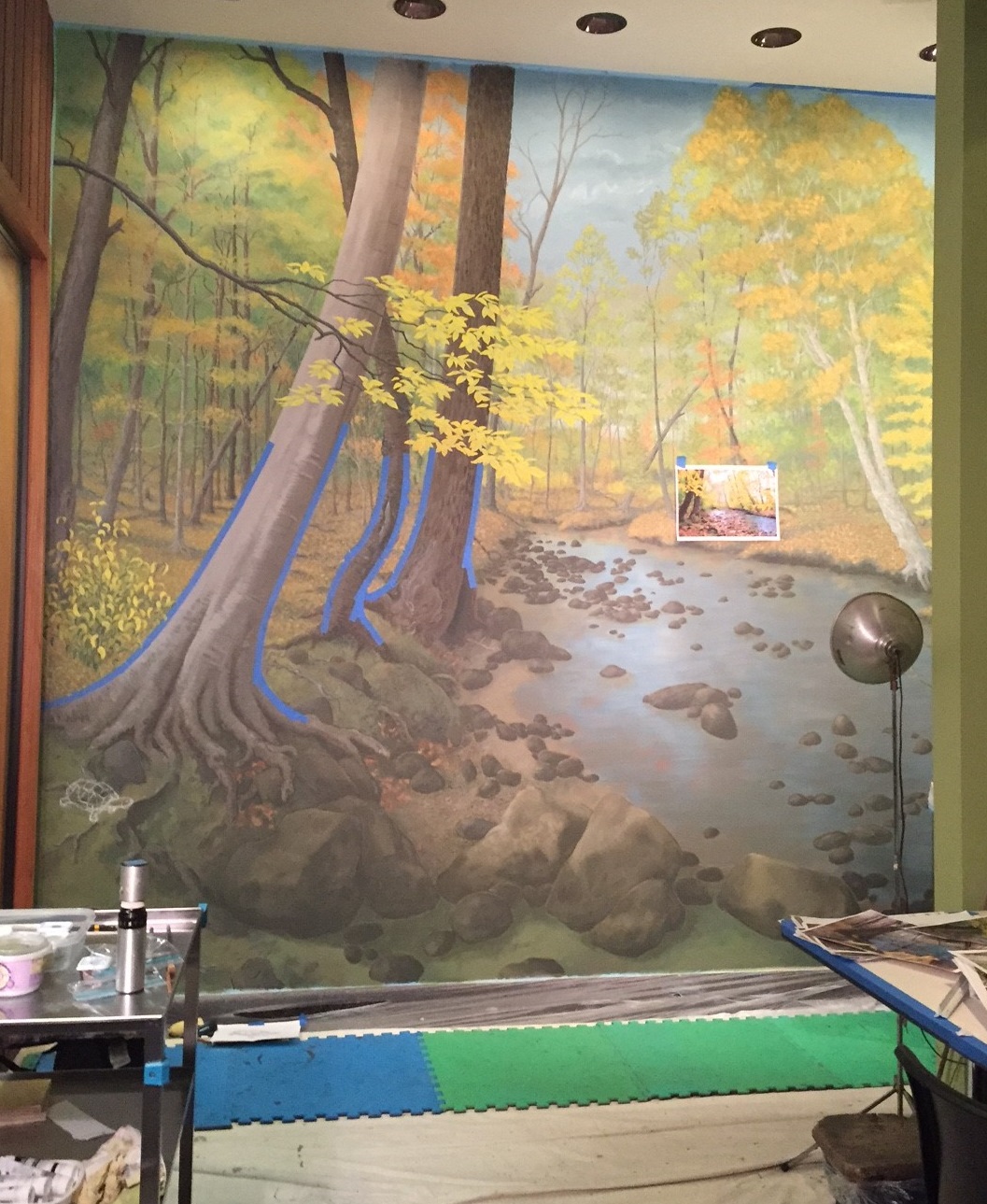
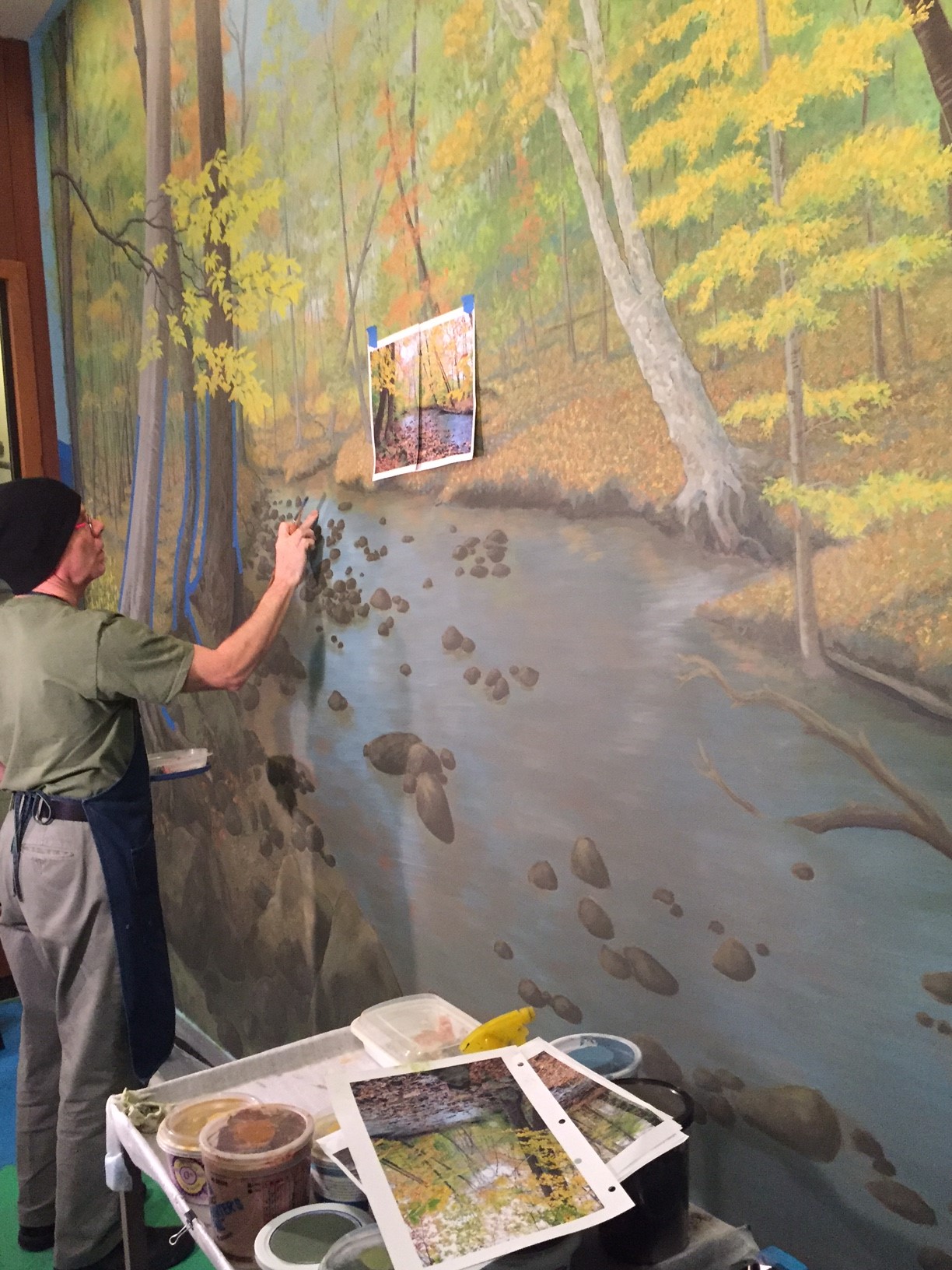
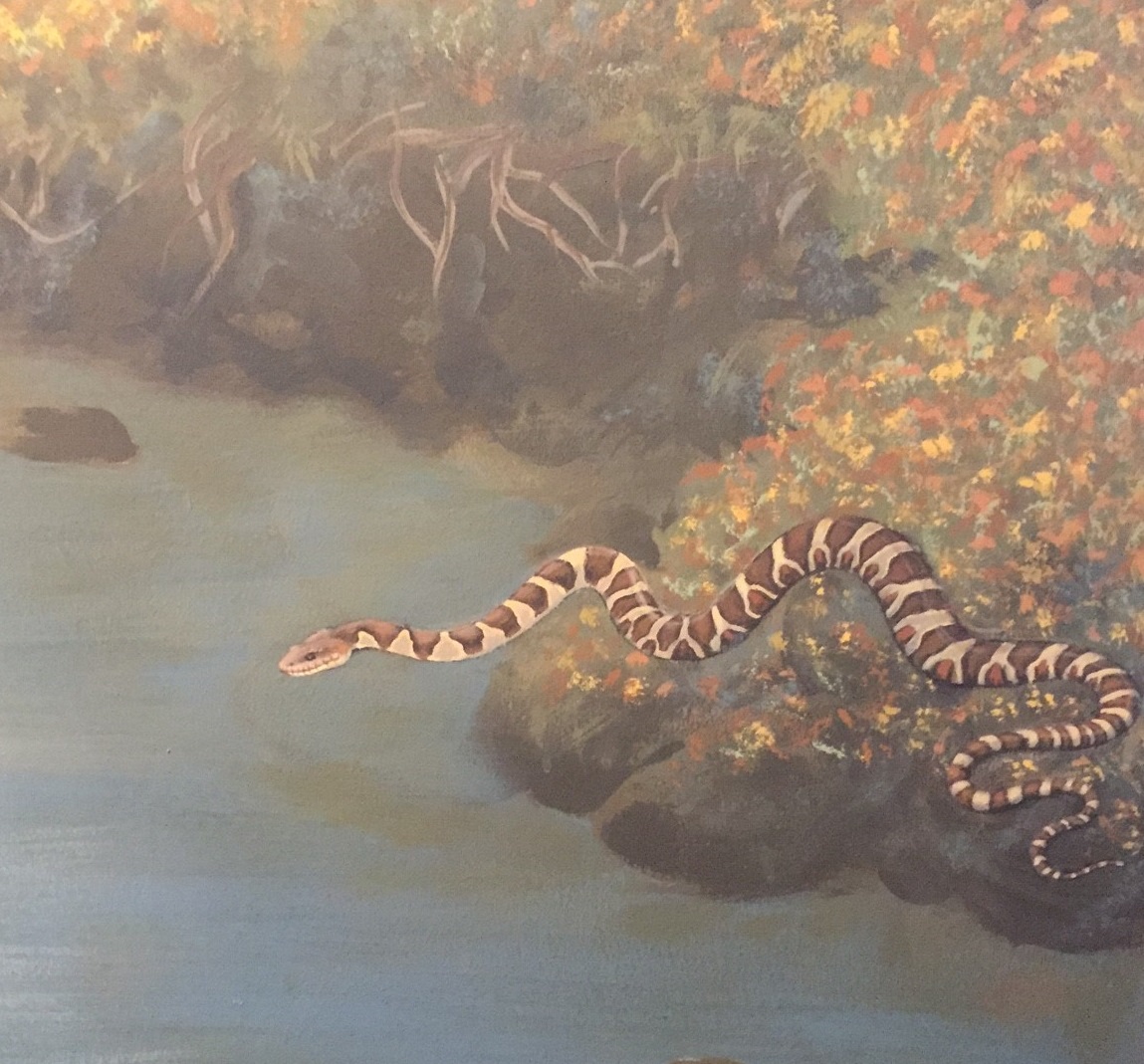
Mural of trees and stream Artist Painting a North American Wildlife Mural North American Wildlife Mural Snake

Visitors to our Hall of North American Wildlife are currently able to watch artists transform a previously blank wall into an intricate and scientifically accurate mural that depicts a tranquil stream running through a forest that’s transitioning from summer to fall.

After several weeks of work our artists have gone from outlines to details, and are currently adding finishing elements such as native wildlife to the scene.

Artists say the project is nearing completion. To see earlier photos of the project, click here.

Filed Under: Blog Tagged With: art, exhibit design, Hall of North American Wildlife

  • « Go to Previous Page
  • Page 1
  • Interim pages omitted …
  • Page 198
  • Page 199
  • Page 200
  • Page 201
  • Page 202
  • Interim pages omitted …
  • Page 206
  • Go to Next Page »

sidebar

About

  • Mission & Commitments
  • Directors Team
  • Museum History

Get Involved

  • Volunteer
  • Membership
  • Carnegie Discoverers
  • Donate
  • Employment
  • Events

Bring a Group

  • Groups of 10 or More
  • Birthday Parties at the Museum
  • Field Trips

Powdermill

  • Powdermill Nature Reserve
  • Powdermill Field Trips
  • Powdermill Staff
  • Research at Powdermill

More Information

  • Image Permission Requests
  • Science Stories
  • Accessibility
  • Shopping Cart
  • Contact
  • Visitor Policies
Stay in the loop! Sign up for our newsletter(s).
One of the Four Carnegie Museums | © Carnegie Institute | Privacy Policy | Terms of Use | Accessibility
Rad works here logo