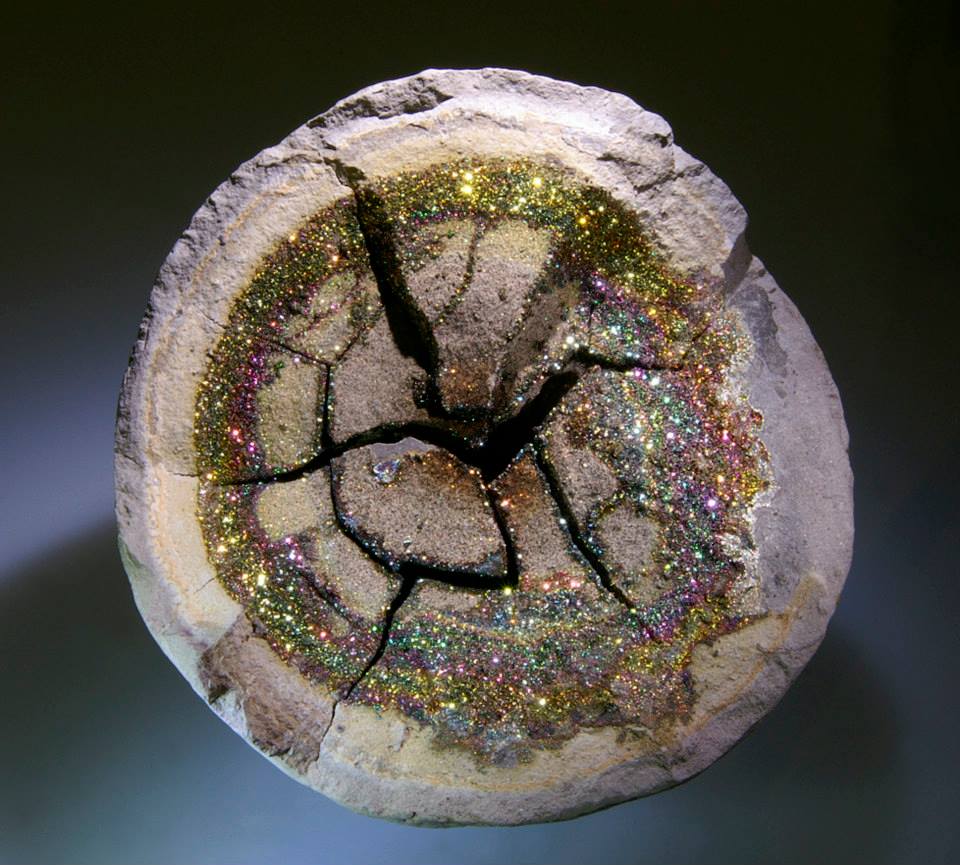
(Photo by Debra Wilson)
Multi-colored pyrite concretion from Russia
Carnegie Museum of Natural History
One of the Four Carnegie Museums of Pittsburgh
(Photo by Debra Wilson)
Multi-colored pyrite concretion from Russia
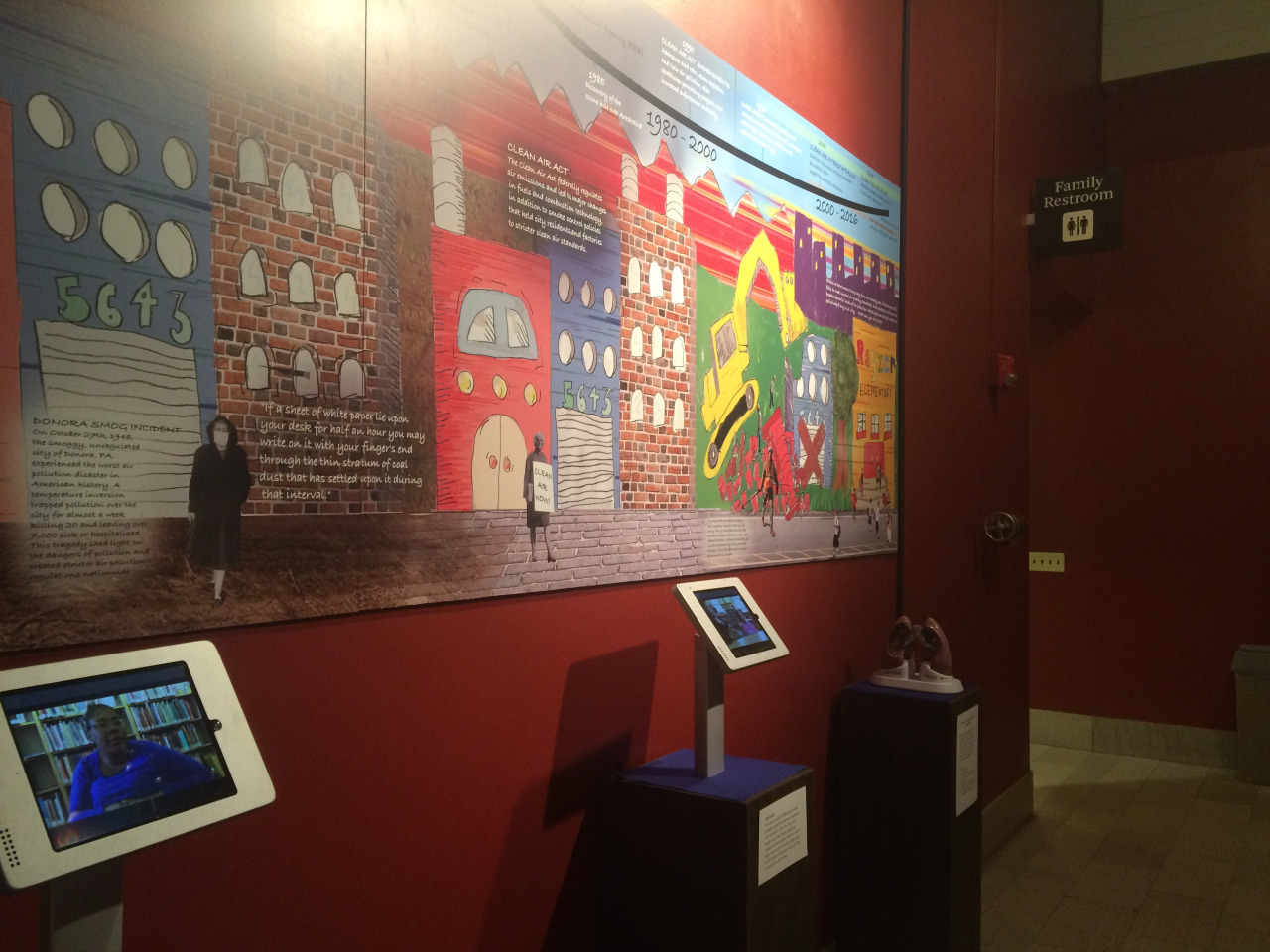
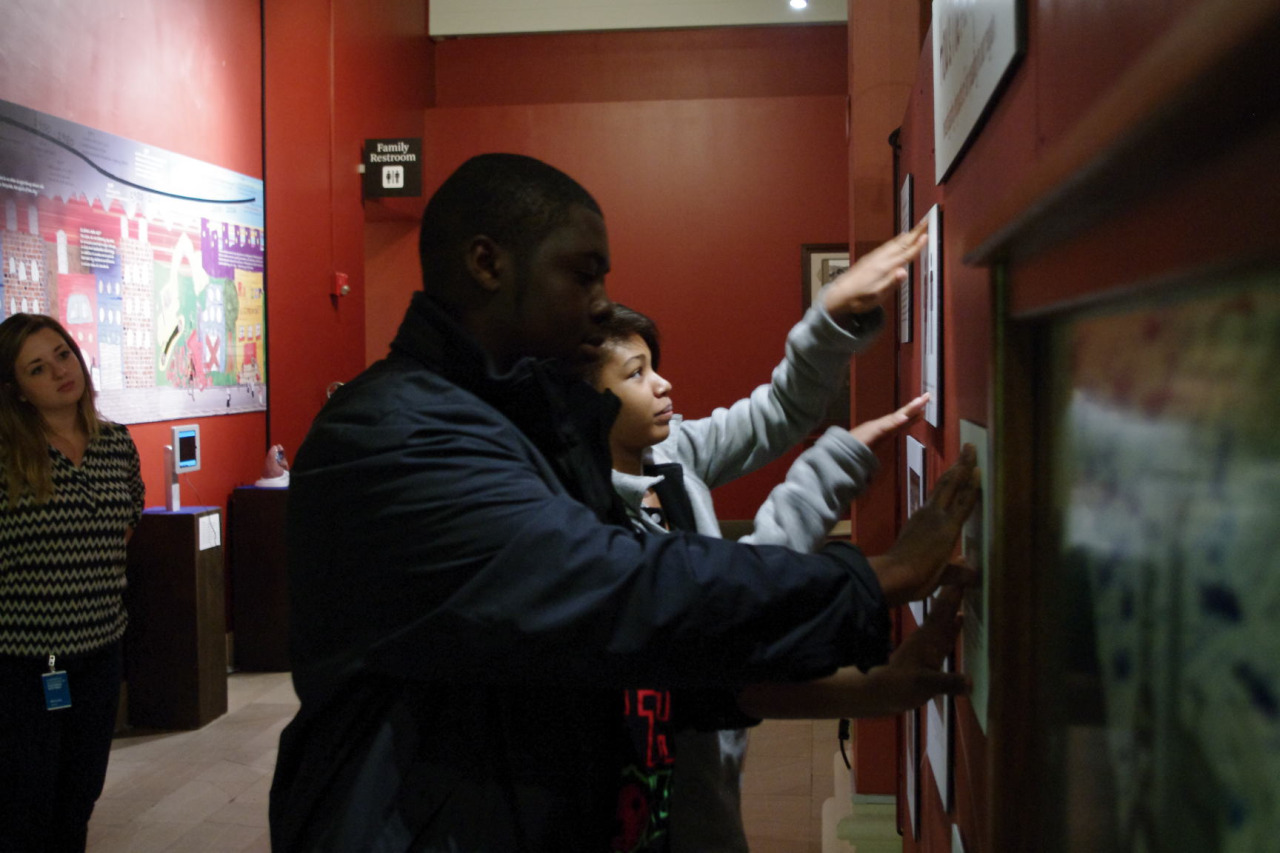
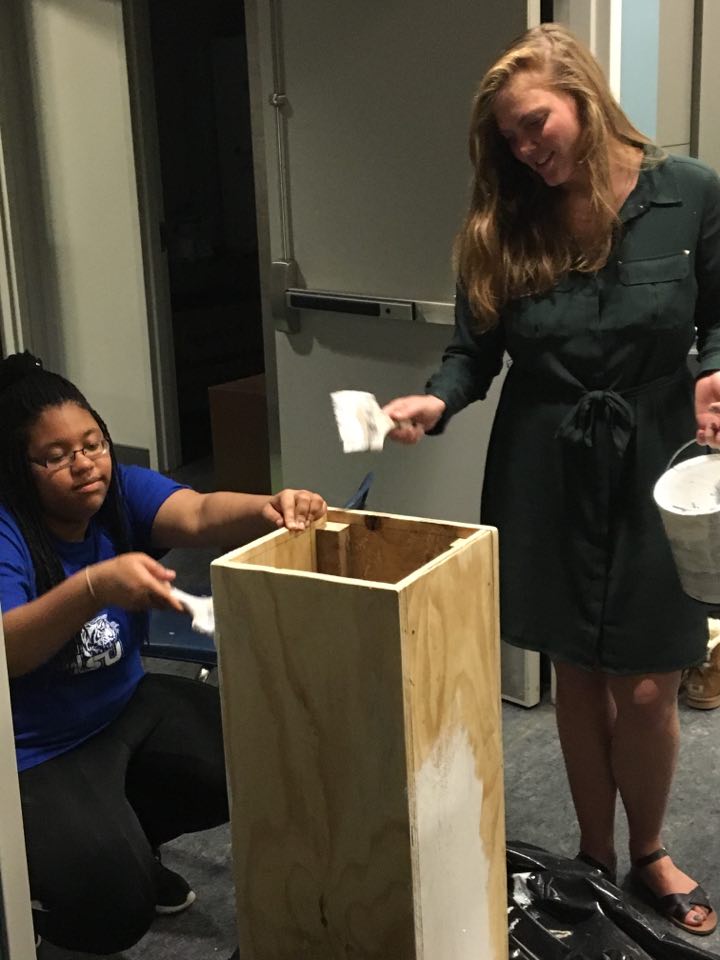
by Scott Nobbs and Lindsey Scherloum
After a year of learning about local air quality and pollution, the ENERGY-NET teen interns are hard at work completing their exhibit “How’s The Air Up There?,“ which will open April 9 2016 in Discovery Basecamp.
ENERGY-NET is a team of scientists and learning researchers from the University of Pittsburgh, educators at Carnegie Museum of Natural History, and teenagers from nearby high-schools. The scientists and educators guide learning about environmental research and collaborate with teens who use their unique perspective to design and build an interactive exhibit for museum visitors.
ENERGY-NET is one of several research-practice partnerships in the museum’s education department that explores how convening diverse perspectives can facilitate innovative learning experiences. To learn more about the yearlong learning that went into this exhibit, and see our exhibit design process, visit energynetcmnh.blogspot.com
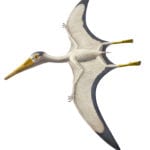
Photo ©AMNH
When you think of giant flying reptiles soaring over prehistoric landscapes, do you call them pterodactyls or pterosaurs?
In pop culture, pterodactyl is sometimes used as a catch-all for prehistoric flying reptiles that are known as pterosaurs. The 2005 movie “Pterodactyl” tells the story
of a giant flying pterodactyl that emerges from a volcano. The popular children’s book “Can I Bring My Pterodactyl to School, Ms. Johnson?” features a pterodactyl who can ward off bullies and loves to read. Stroll our gift shop to pick up a toy
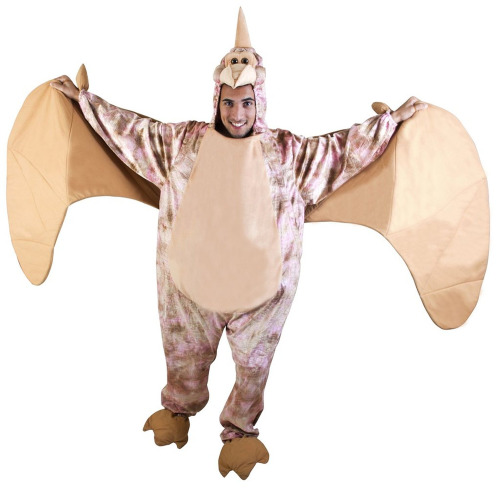
pterodactyl. Even buy an adult size pterodactyl costume and soar into our next Halloween-themed After Dark 21+ event in style.
Pterodactyl, or Pterodactylus antiquus, is actually a specific type of pterosaur in the group Pterosauria,
which encompasses the entire group of prehistoric flying reptiles.
Pterodactylus antiquus lived 150 million years ago, ate insects or fish, and had wingspans of up to five feet.
Pterodactyls were the first known pterosaurs when their fossils were discovered in Germany in the late 1700s.
Since the discovery of the pterodactyl, more than 150 species of flying reptiles have been identified as pterosaurs. The variety seems endless. Some were small enough to fit in the palm of your hand while others had 30-foot wingspans. Some had long necks and prominent beaks while others had robust heads and long tails.
Pterosaurs are varied enough that the American Museum of Natural History created an entire exhibition about them, Pterosaurs: Flight in the Age of the Dinosaurs. The exhibition is on display in our museum in Pittsburgh until May 22.
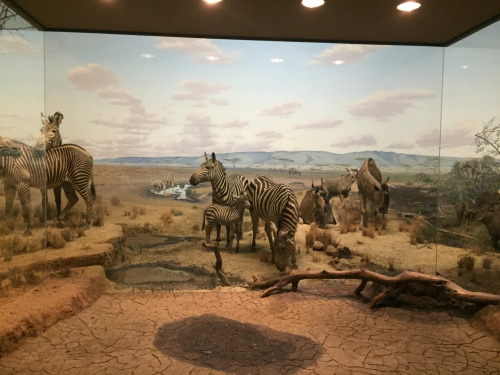
Did you ever walk through the zoo and have the frustrating experience of not seeing the animals? Perhaps they were sleeping or hiding out under a rock on a hot summer’s day, for whatever reason–they were not visible.
Our halls of North American and African wildlife allow visitors to see the exotic animals in their natural habitats through expert taxidermy and beautiful background scenes created by artists. Visit anytime of year, anytime of day to see a replica of a Baobab tree towering over a rhinoceros, a zeal of zebras cautiously gathered by a watering hole, and a group of mountain goats precariously perched in their native steep, rocky terrain –all on the second floor of Carnegie Museum of Natural History.
The dioramas have been a staple of our museum for decades, but in the 1920′s they became an example of how museums must evolve with changing cultural attitudes. Our museum changed the display of its wildlife almost 100 years ago as Americans embraced the importance of conservation.
A current exhibition at the museum, “Art of the Diorama,” gives some cultural and historical context to our second floor dioramas.
Many American natural history museums opened and grew alongside the public’s blooming interest in nature in the mid to late 1800′s. Exotic animals were a natural fit to fill the halls of these new institutions. At the time, however, most museums
displayed animals in rectangular glass cases or on shelves with little to no foliage or background.
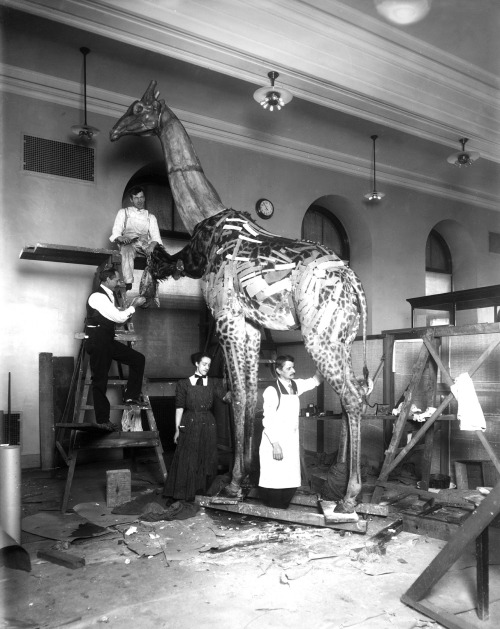
As a new conservation movement gained traction, it inspired curators to reevaluate the display of their collections. In the 1920′s, the art of the diorama emerged. In an effort to give context to their animal specimens, museums began to depict them in their natural environment. Through painted background, native plants, and the inclusion of other animals, these new dioramas told a “biological story.” One that curators hoped would help the public understand that animals were not singular objects for display, but living creatures whose needs are worth protecting.
For more information on the evolution of our dioramas, visit “Art of the Diorama” on the first floor of the Carnegie Museum of Natural History.
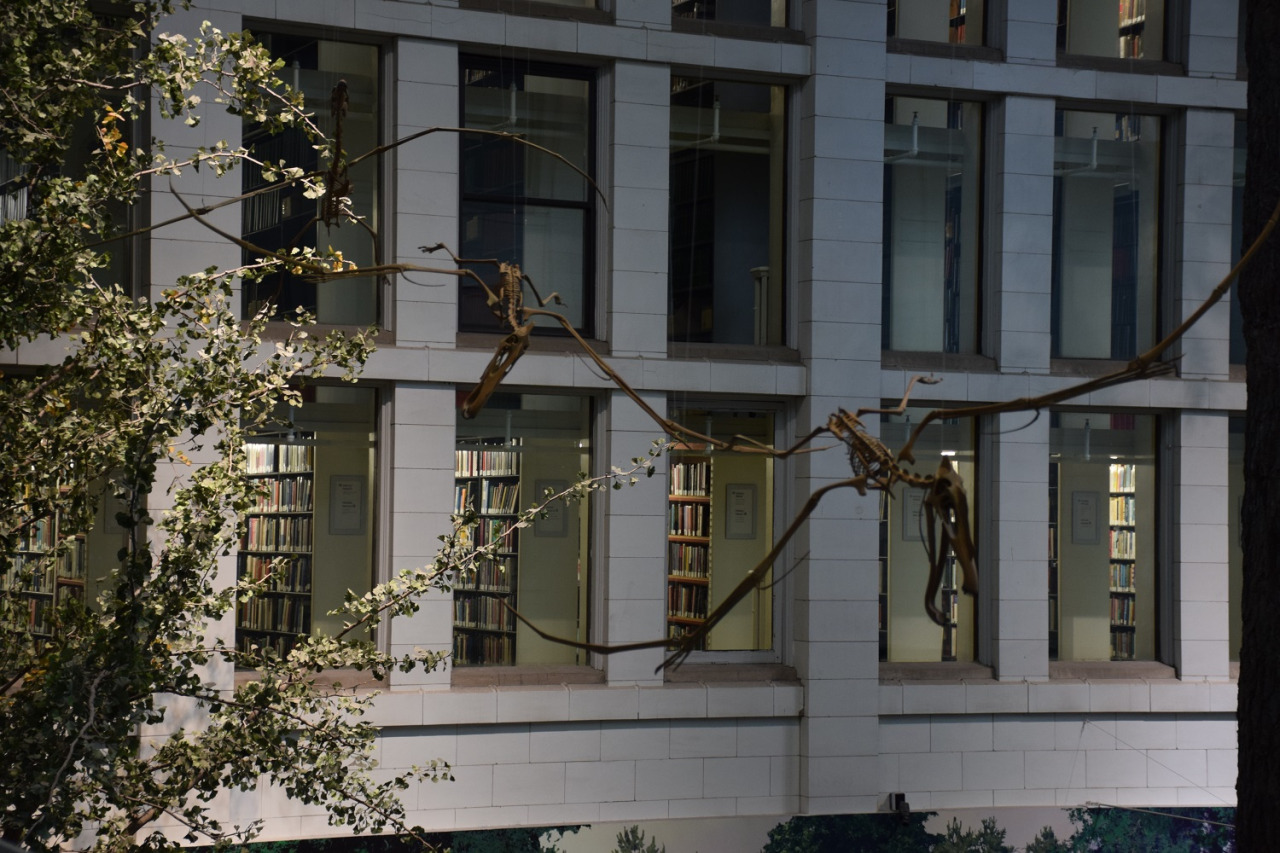
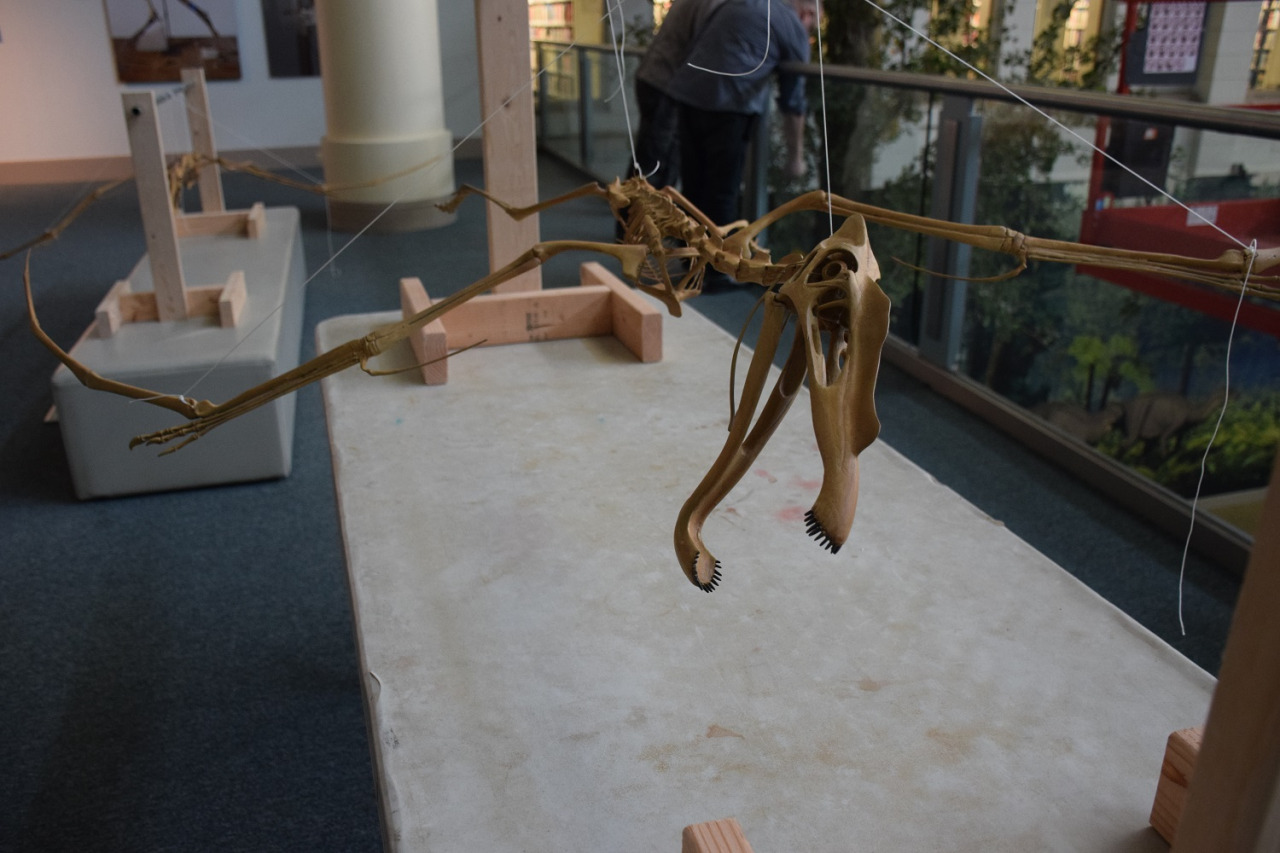
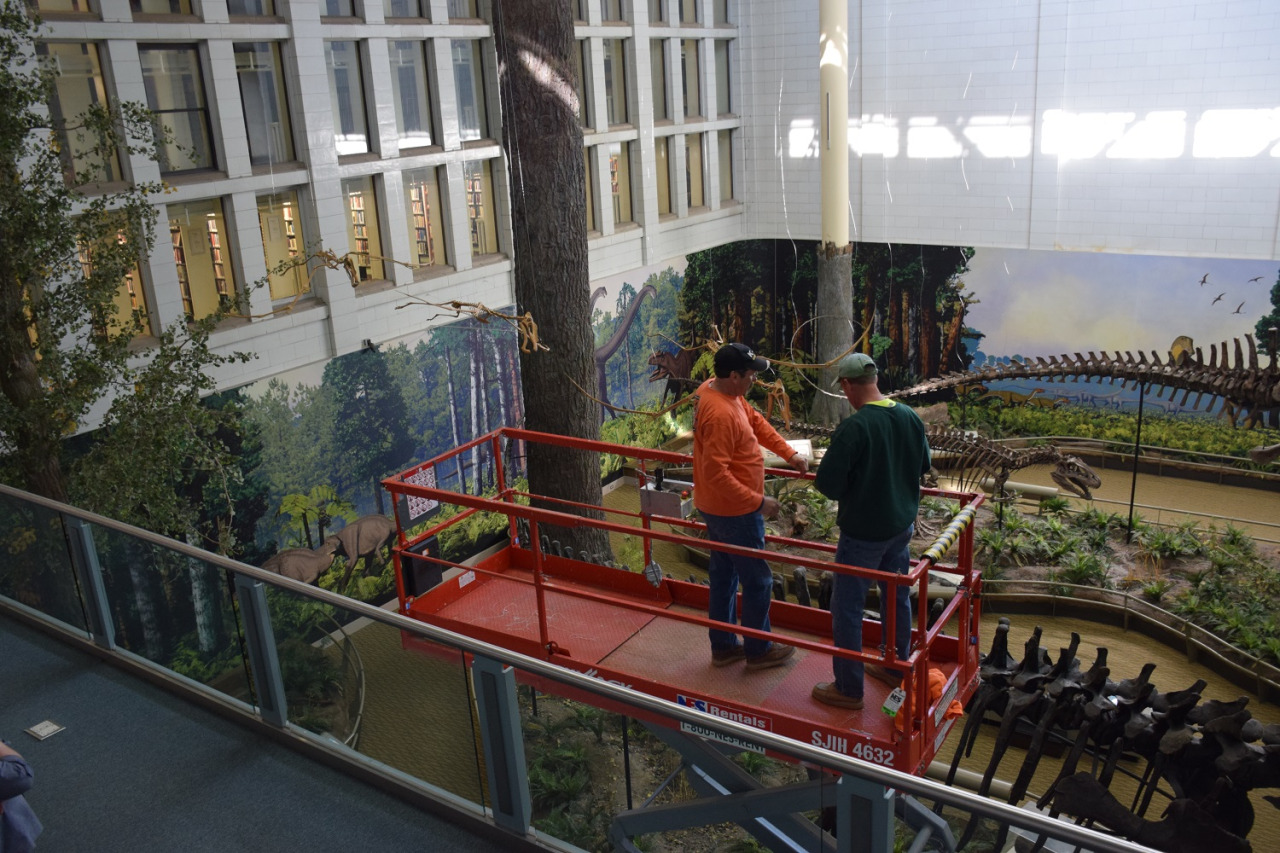
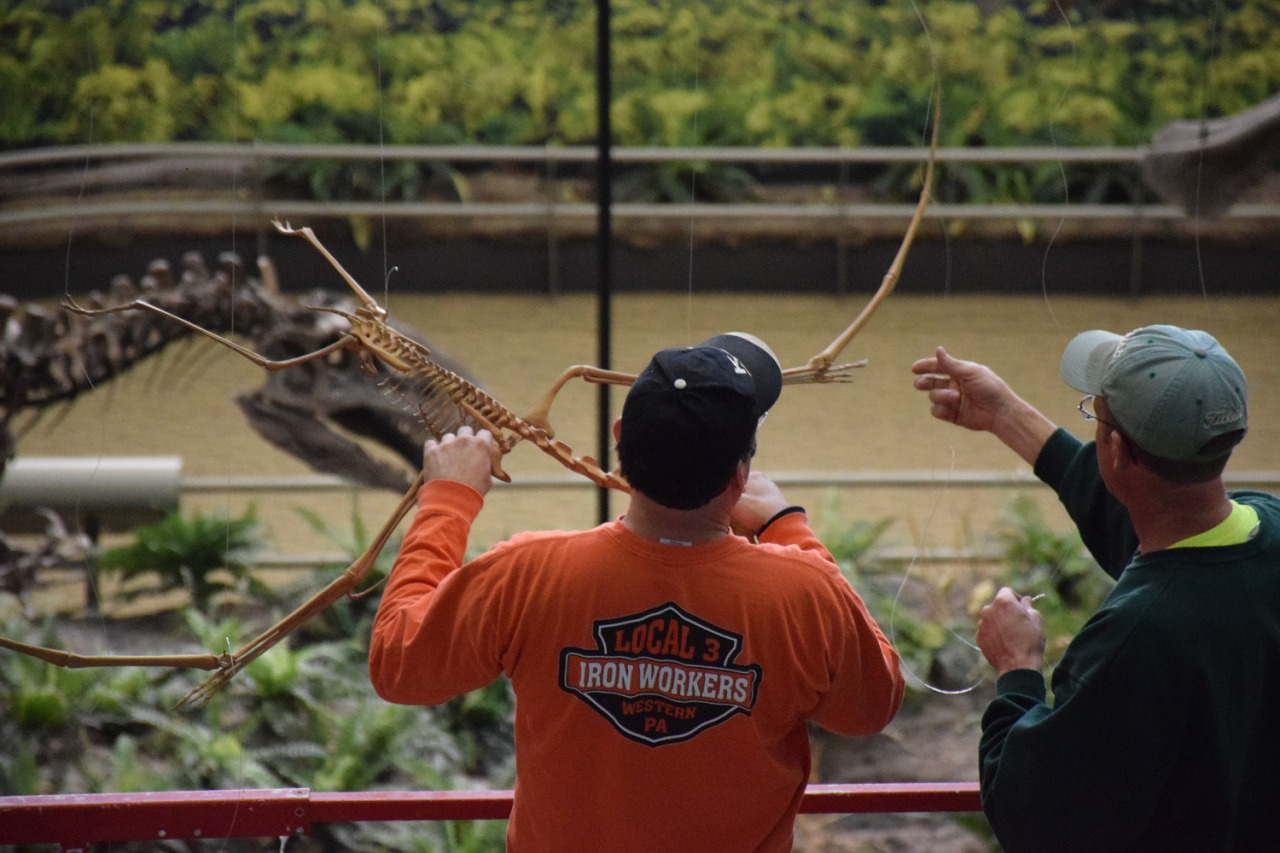
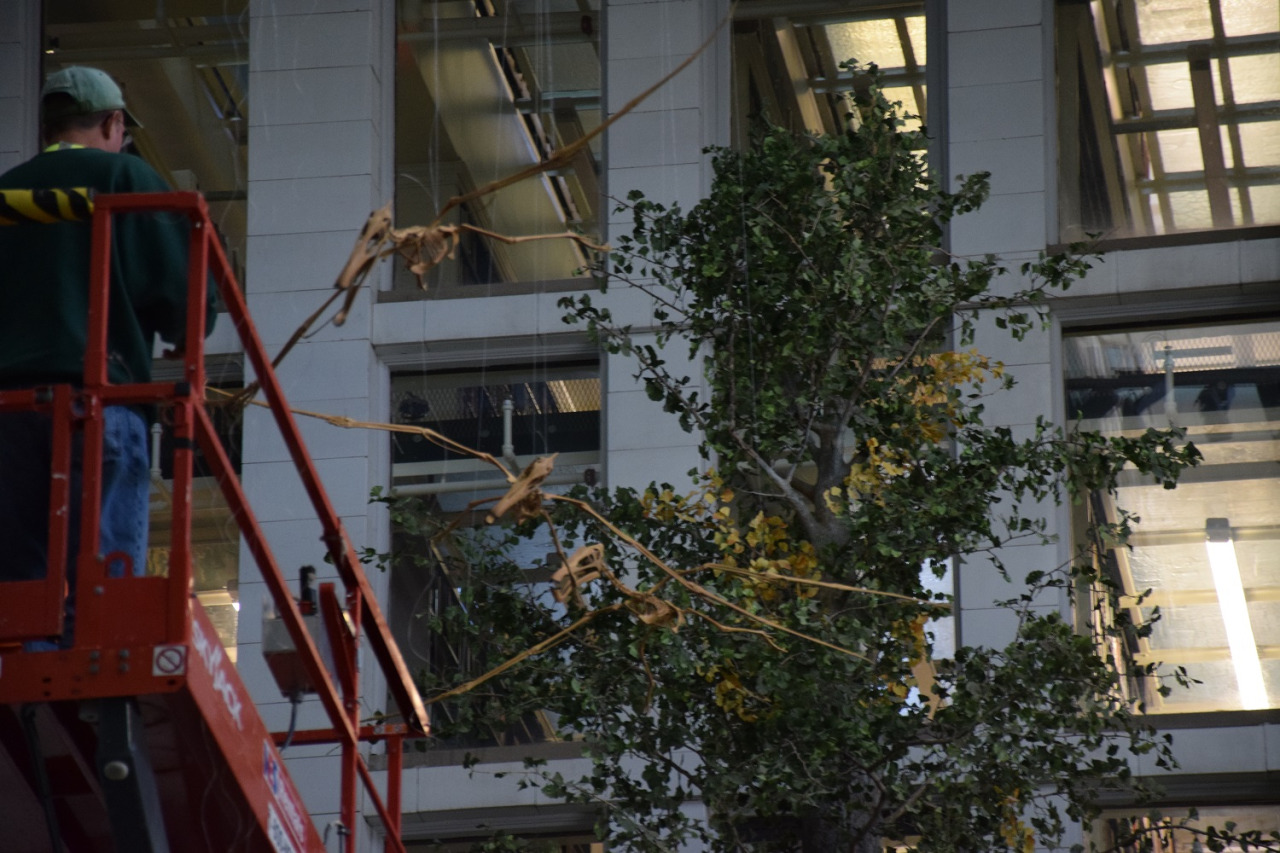
Three new pterosaur casts were installed in late March and are now flying high over our museum’s prehistoric landscape.
A flock of Cycnorhamphus pterosaurs were carefully installed about 30 feet above the Dinosaurs in Their
Time exhibition, but can be viewed up close from the Lee B. Foster Jurassic Overlook.
These pterosaurs are distinct because of their peg-like teeth, which may have allowed them to probe in mud for food or crush hard-shelled animals.
They have a six-foot wingspan and were found in Germany and France.
by Pat McShea
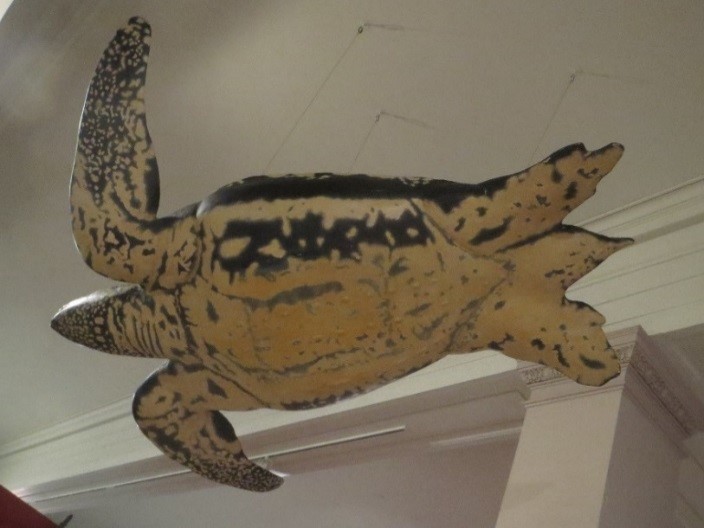
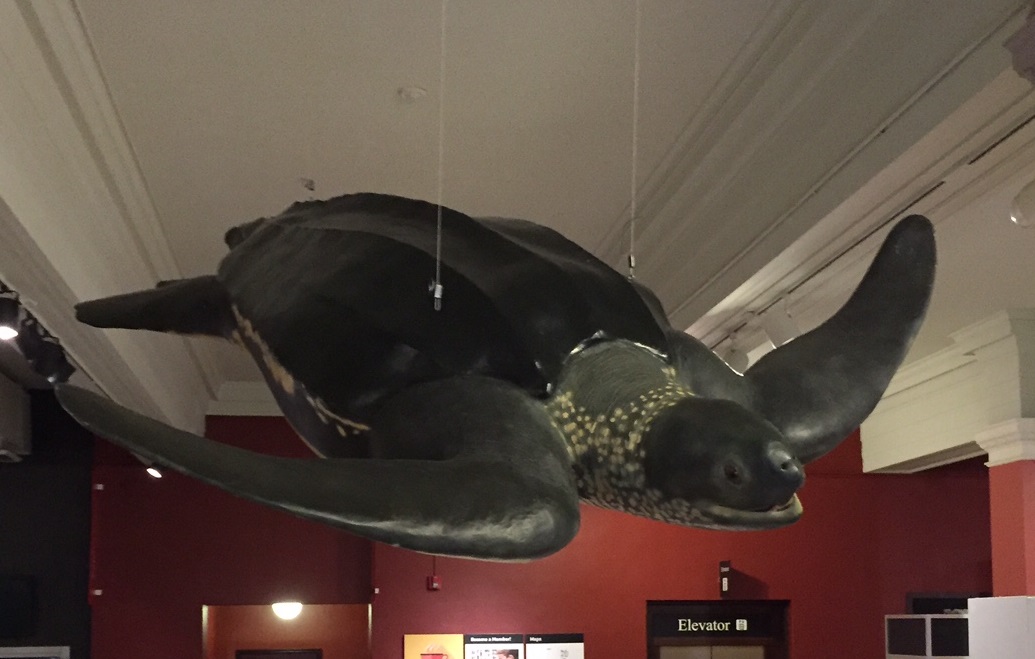
A cast of a large leatherback sea turtle now swims overhead near the microscope station in
Discovery Basecamp. In its suspended position, this reptile model provides a clear example of the principle known as counter shading.
The term refers to a common animal color pattern in which the top (dorsal side) is dark while
the underside (ventral side) is light.
While swimming or resting in the ocean the turtle’s counter shading helps to camouflage it
from both the prey it seeks and the predators it must avoid.
Viewed from below during the day, the creature’s light colored underside blends with light
saturated water. Viewed from above, its dark back offers little contrast with murky waters beneath it.
Patrick McShea works in the Education and Visitor Experience department of Carnegie Museum of Natural History. Museum employees are encouraged to blog about their unique experiences and knowledge gained from working at the museum.
