• Skip to primary navigation
  • Skip to main content
  • Skip to primary sidebar

Carnegie Museum of Natural History

One of the Four Carnegie Museums of Pittsburgh

  • Visit
    • Buy Tickets
    • Visitor Information
    • Exhibitions
    • Events
    • Dining at the Museum
    • Celebrate at the Museum
    • Powdermill Nature Reserve
    • Event Venue Rental
    • Gift Cards
  • Learn
    • Field Trips
    • Educator Information
    • Programs at the Museum
    • Bring the Museum to You
    • Guided Programs FAQ
    • Programs Online
    • Climate and Rural Systems Partnership
  • Research
    • Scientific Sections
    • Science Stories
    • Science Videos
    • Senior Science & Research Staff
    • Museum Library
    • Science Seminars
    • Scientific Publications
    • Specimen and Artifact Identification
  • About
    • Mission & Commitments
    • Directors Team
    • Museum History
  • Tickets
  • Give
  • Shop

wpengine

March 4, 2016 by wpengine

Discoverers Expedition Vilcabamba 2016: Ayacucho

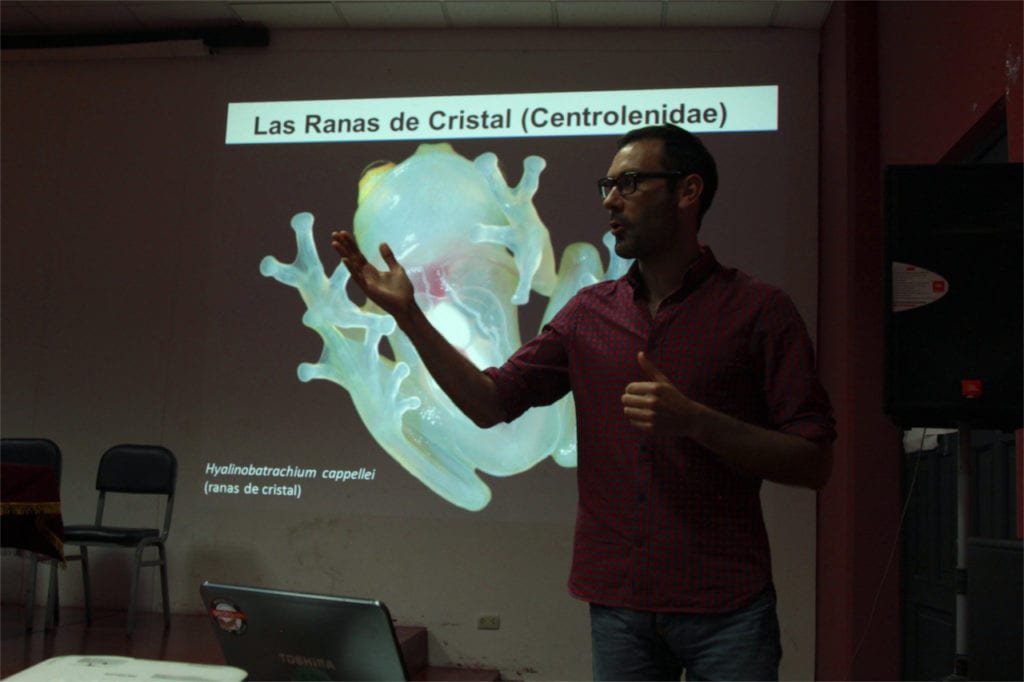
Dr. Santiago Castroviejo talking about the wonders of glassfrogs (Centrolenidae)
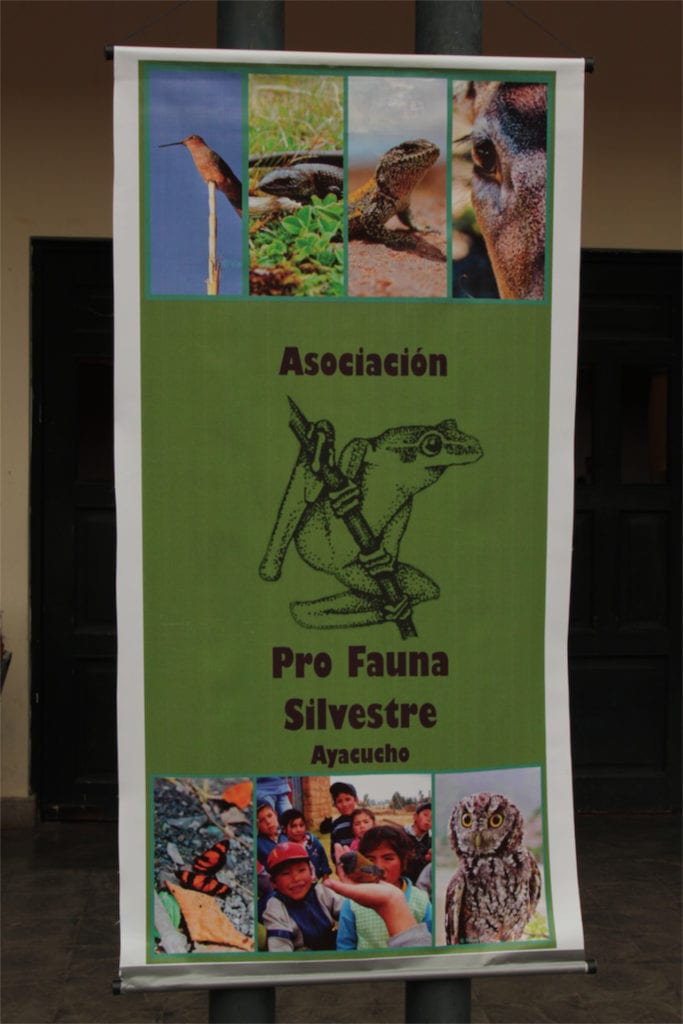
A poster of the non-profit Pro Fauna Silvestre Ayacucho, signaling the event.
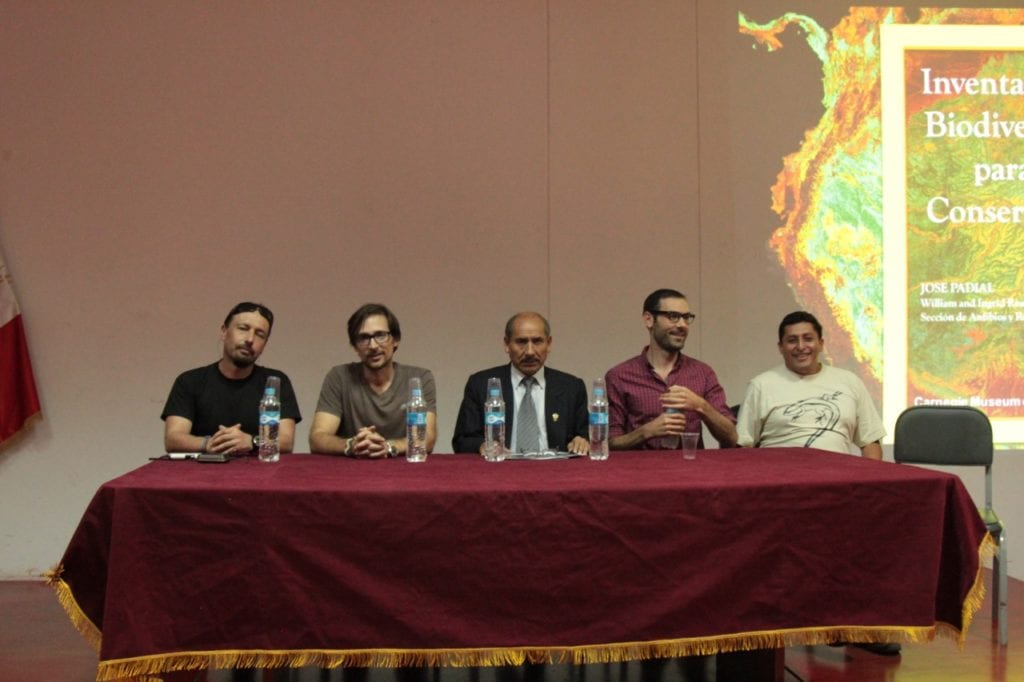
Members of the expedition are introduced by the dean of science of the University of San Cristobal de Huamanga.
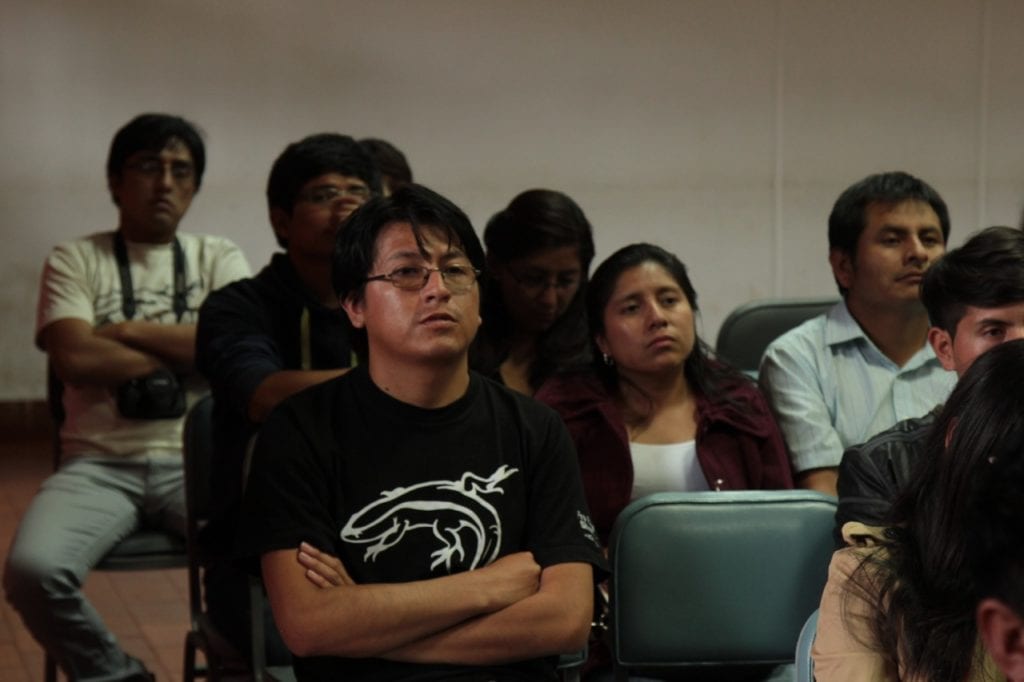
Students of the University of San Cristobal de Huamanga listening to our presentations.

February 26, 2016

After leaving Vilcabamba, we stopped in Ayacucho where we were invited to give talks at the Cultural Center of the University of San Cristobal de Huamanga. The event was organized by Pro Fauna Silvestre Ayacucho, a non-profit organization dedicated to the study and conservation of nature. I gave a talk about the role that natural history museums are playing in conservation through Biodiversity Inventories, and provided a brief overview of the results of our expedition. Dr. Santiago Castroviejo, from the Potificia Universidade Catolica do Rio Grande do Sul, presented new results on the evolutionary history of glass frogs (Centrolenidae).

José Padial and his team of researchers traveled to the remote Vilcabamba mountains of Peru in the pursuit of biodiversity research. He blogs and sends photos as often as possible capturing his expedition and his journey home.
Filed Under: Blog Tagged With: expedition

March 3, 2016 by wpengine

AP3 Expedition 2016

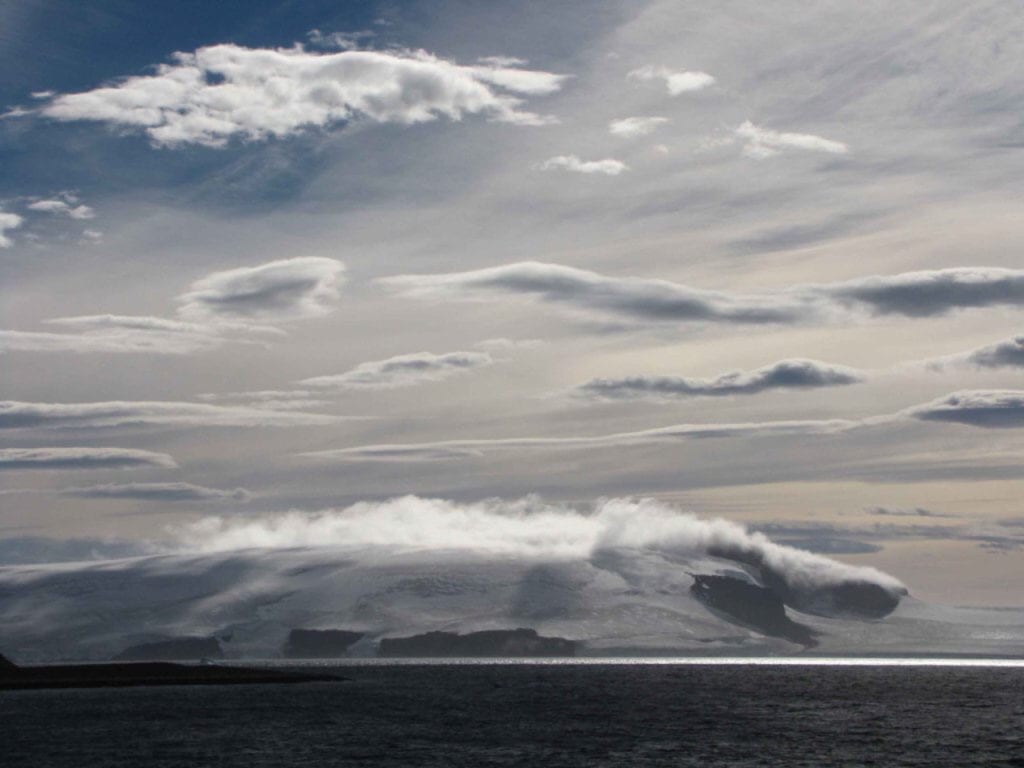
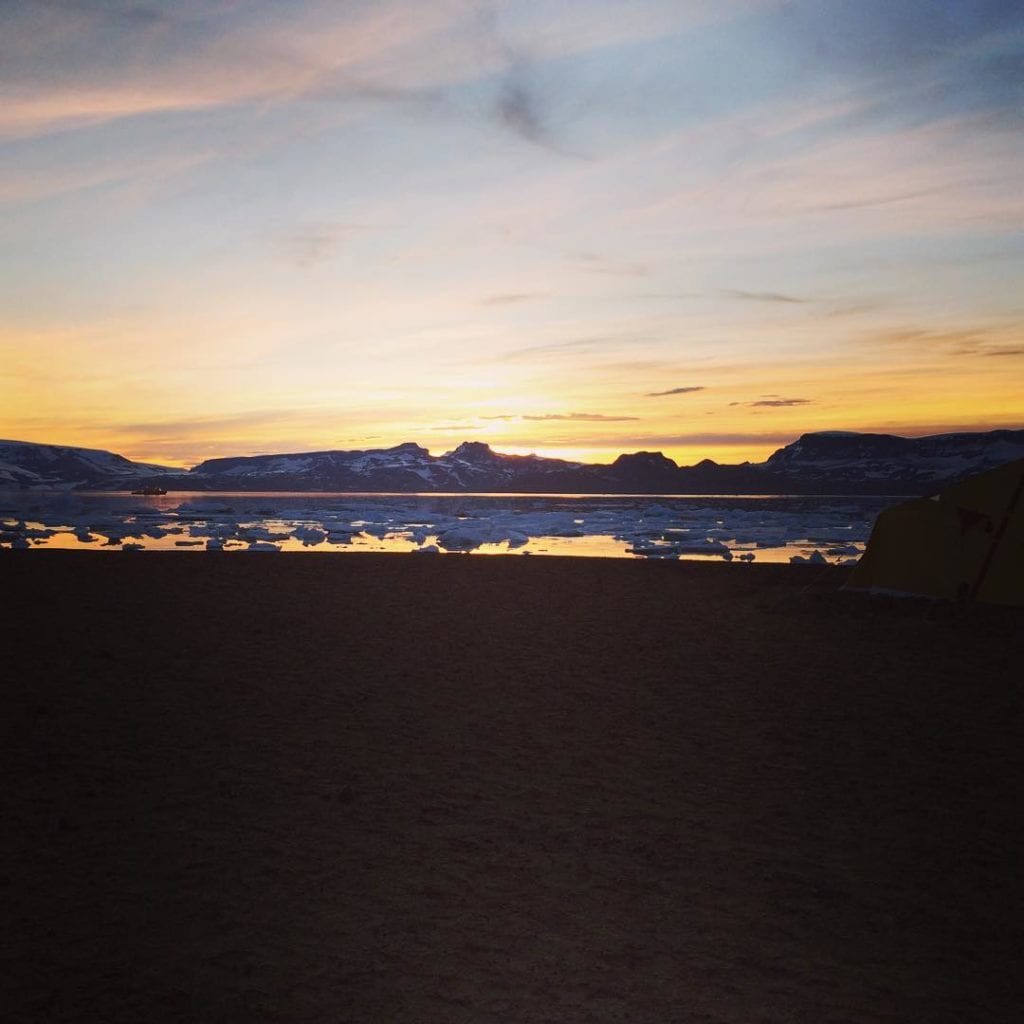
Sunset at Vega Camp (photo by Pat O'Connor)

AP3 Expedition 2016: Sunset at Vega Camp (photo: Pat O’Connor)

Matt Lamanna, is a paleontologist and the principal dinosaur researcher at Carnegie Museum of Natural History in Pittsburgh. Matt and his team of researchers blog frequently from the field at antarticdinos.org.

Filed Under: Blog Tagged With: Matt Lamanna

March 3, 2016 by wpengine

Black and Gold Advantage

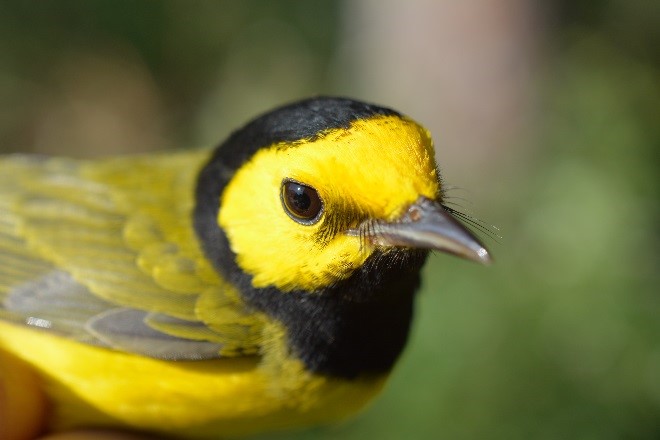
Hooded Warbler
by Patrick McShea

Recently, when a middle school science teacher borrowed a set of taxidermy mounts to stimulate class discussions about natural selection, I included a tiny bird clad in Steelers’ colors.

An account written by a museum curator more than 75 years ago provided a clear explanation for the advantage black and gold feathers provide to Hooded Warblers.

Once I was amazed to find myself eye to eye, as it were, with an adult male of this species. The bird was sitting quietly on a low branch of a leafy maple and must have flown in while my attention was directed elsewhere. Brilliant sun shining through the young leaves made some of them appear as yellow as the bird’s breast, while the green tones of its back were matched by other leaves in the shadow. The black markings of the head and throat were, in this instance at least, true “ruptive markings,” since it was some moments before I could clearly see the outline of the bird, although it was in plain view and in good light.

When examining specimens in the laboratory, it is difficult to think of the Hooded Warbler as protectively colored. I suspect the truth is that at some time and under some circumstances every bird or animal is seen with difficulty, both by man and by its natural predators. It is the nature of things that if the sum total of these occasions gives a species even an infintesimal advantage, the combinations of color that contribute to that survival-value will become genetically fixed.

W.E. Clyde Todd – Birds of Western Pennsylvania – University of Pittsburgh Press 1940


Patrick McShea works in the Education and Visitor Experience department of Carnegie Museum of Natural History. Museum employees are encouraged to blog about their unique experiences of working at the museum.


Filed Under: Blog Tagged With: Patrick McShea

March 2, 2016 by wpengine

AP3 Expedition 2016

Antarctica


Q: How do you find fossils in Antarctica?

A: In brief, there are basically two ways by which one can determine where to look for fossils. The first has to do with the fact that most of the Earth’s surface has been mapped from a geological standpoint. Geologic maps show what rocks are exposed at the surface. Fossils are found almost exclusively in sedimentary rocks (e.g., shale, mudstone, sandstone) as opposed to igneous and metamorphic rocks. So the first step would be to examine the map for those. Next, for those interested in dinosaurs, scour the map for sedimentary rocks that were deposited during the Mesozoic Era or Age of Dinosaurs ( we know that dinos evolved more-or-less 235 million years ago and died out (except for their descendants, birds) 66 million years ago). So search the map for sedimentary rocks that were deposited during that time. Lastly, dinos were almost exclusively land-dwelling animals, so look for Mesozoic sedimentary rocks that were deposited in bodies of water that were near land (i.e., rivers, ponds, lakes, ocean coastlines). If all three criteria are met, and you can get to the place, you might have a fighting chance of finding dino fossils there.

The second way is simpler — you just go where people have found fossils before.

Matt Lamanna, is a paleontologist and the principal dinosaur researcher at Carnegie Museum of Natural History in Pittsburgh. Matt and his team of researchers blog frequently from the field at antarticdinos.org.

Filed Under: Blog Tagged With: antarctica, expedition, fossils, Matt Lamanna

March 1, 2016 by wpengine

Discoverers Expedition Vilcabamba 2016: Herps

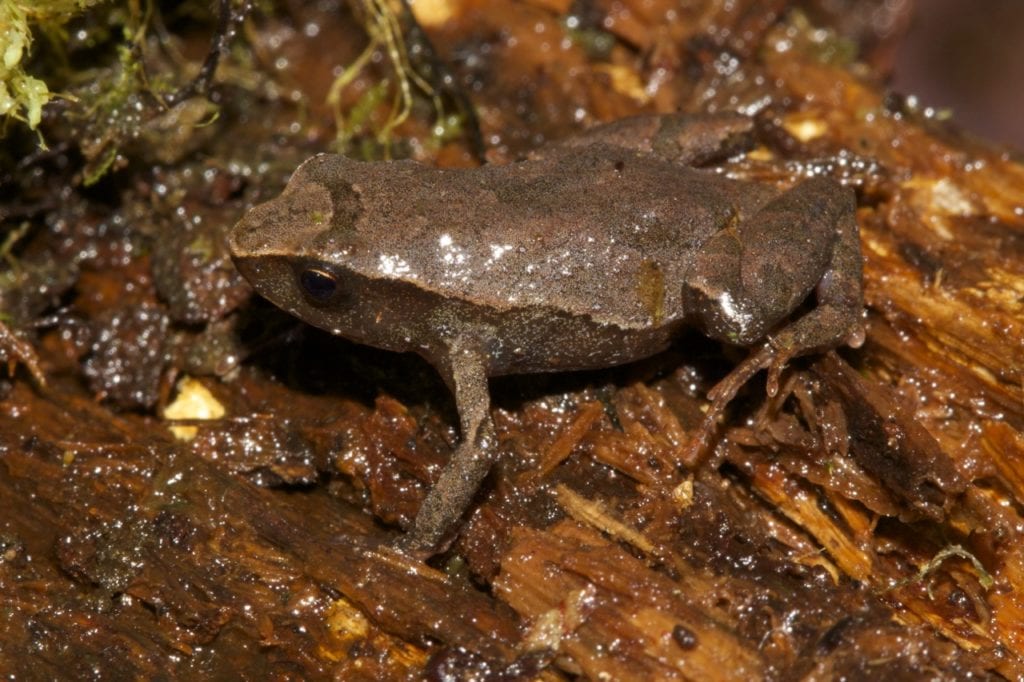
An individual of diminutive frog (ca. 1.5 cm) in the genus Noblella, which includes some of the smallest known vertebrates. (Photo Giussepe Gagliardi).
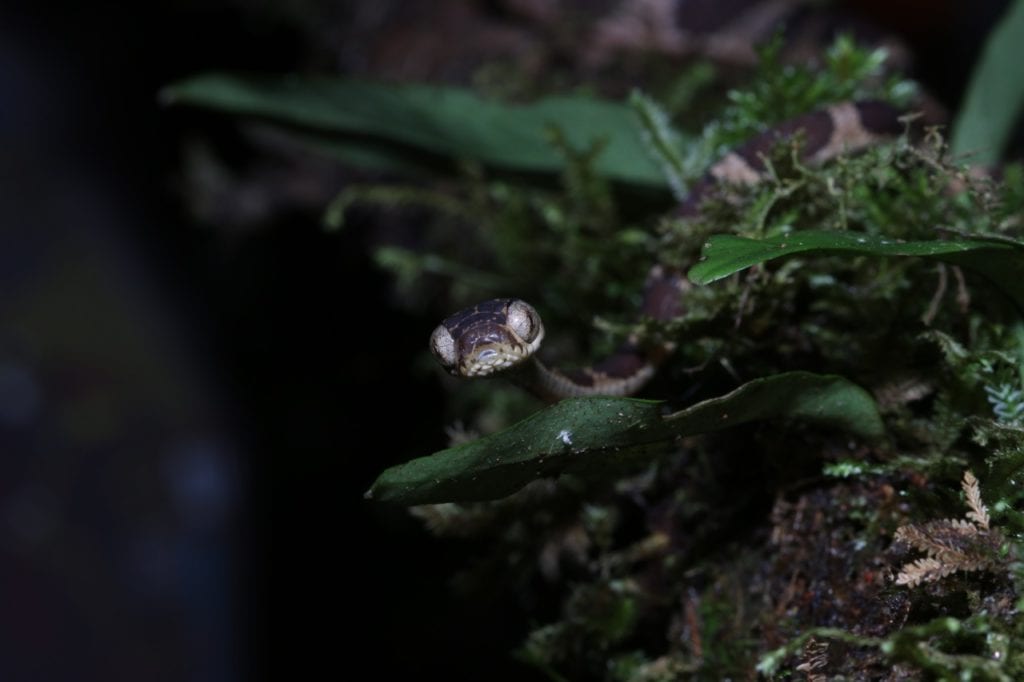
Imantodes cenchoa, an specimen found at ca. 2,000 m, an unusual elevation for this species. (Photo Giussepe Gagliardi).
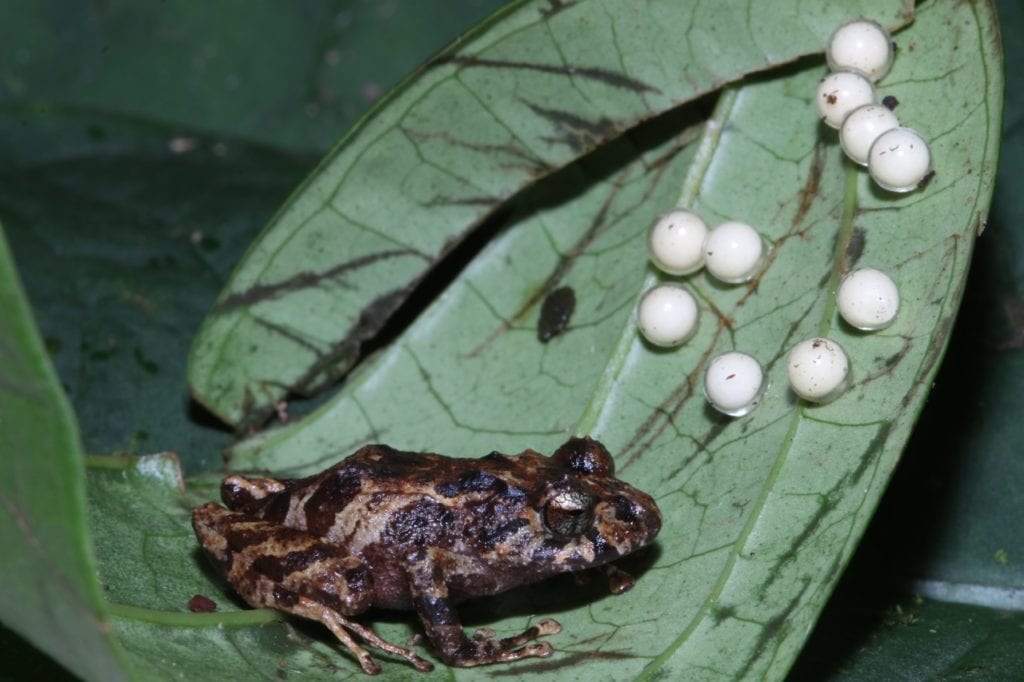
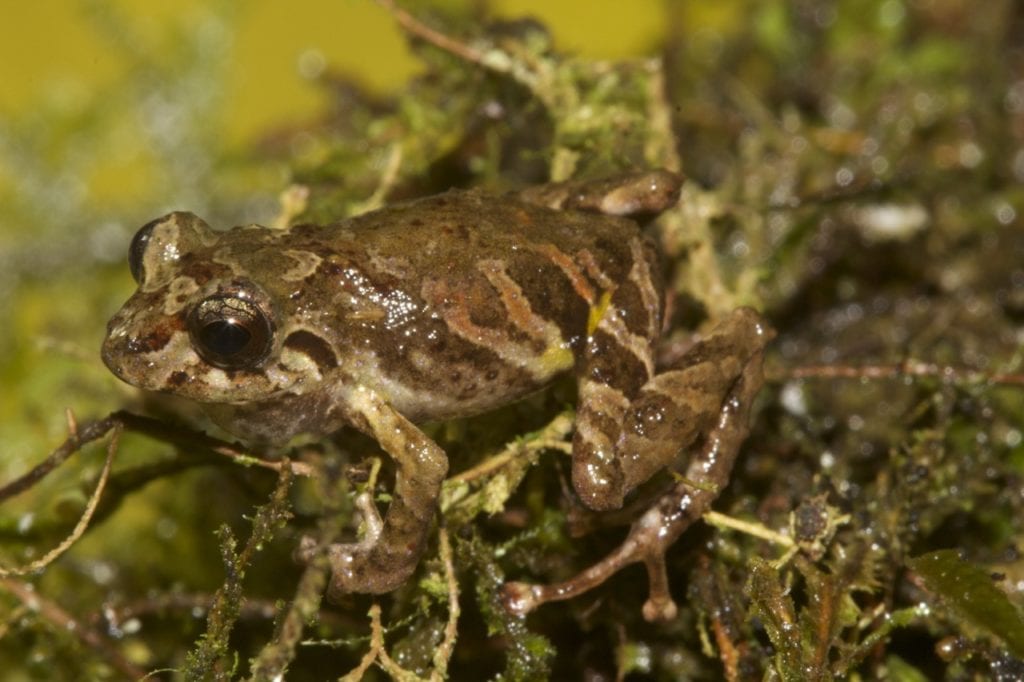
A female of a new species of Pristimantis with her eggs. Species of Pristimantis, as other terraranas, are direct developers, which means that they undergo development without a a free larval (tadpole) stage. (Photo Giussepe Gagliardi).
A male of another new species of Pristimantis inhabiting cloud forests above ca. 2,500 m. (Photo Santiago Castroviejo).

José Padial and his team of researchers are traveling in the remote Vilcabamba mountains of Peru in the pursuit of biodiversity research. He blogs and sends photos as often as possible capturing his expedition along the way


Filed Under: Blog Tagged With: biodiversity, frogs, new species, research

March 1, 2016 by wpengine

AP3: Antarctica Peninsula Paleontology Project

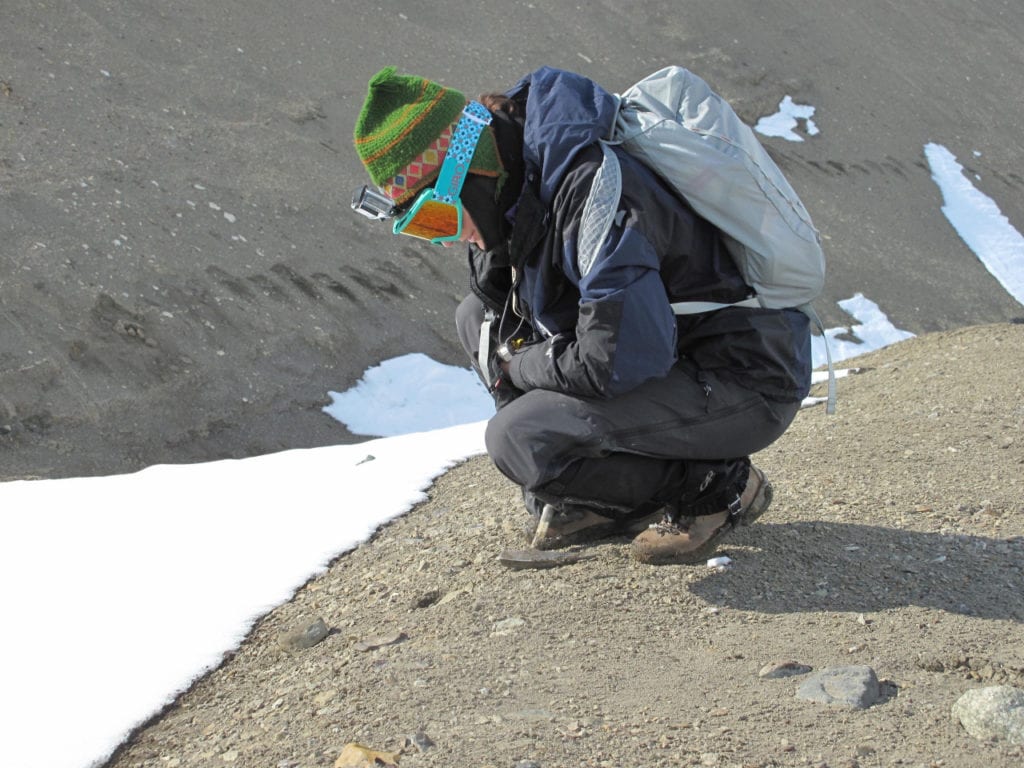
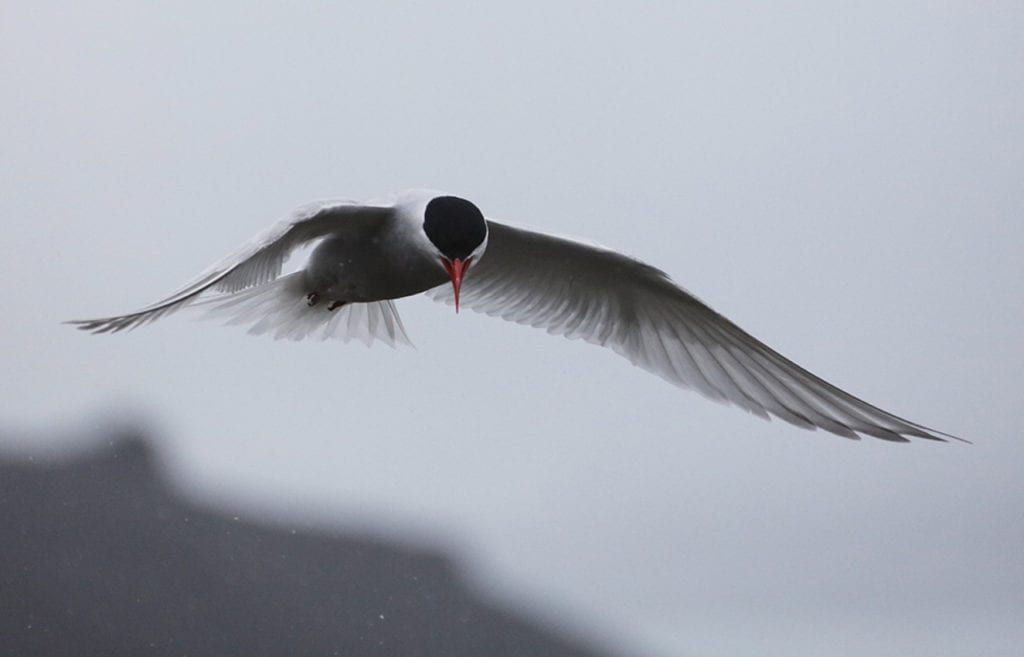
Scientist Flying bird

February 15–18

We continued work on Sandwich Bluff and two helicopter-supported day trips to Seymour Island. Both of these areas produced an abundance of well-preserved Late Cretaceous and Eocene-aged fossils, including those of birds, plesiosaurs (long-necked marine reptiles; numerous isolated bones and at least one partial skeleton), bony fishes (including several skulls and partial skeletons), sharks, whales, unidentified vertebrates, and a variety of beautifully-preserved invertebrates (e.g., ammonites, nautiloids, gastropods, bivalves, crustaceans).

Matt Lamanna, is a paleontologist and the principal dinosaur researcher at Carnegie Museum of Natural History in Pittsburgh. Matt and his team of researchers blog frequently from the field at antarticdinos.org.

Filed Under: Blog Tagged With: expedition, fossils, Matt Lamanna

  • « Go to Previous Page
  • Page 1
  • Interim pages omitted …
  • Page 202
  • Page 203
  • Page 204
  • Page 205
  • Page 206
  • Go to Next Page »

sidebar

About

  • Mission & Commitments
  • Directors Team
  • Museum History

Get Involved

  • Volunteer
  • Membership
  • Carnegie Discoverers
  • Donate
  • Employment
  • Events

Bring a Group

  • Groups of 10 or More
  • Birthday Parties at the Museum
  • Field Trips

Powdermill

  • Powdermill Nature Reserve
  • Powdermill Field Trips
  • Powdermill Staff
  • Research at Powdermill

More Information

  • Image Permission Requests
  • Science Stories
  • Accessibility
  • Shopping Cart
  • Contact
  • Visitor Policies
Stay in the loop! Sign up for our newsletter(s).
One of the Four Carnegie Museums | © Carnegie Institute | Privacy Policy | Terms of Use | Accessibility
Rad works here logo