• Skip to primary navigation
  • Skip to main content
  • Skip to primary sidebar

Carnegie Museum of Natural History

One of the Four Carnegie Museums of Pittsburgh

  • Visit
    • Buy Tickets
    • Visitor Information
    • Exhibitions
    • Events
    • Dining at the Museum
    • Celebrate at the Museum
    • Powdermill Nature Reserve
    • Event Venue Rental
  • Learn
    • Field Trips
    • Educator Information
    • Programs at the Museum
    • Bring the Museum to You
    • Guided Programs FAQ
    • Programs Online
    • Climate and Rural Systems Partnership
  • Research
    • Scientific Sections
    • Science Stories
    • Science Videos
    • Senior Science & Research Staff
    • Museum Library
    • Science Seminars
    • Scientific Publications
    • Specimen and Artifact Identification
  • About
    • Mission & Commitments
    • Directors Team
    • Museum History
  • Tickets
  • Give
  • Shop

May 1, 2020 by

Carnegie Discoverers

The members of Carnegie Discoverers share a passion for discovery and adventure and are enthusiastic supporters of Carnegie Museum of Natural History. Founded in 2006 by Dr. Richard Moriarty, the principal purpose of Carnegie Discoverers is to assist and support Carnegie Museum of Natural History in promoting its scientific, educational, and cultural missions and in the development of new and larger audiences for the institution. Through a number of special events each year, Carnegie Discoverers explore and learn about many amazing facets of natural history. These opportunities afford our members a unique relationship with, and a keener appreciation of, Carnegie Museum of Natural History.

Additional information about Carnegie Discoverers can be obtained by calling 412.353.4842 or emailing Development@CarnegieMNH.org.

Dr. Richard Moriarty
Become a Member of Carnegie Discoverers

Membership Levels 

Adventurer $500 

  • Invitation for one to Discoverers events (5-6 lecture/receptions per year) 
  • Option to bring one guest to Discoverers events 
  • Invitations to other special events at the museums  
  • Invitations to 2-3 “connections from the field” with our scientists and fellow Discoverers 

Explorer $1,500+ 
All the benefits of the Adventurer level plus: 

  • Quarterly behind-the-scenes tours 
  • Social opportunities with the Director of Carnegie Museum of Natural History 

Members of Discoverers can look forward to the following events for Fall 2025: 

September 2025 – Exploring Egypt on the Nile 
Speaker: Lisa Haney, Ph.D., Curator, Egypt on the Nile 
 
October 2025 – The Colors of Dinosaurs 
Speaker: Sarah Davis, Ph.D., Collection Manager, Paleobiology 
 
November 2025 – Gems & Minerals Lecture 
Speaker: Chris Emproto, Ph.D., Post Doctoral Fellow, Minerals & Earth Sciences 


A sampling of recent lectures: 

The Stories We Keep: Conservation as the bridge to connect visitors, staff, and the Carnegie Museum of Natural History’s collections 
Annick Vuissoz, M.S., Senior Manager, Conservation  
 
Future-proofing Museum Collections: Collections Care and Access at the Carnegie Museum of Natural History 
Kathy Hollis, Director of Collections Care & Access 
 
A Diamond in the Rough: Bringing Carnegie’s Ornithological Collection into the 21st Century 
Serina Brady, MSc 2, Collection Manager, Ornithology
 
An Island in a Sea of Sand: Describing New Amphibians and Reptiles from Angola’s Most Mysterious Mountain 
Mariana P. Marques, Ph.D., Collection Manager, Amphibians and Reptiles
 
Looking Closely: Lessons from the Carnegie’s “Natural History Art” Collection 
Deirdre M. Smith, Ph.D., Curator of Art and Museum Studies; Professor of Museum Studies in the History of Art and Architecture Department, University of Pittsburgh 
 
(Mr.) Yukking It Up: The Science of Poison, Venom, and Toxicity in the CMNH Collection 
Eight Mini-talks from Scientific Staff Members 
 
Nature out of place? Confronting the topic of invasive species 
Mason Heberling, Ph.D., Curator, Botany
 
Searching for the Thylacine: The Sad History of the Tasmanian Wolf 
John R. Wible, Ph.D., Curator, Mammals

 

Filed Under: Uncategorized

May 1, 2020 by

Earth Day Film Festival

Brought to you by Film Pittsburgh

Sleepless / Repeat Until Death from Studio Birthplace

A Mongolian miner takes his sick daughter away from the heavily polluted city to see the shaman. Upon finding a new home with the reindeer herders in the forest, he learns that this world too, is changing.

Novo Amor – Birthplace (official video) from Studio Birthplace

Birthplace tells the symbolic story of a man arriving on a perfect earth, who encounters his nemesis in the form of ocean trash.

Directed & Written by Sil van der Woerd & Jorik Dozy

Learn more about Novo Amor – Birthplace

Produced by Sean Lin, New Frontier Pictures
Line Producer: Bayu Topan
Cast: Michael Board
Cinematography by Nihal Friedel
Art Director by Dalbo Suarimbawa
Supported by Zen Freediving

Terraform – Novo Amor & Ed Tullett (official video) from Studio Birthplace

Lifted from 'Heiress'. Out now via AllPoints.
Buy the Song-Heiress https://novoamorandedtullett.lnk.to/Heiress
Ijen Assistance
Watch the Making Of
Novo Amor & Ed Tullett

Directed by Jorik Dozy and Sil van der Woerd
Produced by New Frontier Pictures

Follow Novo Amor
Follow Ed Tullett

Epoch – Oliver Spalding (official video) from Studio Birthplace

A group of children find themselves awake in the middle of the night in a world that is slowly falling apart.
Epoch serves as a statement on the current state of our world and how we will leave it for our children.

Directed by Sil van der Woerd and Jorik Dozy
Produced by New Frontier Pictures

Watch the behind the scenes
www.oliverspalding.com
www.monotremerecords.com

Filed Under: Uncategorized

April 29, 2020 by

Book a Party at the Museum

Fill out my online form.

Filed Under: Uncategorized

April 29, 2020 by

City Nature Challenge

When: April 25–28, 2025

Get connected with nature! Join the City Nature Challenge, a global effort to document nature in urban areas and all around us. During this four-day bioblitz, nature enthusiasts and casual observers take photos and upload them to the free iNaturalist app to share their observations and help document biodiversity in cities around the world. Learn about nature in our local area and enjoy the benefits of being outdoors. 

Carnegie Museum of Natural History is pleased to partner with various local organizations participating for Pittsburgh and its surrounding counties. The Pittsburgh Region joins hundreds of cities with more than 80,000 participants around the world for this exciting global project! 

How to Participate

Participating in the City Nature Challenge is easy and free!

First, download the free iNaturalist app. 

From April 25-28, take photos of any nature you observe – plants, insects, wildlife, even animal tracks, bird calls, and plants growing in sidewalk cracks – and upload them to the app. (Please note, if it’s planted or taken care of by people it is not wild. Mark it captive/cultivated in the iNaturalist app.) 

From April 29-May 1, help identify species observed by other challenge participants to help build a better understanding of biodiversity in our region.

Observations in Pittsburgh and the surrounding counties will count towards totals for the Pittsburgh Region.

Educational Resources: Educators can get a free toolkit to help learners participate! 


Read City Nature Challenge Stories

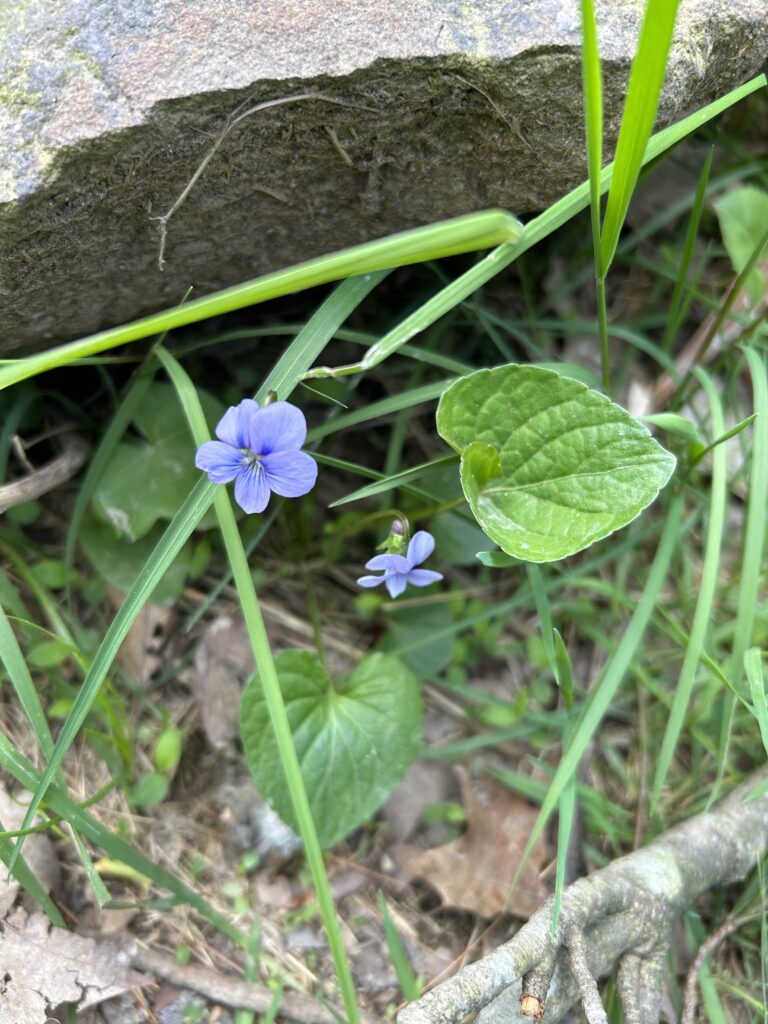
common blue violet

Botanists Gone Wild! Perspectives from the Record-Breaking Finish for City Nature Challenge 2024

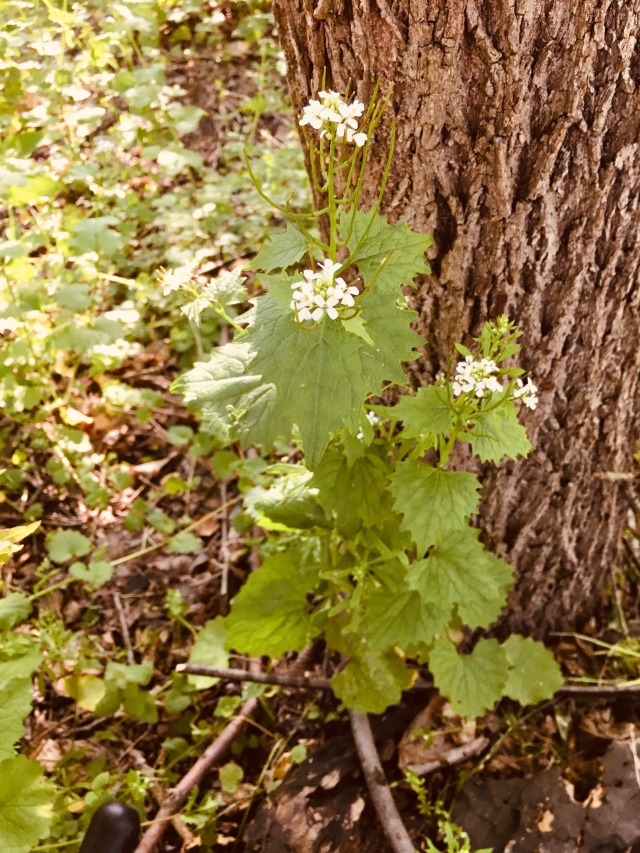
garlic mustard

City Nature Challenge: Noticing Invasive Plants 

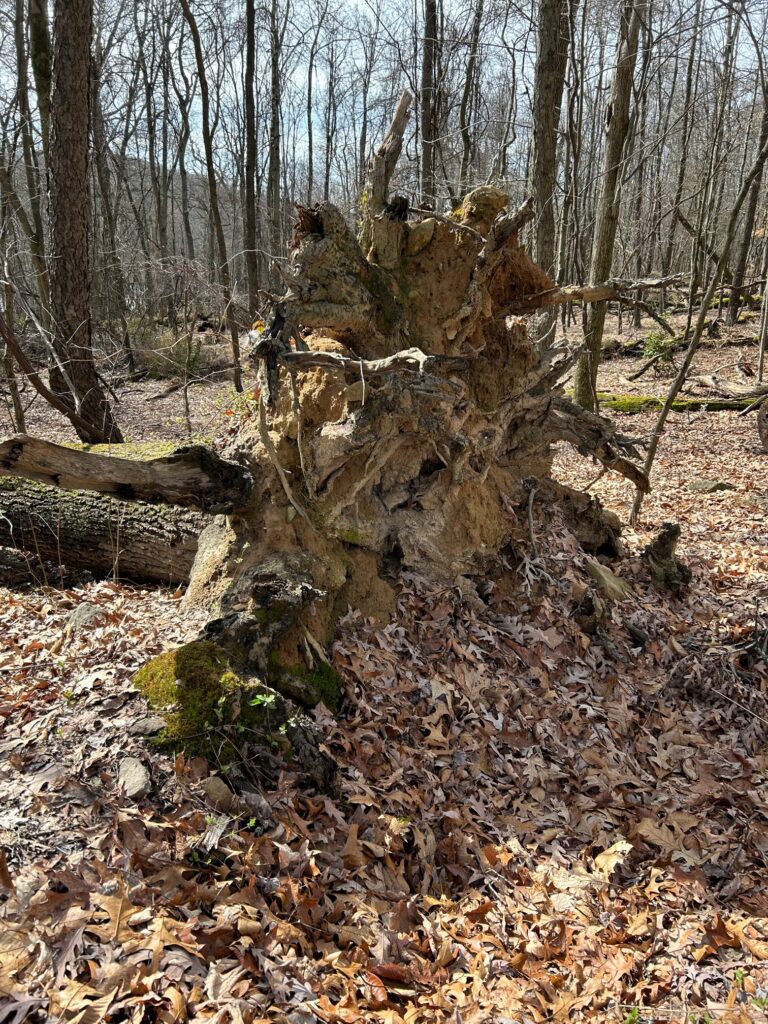
fallen tree

Snags, Logs, and the Importance of a Fallen Tree

taxidermy mount of two scarlet tanagers

Building Birding Skills

City Nature Challenge: A 2022 Reflection

City Nature Challenge: A 2022 Reflection

Using iNaturalist in the City Nature Challenge and beyond

Using iNaturalist in the City Nature Challenge and beyond

garlic mustard plant outdoors

Reading Results: CNC Final Phase

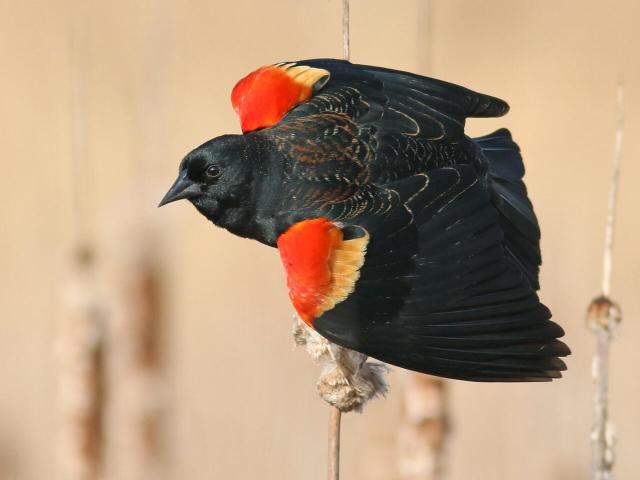
black bird with red and yellow on its wings

Warmer Springs and Earlier Birds

Filed Under: Uncategorized

April 23, 2020 by

Tour the Exhibits Digitally

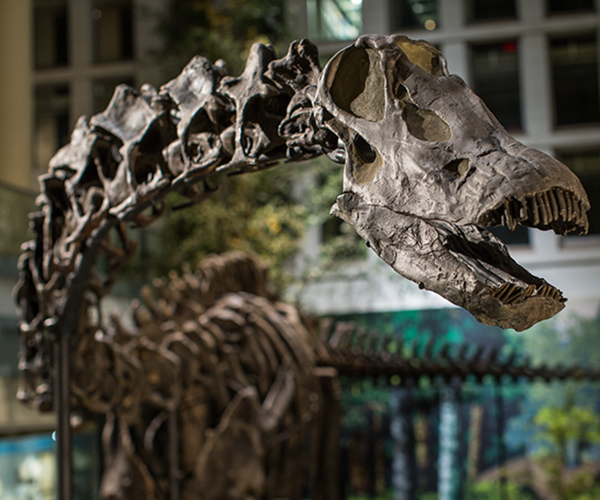
Dippy

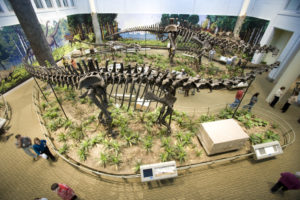
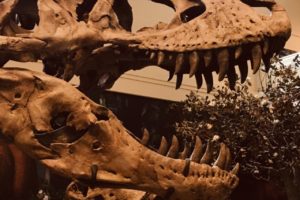
Dinosaurs in Their Time

  • Stepping Back in Time

    Stepping Back in Time

    by Suzanne Nuss I grew up in the silent Canadian Arctic, so sounds switch me to alertness. Once alert, I pause to …
  • Jurassic Days: Icarosaurus

    Jurassic Days: Icarosaurus

    by Zach Lyons-Weiler Both visitors and staff love Carnegie Museum of Natural History’s Dinosaurs in Their Time exhibition for many reasons. For …
  • What Did Dinosaurs Sound Like?

    What Did Dinosaurs Sound Like?

    A Brief Foray into Paleoacoustics in Science and Film by Niko Borish and Caroline Lee Did Dinosaurs Roar? When you think about …
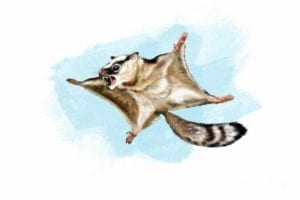
  • MESOZOIC MONTHLY: Volaticotherium

    MESOZOIC MONTHLY: Volaticotherium

    by Lindsay Kastroll Once again, spring has sprung. Prepare to see the gorgeous forests of Pennsylvania launch back into action. I, for …
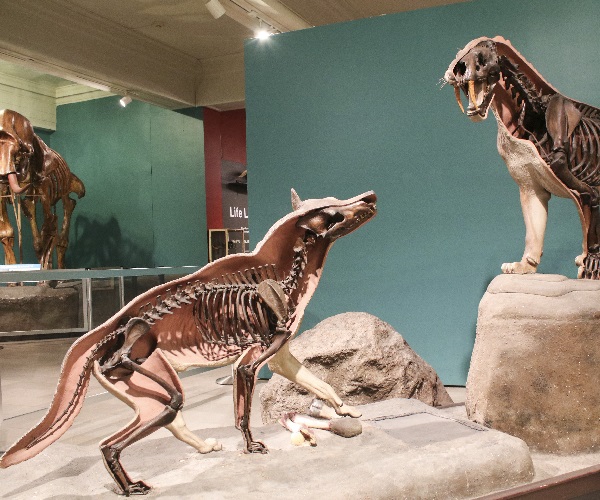
dire wolf display

Age of Mammals: The Cenozoic Era

  • Clues

    Clues

    By Amy Henrici Collection Managers often solve fossil mysteries, and sometimes we have only a few clues to assist us. A recent …
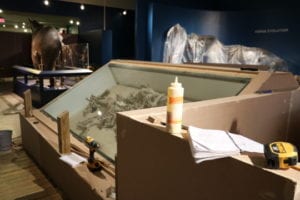
  • Renovating Age of Mammals: The Cenozoic Era

    Renovating Age of Mammals: The Cenozoic Era

    Carnegie Museum of Natural History’s exhibition team has been working on renovating parts of Age of Mammals: The Cenozoic Era which features fascinating …
  • Did you know?

    Did you know?

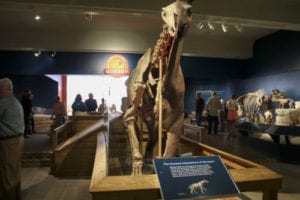
    Did you know that Carnegie Museum of Natural History’s Cenozoic Era: Age of Mammals exhibition contains more than 30 mounted real fossil …
  • Age of Mammals: The Cenozoic Era Opens

    Age of Mammals: The Cenozoic Era Opens

    Friends of Carnegie Museum of Natural History celebrated the reopening of a popular exhibition hall this weekend and honored Joe and Kathy …
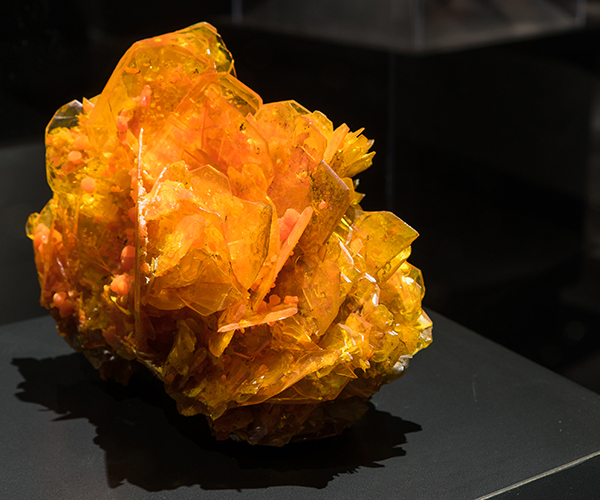
Hillman Hall of Minerals and Gems

Hillman Hall of Minerals and Gems

  • Mineral Gazing

    Mineral Gazing

    by Debra Wilson Have you ever gazed up at the sky and noticed a cloud that looks like a face, or an …
  • Fungi make minerals and clean polluted water along the way!

    Fungi make minerals and clean polluted water along the way!

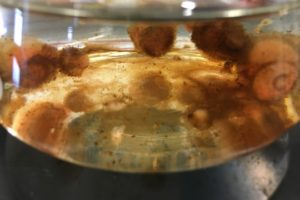
    Fungi are all around in the environment. For example, the mold that invades wet basements, the mushrooms that we cook with, and …
  • Roll Out the Beryl

    Roll Out the Beryl

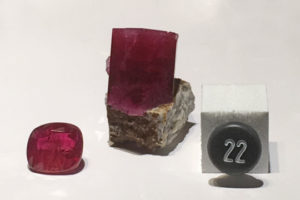
    Beryl has many different varieties that you may be familiar with, the most recognized being: Emerald (green), Heliodor (yellow), Morganite (pink), and …
  • Everything Pennsylvania

    Everything Pennsylvania

    On May 10th a new temporary exhibit is scheduled to be installed in Wertz Gallery: Gems and Jewelry that will feature gemstones, cabochons, …
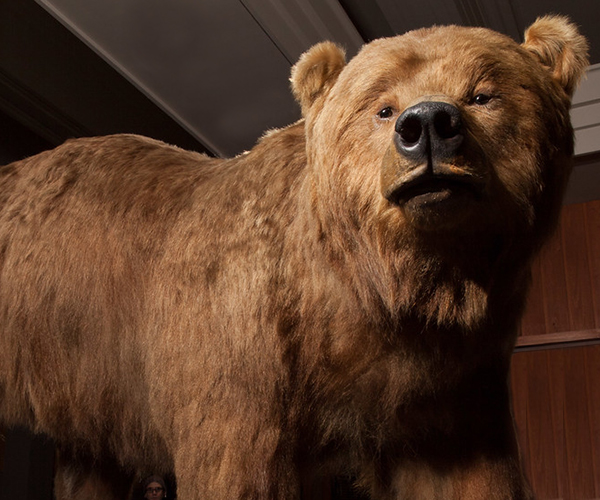
Brown Bear in the Hall of North American Wildlife

Hall of North American Wildlife

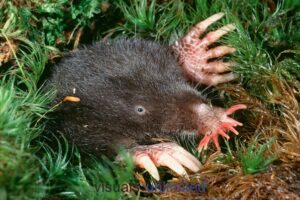
  • The Nose that “Sees”

    The Nose that “Sees”

    by Lisa Miriello Despite the common name of the star-nosed mole (Condylura cristata), the 22 fleshy appendages at the end of its snout …
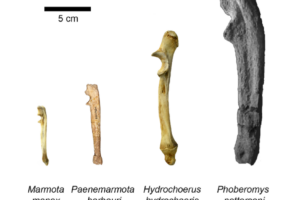
  • Groundhog Day 2023

    Groundhog Day 2023

    by John Wible January 21, 2023 was Squirrel Appreciation Day! With Groundhog Day, which commemorates our most famous squirrel, Punxsutawney Phil, right …
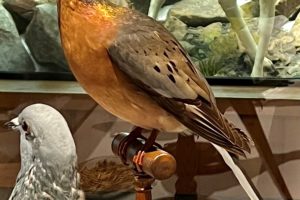
  • Feather and Bone Connections to American History

    Feather and Bone Connections to American History

    by Patrick McShea Within the Hall of North American Wildlife, a Passenger Pigeon taxidermy mount stands above a handful of other objects in a display …
  • Finding Answers: From Museum to Mountains and Back Again

    Finding Answers: From Museum to Mountains and Back Again

    by Patty Dineen The beautiful wildlife dioramas on the second floor of Carnegie Museum of Natural History have been fascinating visitors for …
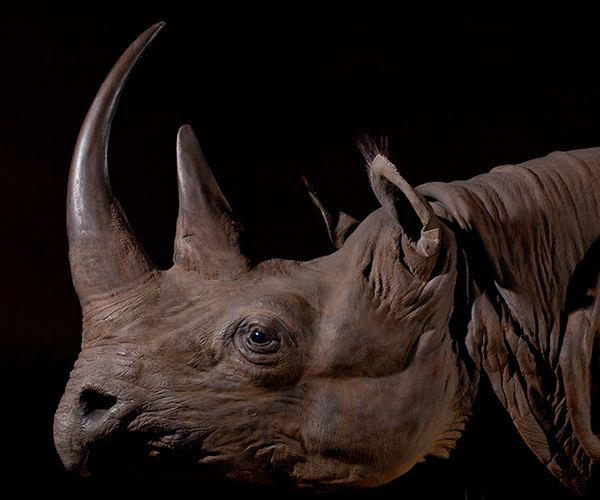
Rhino in the Hall of African Wildlife

Hall of African Wildlife

  • World Pangolin Day 2024 – The Mysterious Mammalian “Wishbone”

    World Pangolin Day 2024 – The Mysterious Mammalian “Wishbone”

    by John Wible World Pangolin Day 2024 is on February 17, a day to raise awareness of pangolins or scaly anteaters, one …
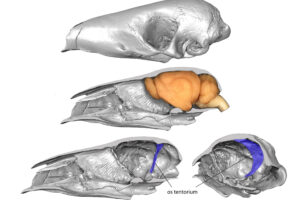
  • World Pangolin Day 2023 – The Mysterious Brain Bone

    World Pangolin Day 2023 – The Mysterious Brain Bone

    by John Wible The third Saturday in February marks World Pangolin Day, celebrating the scaly anteater that is sometimes called the pinecone …
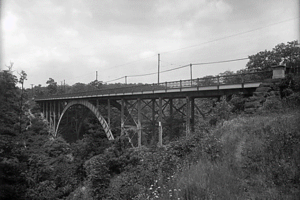
  • GETTING FROM THE FERN HOLLOW BRIDGE TO THE FRICK FAMILY

    GETTING FROM THE FERN HOLLOW BRIDGE TO THE FRICK FAMILY

    by Lisa Miriello  After the Fern Hollow Bridge collapse on January 28, 2022, many commuters found themselves experiencing some traffic headaches as …
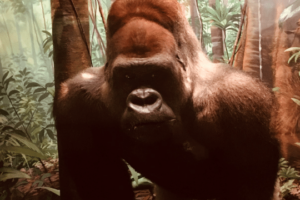
  • A Gorilla for Our Imagination

    A Gorilla for Our Imagination

    The lowland gorilla within the Hall of African Wildlife has a far different back-story than other large mammals in the exhibition’s dozen …
Bird Hall

Bird Hall

  • Turkeys

    Turkeys

    by Stephen Rogers November is the month best known for the holiday celebrated on the fourth Thursday of the month, Thanksgiving, which …
  • Travels with a Sketchbook: A Natural History Artist’s Observations at the Museum
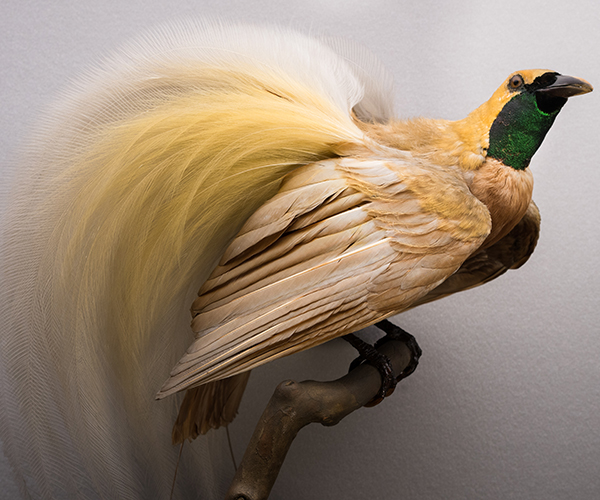
    Travels with a Sketchbook: A Natural History Artist’s Observations at the Museum

    Carnegie Museum of Natural History has a large and expansive collection of artifacts, oddities, and wonders. It also has its fair share …
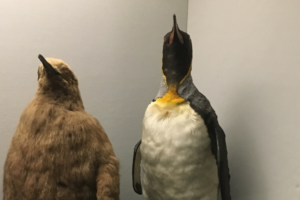
  • Why Do the King Penguins in Bird Hall Look so Different from Each Other?

    Why Do the King Penguins in Bird Hall Look so Different from Each Other?

    Visitor comments often offer insight into the effectiveness of museum displays. The most candid comments are overheard snatches of conversation, some as …
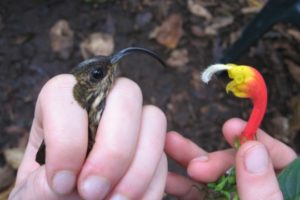
  • A Match Made by Coevolution

    A Match Made by Coevolution

    Darwin once predicted the existence of a pollinator after examining the star-shaped flower of the orchid Angraecum sesquipedale, a flower whose nectar …
mushrooms in botany hall

Botany Hall

  • Exploring the Role of Leaf Litter In Our Forests

    Exploring the Role of Leaf Litter In Our Forests

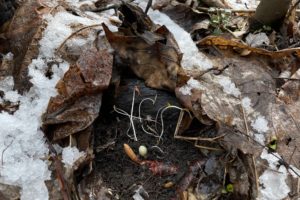
    by Abby Yancy Leaf litter is the dead plant material that has fallen from trees, shrubs, and other plants. It hangs around …
  • Carnegie’s Cactus: Carnegie gigantea

    Carnegie’s Cactus: Carnegie gigantea

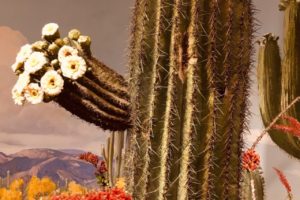
    by Patrick McShea Diplodocus carnegii, a sauropod star of Dinosaurs in Their Time, is not the only large organism exhibited at Carnegie …
  • Collected on this Day 105 years ago

    Collected on this Day 105 years ago

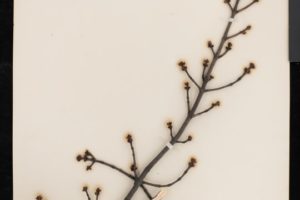
    So long, leaves. Autumn has fallen. This specimen of red maple (Acer rubrum) was collected on November 13, 1915 by Otto Jennings …
  • Collected on this Day in 1966: Santa Clauses

    Collected on this Day in 1966: Santa Clauses

    Christmas in July…”Santa Claus” floating in the air. (Or I guess, technically Boxing Day in July, if that’s a thing.) Make a …
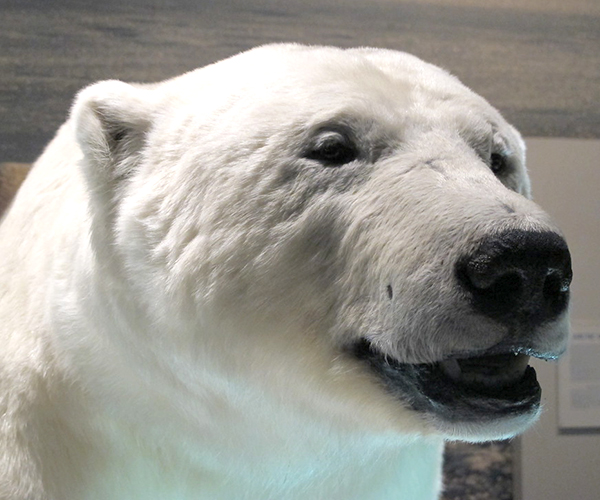
polar bear

Polar World: Wyckoff Hall of Arctic Life

  • Arctic Message

    Arctic Message

    By Patrick McShea What happens in the Arctic effects all of us. The frozen seas of the northern hemisphere’s remotest territory influence …
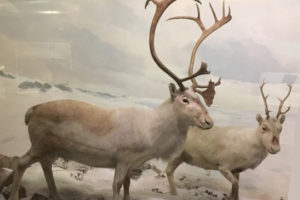
  • Are Santa’s Reindeer Real Mammals?

    Are Santa’s Reindeer Real Mammals?

    by Suzanne B. McLaren Yes! Reindeer are real mammals. In fact, reindeer are the same species as caribou (Rangifer tarandus). The species is …
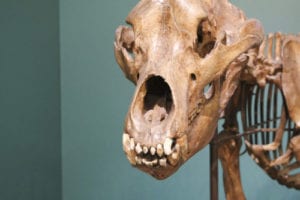
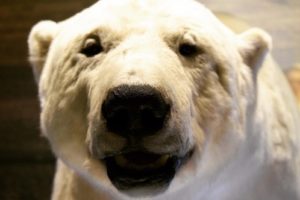
  • Face to face with a polar bear

    Face to face with a polar bear

    Come face to face with a polar bear in Polar World: Wyckoff Hall of Arctic Life at Carnegie Museum of Natural History.
  • What’s This?

    What’s This?

    What’s This: a spoon, a tongue depressor or a sled shoe? Sled shoes were made of bone or ivory and pegged to …
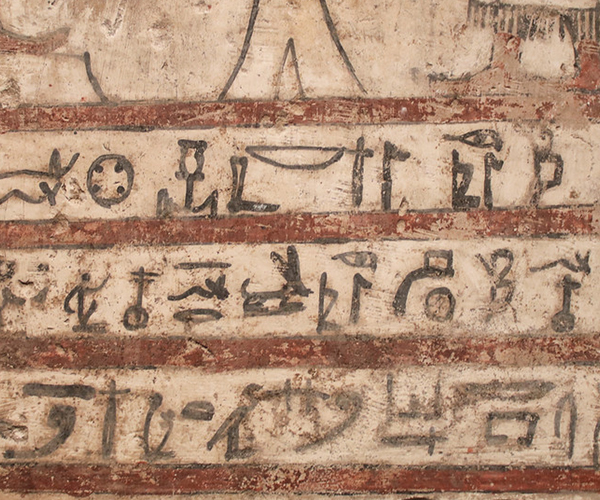
heiroglyphs

Walton Hall of Ancient Egypt

  • Egypt and the Nile

    Egypt and the Nile

    Over the course of some five millennia the ancient Egyptians developed a distinctive material culture shaped in large part by their local …
  • Cats: The Archeological Site!

    Cats: The Archeological Site!

    There’s an internet meme making the rounds that says if dogs are “man’s best friend” then cats are basically weird roommates. However, …
  • Looking at Love in Ancient Egypt

    Looking at Love in Ancient Egypt

    With Valentine’s Day here, it’s hard to ignore all of the chocolate displays in stores and the sappy movies on TV – …
  • The Haunted Walton Hall of Ancient Egypt and the Mystery of the Blob

    The Haunted Walton Hall of Ancient Egypt and the Mystery of the Blob

    by Erin Peters If you visited our Walton Hall of Ancient Egypt in the last few weeks, you may have seen the …
Alcoa Foundation Hall of American Indians

Alcoa Foundation Hall of American Indians

  • Tribal Museums Day and Promoting Indigenous Authors

    Tribal Museums Day and Promoting Indigenous Authors

    by Amy L. Covell-Murthy  The Association on American Indian Affairs (AAIA) celebrated its 100th anniversary in 2022, making it the oldest non-profit serving …
  • Celebrating Indigenous Peoples’ Day 2022

    Celebrating Indigenous Peoples’ Day 2022

    by Amy L. Covell-Murthy Indigenous Peoples’ Day is observed in the City of Pittsburgh concurrently with Columbus Day, and I would like …
  • Center Court Culture Sharing

    Center Court Culture Sharing

    by Patrick McShea In the final hour of a Saturday-long visit to the museum by a Kent State University class, a student …
  • American Eel

    American Eel

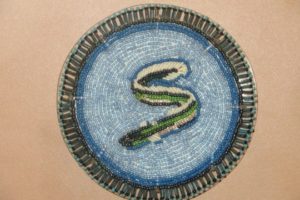
    For an image rendered in glass beads and porcupine quills, an American eel featured in Alcoa Foundation Hall of American Indians conveys …

Filed Under: Uncategorized

April 23, 2020 by

Museum History

Carnegie Museum of Natural History is one of the great cultural institutions funded and built by philanthropist Andrew Carnegie, who made his fortune in Pittsburgh’s steel industry. Carnegie’s vision was that the museum would exhibit the wonders of nature to everyone from mill workers to affluent society members.

When it opened in 1895, the museum’s early collections included artifacts from ancient Egypt, beautiful minerals, wildlife taxidermy, and, of course, dinosaurs.

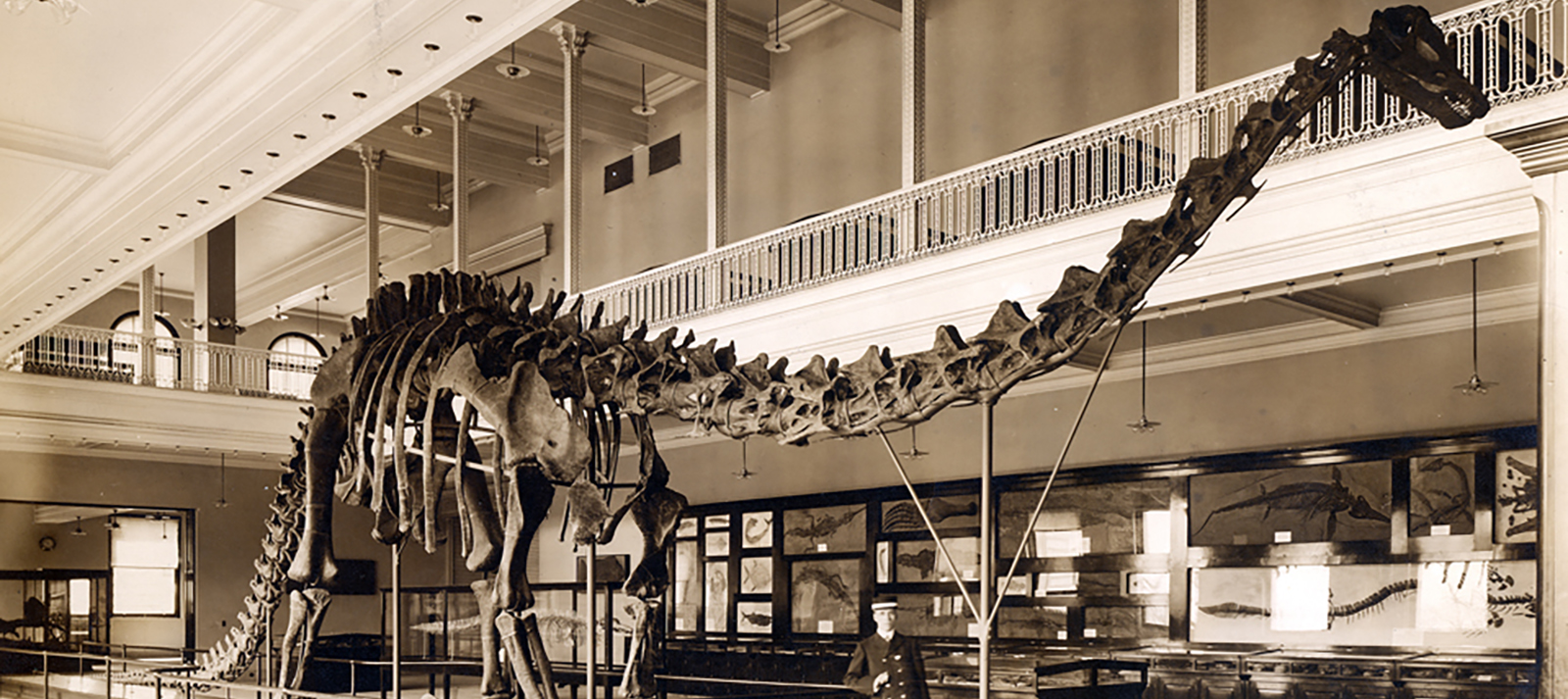
Carnegie, an ardent evolutionist, had a particular interest in dinosaurs that fueled paleontology expeditions. In the late 1890s, expeditions to the western United States led to the discovery of Diplodocus carnegii and many other dinosaurs. Early expeditions yielded more than 400 crates of fossils that kick-started the dinosaur collection that filled the now-famous Daniel G. and Carole L. Kamin Hall of Dinosaurs.

As the museum grew and expanded, Carnegie botanists, entomologists, zoologists, anthropologists, and other scientists studying the natural world traveled abroad on expeditions from the Arctic to the Amazon in search of new discoveries and scientific insights. The artifacts, flora, and fauna they collected grew the Carnegie research and display collection from thousands to millions of objects.

Continuing this spirit of exploration, but now a little closer to home, the museum established Powdermill Nature Reserve in 1956. The new field station and laboratory in Rector, Pennsylvania helped museum researchers do long-term studies of natural populations in western Pennsylvania.

More than 100 years after Carnegie’s initial gift, Carnegie Museum of Natural History remains a place of scientific inquiry and a world class public institution. As species die out and habitats decline, a new emphasis has been placed on conservation. By displaying nature’s wonders, museum leaders hope to spark conversation about the inherent worth of nature and to inspire a new generation of scientists to conserve both the planet and Carnegie’s vision.

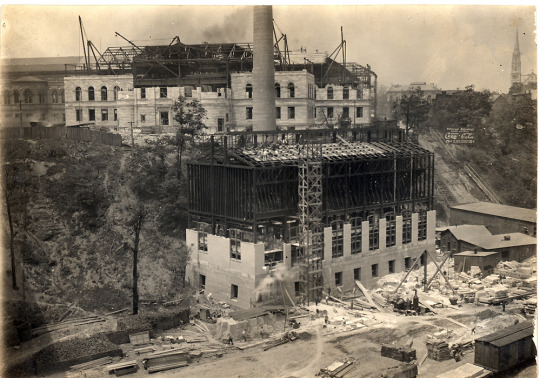
Carnegie Museum of Natural History under construction.
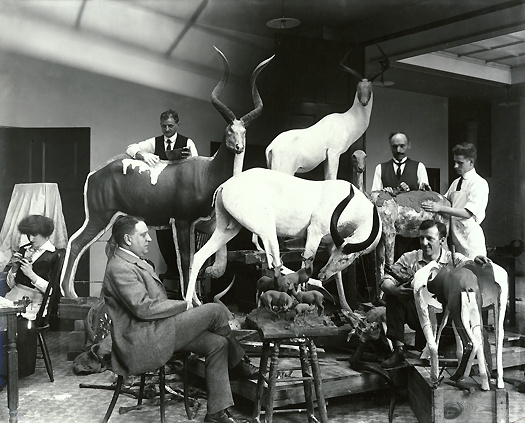
Carnegie Museum Assistant Director, Douglas Stewart (seated at left) observes as staff work their magic.

Filed Under: Uncategorized

  • « Go to Previous Page
  • Page 1
  • Interim pages omitted …
  • Page 5
  • Page 6
  • Page 7
  • Page 8
  • Page 9
  • Interim pages omitted …
  • Page 13
  • Go to Next Page »

sidebar

About

  • Mission & Commitments
  • Directors Team
  • Museum History

Get Involved

  • Volunteer
  • Membership
  • Carnegie Discoverers
  • Donate
  • Employment
  • Events

Bring a Group

  • Groups of 10 or More
  • Birthday Parties at the Museum
  • Field Trips

Powdermill

  • Powdermill Nature Reserve
  • Powdermill Field Trips
  • Powdermill Staff
  • Research at Powdermill

More Information

  • Image Permission Requests
  • Science Stories
  • Accessibility
  • Shopping Cart
  • Contact
  • Visitor Policies
One of the Four Carnegie Museums | © Carnegie Institute | Privacy Policy | Terms of Use | Accessibility
Rad works here logo