• Skip to primary navigation
  • Skip to main content
  • Skip to primary sidebar

Carnegie Museum of Natural History

One of the Four Carnegie Museums of Pittsburgh

  • Visit
    • Buy Tickets
    • Visitor Information
    • Exhibitions
    • Events
    • Dining at the Museum
    • Celebrate at the Museum
    • Powdermill Nature Reserve
    • Event Venue Rental
    • Gift Cards
  • Learn
    • Field Trips
    • Educator Information
    • Programs at the Museum
    • Bring the Museum to You
    • Guided Programs FAQ
    • Programs Online
    • Climate and Rural Systems Partnership
  • Research
    • Scientific Sections
    • Science Stories
    • Science Videos
    • Senior Science & Research Staff
    • Museum Library
    • Science Seminars
    • Scientific Publications
    • Specimen and Artifact Identification
  • About
    • Mission & Commitments
    • Directors Team
    • Museum History
  • Tickets
  • Give
  • Shop

April 15, 2020 by

Museum from Home Blogs

Activities from our educators and behind the scenes stories about our collections at the museum
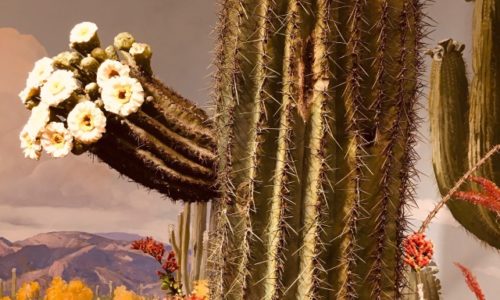
  • Carnegie’s Cactus: Carnegie gigantea

    Carnegie’s Cactus: Carnegie gigantea

    by Patrick McShea Diplodocus carnegii, a sauropod star of Dinosaurs in Their Time, is not the only large organism exhibited at Carnegie …
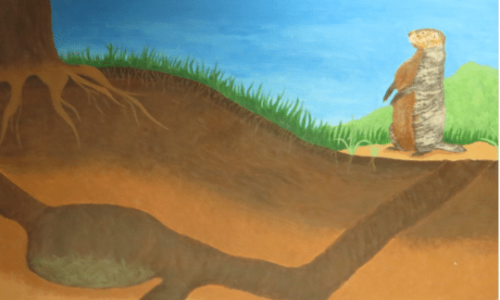
  • Groundhog Architecture

    Groundhog Architecture

    Contrary to the pervasive myth that is revived for public amusement every February 2, groundhogs are not able to predict the approach …

  • Teaching About Trees

    Teaching About Trees

    Joe Stavish doesn’t need any reflection time to summarize the impact of the COVID-19 pandemic on his work. “The new challenge to …
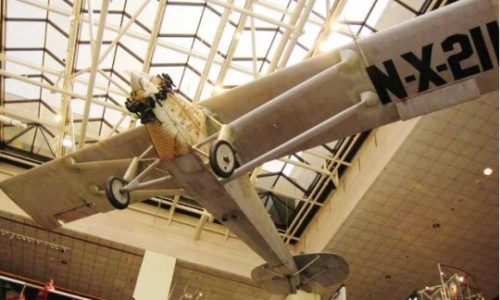
  • Winging It: Quetzalcoatlus and the History of Aviation

    Winging It: Quetzalcoatlus and the History of Aviation

    When I see Quetzalcoatlus northropi soaring above the Cretaceous in Dinosaurs in Their Time, I’m often reminded of the Spirit of St. …
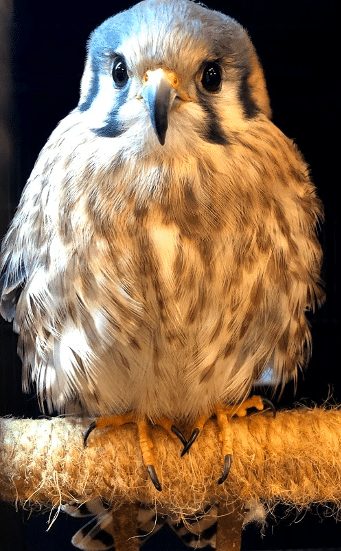
  • Super Science: She-Ra, the American Kestrel

    Super Science: She-Ra, the American Kestrel

    Hi, my name is She-Ra and I’m an American kestrel. A scientist might call me Falco sparverius because that’s my species’ scientific …
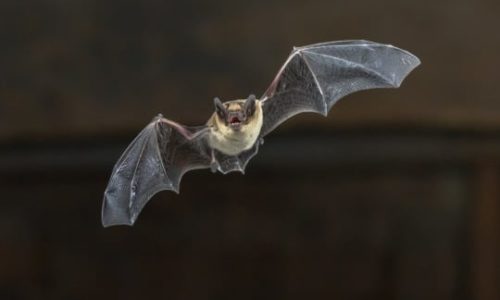
  • Detecting Objects with Invisible Waves: Using Radar, Sonar, and Echolocation to “See”

    Detecting Objects with Invisible Waves: Using Radar, Sonar, and Echolocation to “See”

    The ability to see visible waves of light can be beneficial for determining the size, shape, distance, and speed of things in …
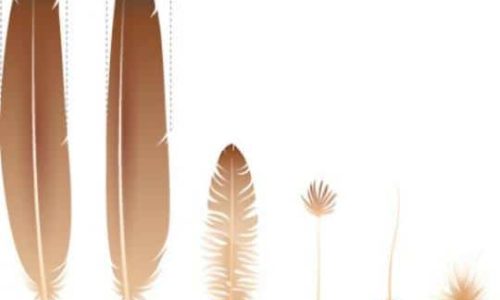
  • Fancy Feathers: An Unexplained Complexity in Evolutionary History

    Fancy Feathers: An Unexplained Complexity in Evolutionary History

    One of the most complex and highly intricate wonders of the flying world owes nothing to DaVinci’s studies on mechanical flight, the …
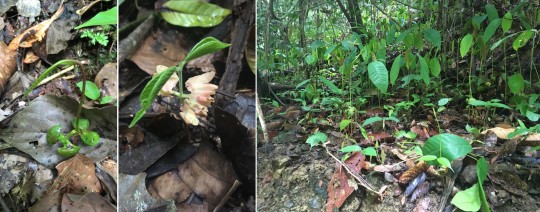
  • Nerding Out Over Masting, or Why Unusual Plant Reproduction Excites Animal Ecologists

    Nerding Out Over Masting, or Why Unusual Plant Reproduction Excites Animal Ecologists

    As for many people, every pandemic month that passes marks another month since I’ve been able to travel. I realized recently that …
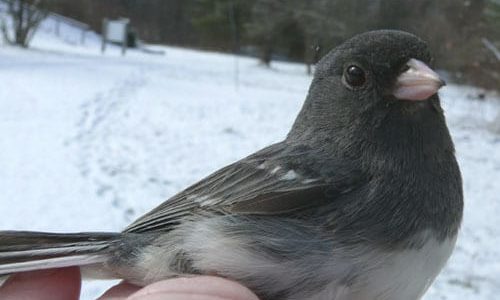
  • Are You Pishing at Me? Winter Birding in Pennsylvania

    Are You Pishing at Me? Winter Birding in Pennsylvania

      Leaves have fallen and so has snow, low clouds shroud the blue sky in a drop-ceiling effect, and the frigid air …
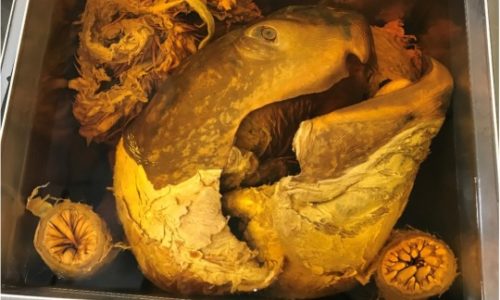
  • A Head Above the Rest: Unearthing the Story of Our Leatherback Sea Turtle

    A Head Above the Rest: Unearthing the Story of Our Leatherback Sea Turtle

    When you think of BIG sea creatures, you probably imagine great white sharks, huge blue whales, or ginormous cephalopods like the giant …
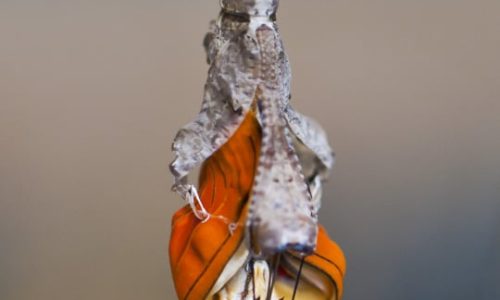
  • Insect metamorphosis: the key to a fresh new start

    Insect metamorphosis: the key to a fresh new start

    For many people, the new year represents an opportunity to make a fresh start, consider self-improvement, or turn over a new leaf. …

  • King’s Dream and Natural History

    King’s Dream and Natural History

    During the summer of 1963, Martin Luther King Jr. referenced the geographic high ground of our region in his “I Have a …
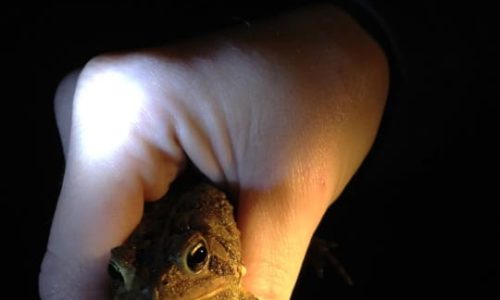
  • Becoming a Science Educator

    Becoming a Science Educator

    Think back to when you were a child – what was your favorite way to learn how something works? Mine was to …
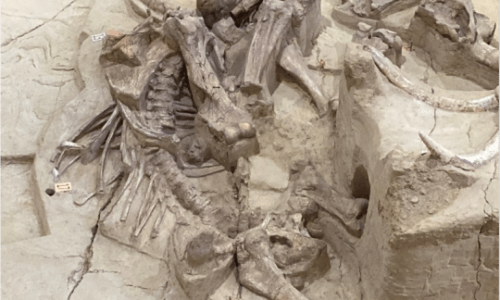
  • A Visit to the Mammoth Site, Hot Springs, SD

    A Visit to the Mammoth Site, Hot Springs, SD

    Did you know that not all museums display their fossil specimens mounted in life-like poses? At The Mammoth Site of Hot Springs, …
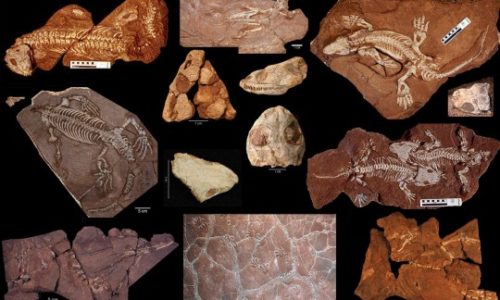
  • The Bromacker Fossil Project Part XIII: What We Learned

    The Bromacker Fossil Project Part XIII: What We Learned

    New to this series? Need to catch up on your reading? Here are all the previous posts for the Bromacker Fossil Project: Part I, …
Filed Under: Uncategorized

April 15, 2020 by

Coloring Pages

Download Carnegie Museum of Natural History Coloring pages to print and color or to drag and drop into your favorite coloring software.

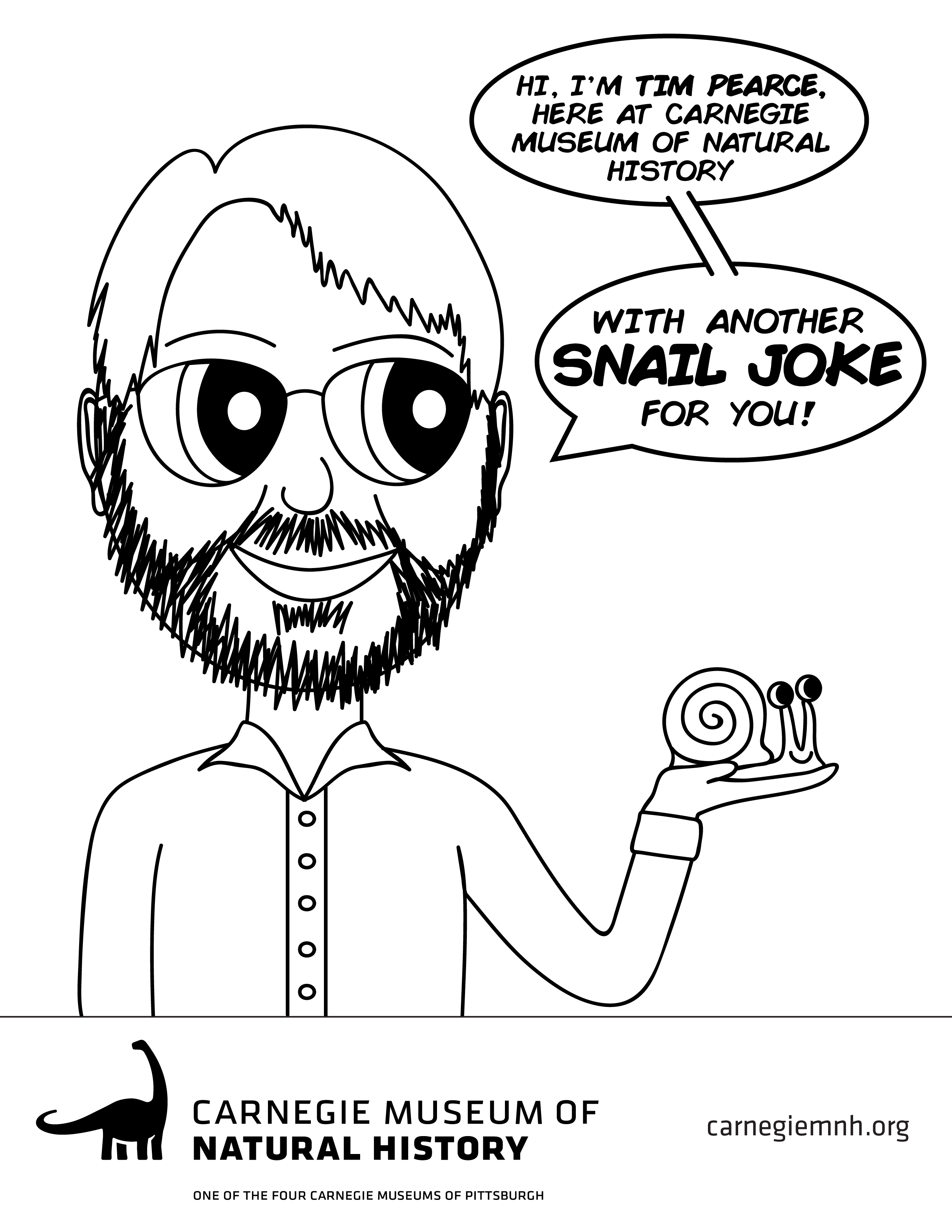
Tim Pearce Coloring Page
Download Tim Pearce Coloring Page
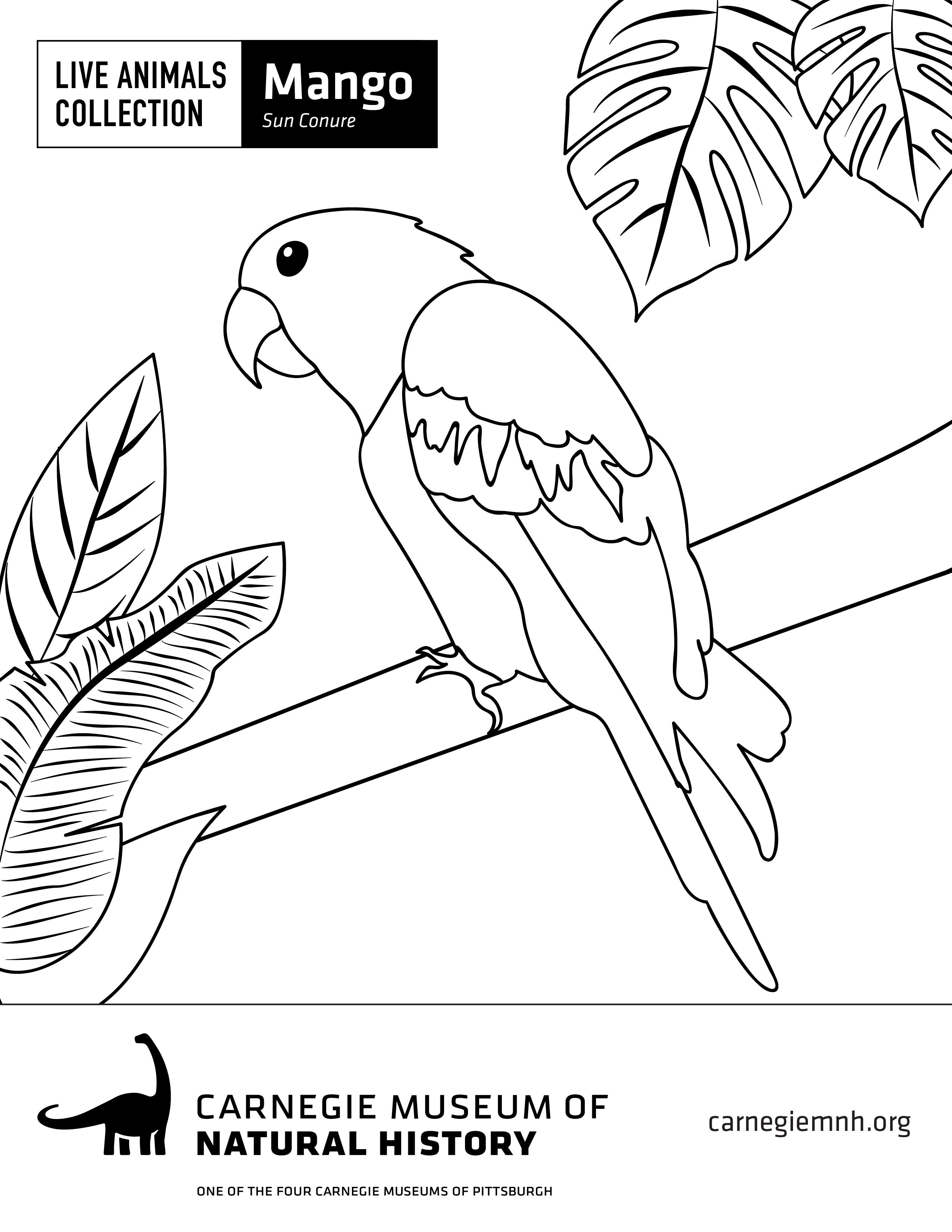
Mango Coloring Page
Download Mango Coloring Page
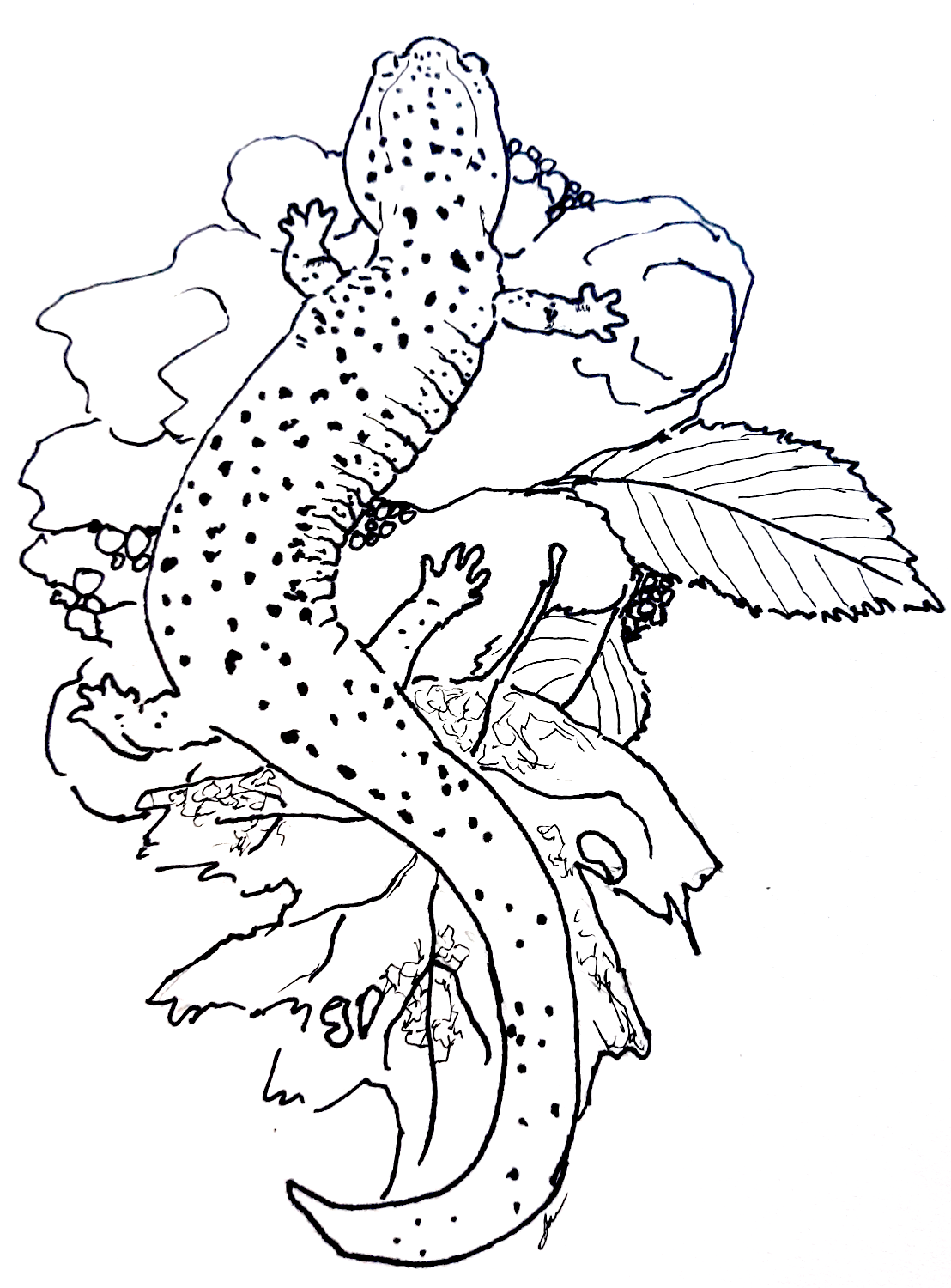
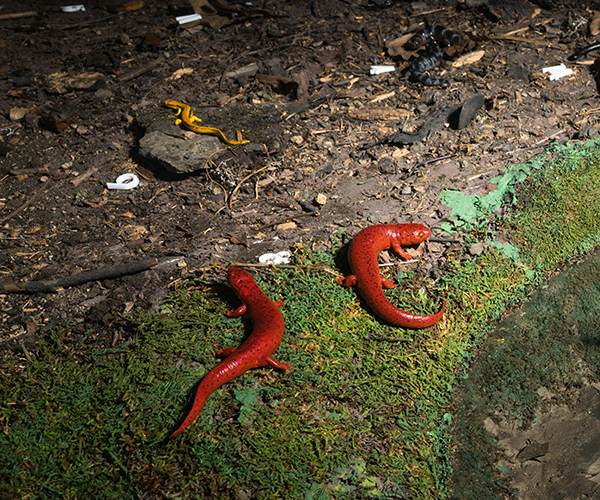
red salamander coloring page

You can find salamanders like these (they’re usually red) near wet ground, like by Powdermill Run at the museum’s environmental research center, Powdermill Nature Reserve.

Download Salamander Coloring Page
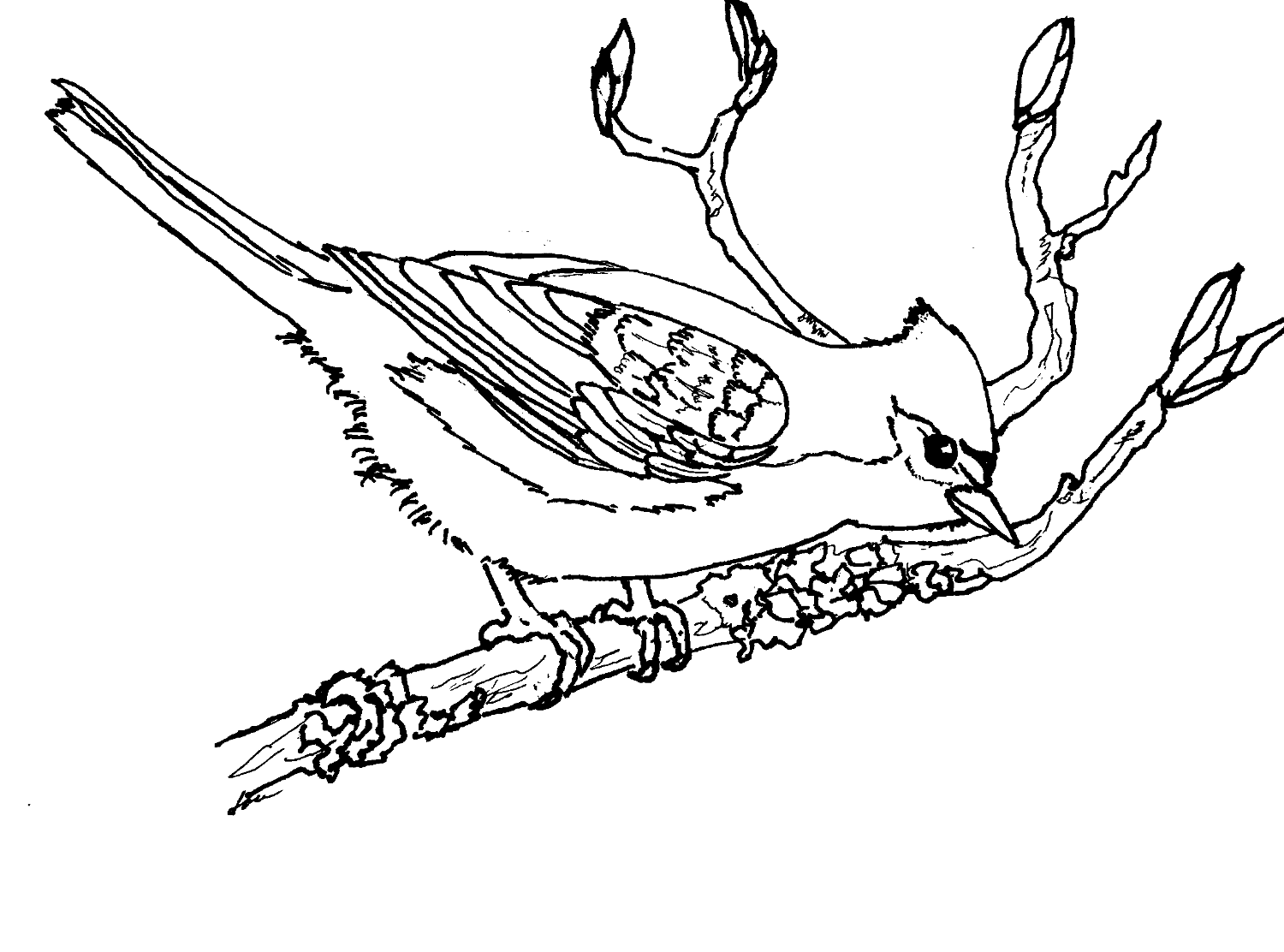
tufted titmouse coloring page

Tufted Titmice are regularly seen and banded at Carnegie Museum of Natural History’s environmental research center, Powdermill Nature Reserve!

Download Tufted Titmouse Coloring Page
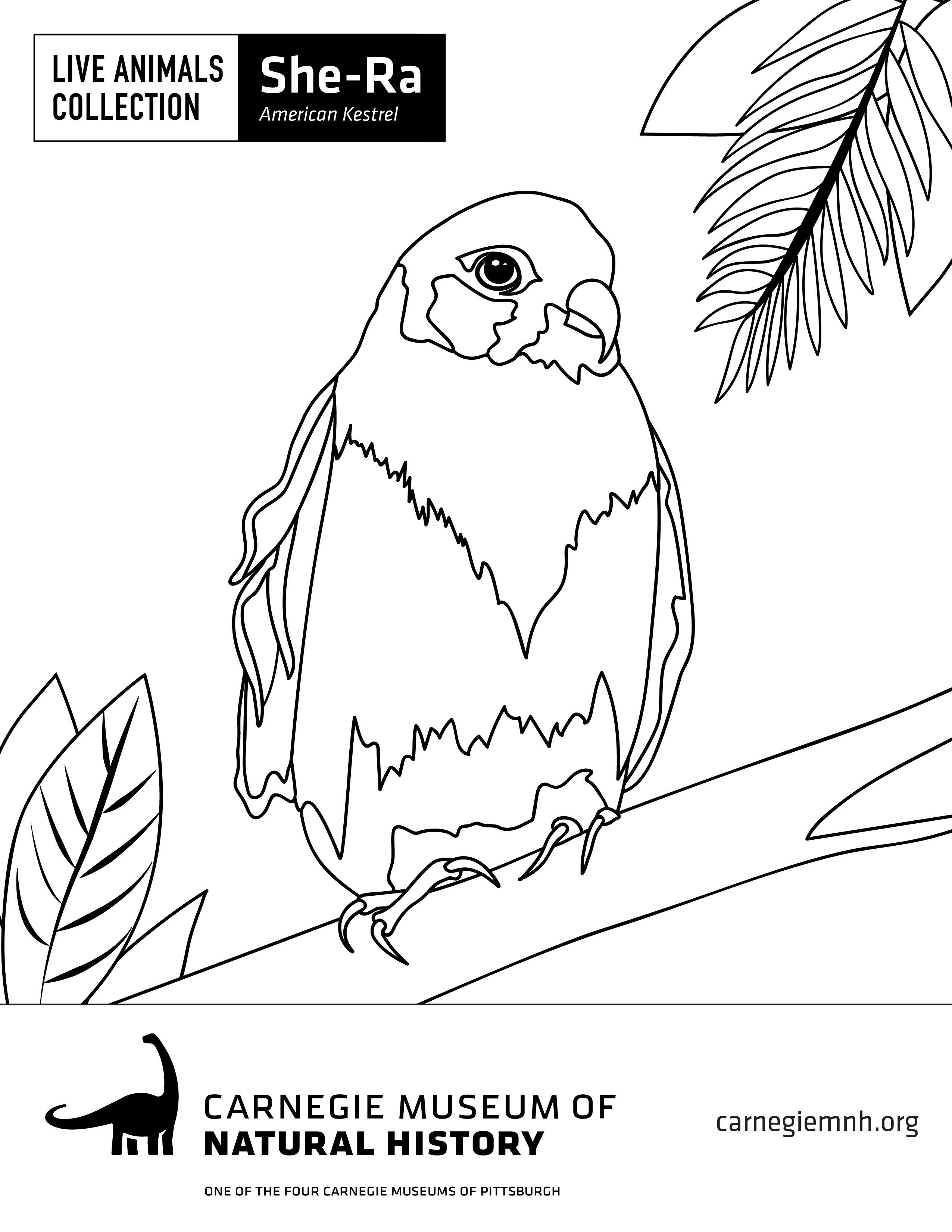
She-Ra Coloring Page
Download She-Ra Coloring Page
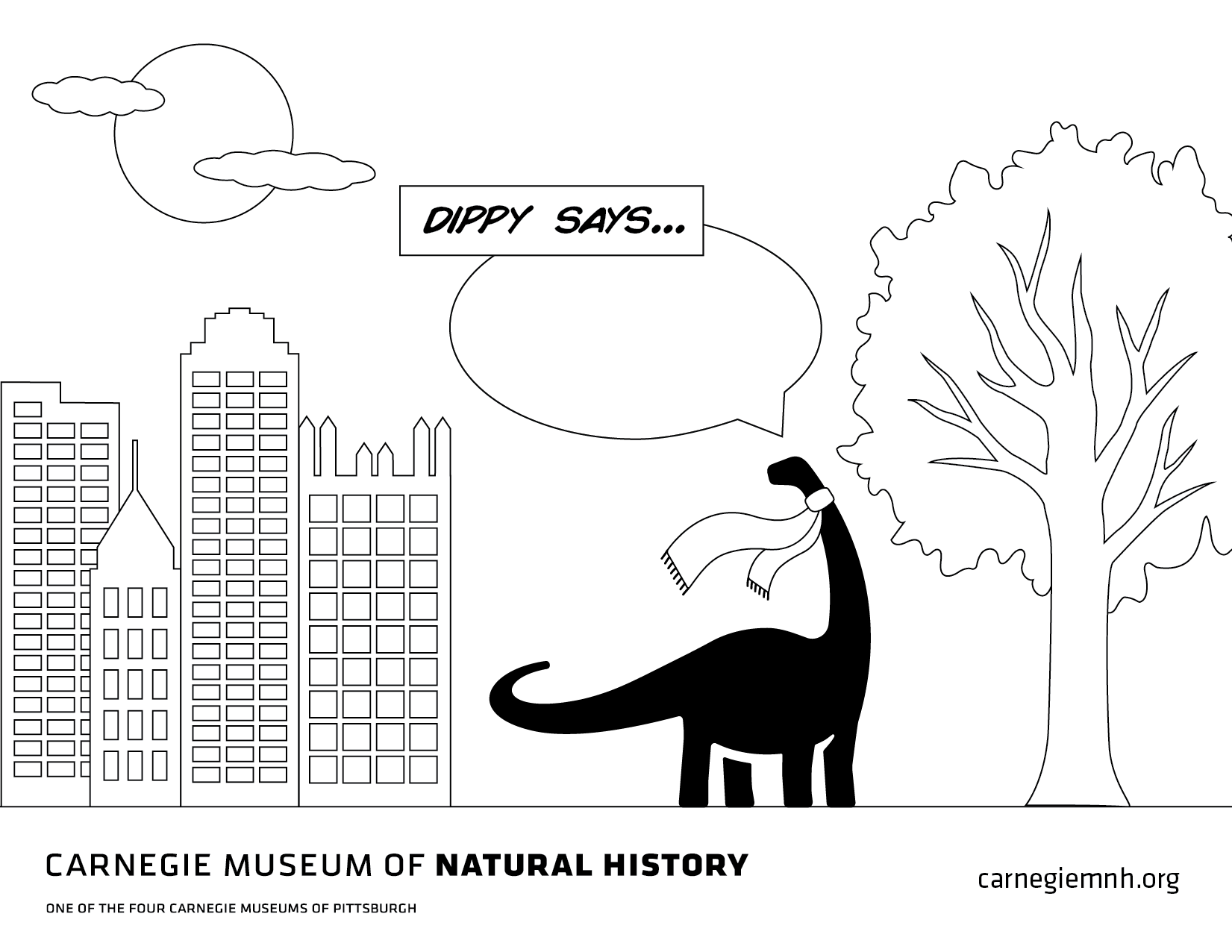
Dippy Says Coloring Page
Download Dippy Says Coloring Page
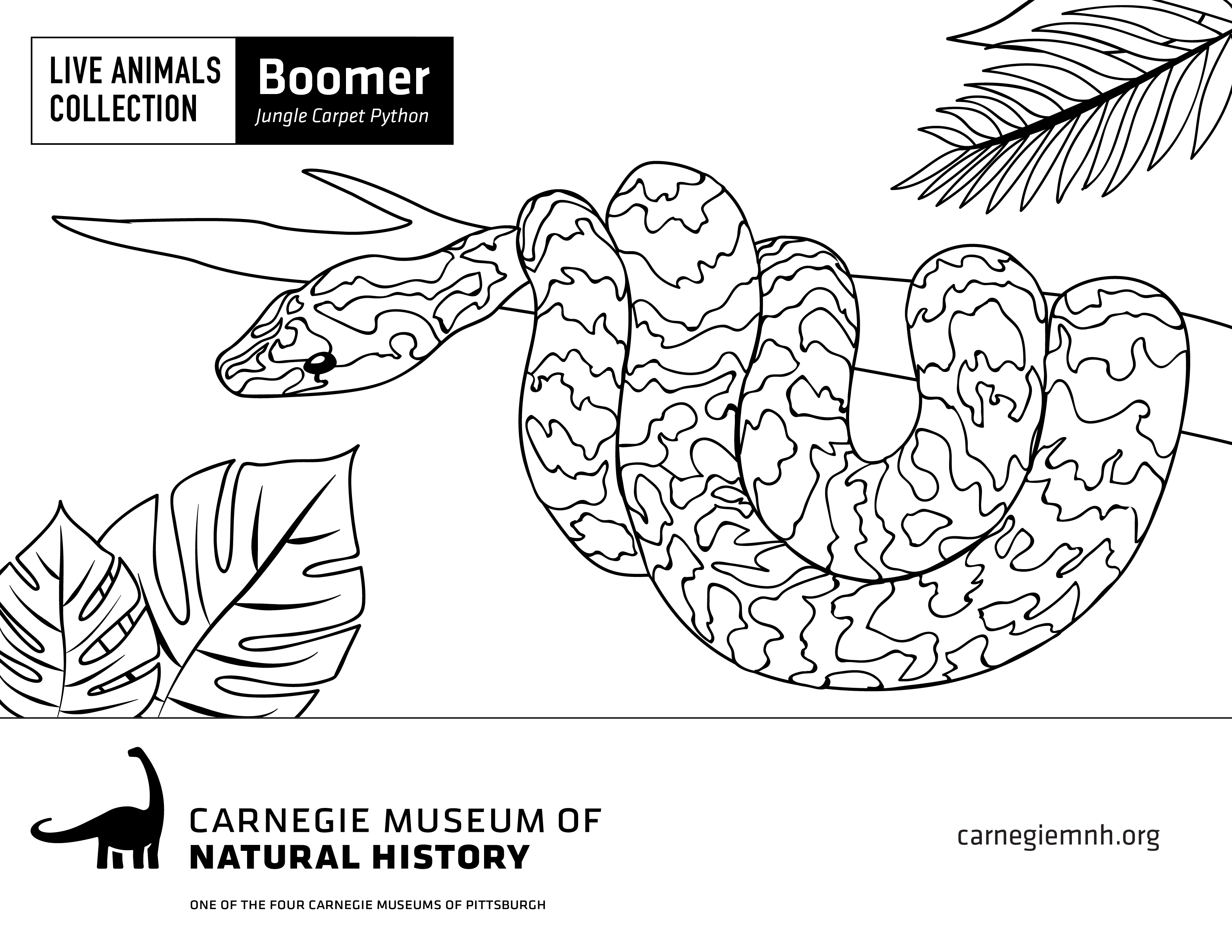
Boomer Coloring Page
Download Boomer Coloring Page
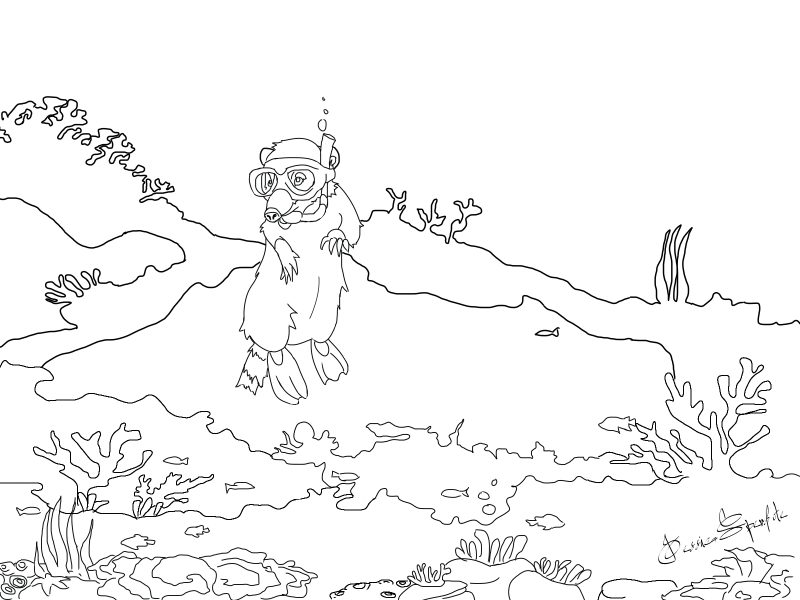
Lupe under the sea Coloring Page
Download Scuba Lupe Coloring Page
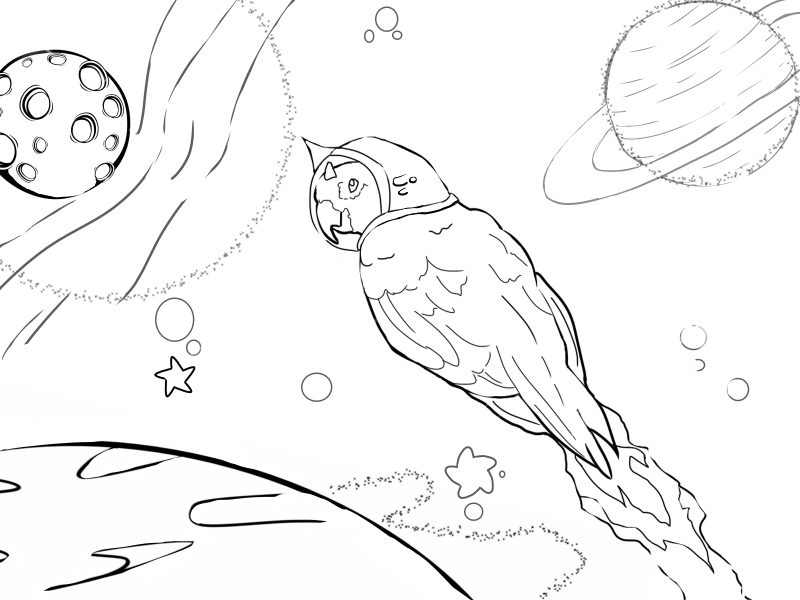
Rocket Mango Coloring Page
Download Rocket Mango Coloring Page
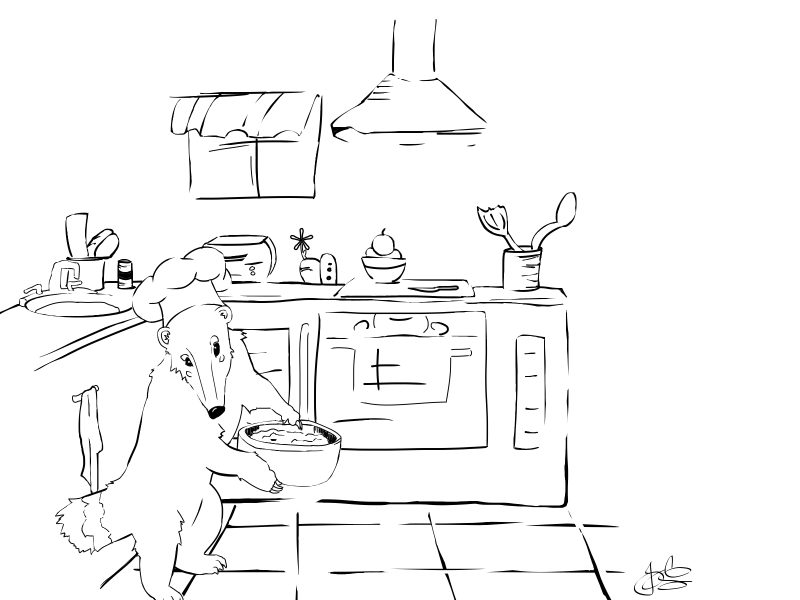
Chef Lupe Coloring Page
Download Chef Lupe Coloring Page
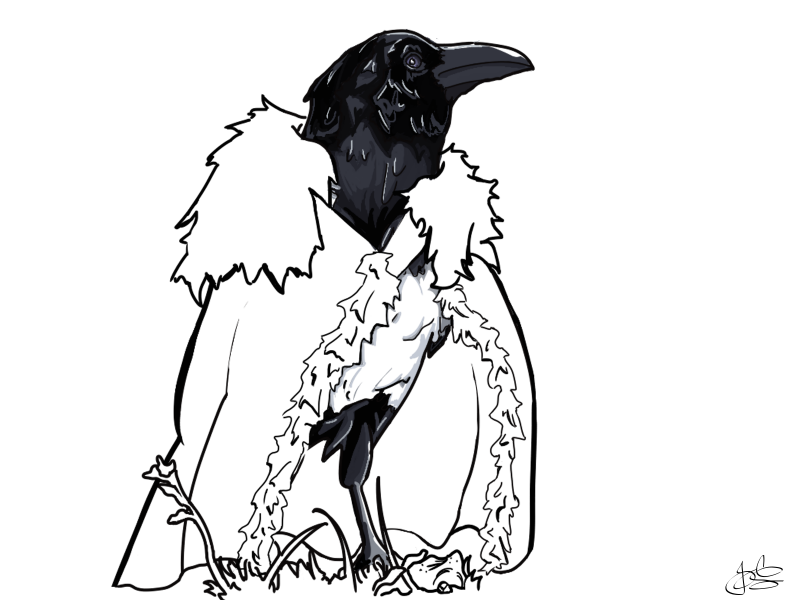
John Snow Coloring Page
Download John Snow Coloring Page

Filed Under: Uncategorized

February 27, 2020 by

Amphibians & Reptiles

  • Second Floor

Check out the reptiles and amphibians of today while looking out over prehistoric reptiles that existed millions of years ago.

The Daniel G. & Carole L. Kamin T. rex Overlook is home to the museum’s main herpetology displays, which feature toads, frogs, salamanders, snakes, lizards, and turtles of Pennsylvania. Learn about what makes these creatures unique, and enjoy a bird’s-eye view of an exciting scene in Kamin Halal of Dinosaurs, where two T. rexes are frozen in battle while a giant pterosaur flies above.

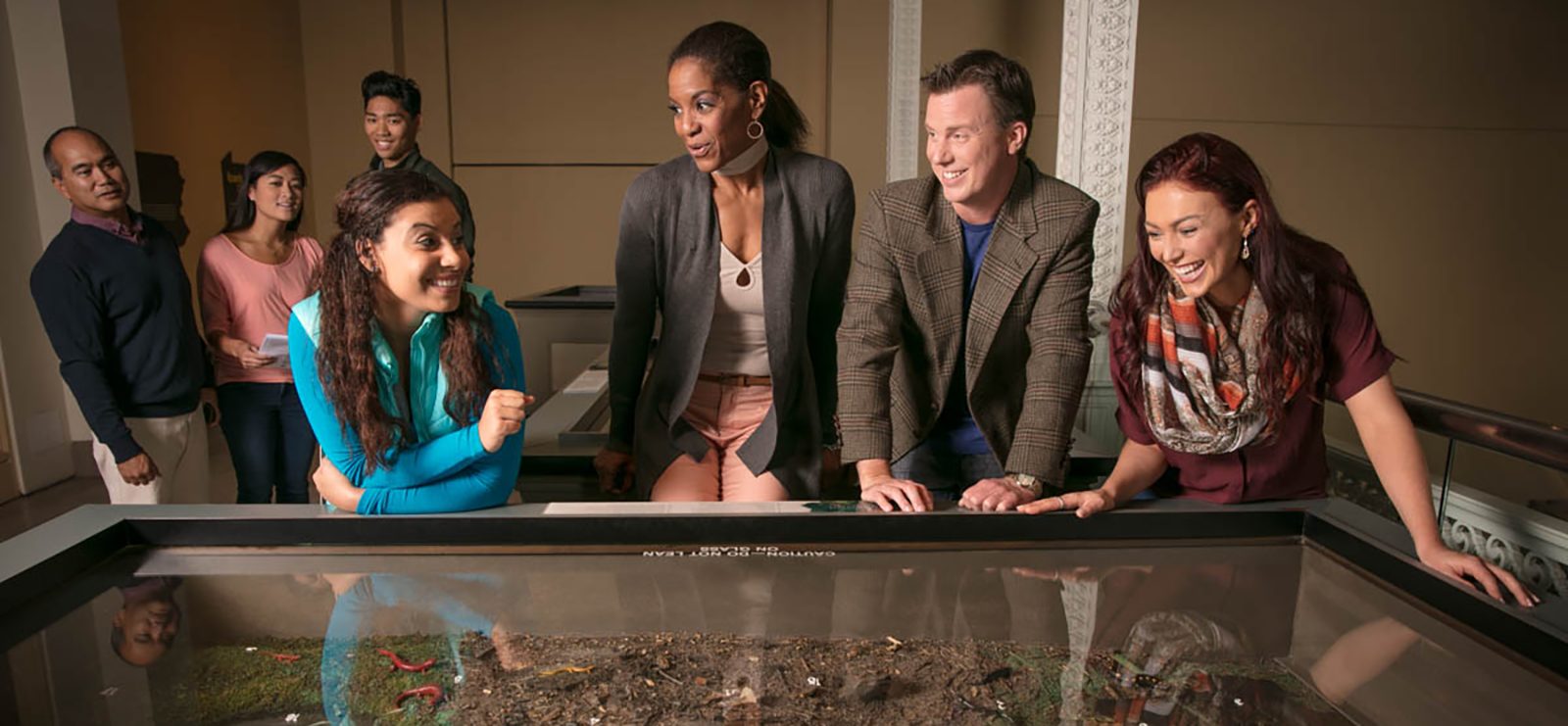
Though Pennsylvania has a temperate climate, it is home to representatives of most reptile and amphibian groups. Four dioramas exhibit examples of animals from our state, including an eastern box turtle, a northern leopard frog, and the venomous copperhead snake.

Red salamanders in a display case

Meet our Herpetologist

Jennifer Sheridan

Jennifer Sheridan, Ph.D.

Assistant Curator of Amphibians and Reptiles

Learn More

Learn about the Amphibians & Reptiles (Herpetology) Collection at the Museum

The Section of Amphibians and Reptiles maintains a collection of more than 230,000 specimens and ranks at about the ninth largest amphibian and reptile collection in the United States. 

Learn about the Section of Amphibians & Reptiles (Herpetology)

Filed Under: Uncategorized Tagged With: dinos, dinosaurs, dinosaurs in their time

February 27, 2020 by

Cretaceous Seaway

  • First Floor

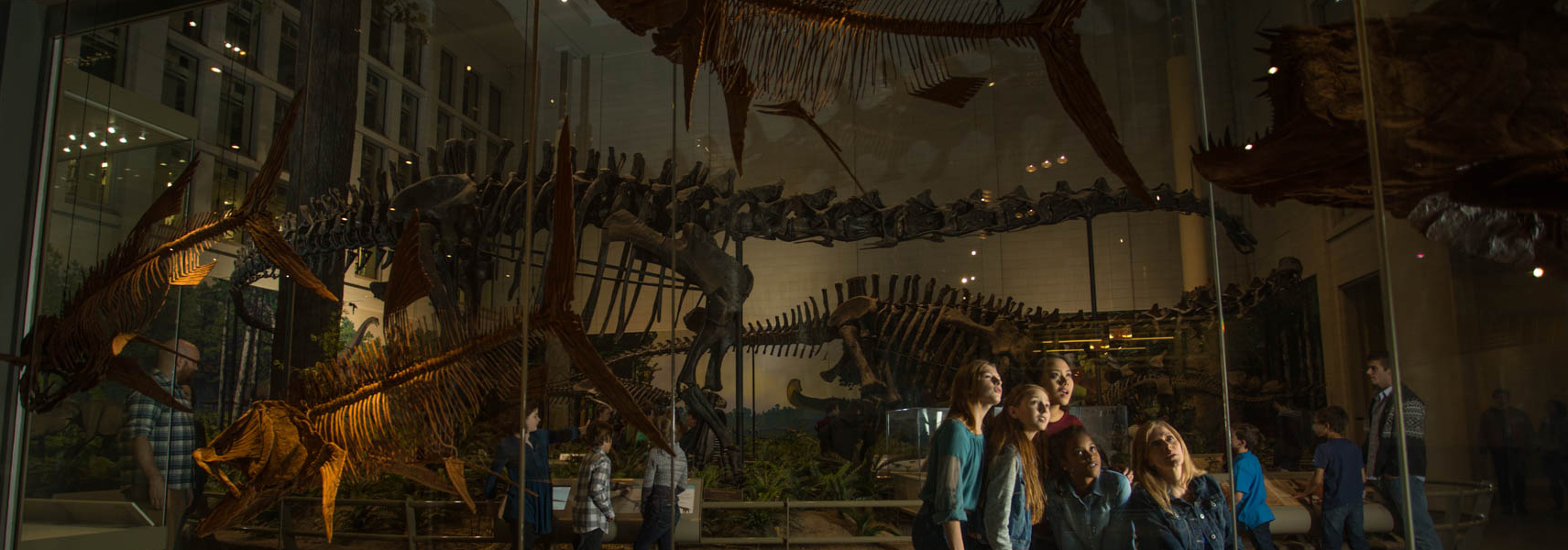
Step into an underwater world in Cretaceous Seaway, a unique exhibition hall that features gentle giants and fierce predators that lived underwater during the Age of Dinosaurs.

The hall brings to life the Western Interior Seaway, a shallow ocean that existed in the Midwestern United States 80 million years ago. Hanging over the entry, a massive Manitoba pliosaur closes in on its potential prey, a juvenile of the plesiosaur Libonectes morgani. The juvenile plesiosaur Libonectes is the only one of its kind, replica or otherwise, on display anywhere in the world.

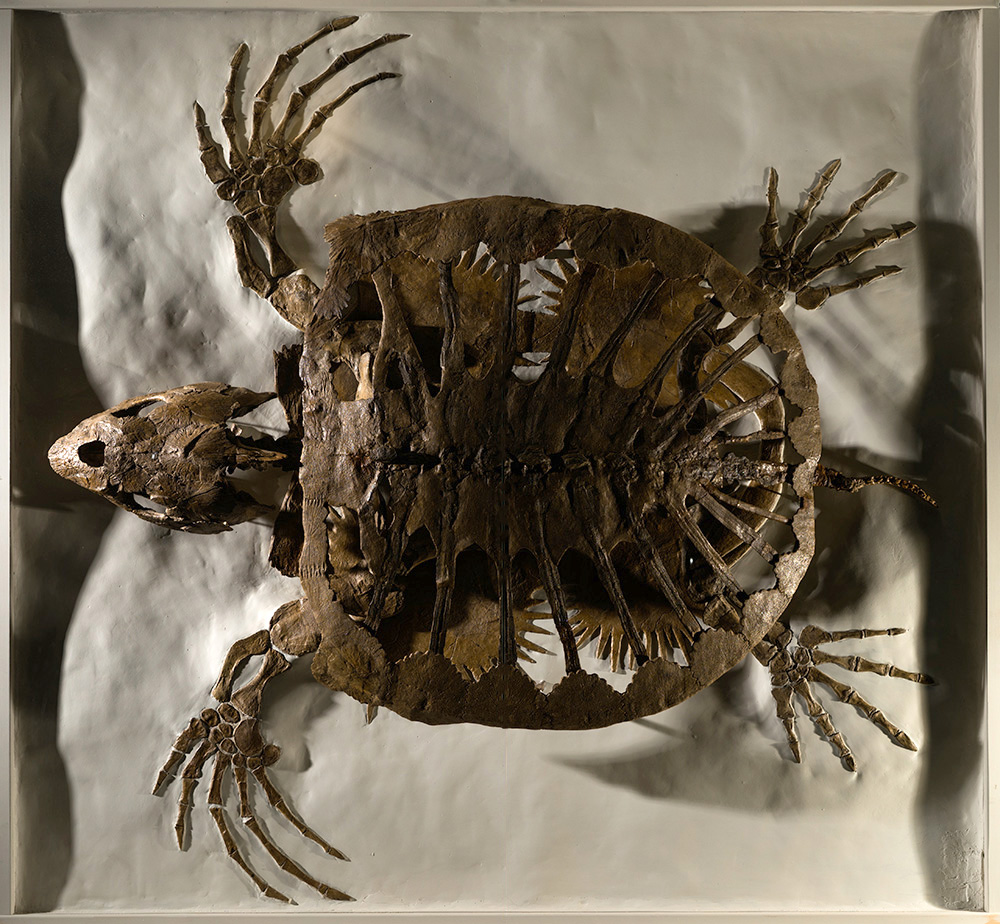
Visitors can also examine the fossils of a giant turtle and a newly restored Tylosaurus mosasaur fossil skull. See a dramatic chase scene where a plesiosaur is in pursuit of a prehistoric diving bird. Look up, and see the king of the seaway—a 40-foot mosasaur swimming above. Two replica fossil fishes hang nearby.

Adjacent to Kamin Hall of Dinosaurs, Cretaceous Seaway is an extension of our blockbuster core exhibition that showcases life during the Cretaceous Period.

fossil of a giant sea turtle

Learn about the Invertebrate Paleontology Collection at the Museum

Invertebrate Paleontology’s collection contains several noteworthy phyla, including Paleozoic trilobites, Mesozoic and Cenozoic crustaceans, lower Carboniferous brachiopods, Paleozoic gastropods, Paleozoic cephalopods, Paleozoic ophiuroids, and Pennsylvanian age eurypterids. The section also has more than 12,000 primary types and figured specimens.

Learn about the Section of Invertebrate Paleontology

Filed Under: Uncategorized Tagged With: dinos, dinosaurs, dinosaurs in their time

February 27, 2020 by

Art of the Diorama

  • First Floor

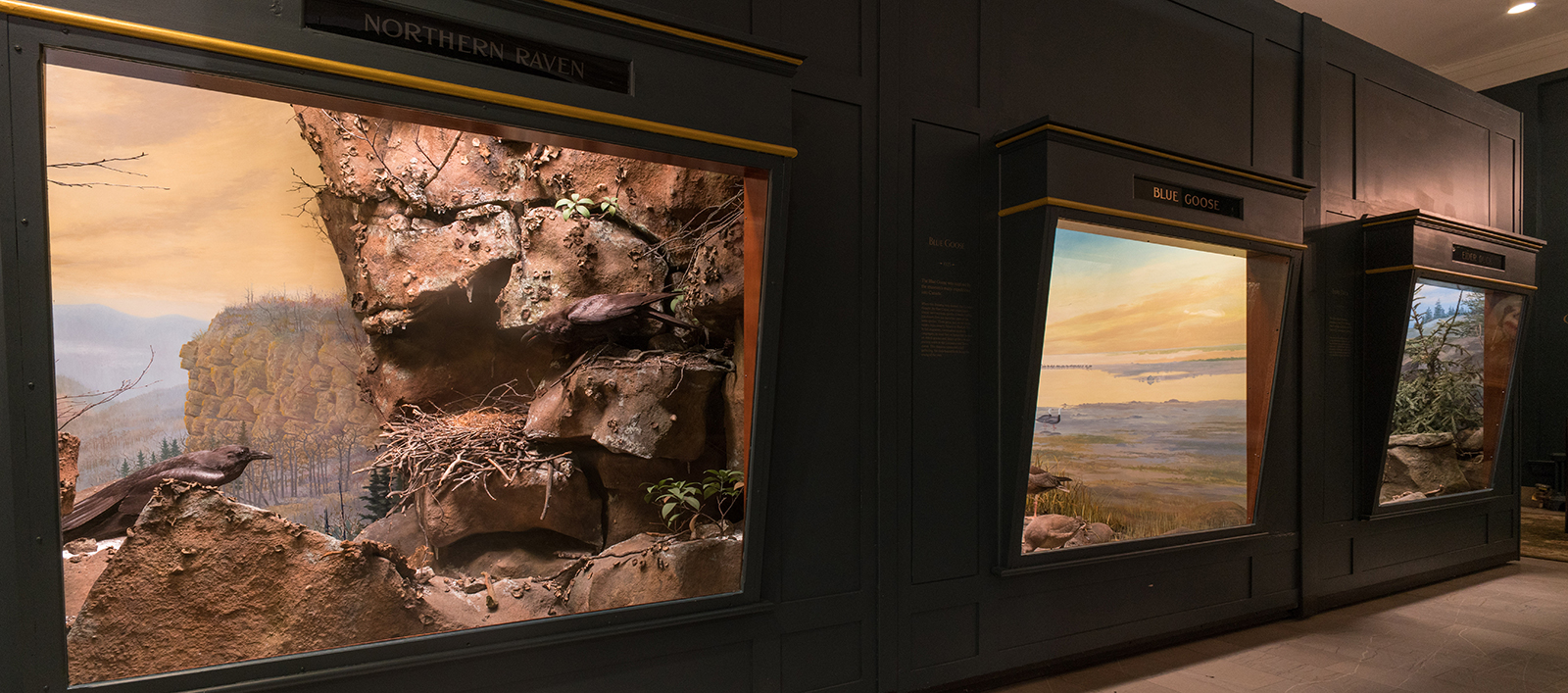
Discover the craft and artistry behind Carnegie Museum of Natural History’s famous nature dioramas. Art of the Diorama is an exhibition designed to look like a turn of the century museum with mahogany furniture, a chandelier, and seven classic dioramas that were created in the 1920s and 1930s.

The dioramas feature wildlife like blue geese and aurora trout in stunning replications of scenes from nature. The dioramas were created at the height of the craft and feature detailed, hand-painted backgrounds, expert taxidermy, and scientifically accurate flora and fauna. The exhibition also features two antique “bubble-glass” commercial taxidermy pieces that were once popular in homes and parlors.

Art of the Diorama gives visitors a deeper appreciation for the museum’s dioramas and shows how museum dioramas have changed and grown alongside the conservation movement.

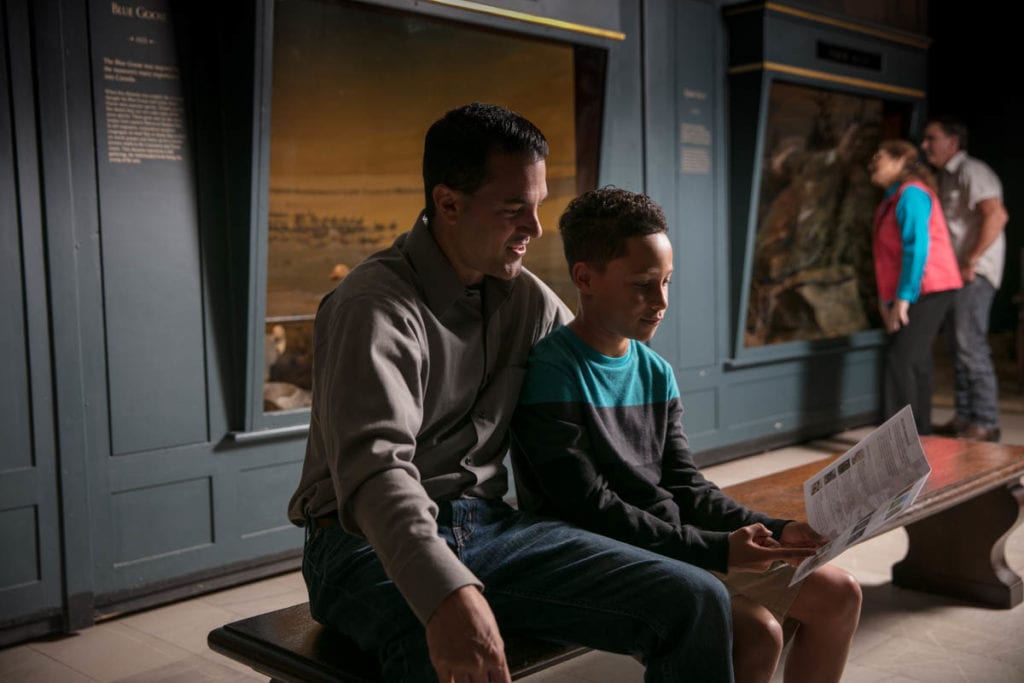
adult and child reviewing a museum map

Filed Under: Uncategorized Tagged With: dinos, dinosaurs, dinosaurs in their time

February 27, 2020 by

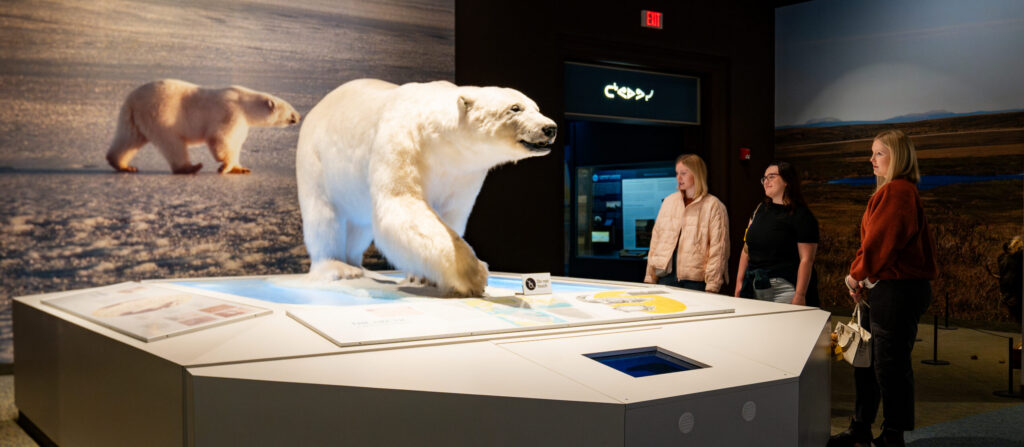
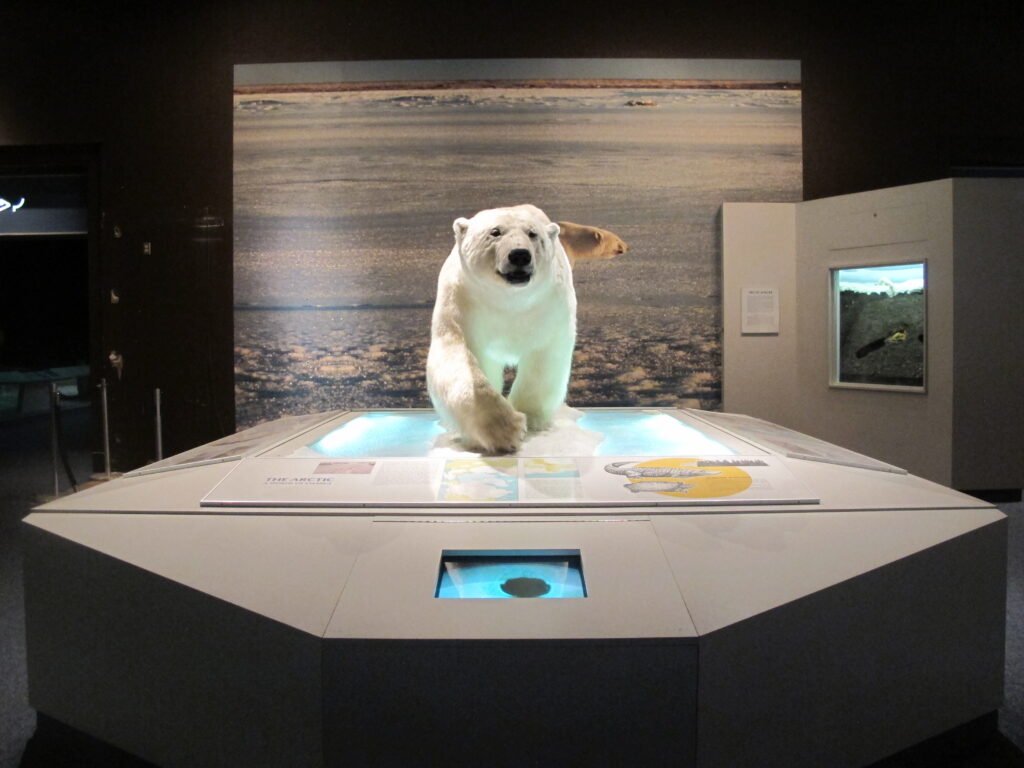
Polar World: Wyckoff Hall of Arctic Life

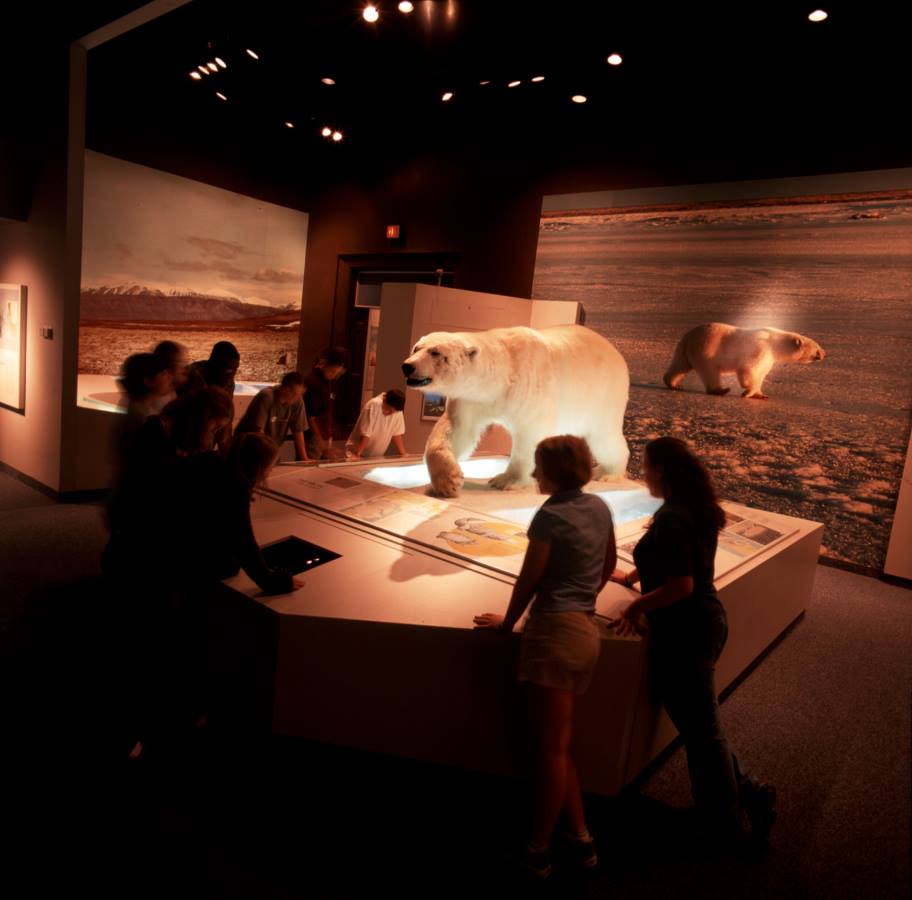
group of people looking at a polar bear taxidermy mount

Polar World: Wyckoff Hall of Arctic Life will close on June 28, 2026.  

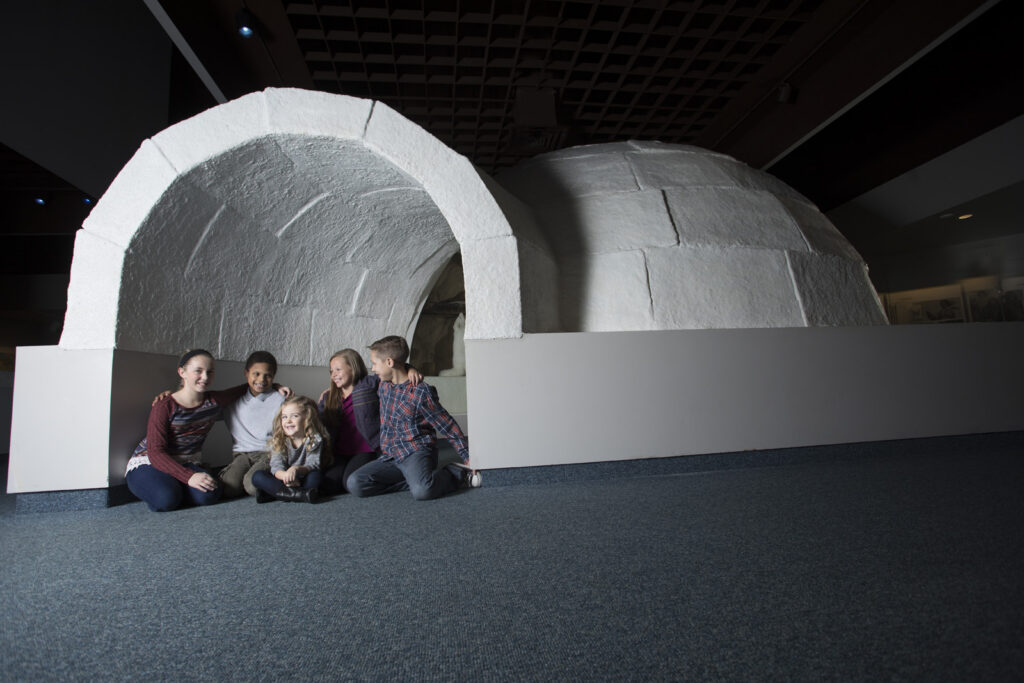
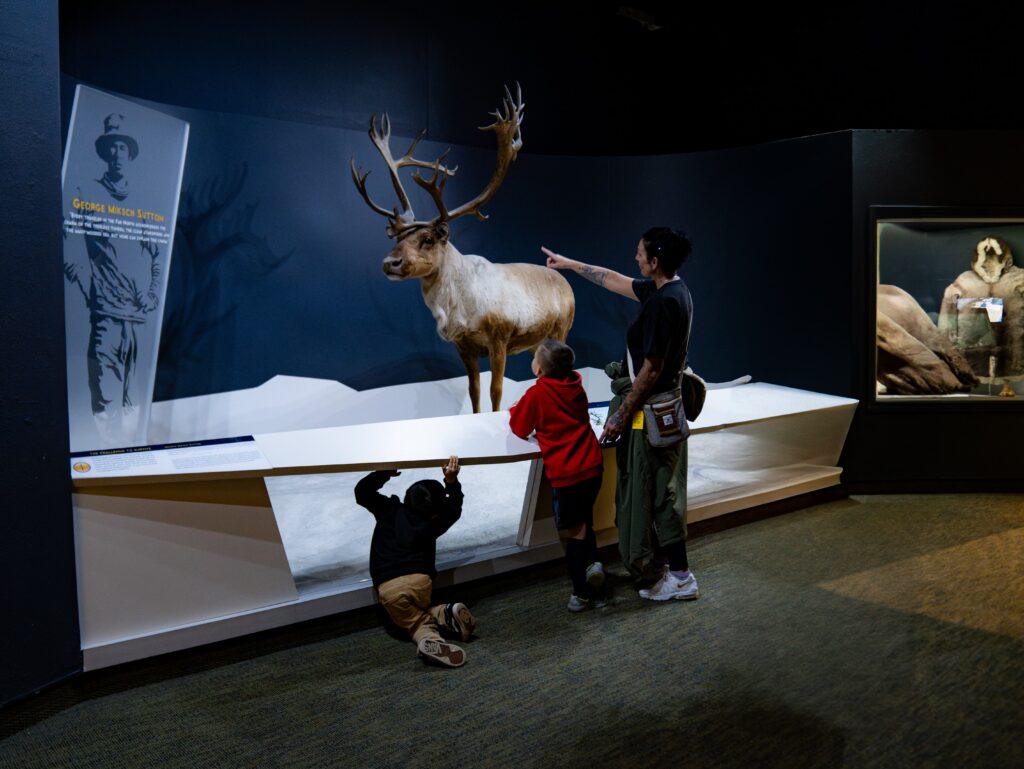
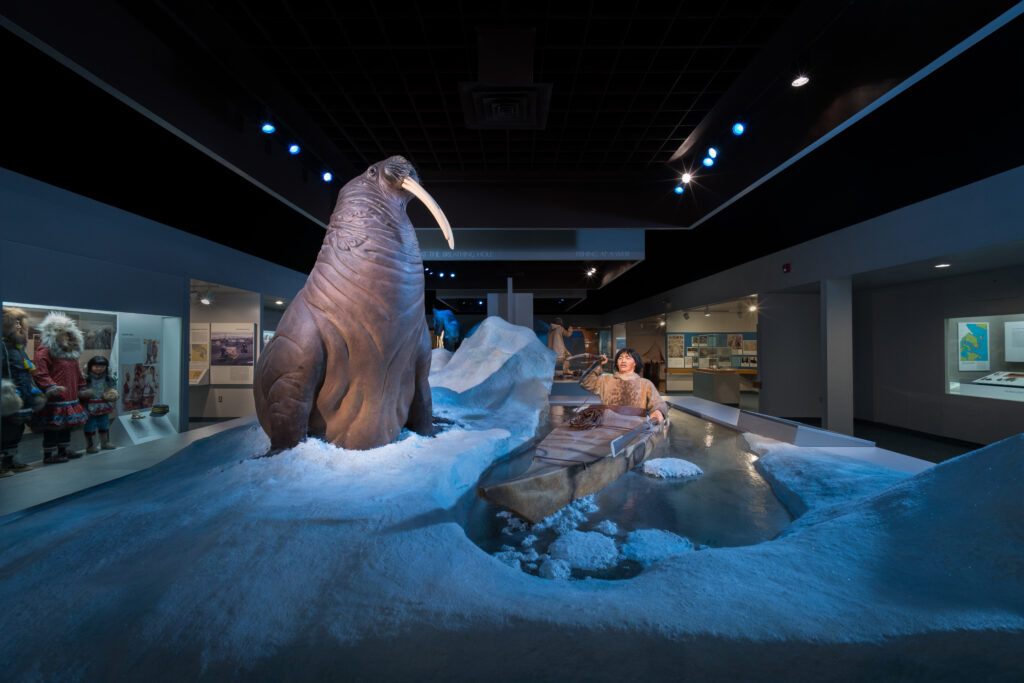
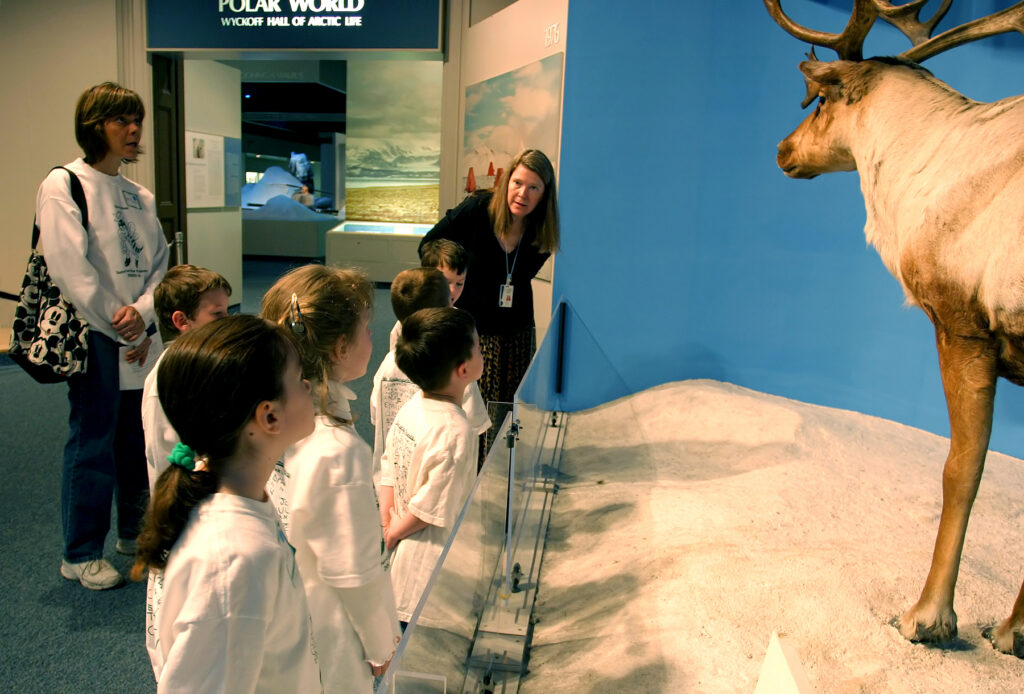
For more than 40 years, Polar World has transported visitors on an immersive journey through 4,500 years of Inuit history and Arctic life. Inuit sculptures and prints, full-sized dioramas, Arctic wildlife specimens, and a replica snowhouse have captivated people of all ages on tours, field trips, and independent visits. 

While saying good-bye can be difficult, closing exhibitions creates space for new experiences. We look forward to sharing more details of our plans for the hall in the days ahead. All scientific specimens and objects from Polar World will be carefully cleaned and conserved by our expert conservation team. Some objects and specimens may return to display in other areas of the museum.

Before the exhibition closes, you’re warmly invited to join us for a farewell weekend of activities in Polar World: Wyckoff Hall of Arctic Life, June 26–28, 10:00 a.m.–5:00 p.m. Throughout the anthropology and wildlife halls, enjoy hands-on Arctic themed activities, including art making, storytime, and a Snowhouse Spotlight tour. All activities are included with museum admission.

Polar World: Wyckoff Hall of Acrtic Life Through the Years

kids in a reconstructed snowhouse
group of people looking at a reindeer
Credit: Sarah Gabany, The Warhol Creative
Polar World: Wyckoff Hall of Arctic Life
Credit: Joshua Franzos, Treehouse Media
polar bear taxidermy mount
Credit: Samme Watts
field trip in Polar World
Credit: Mindy McNaugher
group of people looking at a polar bear taxidermy mount
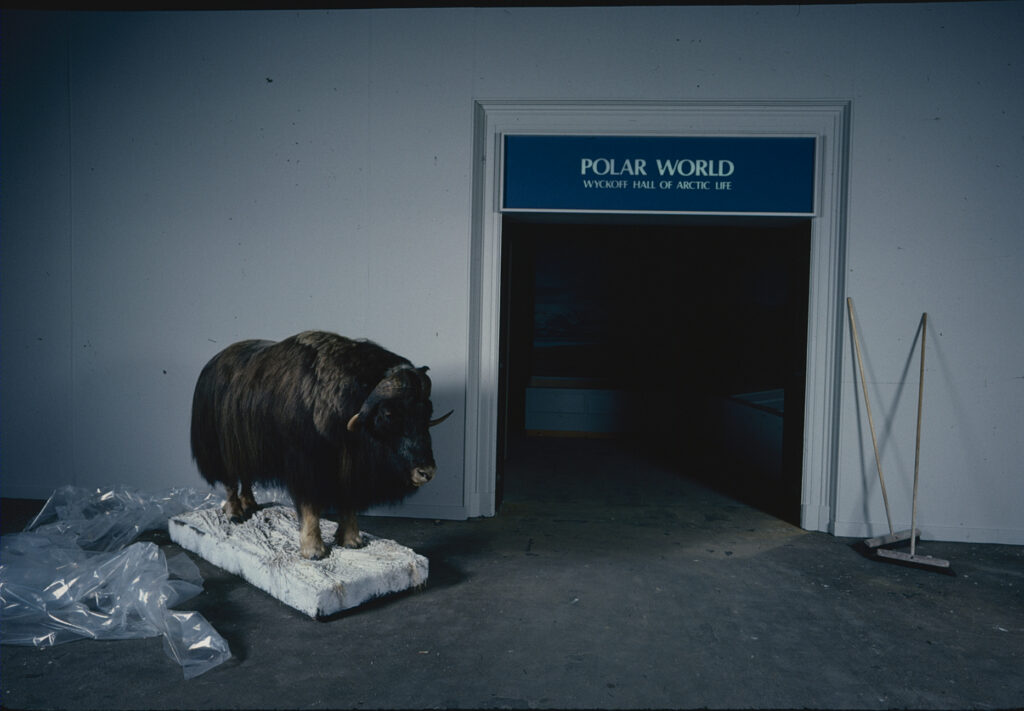
Polar World entrance under contruction
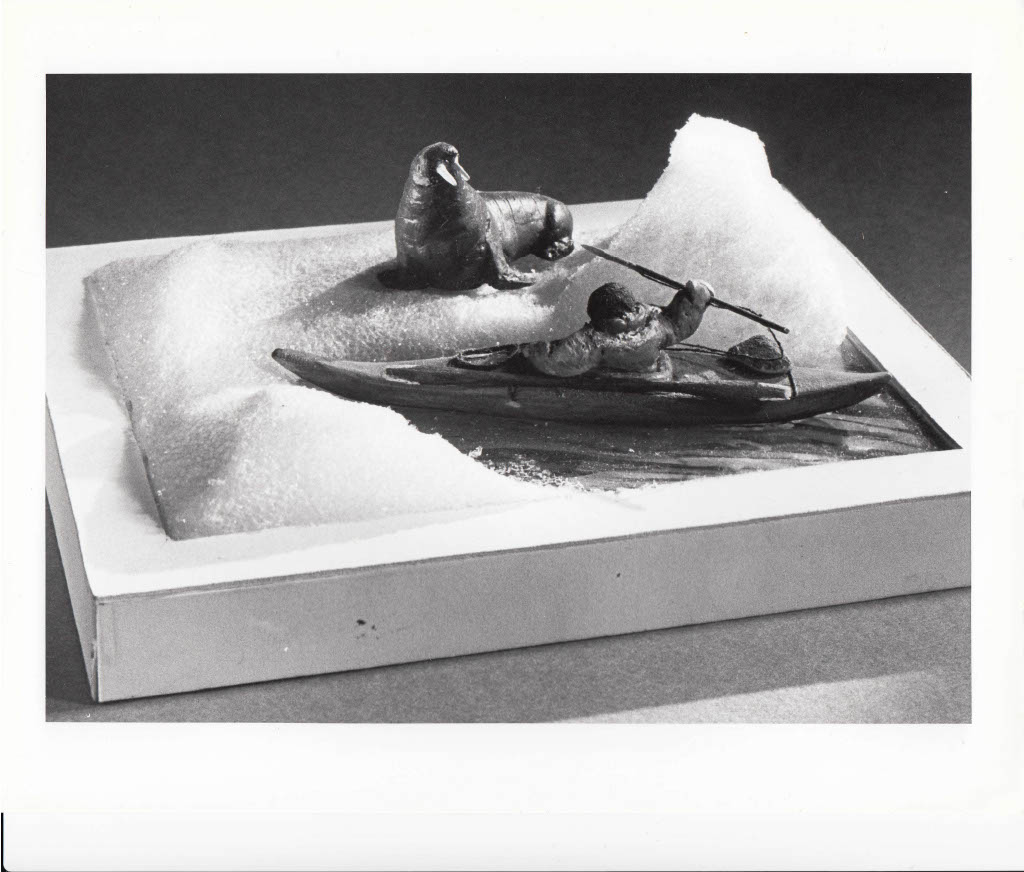
black and white model of a diorama
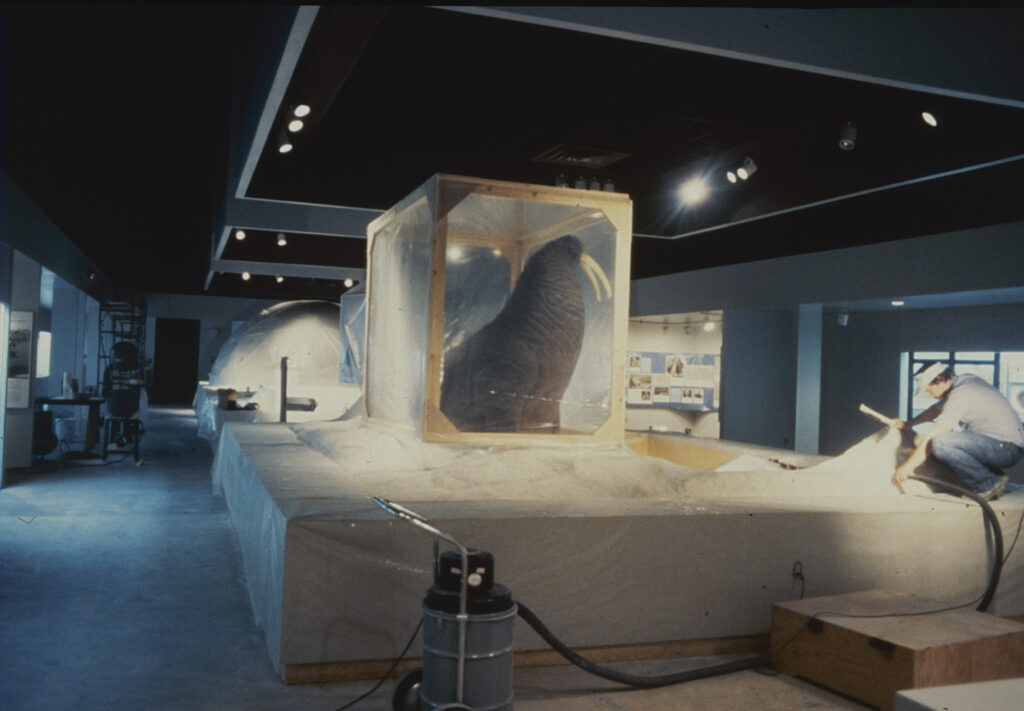
walrus diorama under construction
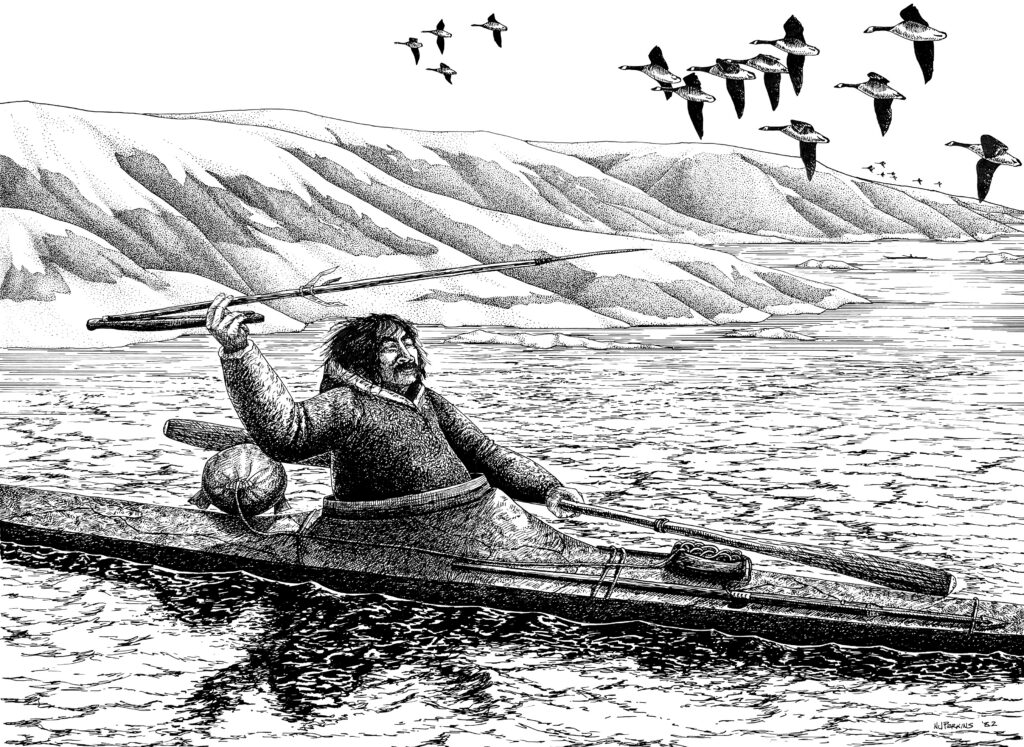
sketch for Polar World display
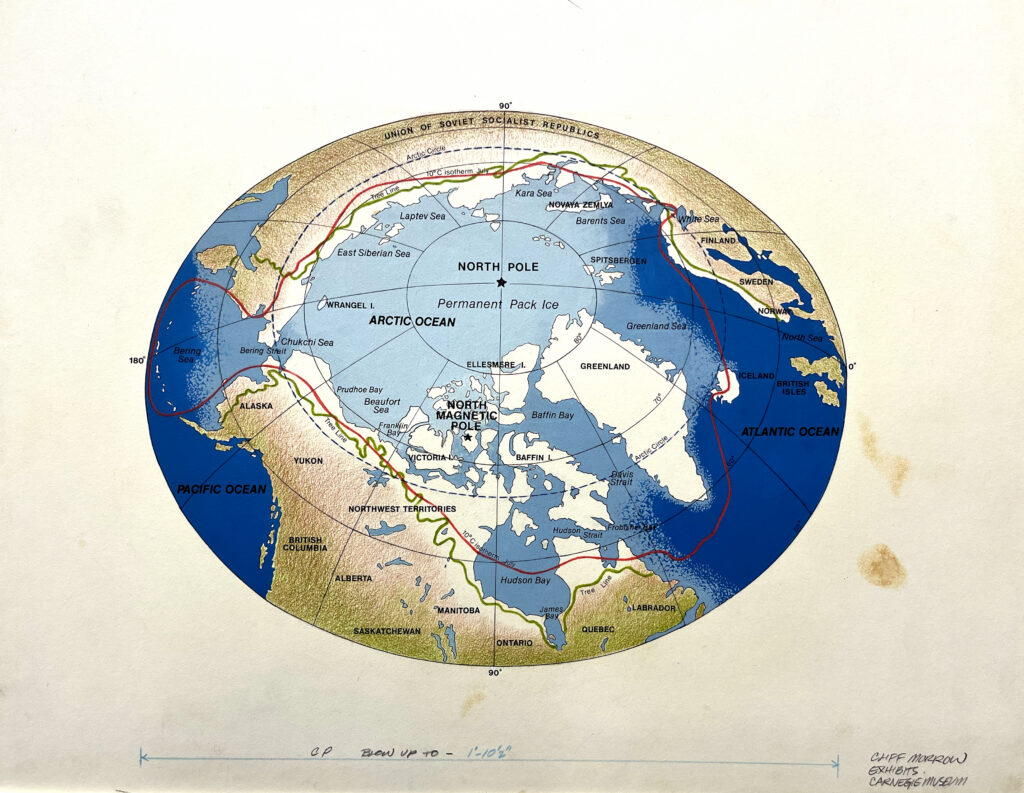
historic map
brightly colored poster for Polar World: Wyckoff Hall of Arctic Life

Filed Under: Uncategorized Tagged With: dinos, dinosaurs, dinosaurs in their time

  • « Go to Previous Page
  • Page 1
  • Interim pages omitted …
  • Page 7
  • Page 8
  • Page 9
  • Page 10
  • Page 11
  • Interim pages omitted …
  • Page 13
  • Go to Next Page »

sidebar

About

  • Mission & Commitments
  • Directors Team
  • Museum History

Get Involved

  • Volunteer
  • Membership
  • Carnegie Discoverers
  • Donate
  • Employment
  • Events

Bring a Group

  • Groups of 10 or More
  • Birthday Parties at the Museum
  • Field Trips

Powdermill

  • Powdermill Nature Reserve
  • Powdermill Field Trips
  • Powdermill Staff
  • Research at Powdermill

More Information

  • Image Permission Requests
  • Science Stories
  • Accessibility
  • Shopping Cart
  • Contact
  • Visitor Policies
One of the Four Carnegie Museums | © Carnegie Institute | Privacy Policy | Terms of Use | Accessibility
Rad works here logo