• Skip to primary navigation
  • Skip to main content
  • Skip to primary sidebar

Carnegie Museum of Natural History

One of the Four Carnegie Museums of Pittsburgh

  • Visit
    • Buy Tickets
    • Visitor Information
    • Exhibitions
    • Events
    • Dining at the Museum
    • Celebrate at the Museum
    • Powdermill Nature Reserve
    • Event Venue Rental
  • Learn
    • Field Trips
    • Educator Information
    • Programs at the Museum
    • Bring the Museum to You
    • Guided Programs FAQ
    • Programs Online
    • Climate and Rural Systems Partnership
  • Research
    • Scientific Sections
    • Science Stories
    • Science Videos
    • Senior Science & Research Staff
    • Museum Library
    • Science Seminars
    • Scientific Publications
    • Specimen and Artifact Identification
  • About
    • Mission & Commitments
    • Directors Team
    • Museum History
  • Tickets
  • Give
  • Shop

Blogs about the Anthropocene

Scientists use fossils and other traces to understand how the planet changed over time. In the past these changes were caused by forces like volcanic eruptions and shifts in oceans currents. Now there’s a new force of nature shaping the planet: humans. The effects on air, land, and water are significant enough that scientists propose we are a new geological time – the Anthropocene – or age of Humans.

These blogs are about the many facets of human impact on the Earth, documenting this new age.

October 18, 2019 by wpengine

The History of Jack-o’-Lanterns + Make Your Own Dippy Jack-o’-Lantern

Did you know jack-o’-lanterns were once carved from turnips?  Ancient Celtic cultures were known to carve turnips and place embers inside to ward off evil spirits. That’s because Ireland didn’t have pumpkins. When immigrants brought over their carving tradition, Americans began carving jack-o’-lanterns from pumpkins. This gave us a bigger canvas to work with!

This is a traditional Irish jack-o’-lantern carved from a turnip.

The Great Pumpkin Flood

Can you imagine Halloween season without pumpkins? More than 200 years ago, eastern Pennsylvania experienced heavy rain causing the Susquehanna River to flood. The flood waters were so strong they washed away entire pumpkin crops. People were said to have seen pumpkins floating down the river, which was 5-10 feet higher due to the flooding. When the water began to subside, pumpkins were everywhere. This was known as The Great Pumpkin Flood of 1786.

The Nature360 Staff had a pumpkin carving party. Can you see Dippy riding a broomstick?

Dippy the Dinosaur Jack-o’-Lanterns

Our friend Dippy had so much fun with our last challenge, that they asked us to give you another! Do you think you can carve a Dippy jack-o’-lantern?

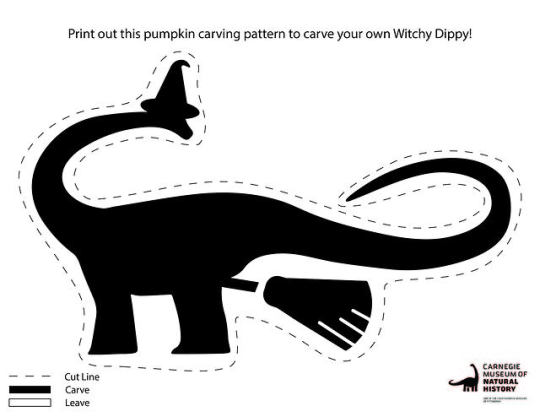
We have three pumpkin carving stencils for you to use that will bring Dippy to life, pumpkin style! You can choose to carve Dippy wearing a witch hat, Dippy in the night sky, or Dippy on a broom stick.

We’d love to see your jack-o’-lantern creations! Email them to nature360@carnegiemnh.org or tag Dippy on Twitter @dippy_the_dino.

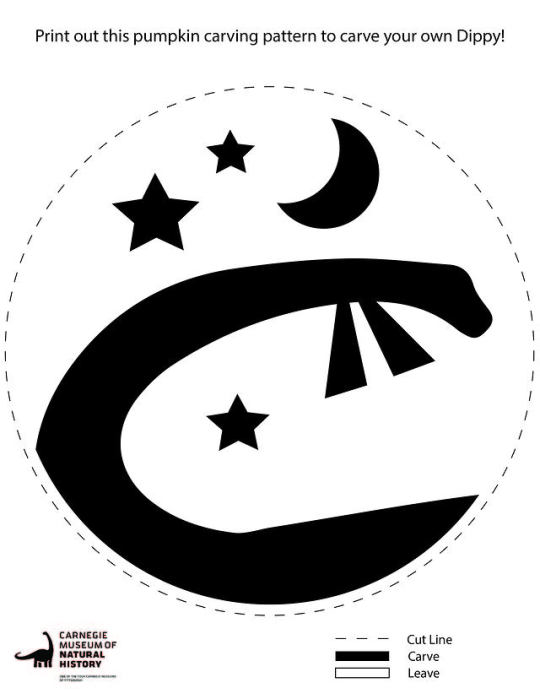
Dippy in a witch hat jack-o-lantern pattern


Dippy in the night sky jack-o-lantern pattern
Witchy Dippy jack-o-lantern pattern

Squash Dolls

Although pumpkins didn’t serve a large purpose in home decor until we began carving them, squash was popular to the Hidatsa Indians. Little girls were known to use squash as dolls. They would bring them in from the field, picking the ones that were multicolored, so the dolls looked to be wearing clothing.

Try more fun activities in Nature Lab! 
Filed Under: Blog Tagged With: Anthropocene, Botany, halloween, Nature Lab

October 16, 2019 by wpengine

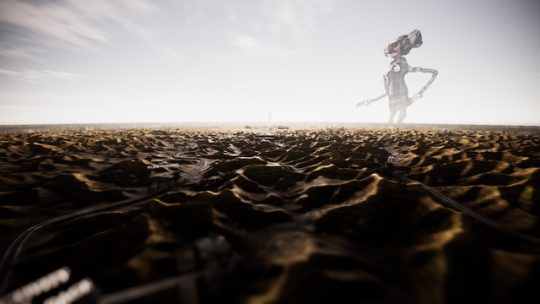
Buried histories, alternative histories, toward a clean and just future

Image from Fire Underground, Nick Crockett, 2019

As part of ongoing Anthropocene engagement at the Carnegie Museum of Natural History, we aim to support transdisciplinary conversations about urgent issues facing our community. Through dialogue we hope to spur creative exploration about the interconnectivity of nature and people across time, and thinking towards a clean and just future.

Toward this goal, we are super excited to host our inspiring colleagues from The Natural History Museum next week, October 23 – 26, in Pittsburgh as part of their event series, Power Beyond Extraction. The series examines power in terms of both energy and the people power needed to bring about the just transition to a clean energy economy.  The Natural History Museum and the House of Tears Carvers of the Lummi Nation collaborated with us two years ago in producing a powerful program and exhibition about indigenous leadership in US struggles to protect land and water, entitled, Kwel’ Hoy: We Draw the Line!

Next week’s event series is organized to coincide with the Shale Insight Conference, an annual convening and conversation about the future of energy that is hosted by the petrochemical industry. Power Beyond Extraction invites community leaders, activists, artists, and scholars to contribute to this conversation of regional, international, and inter-generational importance.

At the Carnegie Museums of Art and Natural History, we are co-hosting two events in the series.

First, on Thursday evening, October 24 in the CMOA theater from 6 – 8:30 p.m. join us in a free community conversation. A Buried Conversation is planned to kick-off with a selection of coal mining songs performed by labor leader and professional musician Joe Uehlein. Then Uehlein along with a selection of other coal scholars and activists will join together for a panel discussion about the joint history of coal and the history of labor. Exploring how the long struggle for work with dignity can inform a just transition that supports both clean energy and good jobs.

Second, please join us from 2 – 4 p.m. on Saturday October 26, for another free event and special dialogue held in the CMOA theater. We will be screening Fire Underground, a feature length fantasy animation presenting an alternative history of coal. After the screening, the artist, Nick Crockett will be there to discuss the film in dialogue with CMNH’s Director of Science and Research, Steve Tonsor, and art historian and member of The Natural History Museum, Steve Lyons.

I was especially inspired to share Fire Underground at our museum after Nick told me about his time hanging out in the galleries and the influence that the experience had in spurring his imagination and making this film. You can spot the inspired critters and landscape in the eerily familiar and unfamiliar world Crockett animates to journey through layers of deep time from ancient carboniferous forests to the speculative present.

Nicole Heller is Curator of the Anthropocene for Carnegie Museum of Natural History. Museum employees are encouraged to blog about their unique experiences working at the museum.

Filed Under: Blog Tagged With: Anthropocene, Nicole Heller, We Are Nature

October 15, 2019 by wpengine

Carnegie Geologists Win National Award

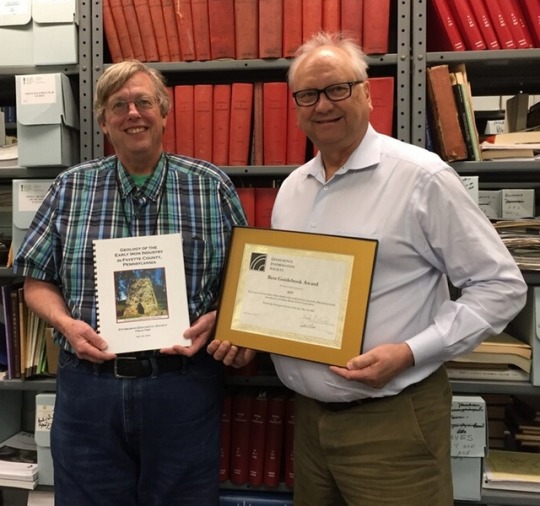
John Harper and Albert D. Kollar.

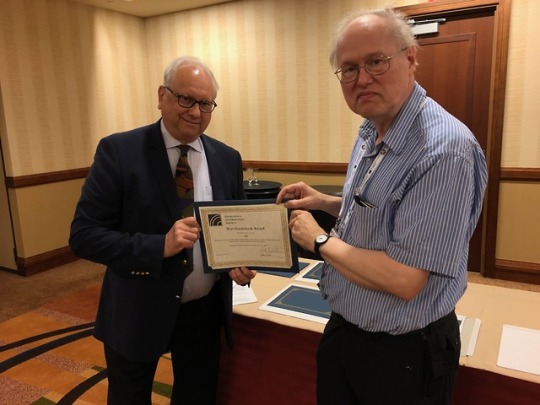
In the fall of 2018, Albert D. Kollar and John A. Harper (volunteer and research associate) of the Section of Invertebrate Paleontology in collaboration with the Pittsburgh Geological Society conducted a geology field trip titled: Geology of the Early Iron Industry in Fayette County, Pennsylvania. Back then, we had no idea this field guide would be recognized by the Geoscience Information Society with their GSIS Award 2019 for Best Guidebook (professional) at the Annual Meeting of the Geological Society of America (GSA). On September 23, 2019, Albert attended the Awards Luncheon in Phoenix, Arizona, to receive the GSIS Award.

Albert D. Kollar and Michael Noga representing Geoscience Information Society.

As stated by the GSIS committee chair, “The Geology of the Early Iron Industry in Fayette County, Pennsylvania is well-written and well-illustrated, with both professional and popular sections. I can see local geology teachers taking students on these trips to show a chapter in the development of an important early ore industry in the United States. With the aid of detailed road logs guidebook users can see and learn about the geology, industrial development, history, and fossils in Fayette County. Field Trip leaders can use the guidebook to expand on several topics, depending on the interests of their trip attendees. An additional benefit of the guidebook is its free availability online, so any traveler with an interest in the area can explore on their own. The Pittsburgh Geological Society has performed a great model for other local societies that are interested in spreading the benefits of their field trips to wider audiences.”

In receiving the award, Kollar opined that the guidebook has been recognized for the diverse geology of the region and the many historical sites that can be seen and visited respectively throughout southwestern Pennsylvania. These include, the geology of Chestnut Ridge, a Mississippian-age limestone quarry with abundant fossils and Laurel Caverns, the history of oil and gas exploration, the historic Wharton Charcoal Blast Furnace, the geology of natural gas storage, the country’s First Puddling Iron Furnace, and the birth place of both coke magnate Henry Clay Frick and Old Overholt Straight Rye Whiskey, West Overton, Westmoreland County, Pennsylvania.

Another feature of the guidebook is its dedication to Dr. Norman L. Samways, retired metallurgist, geology enthusiast, and good friend who spent many years as a volunteer with the Invertebrate Paleontology Section of the Carnegie Museum of Natural History.  Sam, as we called him, passed away in February 2018.  His contribution came about when he was instrumental in the research and writing of the Geology and History of Ironmaking in Western Pennsylvania, with his co-authors John A. Harper, Albert D. Kollar, and David J. Vater, published as PAlS Publication 16, 2014. Moreover, Sam was solely responsible for a new historical marker, AMERICA’S FIRST PUDDLING FURANCE along PA 51, dedicated on September 10, 2017 by the Pennsylvania Historical & Museum Commission and the Fayette County Historical Society. David Vater contributed to the guidebook’s content by drawing a schematic diagram of a typical puddling iron furnace, which is greatly appreciated. Key fossils and iron ores of the section’s collection are referenced as well. The cataloged fossils cited in peer review journals authored by section staff and research associates includes those on the trilobites by Brezinski (1984, 2008, and 2009), Bensen (1934) and Carter, Kollar and Brezinski (2008) for brachiopods, and Rollins and Brezinski (1988) for crinoid-platyceratid (snail) co-evolution.

In recent years, the section has run highly successful regional field trips about various geology and paleontology topics based on the museum collections, collaborations with the Pittsburgh Geology Society, the Geological Society of America, Osher Institute of the University of Pittsburgh, Nine-Mile Run Watershed, Allegheny County Parks, Pittsburgh Parks Conservancy, Montour Trail, Carnegie Discovers, and the section’s own PAlS geology and fossil program. A future field trip is being planned to assess the dimension stones that built the Carnegie Museum and noted architectural building stones of Oakland.

Albert D. Kollar is the Collection Manager in the Section of Invertebrate Paleontology at Carnegie Museum of Natural History. Museum employees are encouraged to blog about their unique experiences and knowledge gained from working at the museum.

Filed Under: Blog Tagged With: Albert Kollar, Anthropocene, fossils, geology, invertebrate paleontology, western pennsylvania

October 15, 2019 by wpengine

Callery Pear from October 11, 1979: 40 years ago

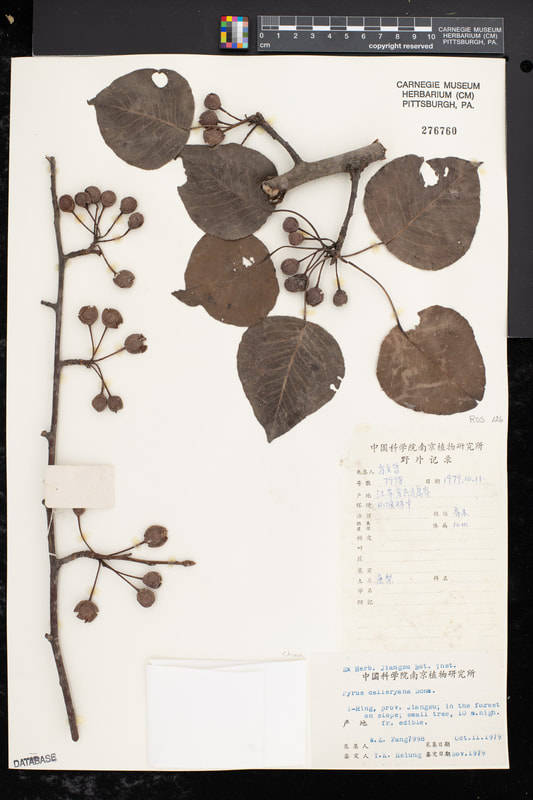
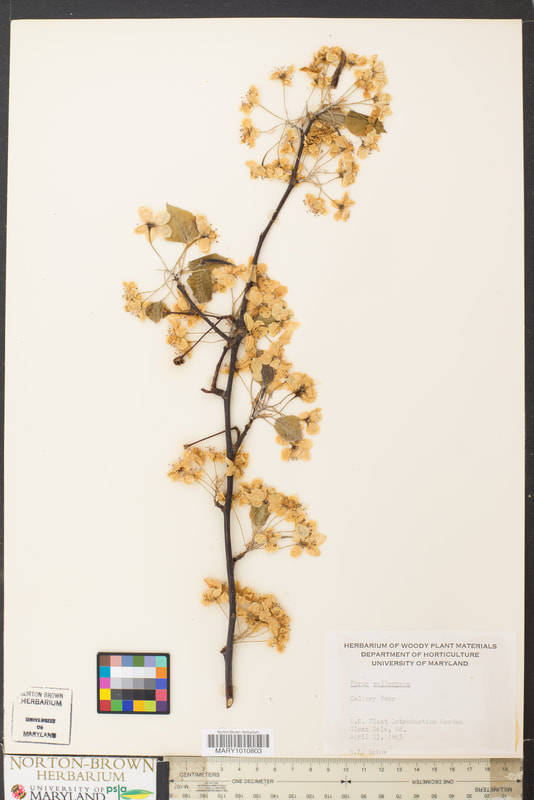
Callery pear herbarium specimen

From wild to cultivated to invasive

This specimen of Callery pear (Pyrus calleryana) was collected on October 11, 1979 by W.Z. Fang in Jiangsu, China. Callery pear is native to East Asia (China, Vietnam).

But…Callery pear can be found in the United States. It was (and is) widely planted as an ornamental landscape tree.  Along streets, in residential yards, in parking lots  – it was a prized plant for well-groomed anthropogenic landscapes. It uniformly grows in low resource conditions, explodes with many beautiful blossoms each spring, provides shade, and has a decent foliage display in the autumn. As many introduced plants go, it went from prized ornamental to an unwanted “invasive species,” spreading across the landscape and affecting the environment. It is now widely recognized invasive species in many states or closely watched as a species likely to become invasive. That said, beyond the legacy of over half a century of mass plantings across the country, it is still commonly planted and old and new cultivars are commercially available. USDA estimated over $23 million in sales in the US in 2009 alone.

How’d Callery pear get to the US? The story behind the introduction of Callery pear is a fascinating one.  Like many of our cultivated plants, seeds were collected on special expeditions in search of plants useful to horticulture, agriculture, or just because. Pyrus calleryana was first introduced to the US in the early 1900s, though not for its attractive blossoms as you might expect. Instead, it was first introduced for its disease resistance. It was successfully used in horticulture as a root stock for European pear fruit production. At the time, European pears in the Pacific northwestern US were being hit hard, grafting to a Callery pear rootstock dramatically decreased crop losses to disease. Callery pear does not produce edible fruit.

​The tree was widely planted starting in the 1960s, when it became commercially available and promoted by the nursery industry as a hardy ornamental tree. Before that, it was planted by the US Department of Agriculture (USDA) for testing at Plant Introduction Stations in Corvallis, Oregon, and Glenn Dale, Maryland. One of these Maryland planted trees was targeted for its special traits and became the source of the hugely popular ‘Bradford’ cultivar (“Bradford pear”). In 1952, one tree was used to graft to rootstock, a plant propagation method making all plants genetically identical.  Other cultivars have since been commercialized, but ‘Bradford’ were/are exceptionally popular. Though intended to be sterile (non-reproducing), it turned out the trees were capable of setting viable seed.  The cultivars themselves are not invasive, but because multiple cultivars exist, together they can cross-pollinate to become invasive.

This flowering specimen (above) from University of Maryland Norton-Brown Herbarium (MARY) was collected  in 1963 from the US  Plant Introduction Garden in Glenn Dale, MD  – THE site behind the widespread introduction of this species!

Herbarium specimens have been critical to understanding the spread of this species. In a 2005 study, Dr. Michael Vincent (Miami University in Ohio) found that 50% of all specimens examined over the range of 39 years were collected between 2000-2003.  Though some specimens  were collected in the 1960s in natural areas, it became widely “escaped” from cultivation in many natural  areas in the 1990s.

You may have noticed that most of our specimen images to date are those collected in Pennsylvania and surrounding states.  That’s because these specimens are being digitized as part of a multi-institutional project, the Mid-Atlantic Megalopolis Project, with the overarching goal to mobilize herbarium specimens across the region to understand the effects of urbanization on plant life.  However, this project is a step towards digitizing the entire Carnegie Museum Herbarium. The herbarium is worldwide in scope, and specimens in the Mid-Atlantic region account for only 35% of the 540,000 specimens.

As more specimens become digitized as part of the Mid-Atlantic Megalopolis Project, we’ll have a more complete understanding of the introduction and spread of Callery pear in the region.

Herbarium specimens are collected in the native range too! We’ll be able to compare specimens collected in the invaded range to those in its native China. The use of cultivated specimens and those collected in the native range are underutilized but can provide critical information.

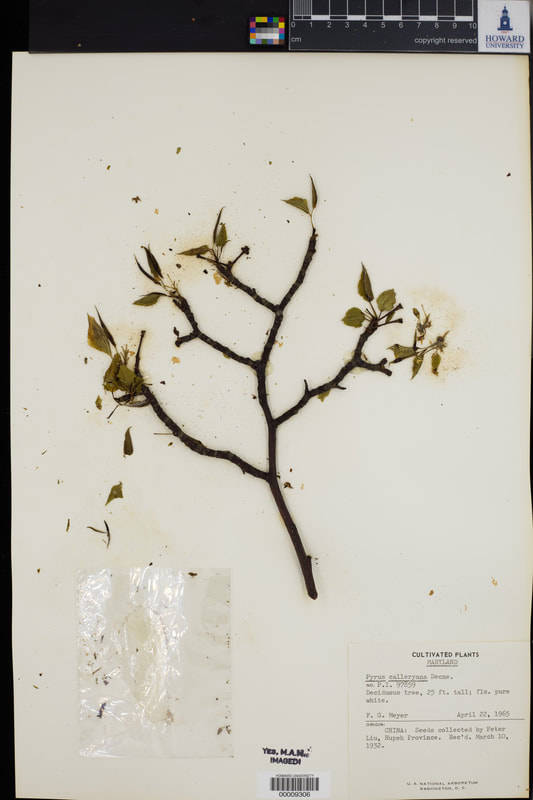
This historically fascinating specimen (above) from Howard University Herbarium (HUDC) below, digitized through the Mid-Atlantic Megalopolis Project, is among the oldest specimens collected in the region. Collected in spring of 1965 in Maryland by Frederick Meyer from a cultivated plant at the US National Arboretum, with the note on the label: “China: Seeds collected by Peter Liu, Hupeh Province. Rec’d.  March 10, 1932.” The US National Arboretum was instrumental in the development and popularity of the ‘Bradford’ and other cultivars.

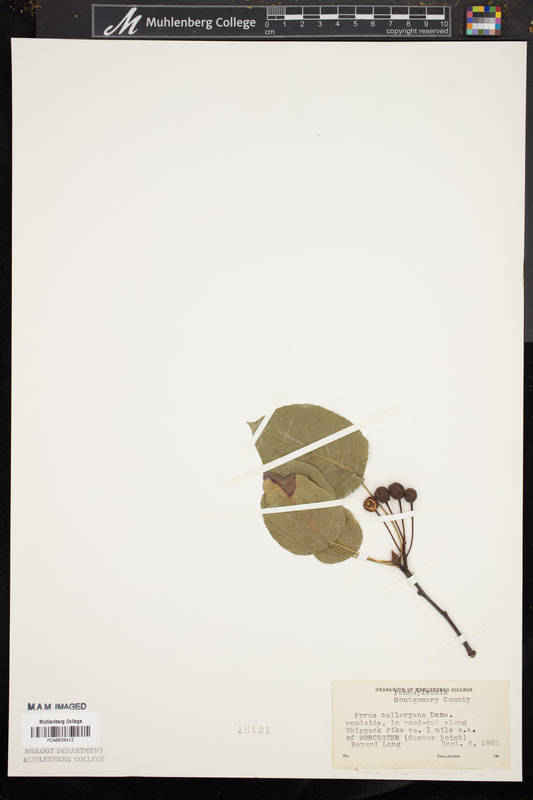
Escaped from cultivation. This specimen (above) from Muhlenberg College Herbarium (MCA) was collected along the roadway in Montgomery county, Pennsylvania by Bayard Long in 1962. This specimen is probably the earliest specimen collected in the wild in Pennsylvania.

Many more specimens like this will be brought to light through the Mid-Atlantic Megalopolis Project.

Read more about this species introduction history in the popular press, published in the Washington Post last year, and in an excellent overview by Dr. Theresa Culley (University of Cinncinati) in Arnoldia and another in BioScience.

See all the Pyrus calleryana specimens being made available online from the Mid-Atlantic Megalopolis project here: http://midatlanticherbaria.org/portal/collections/list.php?db=277%2C328%2C334%2C329%2C333%2C320%2C330%2C40%2C410%2C316%2C335%2C331%2C332%3B11&includecult=1&taxa=Pyrus+calleryana&usethes=1&taxontype=2

Check back for more! Botanists at the Carnegie Museum of Natural History share digital specimens from the herbarium on dates they were collected. They are in the midst of a three-year project to digitize nearly 190,000 plant specimens collected in the region, making images and other data publicly available online. This effort is part of the Mid-Atlantic Megalopolis Project (mamdigitization.org), a network of thirteen herbaria spanning the densely populated urban corridor from Washington, D.C. to New York City to achieve a greater understanding of our urban areas, including the unique industrial and environmental history of the greater Pittsburgh region. This project is made possible by the National Science Foundation under grant no. 1801022.

Mason Heberling is Assistant Curator of Botany at the Carnegie Museum of Natural History. Museum employees are encouraged to blog about their unique experiences and knowledge gained from working at the museum.

Filed Under: Blog Tagged With: Anthropocene, Botany, collected on this day, Mason Heberling, Uprooted

October 15, 2019 by wpengine

Glowing Mushrooms and Pokémon

Nature’s Nightlights

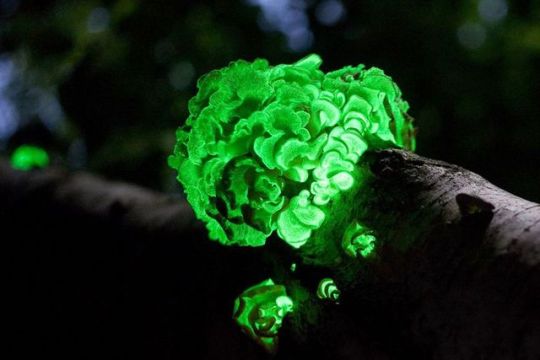
Have you ever walked through the woods at night and noticed a small glowing object near the base of the trees? That’s bioluminescence happening in mushrooms – the creation and emission of light by organisms. Glow-in-the-dark fungi aren’t just something you’ll see in the woods. If you’ve seen the new Detective Pikachu movie, you may have encountered another species of glowing mushrooms!

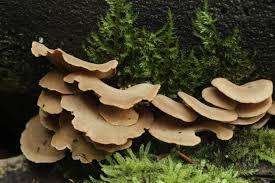
The radiant glow of bitter oyster mushrooms were used to mark trails prior to electricity!

What We Know About The Glow

By now, you’ve probably got some questions, like how does the glowing occur? And why? Well, the greenish light emitted from the mushrooms is the result of a release of energy from a chemical reaction. Research has shown that when the oxyluciferin in the mushroom releases its oxygen molecule, then it’s time to get lit. Only about 80 species of fungi are known to glow. Perhaps these funny fungi are drawing the attention of insects or animals that feed on the mushroom to disperse its spores, like the way a sweet-smelling flower attracts insects for the same reason.

These mushrooms are as plain as Clark Kent until they give off a super glow at night.

Glowing Mushrooms From Different Worlds

If you’re having trouble finding glowing mushrooms in the woods, have no fear, Detective Pikachu is here! The new movie shows off different types of Pokémon, including the Morelull. The Morelull is a Pokémon that resembles a mushroom with its stem-like body and three sprouting mushroom caps on its head. At night, the Morelull can make its spores glow with glittering sparks just like glowing mushrooms around you.

glowing mushroom-like Pokemon
A Morelull resembling a glowing mushroom appears in the wild during the Detective Pikachu movie trailer.

Fun Fact – Hypnotizing Spores

You can find Morelull in the Detective Pikachu trailer! When the trainers come across a herd of Bulbasaur, look for a few Morelull fluttering around them.

Detective Pikachu screenshot of Morelull

It’s Time For An Adventure!

Now it’s time for you to find glowing mushrooms near you. If you’re stumped on where to find nature’s nightlights, well, look for a stump! They are known to surround the bases of dead trees or wrap themselves around dead branches.

Popular glowing mushrooms:

-Luminescent Panellus

-Honey Mushroom

-Bleeding Fairy Helmet

-Jack-o-Lantern

Western Pennsylvania is home to several varieties. They can be found in backyards, along trails and in our parks such as:

-Powdermill Nature Preserve

-Beechwood Nature Reserve

-Frick Park

-Hartwood Acres

-Salamander Park

While you’re out looking for mushrooms, keep your eyes open for fireflies! Fireflies use luciferins, light emitting compounds, like mushrooms to glow.

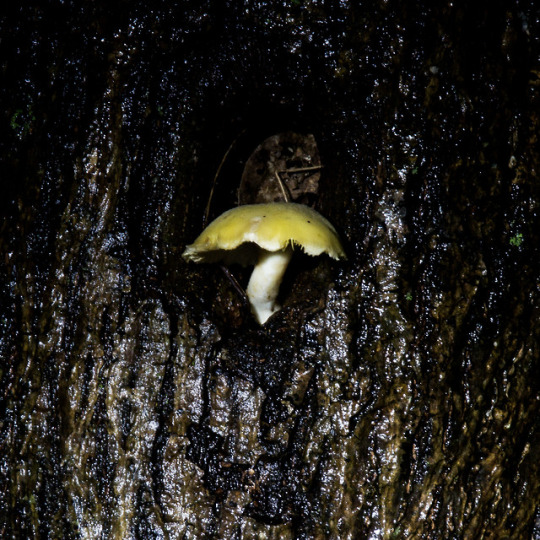
glowing mushroom
A Jack-o’-Lantern Mushroom glows under the moonlight at Beechwood Nature Reserve.


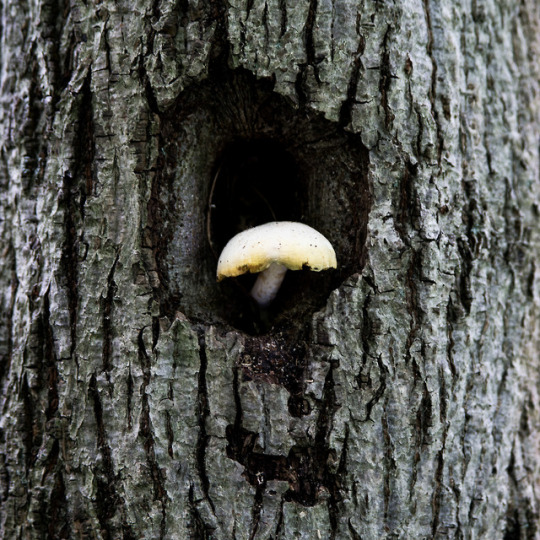
The same Jack-o’-Lantern Mushroom in the daylight.


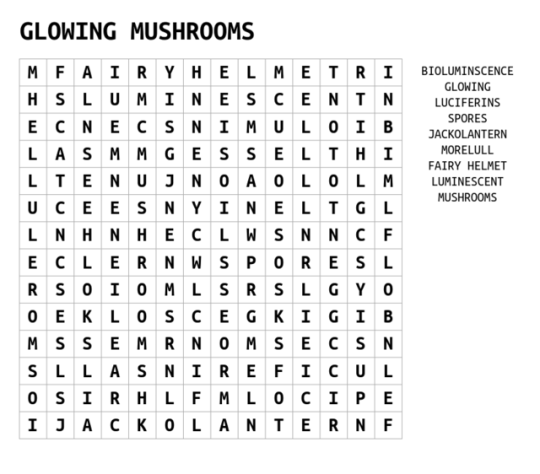
Can You Find The Words Relating to Mushrooms?

Learn more in Nature Lab!

Filed Under: Blog Tagged With: Anthropocene, autumn, Botany, Nature 360, Nature Lab, Pokemon

October 4, 2019 by wpengine

October 4, 1940: 79 years ago

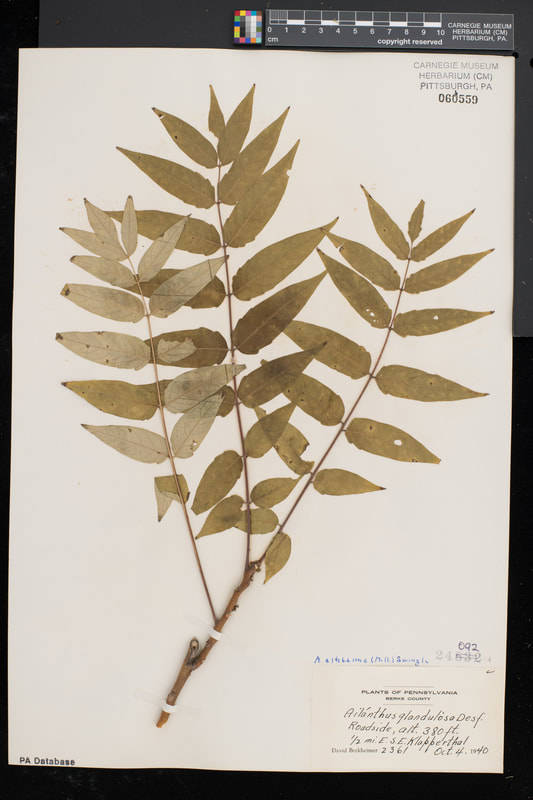
tree of heaven specimen

Loved and hated: An urban plant with history

​”There’s a tree that grows in Brooklyn. Some people call it the Tree of Heaven. No matter where its seed falls, it makes a tree which struggles to reach the sky. It grows in boarded up lots and out of neglected rubbish heaps. It grows up out of cellar gratings. It is the only tree that grows out of cement. It grows lushly…survives without sun, water, and seemingly earth. It would be considered beautiful except that there are too many of it.“

-from Betty Smith’s classic novel, A Tree Grows in Brooklyn (1943)

(Fact check: the species is impressively resilient but does indeed require light and water. But we’ll let it slide with an artistic license here.)

This specimen of tree of heaven (Ailanthus altissima) was collected on October 4, 1940 by D. Berkheimer near Klapperthal in Berks county, Pennsylvania.

Tree of heaven (Ailanthus altissima) is a species with a fascinating and complex cultural history.  It was once glorified as a beautiful urban street tree in the United States. It was tolerant of insects, pollution, and poor growing conditions. The earliest recorded planting in the US (via England) was at William Hamilton’s estate (currently the “Woodlands Cemetery”) in Philadelphia around 1784.  It was also in Bartram’s famous garden nearby. It became popular in the plant nursery industry after 1820. But that feeling didn’t stay long, and within decades it was vilified as an unwanted weed – it had an unpleasant smell, produced prolific seeds, and resprouted from suckers causing it to spread.  Today, it is a common urban “weed” found in urban and non-urban areas across the eastern US.  It is considered invasive in Pennsylvania (and many other states). It is also considered invasive in many parts of Europe.

But where’s it from? Ailanthus altissima is native to East Asia, including China, Taiwan, and Korea. It has a deep ethnobotanical history in China, where it has been used in various ways in traditional Chinese medicine, with written records of its use dating to 732 AD! It also has deep roots in Chinese literature and culture. Among other uses, it has also been used in silk production, as it is a food host to a silkworm.

The oldest herbarium specimen from the Eastern US is undated but inferred to date from 1815-1831 from Philadelphia.  It is in the herbarium of the Academy of Natural Sciences of Drexel University (PH).  The second oldest Pennsylvania specimen is dated 1841, also from Philadelphia.

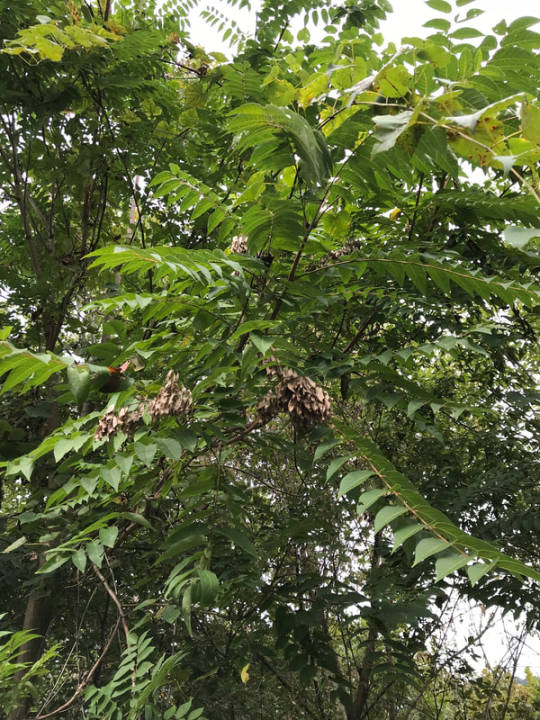
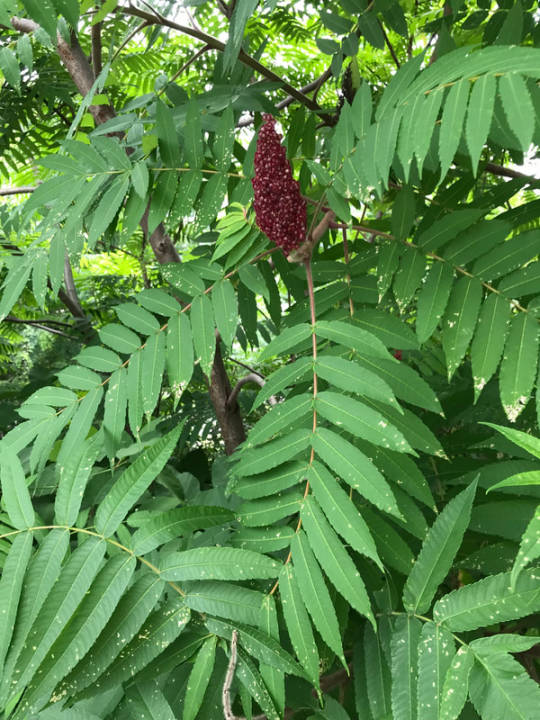
It is around this time of year that the abundance of Tree of Heaven in the Pittsburgh area becomes especially obvious, especially along roadsides. With large, compound leaves and found in disturbed, “weedy” areas, Ailanthus can be easily confused with the similar looking native tree, staghorn sumac (Rhus typhina). Staghorn sumac is in a different plant family (poison ivy family, Anacardiaceae), but this confusion goes way back. Linnaeus even described the species as in the same genus as sumac, so don’t feel too bad if you make the same mistake! (Side note – the taxonomic history of the species is also intense. It has been given many different scientific names over the past three centuries, with three people independently naming it at around mid-1700s!) The leaves are noticeably different upon closer inspection. The fruits are even more  clearly different. Ailanthus has brown clusters of winged seeds (called samaras, like that of maple trees’ “helicopter” seeds). These seeds can be clearly seen now on trees as their leaves drop along most highways around Pittsburgh.

Tree of heaven (Ailanthus altissima) 

Staghorn sumac (Rhus typhina​)

Given its introduction history in the Mid-Atlantic and its intentional planting and affinity for urban areas, the Mid-Atlantic Megalopolis Project will be important and fascinating to understanding more about this plant. The Mid-Atlantic Megalopolis Project is a specimen digitation effort involving more than 12 herbaria (including Carnegie Museum herbarium) funded by a National Science Foundation grant to database (put in computer), image (high res. pictures), and georeference (put on map) all specimens in the region. The region is significant because it is one the oldest densely populated urban corridors in the US, from New York City to Washington, D.C. The Mid-Atlantic Megalopolis Project is producing a critical dataset to look at the introduction history and invasive success (and failure) of species in urban and non-urban areas across this connected region – including Tree of Heaven and many other species.

This specimen image (and many other Tree of Heaven specimens in the region) are available online: http://midatlanticherbaria.org/portal/collections/list.php?db=328&taxa=Ailanthus+altissima&usethes=1&taxontype=2

The earliest specimen in southwestern PA at the museum was collected in 1881 in Beaver county.

For more on the species’ fascinating history and biology in our region, check out this detailed study by Dr. Matt Kasson and colleagues done at Penn State published in 2013 in Northeastern Naturalist.

Check back for more! Botanists at the Carnegie Museum of Natural History share digital specimens from the herbarium on dates they were collected. They are in the midst of a three-year project to digitize nearly 190,000 plant specimens collected in the region, making images and other data publicly available online. This effort is part of the Mid-Atlantic Megalopolis Project (mamdigitization.org), a network of thirteen herbaria spanning the densely populated urban corridor from Washington, D.C. to New York City to achieve a greater understanding of our urban areas, including the unique industrial and environmental history of the greater Pittsburgh region. This project is made possible by the National Science Foundation under grant no. 1801022.

Mason Heberling is Assistant Curator of Botany at the Carnegie Museum of Natural History. Museum employees are encouraged to blog about their unique experiences and knowledge gained from working at the museum.

Filed Under: Blog Tagged With: Anthropocene, Botany, collected on this day, Mason Heberling

  • « Go to Previous Page
  • Page 1
  • Interim pages omitted …
  • Page 4
  • Page 5
  • Page 6
  • Page 7
  • Page 8
  • Interim pages omitted …
  • Page 16
  • Go to Next Page »

sidebar

About

  • Mission & Commitments
  • Directors Team
  • Museum History

Get Involved

  • Volunteer
  • Membership
  • Carnegie Discoverers
  • Donate
  • Employment
  • Events

Bring a Group

  • Groups of 10 or More
  • Birthday Parties at the Museum
  • Field Trips

Powdermill

  • Powdermill Nature Reserve
  • Powdermill Field Trips
  • Powdermill Staff
  • Research at Powdermill

More Information

  • Image Permission Requests
  • Science Stories
  • Accessibility
  • Shopping Cart
  • Contact
  • Visitor Policies
One of the Four Carnegie Museums | © Carnegie Institute | Privacy Policy | Terms of Use | Accessibility
Rad works here logo