• Skip to primary navigation
  • Skip to main content
  • Skip to primary sidebar

Carnegie Museum of Natural History

One of the Four Carnegie Museums of Pittsburgh

  • Visit
    • Buy Tickets
    • Visitor Information
    • Exhibitions
    • Events
    • Dining at the Museum
    • Celebrate at the Museum
    • Powdermill Nature Reserve
    • Event Venue Rental
    • Gift Cards
  • Learn
    • Field Trips
    • Educator Information
    • Programs at the Museum
    • Bring the Museum to You
    • Guided Programs FAQ
    • Programs Online
    • Climate and Rural Systems Partnership
  • Research
    • Scientific Sections
    • Science Stories
    • Science Videos
    • Senior Science & Research Staff
    • Museum Library
    • Science Seminars
    • Scientific Publications
    • Specimen and Artifact Identification
  • About
    • Mission & Commitments
    • Directors Team
    • Museum History
  • Tickets
  • Give
  • Shop

Blogs about the Anthropocene

Scientists use fossils and other traces to understand how the planet changed over time. In the past these changes were caused by forces like volcanic eruptions and shifts in oceans currents. Now there’s a new force of nature shaping the planet: humans. The effects on air, land, and water are significant enough that scientists propose we are a new geological time – the Anthropocene – or age of Humans.

These blogs are about the many facets of human impact on the Earth, documenting this new age.

October 2, 2019 by wpengine

A harmless necessary cat

orange kitten

It’s a little daunting contemplating finding something novel to write about cats, the unofficial mascot of the internet. But we’re thinking of getting one (or two), to add some fun – and a few hair balls – to our household. There’s a lot to think about. What to get and how to get it? We’re looking online because there seem to be so many cats in need of re-homing.

Keep reading this blog post at EricDorfman.com.

Eric Dorfman is the Daniel G. and Carole L. Kamin Director of Carnegie Museum of Natural History. 
Filed Under: Blog Tagged With: Anthropocene, cats

September 20, 2019 by wpengine

September 20, 1952: 67 Years Ago

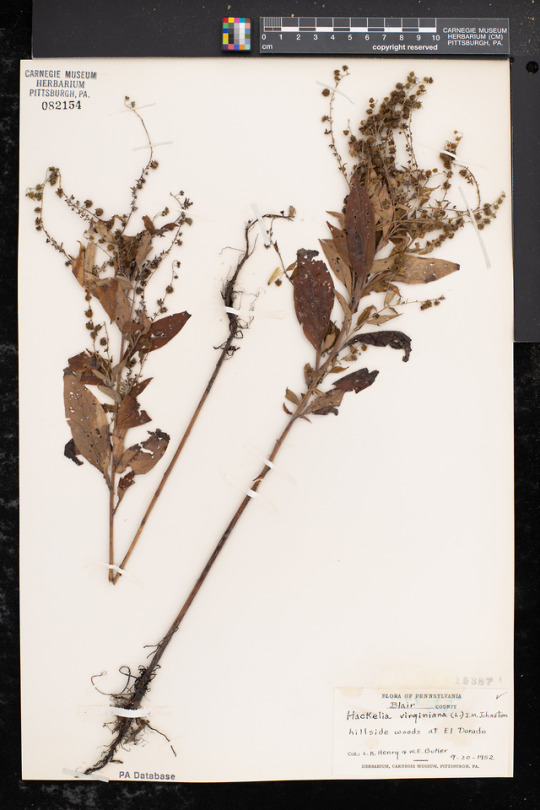
Virginia stickseed specimen

It’s fall seed dispersal time!

This specimen of Virginia stickseed (Hackelia virginiana), also interestingly called beggar’s lice, was collected on September 20, 1952 by Leroy Henry (Carnegie Museum Curator of Botany at the time) in the woods of Blair county, Pennsylvania.

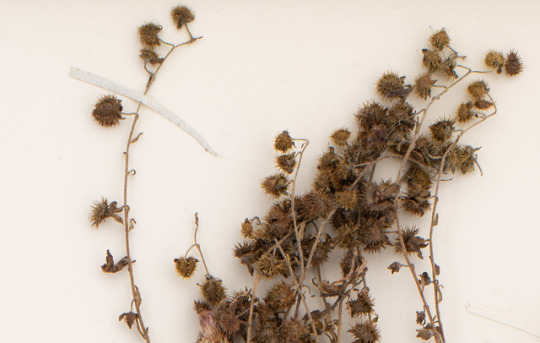
The common name for this plant is quite appropriate.  The small seeds have many burs on them, making them very sticky.  And stick to your clothes with barely a touch, making them easily dispersed (unknowingly) by animals.

If you have a dog, you’ve likely pulled these out their fur in the fall!  My dog was covered in them the other day, which was both amazing and annoying at the same time.

Stickseed is in the borage family, Boraginaceae.  It has very small white flowers that resemble forget-me-not, also in the same plant family.  However, it is the fruit/seeds that are most memorable.

Find high resolution image of this Virginia stickseed specimen (and more) online here:
midatlanticherbaria.org/portal/collections/individual/index.php?occid=12253345&clid=0 


detail of Virginia stickseed specimen

Check back for more! Botanists at the Carnegie Museum of Natural History share digital specimens from the herbarium on dates they were collected. They are in the midst of a three-year project to digitize nearly 190,000 plant specimens collected in the region, making images and other data publicly available online. This effort is part of the Mid-Atlantic Megalopolis Project (mamdigitization.org), a network of thirteen herbaria spanning the densely populated urban corridor from Washington, D.C. to New York City to achieve a greater understanding of our urban areas, including the unique industrial and environmental history of the greater Pittsburgh region. This project is made possible by the National Science Foundation under grant no. 1801022.

Mason Heberling is Assistant Curator of Botany at the Carnegie Museum of Natural History. Museum employees are encouraged to blog about their unique experiences and knowledge gained from working at the museum.
Filed Under: Blog Tagged With: Anthropocene, Botany, collected on this day, Mason Heberling, plants

July 31, 2019 by wpengine

Dressing Fleas

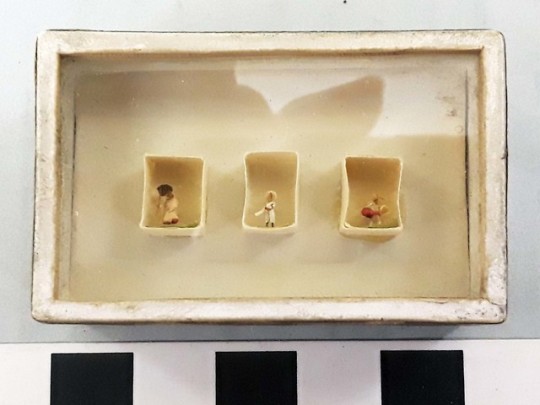
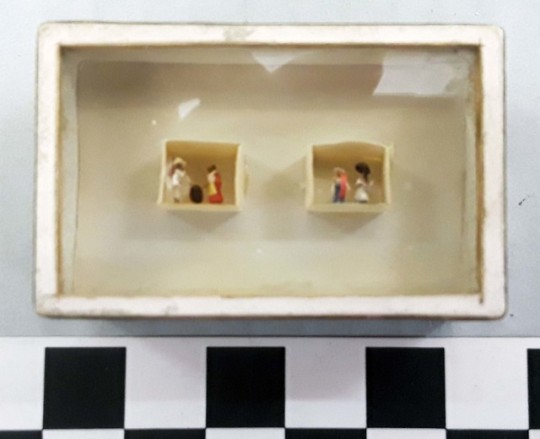
box of three dressed fleas

“If we do not mass produce products, we vie with one another
in the difficult, exquisite and useless art of dressing fleas”

Octavio Paz [diplomat, poet, writer, winner of 1990 Nobel Prize in Literature]

The art of dressing fleas in costumes and creating tiny tableaus began in Mexico in the 19th century, centered around the state of Guanjuato. Some people believe that Pulgas Vestidas (dressed fleas) began being made in convents; they went on to become a craft done by ordinary people. Eventually they became something to sell to tourists. Dressed fleas were still being created well into the 1930s, the most popular forms being bride and groom or farmer and wife sets. Some were as elaborate as an entire mariachi band, complete with instruments.

One set of dressed fleas from the Carnegie Museum of Natural History collection. Each block underneath this box represents just one centimeter! 

In the 1920s Octavio Paz called it a “difficult art, exquisite and useless,” and added, “I shall never be one to disparage this amazing skill, since where spiritual health is concerned, building a skyscraper and adorning a flea are each as monstrous as the other.” A British entomologist, Tim Cockerill, has taught himself how to make them, and includes a modern bride and groom set on his website.

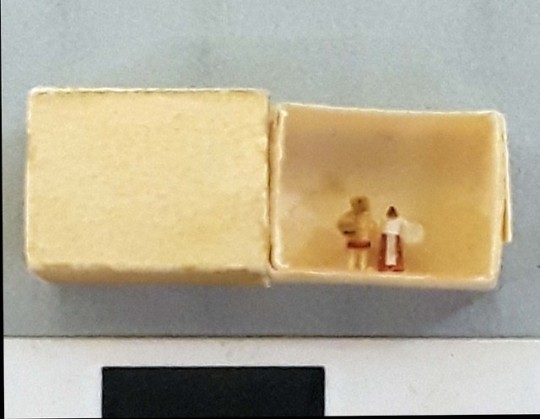
pair of dressed fleas in a box

The museum’s three sets of dressed fleas were acquired in the 1930s, and donated by different people in the late 20th century. They are part of an extensive collection of ethnographic and historic dolls. They are a must-see for anyone having a behind-the-scenes tour of the Anthropology storage areas. Dressed fleas are a prime example of human ingenuity and skill, even if a reason for being is not immediately obvious.

Deborah Harding is the collection manager of the Section of Anthropology at Carnegie Museum of Natural History. Museum employees are encouraged to blog about their unique experiences and knowledge gained from working at the museum.
Filed Under: Blog Tagged With: Anthropocene, anthropology, archaeology, art, Deborah Harding, insects

July 18, 2019 by wpengine

BirdSafe Pittsburgh Makes Museum Windows Visible

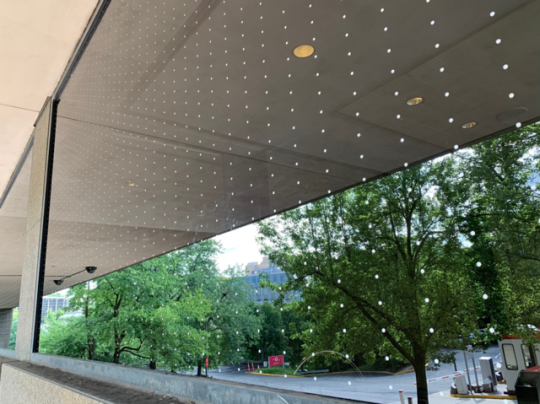
The birds flying around the Carnegie Museums of Art and Natural History are a lot safer now, thanks to Jon Rice, the Urban Bird Conservation Coordinator and leader of BirdSafe Pittsburgh. Over the summer, Jon and his colleagues were able make a deadly wall of windows visible to birds by installing thousands of stylish reflective dots. By breaking up the reflection of the surrounding trees on the East side of the museum, birds are more likely to see the window and avoid impact.

BirdSafe Pittsburgh is a partnership between 8 local conservation organizations working to reduce bird mortality in Pittsburgh. Learn more about how you can become involved at https://birdsafepgh.org/volunteer/.

museum windows with bird proof glass

Windows on the East side of the building have been outfitted with stylish, reflective patterns to make windows visible to birds and reduce collisions.

Chase Mendenhall is Assistant Curator of Birds, Ecology, and Conservation at Carnegie Museum of Natural History. Museum employees are encouraged to blog about their unique experiences and knowledge gained from working at the museum.
Filed Under: Blog Tagged With: Anthropocene, Birds, birdsafe pittsburgh

July 12, 2019 by wpengine

Who Likes Teaberry? Collected 56 Years Ago

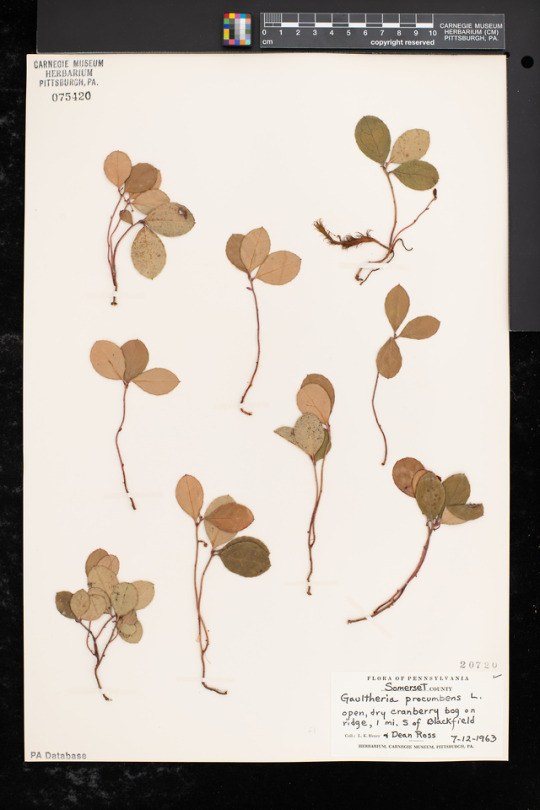
teaberry specimen

This specimen of eastern teaberry (Gaultheria procumbens), also called American wintergreen, was collected on July 12, 1963 by Leroy Henry (Carnegie Museum Curator of Botany at the time) and Dean Ross in a cranberry bog in Somerset county, Pennsylvania.

It is perhaps best known by many as a unique wintergreen flavor of chewing gum and ice cream, especially in Pennsylvania. Atlas Obscura says Teaberry ice cream: “sometimes looks like Pepto-Bismol and smells like Bengay.” Penn State Berkey Creamery calls it  the  “best treat of a bygone era.”

Teaberry is in the heath (blueberry) family, Ericaceae.  It is a small shrub growing along the ground, found across the Eastern US and has distinctive evergreen leaves.

Find a high resolution image of this teaberry specimen (and more) online at midatlanticherbaria.org.

Check back for more! Botanists at the Carnegie Museum of Natural History share digital specimens from the herbarium on dates they were collected. They have embarked on a three-year project to digitize nearly 190,000 plant specimens collected in the region, making images and other data publicly available online. This effort is part of the Mid-Atlantic Megalopolis Project (mamdigitization.org), a network of thirteen herbaria spanning the densely populated urban corridor from Washington, D.C. to New York City to achieve a greater understanding of our urban areas, including the unique industrial and environmental history of the greater Pittsburgh region. This project is made possible by the National Science Foundation under grant no. 1801022.

Mason Heberling is Assistant Curator of Botany at the Carnegie Museum of Natural History. Museum employees are encouraged to blog about their unique experiences and knowledge gained from working at the museum.
Filed Under: Blog Tagged With: Anthropocene, Botany, collected on this day, Leroy Henry, Mason Heberling, plants

July 8, 2019 by wpengine

A Plant Popular During the Revolutionary War



Ceanothus americanus tea plant specimen

Happy Independence Day! What better way to celebrate than with herbarium specimens of New Jersey tea (Ceanothus americanus), named for the fact that it was used as a substitute for tea by colonists and American soldiers during the American Revolutionary War. There was presumably a shortage of black tea, which was imported. Although the leaves contain no caffeine, it fit the bill. The plant also has a much longer history before European settlement.  Tribes of the Missouri River used the leaves for tea as well, and tribes of the Great Lakes used the plant to treat digestive ailments.

New Jersey tea, also called Indian tea, can be found not only in New Jersey, but across the eastern United States.  It is in the buckthorn family (Rhamnaceae), which is unsurprisingly also family to introduced shrub/tree, common buckthorn  (Rhamnus cathartica).

Ceanothus americanus tea plant specimen

These specimens were both collected in Pennsylvania on the 4th of July.  One in Luzerne county by Alfred Twining 1907, who wrote a flora of Northeastern PA ten years later.  Many of his specimens are at the Everhart Museum of Natural History, Science, and Art in Scranton, PA.

The other Independence Day New Jersey Tea specimen was collected by Robert Leberman in Crawford county in 1986.  Leberman established the bird banding program at the Carnegie Musuem of Natural History’s Powdermill Nature Reserve in 1961.  It continues today as the longest running, year-round banding research operation in the country.

New Jersey Tea is a beautiful shrub, important for many pollinators, and food source for other wildlife. The plant is also sold commercially by many native plant nurseries to plant in your yard or garden.

All plants have a cultural history and a scientific one. As you remember the signing of the Declaration of Independence and the American Revolution, think too about New Jersey Tea’s impact on our country. Did John Hancock drink it before signing? (Totally made that up).

Find high resolution images of these specimens (and 290 more!) online: http://midatlanticherbaria.org/portal/collections/list.php?db=328&taxa=Ceanothus+americanus&usethes=1&taxontype=2

Check back for more! Botanists at the Carnegie Museum of Natural History share digital specimens from the herbarium on dates they were collected. They have embarked on a three-year project to digitize nearly 190,000 plant specimens collected in the region, making images and other data publicly available online. This effort is part of the Mid-Atlantic Megalopolis Project (mamdigitization.org), a network of thirteen herbaria spanning the densely populated urban corridor from Washington, D.C. to New York City to achieve a greater understanding of our urban areas, including the unique industrial and environmental history of the greater Pittsburgh region. This project is made possible by the National Science Foundation under grant no. 1801022.  

Mason Heberling is Assistant Curator of Botany at the Carnegie Museum of Natural History. Museum employees are encouraged to blog about their unique experiences and knowledge gained from working at the museum.
Filed Under: Blog Tagged With: Anthropocene, Botany, collected on this day, Mason Heberling, plants

  • « Go to Previous Page
  • Page 1
  • Interim pages omitted …
  • Page 5
  • Page 6
  • Page 7
  • Page 8
  • Page 9
  • Interim pages omitted …
  • Page 16
  • Go to Next Page »

sidebar

About

  • Mission & Commitments
  • Directors Team
  • Museum History

Get Involved

  • Volunteer
  • Membership
  • Carnegie Discoverers
  • Donate
  • Employment
  • Events

Bring a Group

  • Groups of 10 or More
  • Birthday Parties at the Museum
  • Field Trips

Powdermill

  • Powdermill Nature Reserve
  • Powdermill Field Trips
  • Powdermill Staff
  • Research at Powdermill

More Information

  • Image Permission Requests
  • Science Stories
  • Accessibility
  • Shopping Cart
  • Contact
  • Visitor Policies
One of the Four Carnegie Museums | © Carnegie Institute | Privacy Policy | Terms of Use | Accessibility
Rad works here logo