• Skip to primary navigation
  • Skip to main content
  • Skip to primary sidebar

Carnegie Museum of Natural History

One of the Four Carnegie Museums of Pittsburgh

  • Visit
    • Buy Tickets
    • Visitor Information
    • Exhibitions
    • Events
    • Dining at the Museum
    • Celebrate at the Museum
    • Powdermill Nature Reserve
    • Event Venue Rental
    • Gift Cards
  • Learn
    • Field Trips
    • Educator Information
    • Programs at the Museum
    • Bring the Museum to You
    • Guided Programs FAQ
    • Programs Online
    • Climate and Rural Systems Partnership
  • Research
    • Scientific Sections
    • Science Stories
    • Science Videos
    • Senior Science & Research Staff
    • Museum Library
    • Science Seminars
    • Scientific Publications
    • Specimen and Artifact Identification
  • About
    • Mission & Commitments
    • Directors Team
    • Museum History
  • Tickets
  • Give
  • Shop

Blogs about Birds

Birds are incredibly important to Carnegie Museum of Natural History. The museum's Section of Birds contains nearly 190,000 specimens of birds. The most important of these are the 555 holotypes and syntypes. The Section of Birds staff also cares for approximately 196 specimens of extinct birds as well as specimens of many rare species collected decades—if not more than a century—ago.

February 7, 2018 by wpengine

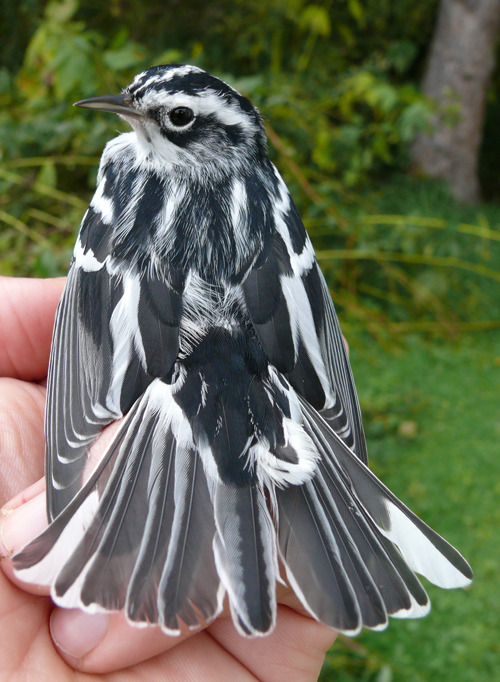
Black-and-white Warbler

Black and White Warbler a black bird with white stripes

This is probably one of the easiest warblers to identify with it’s name being quite literal.


Powdermill Nature Reserve’s avian research center is part of Carnegie Museum of Natural History’s biological research station in Rector, Pennsylvania.  The research center operates a bird banding station, conducts bioacoustical research, and performs flight tunnel analysis with the goal of reducing window collisions.
 

Filed Under: Blog Tagged With: Birds, Powdermill Nature Reserve

February 5, 2018 by wpengine

In its early years, Carnegie Museum often purchased…

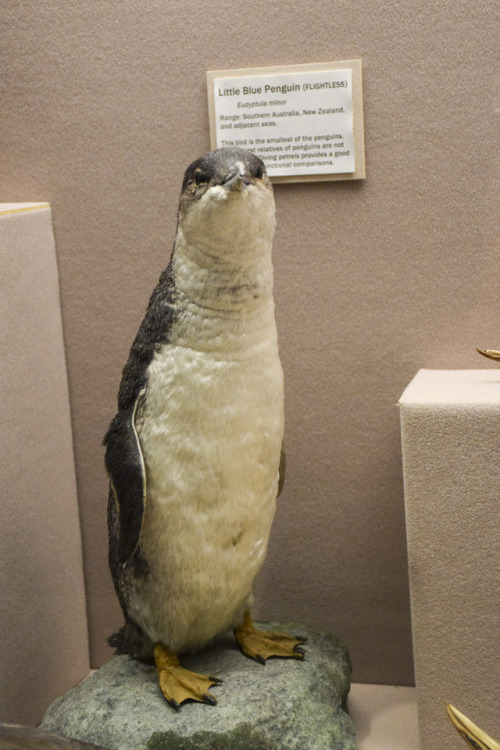
Little Blue Penguine Taxidermy

In its early years, Carnegie Museum often purchased birds from different areas of the world. One excellent collection came from Sir Walter Buller who built a collection from New Zealand for his groundbreaking books on birds of that country. We have more bird specimens from that country (645) than any other museum in the United States like this mounted little blue penguin on display in Bird Hall.

Filed Under: Blog Tagged With: bird hall, Birds

February 1, 2018 by wpengine

Carnegie Museum of Natural History has an extremely…

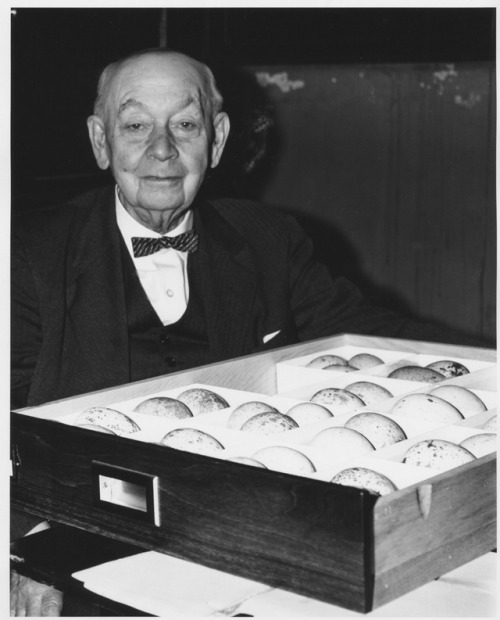
black and white photo of W.E. Clyde Todd with a drawer of large bird eggs

Carnegie Museum of Natural History has an extremely valuable collection of birds from northern South America because W.E. Clyde Todd, curator of ornithology, had an interest in the area and the ability to purchase specimens during the early years of the museum. We hold almost 59,000 specimens from the continent. Todd was curator from 1919–1944, but began at the museum in 1899 and continued to visit the museum as an emeritus until 1969—a full 70 years!

Picture above in 1966, Todd is shown with a drawer of bird eggs.

Filed Under: Blog Tagged With: Birds, museum history, Section of Birds

January 22, 2018 by wpengine

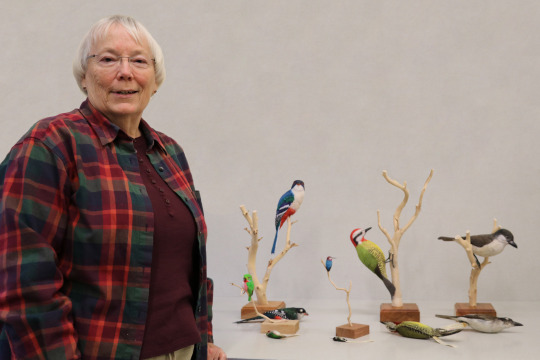
Endemic Birds of Cuba

Susan standing in front of three wooden bird carvings
Susan Kraft with specimens at Carnegie Museum of Natural History

We will be highlighting a series of endemic birds from Cuba in correspondence to a new exhibit appearing at Phipps Conservatory, Tropical Forest Cuba set to open Saturday, February, 10. Carvings were created by Susan Kraft (above), for the exhibit, using specimens from Carnegie Museum of Natural History as reference.

An endemic bird can be defined as one that only occurs in a given area, in this case, Cuba and the small islands surrounding this large island. Endemics only live in a specific area unless they are in captivity or became invasive in some way.

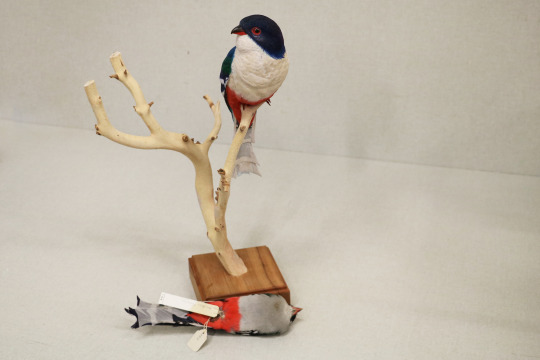
wooden carving of a blue and red bird shown next to the real study skin of the same bird
Cuban Trogon reference specimen

The first highlighted piece is an exquisite carving of a Cuban Trogon. The reference specimen used to create this carving was a specimen in the Carnegie Museum collection collected on March 1941 by W.H. Corning. Artists, sculptors, and carvers benefit by having real specimens to use as reference.


Tropical Forest Cuba is an exhibit opening February 10 at Phipps Conservatory. The exhibit showcases the vibrant ecology and culture of one of the most bio-diverse nations on Earth. Cuba houses more endemic animal and plant species than any other Caribbean island, boasting some of the most fascinating and unique bird species.


Filed Under: Blog Tagged With: Birds, Section of Birds

January 8, 2018 by wpengine

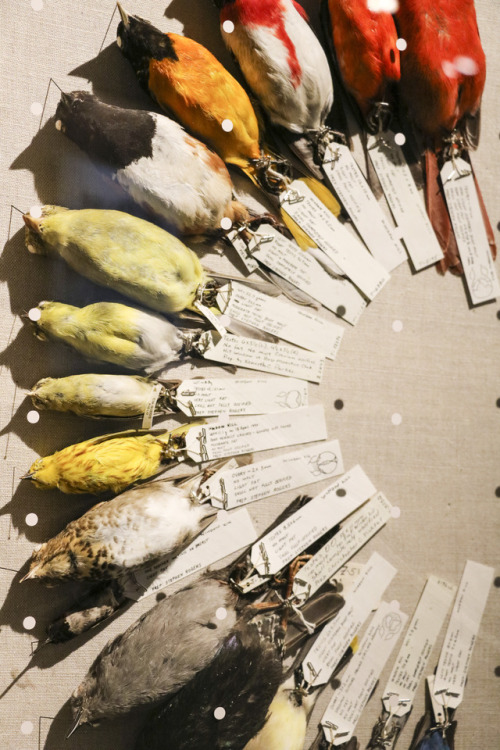
This rainbow of birds shows a variety of local species

bird specimens in a wide vaierty of colors

This rainbow of birds shows a variety of local species found right here in Pittsburgh!

All of the birds in the case died from hitting windows, a human-created problem that scientists at the museum are working to correct. Through BirdSafe Pittsburgh, employees and a team of citizen scientists are gathering data on bird-window collisions in an attempt to reduce the number in coming years and develop products and strategies to reduce bird fatalities and injuries.

Learn more at BirdSafe Pittsburgh, and discover more instances of humanity’s impact on the environment in the new exhibition We Are Nature: Living in the Anthropocene.


The Anthropocene is the current geological era in which humans are making a profound impact on the geological strata. While the term itself is still being debated by geologists, the museum is embracing it as a social and cultural tool for exploring the broad sum effect humans are having on the planet in the exhibition We Are Nature: Living in the Anthropocene—open now through summer 2018.

Filed Under: Blog Tagged With: Birds, Pittsburgh

December 8, 2017 by wpengine

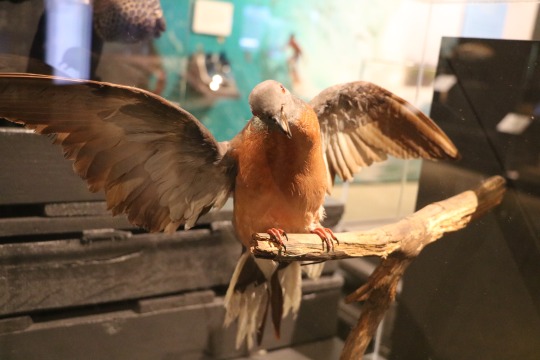
The Passenger Pigeon

taxidermy of a Passenger Pigeon on a branch

Memories of an extinct species sometimes serve as a tragic reminders of ongoing human-driven damage to nature.

Carnegie Museum of Natural History’s exhibition We Are Nature: Living in the Anthropocene includes an exhibit about the passenger pigeon, which went extinct a century ago. The exhibition—which includes specimens from the museum’s hidden collection and interactive components—explores how humans are impacting the environment and animals in the Anthropocene—the proposed current geological era in which humans are making a profound impact on the geological strata

The passenger pigeons—the most abundant bird species in America in the early 19th century—were known for gathering in huge flocks. In fact, in 1810, Alexander Wilson—a Scottish-American naturalist and ornithology pioneer—described the flock of pigeons he witnessed along the Ohio River “marking a space on the face of the heavens resembling the windings of a vast and majestic river.” In 1813, renowned naturalist John James Audubon recorded a pigeon flight over the Ohio River that eclipsed the sun for three days.

In 1871, an estimated 136 million passenger pigeons covered an area of Wisconsin the size of 15 Pittsburghs geographically – their biggest nesting site. Sadly, a single gun dealer there sold more than a half million rounds of ammunition to about 100,000 hunters over the two-month nesting season, leaving some 1.2 million birds dead. The bird population was decimated. Close to three decades later, the last wild passenger pigeon in Ohio was shot. In 1914, the last of the species – a captive bird named Martha – died at the Cincinnati Zoo.

John Rawlins, head of the Carnegie Museum’s Section of Invertebrate Zoology, said in Carnegie Magazine in 2014 that natural history collections like ours play a critical role in researching the preservation of species.

“When emergencies happen in the environment, when an invasive species strikes, when there is a need to understand why a species is either reproducing too much or going extinct, it basically comes down to the need for information and context,” Rawlins said. “And often that need is relatively rapid.”


The Anthropocene is the current geological era in which humans are making a profound impact on the geological strata. While the term itself is still being debated by geologists, the museum is embracing it as a social and cultural tool for exploring the broad sum effect humans are having on the planet in the exhibition We Are Nature: Living in the Anthropocene—open now through summer 2018.

Filed Under: Blog Tagged With: Birds, John Rawlins, We Are Nature, We Are Nature: Living in the Anthropocene

  • « Go to Previous Page
  • Page 1
  • Interim pages omitted …
  • Page 12
  • Page 13
  • Page 14
  • Page 15
  • Page 16
  • Interim pages omitted …
  • Page 20
  • Go to Next Page »

sidebar

About

  • Mission & Commitments
  • Directors Team
  • Museum History

Get Involved

  • Volunteer
  • Membership
  • Carnegie Discoverers
  • Donate
  • Employment
  • Events

Bring a Group

  • Groups of 10 or More
  • Birthday Parties at the Museum
  • Field Trips

Powdermill

  • Powdermill Nature Reserve
  • Powdermill Field Trips
  • Powdermill Staff
  • Research at Powdermill

More Information

  • Image Permission Requests
  • Science Stories
  • Accessibility
  • Shopping Cart
  • Contact
  • Visitor Policies
Stay in the loop! Sign up for our newsletter(s).
One of the Four Carnegie Museums | © Carnegie Institute | Privacy Policy | Terms of Use | Accessibility
Rad works here logo