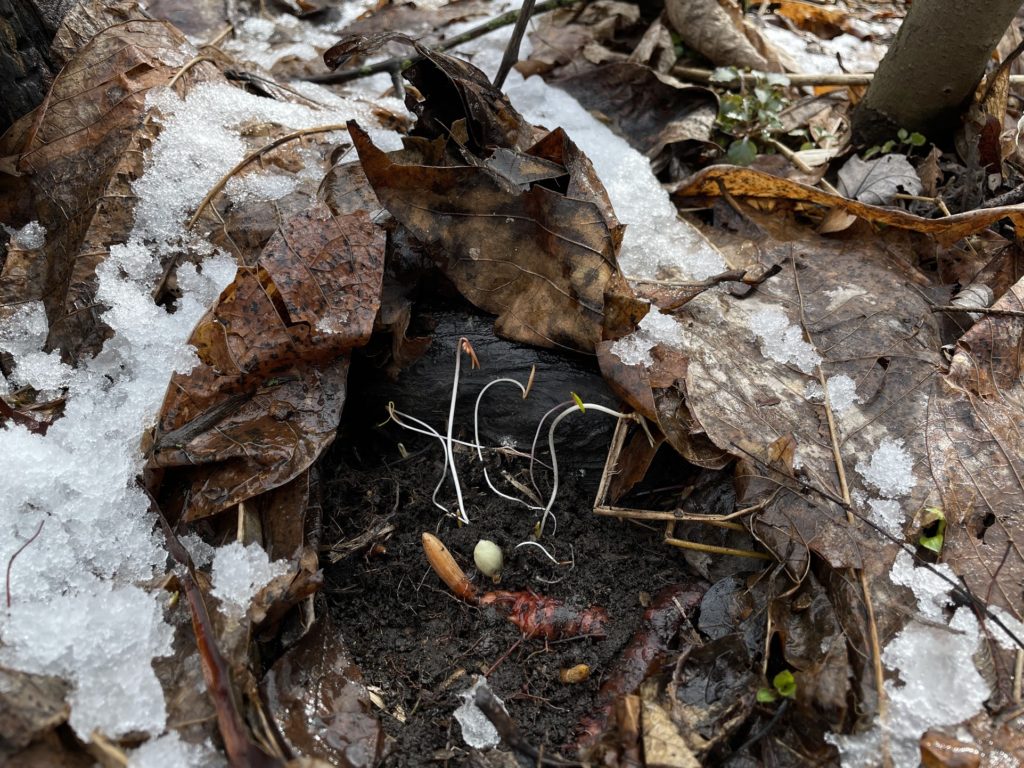
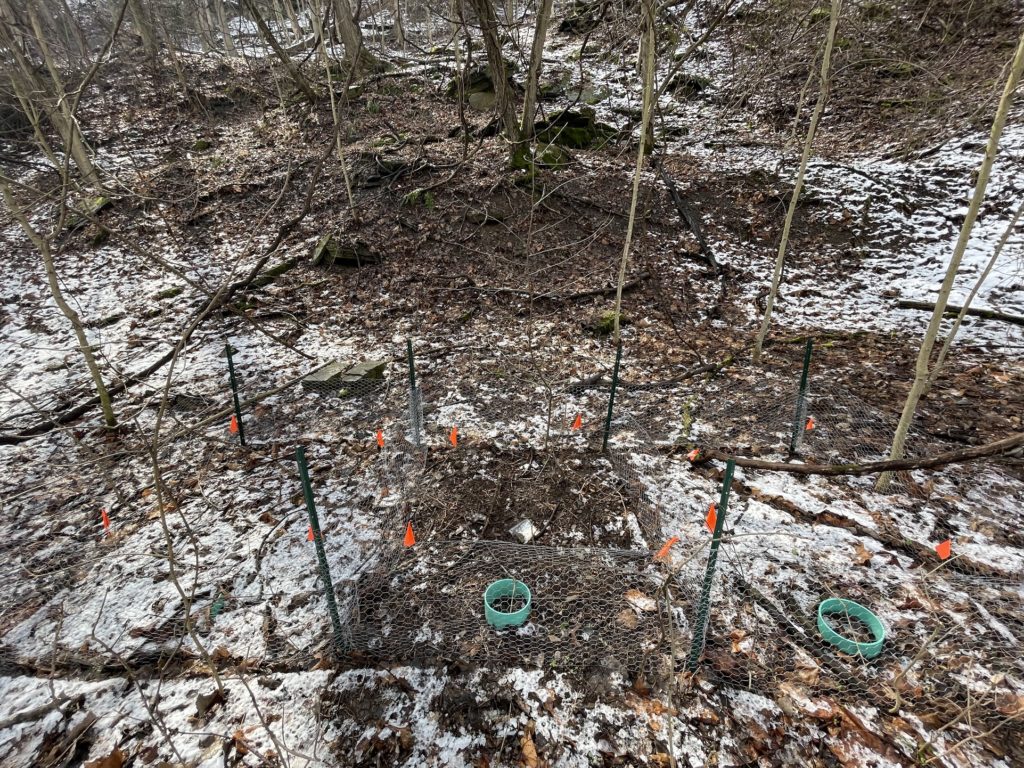
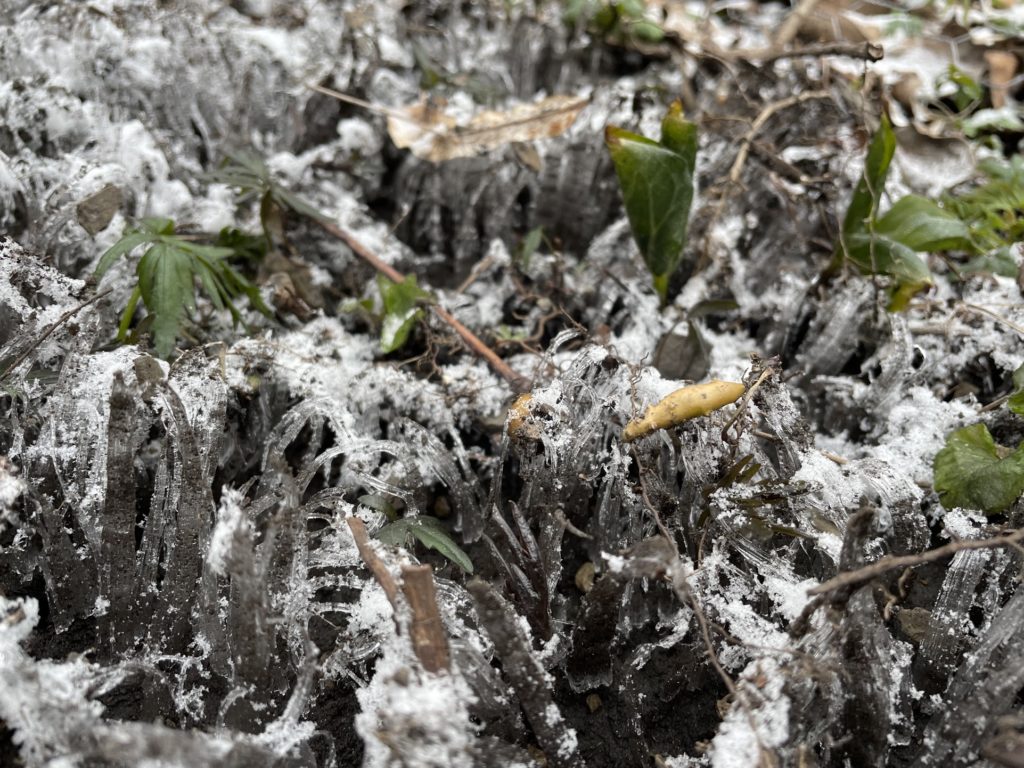
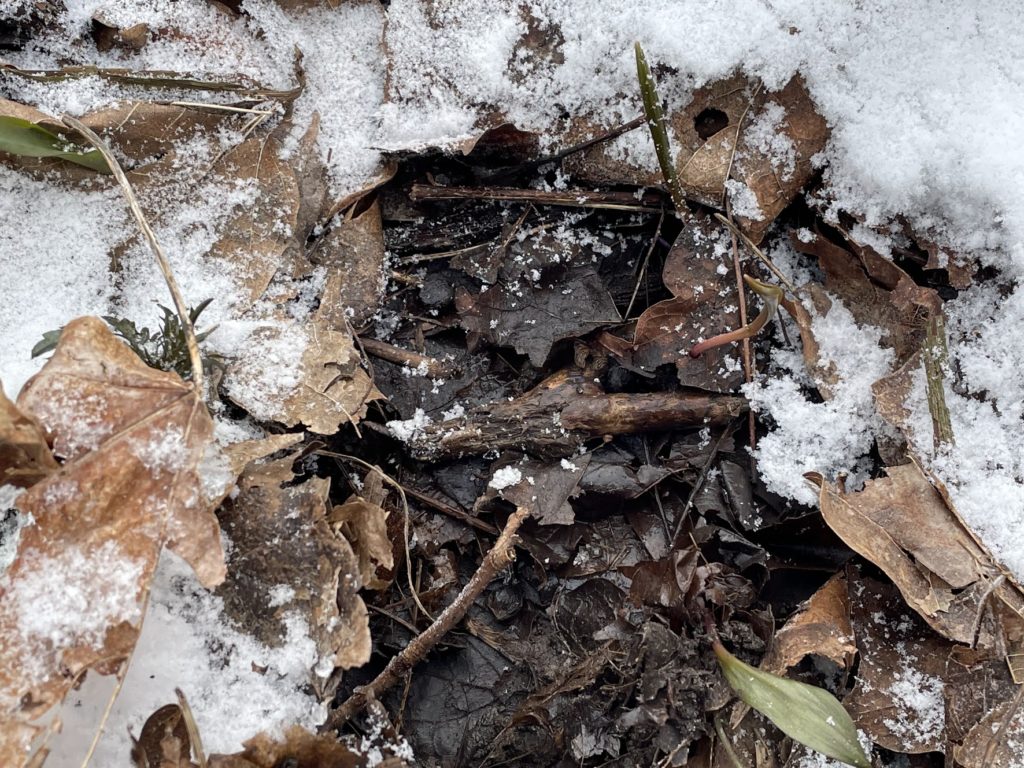
• Skip to primary navigation
  • Skip to main content
  • Skip to primary sidebar

Carnegie Museum of Natural History

One of the Four Carnegie Museums of Pittsburgh

  • Visit
    • Buy Tickets
    • Visitor Information
    • Exhibitions
    • Events
    • Dining at the Museum
    • Celebrate at the Museum
    • Powdermill Nature Reserve
    • Event Venue Rental
  • Learn
    • Field Trips
    • Educator Information
    • Programs at the Museum
    • Bring the Museum to You
    • Guided Programs FAQ
    • Programs Online
    • Climate and Rural Systems Partnership
  • Research
    • Scientific Sections
    • Science Stories
    • Science Videos
    • Senior Science & Research Staff
    • Museum Library
    • Science Seminars
    • Scientific Publications
    • Specimen and Artifact Identification
  • About
    • Mission & Commitments
    • Directors Team
    • Museum History
  • Tickets
  • Give
  • Shop

Botany Blogs

These blogs are written about and by our Section of Botany researchers. The herbarium at the museum which contains approximately 3,000 type specimens--specimens that define an entire plants' species. These type specimens only represent about 0.6 % of the collection.

Mason Heberling, head of the section, regularly shares herbarium specimens that have been "Collected on this day" in history.

July 11, 2023 by Erin Southerland

Carnegie Museum of Natural History Awarded $225K Grant from Richard King Mellon Foundation to Lead Campaign Against Spread of Invasive Plant Species

Pittsburgh, Pennsylvania, July 11, 2023 — Thanks to a $225,000 grant from the Richard King Mellon Foundation, Carnegie Museum of Natural History (CMNH) will lead a collaborative education and outreach campaign to inspire local organizations and the public to act against the spread of invasive plant species across Pennsylvania and Central Appalachia. Partner organizations will include Audubon Society of Western Pennsylvania, Phipps Conservatory and Botanical Gardens, Pittsburgh Botanic Garden, and other organizations.
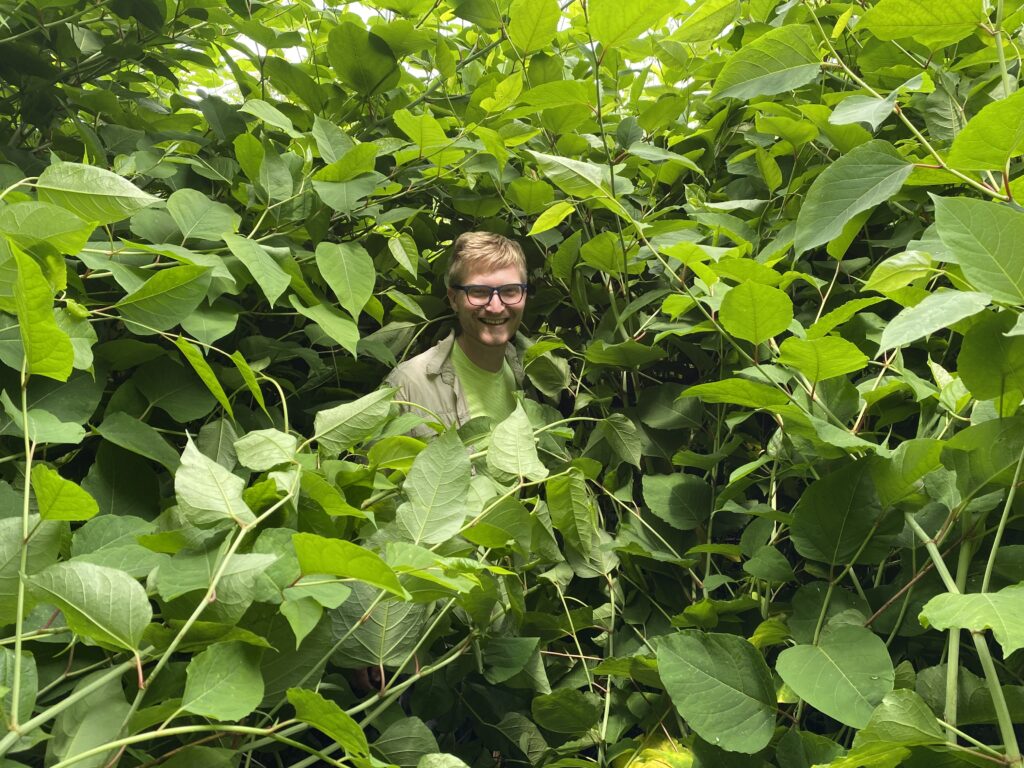
Associate Curator of Botany Mason Heberling with knotweed, an invasive plant.

CMNH cares for a collection of more than 550,000 plants specimens, the largest collection of Western Pennsylvanian plants in the world. The museum will leverage this collection and the scientific expertise of its own researchers and partner organizations to create and distribute a robust toolkit of resources designed to generate public awareness of invasive plants’ impact on local ecosystems and what people can do to slow their spread and prevent future introductions. Resources are anticipated to include museum exhibition content, digital assets, videos, maps, infographics, printed materials, and shared messaging that can be customized to the unique needs of each participating organization’s audience. The campaign will be distributed across a variety of outlets, including social media, printed handouts, and interpretive displays. 

“We’re grateful to the Richard King Mellon Foundation for this opportunity to convene the expertise of amazing colleagues in sister institutions to develop best practices for communicating about invasive species,” said Mason Heberling, CMNH’s Associate Curator of Botany. “We hope to cultivate an already growing audience and to empower the people of Western Pennsylvania to make a difference in the prevention and management of invasive species.”

The earliest record of knotweed (Reynoutria x bohemica) in the Pittsburgh region. The species now lines Pittsburgh’s three rivers, waterways, and roadsides. Collected in 1920.

The campaign will launch later in 2023 and continue through December of 2024, but the outcomes will continue well beyond that timeline. CMNH content will include a new interactive exhibit in the museum’s Hall of Botany and an exhibit at Powdermill Nature Reserve, the museum’s environmental research center located in the Laurel Highlands. CMNH will also create a free online repository for educational materials and curate a social media campaign linking the institutional partners to generate awareness and community participation across their respective networks of followers. “From weeds in your garden to invasive species in natural areas, the topic of introduced plants is not only a scientifically complex problem, but also a societally complex one,” added Heberling. “Many invasive plants were intentionally planted at first—and some continue to be planted—with environmental consequences often realized only decades later. Species invasions are one of the top drivers of biodiversity change, here in Pennsylvania and around the world.” 

About the Richard King Mellon Foundation
Founded in 1947, the Richard King Mellon Foundation is the largest foundation in Southwestern Pennsylvania, and one of the 50 largest in the world. The Foundation’s 2021 year-end net assets were $3.4 billion, and its Trustees in 2022 disbursed more than $152 million in grants and program-related investments. The Foundation focuses its funding on six primary program areas, delineated in its 2021-2030 Strategic Plan.
Filed Under: Press Release Tagged With: Botany, climate change, Mason Heberling, Science News

May 30, 2023 by Erin Southerland

Collected On This Day: White Trillium from May 28, 1993

by Mason Heberling
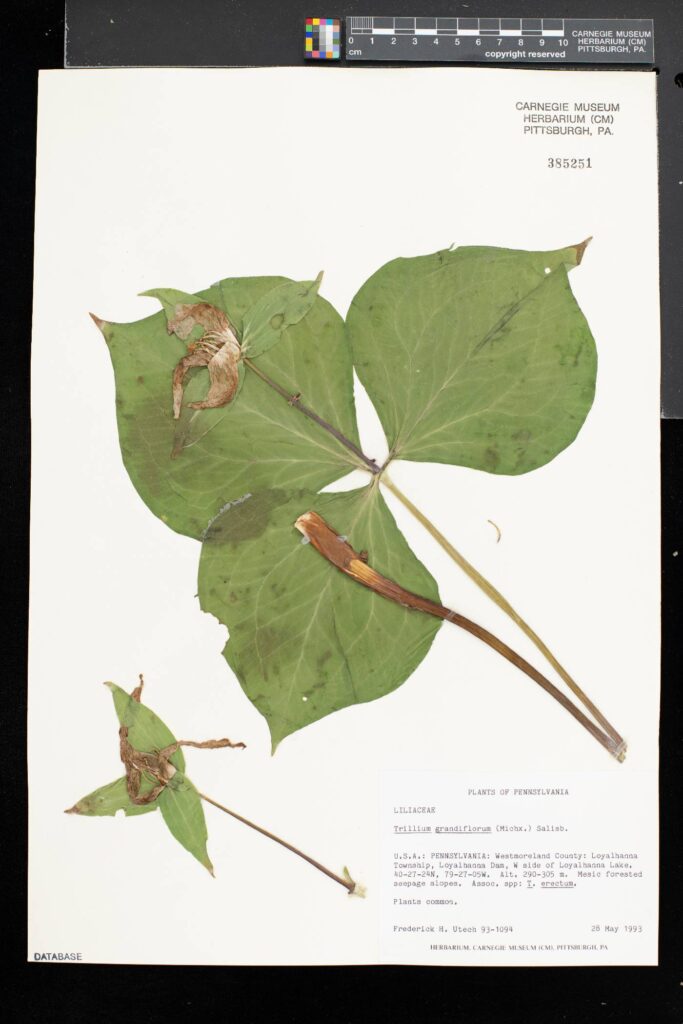
herbarium specimen of white trillium

Spring flowers fade, but some leaves hang on

This specimen of white trillium (Trillium grandiflorum) was collected by Fred Utech in Loyalhanna Township, Pennsylvania on May 28, 1993.  Fred Utech was Curator of Botany at Carnegie Museum of Natural History from 1976-1999. You can find this specimen here and search for many more trillium at midatlanticherbaria.org.

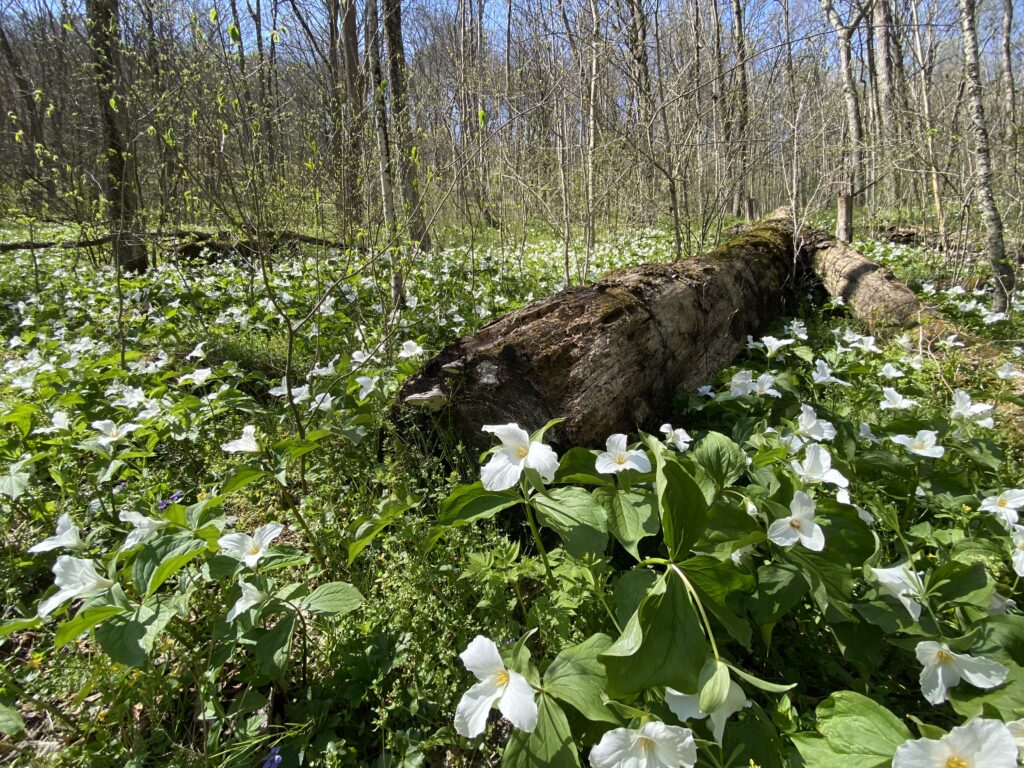
Trillium grandiflorum (white large-flowered trillium) is perhaps the most common trillium species in western Pennsylvania, along with Trillium erectum (red trillium, though petals can be white, red/purple, or occasionally yellow; the ovary is deep red, unlike white trillium).  Peak blooms of this species can be breathtaking when covering hillsides. Deer also enjoy trillium, and herbarium specimens have been used to understand their impact.

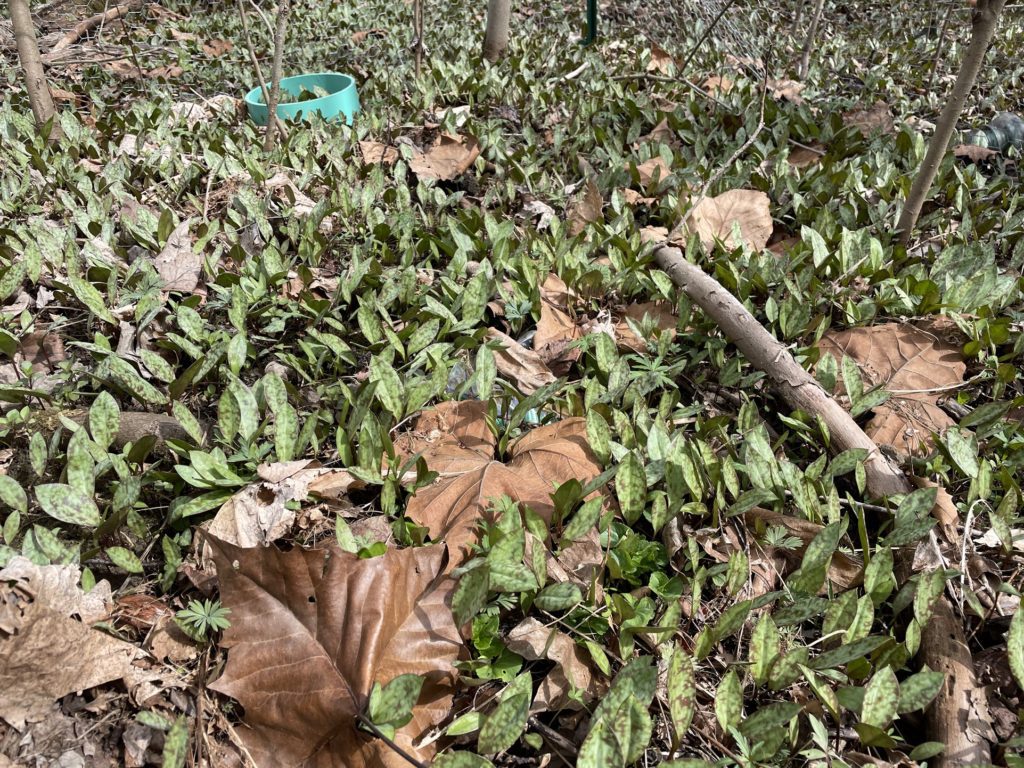
numerous white trillium flowers growing in a forest

As the heat of summer is upon us, these spring blooming species begin to fade. Or at least their flowers do.  Some trillium keep their leaves into the deep shade of summer. Though light levels are low due to the shade of overstory trees, early summer is an important time for many spring blooming species to develop their fruits.  A local study from our group found more than 20% of photosynthetic energy gains in Trillium grandiflorum after overstory trees produced leaves.

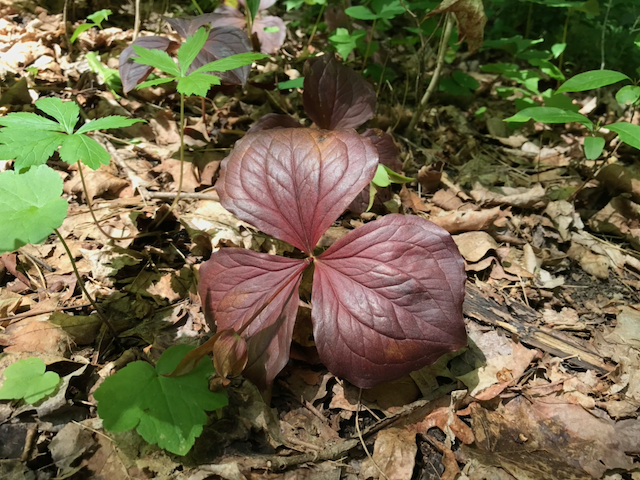
White trillium leaves do die back in mid-summer, however.  We often think of leaf coloration in the fall, but some trillium curiously have leaves that turn a deep red as they fade in mid-summer.  We are currently working up an undergraduate students-led project on this intriguing natural history phenomenon. Only about 10% of plants turn red (but highly variable), and first results suggest there doesn’t seem to be a method to the madness that explains why. More soon!  For now, enjoy the “fall” foliage of summer below.

red leaved white trillium growing in the woods

Mason Heberling is Assistant Curator of Botany at Carnegie Museum of Natural History.

Related Content

Collected On This Day in 1925: A Flower with No Leaves?

Collected On This Day in 1982: One Specimen Isn’t Always Enough!

Mayapple at Powdermill [Video]

Carnegie Museum of Natural History Blog Citation Information

Blog author: Heberling, Mason
Publication date: May 30, 2023

Share this post!

  • Share on Twitter Share on Twitter
  • Share on Facebook Share on Facebook
  • Share on Pinterest Share on Pinterest
  • Share on LinkedIn Share on LinkedIn
  • Share on Reddit Share on Reddit
  • Share via Email Share via Email

Filed Under: Blog Tagged With: Botany, collected on this day, Hall of Botany, liocf, Mason Heberling, Science News

November 22, 2022 by Erin Southerland

A Bit of Presque Isle, Erie, PA in the Hall of Botany

by Patrick McShea
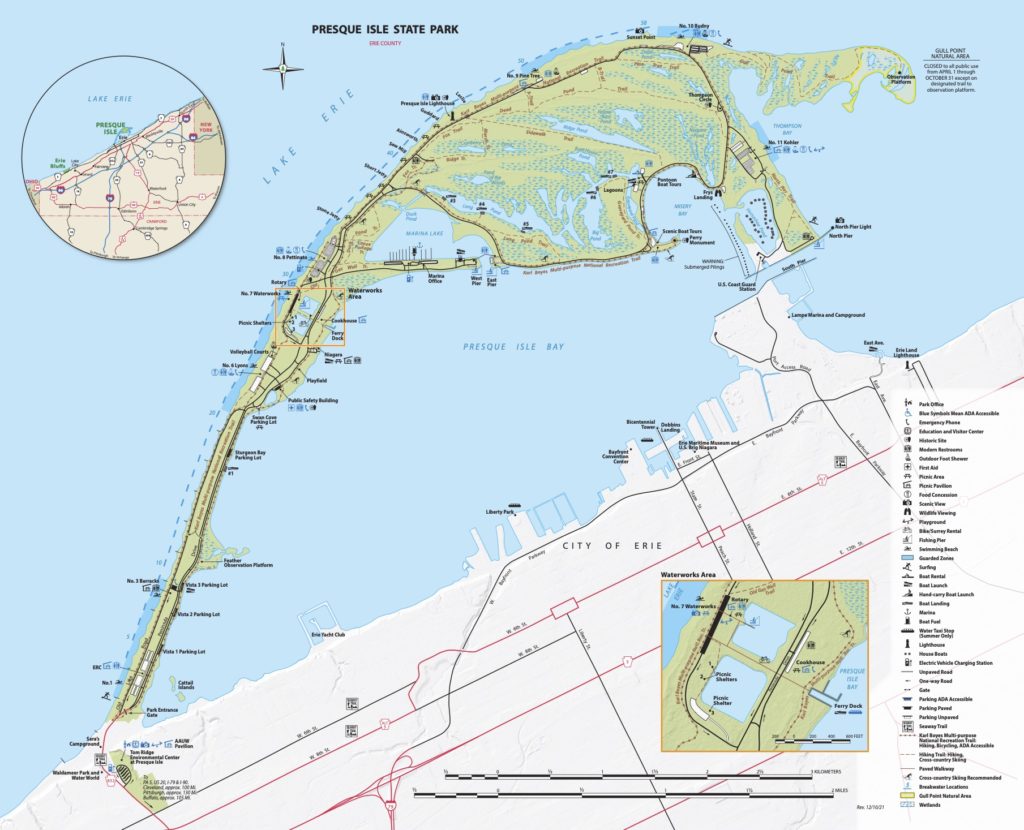
Credit: Pennsylvania State Parks

Presque Isle State Park is the most visited component of Pennsylvania’s 121 park system. In recent years, the beaches, trails, and ponds of this six-mile-long, 3,200-acre Lake Erie sand spit have drawn more than four million annual visitors. Repeat visits by local residents account for a significant portion of the seven-figure tally. The peninsula’s eastward curl into the lake creates the bay which fronts the city of Erie, and the park, which celebrated its 100th anniversary in 2021, frames northward views in many city neighborhoods.

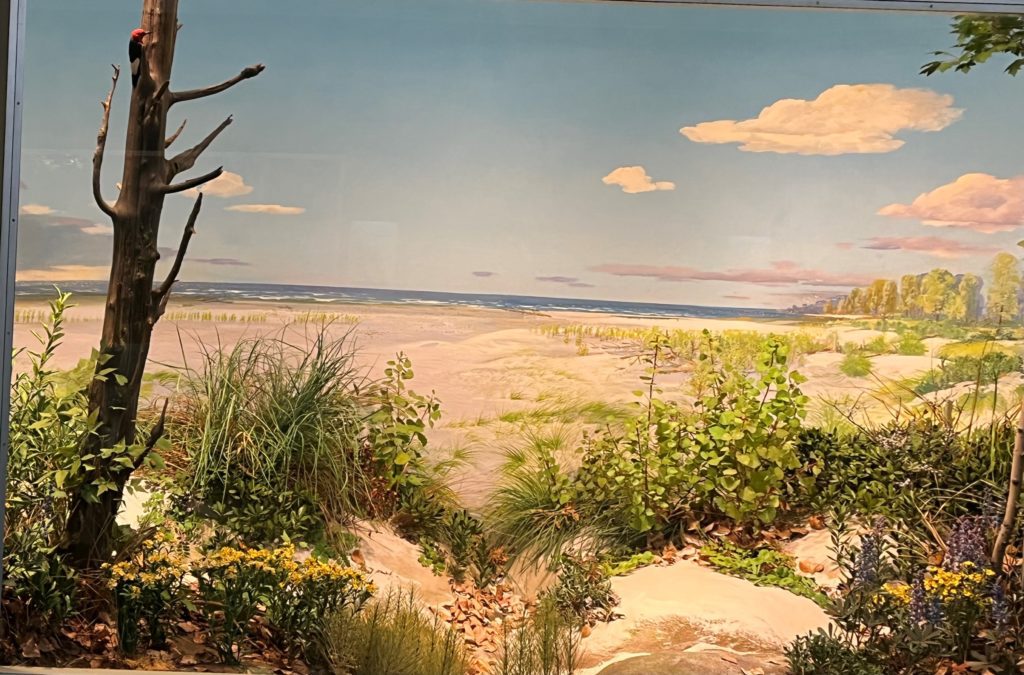
Some 120 miles south of the park, at Carnegie Museum of Natural History, visitors encounter a life-sized and un-peopled section of this unique landscape when they enter the Hall of Botany. This spacious plant-centered hall honors the vision of the museum’s first and longest-serving Curator of Botany, Otto Jennings, with eight dioramas created between the 1920s and 1970s that depict biomes with visually distinctive characteristics. The Presque Isle diorama, which opened in 1966, earns a spot among detailed three-dimensional depictions of the Sonoran Desert, Florida Everglades, and high-altitude slopes of Mount Rainier, by virtue of its representation of land continually shaped by the actions of wind, waves, and plant succession.  

As a label adjacent to the summer scene explains, Presque Isle is a place where a full cycle of plant community development can be observed in a compact space. At many park locations, a cross-peninsula transect of a few hundred yards might include the bare sand of new beach deposits, dunes stabilized by pioneering plants, marshes framed by sand ridges supporting shrubs and young trees, and patches of mature forest.

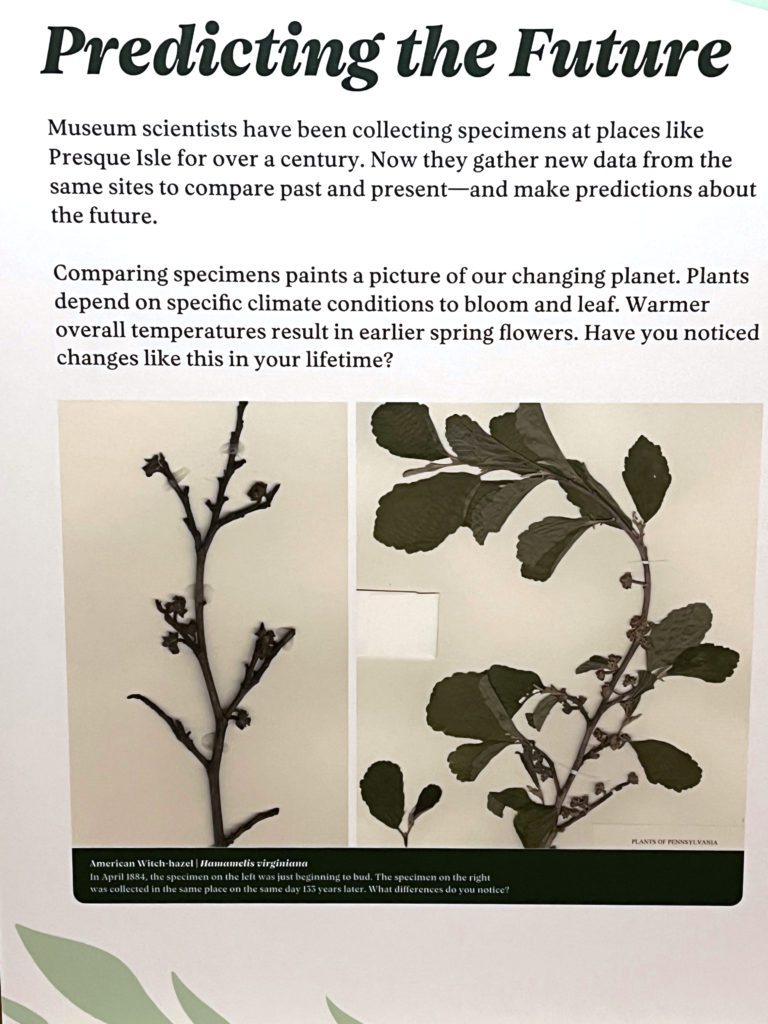
One of the diorama’s interpretive panels invites viewers to notice a half dozen featured plants and animals, while another uses two preserved specimens of witch hazel branches, collected on Presque Isle on the same date, but 133 years apart, to document dramatic changes in this common tree’s spring leaf-out date. The museum’s herbarium holds more than 3,300 Presque Isle plant specimens from ongoing collection efforts that date to 1868. These preserved plants, along with the standardized information recorded with each one, document such changes as the relatively recent abundance of non-native flora, and the decline of some rare plant populations in the wake of engineered beach stabilization efforts. 

Like all the museum’s dioramas, this window into the frozen time of a specific place lends itself to multiple interpretations by museum educators. In addition to narratives about plant succession, or the irrefutable evidence botanical records provide of a changing climate, the diorama’s recreated beach scene is a good place for students to listen to an explanation of the geology term “longshore drift,” or to consider how freshwater, even in a watershed as vast as the Great Lakes Basin, is a limited natural resource.

For some viewers, the diorama will serve as a visual prompt to visit or revisit the park and leave their own footprints on Presque Isle sands. Anyone considering a visit will find the experience enriched by making a preliminary electronic stop at the park website maintained by the Pennsylvania Department of Conservation and Natural Resources, as well a physical stop, just outside the park entrance, at interpretive exhibits in the 16-year-old Tom Ridge Environmental Center (TREC).

 On the website, among activity descriptions, park maps, recent news releases, and relevant advisories, a tab labelled “History” (under the category “Additional Information”) leads not only to a summary of the peninsula’s role in sheltering a fleet of American ships during the War of 1812 and a link to geology-focused park guide, but also to a brief account that, when repeated, serves to acknowledge how this unusual landscape was long ago utilized and cherished by Native Peoples. 

The Erie Indians lived along the southern shores of Lake Erie and were early inhabitants of the area. They hunted game from the forests, gathered plants, and fished from the waters of Lake Erie in birch-bark canoes.

According to legend, the Erie ventured far into the lake to find the place where the sun sank into the waters.

The spirits of the lake caused a great storm to arise, so the Great Spirit stretched out his left arm into the lake to protect the Erie from the storm. Where the sheltering arm of the Great Spirit had lain in the lake, a great sandbar in the shape of an arm-like peninsula was formed to act as an eternal shelter and harbor of refuge for the Great Spirit’s favorite children, the Erie.

https://www.dcnr.pa.gov/StateParks/FindAPark/PresqueIsleStatePark/Pages/History.aspx

Repeating the account in the Hall of Botany can add a new dimension to a 56-year-old diorama.

Patrick McShea works in the Education and Marketing departments at Carnegie Museum of Natural History.

Related Content

Collected On This Day in 1930: Native or Not?

Feather and Bone Connections to American History

Witch Hazel

Carnegie Museum of Natural History Blog Citation Information

Blog author: McShea, Patrick
Publication date: November 22, 2022

Share this post!

  • Share on Twitter Share on Twitter
  • Share on Facebook Share on Facebook
  • Share on Pinterest Share on Pinterest
  • Share on LinkedIn Share on LinkedIn
  • Share on Reddit Share on Reddit
  • Share via Email Share via Email

Filed Under: Blog Tagged With: Botany, Hall of Botany, Pat McShea, Science News

November 1, 2022 by Erin Southerland

The Vine That Ate Pittsburgh? Not yet.

by Mason Heberling
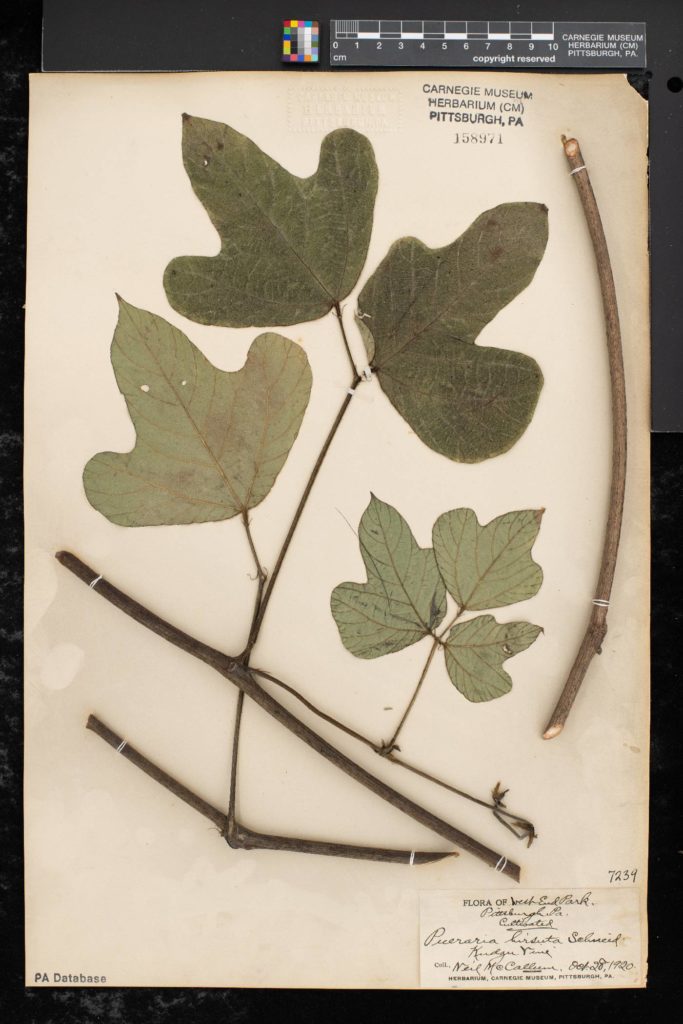
herbarium sheet specimen of kudzu

This specimen of Kudzu (Pueraria montana var. lobata) was collected on October 28, 1920 by Neil McCallum at West End Park, Pittsburgh. The plant was collected in cultivation, meaning it was intentionally planted and grown in a garden or similar managed landscape. This specimen is one of the earliest records of the species in Pittsburgh. (It was also collected two years before).

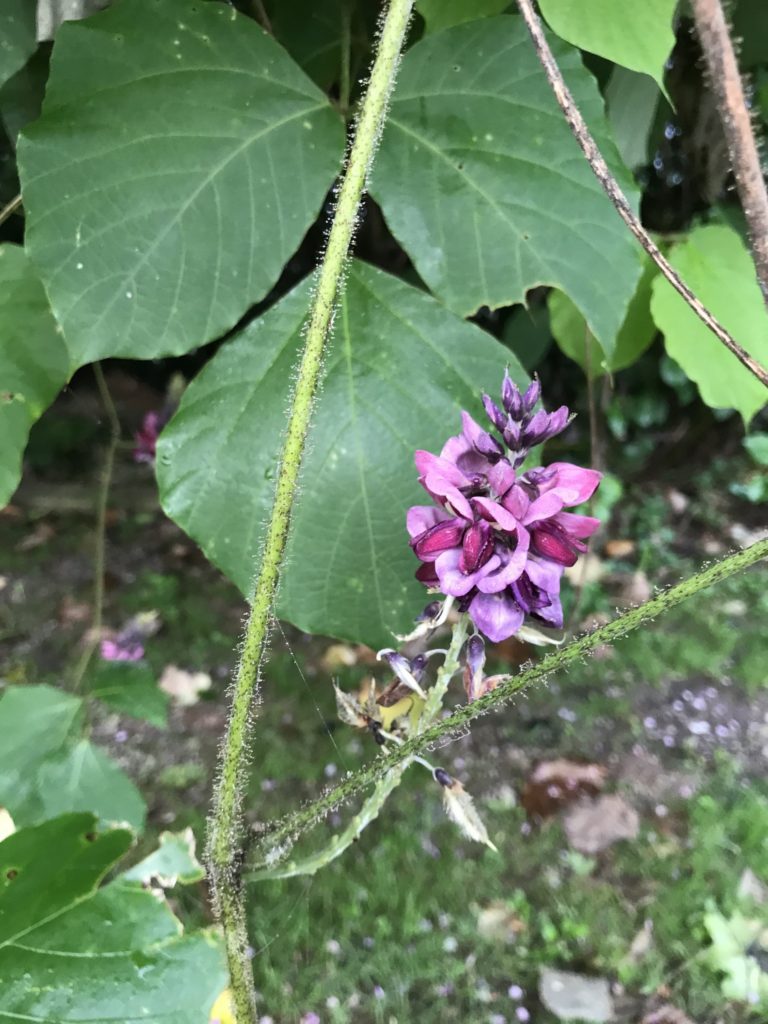
kudzu flower

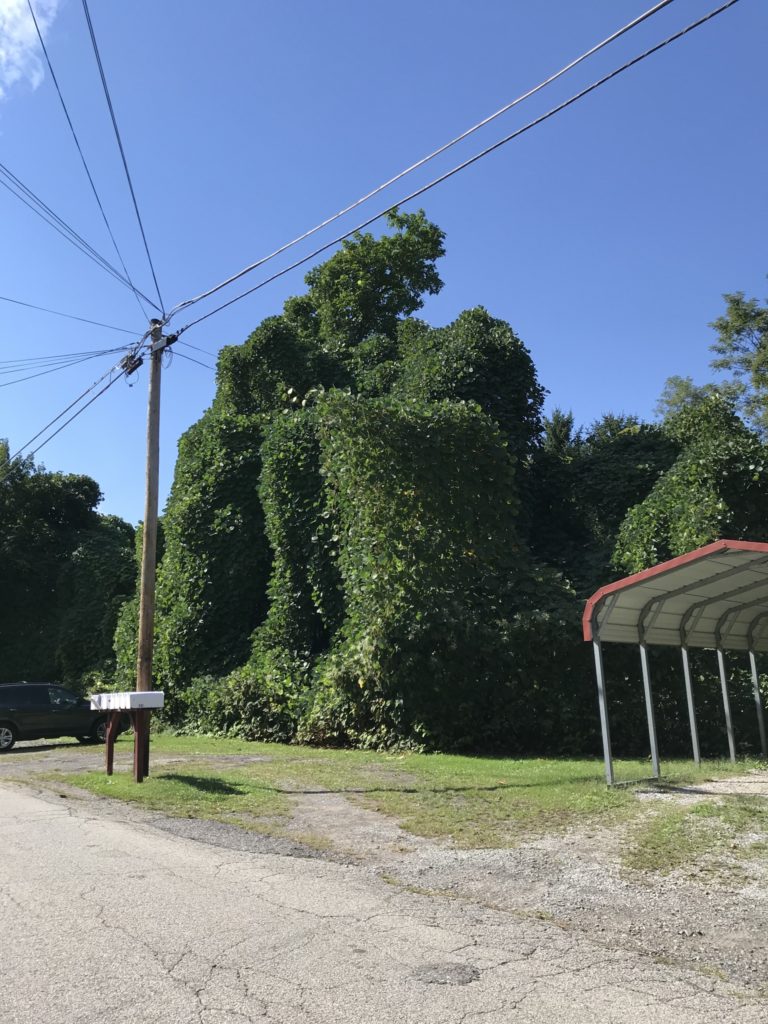
Kudzu is a vine in the bean family, Fabaceae, with beautiful purple flowers. Native to East Asia, it was introduced as an ornamental plant to the United States from Japan in 1876 at the Philadelphia Centennial Exposition. It was promoted in the 1930-40s in the southern US to prevent soil erosion. However, it is now an invasive species, with big ecological impacts. It is widely known as “the vine that ate the South.”  A quick Google search will show you striking pictures of the vine covering large areas of land, covering trees, shrubs, logs, and anything else in the path of its explosive growth. Kudzu shades out existing vegetation and can drastically alter the ecosystem.

kudzu under telephone wires


It is not common in Pennsylvania, but perhaps might become so.  Kudzu is listed by the state as a “Class A Noxious Weed” – meaning it is assessed as a high invasive risk and ecological/economical concern, but is uncommon and possible to be eradicated.  It cannot be sold or planted commercially in Pennsylvania.

It is currently most invasive in the South, but a study published in 2009 by Dr. Bethany Bradley and others suggests that the species may become more invasive in the north (including Pennsylvania) as climate change continues.


You can find this specimen online here, and search our collection at midatlanticherbaria.org.

Mason Heberling is Assistant Curator of Botany at Carnegie Museum of Natural History. 

Related Content

Collected on this Day in 1951: Bittersweet

Collected on this Day in 1930: Native…or Not?

Collected on this Day in 1995: Ragweed

Carnegie Museum of Natural History Blog Citation Information

Blog author: Heberling, Mason
Publication date: October 28, 2022

Share this post!

  • Share on Twitter Share on Twitter
  • Share on Facebook Share on Facebook
  • Share on Pinterest Share on Pinterest
  • Share on LinkedIn Share on LinkedIn
  • Share on Reddit Share on Reddit
  • Share via Email Share via Email

Filed Under: Blog Tagged With: Botany, collected on this day, liocf, Mason Heberling, Uprooted, We Are Nature 2

October 20, 2022 by Erin Southerland

An Intern’s Experience Studying the Ecosystem at Powdermill

by Rachel Lloyd

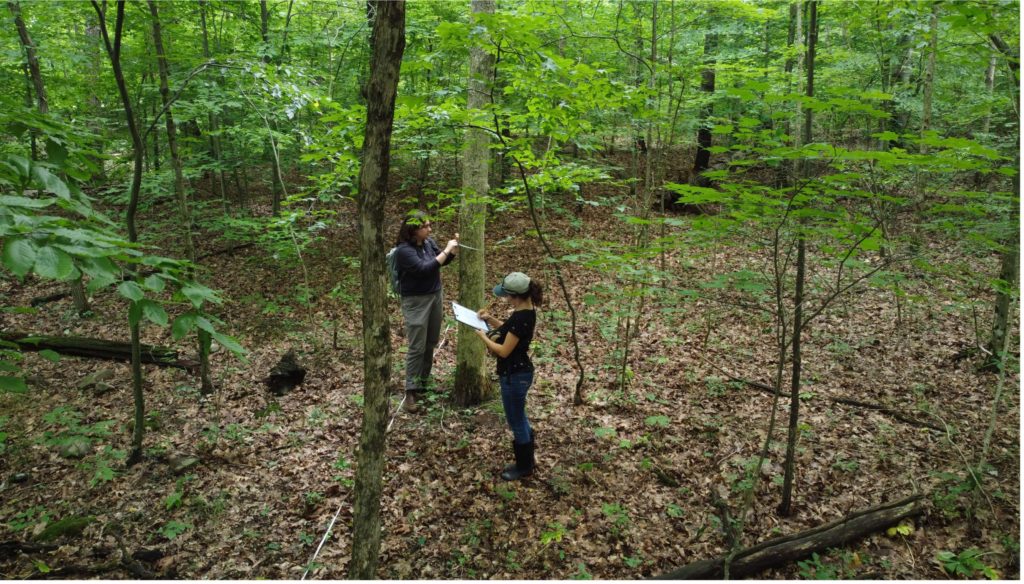
This summer I was an intern at Powdermill Nature Reserve, Carnegie Museum of Natural History’s environmental field research station. During my time at Powdermill, I participated in a variety of projects: sampling streams for macroinvertebrates, surveying trees, installing and checking insect pitfall traps, monitoring wildlife cameras, and more. 

Surveying trees in the mined area. One person measures diameter at breast height (DBH) while another person records.

Most of the projects were designed to gain greater understanding of the forest ecosystem at Powdermill, specifically the area of the reserve that is home to abandoned surface coal mines. Mines that were active before the passage of the Surface Mining Control and Reclamation Act in 1977 were often completely unregulated and extremely harmful to the environment because of associated habitat destruction, and air, noise, and water pollution. The long-lasting damage to ecosystems by abandoned surface coal mines includes polluted waterways and unstable land surface gradients in the form of cliff-like highwalls created to expose coal seams.

A remediation project has been proposed at Powdermill to help restore the impacted land to what it was like before mining. Filling in the high walls to restore original surface contours, and remediating acid mine drainage in streams are two major components of any surface mine remediation project. 

Before any restoration work begins, it is important to have a baseline understanding of the ecosystem, so that there are parameters to measure change against after the completion of the project. Tree surveying, macroinvertebrate sampling, and wildlife camera monitoring all contributed to the establishment of baseline data. 

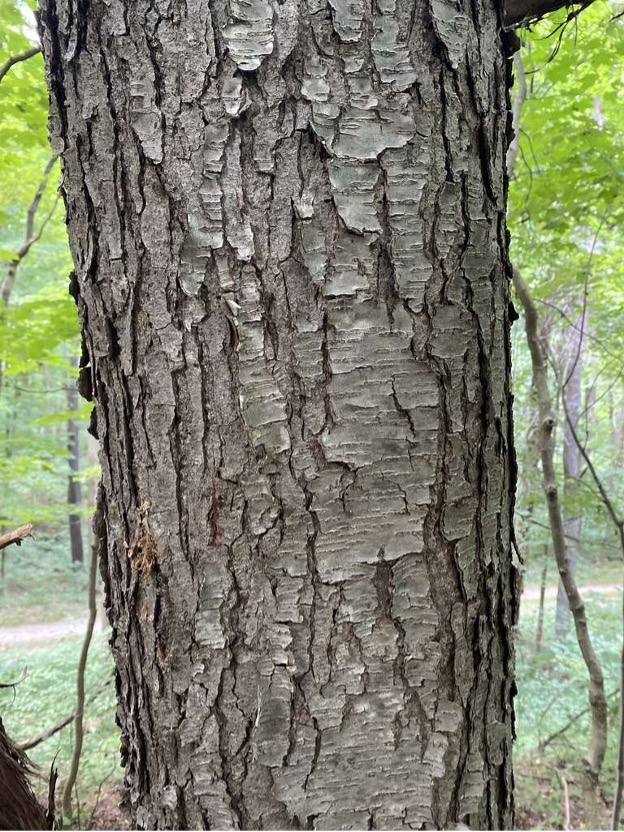
Black cherry (Prunus serotina) bark.

Forestry surveying served to document both the density and diversity of the plant species living in the study area, from overstory trees to understory shrubs. The most dominant species of overstory trees in the surveyed tract were sugar maples (Acer saccharum). In 2008, during a previous vegetation survey of the same tract, black cherry (Prunus serotina) was found to be the most abundant species. This notable change over time was expected. Black cherry trees are a pioneer species and are among the first trees to grow in a barren environment. Black cherry trees are also relatively quick to die off, and thereby create room and resources for other species. The change in the most abundant species from black cherries to sugar maples shows that the forest of the study area is changing and aging from an early to late successional forest.

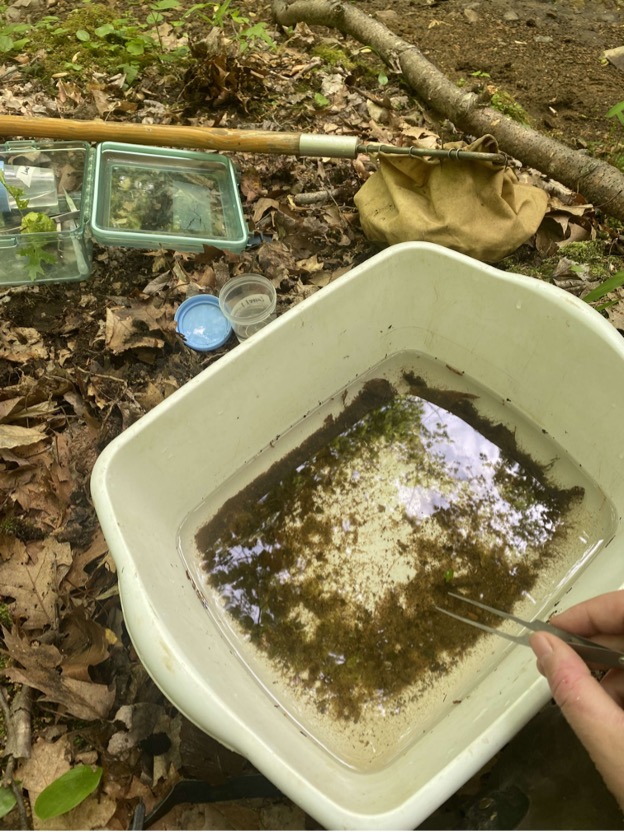
Collecting aquatic macroinvertebrates from a netted sample taken from a stream flowing through the mined area.

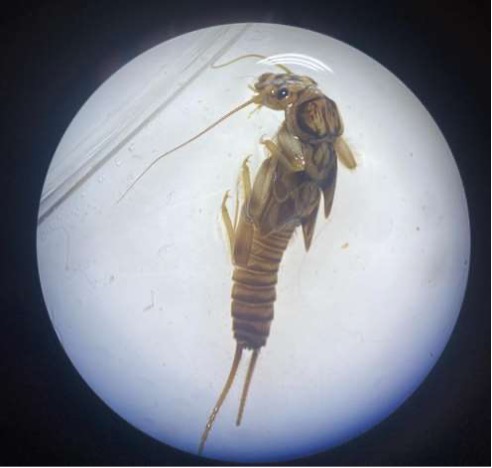
Sampling aquatic macroinvertebrates living in streams can be a great indication of the health and quality of the stream, and that of the watershed drained by the stream. In establishing baseline measurements, stream samples were taken at various locations at Powdermill near the mining sites. After collection, the samples were sorted and identified, and a water quality score was assigned to each location. Stonefly nymphs (Plecoptera) were the most dominant organisms across the whole survey. Other organisms collected included caddisfly larvae (Trichoptera), cranefly larvae (Tipulidae), fishfly larvae (Corydalidae: Chauliodinae), blackfly larvae (Simuliidae), crayfish (Decapoda), and midge larvae (Chironomidae). One important observation was the absence of mayfly nymphs (Ephemeroptera) from most of the samples. Mayflies, along with stoneflies and caddisflies, are typically found in healthy streams in Pennsylvania. The absence of any of them strongly suggests harmful anthropogenic impact, in this case acid mine run-off.

A stonefly nymph.

Camera traps were also put in place to monitor the larger wildlife activity in the area. Black bears, white-tailed deer, coyotes, and bobcats are some of the larger mammals known to use the land at Powdermill. The cameras will be kept up until the restoration project begins. After restoration, the wildlife images these cameras collect will monitor how the animals respond to the changed landscape. 

Together, the forestry surveys, stream sampling, and wildlife cameras all contribute to a comprehensive understanding of how these areas of the reserve are currently functioning as an ecosystem. The standardized procedures of each procedure will allow us to assess how the reserve changes after future restoration efforts.

For more detailed information on this project, you can check out this story map that I created as part of my internship.

Rachel Lloyd is a senior at Chatham University majoring in Environmental Science, and completed a research internship at Powdermill Nature Reserve during the summer of 2022.

Related Content

What is a Pitfall Trap?

“Moldly” Exploring Fungal Functions

An Intern’s Point of View

Carnegie Museum of Natural History Blog Citation Information

Blog author: Lloyd, Rachel
Publication date: October 20, 2022

Share this post!

  • Share on Twitter Share on Twitter
  • Share on Facebook Share on Facebook
  • Share on Pinterest Share on Pinterest
  • Share on LinkedIn Share on LinkedIn
  • Share on Reddit Share on Reddit
  • Share via Email Share via Email

Filed Under: Blog Tagged With: Botany, Powdermill Nature Reserve, Rachel Lloyd, Science News

May 4, 2022 by Erin Southerland

Exploring the Role of Leaf Litter In Our Forests

by Abby Yancy

Leaf litter is the dead plant material that has fallen from trees, shrubs, and other plants. It hangs around on the ground surface until it decomposes, with some plant species producing leaf litter that takes longer to decompose than others. You may have read about stopping the practice of raking your leaves in the fall because of the important nutrients and habitat for beloved wildlife the fallen material provides in your own backyard. The same goes for our forests, an environment where scientists have studied this critical component for many decades. 

early wildflower growth under leaf litter and snow
Early growth of spring beauty (Claytonia virginica), mayapple (Podophyllum peltatum), and bloodroot (Sanguinaria canadensis) under a layer of pawpaw leaf litter on March 10, 2022. 

The leaf litter in forests acts as a protective layer for soil conditions. It creates a physical barrier between the soil surface and atmosphere that reduces soil drying, responds to atmospheric temperature fluctuations, and reduces erosion from precipitation events. Through decomposition, nutrients stored in the dead material re-enter the system and act as a natural fertilizer for plants throughout the year. The controls and nutrient cycling are especially important for forest wildflowers. 

Many forest wildflowers begin their aboveground life cycles in early spring before the trees have developed their leaves. During this time, light at the forest floor is highest, allowing wildflowers to gain high amounts of energy. However, before they emerge from below ground storage organs or germinate from seeds, the flowers are thought to rely on environmental cues to know when to begin this growth without the risk of frost damage. These environmental cues include soil temperature, which is regulated by the leaf litter layer. Despite many decades of research on the leaf litter component of forests, little is known about the influence of it on the timing of these lifecycle events (or phenology) for wildflowers. Past and ongoing research in the CMNH Section of Botany explores the changing phenology of many plants. One ongoing project is looking at the impact of early tree leaf out and the extended phenology of non-native shrubs on forest wildflower phenology and biological success. 

leaf litter research plots
March 10, 2022. An example of a leaf litter manipulation plot. From left to right: litter addition, litter removal, and control. 

The question of the leaf litter’s role in wildflower phenology arose after some simple, but fascinating, natural history observations early last spring—noted variations in phenology within our research site. We struggled to find some tagged individual plants, despite many of the same species being not only present in surrounding areas, but in full bloom. After moving the layer of leaf litter, we found the “missing” plants nearly a week behind in growth compared to their neighbors. These observations were more common than initially thought, and strongly related to the decomposition rate of each leaf litter species. Tree species that produced slower-decaying leaf litter delayed the phenology of plants more than those that produced faster decomposing litter. This underexplored relationship inspired one of the research projects I’m working on this year. 

My project is aimed at understanding how different amounts of leaf litter control the cues for wildflower phenology. Specifically, I want to know how leaf litter regulates the soil temperature and moisture within relatively small areas of our site and how the wildflowers respond. To test this, I have several leaf litter manipulation plots where I removed all leaf litter in some subplots and added it to another of the same size. To measure the changes related to leaf litter, I record soil temperature and moisture and wildflower phenology. 

I began collecting this data in early March and have already noticed many differences. Before many of the flowers have started their aboveground lifecycles, they were already present in plots without leaf litter, but still hiding under the leaves in both the litter addition and the control plots. On a few of our random freezing days, the top layer of soil and plants were frozen in litter removal plots, while the same layer of soil was moist and visibly warmer in the litter addition plots. Additionally, one wildflower, trout lily, frequently grew around stray Sycamore leaves, which happen to be one of the slower decomposing species. 

March 28, 2022. Leaf litter removal. Top layer of soil is frozen, leaving early growth on wildflowers at risk of frost damage.
March 28, 2022 (same day and time as above picture). Leaf litter addition. After moving some leaf litter, the soil is not frozen, and wildflowers have extra protection from the freezing temperatures. 
April 1, 2022. Control plot. Trout lily growing around stray Sycamore leaves. 

The findings from this project will not only allow us to gain a better understanding of relationships among species but will also provide a basis for understanding variations in phenology within a site. 

Stay tuned for final results from this project!  

Abby Yancy is a researcher in the Section of Botany. Museum employees blog about their unique experiences and knowledge gained from working at the museum.

Related Content

Beech Drops

Collected On This Day in 1982: One Specimen Isn’t Always Enough!

What Do Botanists Do On Saturday?

Carnegie Museum of Natural History Blog Citation Information

Blog author: Yancy, Abby
Publication date: May 4, 2022

Share this post!

  • Share on Twitter Share on Twitter
  • Share on Facebook Share on Facebook
  • Share on Pinterest Share on Pinterest
  • Share on LinkedIn Share on LinkedIn
  • Share on Reddit Share on Reddit
  • Share via Email Share via Email

Filed Under: Blog Tagged With: Abby Yancy, Botany, botany hall, Carnegie Museum of Natural History, Science News

  • « Go to Previous Page
  • Page 1
  • Page 2
  • Page 3
  • Page 4
  • Interim pages omitted …
  • Page 28
  • Go to Next Page »

sidebar

About

  • Mission & Commitments
  • Directors Team
  • Museum History

Get Involved

  • Volunteer
  • Membership
  • Carnegie Discoverers
  • Donate
  • Employment
  • Events

Bring a Group

  • Groups of 10 or More
  • Birthday Parties at the Museum
  • Field Trips

Powdermill

  • Powdermill Nature Reserve
  • Powdermill Field Trips
  • Powdermill Staff
  • Research at Powdermill

More Information

  • Image Permission Requests
  • Science Stories
  • Accessibility
  • Shopping Cart
  • Contact
  • Visitor Policies
One of the Four Carnegie Museums | © Carnegie Institute | Privacy Policy | Terms of Use | Accessibility
Rad works here logo