• Skip to primary navigation
  • Skip to main content
  • Skip to primary sidebar

Carnegie Museum of Natural History

One of the Four Carnegie Museums of Pittsburgh

  • Visit
    • Buy Tickets
    • Visitor Information
    • Exhibitions
    • Events
    • Dining at the Museum
    • Celebrate at the Museum
    • Powdermill Nature Reserve
    • Event Venue Rental
  • Learn
    • Field Trips
    • Educator Information
    • Programs at the Museum
    • Bring the Museum to You
    • Guided Programs FAQ
    • Programs Online
    • Climate and Rural Systems Partnership
  • Research
    • Scientific Sections
    • Science Stories
    • Science Videos
    • Senior Science & Research Staff
    • Museum Library
    • Science Seminars
    • Scientific Publications
    • Specimen and Artifact Identification
  • About
    • Mission & Commitments
    • Directors Team
    • Museum History
  • Tickets
  • Give
  • Shop

dinosaurs

January 30, 2020 by

Hillman Hall of Minerals and Gems

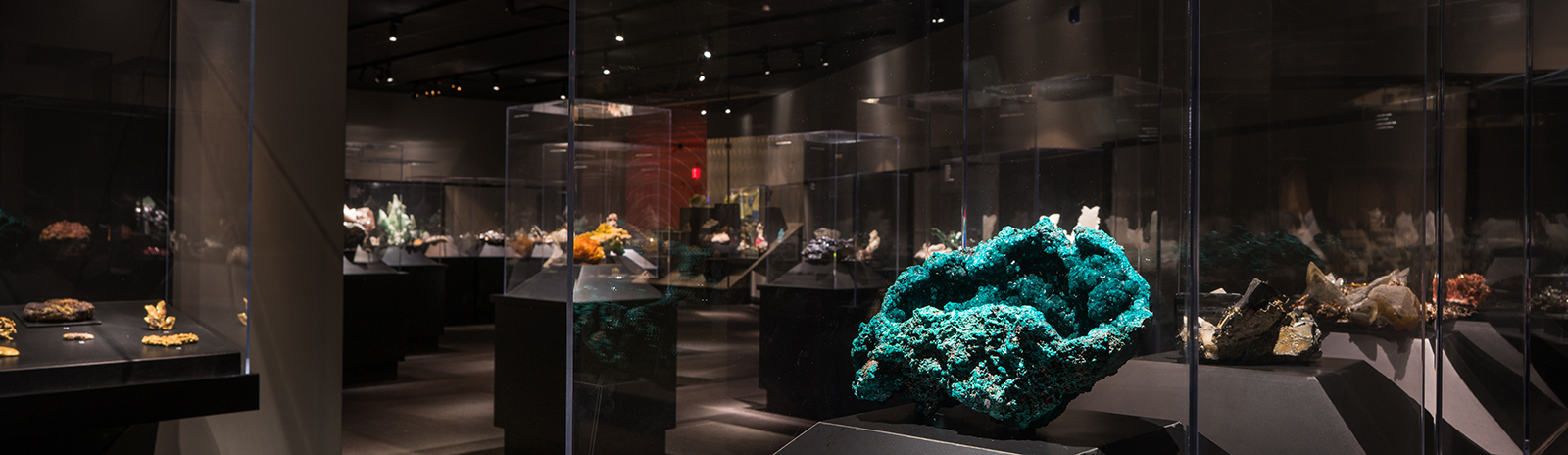
Hillman Hall of Minerals and Gems invites you to appreciate the wild variety and beauty of minerals and gems. This exhibition artfully displays more than 1,300 specimens from all over the world that come in a large range of striking colors, fascinating forms, and dramatic shapes. Hillman Hall has gained an international reputation as one of the finest and most important mineral exhibitions in the country.

Admire the bright green, mossy like texture of a pyromorphite specimen or find out what causes the delicately hued colors in massive pieces of quartz. Learn about minerals that make up everything from table salt to diamond rings, or check out some tools that mineralogists use like microscopes and Geiger counters. Watch how some minerals are transformed in ultraviolet light or get lost in the Masterpiece Gallery taking in each unique specimen.

Hillman Hall displays highlight systematics, mineral localities, pseudomorphism, and more with a special section dedicated to Pennsylvania minerals.
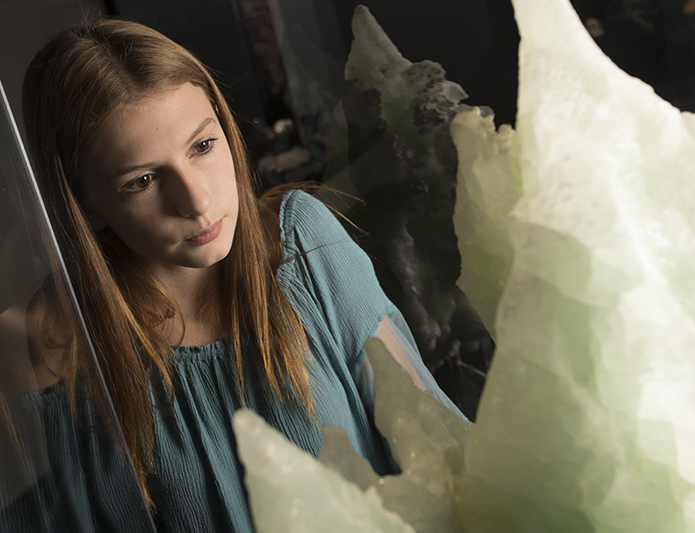
  • First Floor
young woman looking at minerals

Meet our Researchers

Travis Olds

Travis Olds, Ph.D.

Assistant Curator of Minerals (Mineralogy)

Wilson, Deb

Debra Wilson, B.A.

Collection Manager of Minerals (Mineralogy) and Earth Sciences

Learn about the Minerals (Mineralogy) and Earth Sciences Collection at the Museum

The Section of Minerals (Mineralogy) and Earth Sciences includes an outstanding suite of minerals from the former Soviet Union, a historically important suite of nearly 5,000 Pennsylvania minerals formerly owned by the Academy of Natural Sciences in Philadelphia, and more than 2,700 Pennsylvania minerals acquired from the Bryon Brookmyer collection.
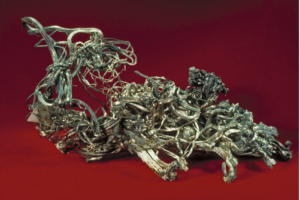
Learn about the Section of Minerals (Mineralogy) and Earth Sciences

  • Mineral Gazing

    Mineral Gazing

    by Debra Wilson Have you ever gazed up at the sky and noticed a cloud that looks like a face, or an …
  • Fungi make minerals and clean polluted water along the way!

    Fungi make minerals and clean polluted water along the way!

    Fungi are all around in the environment. For example, the mold that invades wet basements, the mushrooms that we cook with, and …
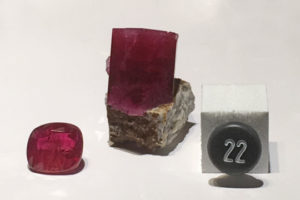
  • Roll Out the Beryl

    Roll Out the Beryl

    Beryl has many different varieties that you may be familiar with, the most recognized being: Emerald (green), Heliodor (yellow), Morganite (pink), and …
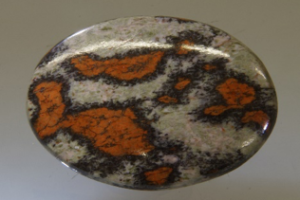
  • Everything Pennsylvania

    Everything Pennsylvania

    On May 10th a new temporary exhibit is scheduled to be installed in Wertz Gallery: Gems and Jewelry that will feature gemstones, cabochons, …
Filed Under: Uncategorized Tagged With: dinos, dinosaurs, dinosaurs in their time

January 30, 2020 by

Bone Hunters’ Quarry

  • First Floor

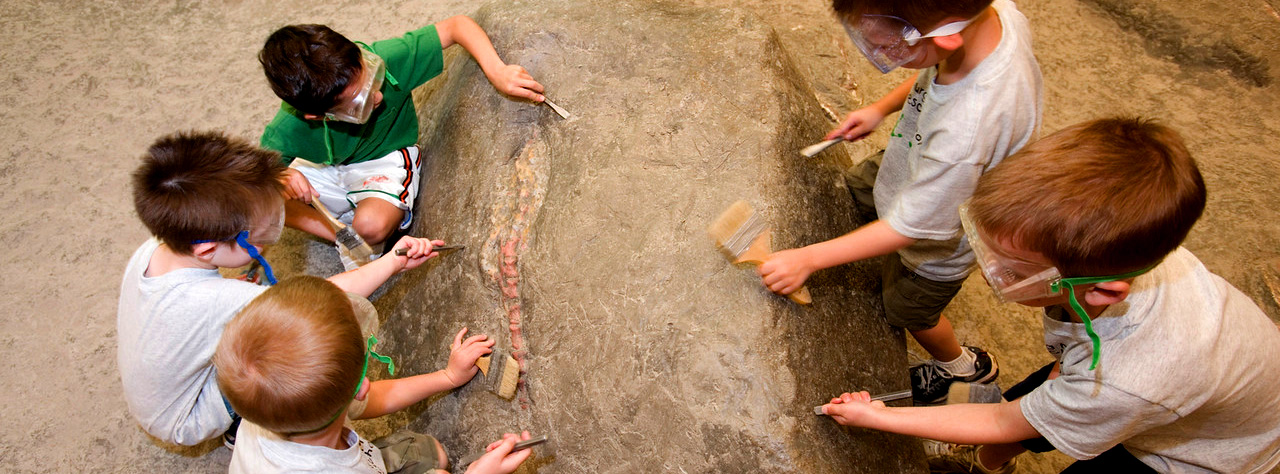
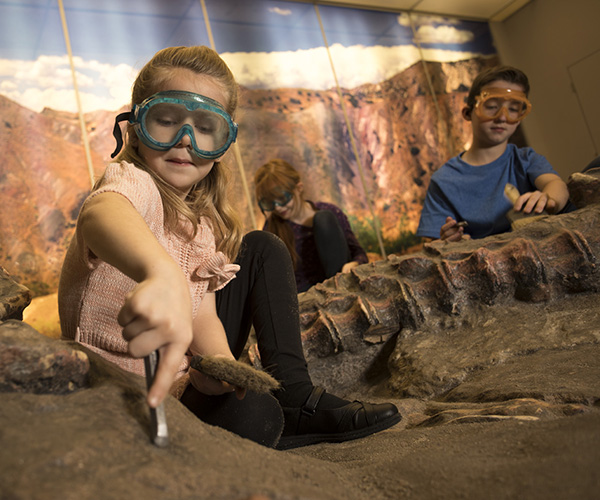
Dig for fossils in a recreation of Dinosaur National Monument in Utah.

We cannot guarantee that Bone Hunter’s Quarry will be open during your visit. Please call (412) 622-3131 on the day you plan to visit for the most up to date information. We apologize for any inconvenience as our staff work to improve this experience. 

HOURS (SUBJECT TO CHANGE)
– Saturdays 12 p.m. – 3 p.m.
– Sundays 12 p.m. – 3 p.m.

Children 10 and under must be accompanied by an adult. Protective goggles are recommended.

kids digging for bones

Filed Under: Uncategorized Tagged With: dinos, dinosaurs, dinosaurs in their time

January 30, 2020 by

Discovery Basecamp

  • First Floor

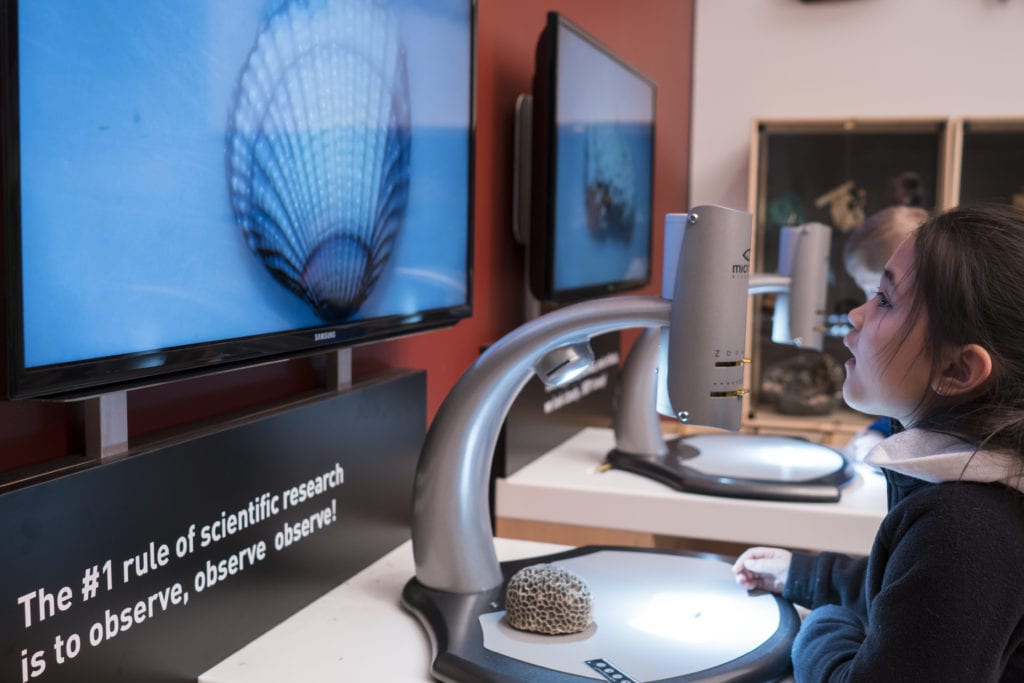
Explore the wonders of the natural world in Discovery Basecamp, a permanent, hands-on gallery. Look at the coarseness of an African lion’s mane, buzz and dance like bees to learn how honeybees “talk” to each other, and explore a collection of rare and exciting specimens you can only find at a natural history museum. Zoom in on specimens on the Alcohol House touchscreen to examine reptiles and amphibians preserved in fluid. Watch a behind-the-scenes video from the Section of Mollusks and look at a display of shells. Discovery Basecamp is a bustling and lively gallery where you’re encouraged to slow down, look closely, and explore everything.

Parents can join the process of discovery, or relax and watch play-based learning unfold. The gallery also features comfortable seating and a private breastfeeding station, decorated with wallpaper depicting mother animals breastfeeding their babies designed by Pittsburgh artist and illustrator Ashley Cecil.

New specimens, activities, and programming are always being added, so there’s something new to discover with every visit.

girl using microscope to look at a shell

Presented by

Reach Cyber Charter School: Reach your potential
  • Learning From Misinterpretations

    Learning From Misinterpretations

    by Patrick McShea Every job has its awkward moments, even work aiding museum visitors in their interpretation of exhibits. One memorable situation …
  • 2018 Breastfeeding Friendly Place Award

    2018 Breastfeeding Friendly Place Award

    We are proud to be a winner of the 2018 Breastfeeding Friendly Place Award! Cozy chairs and pillows in a private area …
  • The Honey Bee (Apis mellifera)

    The Honey Bee (Apis mellifera)

    The honey bee (Apis mellifera) has been domesticated by humans since ancient times. Drone bees have composite eyes that consist of about …
  • Check out our new selfie station featuring Dippy

    Check out our new selfie station featuring Dippy

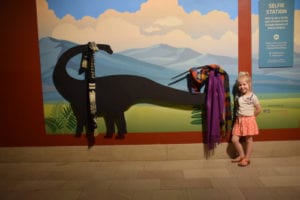
    Check out our new selfie station featuring Dippy and all of his scarves! The set-up is located in Discovery Basecamp at Carnegie …

Filed Under: Uncategorized Tagged With: dinos, dinosaurs, dinosaurs in their time

January 22, 2020 by

Daniel G. And Carole L. Kamin Hall of Dinosaurs

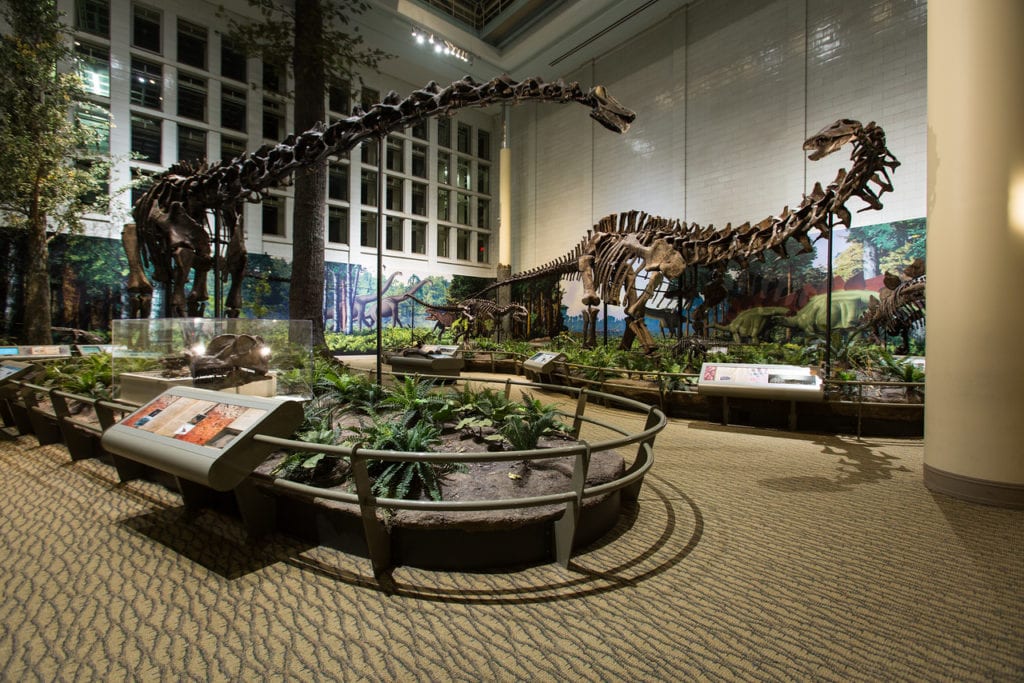
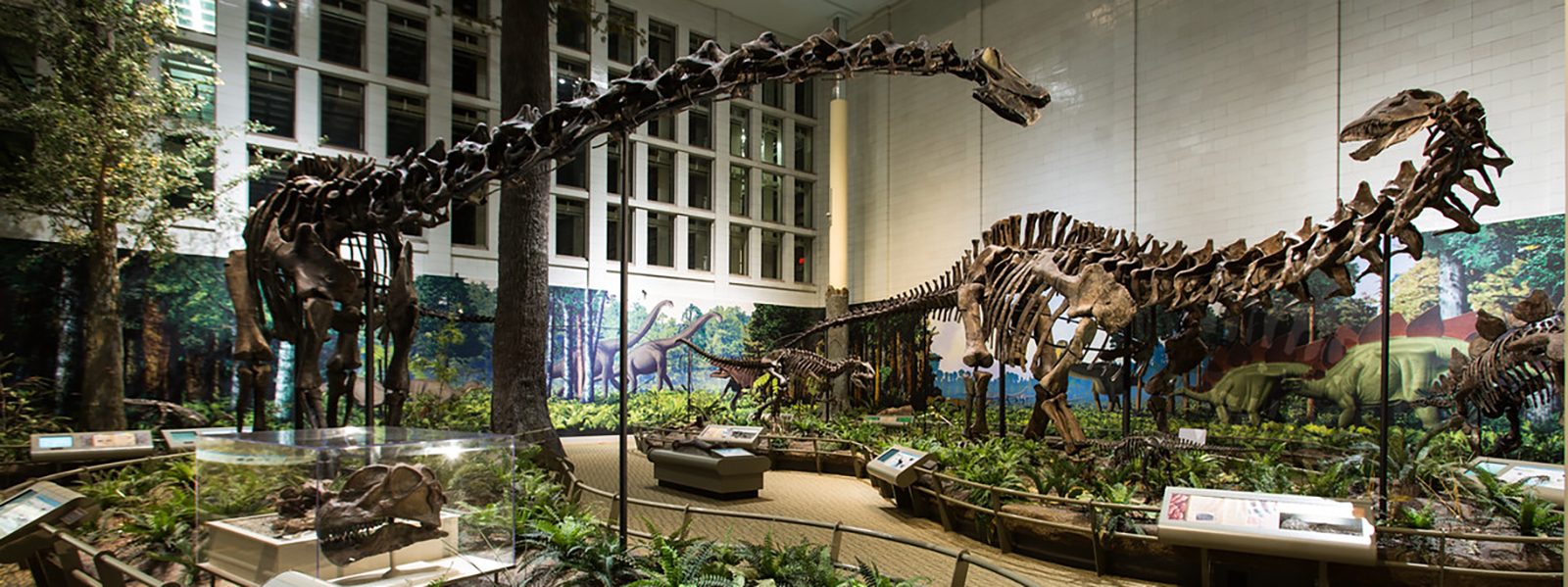
Plan an expedition to the Kamin Hall of Dinosaurs—Carnegie Museum of Natural History’s core exhibition featuring real dinosaur fossils.

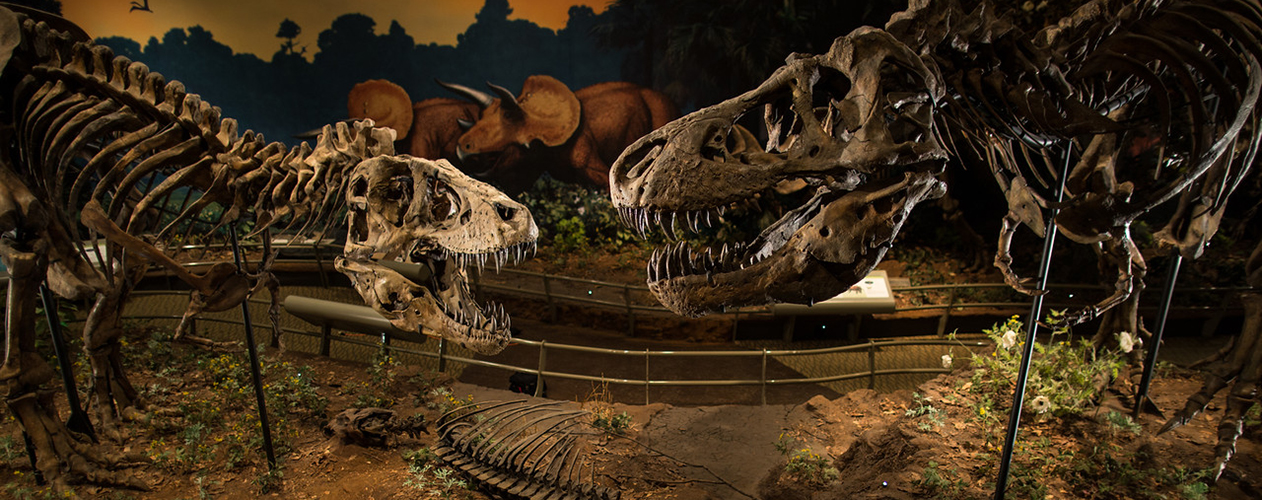
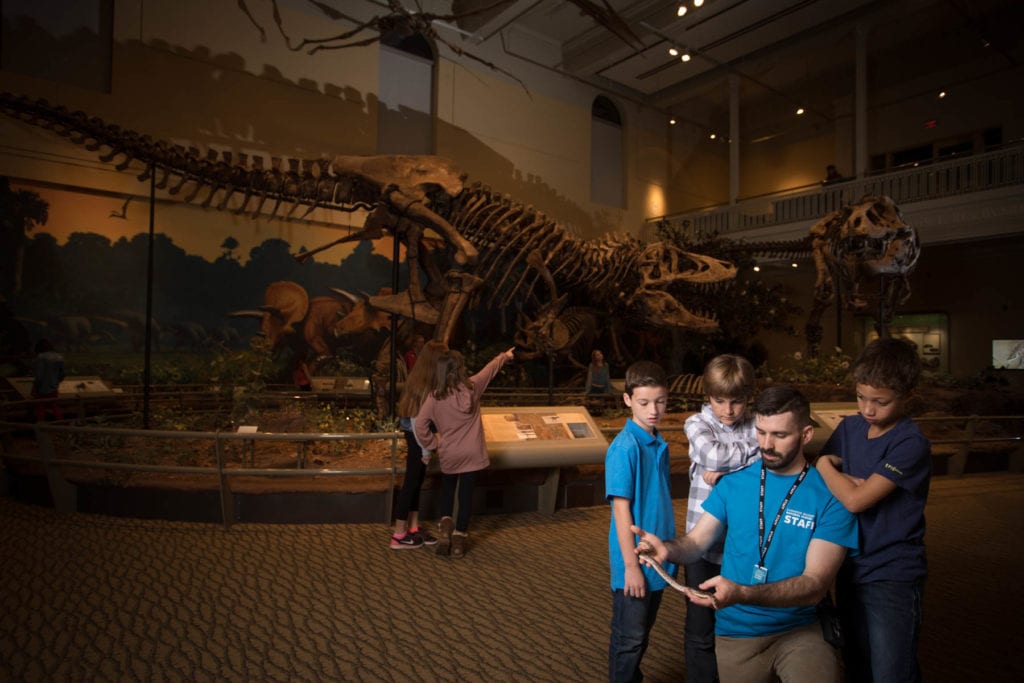
This exhibition is home to dozens of original fossils from throughout the Mesozoic Era displayed in scientifically accurate reconstructions of their ancient habitats.

Are the Dinosaur Fossils on Display Real?

About 75% of the more than 230 objects on display are original fossils from one of the finest paleontological collections in the world, and most of the exhibition’s dinosaur skeletons are real, not replicas. Several of these skeletons—including those of the iconic dinosaurs Apatosaurus louisae, Diplodocus carnegii, and Tyrannosaurus rex—are holotypes, the original specimens upon which their respective species are based.

In the many decades since the discovery of Diplodocus, scientific interpretations of dinosaurs and their lifestyles have changed dramatically. This exhibition uses up-to-date paleontological evidence—much of which has been provided by the museum’s own scientists—to accurately reconstruct the appearance and behavior of these colossal creatures.

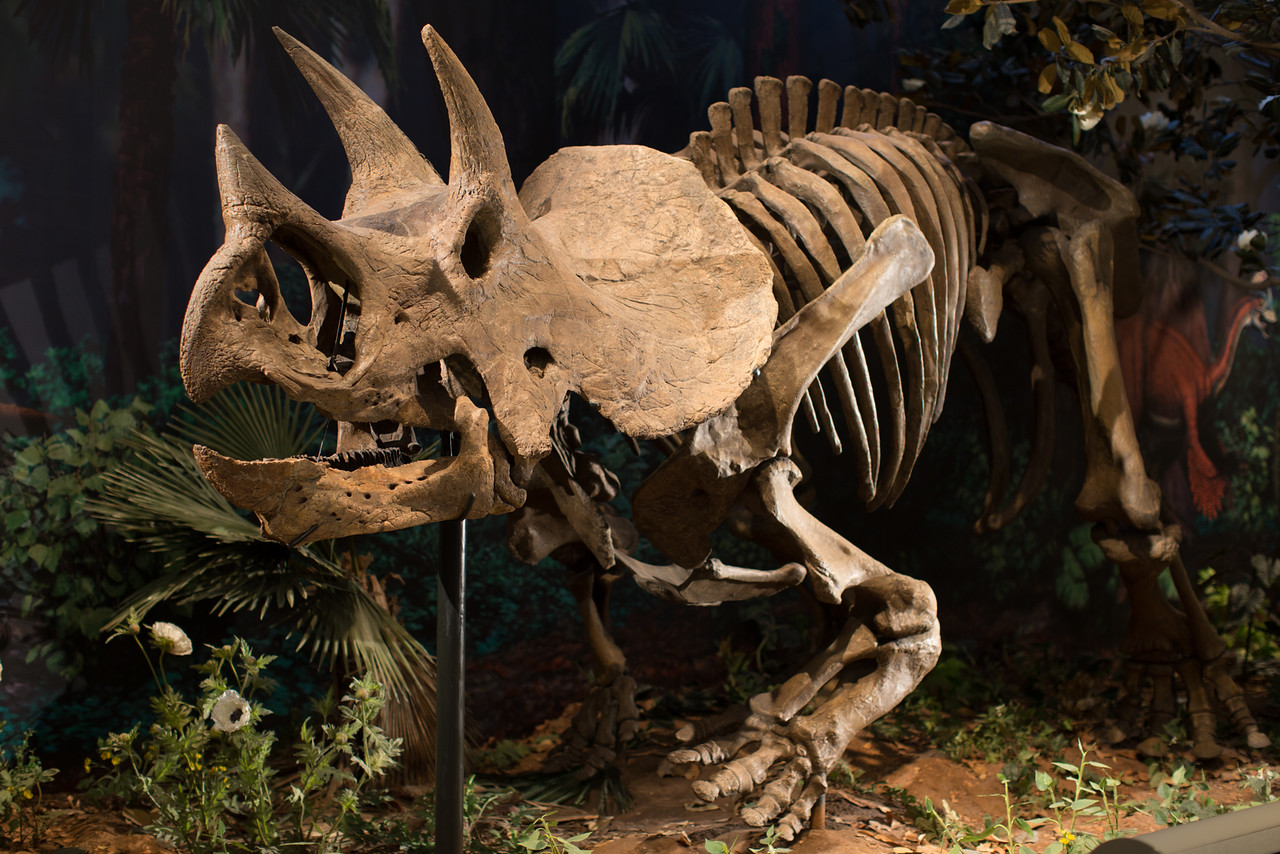
For instance, we now know that Apatosaurus and Diplodocus (two famous long-necked dinosaurs) did not spend their lives wallowing in swamps and that predatory dinosaurs such as T. rex walked with their tails held off the ground and their backs horizontal. The three-horned Triceratops may have used its famous headgear more for display than for fighting, whereas some theropod dinosaurs (such as Anzu wyliei, the notorious “Chicken from Hell”) would have closely resembled their modern descendants—modern birds.

Dinosaur Exhibition Layout

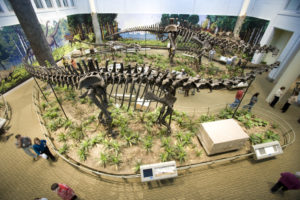
Many museum exhibitions group extinct species according to geologic time, but this exhibition takes this concept several steps further. In this exhibition, dinosaurs and other Mesozoic animals are shown in extraordinarily detailed reconstructions of their respective environments. Like the dinosaurs themselves, the habitats in this exhibition are firmly grounded in scientific evidence.

A panicked Apatosaurus smashes a small tree known from fossils found in the same Jurassic-aged rocks. A sculpted trackway of a hungry T. rex is based directly on the only known footprint of this terrifying meat-eater. The cat-sized Cretaceous mammal Didelphodon angrily confronts a much larger Triceratops. In short, in our museum’s exhibition, when dinosaur species are exhibited together, they actually lived together—their fossils are found in the same rock formations, and in many cases, the same quarries.

  • First Floor
triceratops
Visitors in Dinosaurs in their Time
herbivores in Dinosaurs in their Time

Meet our Vertebrate Paleontologists

Lamanna, Matt

Matt Lamanna, Ph.D.

Mary R Dawson Associate Curator

Learn More

sarah davis

Sarah Davis, Ph.D.

Collection Manager

Learn More

Meet the rest of the Fossil Vertebrate (Vertebrate Paleontology) Section

  • Stepping Back in Time

    Stepping Back in Time

    by Suzanne Nuss I grew up in the silent Canadian Arctic, so sounds switch me to alertness. Once alert, I pause to …
  • Jurassic Days: Icarosaurus

    Jurassic Days: Icarosaurus

    by Zach Lyons-Weiler Both visitors and staff love Carnegie Museum of Natural History’s Dinosaurs in Their Time exhibition for many reasons. For …
  • What Did Dinosaurs Sound Like?

    What Did Dinosaurs Sound Like?

    A Brief Foray into Paleoacoustics in Science and Film by Niko Borish and Caroline Lee Did Dinosaurs Roar? When you think about …
  • MESOZOIC MONTHLY: Volaticotherium

    MESOZOIC MONTHLY: Volaticotherium

    by Lindsay Kastroll Once again, spring has sprung. Prepare to see the gorgeous forests of Pennsylvania launch back into action. I, for …

Filed Under: Uncategorized Tagged With: dinos, dinosaurs, dinosaurs in their time

June 11, 2019 by wpengine

Fantastic Beasts and Where to Find Them in Real Life

If you’re a fan of Harry Potter and other fantasy stories, you probably have read about many wondrous and otherworldly creatures that only exist in your imagination.  You may have come across dragons that spit fire and rule the skies, sea creatures that live in the depths of dark waters, or trolls that live under bridges with vicious teeth and claws.  But did you know that some of the fantastical creatures you’ve heard of in stories have counterparts in our world?  Here are some creatures from the Harry Potter universe that are based on real life critters.

1. Acromantula

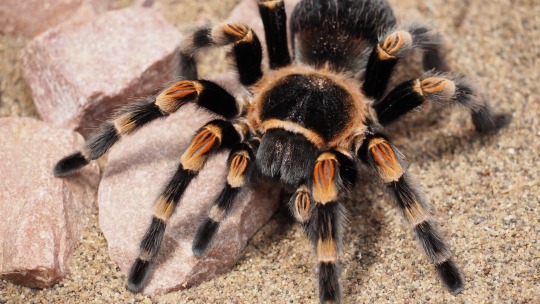
A large, hairy tarantula – one of the inspirations for Acromantula.

As you might imagine, these giant spiders are based on big, hairy spiders you can find in your backyard or in other places around the world. Specifically, the acromantula that you see in Harry Potter films were inspired by the wolf spider, which you can find in right here in western Pennsylvania! Other spiders that resemble acromantula include the huntsman spider often found in Australia and, of course, the tarantula – the hairiest and most famous of the three spiders.  In fact, the world’s largest spider is a type of tarantula, the goliath bird-eating tarantula, which can reach up to one foot in length – although luckily not as large as a fifteen-foot acromantula.

2. Salamanders

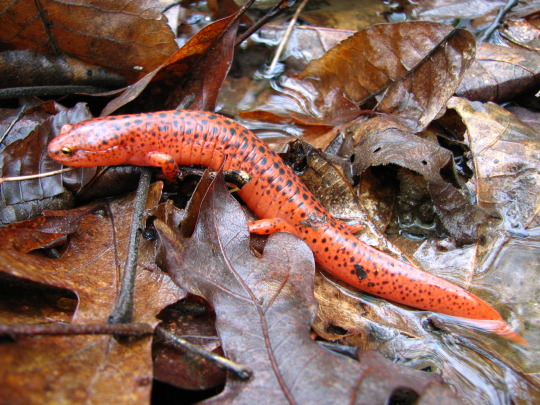
A red salamander slithers over wet leaves. Photo credit: Joe Stavish.

Wait – how can a real animal be a fantastical creature? Well, as it turns out, salamanders have been surrounded by myth and legend since the time of the Roman Empire, when Pliny the Elder declared that salamanders could put out fires with their bodies and spit poisonous fluids. In the Harry Potter universe, salamanders are born and live in fires and can only survive as long as their birth fire continues to burn. In Pittsburgh, salamanders live in moist areas, such as near streams or in damp forests, because they need to keep their skin wet to breathe. In fact, there are over 20 species of salamander in Pennsylvania including the brightly colored Red Salamander and the yellow-flecked Spotted Salamander, both of which you can find in the western half of the state. Some good places to look for salamanders are in parks around the city – there’s even one in Fox Chapel Borough named Salamander Park!

3. Bowtruckles

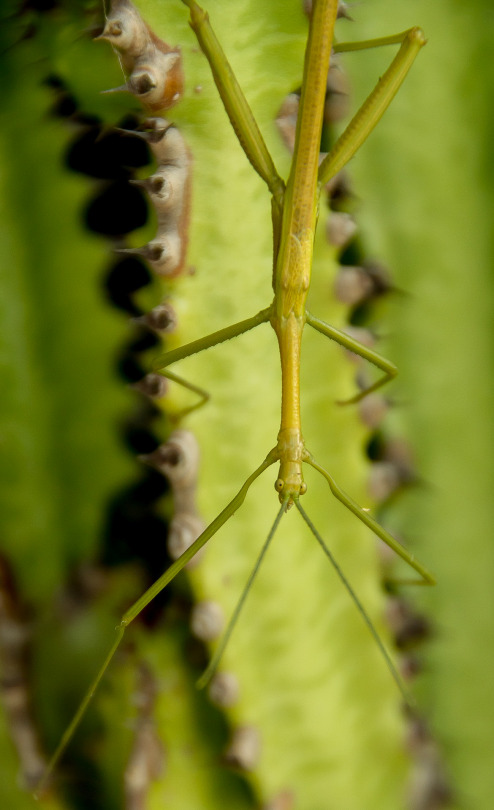
A green walking stick that looks remarkably like a fantastical bowtruckle.

In the Harry Potter world, bowtruckles are creatures that look like bark or twigs and guard trees used to make wands.  They have sharp claws and are very protective of their habitats. In our world, stick insects mimic bark or twigs to blend into foliage, and while bowtruckles eat tree lice, stick insects are actually herbivores, with each species preferring particular leaves.  Stick insects belong to the order Phasmatodea, which also includes leaf-bugs – creatures that mimic leaves as a form of camouflage.

4. Dragons

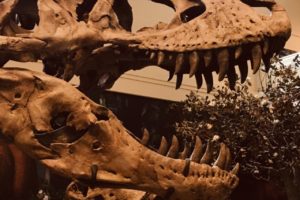
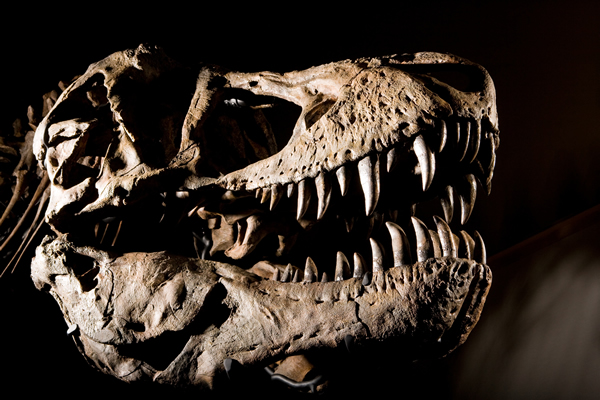
t - rex skull fossil
A Tyrannosaurus rex skeleton at the Carnegie Museum of Natural History. Photo Credit: Joshua Franzos, Treehouse Media.

One of the most famous mythical creatures in our world, dragons are ferocious creatures in the Harry Potter universe with big claws, big teeth, and the ability to breathe fire. While there are no real animals that breathe fire (as far as we know 😉), there are groups of extinct creatures who resembled dragons with sharp teeth, hooked claws, and, sometimes, scaly, lizard-like bodies. Some of these creatures even had wings! You guessed it – dinosaurs and pterosaurs! At the Carnegie Museum of Natural History, there are multiple dinosaur and pterosaur skeletons on display. Some skeletons reminiscent of dragons include two ferocious looking Tyrannosaurus rex and a large pterosaur called Quetzalcoatlus northropi that had a wingspan of up to 37 feet.

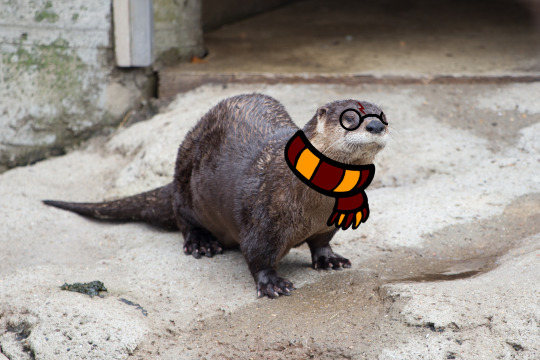
5. Harry Otter

A North American River Otter (part of the Lutrinae subfamily) at the Pittsburgh Zoo.

The Lutrinae who lived.

[gravityform id=”28″ title=”false” description=”false”]

Explore nature together.  Visit Nature 360 for activities and information.

Blog post by Melissa Cagan. 

Filed Under: Blog Tagged With: dinosaurs, Nature 360, spiders

February 19, 2019 by Kathleen

Dinosaurs Tour

Dinosaurs in their TimeDiscover the fascinating stories behind the dinosaurs in our renowned hall Dinosaurs in Their Time! Meet the real Dippy (Diplodocus carnegiei) type specimen that sparked people’s interests in paleontology around the world as well as a beloved Apatasaurus Andrew Carnegie named after his own wife.

Some of the most unique fossils can be found at Carnegie Museum of Natural History—let us guide you to them!

This tour typically meets at Paleolab on the first floor by the T. rex skull.

Tagged With: dinosaurs

  • « Go to Previous Page
  • Page 1
  • Interim pages omitted …
  • Page 3
  • Page 4
  • Page 5
  • Page 6
  • Page 7
  • Interim pages omitted …
  • Page 9
  • Go to Next Page »

sidebar

About

  • Mission & Commitments
  • Directors Team
  • Museum History

Get Involved

  • Volunteer
  • Membership
  • Carnegie Discoverers
  • Donate
  • Employment
  • Events

Bring a Group

  • Groups of 10 or More
  • Birthday Parties at the Museum
  • Field Trips

Powdermill

  • Powdermill Nature Reserve
  • Powdermill Field Trips
  • Powdermill Staff
  • Research at Powdermill

More Information

  • Image Permission Requests
  • Science Stories
  • Accessibility
  • Shopping Cart
  • Contact
  • Visitor Policies
One of the Four Carnegie Museums | © Carnegie Institute | Privacy Policy | Terms of Use | Accessibility
Rad works here logo