• Skip to primary navigation
  • Skip to main content
  • Skip to primary sidebar

Carnegie Museum of Natural History

One of the Four Carnegie Museums of Pittsburgh

  • Visit
    • Buy Tickets
    • Visitor Information
    • Exhibitions
    • Events
    • Dining at the Museum
    • Celebrate at the Museum
    • Powdermill Nature Reserve
    • Event Venue Rental
  • Learn
    • Field Trips
    • Educator Information
    • Programs at the Museum
    • Bring the Museum to You
    • Guided Programs FAQ
    • Programs Online
    • Climate and Rural Systems Partnership
  • Research
    • Scientific Sections
    • Science Stories
    • Science Videos
    • Senior Science & Research Staff
    • Museum Library
    • Science Seminars
    • Scientific Publications
    • Specimen and Artifact Identification
  • About
    • Mission & Commitments
    • Directors Team
    • Museum History
  • Tickets
  • Give
  • Shop

expedition

September 10, 2018 by wpengine

Chasing Snails in the Great Smoky Mountains

by Tim Pearce

Looking for snails in Tennessee is rewarding because that state is third in number of species of land snails in the USA (after Hawaii and California). That large number of snail species likely results from (a) lack of glaciers for a long time, (b) lots of limestone, in which snails thrive, and (c) numerous isolated valleys that provide opportunities for speciation.

We were on the trail of the tiger snails, genus Anguispira, so that we could study their DNA in order to unravel the tangled branches of their family tree. During more than two hundred years, a couple dozen species have been named. Many of the species have distinct shells, but some species look so much alike that we suspect they are actually the same species.
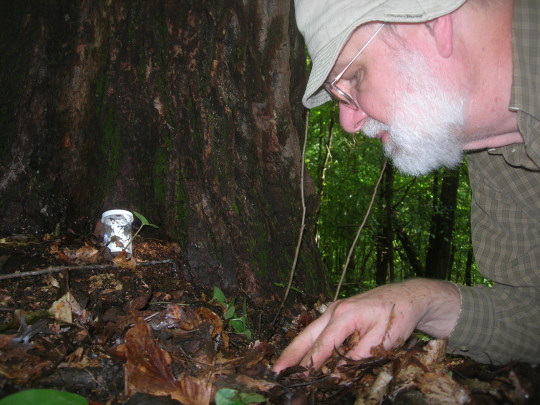
Tim Pearce looking for snails
Finding Anguispira snails near Norris Dam, Tennessee. Photo by Tim Pearce [selfie].

As we checked into our motel at the edge of the Great Smoky Mountains National Park, we navigated around two bears (rummaging in the dumpster) to get to our rooms. Our team included Reham Fathey Ali from Cairo University in Egypt, John Slapcinsky from Florida Museum, and yours truly from Carnegie Museum of Natural History. You might call us a multi-institutional collaboration.

The next day, two people from the Great Smoky Mountains National Park joined our expedition: retired ranger Keith Langdon and intern Miranda Zwingelberg. They led us to the snail research collection in a back room of the office building and we helped them out by identifying some of their snail specimens.
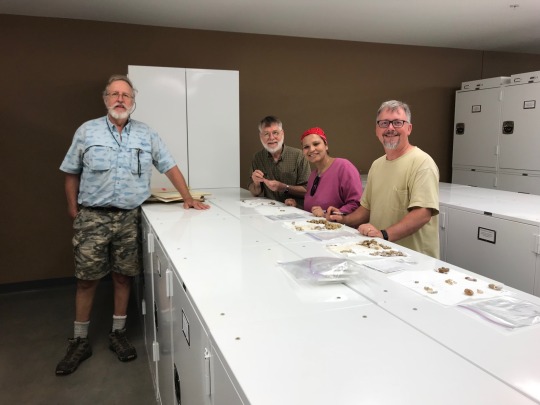
Researchers working on snail identification
Identifying snails in the research collection at the Great Smoky Mountains National Park. Photo by Miranda Zwingelberg.

Keith had previously found empty shells of Anguispira knoxensis, one of the species we needed. He took us to the very tree where he had found them. That day, we five searched for 18-person-hours and found snails of many species, but only 3 empty shells of that target species. However, we did find living snails of another form of Anguispira, which has been called Anguispira lawae.(Intriguingly, that form was named for Annie Law, a shell collector and Civil War spy in the 1800s.) We also need that form for our study, so we considered the day to be a success.
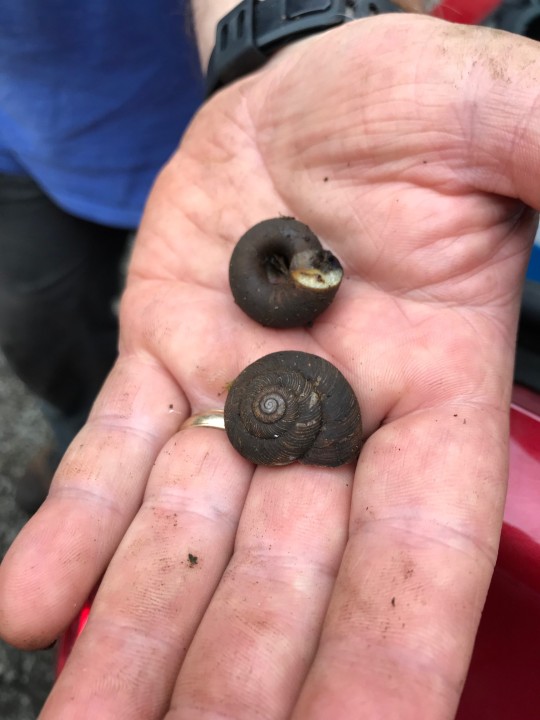
Living specimens of Anguispira rugoderma - tiger snails
Living specimens of Anguispira rugoderma. Photo by Reham Fathey Ali.

Several days later our team found living specimens of both Anguispira knoxensis and Anguispira rugoderma.We suspect they might actually be the same species. An examination of the DNA will help us decide whether those two are separate or the same species. DNA evidence plus scrutiny of existing specimens in our museums will also provide evidence for us to use in revising the Anguispira family tree.

Timothy A. Pearce, PhD, is the head of the mollusks section at Carnegie Museum of Natural History. Museum employees are encouraged to blog about their unique experiences and knowledge gained from working at the museum.
Filed Under: Blog Tagged With: expedition, mollusks, Tim Pearce

February 7, 2018 by wpengine

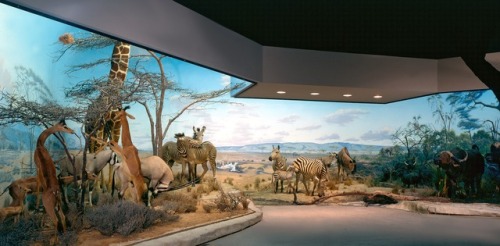
All of the African mammals gathered around the watering hole…

Hall of African Wildlife

All of the African mammals gathered around the watering hole in the Hall of African Wildlife were collected on an early research expedition let by Childs Frick to British East Africa and Abyssinia (now Kenya and Ethiopia).

The official dates of that expedition were 1911–1912, and we can track almost all these specimens to that trip. However, in 1909–1910, Frick took an exploratory trip to part of the area covered in 1911–1912 to scope it out and probably collected the giraffe on that trip at the train stop in Voi.

Filed Under: Blog Tagged With: expedition, Hall of African Wildlife, mammals

November 16, 2016 by wpengine

Where to Look for Fossils

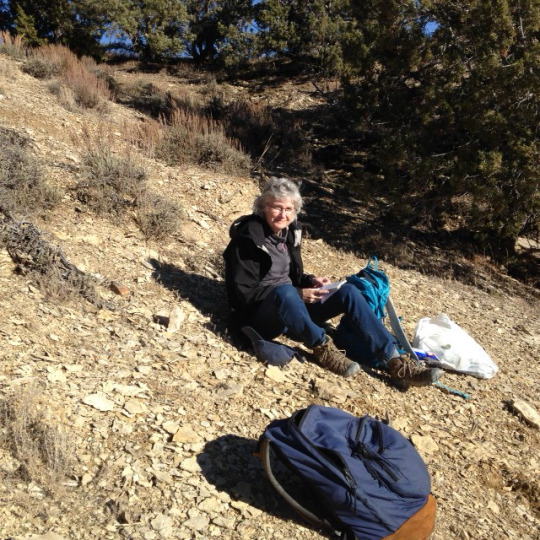
Amy Henrici
Vertebrate Paleontology Collections Manager Amy Henrici in the field.

As I travelled west from Pittsburgh to meet Carnegie Museum of Natural Hisotry Vertebrate Fossil Collection Manager Amy Henrici for a frog fossil hunting expedition in eastern Nevada, the same question was asked by each of my airplane seat mates.

“How do you know where to look for fossils?“

For the sites we planned to visit the answer was simple. Earlier written reports by geologists mapping rock formations and mineral deposits noted the occasion occurrence of fossils in certain rock layers.

Fossil searches involved locating and visiting sites where such rock layers are exposed on the surface, and then examining fragments that have eroded from these outcrops.The full process, which might stretch over decades, is an example of how published findings allow one branch of science to serve another.

As a geologist friend takes great pleasure in explaining, “Geologists let paleontologists know where fossils are in the multitude rock layers of Earth’s history, in time and in place.”


Patrick McShea is a museum educator who is traveling through Nevada with Vertebrate Paleontology Collections Manager Amy Henrici to search for frog fossils. He frequently blogs about his experiences.

Filed Under: Blog Tagged With: Amy Henrici, expedition, fossils, frogs, geology, museums, paleontology

September 10, 2016 by wpengine

From Antarctica to Pittsburgh

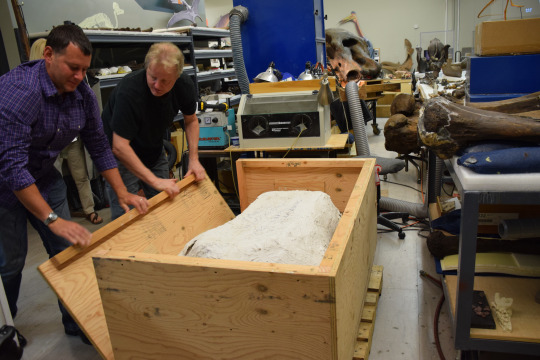
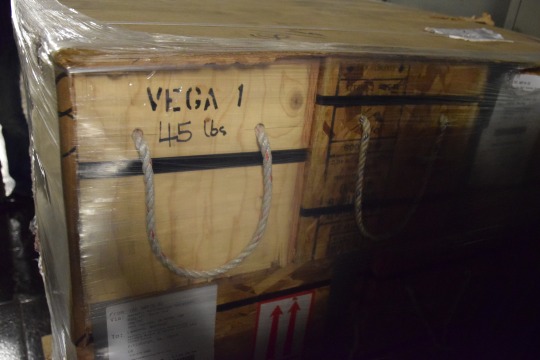
Last week, several tons of fossils arrived at Carnegie Museum of Natural History from Antarctica, where our paleontologist and principal dinosaur research Matt Lamanna led the AP3 Expedition this spring. The fossils traveled by boat from Antarctica to Chile to the United States, where they were then trucked across the country to our museum.

In the coming weeks, our staff will begin carefully unpacking these specimens and studying them.

To read more about the expedition, visit our expedition blog.


Lamanna and Dan Pickering, a scientific preparator, open one package containing the largest fossil in the shipment.
A box with fossils collected from Vega Island in Antarctica.

Filed Under: Blog Tagged With: antarctica, behind the scenes, expedition, fossils, Matt Lamanna, museums, paleontology

March 9, 2016 by wpengine

AP3 Antarctica Peninsula Paleontology Project 2016

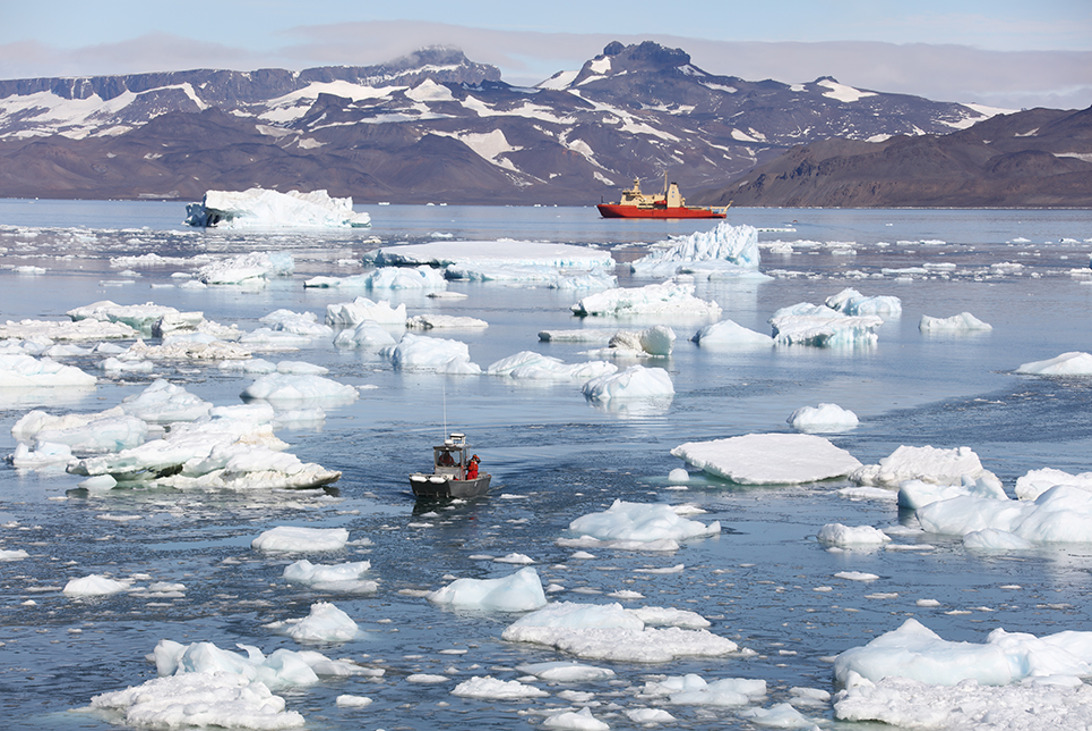
boats surrounded by chunks of ice

Q: What is the biggest anticipated challenge facing the expedition?

A: The thing that concerns us the most are the weather and climate conditions in our
study area. If it is very windy or foggy, our helicopters cannot fly.  If
there is fast ice stuck to the islands we want to visit, our small boats (i.e.,
landing craft) cannot reach them. If it snows, the rocks are covered, and so we
can’t find the fossils in them. Lots of different environmental factors could
pose problems for us. Other potential hazards include injuries, exhaustion,
frostbite, inability to find fossils in some places, and problems with
helicopters.

If you live in Pittsburgh, stop by tomorrow evening on 3/10/16 at 6 p.m. for Live from Antarctica at the corner of Forbes and South Bouquet in Oakland. You will be able to ask Dr. Matt Lamanna questions about his expedition from the field via a live video conference. Learn more at http://www.carnegiemnh.org/live_from_antarctica/

Filed Under: Blog Tagged With: antarctica, expedition, fossils, Matt Lamanna, research

March 6, 2016 by wpengine

Discoverers Expedition Vilcabamba 2016: Lima

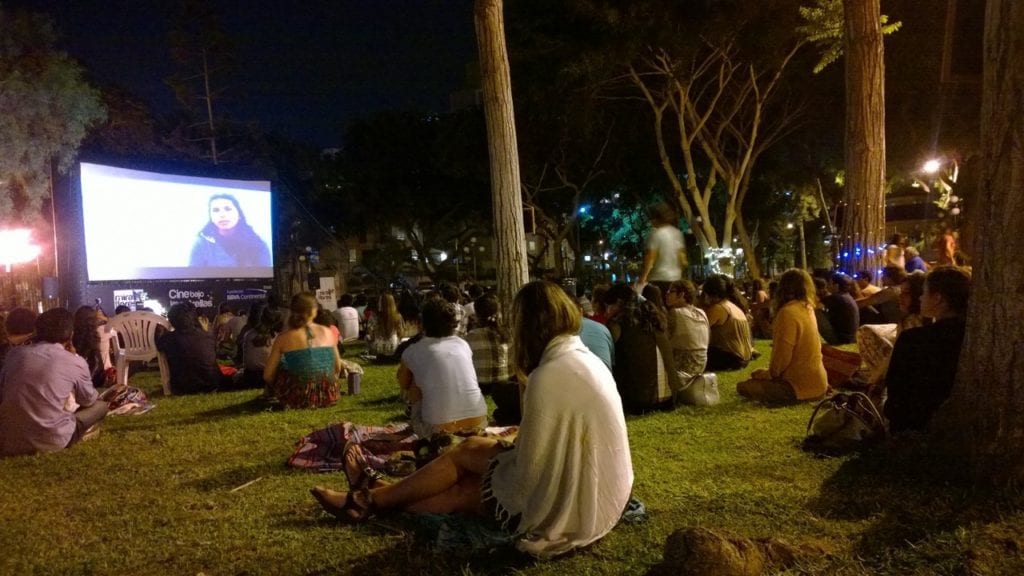
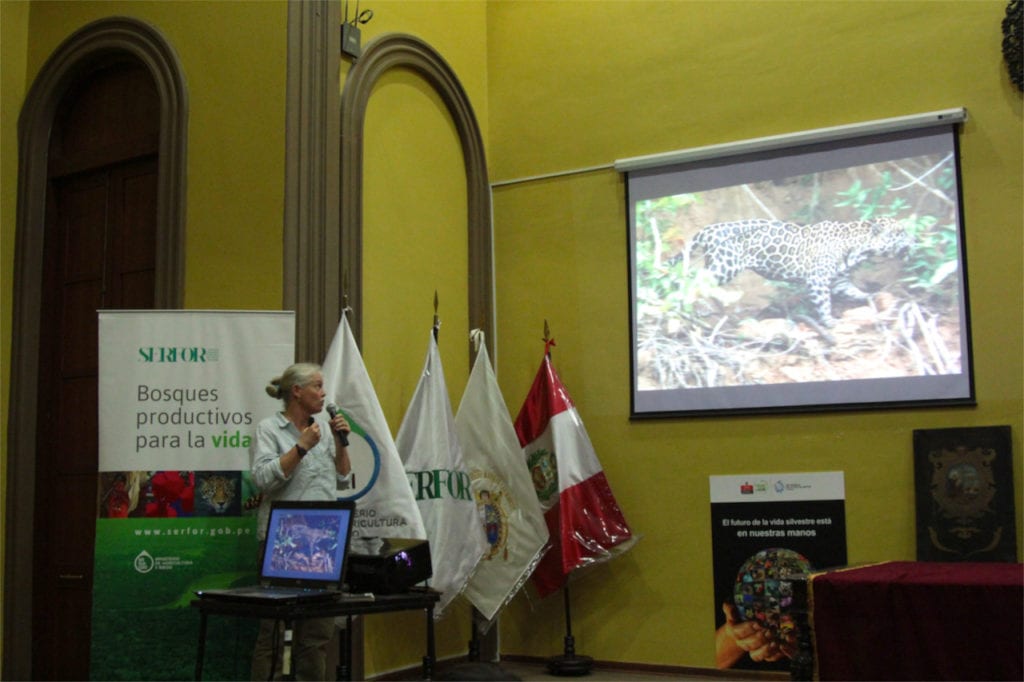
A large crowd meets at night a park of Lima to watch marine biology and and conservation documentaries during an open event of the 36th Annual Symposium on Sea Turtle Biology and Conservation (Photo: Juan C. Chaparro).
Dr. Corine Vriesendorp, Director of the Andes-Amazon program of the The Field Museum of Natural History, presents preliminary results of the Rapid Biological and Social Inventory #28: Middle Putumayo and Algodon River, Loreto – Perú.
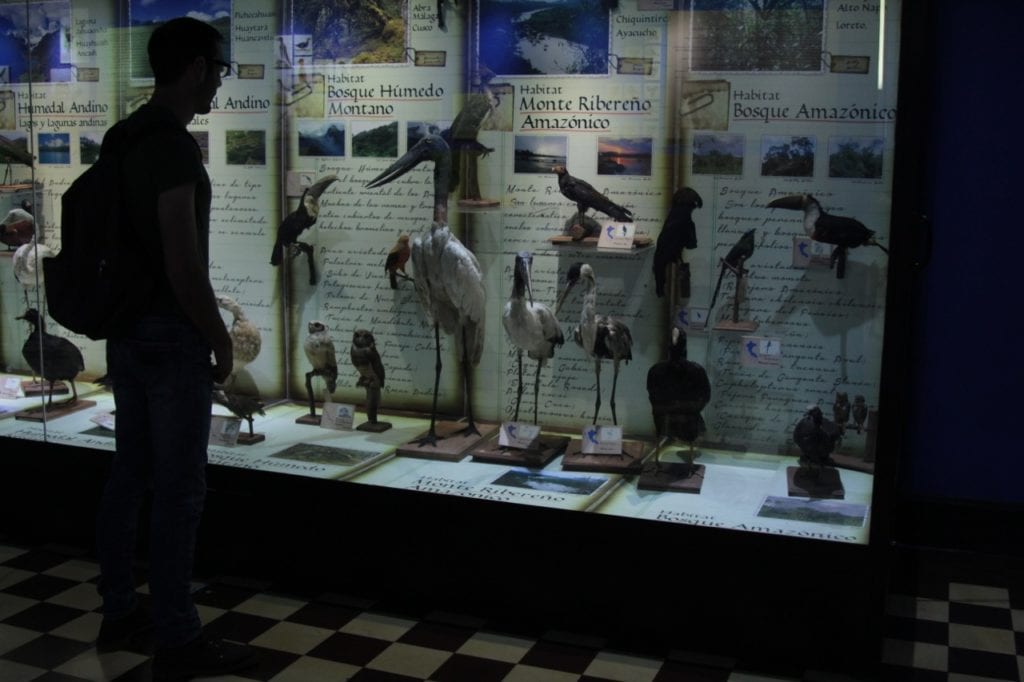
Dr. Santiago Castroviejo takes the opportunity to walk through the exhibits of the Natural History Museum of San Marcos University.
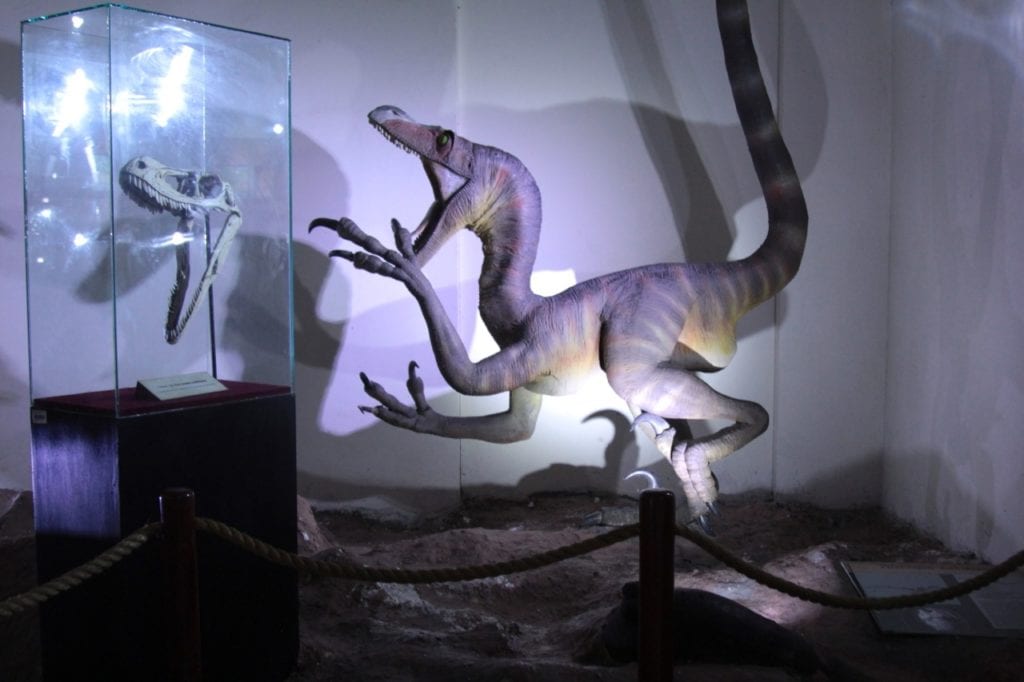
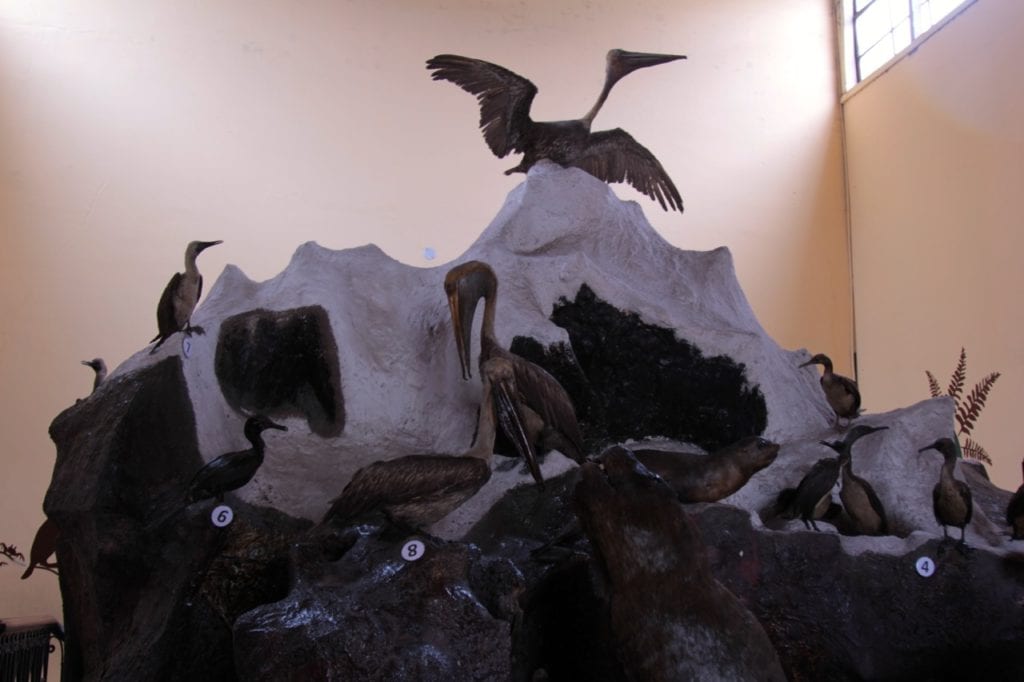
The exhibits at the museum in Lima made me think of my friend and colleague Dr. Matt Lamanna, who is now looking for dinosaurs in Antarctica. Greetings from Lima Matt!
A diorama of the pacific coast around Lima at the Natural History Museum of San Marcos University.
Mammalogists, herpetologists, and ornithologists at the main entrance of the Natural History Museum of San Marcos University.

March 3, 2016

Our last week in Lima was a busy one. We are working from an apartment in the beautiful bohemian neighborhood of Barranco. We have built a lab in the living room where we examine our specimens and refine preliminary identifications performed in the field. Our certainty about what we thought were potential new species grows after checking pertinent literature and pictures of museums specimens. We also work on the paperwork necessary to export part of the samples to the Carnegie Museum of Natural History (half or more will stay in Peru).

In addition, we have been attending two important scientific events that are taking place in Lima this week: the 36th Annual Symposium On Sea Turtle Biology And Conservation, and the Day of Wildlife, celebrated today at the Natural History Museum of San Marcos University.

José Padial and his team of researchers have traveled to the remote Vilcabamba mountains of Peru in the pursuit of biodiversity research. He blogs and sends photos as often as possible capturing his expedition along the way and his return home to the Carnegie Museum of Natural History in Pittsburgh, PA.

Filed Under: Blog Tagged With: biodiversity, expedition, Matt Lamanna

  • Page 1
  • Page 2
  • Page 3
  • Go to Next Page »

sidebar

About

  • Mission & Commitments
  • Directors Team
  • Museum History

Get Involved

  • Volunteer
  • Membership
  • Carnegie Discoverers
  • Donate
  • Employment
  • Events

Bring a Group

  • Groups of 10 or More
  • Birthday Parties at the Museum
  • Field Trips

Powdermill

  • Powdermill Nature Reserve
  • Powdermill Field Trips
  • Powdermill Staff
  • Research at Powdermill

More Information

  • Image Permission Requests
  • Science Stories
  • Accessibility
  • Shopping Cart
  • Contact
  • Visitor Policies
One of the Four Carnegie Museums | © Carnegie Institute | Privacy Policy | Terms of Use | Accessibility
Rad works here logo