• Skip to primary navigation
  • Skip to main content
  • Skip to primary sidebar

Carnegie Museum of Natural History

One of the Four Carnegie Museums of Pittsburgh

  • Visit
    • Buy Tickets
    • Visitor Information
    • Exhibitions
    • Events
    • Dining at the Museum
    • Celebrate at the Museum
    • Powdermill Nature Reserve
    • Event Venue Rental
  • Learn
    • Field Trips
    • Educator Information
    • Programs at the Museum
    • Bring the Museum to You
    • Guided Programs FAQ
    • Programs Online
    • Climate and Rural Systems Partnership
  • Research
    • Scientific Sections
    • Science Stories
    • Science Videos
    • Senior Science & Research Staff
    • Museum Library
    • Science Seminars
    • Scientific Publications
    • Specimen and Artifact Identification
  • About
    • Mission & Commitments
    • Directors Team
    • Museum History
  • Tickets
  • Give
  • Shop

insects

August 5, 2016 by wpengine

Other Milkweed-Loving Insects

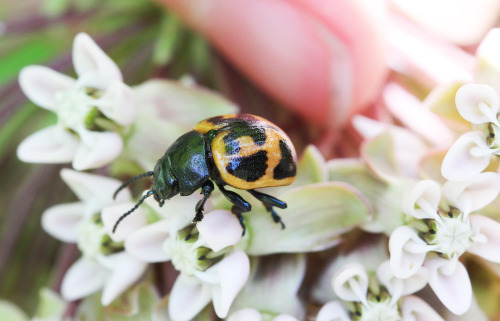
Milkweed Leaf Beetle (Labidomera clivicollis)

 by Andrea Kautz

Milkweed is in bloom and it’s not only the monarchs that love it!

We are all familiar with the striped caterpillars that rely on milkweed as a food source and the beautiful orange butterflies they become, but lots of other insects utilize milkweed in a similar way.

A quick inspection of the Common Milkweed (Asclepias syriaca) blooming near Powdermill Nature Reserve’s nature center parking lot reveals three different milkweed specialists pictured: the Milkweed Leaf Beetle (Labidomera clivicollis), the Large Milkweed Bug (Oncopeltus fasciatus), and the Milkweed Longhorn Beetle (Tetraopes tetrophthalmus).

The next time you come across a milkweed plant, see if you can find any of these guys hanging out; they are all quite attractive!
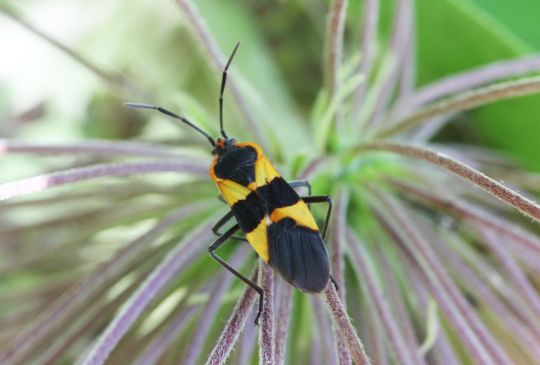
bug
The Large Milkweed Bug (Oncopeltus fasciatus)

Andrea Kautz is a research entomologist at Carnegie Museum of Natural History’s Powdermill Nature Reserve. Museum employees are encouraged to blog about their unique experiences and knowledge gained from working for the museum.
Filed Under: Blog Tagged With: bugs, insects, pennsylvania

July 30, 2016 by wpengine

Variations in a Single Family

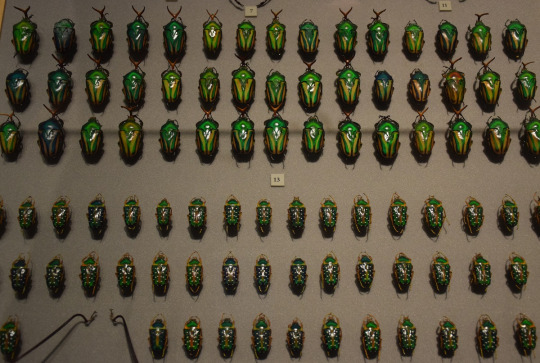
specimen tray with green beetles

The order Coleoptera (beetles) is by far the most diverse of all living organisms. More than 350,000 species of beetles are grouped into more than 150 families.

In the above photo, you can see the many variations within one single family of beetles.

Filed Under: Blog Tagged With: beetles, insects, museums

June 7, 2016 by wpengine

Cicadas at Powdermill

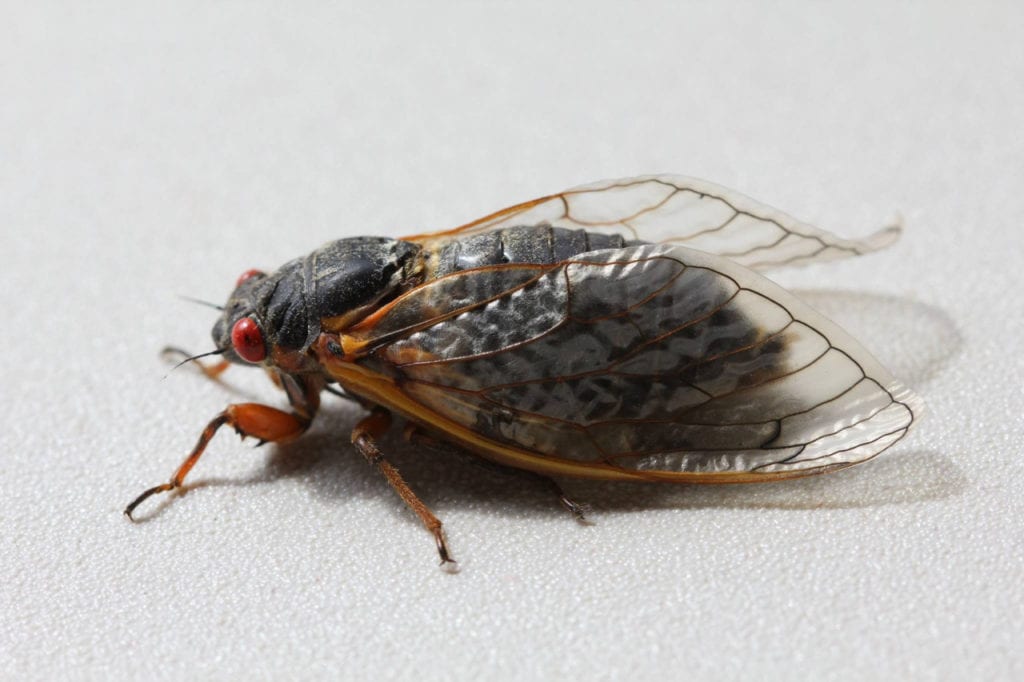
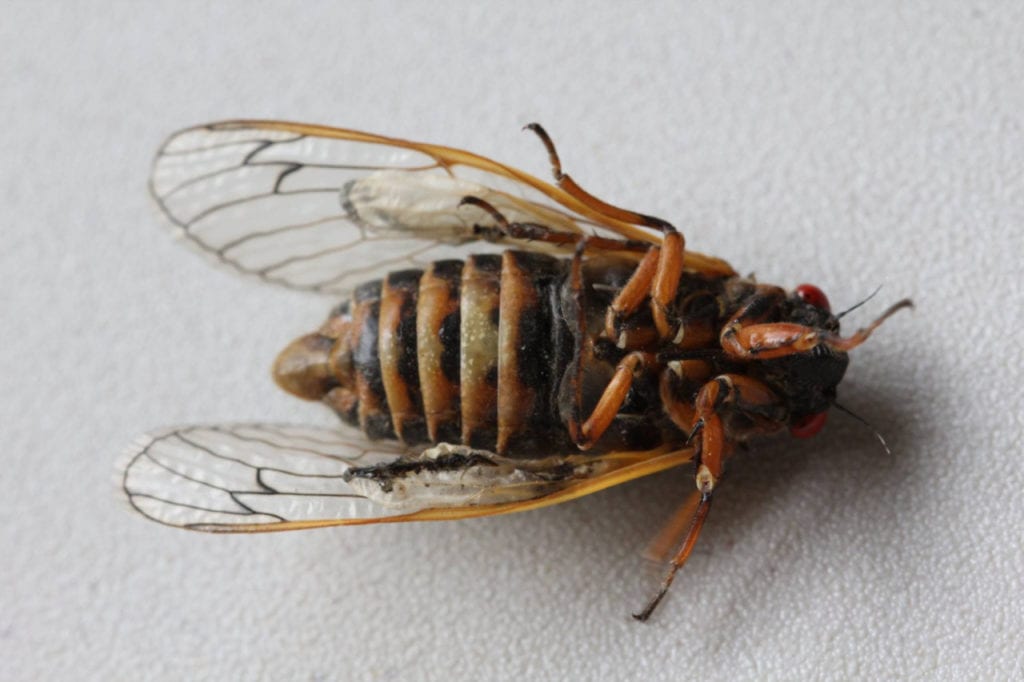
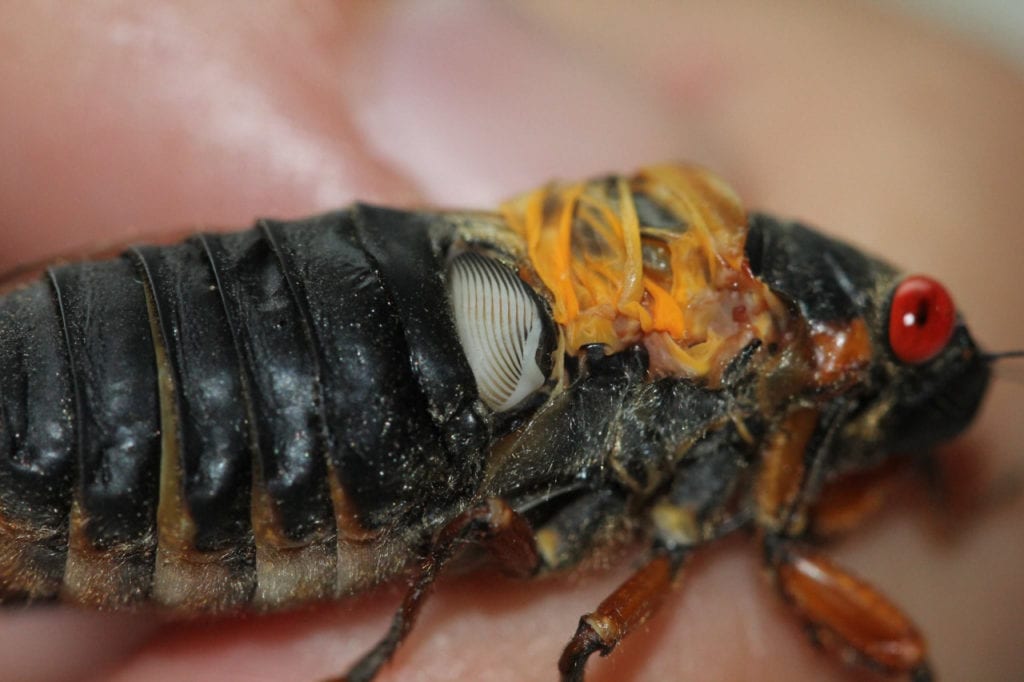
Cicada insect close up Cicada insect Cicada insect on its back

The cicadas are here! Staff at Powdermill Nature Reserve, Carnegie Museum of Natural History’s environmental research center, posted these up-close photos of this 17-year cicada and some more information about it last week.

“This specimen in particular is Magicicada septendecim, indicated by the broad orange stripes on the underside of the abdomen. It is also a male, because of the tymbals located near the base of the wings on each side. These organs are what the males use to make a loud buzzing sound to attract females. When many males sing together, it can be quite deafening!

This cicada has spent seventeen long years underground as a wingless nymph, feeding off of the juices from plant roots. In the year of its emergence, it waits until the soil temperature in its underground tunnel reaches 64 degrees, and then climbs up out of the ground (often onto a tree trunk or other surface) for its final molt into adulthood.”

Have the cicadas come to your neighborhood? Report your sightings at Magicicada.org, where you can also find much more additional information about periodical cicadas!

Filed Under: Blog Tagged With: insects, Pittsburgh, Powdermill, Powdermill Nature Reserve, western pennsylvania

May 5, 2016 by wpengine

Critters in the Litter, Earth Day walks at Frick Park

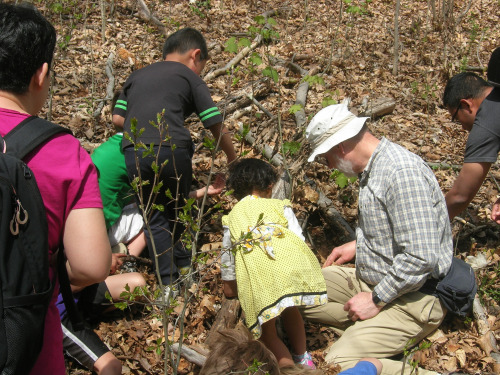
Children with Dr. Pearce digging in the leaves
Dr. Pearce with walk participants finding
critters in the leaf litter (Photo by Alice W. Doolittle.)

by Timothy A. Pearce

Since trees drop leaves every fall, why aren’t we up to our necks in dead leaves?

Thirty-seven people joined me on a series of four walks in Frick Park on April 24 to discover the answer: leaves are consumed by a myriad tiny creatures that turn them back into nutrients so plants can grow again.

Among the tiny creatures we found that consume leaves (and some that consume the leaf-eating creatures) were earthworms, sow bugs, spiders, daddy long legs, millipedes, centipedes, beetles, spring tails, and several species of snails, which are my favorite creatures. After the walks, we scrutinized our finds with magnifying glasses. The weather was sunny and the perfect temperature for walking outside. The children especially enjoyed digging in the soil.

Timothy A. Pearce, PhD, is the head of the mollusks section at Carnegie Museum of Natural History. Museum employees are encouraged to blog about their unique experiences and knowledge gained from working at the museum. 

Filed Under: Blog Tagged With: insects, leaves, snails, Tim Pearce

  • « Go to Previous Page
  • Page 1
  • Page 2
  • Page 3
  • Page 4

sidebar

About

  • Mission & Commitments
  • Directors Team
  • Museum History

Get Involved

  • Volunteer
  • Membership
  • Carnegie Discoverers
  • Donate
  • Employment
  • Events

Bring a Group

  • Groups of 10 or More
  • Birthday Parties at the Museum
  • Field Trips

Powdermill

  • Powdermill Nature Reserve
  • Powdermill Field Trips
  • Powdermill Staff
  • Research at Powdermill

More Information

  • Image Permission Requests
  • Science Stories
  • Accessibility
  • Shopping Cart
  • Contact
  • Visitor Policies
One of the Four Carnegie Museums | © Carnegie Institute | Privacy Policy | Terms of Use | Accessibility
Rad works here logo