• Skip to primary navigation
  • Skip to main content
  • Skip to primary sidebar

Carnegie Museum of Natural History

One of the Four Carnegie Museums of Pittsburgh

  • Visit
    • Buy Tickets
    • Visitor Information
    • Exhibitions
    • Events
    • Dining at the Museum
    • Celebrate at the Museum
    • Powdermill Nature Reserve
    • Event Venue Rental
  • Learn
    • Field Trips
    • Educator Information
    • Programs at the Museum
    • Bring the Museum to You
    • Guided Programs FAQ
    • Programs Online
    • Climate and Rural Systems Partnership
  • Research
    • Scientific Sections
    • Science Stories
    • Science Videos
    • Senior Science & Research Staff
    • Museum Library
    • Science Seminars
    • Scientific Publications
    • Specimen and Artifact Identification
  • About
    • Mission & Commitments
    • Directors Team
    • Museum History
  • Tickets
  • Give
  • Shop

Blogs about Pittsburgh

Carnegie Museum of Natural History is in Pittsburgh, Pennsylvania. Many of the museum's collection specimens are from the local area, including our Botany, Invertebrate Paleontology, and Herpetology specimens. Our collections and our community often influence our work, whether that includes researching climate change, air pollution improvements from the closing of steel mills in the city, or invasive species.

May 14, 2018 by wpengine

Pittsburgh Participates in International City Nature Challenge

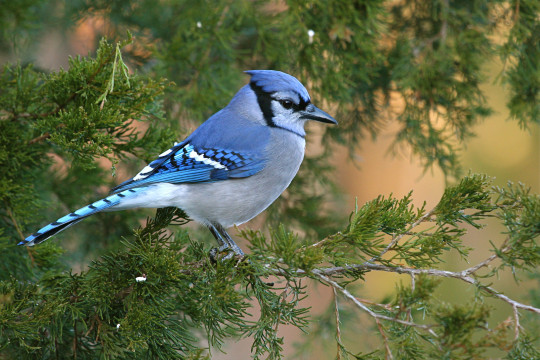
We are thrilled to share that Pittsburgh has come in 26th of nearly 70 cities that participated in the City Nature Challenge! It’s a friendly competition between cities around the world. Anyone can join by logging their outdoor observations on iNaturalist.org or with the iNaturalist app.

Matt Webb, Urban Bird Conservation Coordinator at Powdermill Nature Reserve, led Pittsburgh’s involvement in the challenge. It lasted four days, from April 27-30, and 165 Pittsburghers contributed observations.

Pittsburgh participants logged 4,393 observations of 847 species with iNaturalist.

The winning city, San Francisco, had 1,532 participants who logged 41,737 observations of 3,211 species.

Even though the competition is over, anyone may still log observations using iNaturalist. Download the free app to your phone, create an account, and photograph what you see outside. The GPS on your phone automatically logs in the date, time, and location of your photo. You may add information you already know about the plant, animal, or insect you photographed, then community members may contribute more information and confirm species identification. It’s all about having fun learning in nature.

To read more about Pittsburgh’s participation in the City Nature Challenge and Matt Webb, check out this feature in Allegheny Front.

Filed Under: Blog Tagged With: City Nature Challenge, iNaturalist, Pittsburgh, Powdermill, Powdermill Nature Reserve

April 25, 2018 by wpengine

City Nature Challenge Arrives in Pittsburgh

Take the City Nature Challenge 2018 April 27 - 30

City Nature Challenge has arrived in Pittsburgh! Carnegie Museum of Natural History’s Urban Bird Conservation Coordinator Matt Webb has been coordinating Pittsburgh’s participation in an international biodiversity challenge using the iNaturalist app. Kicking off April 27, the challenge runs to the end of the day April 30. For both budding and veteran citizen scientists, participation is easy.

Find wildlife in the Pittsburgh region, take a photo noting the location of where exactly you found the specimen and share your observations by uploading your findings through the iNaturalist application on your phone.

Identification of the photographed species will be crowd-sourced through the online community May 1-3 and results will be announced May 4. For more details, visit citynaturechallenge.com.

Filed Under: Blog Tagged With: City Nature Challenge, Pittsburgh, We Are Nature, We Are Nature: Living in the Anthropocene

January 9, 2018 by wpengine

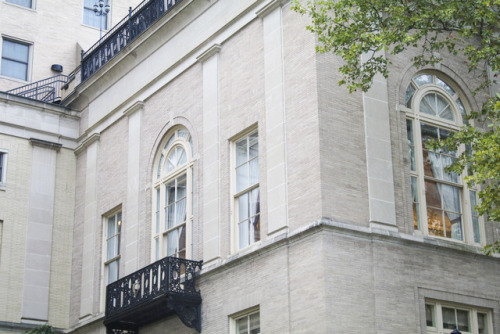
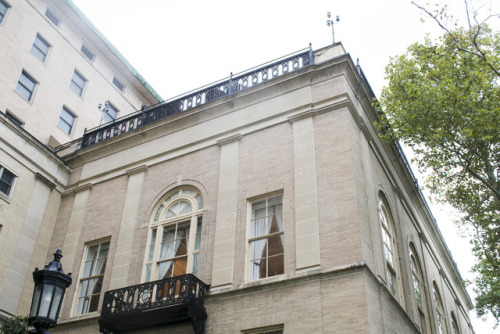
Architecture of Oakland

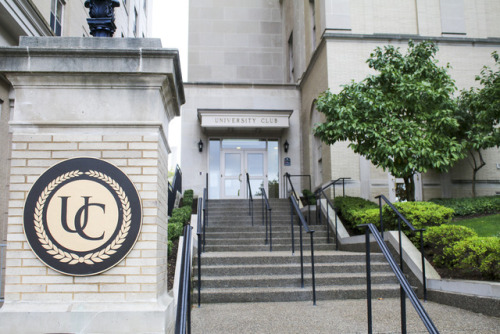
steps of the University Center building

building with rounded windows and balconies

looking up at the balcony and roof area from the ground

Architecture of Oakland–from a PITT Student’s perspective

The University Club, like many other buildings in the area, was designed by architect Henry Hornbostel and features a classical-style limestone exterior.

Completed in 1923, the new location of the club settled in Schenley Farms National Historic District after making its move from the original location in downtown Pittsburgh. It moved to Oakland to be closer to the city’s college campuses, bringing together graduates who enjoyed literature, art, and other culture.


Hayley Pontia is a student at The University of Pittsburgh who works as a free lancer for Carnegie Museum of Natural History. Through this blog series, she will share her unique perspective on our historic architecture in the Oakland neighborhood of Pittsburgh where our museum is located.

Filed Under: Blog Tagged With: Hayley Pontia, Pittsburgh

January 8, 2018 by wpengine

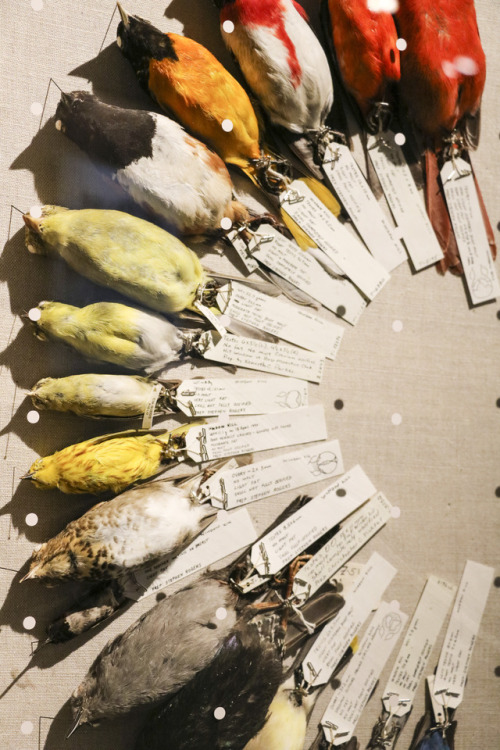
This rainbow of birds shows a variety of local species

bird specimens in a wide vaierty of colors

This rainbow of birds shows a variety of local species found right here in Pittsburgh!

All of the birds in the case died from hitting windows, a human-created problem that scientists at the museum are working to correct. Through BirdSafe Pittsburgh, employees and a team of citizen scientists are gathering data on bird-window collisions in an attempt to reduce the number in coming years and develop products and strategies to reduce bird fatalities and injuries.

Learn more at BirdSafe Pittsburgh, and discover more instances of humanity’s impact on the environment in the new exhibition We Are Nature: Living in the Anthropocene.


The Anthropocene is the current geological era in which humans are making a profound impact on the geological strata. While the term itself is still being debated by geologists, the museum is embracing it as a social and cultural tool for exploring the broad sum effect humans are having on the planet in the exhibition We Are Nature: Living in the Anthropocene—open now through summer 2018.

Filed Under: Blog Tagged With: Birds, Pittsburgh

October 16, 2017 by wpengine

Collected on this Day in 1997

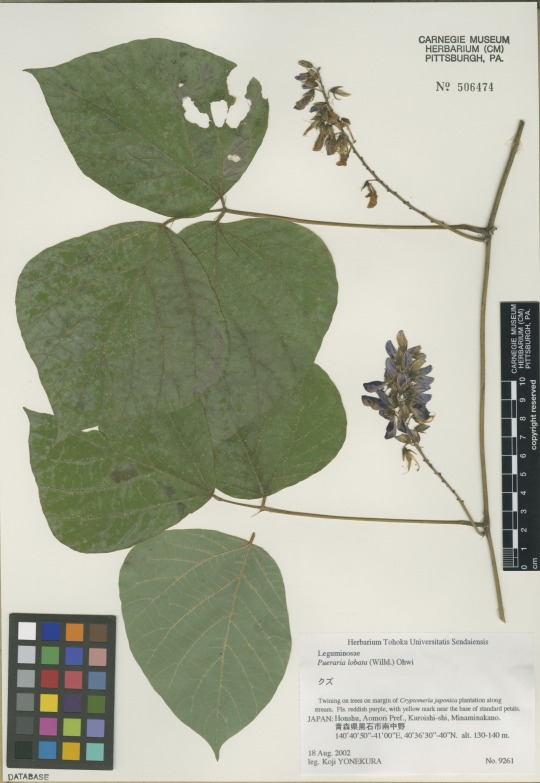
Kudzu is one of the more well-known weeds, at least by name, sometimes known as “the vine that ate the South.”

Kudzu is one of the more
well-known weeds, at least by name, sometimes known as “the vine that ate the
South.”

Collected on October 13, 1997, this specimen was found by Sue Thompson and
Bonnie Isaac near the I-376 Squirrel Hill Tunnel, Pittsburgh. Kudzu (Pueraria lobata) was introduced to the
United States as an ornamental plant in 1876 at the Centennial International
Exhibition in Philadelphia. The vine was initially prized in the South to
provide shade.

The vine was later promoted
for use in erosion control.  Although
listed as a noxious weed in Pennsylvania, it is more invasive in southern
states. There, it has been estimated to spread at a rate of 2,500 acres per
year (some say up to 150,000 acres per year, although this estimate has been
questioned).

Infestations of this plant undoubtedly cause ecological and
economic damage. Below is another specimen of kudzu, collected in its native
range in Japan in 2002.


Botanists at Carnegie Museum of Natural History share
pieces of the herbarium’s historical hidden collection on the dates they were
discovered or collected. Check back for more!

Filed Under: Blog Tagged With: Botany, Mason Heberling, Pittsburgh

July 26, 2017 by wpengine

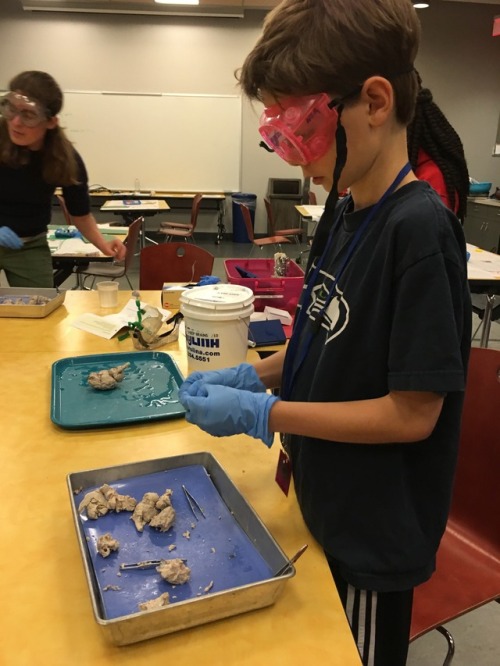
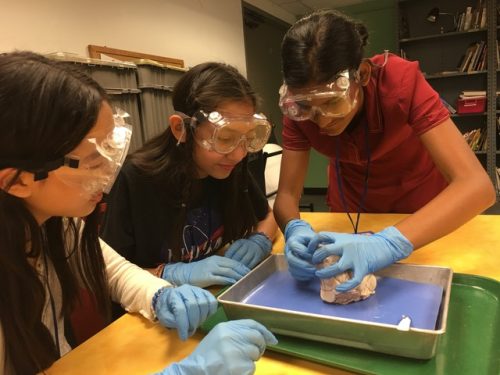
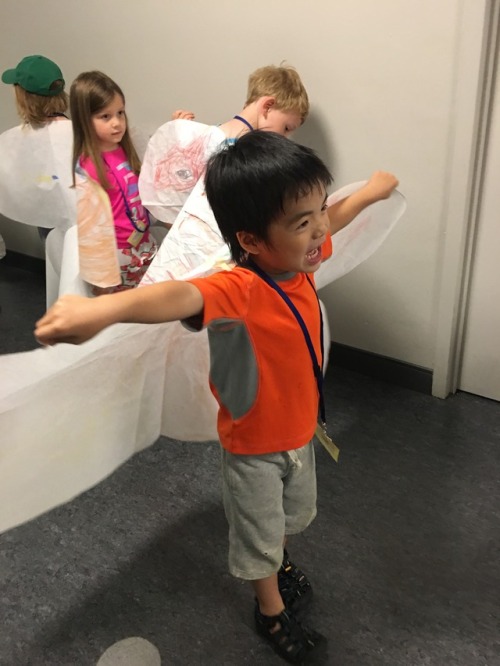
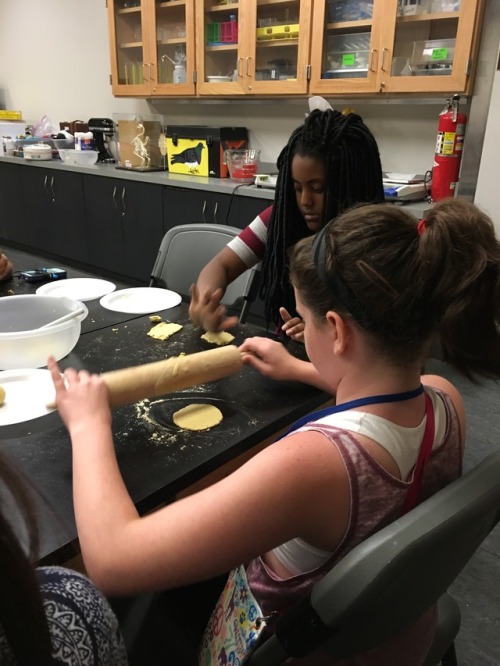
Summer Camps are underway

campers working with clay

campers studying a specimen

campers "flying" with paper wings

campers rolling out dough with rolling pins

Summer Camps are underway this summer at Carnegie Museum of Natural History! Campers ages 4–13 spent the past few weeks exploring the historic halls of the museum at camps about biology, ancient civilizations, prehistoric beasts, and more!

There are still a few camps open! Visit our summer camps site for more information.

Filed Under: Blog Tagged With: Pittsburgh, Summer camps

  • « Go to Previous Page
  • Page 1
  • Page 2
  • Page 3
  • Page 4
  • Page 5
  • Page 6
  • Interim pages omitted …
  • Page 18
  • Go to Next Page »

sidebar

About

  • Mission & Commitments
  • Directors Team
  • Museum History

Get Involved

  • Volunteer
  • Membership
  • Carnegie Discoverers
  • Donate
  • Employment
  • Events

Bring a Group

  • Groups of 10 or More
  • Birthday Parties at the Museum
  • Field Trips

Powdermill

  • Powdermill Nature Reserve
  • Powdermill Field Trips
  • Powdermill Staff
  • Research at Powdermill

More Information

  • Image Permission Requests
  • Science Stories
  • Accessibility
  • Shopping Cart
  • Contact
  • Visitor Policies
One of the Four Carnegie Museums | © Carnegie Institute | Privacy Policy | Terms of Use | Accessibility
Rad works here logo