• Skip to primary navigation
  • Skip to main content
  • Skip to primary sidebar

Carnegie Museum of Natural History

One of the Four Carnegie Museums of Pittsburgh

  • Visit
    • Buy Tickets
    • Visitor Information
    • Exhibitions
    • Events
    • Dining at the Museum
    • Celebrate at the Museum
    • Powdermill Nature Reserve
    • Event Venue Rental
  • Learn
    • Field Trips
    • Educator Information
    • Programs at the Museum
    • Bring the Museum to You
    • Guided Programs FAQ
    • Programs Online
    • Climate and Rural Systems Partnership
  • Research
    • Scientific Sections
    • Science Stories
    • Science Videos
    • Senior Science & Research Staff
    • Museum Library
    • Science Seminars
    • Scientific Publications
    • Specimen and Artifact Identification
  • About
    • Mission & Commitments
    • Directors Team
    • Museum History
  • Tickets
  • Give
  • Shop

reptiles

October 9, 2017 by wpengine

Solnhofen Fossils

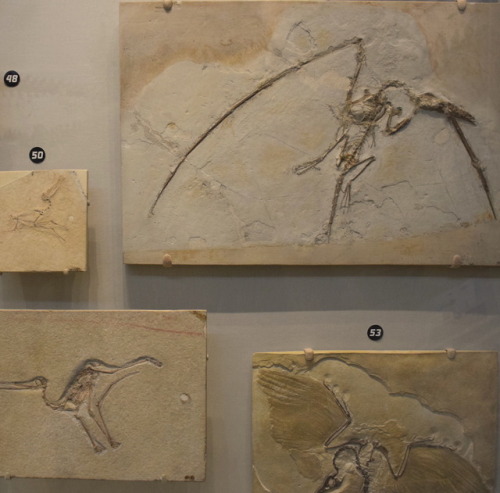
These fossils were found in a quarry in Solnhofen, Germany, which was once a series of shallow, tropical lagoons. The environmental conditions at Solnhofen resulted in remarkably preserved fossils of Late Jurassic plants, invertebrates, fish, reptiles, and bird species.

These fossils were found in a quarry in Solnhofen, Germany, which was once a series of shallow, tropical lagoons. The environmental conditions at Solnhofen resulted in remarkably preserved fossils of Late Jurassic plants, invertebrates, fish, reptiles, and bird species like these fossils on display in Dinosaurs in Their Time.
Filed Under: Blog Tagged With: Birds, fish, fossils, reptiles

August 29, 2017 by wpengine

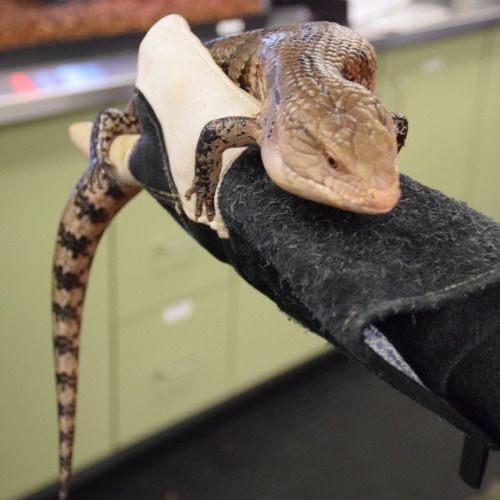
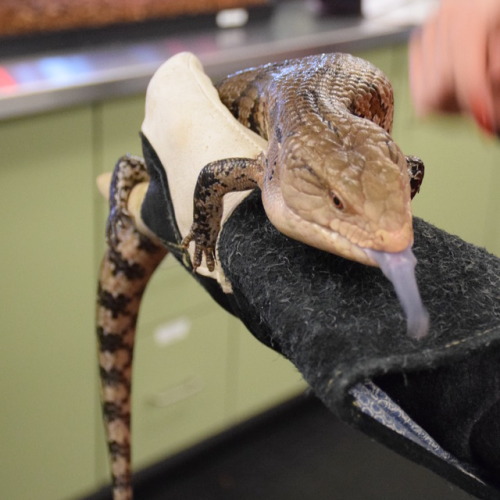
Blue-tongued skink!

Blue-tongued skink

Blue-tongued skink with its tongue out

It is easy to guess where the blue-tongued skink gets its name! This skink is part of Carnegie Museum of Natural History’s living collection and is well cared for by our trained staff.

Meet our skink or other animals, like birds and small mammals, at daily Live Animal Encounters at the museum, or even invite them out to your school or library with our outreach programs!

Filed Under: Blog Tagged With: reptiles

August 29, 2017 by wpengine

Section of Amphibians and Reptiles

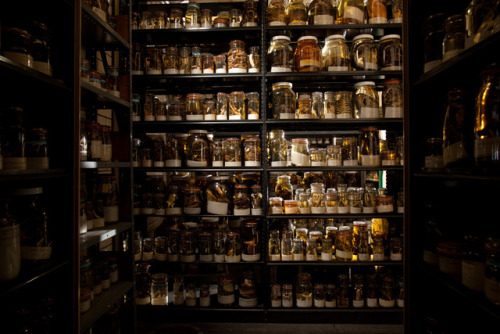
Shelves of Alcohol specimens

The Section of Amphibians and Reptiles at Carnegie Museum of Natural History holds approximately the 10th largest collection of amphibians and reptiles in North America in the historic Alcohol House.

Filed Under: Blog Tagged With: alcohol house, amphibians, reptiles

July 14, 2017 by wpengine

Turtle Bottoms

by Patrick McShea

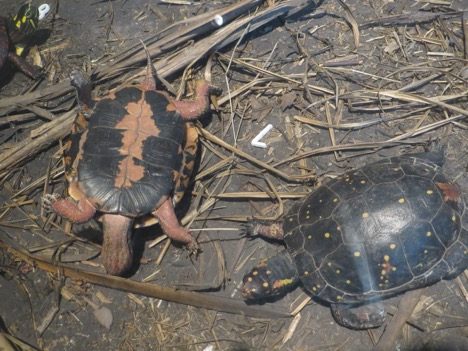
Spotted turtles in a display case, one is on its back and the other is on its belly
Spotted turtles

Upside down is an unnatural state. Yet within the museum’s display of Pennsylvania turtles, four of 14 taxidermy mounts are bottom side up. With strained necks and legs positioned in frozen flail, the four reptiles, each representing a different
turtle species, appear in perpetual effort to right themselves.

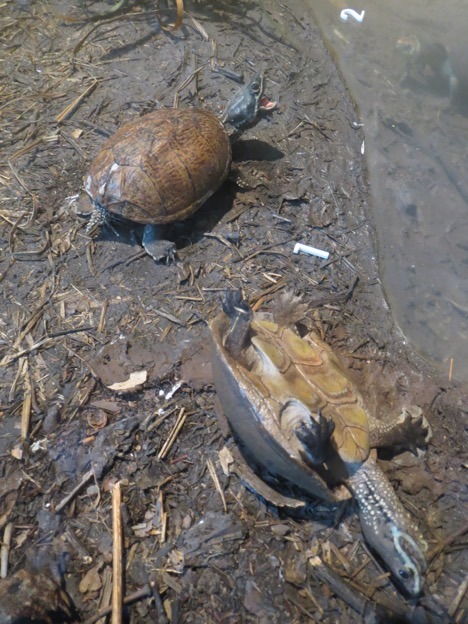
taxidermy Stinkpot turtles
Stinkpot turtles

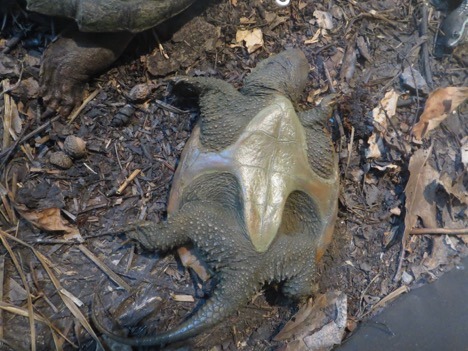
Their awkward stance reveals clever exhibit design. A turtle’s bottom shell, or plastron, differs drastically from its upper shell, or carapace, in size, shape, color pattern, and surface texture. The overturned turtles instantly convey this visual information to attentive viewers.

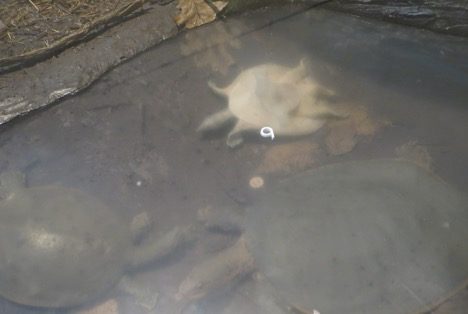
Beneath the simulated surface of a clear shallow pool, a trio of eastern spiny softshell turtles shows the contrast between the species’ carapace and plastron.

At Carnegie Museum of Natural History, displays of Pennsylvania’s amphibians and reptiles can be found on the Daniel G. and Carole L. Kamin T. rex Overlook.

For addition species information visit: http://www.fishandboat.com/Resource/AmphibiansandReptiles/Pages/default.aspx

Common snapping turtle, underside view.


Patrick McShea works in the Education and Visitor Experience department of Carnegie Museum of Natural History. Museum employees are encouraged to blog about their unique experiences of working at the museum.

Related Content

Wood Turtle at Powdermill

Ocean Lessons

A Steeler Prayer

Carnegie Museum of Natural History Blog Citation Information

Blog author: McShea, Patrick
Publication date: July 14, 2017

Share this post!

  • Share on Twitter Share on Twitter
  • Share on Facebook Share on Facebook
  • Share on Pinterest Share on Pinterest
  • Share on LinkedIn Share on LinkedIn
  • Share on Reddit Share on Reddit
  • Share via Email Share via Email

Share this post!

  • Share on Twitter Share on Twitter
  • Share on Facebook Share on Facebook
  • Share on Pinterest Share on Pinterest
  • Share on LinkedIn Share on LinkedIn
  • Share on Reddit Share on Reddit
  • Share via Email Share via Email

Filed Under: Blog Tagged With: Patrick McShea, reptiles

January 30, 2017 by wpengine

Gecko

gecko
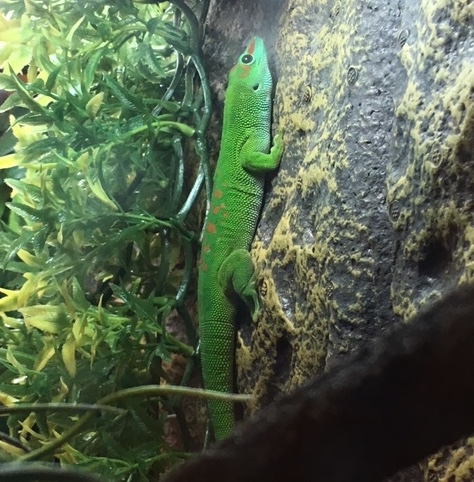
This friendly little gecko is museum director Eric Dorfman’s new office mate!


Filed Under: Blog Tagged With: live animals, lizard, reptiles

February 28, 2016 by wpengine

Discoverers Expedition Vilcabamba 2016: Herps

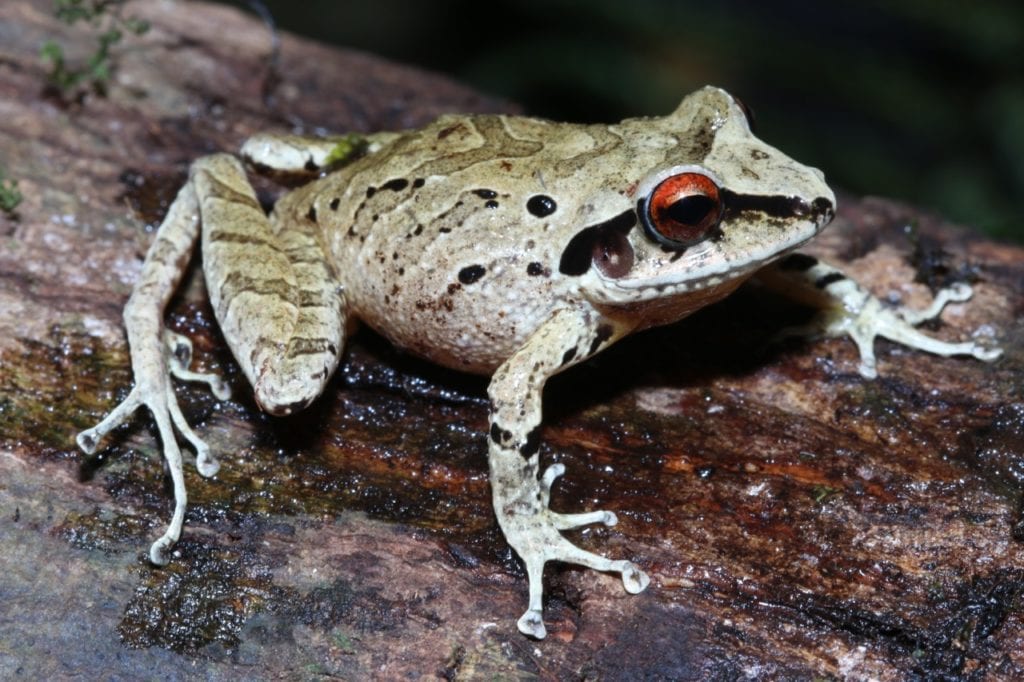
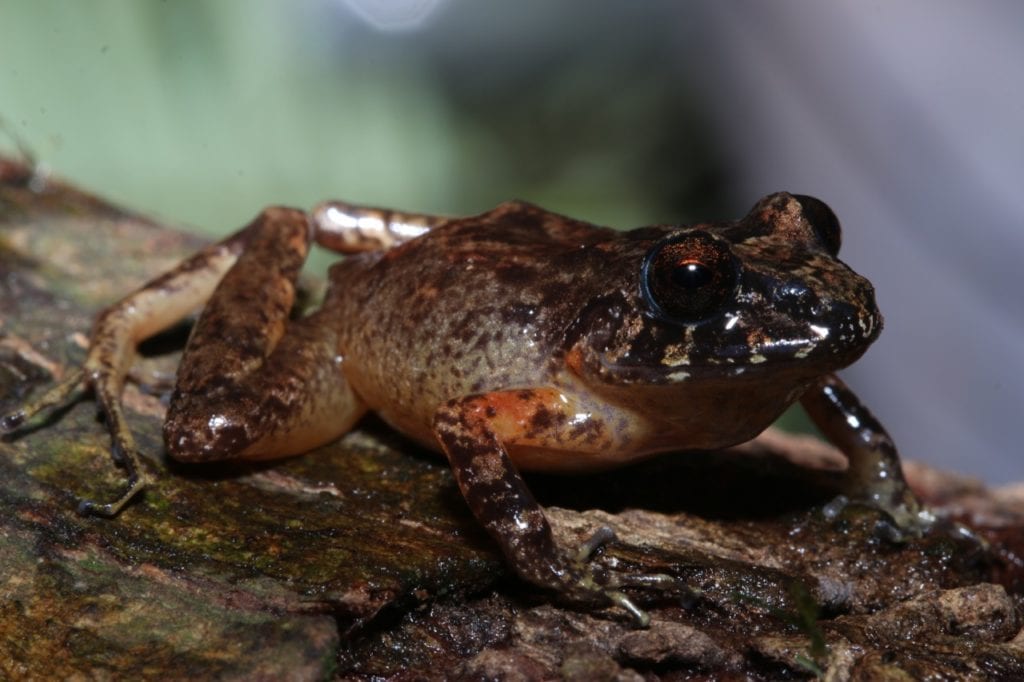
A new species of Pristimantis from the cloud forests of Vilcabamba. (Photo Giussepe Gagliardi).
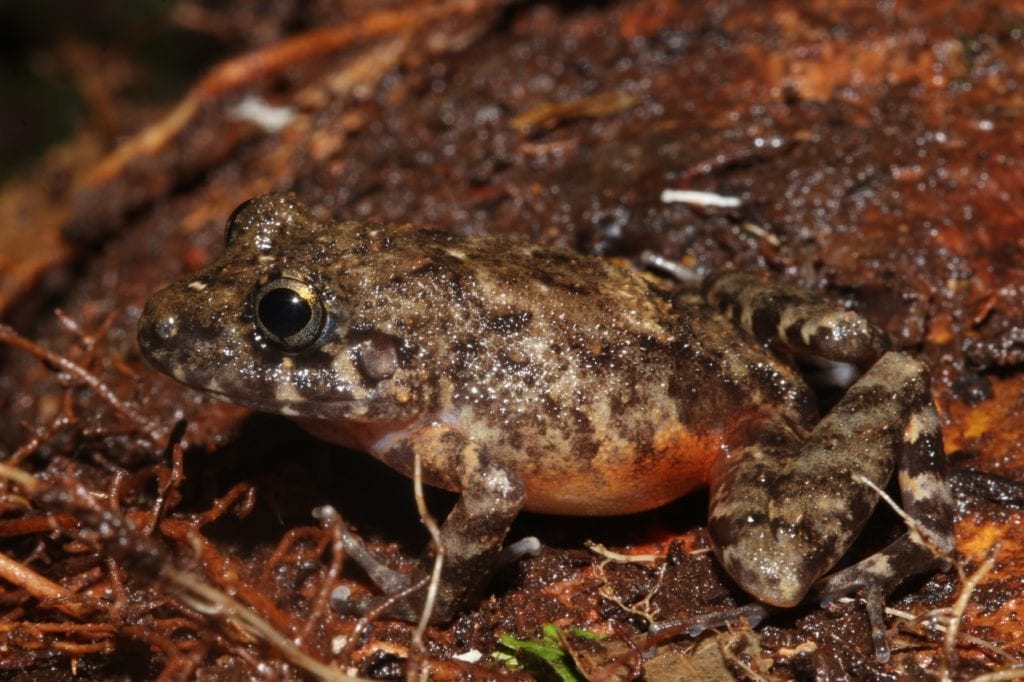
A new species of Oreobates that inhabits the forest of Vilcabamba at above ca. 2,500 m (ca. 8,200 ft.). (Photo Giussepe Gagliardi).
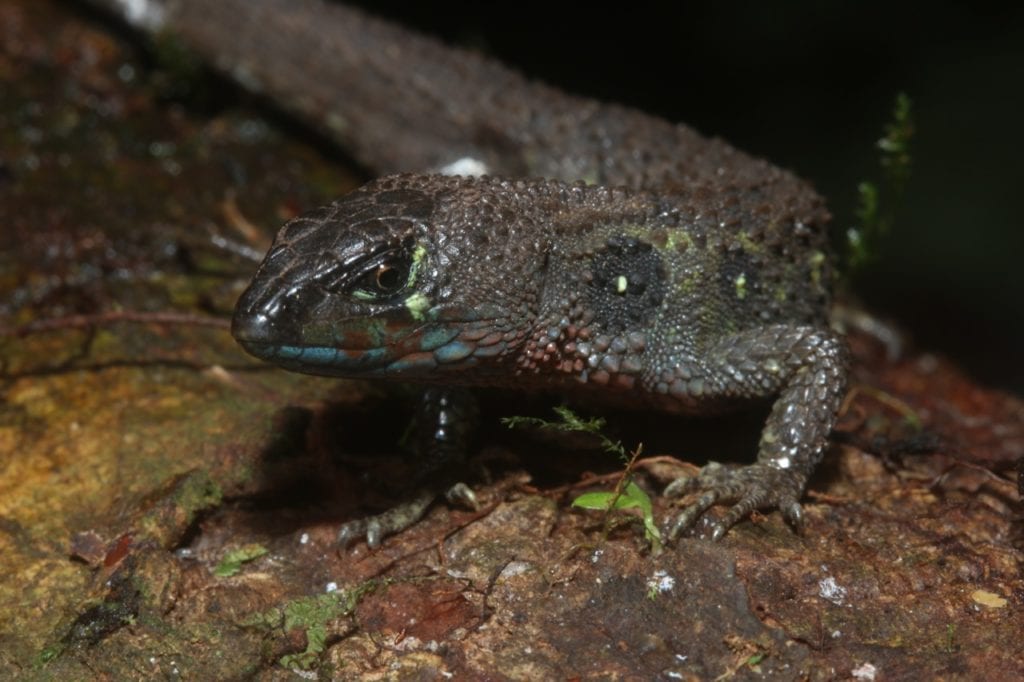
A male of Potamites montanus, a beautiful aquatic lizard that was recently discovered from an area near Vilcabamba at low elevations. (Photo Giussepe Gagliardi).
Oreobates lehri, a species discovered and named by Padial, Chaparro and others and so far only known for Vilcabamba. (Photo Giussepe Gagliardi).

We may have found at least 10 new species of amphibians and reptiles; however, pertinent comparisons with museums specimens and detailed analyses of the anatomy, mating call, and or DNA, will be required to analyze species diversity using collected samples. In no other expedition have we found so many new species.

José Padial and his team of researchers are traveling in the remote Vilcabamba mountains of Peru in the pursuit of biodiversity research. He blogs and sends photos as often as possible capturing his expedition along the way

Filed Under: Blog Tagged With: amphibian, biodiversity, fieldwork, frogs, new species, reptiles

  • « Go to Previous Page
  • Page 1
  • Page 2
  • Page 3

sidebar

About

  • Mission & Commitments
  • Directors Team
  • Museum History

Get Involved

  • Volunteer
  • Membership
  • Carnegie Discoverers
  • Donate
  • Employment
  • Events

Bring a Group

  • Groups of 10 or More
  • Birthday Parties at the Museum
  • Field Trips

Powdermill

  • Powdermill Nature Reserve
  • Powdermill Field Trips
  • Powdermill Staff
  • Research at Powdermill

More Information

  • Image Permission Requests
  • Science Stories
  • Accessibility
  • Shopping Cart
  • Contact
  • Visitor Policies
One of the Four Carnegie Museums | © Carnegie Institute | Privacy Policy | Terms of Use | Accessibility
Rad works here logo