• Skip to primary navigation
  • Skip to main content
  • Skip to primary sidebar

Carnegie Museum of Natural History

One of the Four Carnegie Museums of Pittsburgh

  • Visit
    • Buy Tickets
    • Visitor Information
    • Exhibitions
    • Events
    • Dining at the Museum
    • Celebrate at the Museum
    • Powdermill Nature Reserve
    • Event Venue Rental
  • Learn
    • Field Trips
    • Educator Information
    • Programs at the Museum
    • Bring the Museum to You
    • Guided Programs FAQ
    • Programs Online
    • Climate and Rural Systems Partnership
  • Research
    • Scientific Sections
    • Science Stories
    • Science Videos
    • Senior Science & Research Staff
    • Museum Library
    • Science Seminars
    • Scientific Publications
    • Specimen and Artifact Identification
  • About
    • Mission & Commitments
    • Directors Team
    • Museum History
  • Tickets
  • Give
  • Shop

Kathleen

May 15, 2020 by Kathleen

Bug Bonanza: Virtual Bug Display

Bugs from our Research Collection
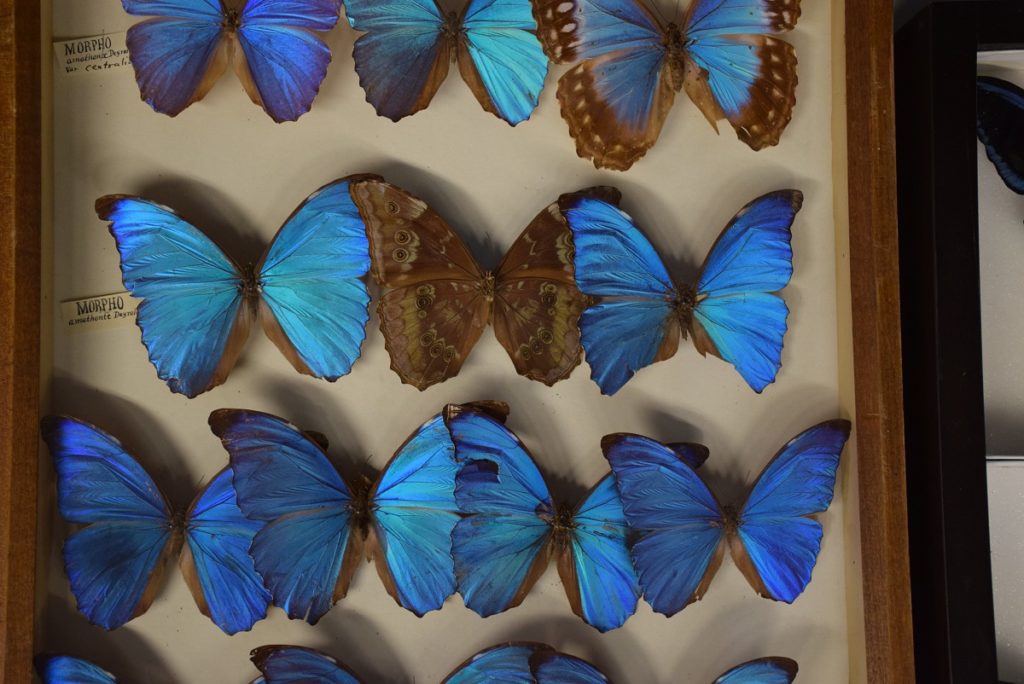
drawer of blue morpho butterflies

This is a specimen drawer of Blue Morpho butterflies from our Section of Invertebrate Zoology! This species is well known for its sexual dimorphism, which means that males and females of this species look physically different. The males of Blue Morpho butterflies are the bright blue specimens in the drawer above, and the darker brown specimen above is the female.
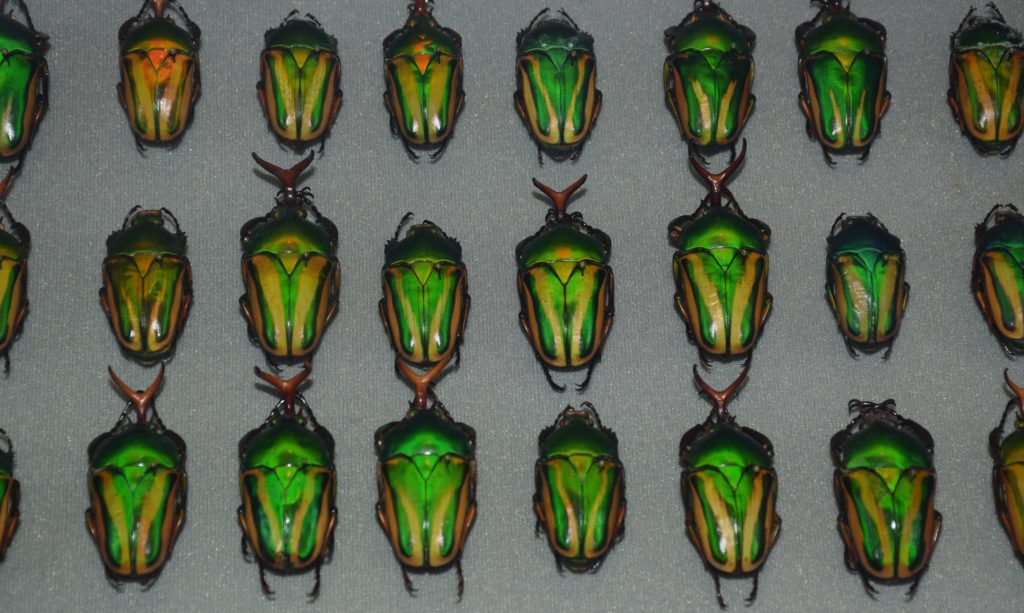
Shiny scarab beetles

This species of scarab, Eudicella gralli, which is sometimes referred to as the “Flamboyant Flower Beetle,” is on display at the museum. These scarab beetles are also sexually dimorphic, or males and females look physically different. The male scarabs in the picture above have large, Y-shaped horns that they mainly use to fight for females, while the females (look closely at the bottom right beetle) have shorter, shovel-like tusks great for digging and burrowing.

Paul Bauer preparing bug specimens

John Bauer (pictured above) was an entomologist at Carnegie Museum of Natural History for 43 years in the mid 1900s. He is pictured preparing beetle specimens, like the kind you see on display at the museum. Behind the scenes, our scientists continue to do incredible research with the hundreds of thousands more specimens they have collected and prepared since this photo was taken. Learn about some amazing ways our scientists help to share our collection with other scientists.

Bugs at Powdermill Nature Reserve

All of the photographs of the insects below were taken at Powdermill Nature Reserve, the museum’s environmental research center.

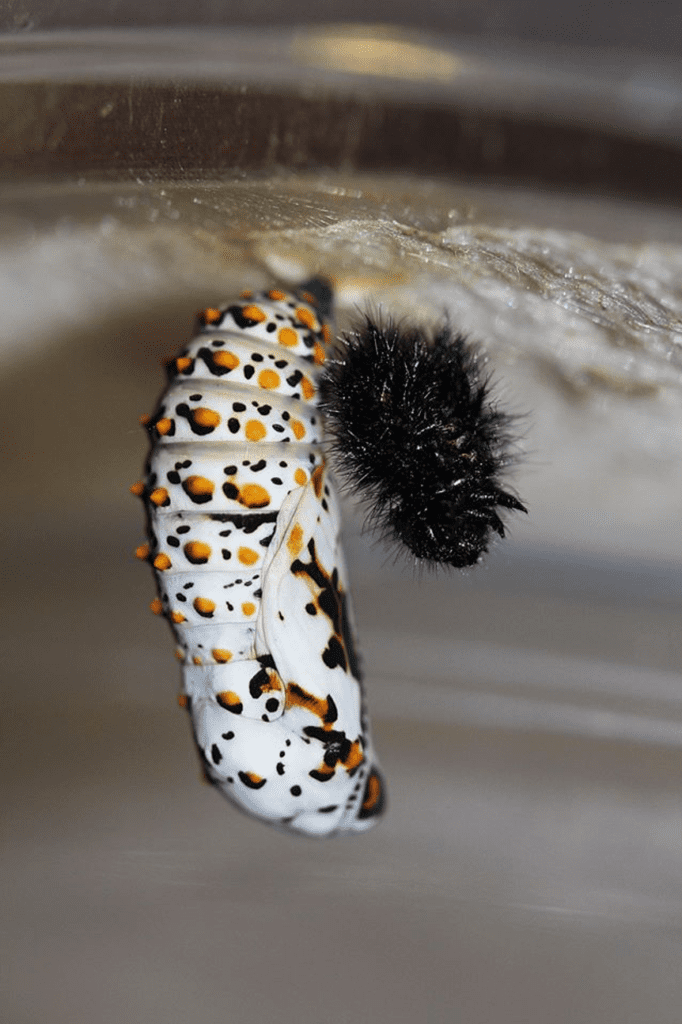
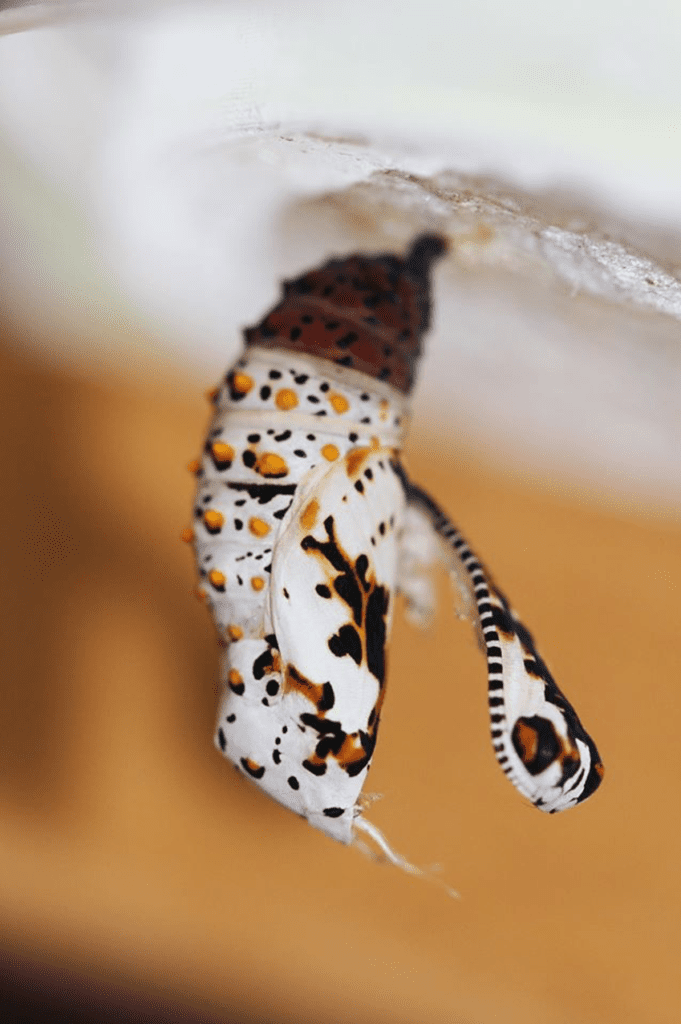
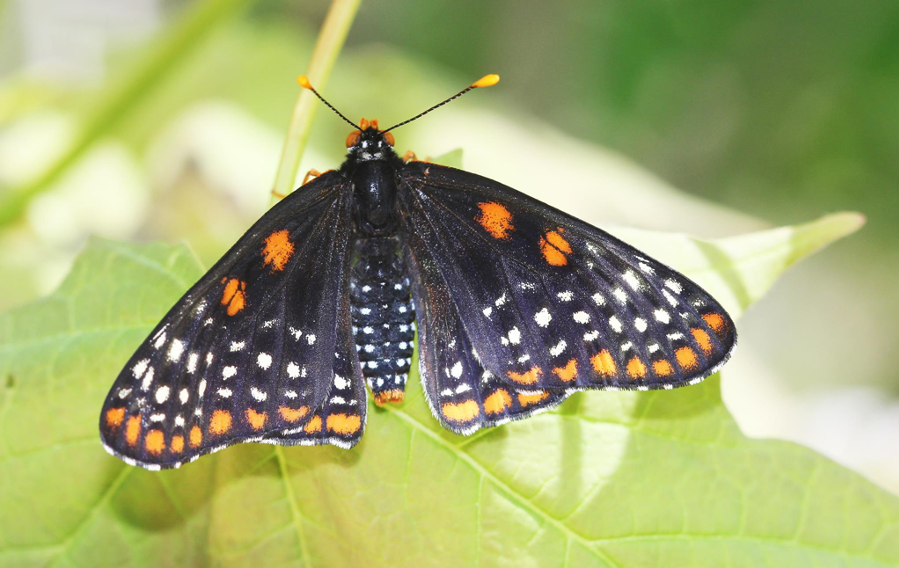
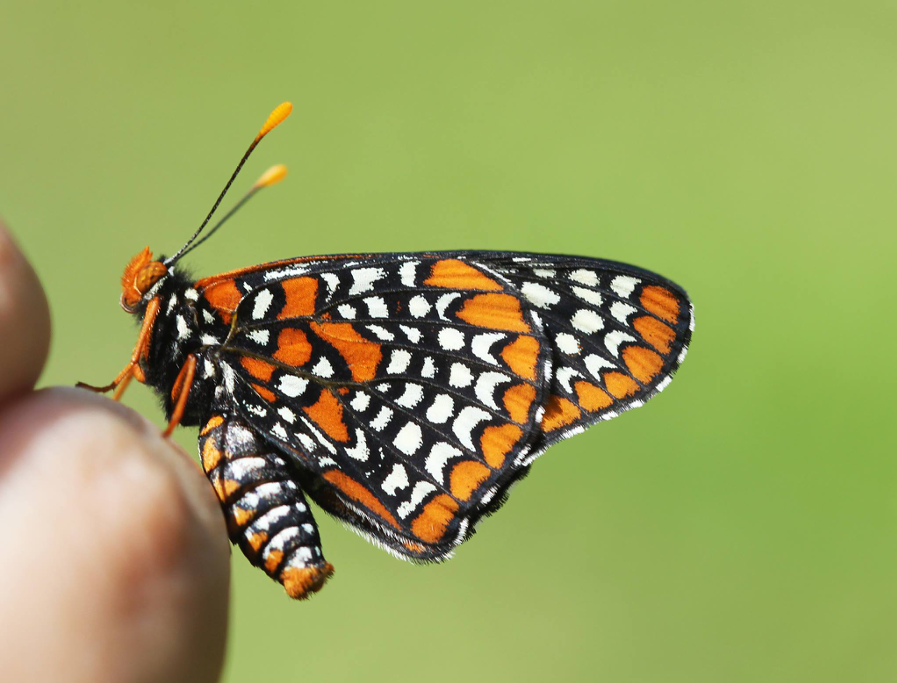
Life Stages of the Baltimore Checkerspot Butterfly
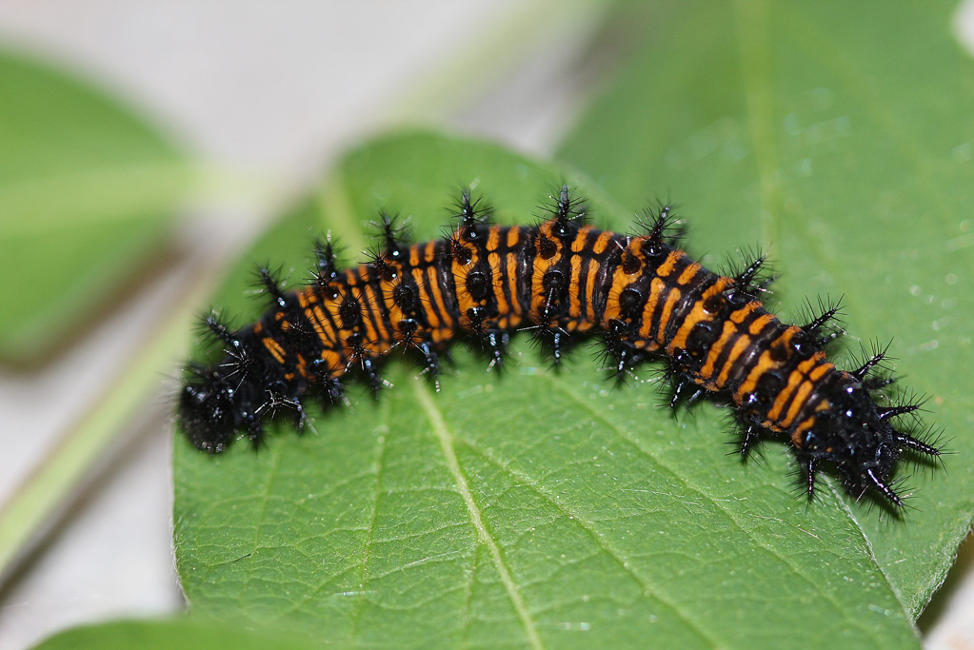
Baltimore Checkerspot Caterpillar
Caterpillar
Baltimore Checkerspot Chrysalis, with caterpillar skin
Chrysalis, with caterpillar skin
Baltimore Checkerspot chrysalis, with adult emerging
Chrysalis, with adult emerging
Baltimore Checkerspot Adult, top of wings
Baltimore Checkerspot Adult, underside of wings

Eastern Tiger Swallowtail

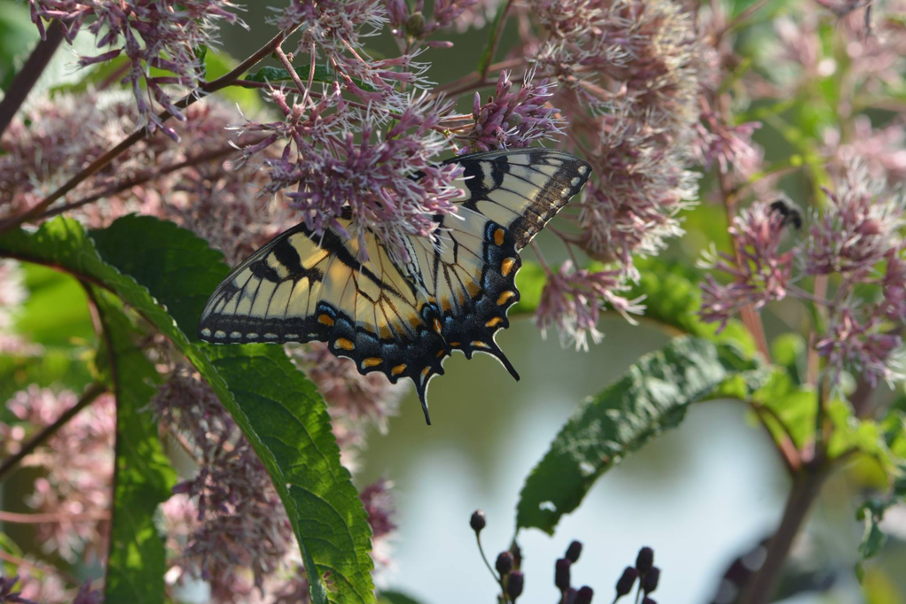
The adults of this species of butterfly feed on nectar from flowers. This species is dimorphic, meaning males and females look different, with females being either black or yellow. A yellow female will look similar to a male, other than having blue spots on her hindwing. Do you think the butterflies shown here are male or female?
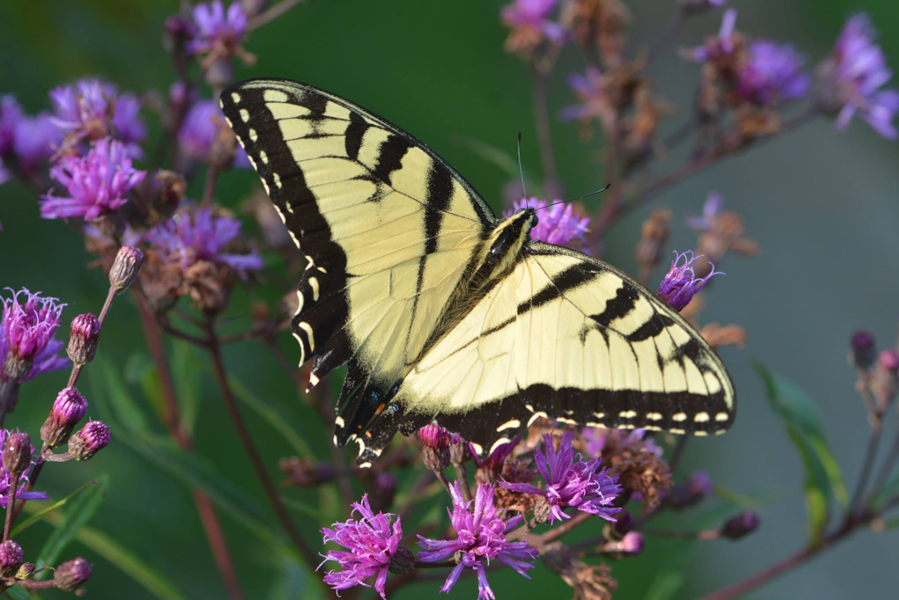
Eastern Swallowtail pollinating small purple flowers
Eastern Tiger Swallowtail pollinating tree flowers

Honey Bees

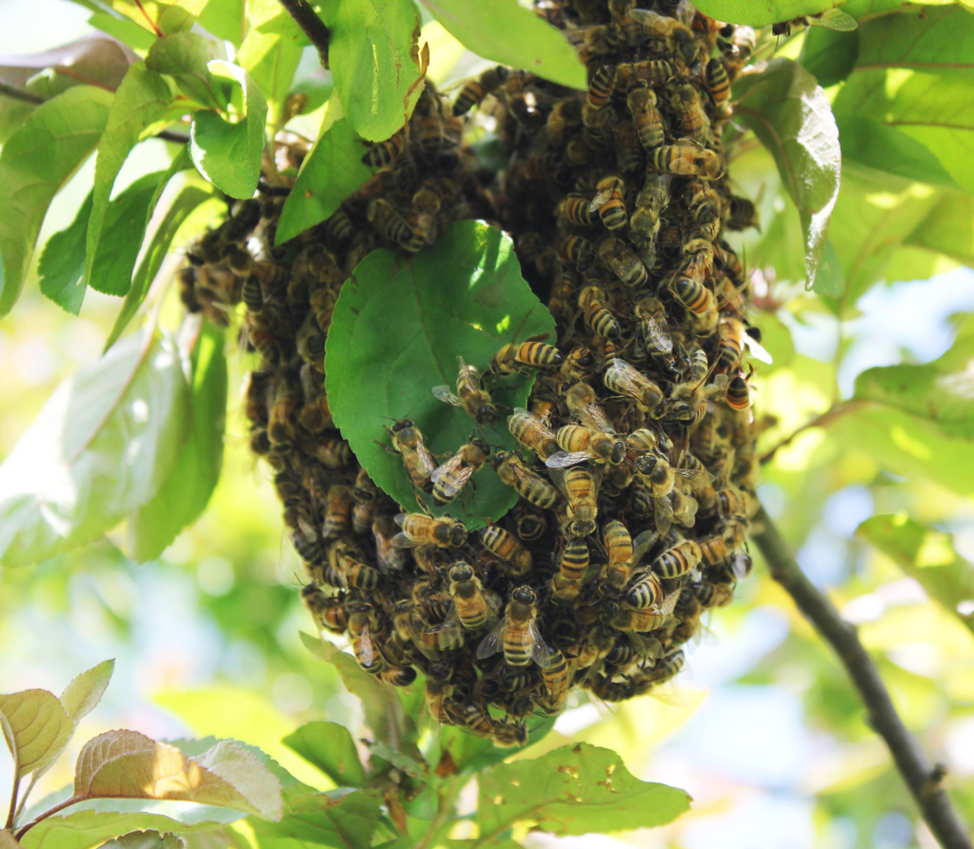
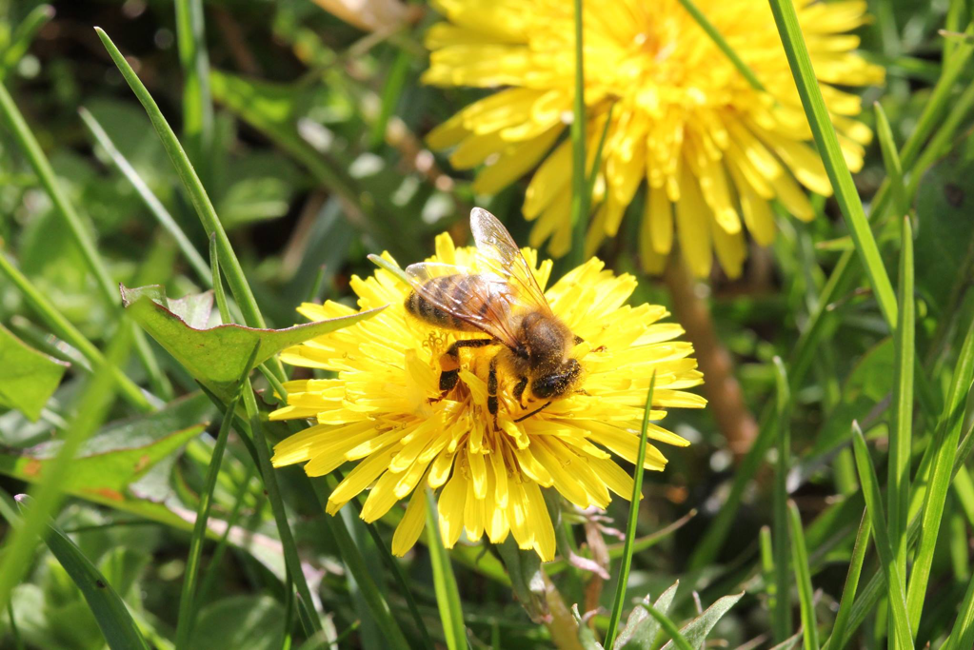
Honey Bees harvest nectar and pollen from flowering plants. They are social insects that live in large colonies. Female worker bees will fly around and gather pollen and nectar to take back to the hive, while male drones stay in the hive with the queen, who is in charge of the hive and lays all the eggs. You may see a swarm like the one shown here. If you do, please remember that it’s best to leave them alone: they are protecting their queen, and looking for a home. If the swarm is somewhere that is dangerous or inconvenient, try calling a local beekeeper to remove it safely!
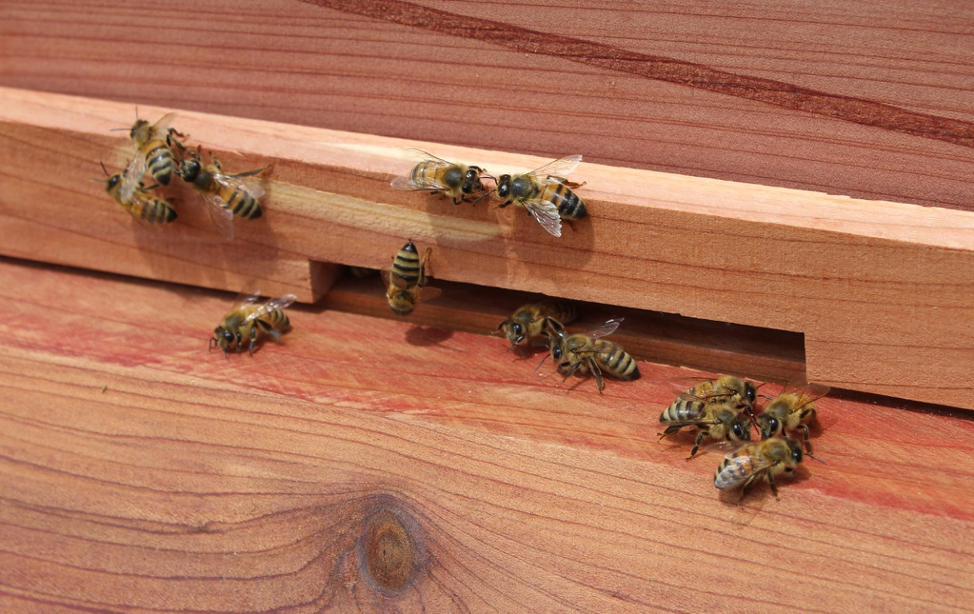
Honey bees entering a man-made hive
Honey bee pollinating a dandelion
Swarm of Honey bees

Filed Under: Blog Tagged With: Bug Bonanza

May 15, 2020 by Kathleen

Bug Bonanza: Jumping Spiders

Join spider science educator Sebastian Echeverri to learn about jumping spiders with real-life “spidey-senses.” Discover the mechanics of how they jump, where you can find them, and how well they can see.

Filed Under: Blog Tagged With: Bug Bonanza

May 15, 2020 by Kathleen

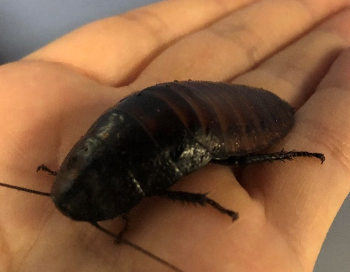
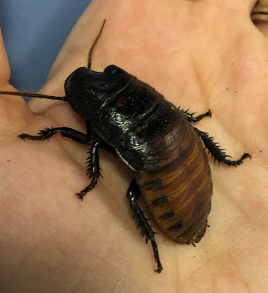
Bug Bonanza: Cockroach Race!

Filed Under: Blog Tagged With: Bug Bonanza

May 14, 2020 by Kathleen

Cockroach Racing: Athlete Profiles

Cockroach Racing? What is that?

Cockroach racing began in Australia 38 years ago, and according to the pub where the cockroach races are still ceremoniously held, it all began when two Australian pub patrons were arguing “over which suburb had the biggest and fastest roaches.”

Our race is happening tomorrow, so it’s time to meet our athletes!

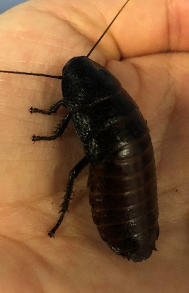
cupcake the cockroach

Cupcake “Speedster” Carnegie

Favorite Food: Enchiladas
Hobby: Reading
Secret Technique: uses spiracles to distract opponents

Supersonic the cockroach

Franklin “Supersonic” Carnegie

Favorite Food: Sushi
Hobby: White-water rafting
Secret Technique: eats protein before every event

The Flash the cockroach

Franklin “The Flash” Carnegie

Favorite Food: Fruit sald
Hobby: Gardening
Secret Technique: meditates for 30 minutes before every race

Speedy the cockroach

Cupcake “Speedy” Carnegie

Favorite Food: Fudge brownies
Hobby: Painting
Secret Technique: uses her antennae to feel the corners of the race track

Filed Under: Blog Tagged With: Bug Bonanza

May 13, 2020 by Kathleen

Butterfly Chromatography Craft

What is Chromatography?

Chromatography is a very easy to observe chemical process where one state of matter–in this chromatography craft (and for ancient Greek art forms!) ink or paint–gets dissolved by another state of matter–in this case, water.

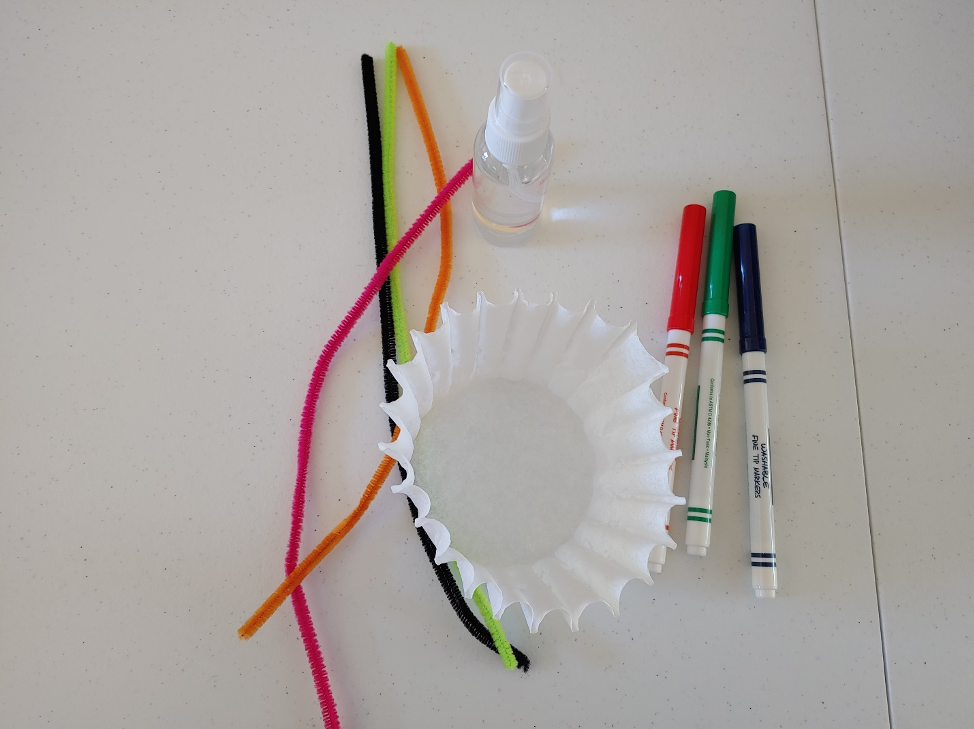
What You Will Need for your Butterfly Chromatography Craft

  • Pipe Cleaners
  • Spray Bottle
  • Water
  • Coffee filters
  • Washable Markers
  • Drying station, somewhere to dry the butterflies

*Most of these items can be substituted for other items if you don’t have them. You can also use clothespins, twist ties, or paper towels to make your Butterfly chromatography craft instead!

Chromatography Craft materials
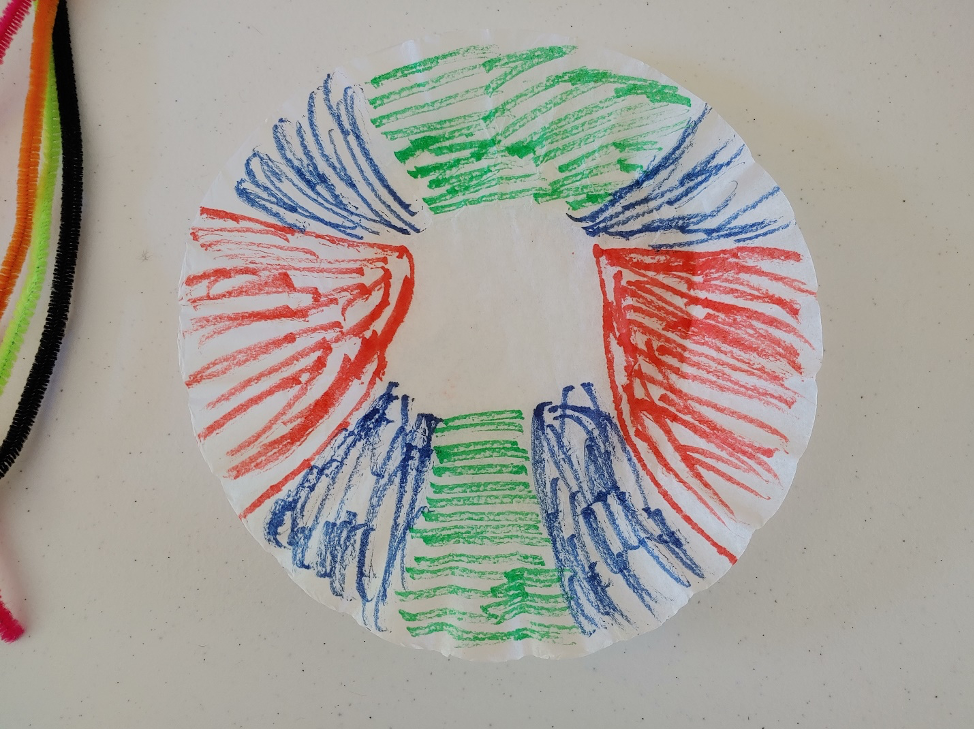
Colored coffee filter
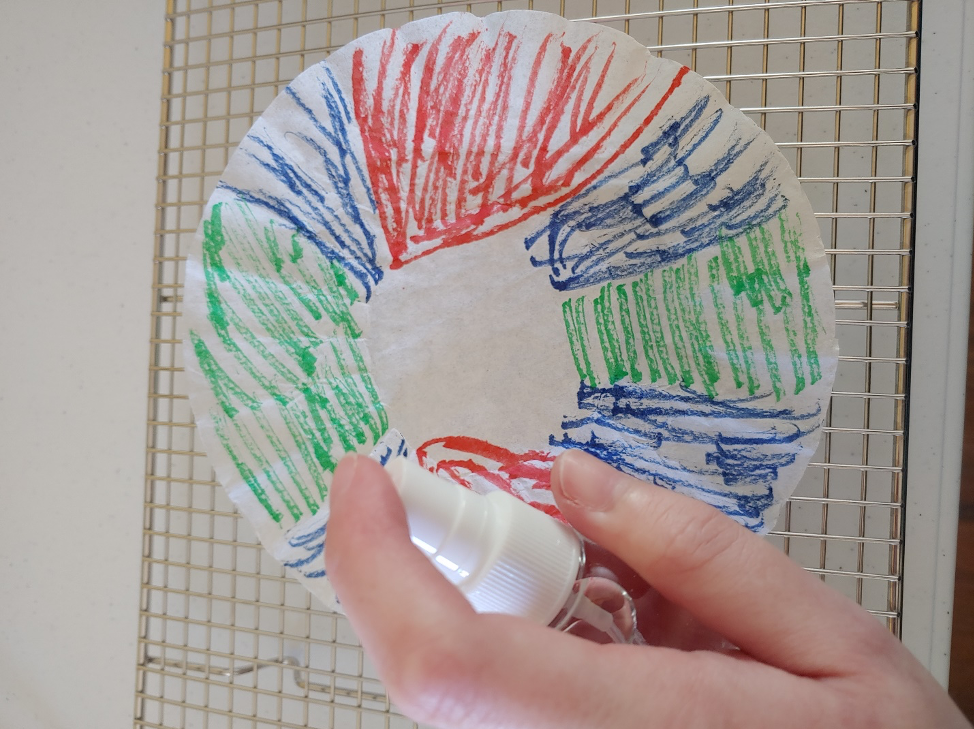
spraying water onto colored coffee filter
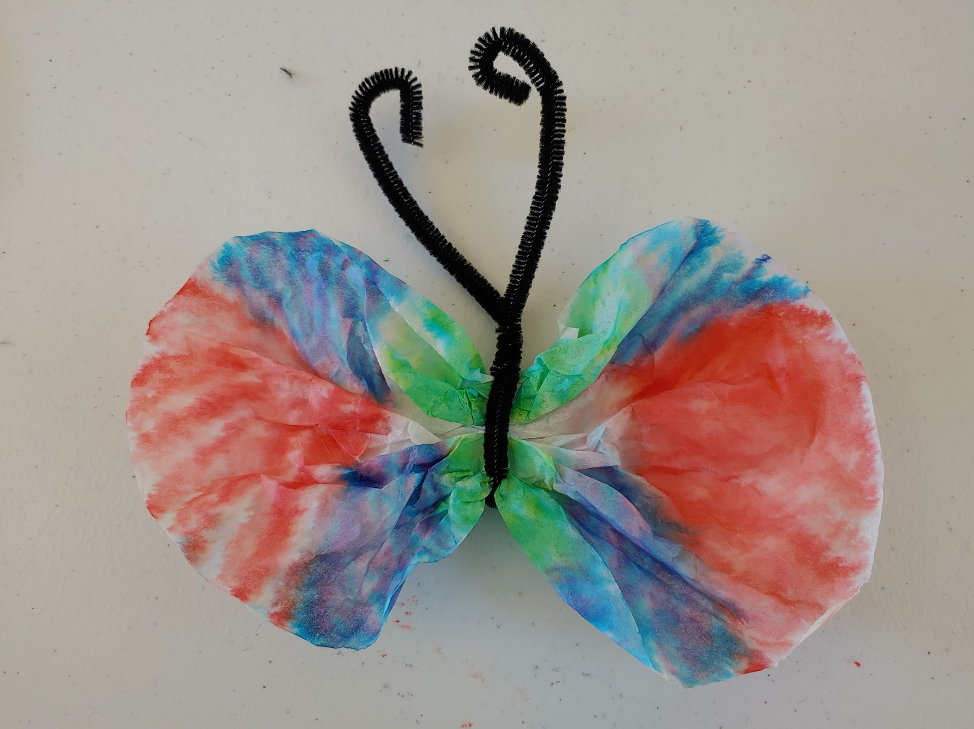
finished chromatography craft

Directions

  1. Using your washable markers, draw an image or pattern on your coffee filters. This can be as complex or colorful as you’d like!
  2. Spray the coffee filter with water. Try not to use too much! You’ll see the colors begin to bleed almost immediately. Allow about 5-10 minutes to dry.
  3. Once fully dry, take two fingers and pinch the middle of the coffee filter to create a shape that looks like a bow. Carefully spread each side out to make them look fuller and wing-like.
  4. Use a pipe cleaner or clothespin to tie around the middle of the wings. Try to shape the ends of the pipe cleaner into antennae or attach some yarn or string to your clothespin.
  5. Your butterfly craft is finished! Be sure to show off your creations using the #MuseumsFromHome!
Try other Super Science Days Activities

Filed Under: Blog Tagged With: activities, Bug Bonanza

May 13, 2020 by Kathleen

Bugs Scavenger Hunt

Look in your backyard or around your neighborhood to find one of each of the invertebrates on our scavenger hunt below (we’re including slugs, snails, and worms on our list).

If you can’t get outside, watch the video to learn how to use iNaturalist to complete the scavenger hunt online.

Find One of Each Kind of Invertebrate!

Butterflies

Big and small, butterflies are some of the most impressive insects.  Look for them around flowers and near muddy ponds and puddles where they take a drink.

true bug

True Bugs

They’re insects that have wings and sucking mouthparts because they love the sap from plants.  Look for them in the garden, the field, or the forest.

bee

Bees and Wasps

Listen for these black and gold fans buzzing around flowers and fields. Some bees are active in the morning and others in the middle of the day.

spider

Spiders

These creepy-crawlies might hang out in your yard, the forest, or even your basement! Maybe you’ll find them feasting on insects.

beetle

Beetles

Some are black, but some beetles can be colorful like ladybugs. Beetles like forests, fields, and even collect pollen from flowers.

moth

Moths

These camouflaged insects tend to fly around at night, maybe you can find some near porch lights at night or napping on trees and buildings during the day.

fly

Flies

Flies sometimes get inside our houses, but they’re also pretty fond of flowers and wet places like streams, puddles, and ponds.

millepede

Many Legs

Look around for any kind of invertebrate with many legs like a millipede, centipede, or crayfish. They can be found in many habitats.

ant

Ants

Sometimes they come out in great numbers to bring food back to the colony. Ants live where they can find open soil to build their underground communities.

snail

No Legs

Worms like damp places like under rocks and logs but come out after a heavy rain. You might find snails and slugs hiding from the rain or eating plants in forests, fields, or gardens.

Filed Under: Blog Tagged With: activities, Bug Bonanza

  • « Go to Previous Page
  • Page 1
  • Interim pages omitted …
  • Page 9
  • Page 10
  • Page 11
  • Page 12
  • Page 13
  • Go to Next Page »

sidebar

About

  • Mission & Commitments
  • Directors Team
  • Museum History

Get Involved

  • Volunteer
  • Membership
  • Carnegie Discoverers
  • Donate
  • Employment
  • Events

Bring a Group

  • Groups of 10 or More
  • Birthday Parties at the Museum
  • Field Trips

Powdermill

  • Powdermill Nature Reserve
  • Powdermill Field Trips
  • Powdermill Staff
  • Research at Powdermill

More Information

  • Image Permission Requests
  • Science Stories
  • Accessibility
  • Shopping Cart
  • Contact
  • Visitor Policies
One of the Four Carnegie Museums | © Carnegie Institute | Privacy Policy | Terms of Use | Accessibility
Rad works here logo