• Skip to primary navigation
  • Skip to main content
  • Skip to primary sidebar

Carnegie Museum of Natural History

One of the Four Carnegie Museums of Pittsburgh

  • Visit
    • Buy Tickets
    • Visitor Information
    • Exhibitions
    • Events
    • Dining at the Museum
    • Celebrate at the Museum
    • Powdermill Nature Reserve
    • Event Venue Rental
  • Learn
    • Field Trips
    • Educator Information
    • Programs at the Museum
    • Bring the Museum to You
    • Guided Programs FAQ
    • Programs Online
    • Climate and Rural Systems Partnership
  • Research
    • Scientific Sections
    • Science Stories
    • Science Videos
    • Senior Science & Research Staff
    • Museum Library
    • Science Seminars
    • Scientific Publications
    • Specimen and Artifact Identification
  • About
    • Mission & Commitments
    • Directors Team
    • Museum History
  • Tickets
  • Give
  • Shop

February 27, 2020 by

Amphibians & Reptiles

  • Second Floor

Check out the reptiles and amphibians of today while looking out over prehistoric reptiles that existed millions of years ago.

The Daniel G. & Carole L. Kamin T. rex Overlook is home to the museum’s main herpetology displays, which feature toads, frogs, salamanders, snakes, lizards, and turtles of Pennsylvania. Learn about what makes these creatures unique, and enjoy a bird’s-eye view of an exciting scene in Kamin Halal of Dinosaurs, where two T. rexes are frozen in battle while a giant pterosaur flies above.

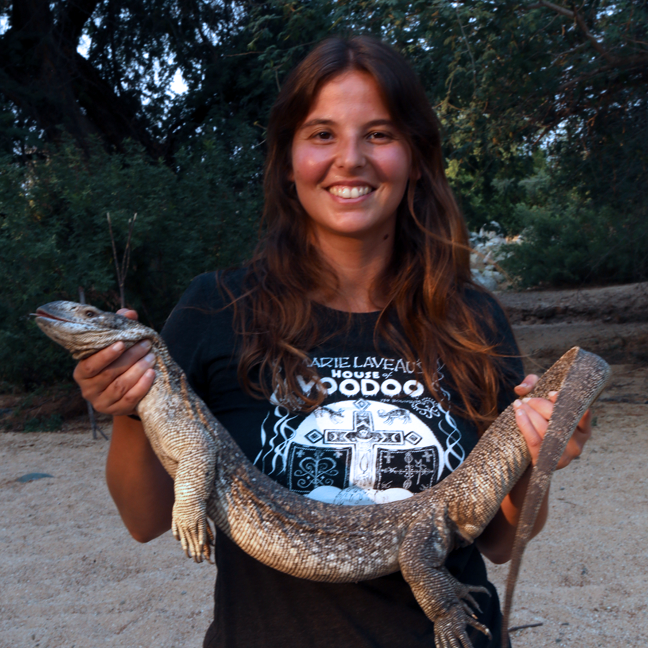
Though Pennsylvania has a temperate climate, it is home to representatives of most reptile and amphibian groups. Four dioramas exhibit examples of animals from our state, including an eastern box turtle, a northern leopard frog, and the venomous copperhead snake.
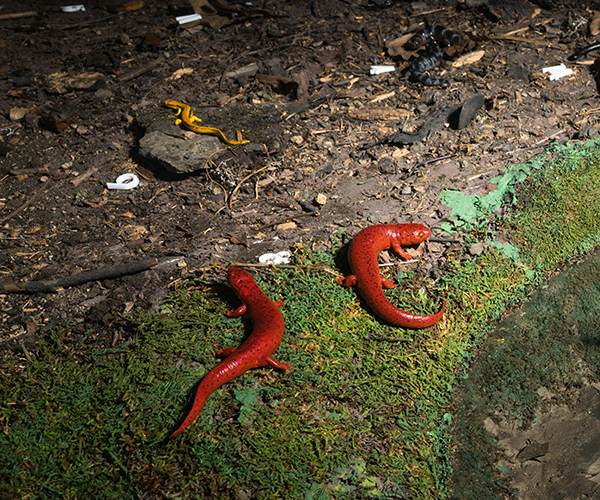
Red salamanders in a display case

Meet our Herpetologists

Jennifer Sheridan

Jennifer Sheridan, Ph.D.

Assistant Curator of Amphibians and Reptiles

Learn More
Mariana Marques

Mariana Marques, M.S.

Collection Manager of Amphibians and Reptiles

Learn More

Learn about the Amphibians & Reptiles (Herpetology) Collection at the Museum

The Section of Amphibians and Reptiles maintains a collection of more than 230,000 specimens and ranks at about the ninth largest amphibian and reptile collection in the United States. 
Learn about the Section of Amphibians & Reptiles (Herpetology)

Filed Under: Uncategorized Tagged With: dinos, dinosaurs, dinosaurs in their time

February 27, 2020 by

Cretaceous Seaway

  • First Floor

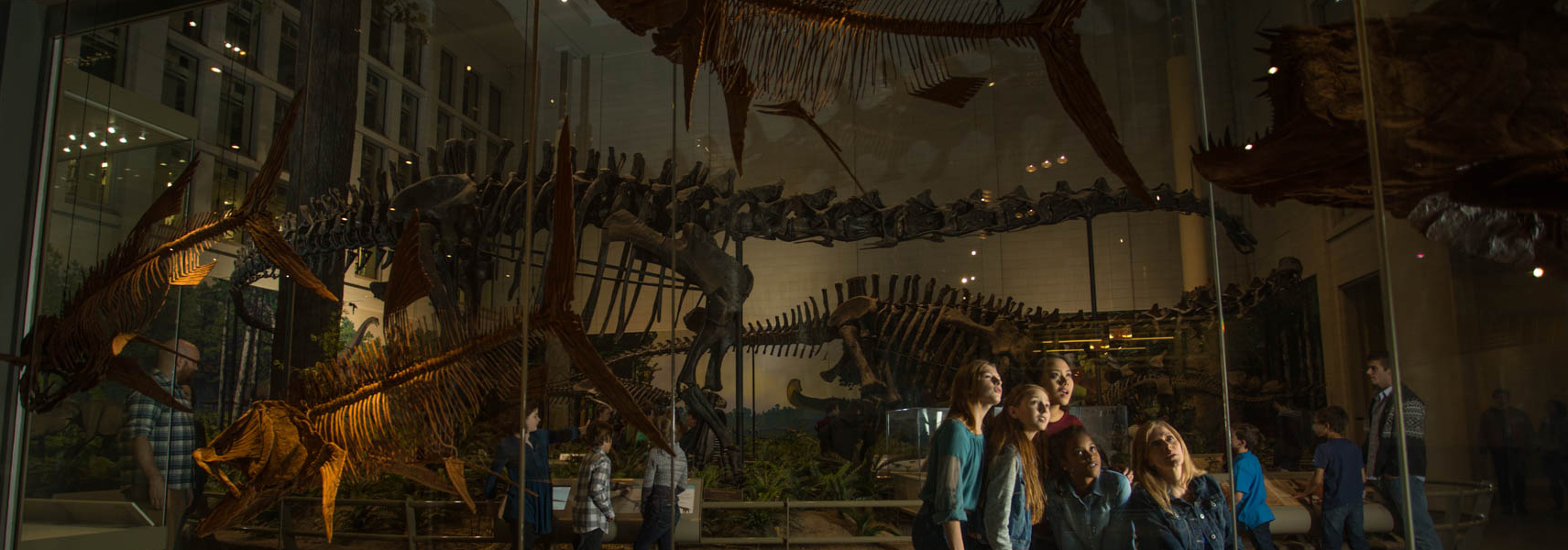
Step into an underwater world in Cretaceous Seaway, a unique exhibition hall that features gentle giants and fierce predators that lived underwater during the Age of Dinosaurs.

The hall brings to life the Western Interior Seaway, a shallow ocean that existed in the Midwestern United States 80 million years ago. Hanging over the entry, a massive Manitoba pliosaur closes in on its potential prey, a juvenile of the plesiosaur Libonectes morgani. The juvenile plesiosaur Libonectes is the only one of its kind, replica or otherwise, on display anywhere in the world.

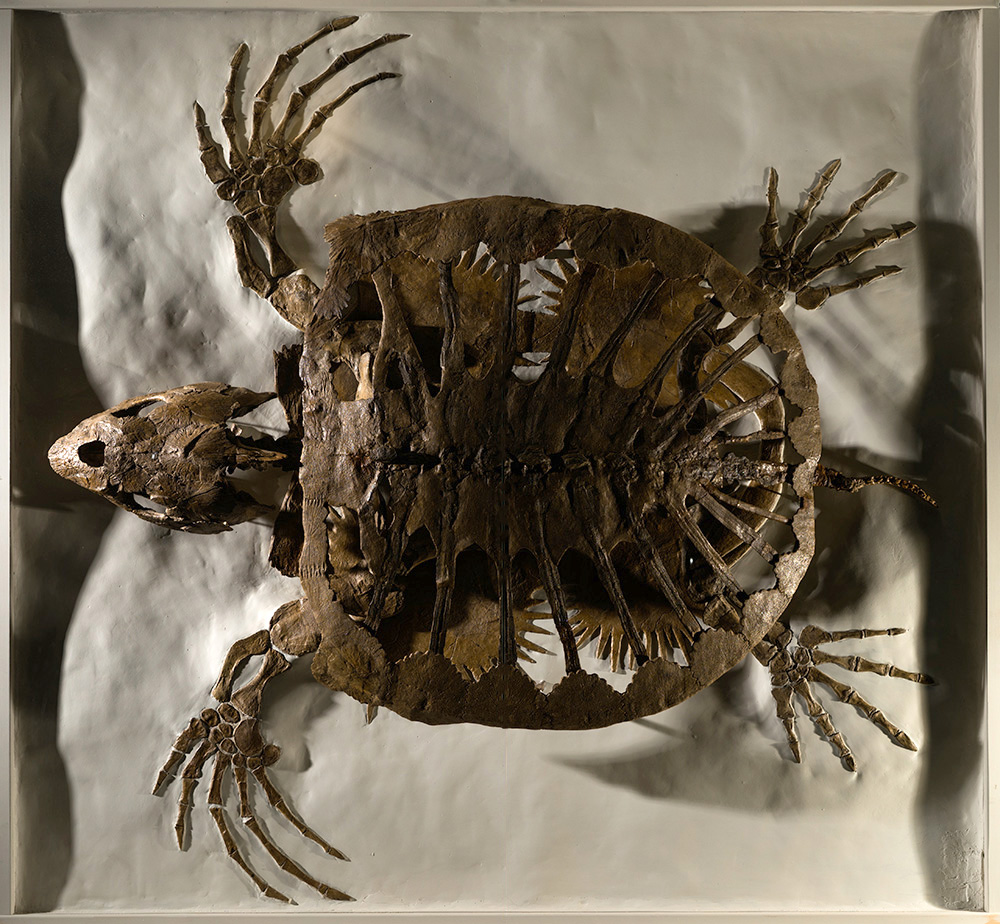
Visitors can also examine the fossils of a giant turtle and a newly restored Tylosaurus mosasaur fossil skull. See a dramatic chase scene where a plesiosaur is in pursuit of a prehistoric diving bird. Look up, and see the king of the seaway—a 40-foot mosasaur swimming above. Two replica fossil fishes hang nearby.

Adjacent to Kamin Hall of Dinosaurs, Cretaceous Seaway is an extension of our blockbuster core exhibition that showcases life during the Cretaceous Period.

fossil of a giant sea turtle

Learn about the Invertebrate Paleontology Collection at the Museum

Invertebrate Paleontology’s collection contains several noteworthy phyla, including Paleozoic trilobites, Mesozoic and Cenozoic crustaceans, lower Carboniferous brachiopods, Paleozoic gastropods, Paleozoic cephalopods, Paleozoic ophiuroids, and Pennsylvanian age eurypterids. The section also has more than 12,000 primary types and figured specimens.

Learn about the Section of Invertebrate Paleontology

Filed Under: Uncategorized Tagged With: dinos, dinosaurs, dinosaurs in their time

February 27, 2020 by

Art of the Diorama

  • First Floor

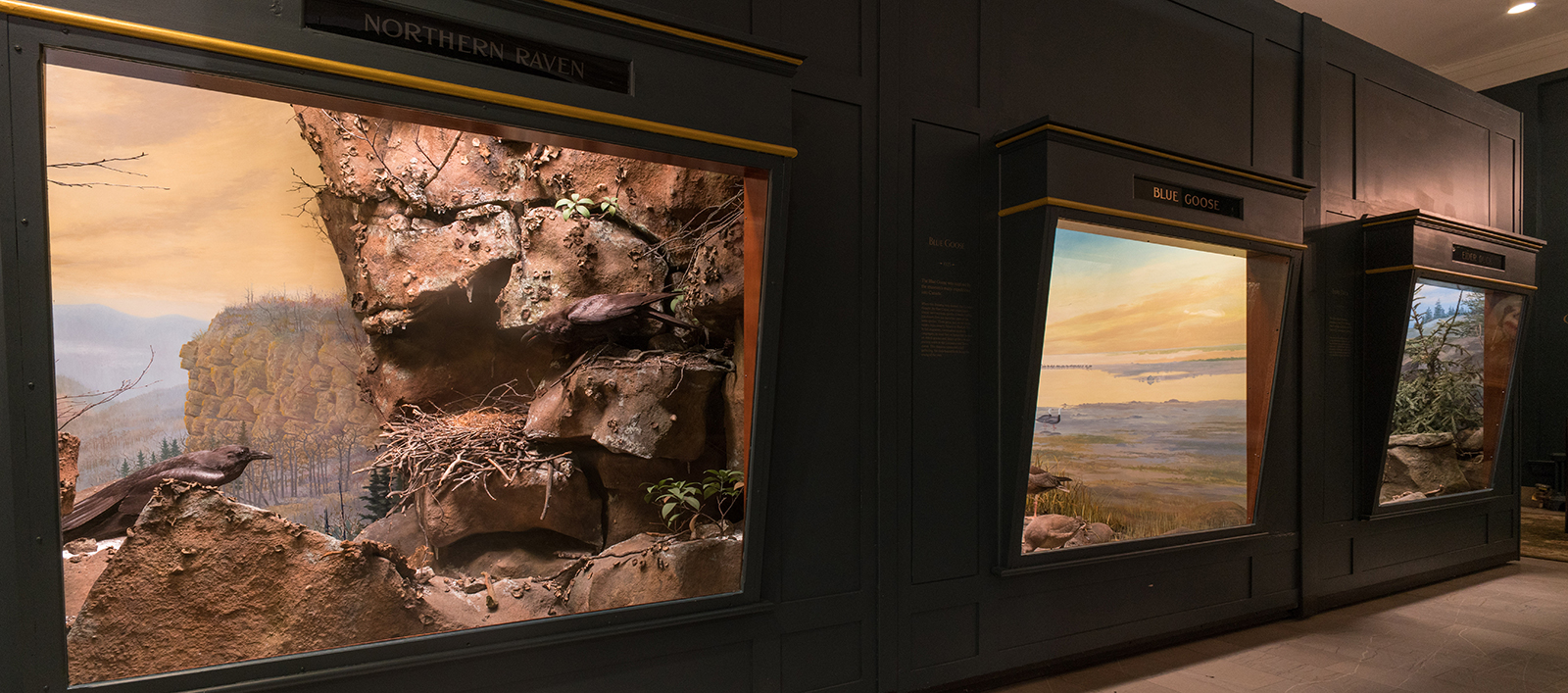
Discover the craft and artistry behind Carnegie Museum of Natural History’s famous nature dioramas. Art of the Diorama is an exhibition designed to look like a turn of the century museum with mahogany furniture, a chandelier, and seven classic dioramas that were created in the 1920s and 1930s.

The dioramas feature wildlife like blue geese and aurora trout in stunning replications of scenes from nature. The dioramas were created at the height of the craft and feature detailed, hand-painted backgrounds, expert taxidermy, and scientifically accurate flora and fauna. The exhibition also features two antique “bubble-glass” commercial taxidermy pieces that were once popular in homes and parlors.

Art of the Diorama gives visitors a deeper appreciation for the museum’s dioramas and shows how museum dioramas have changed and grown alongside the conservation movement.

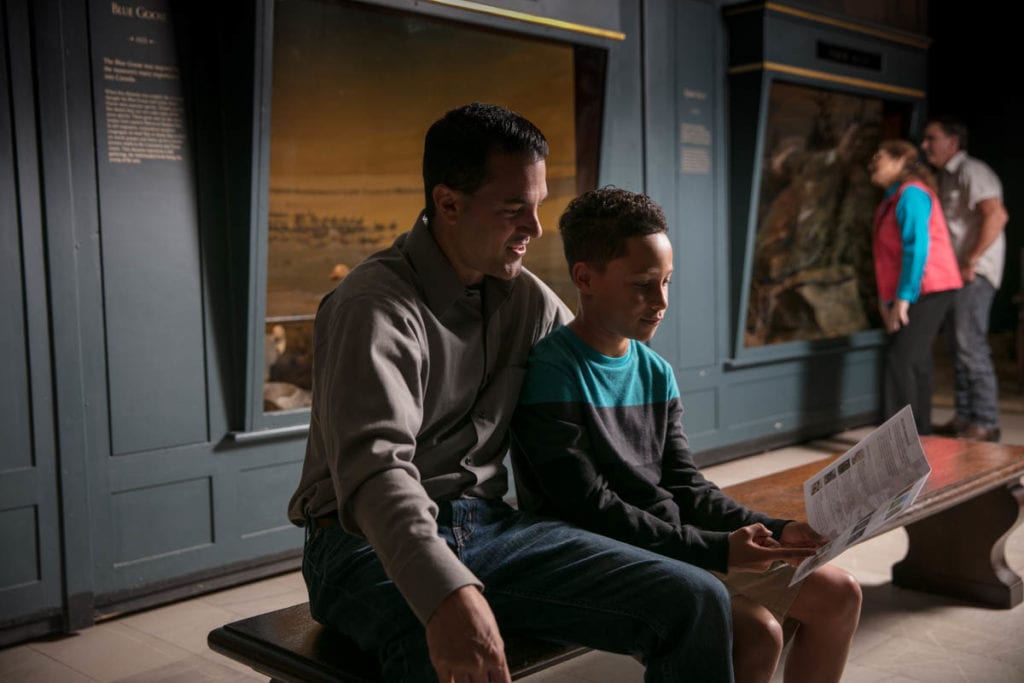
adult and child reviewing a museum map

Meet our Conservator

Anderson, Gretchen

Gretchen Anderson

Collection Care and Conservation

Learn More

Learn about the Collection Care and Conservation at the Museum

The entirety of our collection–not just the collection we have on display like these very old dioramas–must be cared for and maintained to ensure they aren’t damaged by moisture, oils, pests, and other deteriorating agents.

Learn about Collection Care Strategies

Filed Under: Uncategorized Tagged With: dinos, dinosaurs, dinosaurs in their time

February 27, 2020 by

Polar World: Wyckoff Hall of Arctic Life

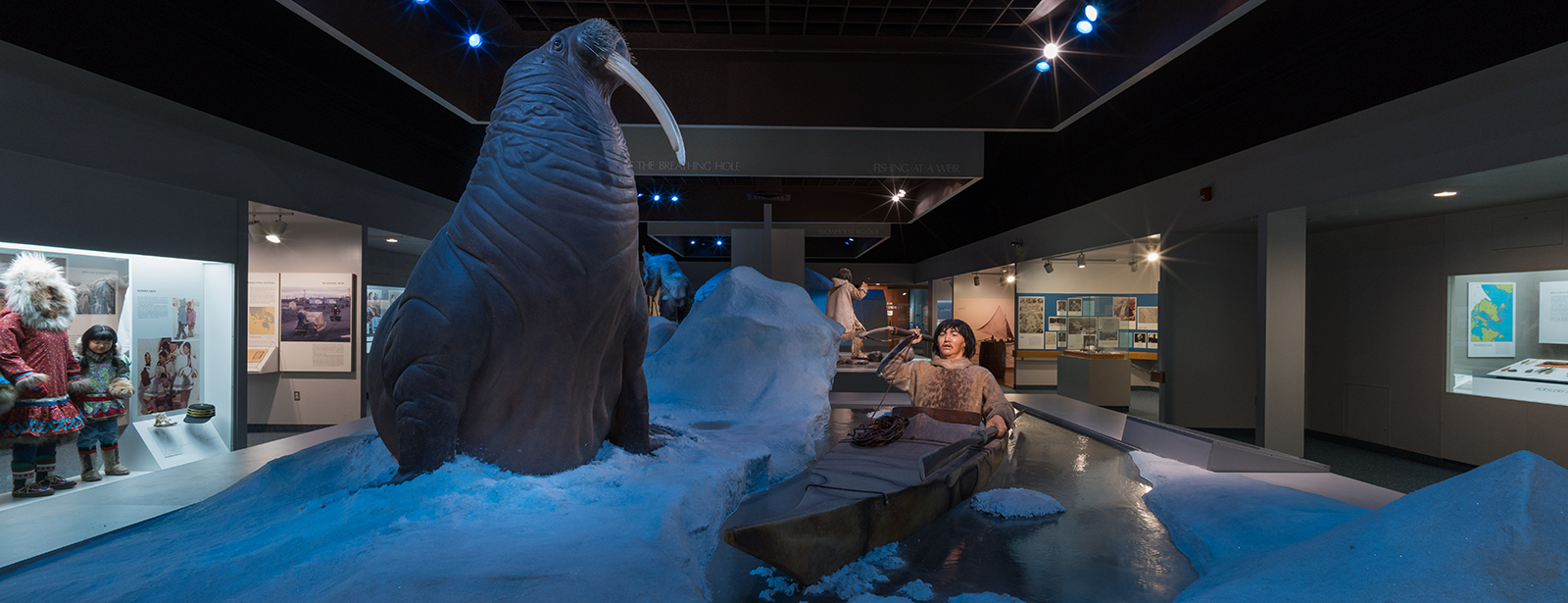
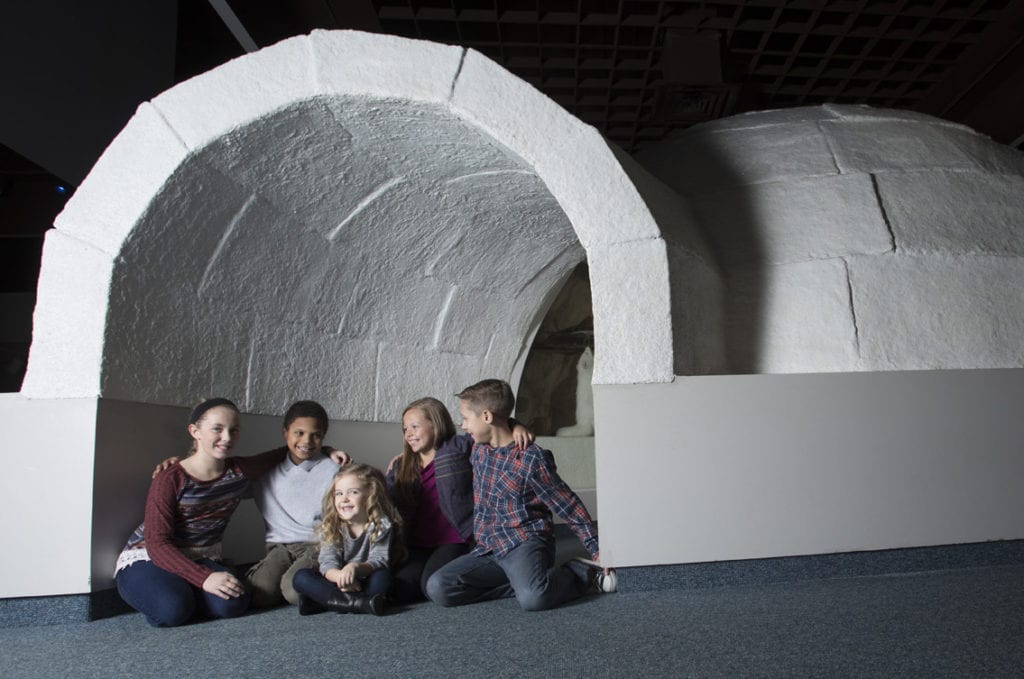
Traversing 4,500 years of Inuit history, learn about the Canadian Inuit and how they’ve adapted to the environmental challenges of life in the Arctic. View Inuit sculptures and prints, full-sized dioramas, and Arctic wildlife like Polar Bears, Caribou, and Walruses. Realistic dioramas and a replica igloo transport you to the arctic in this immersive hall. The hall includes an exhibit on the impact of the whaling industry in the 1930s and 1940s that includes original artifacts from whaling ships.

This exhibit was created in the early 1980s. Its purpose was to explore 4500 years of First Nations (this is the preferred term for indigenous people in Canada) history in the Arctic. Because of its age, it now contains both scientific and cultural information that is outdated. We are working to improve the language and content to better reflect the current values of the museum and the scientific advancements and knowledge we have today.

This exhibit promotes systems of oppression by focusing on a colonialist point of view. It insinuates that Europeans made things better for the people they encountered in the Arctic. European colonizers displaced Indigenous communities in North America, exploiting people and land. They violently established themselves as the dominant power and voice. Indigenous people continue to thrive in the Arctic and deserve to tell their own stories. Using the phrase, “Yesterday’s People” to describe the people of the Arctic does not convey this message. The colonizers should not be referred to as “visitors.” This downplays the violent means by which they established and maintained dominance.  

Another source of out of date information in the gallery are the maps that refer to the United Soviet Socialist Republic, which had dissolved by 1991. The tables of climate data and the maps that depict the extent of Arctic ice are also out of date. Arctic temperatures have warmed dramatically (almost twice as fast as the global average), and ice has drastically declined in association with ongoing human-caused climate change. These extreme climate changes are putting tremendous stress on the people and wildlife.

We realize that there is also problematic language used to describe the people represented in the exhibit. The term “Eskimo” is used throughout the hall to refer to those First Nations individuals encountered by the colonizers. While this is a term used in Alaska to self-designate by some people, it is most often used as a derogatory term. The preferred term in Canada is Inuit, which refers specifically to those who make their homes in the Arctic and subarctic regions of North America and Siberia.

  • Third Floor
kids playing in the igloo in polar world

Meet our Anthropologist and Archaeologist

Amy Covell-Murthy

Amy Covell-Murthy, M.A.

Collection Manager of Archaeology, Head of Section

Kristin Gaugler

Kristina Gaugler, M.A.

Collection Manager of Anthropology

Learn about the Anthropology and Archaeology Collection at the Museum

The anthropology collection, the Section of Anthropology and Archaeology, contains major research collections of over 100,000 ethnological and historical specimens and over 1.5 million archaeological artifacts.

Learn about the Section of Anthropology and Archaeology

Blogs about the Arctic Region

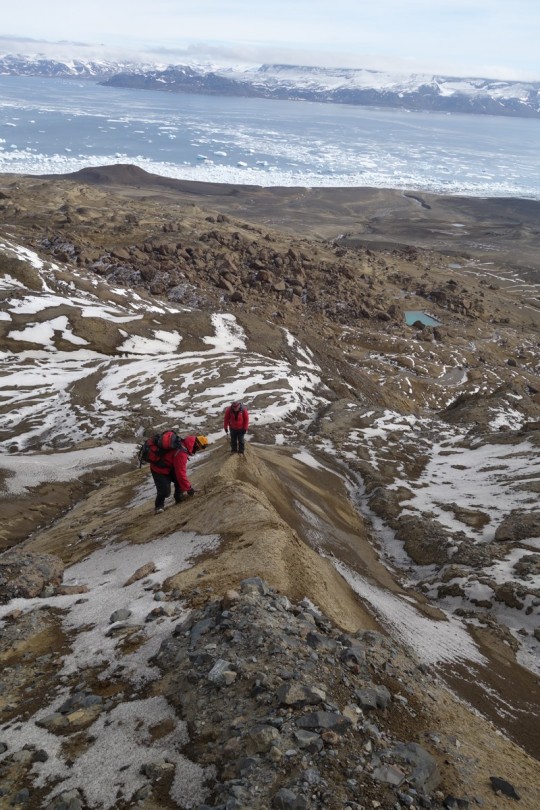
  • Arctic Message

    Arctic Message

    By Patrick McShea What happens in the Arctic effects all of us. The frozen seas of the northern hemisphere’s remotest territory influence …
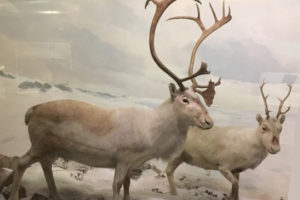
  • Are Santa’s Reindeer Real Mammals?

    Are Santa’s Reindeer Real Mammals?

    by Suzanne B. McLaren Yes! Reindeer are real mammals. In fact, reindeer are the same species as caribou (Rangifer tarandus). The species is …
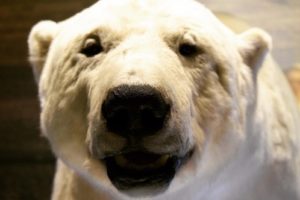
  • Face to face with a polar bear

    Face to face with a polar bear

    Come face to face with a polar bear in Polar World: Wyckoff Hall of Arctic Life at Carnegie Museum of Natural History.
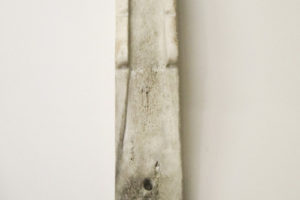
  • What’s This?

    What’s This?

    What’s This: a spoon, a tongue depressor or a sled shoe? Sled shoes were made of bone or ivory and pegged to …

Filed Under: Uncategorized Tagged With: dinos, dinosaurs, dinosaurs in their time

February 6, 2020 by

Expedition: Antarctica

Travel to Antarctica with Paleontologist Dr. Matt Lamanna to search for fossils in a family-friendly, interactive documentary about finding dinosaurs in one of the most remote places on Earth.

This program utilizes an artificial snow machine resulting in heightened noise levels and falling, non-toxic microbubbles.

Weekends at 11:30 a.m. in Earth Theater
$2 per person, tickets available at admission desk or outside Earth Theater 15 minutes before start time.

researchers in Antarctica

Filed Under: Uncategorized

February 6, 2020 by

R.W. Moriarty Science Seminars

R.W. Moriarty Science Seminars

Learn about scientific discoveries directly from the experts in the field during free, hour-long public talks. Carnegie Museum of Natural History’s scientific research staff and invited speakers discuss their latest findings on numerous scientific topics at the R.W. Moriarty Science Seminar series, ongoing since 2010.

Check out the full 2025-2026 season below and click the seminar titles for more information and to register to attend in-person or online.

Loading view.

Events Search and Views Navigation

Event Views Navigation

  • List
  • Month
  • Day
  • Photo
Today

February 2026

Thu 12
Joanne Jones-Rizzi
February 12, 6:00 pm - 7:00 pm

R.W. Moriarty Science Seminar: Anti-Racist Initiatives in Exhibition Development at Science Museums

 tribe-events-schedule tribe-clearfix {display: none !important;} div.tribe-event-date-start, .tribe-event-time, {display: none !important;font-family: "klavika-web", sans-serif; font-weight: 400; line-height: 1.2; margin: 0 0 10px; color: #333; font-size: 20px; font-size: 2.0rem; padding-bottom: 10px;} .tribe-events […]

March 2026

Mon 9
Sergei Bykov
March 9, 12:00 pm - 1:00 pm

R.W. Moriarty Science Seminar: A Search for Evidence of Past Habitability in Jezero Crater, Mars

 tribe-events-schedule tribe-clearfix {display: none !important;} div.tribe-event-date-start, .tribe-event-time, {display: none !important;font-family: "klavika-web", sans-serif; font-weight: 400; line-height: 1.2; margin: 0 0 10px; color: #333; font-size: 20px; font-size: 2.0rem; padding-bottom: 10px;} .tribe-events […]

April 2026

Thu 9
Rafael Marquez
April 9, 6:00 pm - 7:00 pm

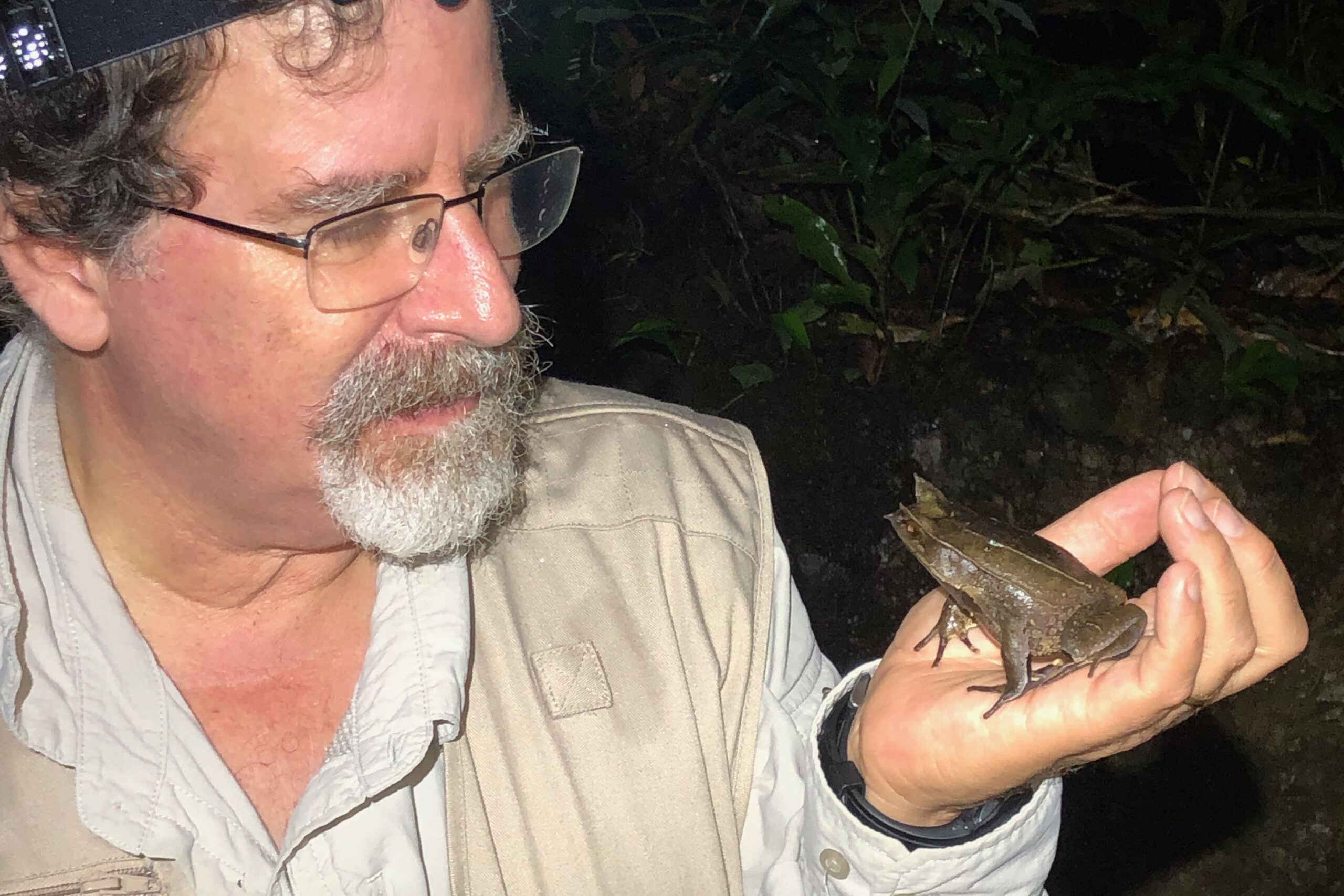
R.W. Moriarty Science Seminar: Testing the “Sixth Sense” of Anuran Amphibians

 tribe-events-schedule tribe-clearfix {display: none !important;} div.tribe-event-date-start, .tribe-event-time, {display: none !important;font-family: "klavika-web", sans-serif; font-weight: 400; line-height: 1.2; margin: 0 0 10px; color: #333; font-size: 20px; font-size: 2.0rem; padding-bottom: 10px;} .tribe-events […]

May 2026

Thu 7
science staff posing for a group photo on the stairs
May 7, 6:00 pm - 7:00 pm

R.W. Moriarty Science Seminar: Lightning Talks from Carnegie Museum Scientists

 tribe-events-schedule tribe-clearfix {display: none !important;} div.tribe-event-date-start, .tribe-event-time, {display: none !important;font-family: "klavika-web", sans-serif; font-weight: 400; line-height: 1.2; margin: 0 0 10px; color: #333; font-size: 20px; font-size: 2.0rem; padding-bottom: 10px;} .tribe-events […]

  • Previous Events
  • Today
  • Google Calendar
  • iCalendar
  • Outlook 365
  • Outlook Live
  • Export .ics file
  • Export Outlook .ics file

Filed Under: Uncategorized

  • « Go to Previous Page
  • Page 1
  • Interim pages omitted …
  • Page 7
  • Page 8
  • Page 9
  • Page 10
  • Page 11
  • Interim pages omitted …
  • Page 13
  • Go to Next Page »

sidebar

About

  • Mission & Commitments
  • Directors Team
  • Museum History

Get Involved

  • Volunteer
  • Membership
  • Carnegie Discoverers
  • Donate
  • Employment
  • Events

Bring a Group

  • Groups of 10 or More
  • Birthday Parties at the Museum
  • Field Trips

Powdermill

  • Powdermill Nature Reserve
  • Powdermill Field Trips
  • Powdermill Staff
  • Research at Powdermill

More Information

  • Image Permission Requests
  • Science Stories
  • Accessibility
  • Shopping Cart
  • Contact
  • Visitor Policies
One of the Four Carnegie Museums | © Carnegie Institute | Privacy Policy | Terms of Use | Accessibility
Rad works here logo