• Skip to primary navigation
  • Skip to main content
  • Skip to primary sidebar

Carnegie Museum of Natural History

One of the Four Carnegie Museums of Pittsburgh

  • Visit
    • Buy Tickets
    • Visitor Information
    • Exhibitions
    • Events
    • Dining at the Museum
    • Celebrate at the Museum
    • Powdermill Nature Reserve
    • Event Venue Rental
    • Gift Cards
  • Learn
    • Field Trips
    • Educator Information
    • Programs at the Museum
    • Bring the Museum to You
    • Guided Programs FAQ
    • Programs Online
    • Climate and Rural Systems Partnership
  • Research
    • Scientific Sections
    • Science Stories
    • Science Videos
    • Senior Science & Research Staff
    • Museum Library
    • Science Seminars
    • Scientific Publications
    • Specimen and Artifact Identification
  • About
    • Mission & Commitments
    • Directors Team
    • Museum History
  • Tickets
  • Give
  • Shop

January 31, 2020 by

The Age of Mammals: The Cenozoic Era

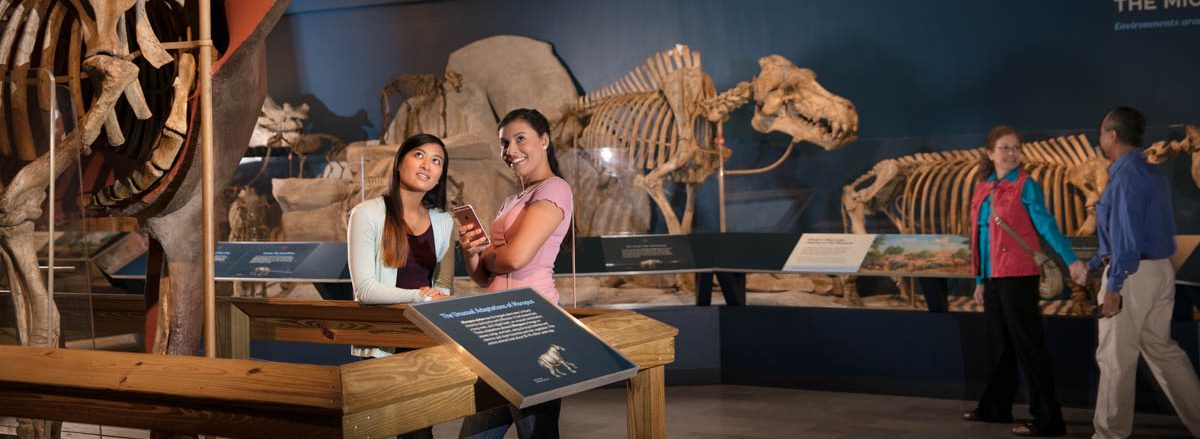
Discover life on Earth in Age of Mammals: The Cenozoic Era. See fossils from a Columbian mammoth that lived in the Ice Age, or wonder at the size of an Irish Elk’s enormous antlers. Discover the diverse and fascinating creatures that lived in the 66 million years after the extinction of the dinosaurs and learn how they related to today’s mammals!

Age of Mammals: The Cenozoic Era features specimens discovered all over the world, including a large number of Ice Age fossils. Learn about the 55 million-year evolutionary history of the horse or the hunting practices of saber-toothed cats. Exhibits include a dire wolf, giant ground sloth, and specimen groupings that illustrate anatomical changes through time.
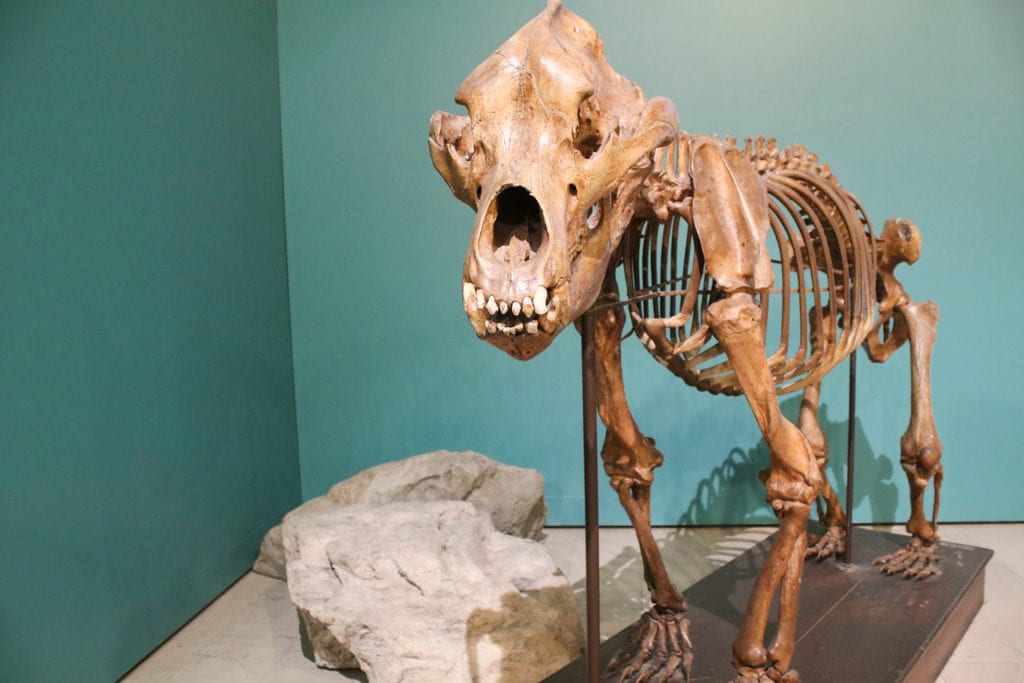
  • First Floor
Animals in Cenozoic Hall

Meet our Mammalogists

Wible, John

John Wible, M.S.

Curator of Mammals

Learn More
McLaren, Suzanne

Suzanne McLaren, M.S.

Collection Manager of Mammals

Learn More

Learn about the Mammal Collection at the Museum

The Section of Mammals houses a research collection consisting of more than 118,553 specimens. The main collection is housed at the Edward O’Neil Research Center, about two miles from the main Carnegie Museum of Natural History building.

Learn about the Section of Mammals

Meet our Vertebrate Paleontologists

Lamanna, Matt

Matt Lamanna, Ph.D.

Mary R. Dawson Associate Curator of Vertebrate Paleontology

Learn More
Henrici, Amy

Amy Henrici, M.S.

Collection Manager of Vertebrate Paleontology

Learn More

Learn about the Fossil Vertebrate Collection at the Museum

The Section of Vertebrate Paleontology collection began in 1895 with the sponsorship of Andrew Carnegie. In the early 20th century, the Carnegie Corporation supported the museum’s numerous paleontological expeditions to the American West, building one of the best dinosaur collections in the world. More recent efforts by Vertebrate Paleontology staff have concentrated on collecting mammals, reptiles, and amphibians from the Cenozoic and tetrapods from the Paleozoic and Mesozoic.

Learn about the Section of Vertebrate Paleontology

Blogs about the Cenozoic

  • Clues

    Clues

    By Amy Henrici Collection Managers often solve fossil mysteries, and sometimes we have only a few clues to assist us. A recent …
  • Renovating Age of Mammals: The Cenozoic Era

    Renovating Age of Mammals: The Cenozoic Era

    Carnegie Museum of Natural History’s exhibition team has been working on renovating parts of Age of Mammals: The Cenozoic Era which features fascinating …
  • Did you know?

    Did you know?

    Did you know that Carnegie Museum of Natural History’s Cenozoic Era: Age of Mammals exhibition contains more than 30 mounted real fossil …
  • Age of Mammals: The Cenozoic Era Opens

    Age of Mammals: The Cenozoic Era Opens

    Friends of Carnegie Museum of Natural History celebrated the reopening of a popular exhibition hall this weekend and honored Joe and Kathy …
Filed Under: Uncategorized Tagged With: dinos, dinosaurs, dinosaurs in their time

January 31, 2020 by

Hall of African Wildlife

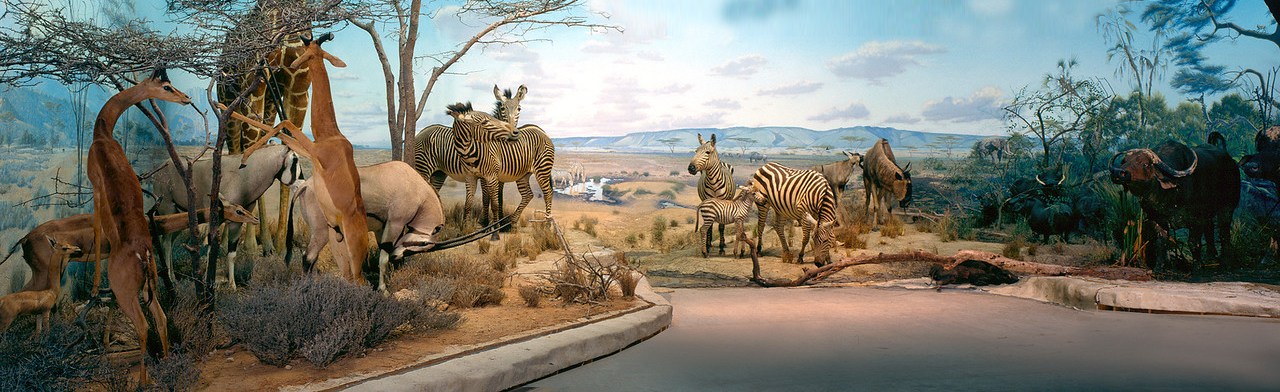
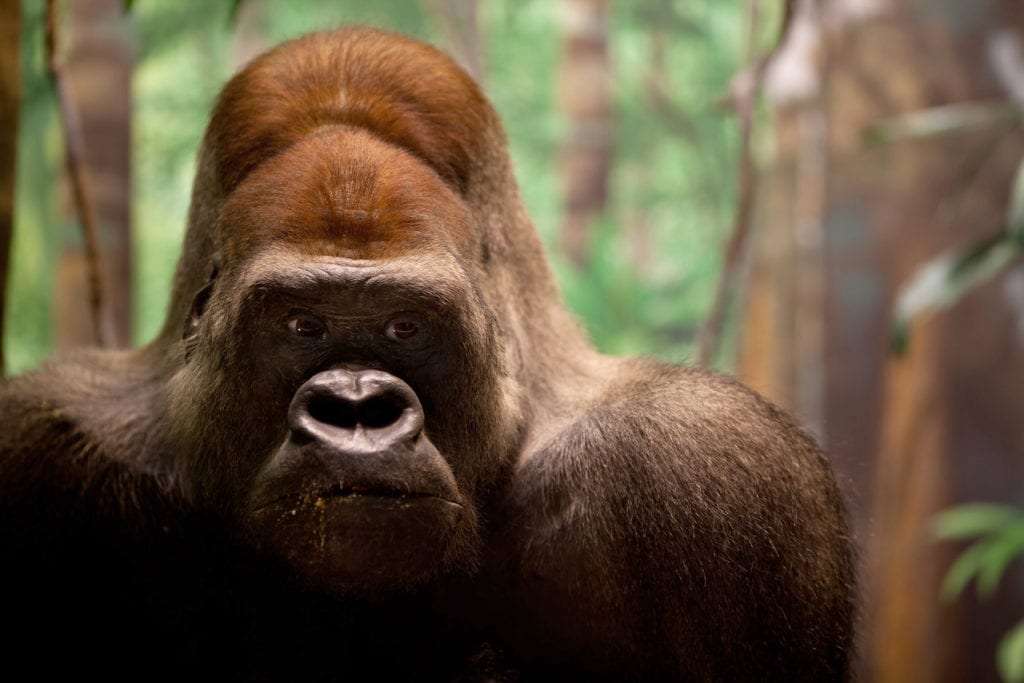
Step inside a savanna or view a lowland gorilla emerging from lush tropical foliage in the Hall of African Wildlife. Our detailed and realistic dioramas transport you to a water hole where a giraffe, two species of zebra, African buffalo, wildebeest, and warthog have gathered. In the shadow of a Baobab tree, gerenuks stand on their hind legs nibbling leaves while termites build their impressive mounds.

The hall’s 12 dioramas invite visitors to enter Africa’s wild biomes and see exotic animals, from carnivorous mammals to fascinating insects, up close. Scenes like a lowland gorilla emerging from lush tropical foliage and a pair of zebra duikers foraging in the undergrowth capture visitors’ imaginations.

Our dioramas represent the African continent’s four major life zones—savanna, rainforest, mountain, and desert—and the unique animals that call this amazing continent home.

  • Second Floor
Section of Mammals

Meet our Mammalogists

Wible, John

John Wible, Ph.D.

Curator of Mammals

Learn More
McLaren, Suzanne

Suzanne McLaren, M.S.

Collection Manager of Mammals

Learn More

Learn about the Mammal Collection at the Museum

The Section of Mammals houses a research collection consisting of more than 118,553 specimens. The main collection is housed at the Edward O’Neil Research Center, about two miles from the main Carnegie Museum of Natural History building.

Taxonomic coverage includes 24 of the 26 living orders of mammals and 114 of the 136 Recent families. The collection includes 40 holotypes.

Learn about the Section of Mammals

Blogs about Mammals

  • What’s in a Name? The History of the Naming of the Eastern Mole 

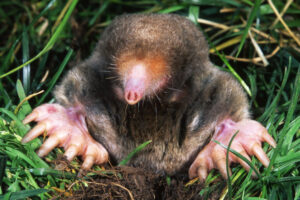
    What’s in a Name? The History of the Naming of the Eastern Mole 

    by John Wible In the tenth edition of the “Systema Naturae” (1758), the Swedish botanist and natural historian Carl Linnaeus recognized eight …
  • Scientific Names Matter in March Mammal Madness 

    Scientific Names Matter in March Mammal Madness 

    by Erin Southerland March Mammal Madness (MMM) bracket advice: look up the scientific names of species on the MMM website before you …
  • World Pangolin Day 2024 – The Mysterious Mammalian “Wishbone”

    World Pangolin Day 2024 – The Mysterious Mammalian “Wishbone”

    by John Wible World Pangolin Day 2024 is on February 17, a day to raise awareness of pangolins or scaly anteaters, one …
  • Groundhog Day 2024: Punxsutawney Phil’s Alpine Cousin

    Groundhog Day 2024: Punxsutawney Phil’s Alpine Cousin

    by Suzanne McLaren and John Wible Beginning in 1887 in Punxsutawney, Pennsylvania, the celebration of Groundhog Day has made the groundhog (Marmota …

Filed Under: Uncategorized Tagged With: dinos, dinosaurs, dinosaurs in their time

January 31, 2020 by

Hall of North American Wildlife

  • Second Floor

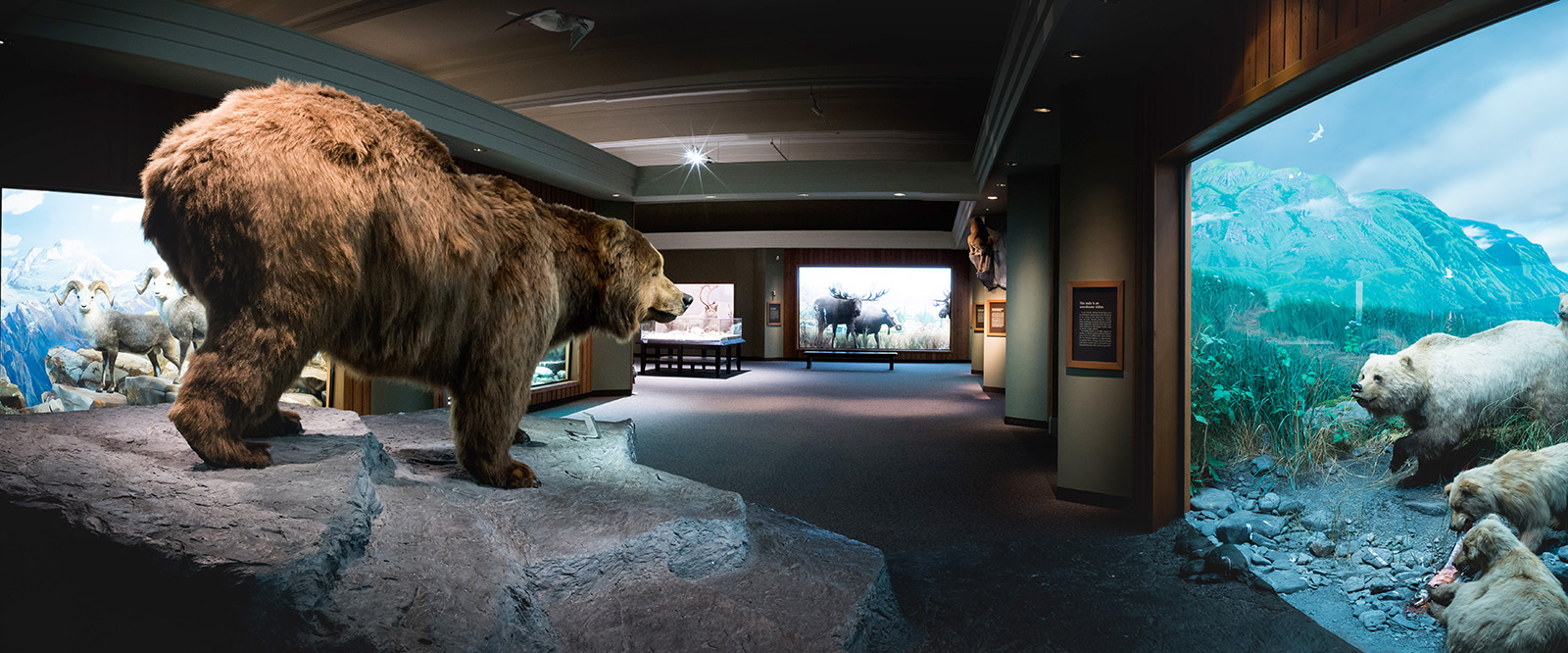
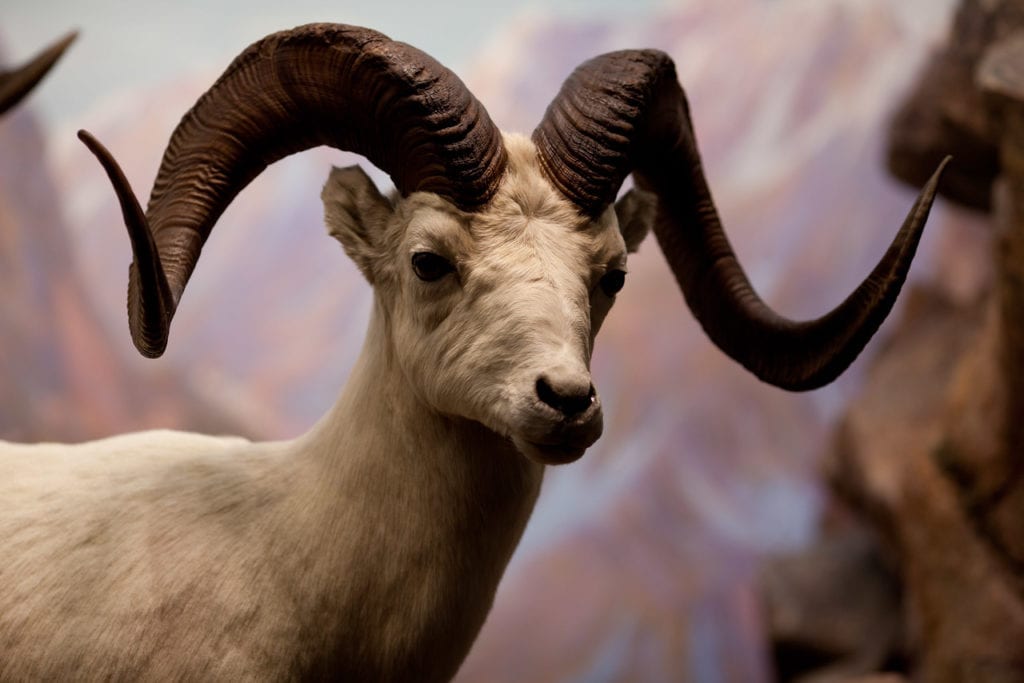
Witness the drama of nature in the Hall of North American Wildlife. Our 23 dioramas depict a wide variety of animals and habitats in North America. Stand right next to a jaguar feeding her young or observe two elk frozen in battle in the Hayden Valley of Yellowstone National Park. The major ecosystems of North America—tundra, coniferous forest, deciduous forest, grassland, and desert—are represented along with their diverse inhabitants with special attention given to the animals who live in Western Pennsylvania.

Broad in scope and rich in detail, the Hall of North American Wildlife presents unforgettable images of the continent and offers visitors a unique perspective on its wildlife.

Aspiring naturalists of all ages can learn all about field research and even try their hand at the type of work scientists do everyday with the “In the Field” exhibit. Grab a clipboard to make observations, check out the tools of the trade, and learn about Powdermill Nature Reserve, Carnegie Museum’s field research station in Rector, Pa.

Hall of North American Wildlife

Meet our Mammalogists

Wible, John

John Wible, Ph.D.

Curator of Mammals

Learn More
McLaren, Suzanne

Suzanne McLaren, M.S.

Collection Manager of Mammals

Learn More

Learn about the Mammal Collection at the Museum

The Section of Mammals houses a research collection consisting of more than 118,553 specimens. The main collection is housed at the Edward O’Neil Research Center, about two miles from the main Carnegie Museum of Natural History building.

Taxonomic coverage includes 24 of the 26 living orders of mammals and 114 of the 136 Recent families. The collection includes 40 holotypes.

Learn about the Section of Mammals

Blogs about Mammals

  • What’s in a Name? The History of the Naming of the Eastern Mole 

    What’s in a Name? The History of the Naming of the Eastern Mole 

    by John Wible In the tenth edition of the “Systema Naturae” (1758), the Swedish botanist and natural historian Carl Linnaeus recognized eight …
  • Scientific Names Matter in March Mammal Madness 

    Scientific Names Matter in March Mammal Madness 

    by Erin Southerland March Mammal Madness (MMM) bracket advice: look up the scientific names of species on the MMM website before you …
  • World Pangolin Day 2024 – The Mysterious Mammalian “Wishbone”

    World Pangolin Day 2024 – The Mysterious Mammalian “Wishbone”

    by John Wible World Pangolin Day 2024 is on February 17, a day to raise awareness of pangolins or scaly anteaters, one …
  • Groundhog Day 2024: Punxsutawney Phil’s Alpine Cousin

    Groundhog Day 2024: Punxsutawney Phil’s Alpine Cousin

    by Suzanne McLaren and John Wible Beginning in 1887 in Punxsutawney, Pennsylvania, the celebration of Groundhog Day has made the groundhog (Marmota …

Filed Under: Uncategorized Tagged With: dinos, dinosaurs, dinosaurs in their time

January 31, 2020 by

Wertz Gallery of Gems and Jewelry

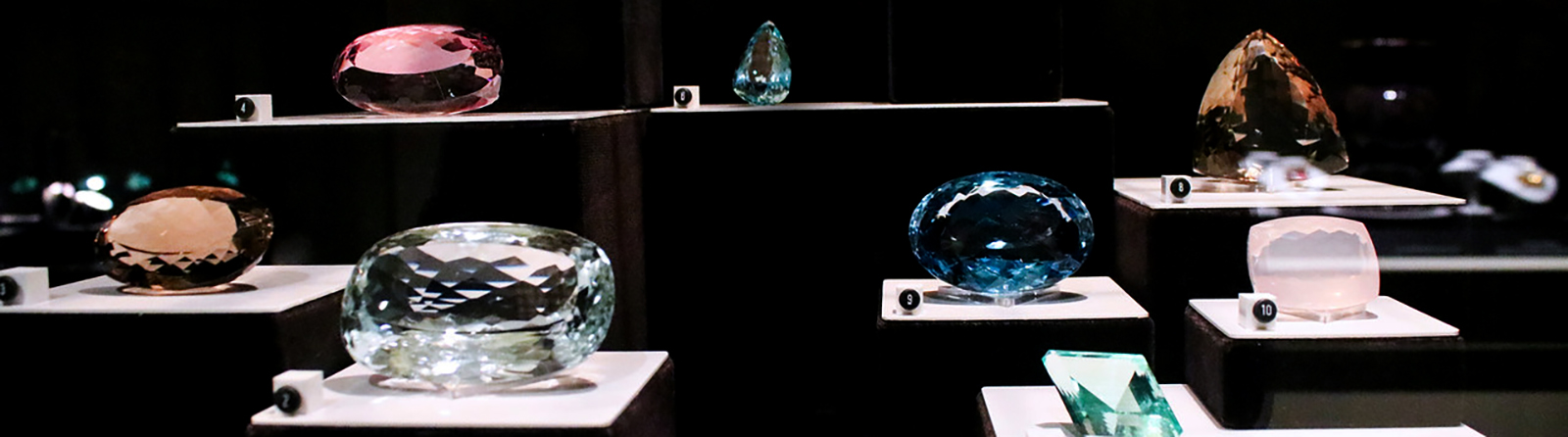
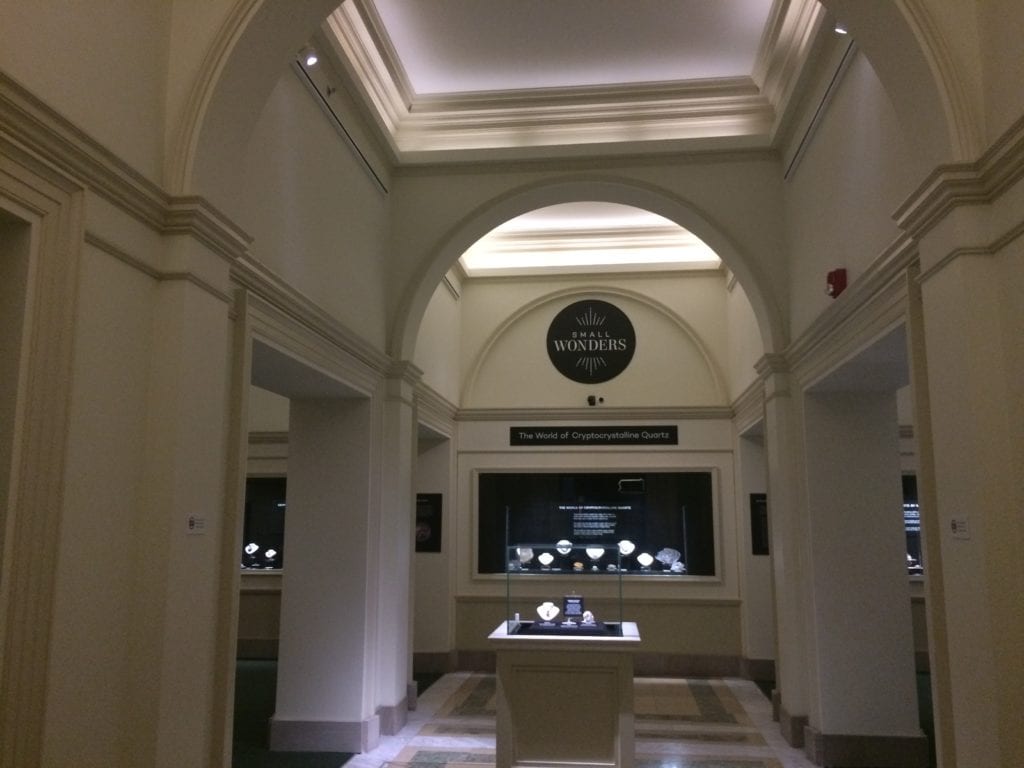
After observing the natural beauty of minerals and gems in Hillman Hall, venture into Wertz Gallery where the same natural specimens have been crafted into gemstones and jewelry. Approximately 500 gems, crystals, and pieces of jewelry are on display in the gallery’s permanent collection, which is supplemented by special exhibitions.

View beautifully crafted necklaces, extraordinary pieces of amber, large diamonds, and a full spectrum of artfully displayed birthstones. A rotating door of special exhibitions offer unusual and innovative designs including space age-inspired jewelry or garden-themed gem art.

  • First Floor

Meet our Researchers

Travis Olds

Travis Olds, Ph.D.

Assistant Curator of Minerals (Mineralogy)

Wilson, Deb

Debra Wilson, B.A.

Collection Manager of Minerals and Earth Sciences

Learn about our Mineral (Mineralogy) and Earth Sciences Collection

The Section of Minerals (Mineralogy) and Earth Sciences includes an outstanding suite of minerals from the former Soviet Union, a historically important suite of nearly 5,000 Pennsylvania minerals formerly owned by the Academy of Natural Sciences in Philadelphia, and more than 2,700 Pennsylvania minerals acquired from the Bryon Brookmyer collection.

Learn about the Section of Minerals (Mineralogy) and Earth Sciences

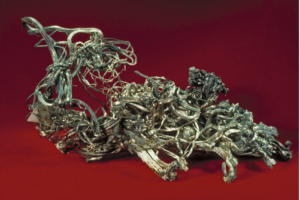
  • Mineral Gazing

    Mineral Gazing

    by Debra Wilson Have you ever gazed up at the sky and noticed a cloud that looks like a face, or an …
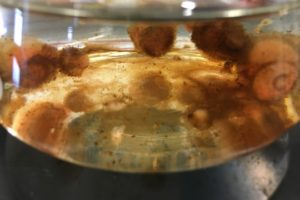
  • Fungi make minerals and clean polluted water along the way!

    Fungi make minerals and clean polluted water along the way!

    Fungi are all around in the environment. For example, the mold that invades wet basements, the mushrooms that we cook with, and …
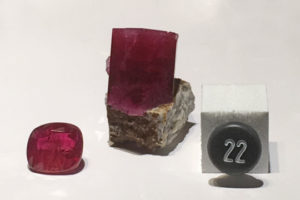
  • Roll Out the Beryl

    Roll Out the Beryl

    Beryl has many different varieties that you may be familiar with, the most recognized being: Emerald (green), Heliodor (yellow), Morganite (pink), and …
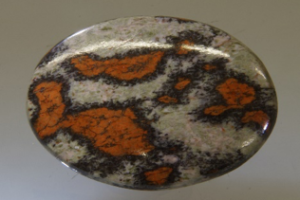
  • Everything Pennsylvania

    Everything Pennsylvania

    On May 10th a new temporary exhibit is scheduled to be installed in Wertz Gallery: Gems and Jewelry that will feature gemstones, cabochons, …

Filed Under: Uncategorized Tagged With: dinos, dinosaurs, dinosaurs in their time

January 31, 2020 by

Walton Hall of Ancient Egypt

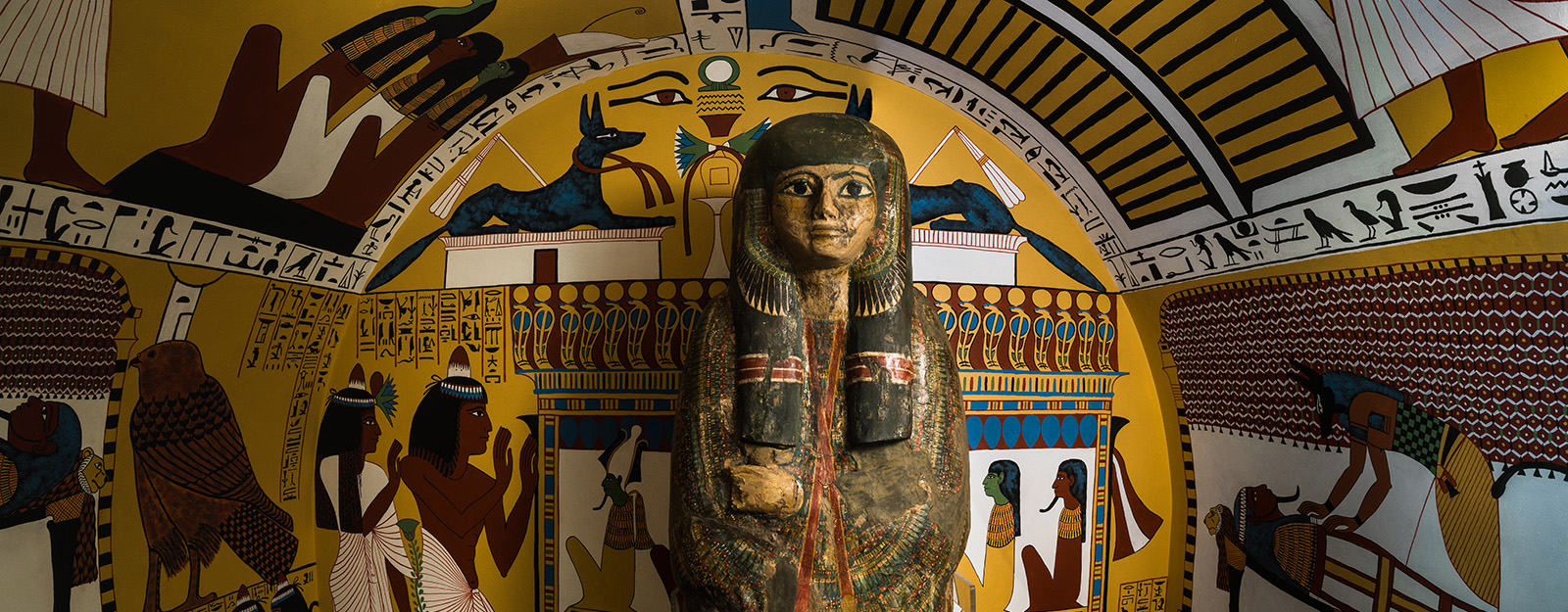
Please be advised that Walton Hall of Ancient Egypt is closed for necessary conservation work. 

We invite you to visit the From Egypt to Pittsburgh display on the third floor near the entrance to Polar World. You will also be able to see our conservation team working on objects in the hall on weekdays.  

In the months ahead, we will share exciting news about upcoming exhibitions featuring the ancient Egyptian objects in our care.

We apologize for the inconvenience.

From Egypt to Pittsburgh

The museum cares for over 5,000 objects from ancient Egypt, much of which has never been displayed. But how did the material get here? A new exhibit case, “From Egypt to Pittsburgh,” is a rotating object display that brings an object (or small group of objects) out of museum storage and traces its history from ancient Egypt to the museum.

Visit the From Egypt to Pittsburgh Website

Meet our Anthropologist and Archaeologist

Amy Covell-Murthy

Amy Covell-Murthy, M.A.

Collection Manager of Archaeology, Section Head

lisa haney

Lisa Saladino Haney, Ph.D.

Postdoctoral Assistant Curator, Egypt on the Nile

Kristin Gaugler

Kristina Gaugler, M.A.

Collection Manager of Anthropology

Learn about the Anthropology and Archaeology Collection at the Museum

The anthropology collection, the Section of Anthropology and Archaeology, contains major research collections of over 100,000 ethnological and historical specimens and over 1.5 million archaeological artifacts.

Learn about the Section of Anthropology and Archaeology

Blogs about Anthropology

  • Celebrating Women in the Natural History Art Collection

    Celebrating Women in the Natural History Art Collection

    by Olivia Buehler Within the collections of the Carnegie Museum of Natural History, one may be surprised to find more than the …
  • Tribal Museums Day and Promoting Indigenous Authors

    Tribal Museums Day and Promoting Indigenous Authors

    by Amy L. Covell-Murthy  The Association on American Indian Affairs (AAIA) celebrated its 100th anniversary in 2022, making it the oldest non-profit serving …
  • Celebrating Indigenous Peoples’ Day 2023

    Celebrating Indigenous Peoples’ Day 2023

    by Amy Covell-Murthy Indigenous Peoples’ Day is observed in the City of Pittsburgh alongside Columbus Day, and I would like to suggest …
  • Staff Favorites: Dolls in the Museum’s Care

    Staff Favorites: Dolls in the Museum’s Care

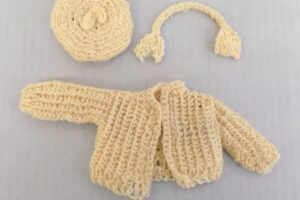
    Barbie size white sweater, hat, and ear muffs

Filed Under: Uncategorized Tagged With: dinos, dinosaurs, dinosaurs in their time

January 31, 2020 by

Alcoa Foundation Hall of American Indians

  • Third Floor

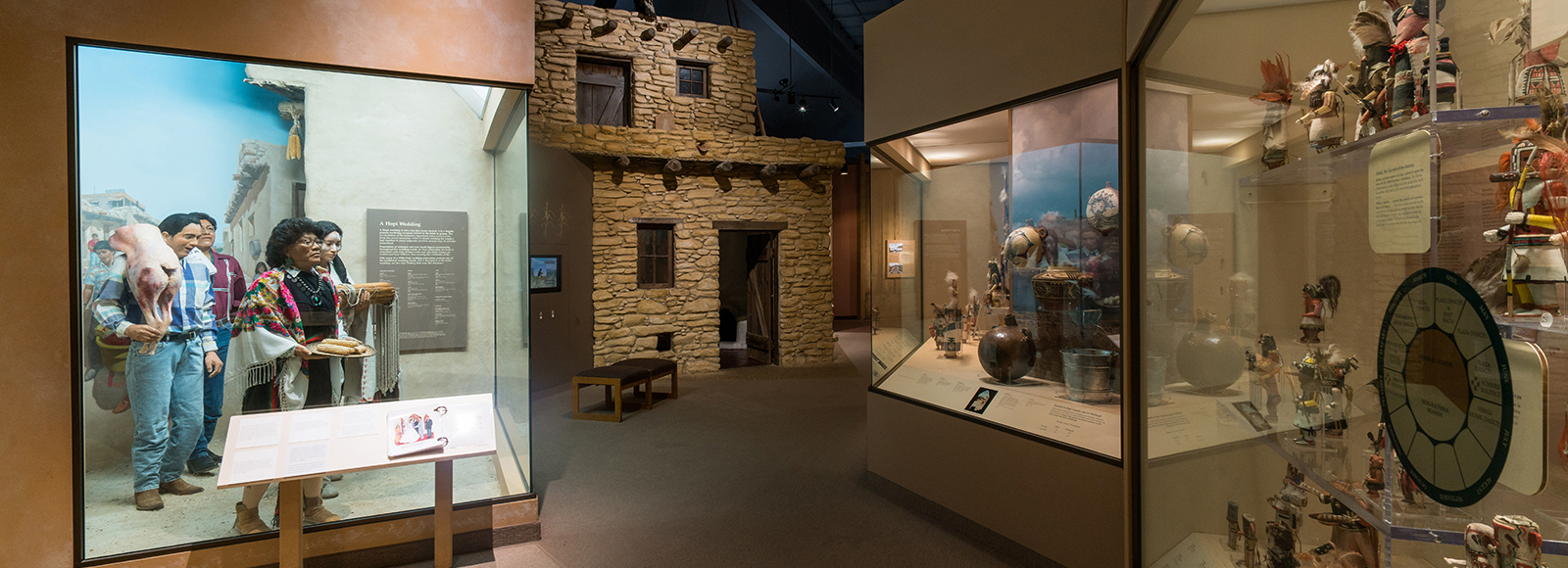
Alcoa Foundation Hall of American Indians explores four distinct Native American cultures in an exhibition organized around their relationships with the natural world. The hall explores the contemporary cultures of societies living in four major geographical areas: Tlingit of the Northwest Coast, Hopi of the Southwest, Lakota of the Plains, and Iroquois of the Northeast. Explore a large collection of Hopi Katsina dolls, touch a real buffalo, grind corn, or sit in a miniature planetarium that tells the story of how the stars got in to the heavens.

Visitors can view nearly 1,000 historical and contemporary artifacts including artwork and traditional garments. The museum partnered with approximately 50 Native people to develop Alcoa Foundation Hall of American Indians. Their historical and cultural knowledge, personal experiences and belongings, talents, artwork, guidance, and time has shaped the messages and impact of the hall.

The museum worked with Indigenous advisors to create this exhibit in the early 1990s. Indigenous people and cultures, just like our museum, are not stuck in time, but are living cultures, that are evolving and changing with the world around them. As a result some of the examples of “contemporary” culture, have become outdated, and it also includes some outdated themes, views and interpretations. We are working to reimagine this exhibit in today’s environment and with more self-representation by Indigenous people.

The current exhibit focuses on four distinct cultures within four different geographical areas, which means that it leaves out hundreds of vibrant, living tribes and nations with their own unique traditions and wisdom to share. It may give the impression that there is one Indigenous culture, which is wrong.

There’s no one term to refer to the many Indigenous cultures of North America. While it is widely accepted to use the terms “Native American” or “American Indian,” it is more appropriate to not use general terminology, and instead use specific tribal designations. This exhibit was named with input  from our Indigenous advisors, and in step with other museums at the time, including the National Museum of the American Indian.

Meet our Anthropologist and Archaeologist

Amy Covell-Murthy

Amy Covell-Murthy, MA

Collection Manger of Archaeology, Section Head

Kristin Gaugler

Kristina Gaugler, M.A.

Collection Manager of Anthropology

Learn about the Anthropology Collection at the Museum

The anthropology collection, the Section of Anthropology and Archaeology, contains major research collections of over 100,000 ethnological and historical specimens and over 1.5 million archaeological artifacts.

Learn about the Section of Anthropology and Archaeology

Anthropology Stories

  • Celebrating Women in the Natural History Art Collection

    Celebrating Women in the Natural History Art Collection

    by Olivia Buehler Within the collections of the Carnegie Museum of Natural History, one may be surprised to find more than the …
  • Tribal Museums Day and Promoting Indigenous Authors

    Tribal Museums Day and Promoting Indigenous Authors

    by Amy L. Covell-Murthy  The Association on American Indian Affairs (AAIA) celebrated its 100th anniversary in 2022, making it the oldest non-profit serving …
  • Celebrating Indigenous Peoples’ Day 2023

    Celebrating Indigenous Peoples’ Day 2023

    by Amy Covell-Murthy Indigenous Peoples’ Day is observed in the City of Pittsburgh alongside Columbus Day, and I would like to suggest …
  • Staff Favorites: Dolls in the Museum’s Care

    Staff Favorites: Dolls in the Museum’s Care

    Barbie size white sweater, hat, and ear muffs

Filed Under: Uncategorized Tagged With: dinos, dinosaurs, dinosaurs in their time

  • « Go to Previous Page
  • Page 1
  • Interim pages omitted …
  • Page 9
  • Page 10
  • Page 11
  • Page 12
  • Page 13
  • Go to Next Page »

sidebar

About

  • Mission & Commitments
  • Directors Team
  • Museum History

Get Involved

  • Volunteer
  • Membership
  • Carnegie Discoverers
  • Donate
  • Employment
  • Events

Bring a Group

  • Groups of 10 or More
  • Birthday Parties at the Museum
  • Field Trips

Powdermill

  • Powdermill Nature Reserve
  • Powdermill Field Trips
  • Powdermill Staff
  • Research at Powdermill

More Information

  • Image Permission Requests
  • Science Stories
  • Accessibility
  • Shopping Cart
  • Contact
  • Visitor Policies
One of the Four Carnegie Museums | © Carnegie Institute | Privacy Policy | Terms of Use | Accessibility
Rad works here logo