Tracking Migratory Flight in the Northeast

by Patrick McShea
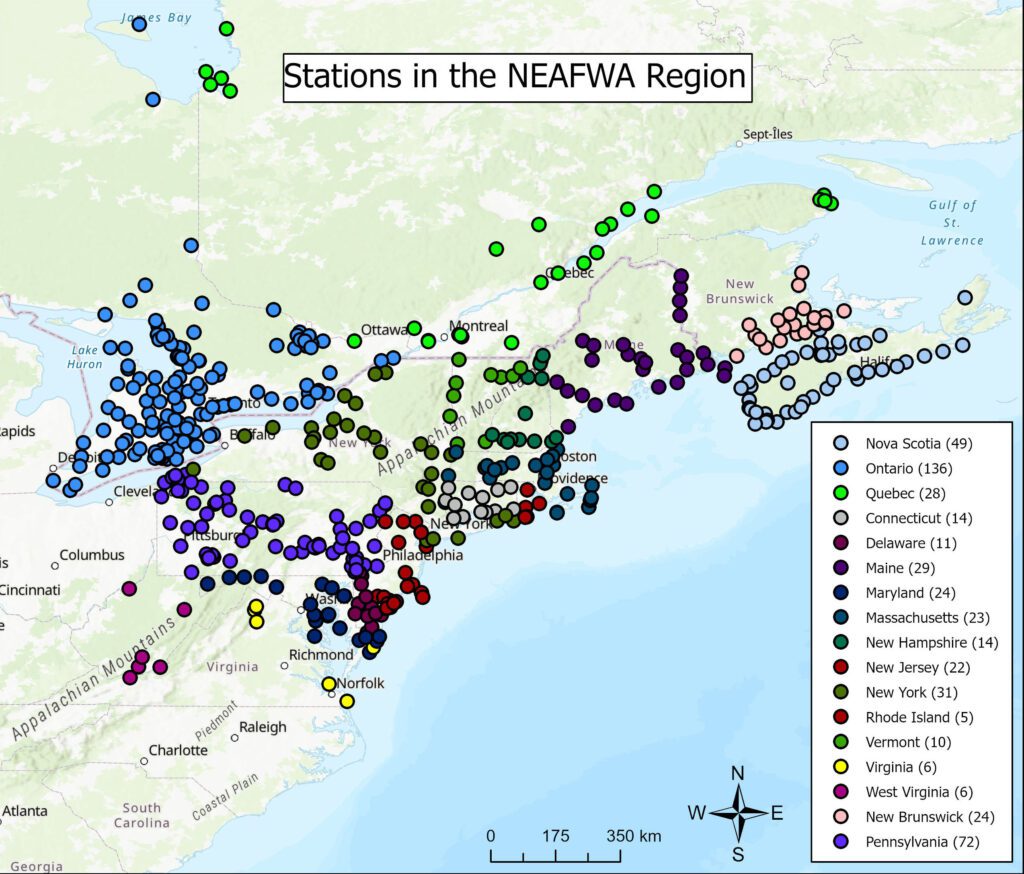
Map of northeastern US and southeastern Canada with dots representing Motus stations in the Northeast Association of Fish and Wildlife Agencies region

Explanations of networks benefit from maps or other graphic representations of linked participants. In the case of a recent bulletin describing regional growth within the international research network known as the Motus Wildlife Tracking System, the inclusion of a map helps ground updated information about the program to the landscape.

The collaborative effort, known informally as simply Motus, a Latin word for movement, was founded by the bird conservation organization, Birds Canada in 2014, and has grown to involve hundreds of partners among scientific and educational institutions, government agencies, and independent researchers.

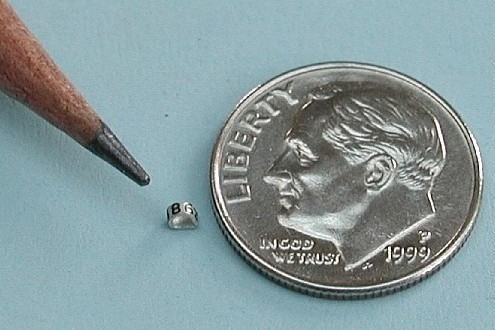
The ground-breaking work of Motus involves the use of automated radio telemetry to track the migratory movements of free-flying birds, bats, and insects. After an animal under study is safely captured, fitted with a highly miniaturized transmitter, known as a nanotag, and released, the creature’s flight movements are electronically detected and recorded whenever it passes within nine miles of strategically placed antennas mounted on low, just-above-tree-canopy-height receiving stations.

Carnegie Museum of Natural History is a Motus partner through the work of staff at its Powdermill Avian Research Center who have installed 136 receiving stations from western Maryland through Maine and continue to monitor 50 receiving stations from southwestern Pennsylvania up through western New York along the Adirondack Mountains. 

Although Motus stations are in place across the Western Hemisphere landmass from Nunavut, Canada, to southern Chile, the world’s densest concentration of them is found in the thirteen U.S. states and five Canadian provinces that make up the network’s Northeast Collaboration. The 504 tower sites in this territory represent one third of the global total, and since 2017 have logged more than 170 million nanotag detections. This tracking has involved more than 4,700 tagged individuals of 147 species of birds contributing vital information to 194 different research projects.

Ongoing maintenance and technological upgrades will be necessary for the Northeast Motus Network to continue generating research findings that inform conservation initiatives. As Jon Rice, the Museum’s Urban Bird Conservation Coordinator explains, “As this network reports findings for museum research into both the survivorship of window collisions and stopover behavior for species of greatest conservation need, it simultaneously supports ongoing research for countless other projects in the western hemisphere. The real power of this technology isn’t captured by the map. It’s our ability to help our neighbors using the same resources we are using to perform our own novel research.”

Patrick McShea is an Educator at Carnegie Museum of Natural History.

Related Content

A Taste for Metal

Milestones at Powdermill’s Banding Lab

Ruffed Grouse or Scarlet Tanager: Debating the Pennsylvania State Bird

Carnegie Museum of Natural History Blog Citation Information

Blog author: McShea, Patrick
Publication date: July 17, 2023

Share this post!

Ruffed Grouse or Scarlet Tanager: Debating the Pennsylvania State Bird

by Pat McShea

Should a wildlife species representing a state reflect the creature’s abundance within the designated boundaries? Where state birds are concerned, the topic is now wide open for discussion because of an enlightening article in the spring issue of Living Bird, the quarterly publication of the Cornell Lab of Ornithology

In “What if the State Birds Were Determined by Data?” authors Matt Smith, an applications programmer for the Lab’s Macaulay Library, and Marc Devokaitis, associate editor for Living Bird, make a strong case for the “thought experiment” of revising such symbols. They trace the current arrangement to a campaign by the General Federation of Women’s Clubs in the 1920s that eventually resulted in a designated “bird of honor” for all 50 states, the District of Columbia, and the 13 provinces and territories of Canada.

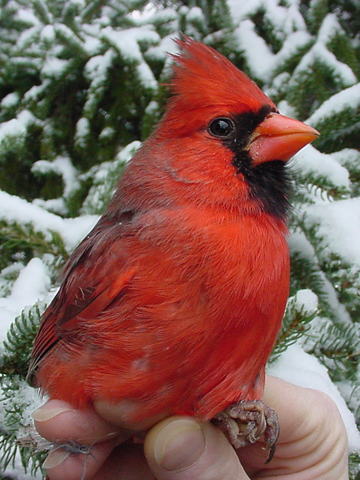
Chief among the current system’s deficiencies are birds earning honors for multiple states. The Northern Cardinal, for example, holds the revered position in seven states, creating a red bird belt stretching westward from North Carolina and Virginia across West Virginia, Ohio, Kentucky, Indiana, and Illinois.

As remedy, Smith and Devokaitis suggest a more scientific selection process based upon millions of community science observation records in eBird, the vast and easily accessible electronic archive of bird sightings managed by Cornell Lab of Ornithology. Examination of this enormous data set, when paired with analysis of satellite-generated land-cover maps, reveals how the biogeographical conditions in many states favor the well-being of particular species. Selecting such species for recognition not only produces unique state bird designations, but also directs public attention to the ecosystem that supports the honored birds.

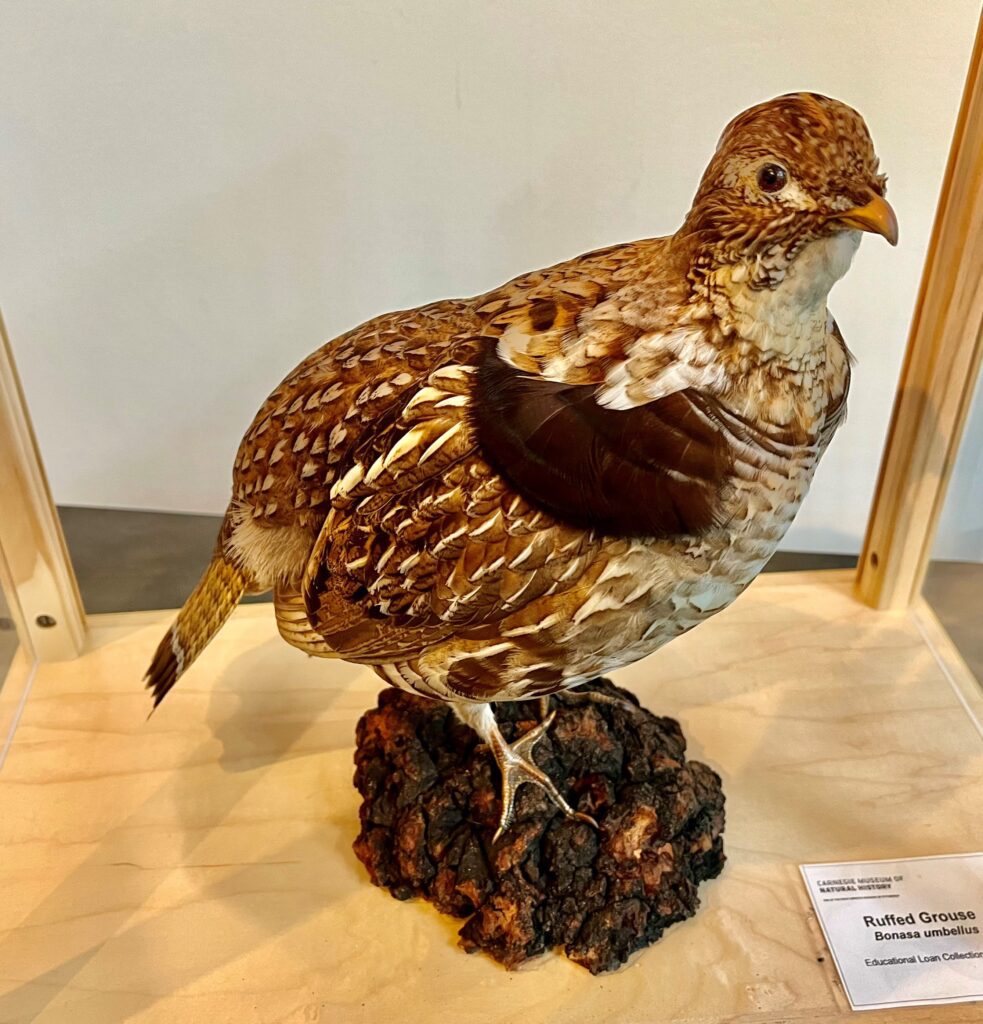
Here in Pennsylvania, where the Ruffed Grouse has reigned as our state bird since 1931, such data driven recommendations might seem unnecessary. No other state so honors the Ruffed Grouse, and the species’ collective value to Pennsylvania residents includes the gamebird’s historic importance as a food source and its current role as the focus of much upland sport hunting. 

ruffed grouse taxidermy mount
Ruffed Grouse taxidermy mount.

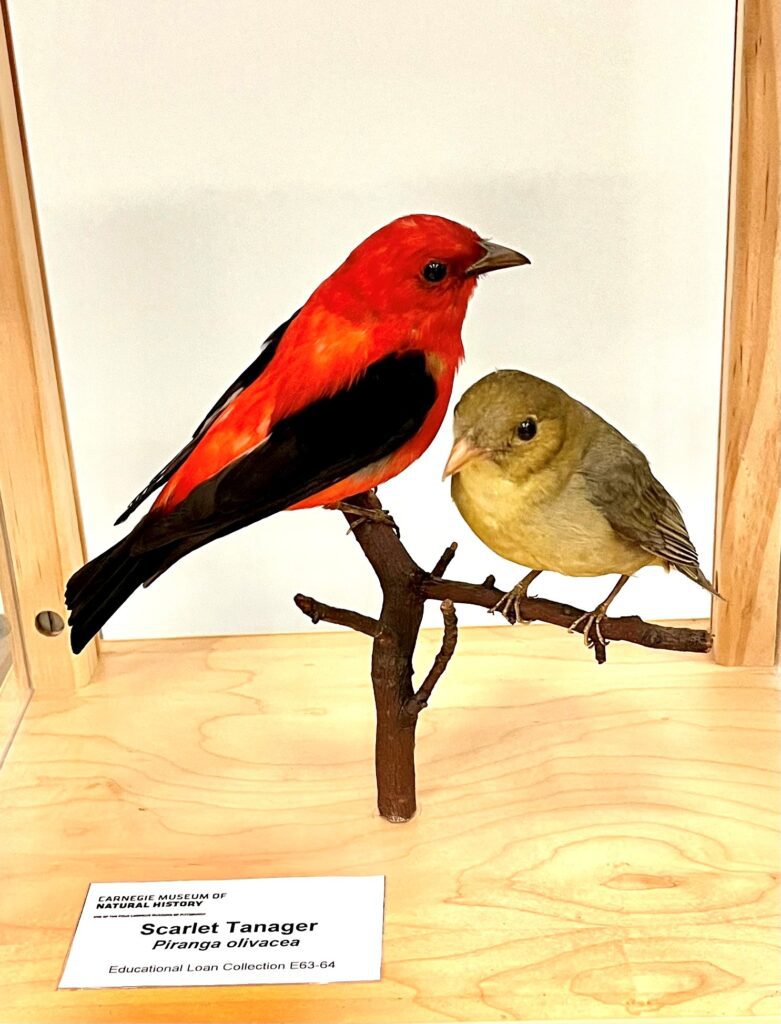
In a challenge to this status quo, documented observations and land cover conditions point to a smaller and brighter bird for state honors, the Scarlet Tanager. Pennsylvania, according to the reasoning behind the nomination, supports a greater breeding population of these songbirds than any other state. 

taxidermy mount of two scarlet tanagers
Pair of Scarlet Tanagers.

The species, whose descriptive name is an apt description of the male bird in breeding plumage, could certainly attract advocates. In All About Birds, the Cornell Lab of Ornithology’s encyclopedic online reference, the nominee’s description begins with its pure visual appeal: Male Scarlet Tanagers are among the most blindingly gorgeous birds in an eastern forest in summer, with blood-red bodies set off by jet-black wings and tail. Viewing expectations are quickly tempered by subsequent sentences, which, after noting the dark-winged female’s otherwise yellowish-green plumage, and the species overall preference for high tree canopies, recommends using the birds’ distinctive call as an aid to visually locate them. 

Whenever circumstances make it possible for such advice to be followed, there is great potential for the development of more ardent Scarlet Tanager fans. Gabi Hughes, Environmental Educator for the Audubon Society of Western Pennsylvania, recalls a spring when a male Scarlet Tanager would reliably sing from the woods just beyond the suburban Pittsburgh middle school campus where she was leading bird-focused activities with seventh grade students. By her estimate, over the course of multiple small group hikes, at least 80 seventh grade students saw and heard the bird, a creature introduced to them as a spring and summer resident of their neighborhood who had recently returned from wintering grounds as distant as Bolivia.

For Ruffed Grouse fans, declining populations, a trend attributable to reductions in the mixed forest stage habitat across Pennsylvania, as well as the species’ susceptibility to West Nile Virus, might be of far greater concern than a revision of symbolic honor. As a fallback position, Ruffed Grouse backers might even cite the specific wording of the relevant 1931 statute, making their case that “state game bird” should be regarded differently than “state bird.”

Pat McShea is an Educator at Carnegie Museum of Natural History.

Related Content

Building Birding Skills

Bird Architecture on Human Infrastructure

Why Do the King Penguins in Bird Hall Look So Different from Each Other?

Carnegie Museum of Natural History Blog Citation Information

Blog author: McShea, Patrick
Publication date: July 7, 2023

Share this post!

Chirp, Chitter, Caw: Surrounded by Bird Song

Chirp, Chitter, Caw logo with a pileated woodpecker

July 1 – September 4, 2023

Presented by The World According to Sound and Carnegie Museum of Natural History

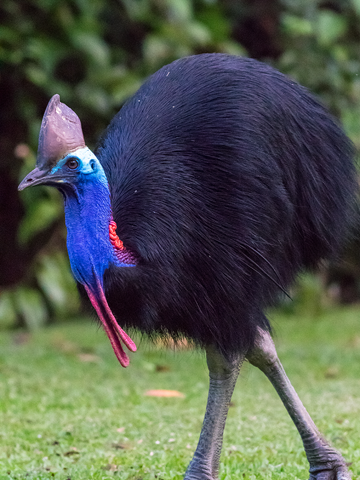
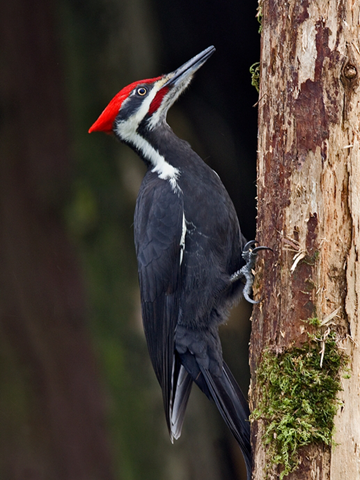
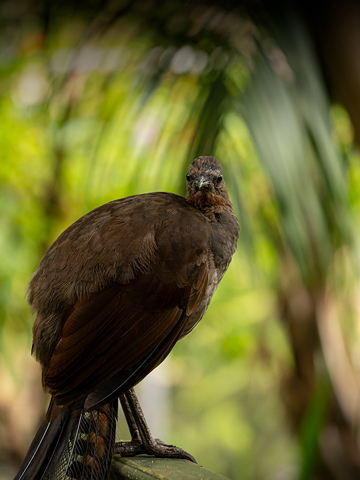
Explore the world with your ears in the new exhibition Chirp, Chitter, Caw: Surrounded by Birdsong. Relax in a listening lounge, mimic unusual bird calls, and stroll down Bird Hall to hear sonic snapshots created by artists Chris Hoff and Sam Harnett—founders of The World According to Sound. Listen to the low rumble of the Southern Cassowary, the Superb Lyrebird mimicking the songs of other birds, and the rhythmic knocks of the Pileated Woodpecker. Tune into the world of birdsong and discover the beauty and complexity of avian communication that surrounds us. Enjoy the museum’s birds like never before.

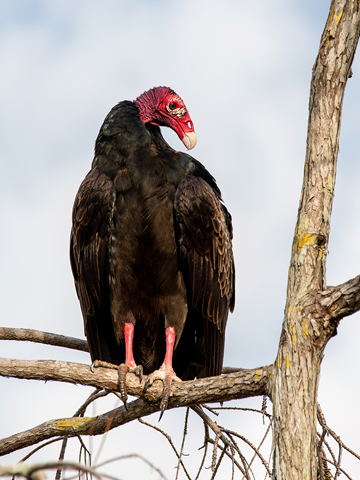
Turkey Vulture
Turkey Vulture
Southern Cassowary
Pileated Woodpecker
Superb Lyrebird
Northern Cardinal