• Skip to primary navigation
  • Skip to main content
  • Skip to primary sidebar

Carnegie Museum of Natural History

One of the Four Carnegie Museums of Pittsburgh

  • Visit
    • Buy Tickets
    • Visitor Information
    • Exhibitions
    • Events
    • Dining at the Museum
    • Celebrate at the Museum
    • Powdermill Nature Reserve
    • Event Venue Rental
    • Gift Cards
  • Learn
    • Field Trips
    • Educator Information
    • Programs at the Museum
    • Bring the Museum to You
    • Guided Programs FAQ
    • Programs Online
    • Climate and Rural Systems Partnership
  • Research
    • Scientific Sections
    • Science Stories
    • Science Videos
    • Senior Science & Research Staff
    • Museum Library
    • Science Seminars
    • Scientific Publications
    • Specimen and Artifact Identification
  • About
    • Mission & Commitments
    • Directors Team
    • Museum History
  • Tickets
  • Give
  • Shop

dinosaurs in their time

February 27, 2020 by

Cretaceous Seaway

  • First Floor

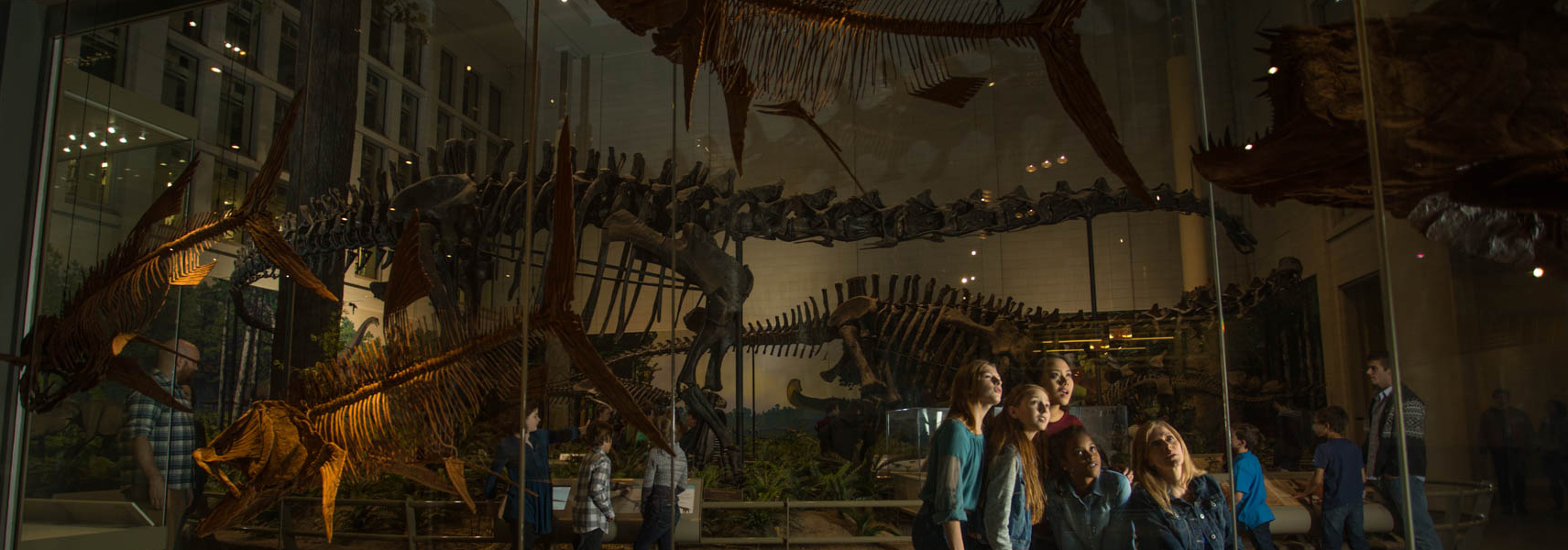
Step into an underwater world in Cretaceous Seaway, a unique exhibition hall that features gentle giants and fierce predators that lived underwater during the Age of Dinosaurs.

The hall brings to life the Western Interior Seaway, a shallow ocean that existed in the Midwestern United States 80 million years ago. Hanging over the entry, a massive Manitoba pliosaur closes in on its potential prey, a juvenile of the plesiosaur Libonectes morgani. The juvenile plesiosaur Libonectes is the only one of its kind, replica or otherwise, on display anywhere in the world.

Visitors can also examine the fossils of a giant turtle and a newly restored Tylosaurus mosasaur fossil skull. See a dramatic chase scene where a plesiosaur is in pursuit of a prehistoric diving bird. Look up, and see the king of the seaway—a 40-foot mosasaur swimming above. Two replica fossil fishes hang nearby.

Adjacent to Kamin Hall of Dinosaurs, Cretaceous Seaway is an extension of our blockbuster core exhibition that showcases life during the Cretaceous Period.
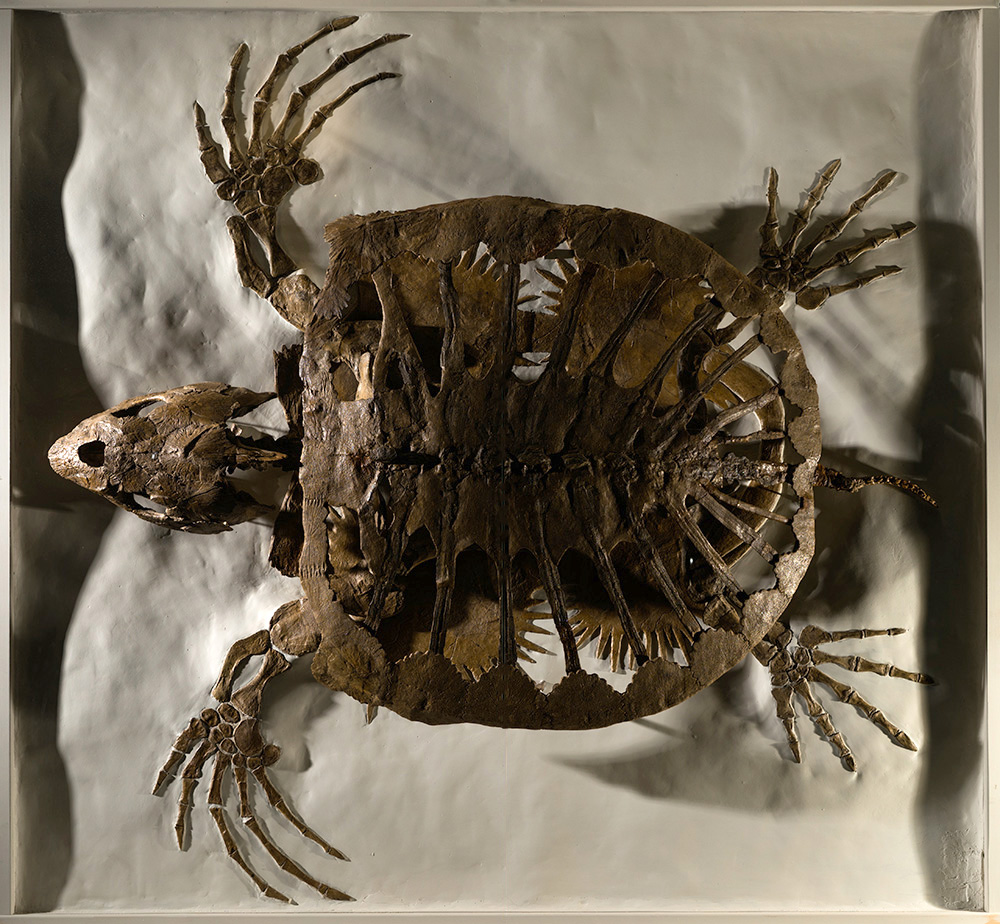
fossil of a giant sea turtle

Learn about the Invertebrate Paleontology Collection at the Museum

Invertebrate Paleontology’s collection contains several noteworthy phyla, including Paleozoic trilobites, Mesozoic and Cenozoic crustaceans, lower Carboniferous brachiopods, Paleozoic gastropods, Paleozoic cephalopods, Paleozoic ophiuroids, and Pennsylvanian age eurypterids. The section also has more than 12,000 primary types and figured specimens.
Learn about the Section of Invertebrate Paleontology

Filed Under: Uncategorized Tagged With: dinos, dinosaurs, dinosaurs in their time

February 27, 2020 by

Art of the Diorama

  • First Floor

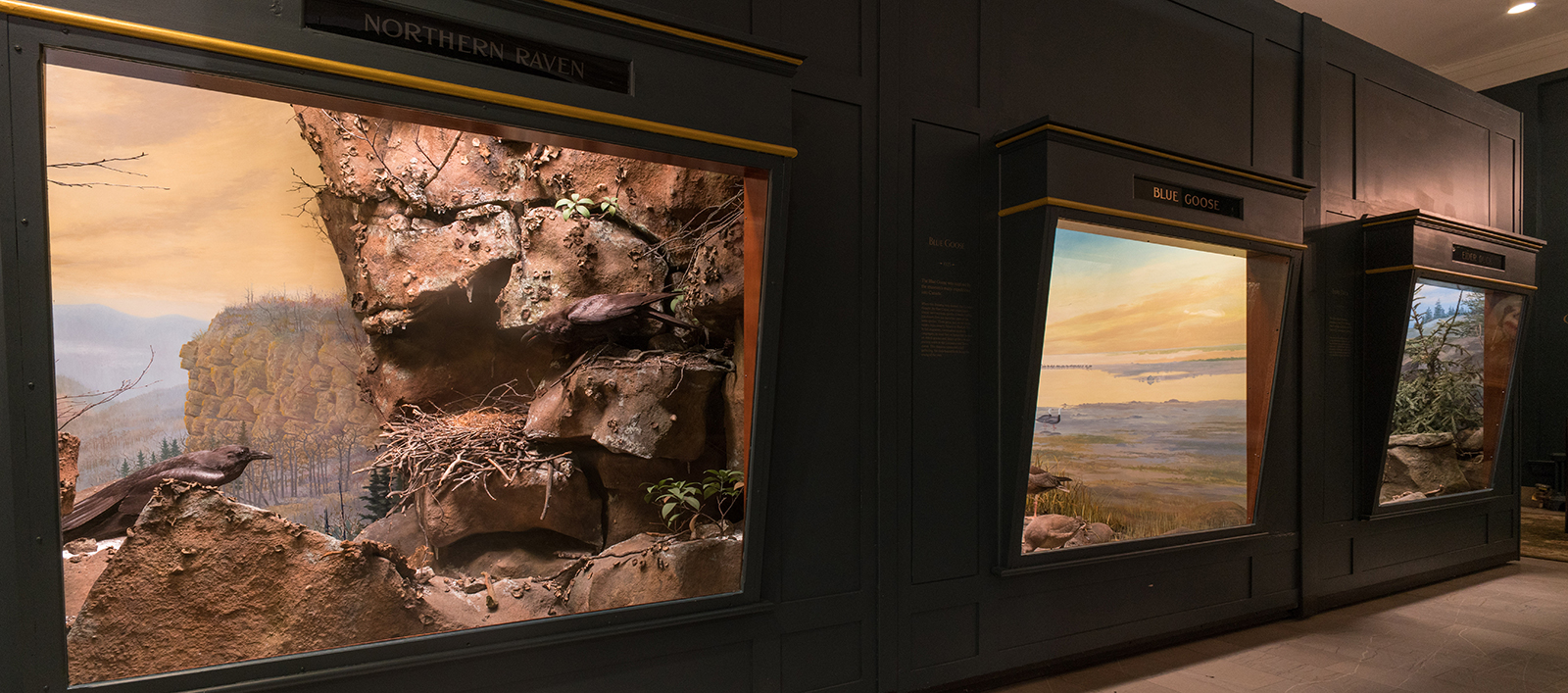
Discover the craft and artistry behind Carnegie Museum of Natural History’s famous nature dioramas. Art of the Diorama is an exhibition designed to look like a turn of the century museum with mahogany furniture, a chandelier, and seven classic dioramas that were created in the 1920s and 1930s.

The dioramas feature wildlife like blue geese and aurora trout in stunning replications of scenes from nature. The dioramas were created at the height of the craft and feature detailed, hand-painted backgrounds, expert taxidermy, and scientifically accurate flora and fauna. The exhibition also features two antique “bubble-glass” commercial taxidermy pieces that were once popular in homes and parlors.

Art of the Diorama gives visitors a deeper appreciation for the museum’s dioramas and shows how museum dioramas have changed and grown alongside the conservation movement.

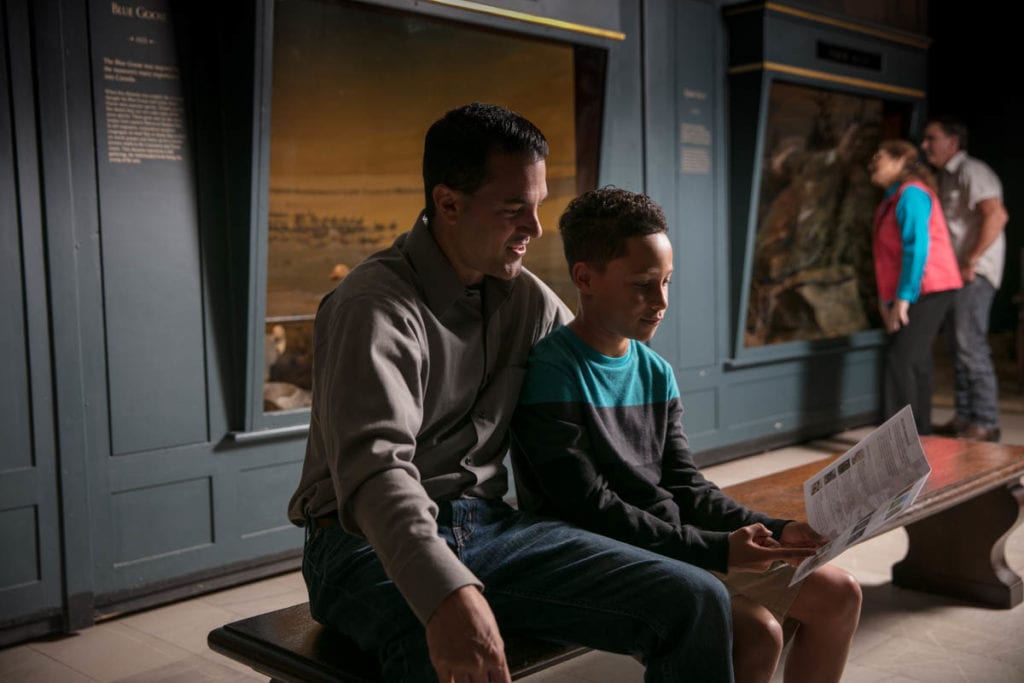
adult and child reviewing a museum map

Meet our Conservator

Anderson, Gretchen

Gretchen Anderson

Collection Care and Conservation

Learn More

Learn about the Collection Care and Conservation at the Museum

The entirety of our collection–not just the collection we have on display like these very old dioramas–must be cared for and maintained to ensure they aren’t damaged by moisture, oils, pests, and other deteriorating agents.

Learn about Collection Care Strategies

Filed Under: Uncategorized Tagged With: dinos, dinosaurs, dinosaurs in their time

February 27, 2020 by

Polar World: Wyckoff Hall of Arctic Life

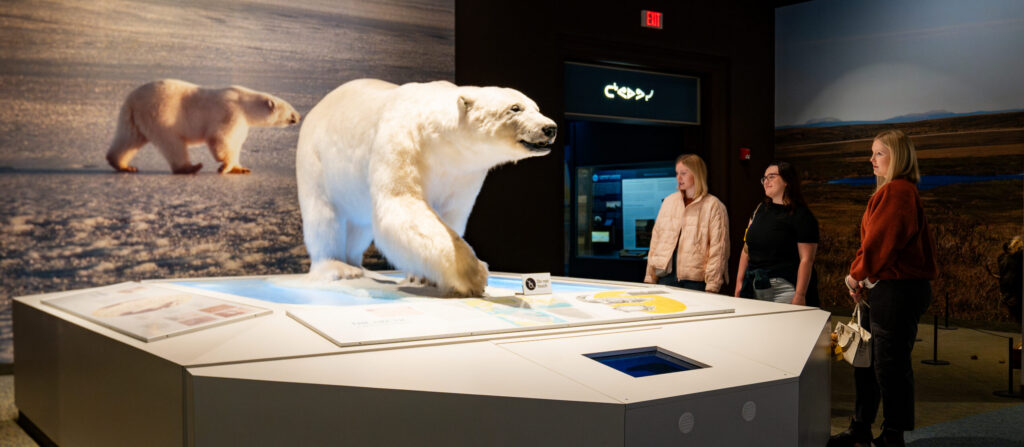
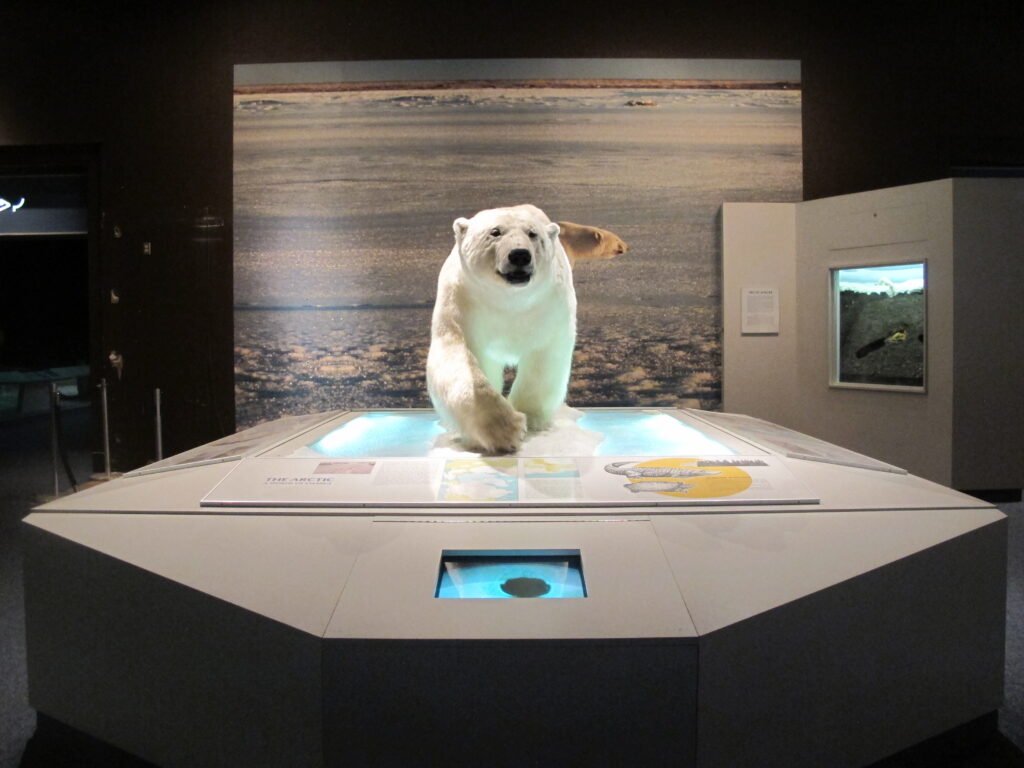
group of people looking at a polar bear taxidermy mount

Polar World: Wyckoff Hall of Arctic Life will close on June 28, 2026.  

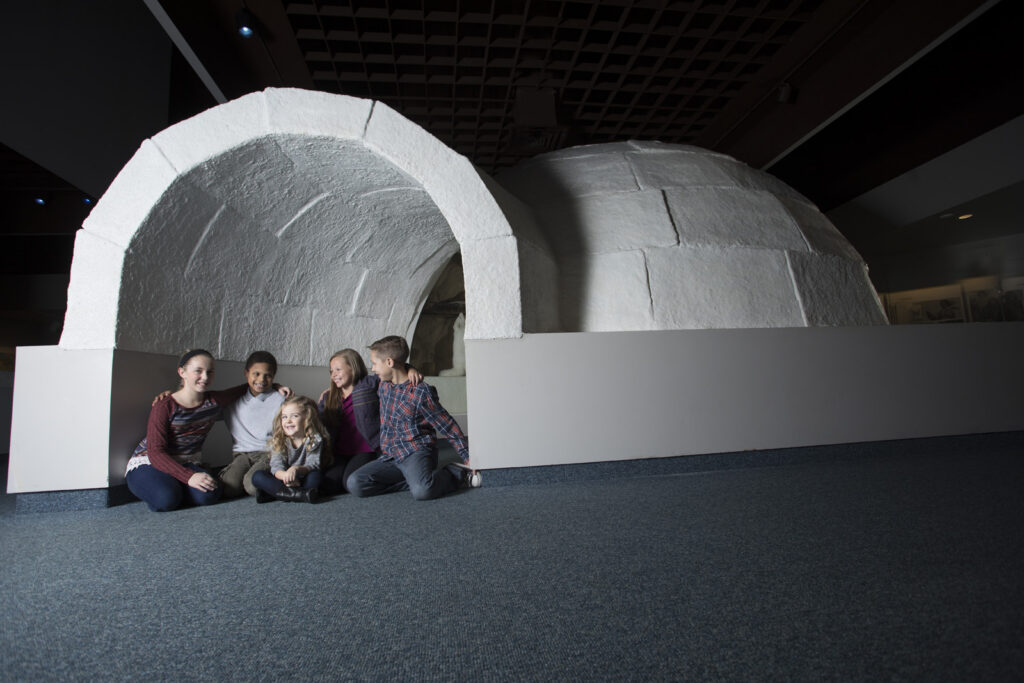
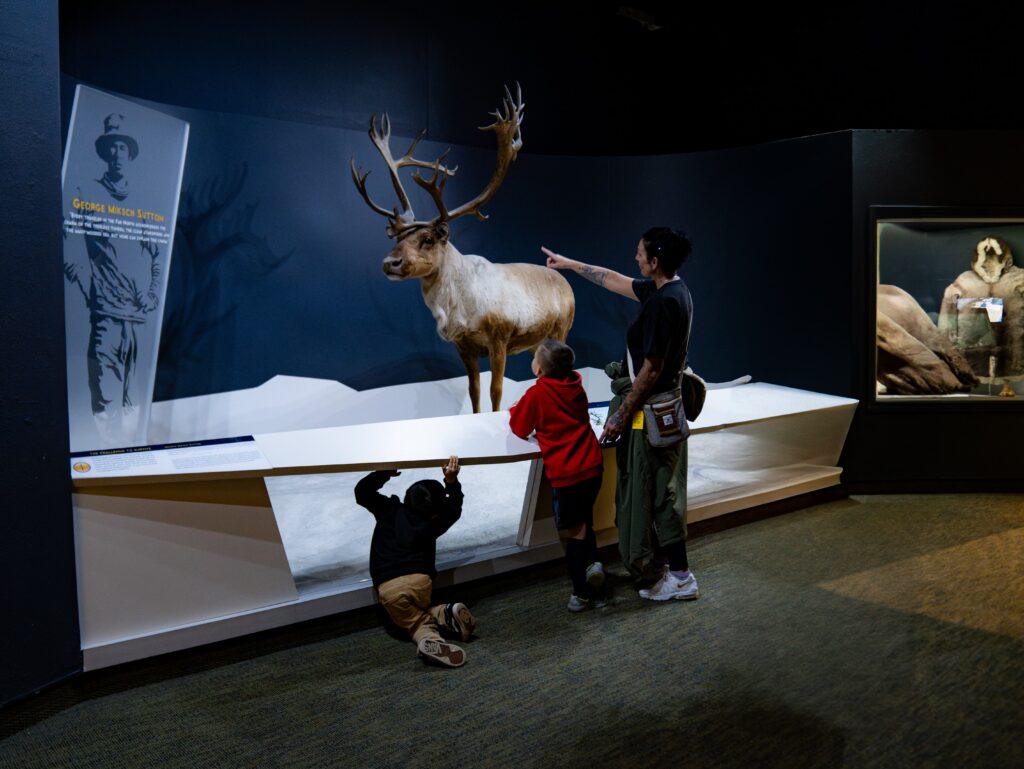
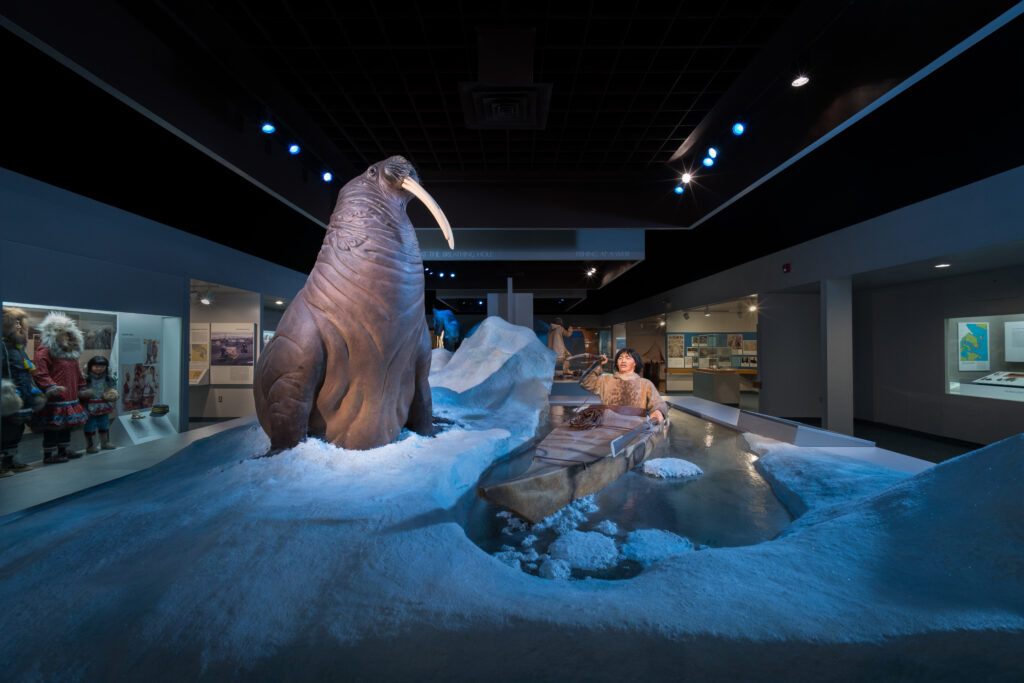
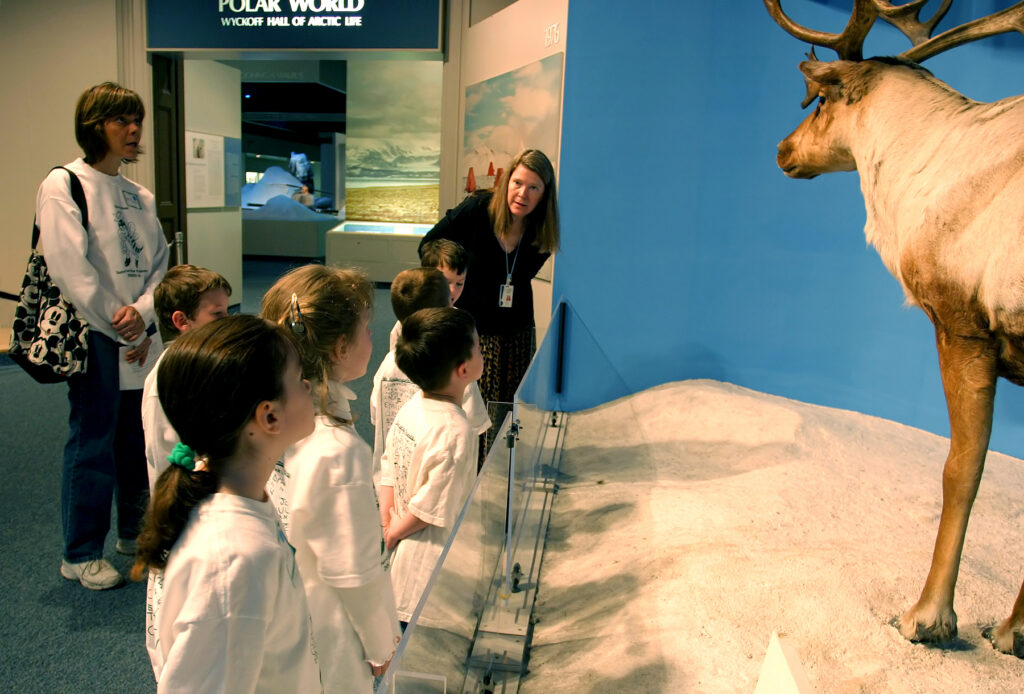
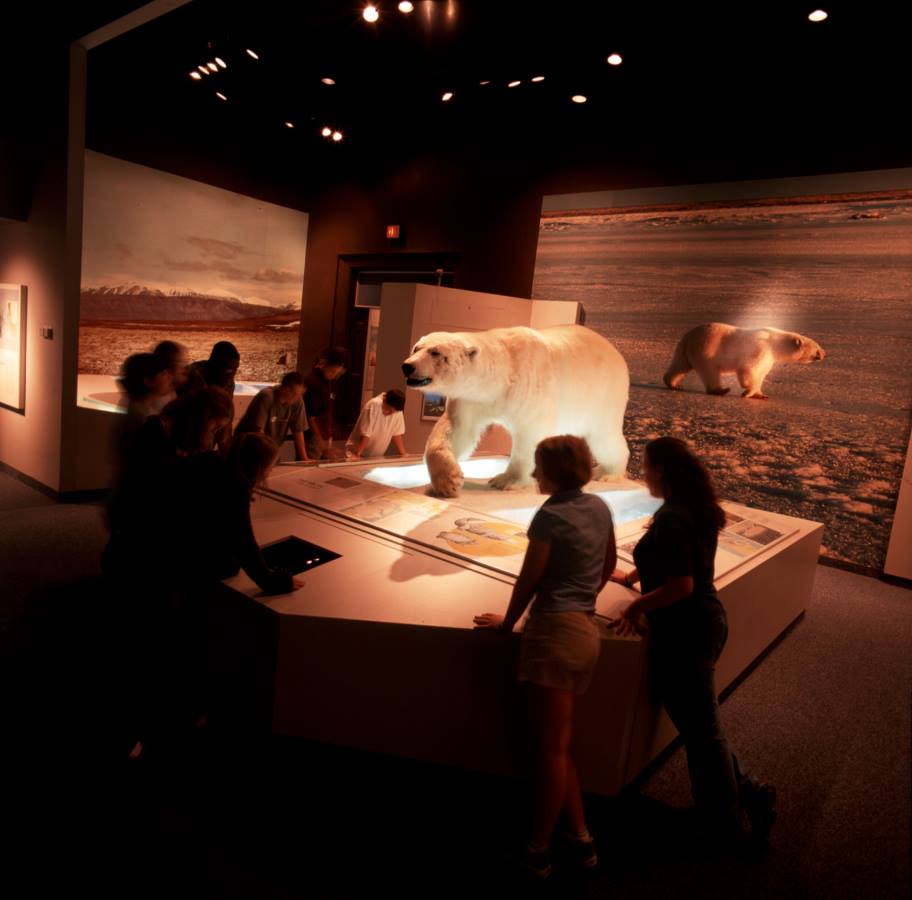
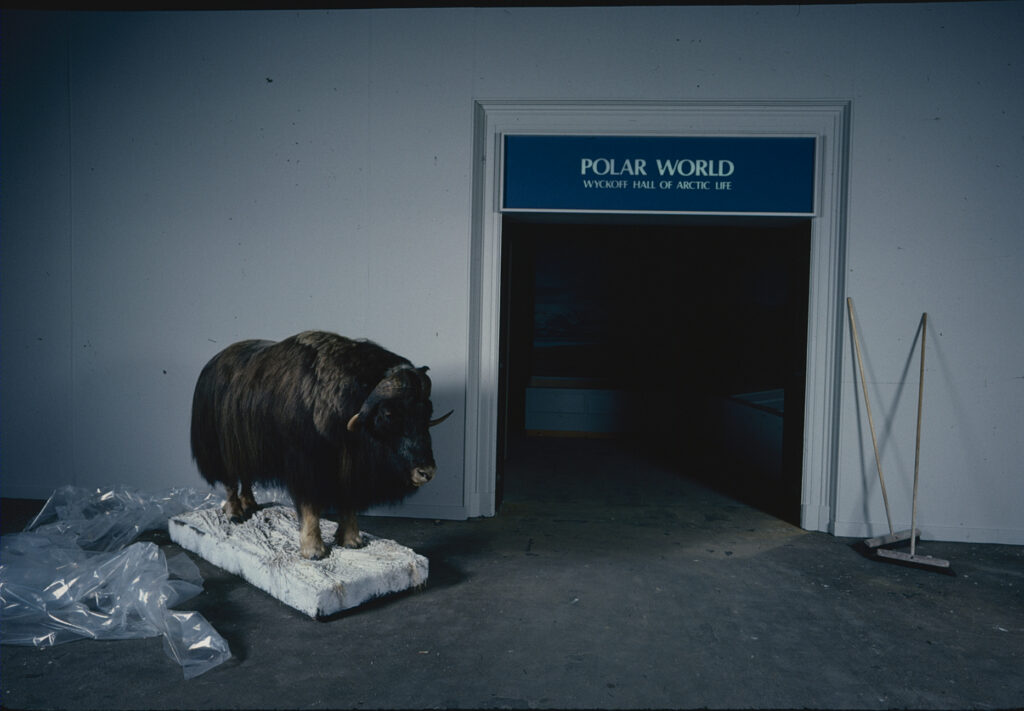
For more than 40 years, Polar World has transported visitors on an immersive journey through 4,500 years of Inuit history and Arctic life. Inuit sculptures and prints, full-sized dioramas, Arctic wildlife specimens, and a replica snowhouse have captivated people of all ages on tours, field trips, and independent visits. 

While saying good-bye can be difficult, closing exhibitions creates space for new experiences. We look forward to sharing more details of our plans for the hall in the days ahead. All scientific specimens and objects from Polar World will be carefully cleaned and conserved by our expert conservation team. Some objects and specimens may return to display in other areas of the museum.

Before the exhibition closes, you’re warmly invited to join us for a farewell weekend of activities in Polar World: Wyckoff Hall of Arctic Life, June 26–28, 10:00 a.m.–5:00 p.m. Throughout the anthropology and wildlife halls, enjoy hands-on Arctic themed activities, including art making, storytime, and a Snowhouse Spotlight tour. All activities are included with museum admission.

Polar World: Wyckoff Hall of Acrtic Life Through the Years

kids in a reconstructed snowhouse
group of people looking at a reindeer
Credit: Sarah Gabany, The Warhol Creative
Polar World: Wyckoff Hall of Arctic Life
Credit: Joshua Franzos, Treehouse Media
polar bear taxidermy mount
Credit: Samme Watts
field trip in Polar World
Credit: Mindy McNaugher
group of people looking at a polar bear taxidermy mount
Polar World entrance under contruction
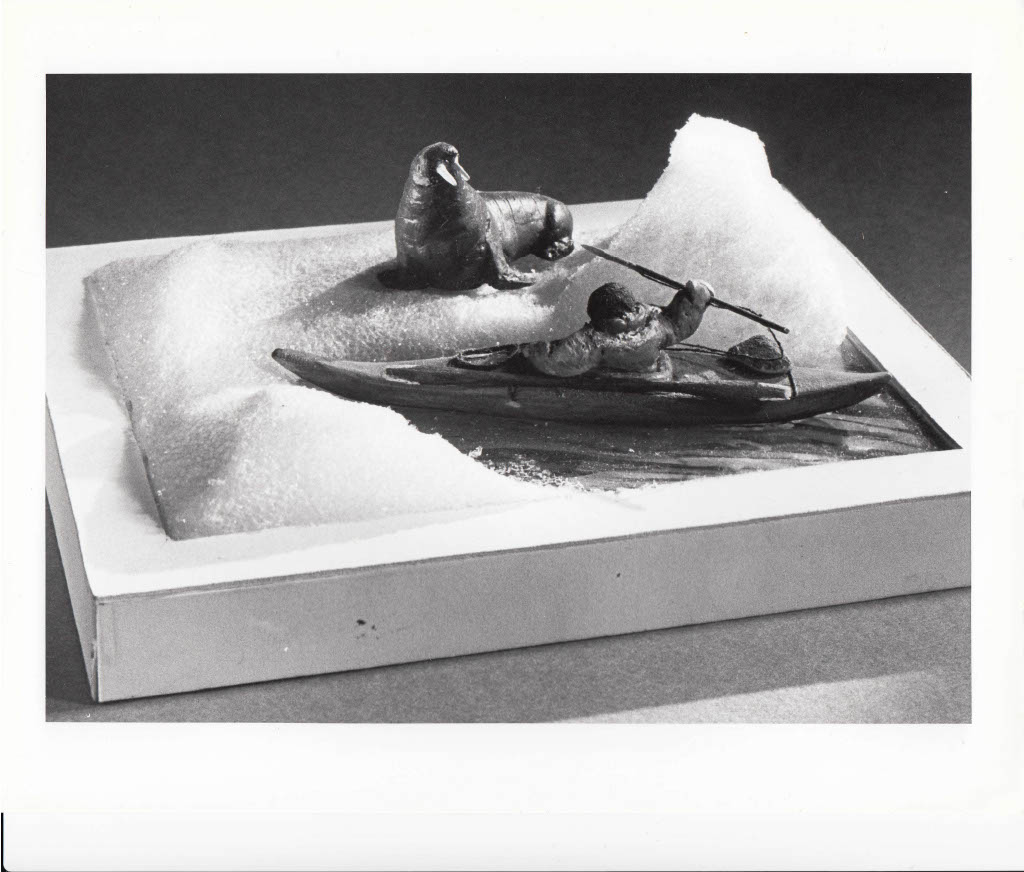
black and white model of a diorama
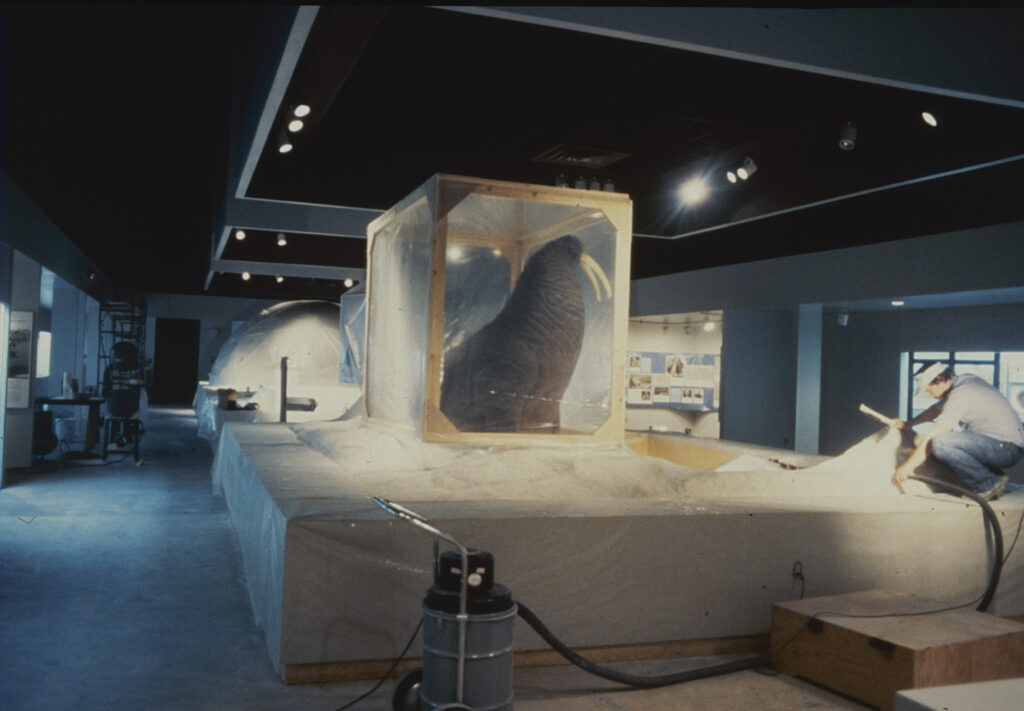
walrus diorama under construction
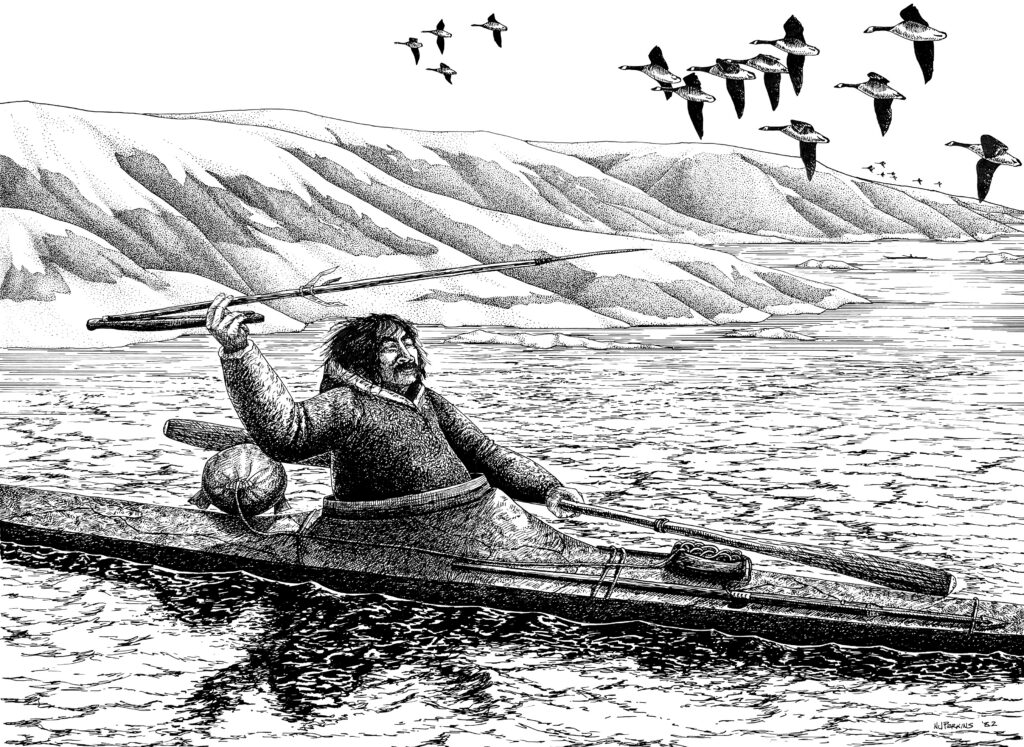
sketch for Polar World display
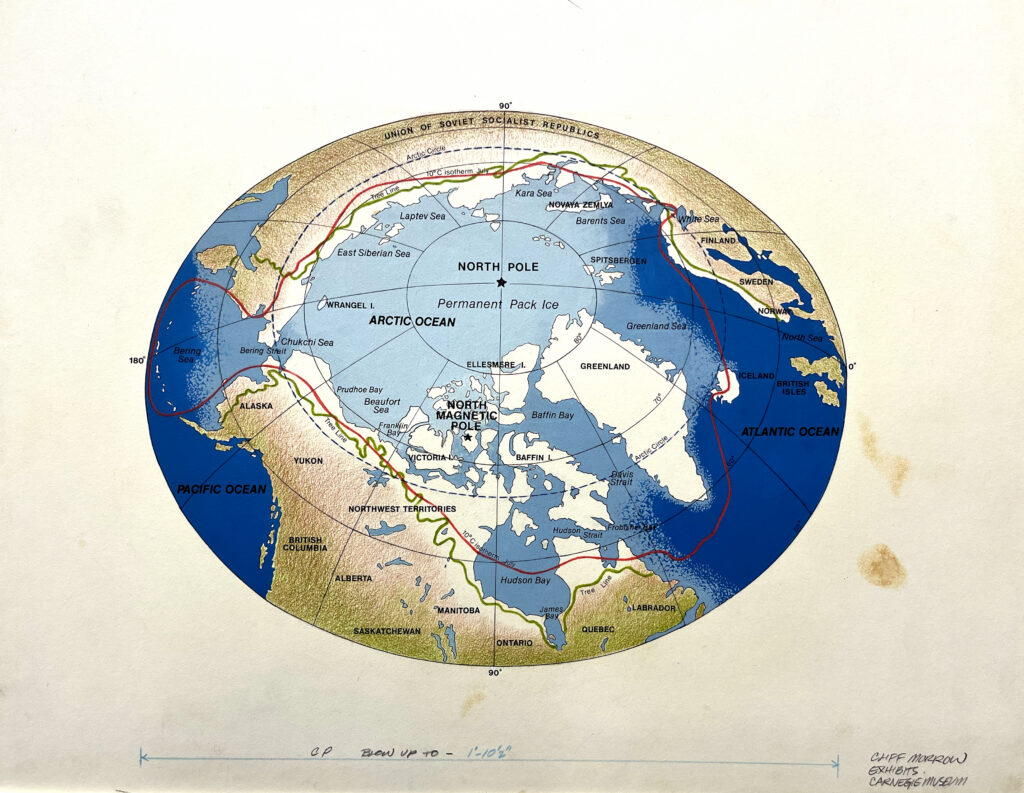
historic map
brightly colored poster for Polar World: Wyckoff Hall of Arctic Life

Filed Under: Uncategorized Tagged With: dinos, dinosaurs, dinosaurs in their time

February 3, 2020 by

Benedum Hall of Geology

  • First Floor

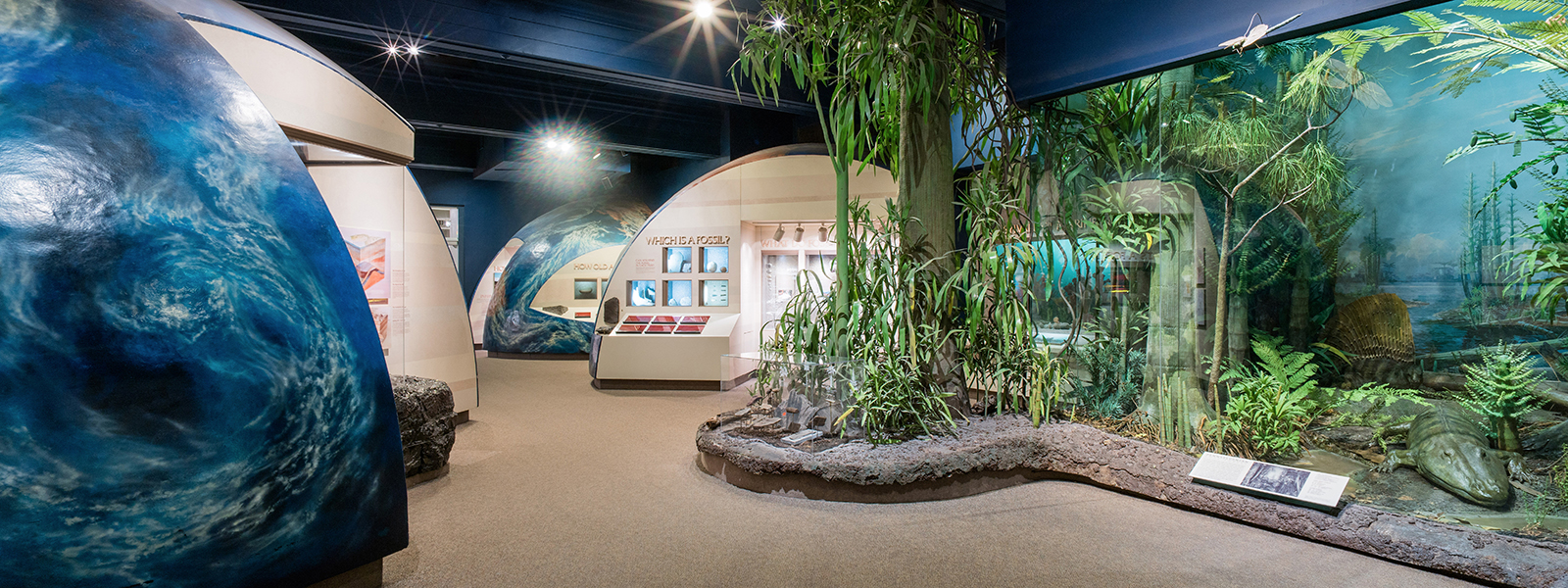
What shaped the Earth’s surface? How are fossils formed? What did western Pennsylvania look like millions of years ago when giant lizards roamed through our once-tropical forests? Learn the answers to these questions and more when you explore the ever-changing nature of our planet in Benedum Hall of Geology.

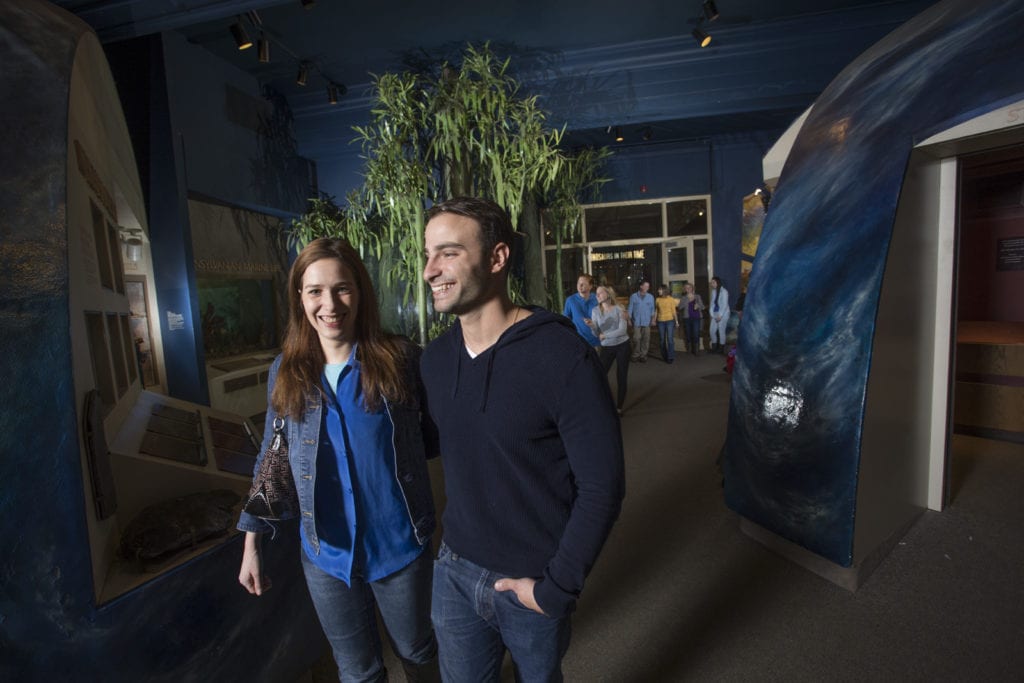
Three Earth-like domes highlight geological time and dating, fossils, shaping the Earth, and Pittsburgh geology. A fourth dome explores the origin, location, and economic development of coal, oil, and gas. A strong emphasis is placed on the geological processes that shaped Pennsylvania and its neighbors, Ohio and West Virginia. The Stratavator offers a simulated-elevator ride deep into the Earth.

Benedum hall of Geology

Learn about the Invertebrate Paleontology Collection at the Museum

The Section of Invertebrate Paleontology has close to three-quarters of a million fossils in its collection. Because of the special interest in the Paleozoic Era fossils by the section’s four curators and the central location of Carnegie Museum Natural History within the Appalachian Basin, the Paleozoic Era fossils make up almost half the collection.

Learn about the Section of Invertebrate Paleontology

Blogs about Benedum Hall of Geology

  • Exploring the Role of Leaf Litter In Our Forests

    Exploring the Role of Leaf Litter In Our Forests

    by Abby Yancy Leaf litter is the dead plant material that has fallen from trees, shrubs, and other plants. It hangs around …
  • Carnegie’s Cactus: Carnegie gigantea

    Carnegie’s Cactus: Carnegie gigantea

    by Patrick McShea Diplodocus carnegii, a sauropod star of Dinosaurs in Their Time, is not the only large organism exhibited at Carnegie …
  • Collected on this Day 105 years ago

    Collected on this Day 105 years ago

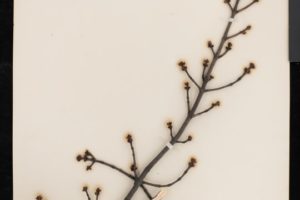
    So long, leaves. Autumn has fallen. This specimen of red maple (Acer rubrum) was collected on November 13, 1915 by Otto Jennings …
  • Collected on this Day in 1966: Santa Clauses

    Collected on this Day in 1966: Santa Clauses

    Christmas in July…”Santa Claus” floating in the air. (Or I guess, technically Boxing Day in July, if that’s a thing.) Make a …

Filed Under: Uncategorized Tagged With: dinos, dinosaurs, dinosaurs in their time

January 31, 2020 by

Hall of Botany

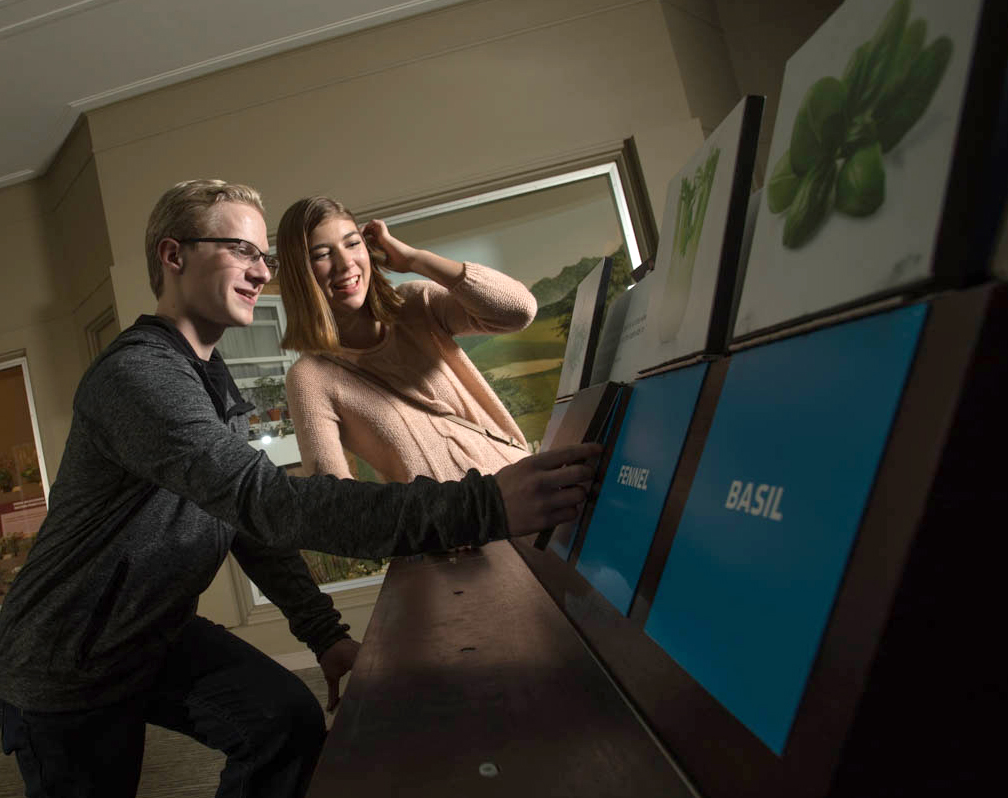
Investigate the incredibly diverse plant life of North America and Western Pennsylvania in Hall of Botany. Get lost in beautiful dioramas that depict wildly different biomes from all four corners of the United States. Learn about how animals and humans depend on plants for foods, shelter, medicine, and clothing. Discover how temperature and water affect plants by comparing a Florida everglade, an Alpine meadow on Mt. Rainier, an Arizona desert, and a wooded Pennsylvania valley. Identify herbs by their smells, and learn about photosynthesis and the food chain.

The hall also has several dioramas to show the plants and diverse habitats present in Western Pennsylvania. Local habitats like Lake Erie’s Presque Isle during the summer, a Warren County bog in the fall, and the Allegheny National Forest in the spring are all represented in Hall of Botany.

A video in the entryway showcases scientists collecting specimens in the field, preserving them, and ultimately digitizing them so the data can be used by researchers all over the world. 

Labels and graphics were created in the museum’s Print Shop using green printing techniques: fiberboard composed of 100% recycled material and a new type of vinyl which contains no Polyvinyl Chlorides (PVCs). 

  • Second Floor

Meet our Botanists

Mason Heberling

Mason Heberling, Ph.D.

Associate Curator of Botany

Learn More
Isaac, Bonnie

Bonnie Isaac, M.S.

Collection Manager of Botany

Learn More

Learn about the Botany Collection at the Museum

Carnegie Museum’s Herbarium (CM) is the major botanical facility in the Upper Ohio Valley region and ranks among the top 25 herbaria in North America.

Learn about the Section of Plants (Botany)

Blogs about Botany

  • Exploring the Role of Leaf Litter In Our Forests

    Exploring the Role of Leaf Litter In Our Forests

    by Abby Yancy Leaf litter is the dead plant material that has fallen from trees, shrubs, and other plants. It hangs around …
  • Carnegie’s Cactus: Carnegie gigantea

    Carnegie’s Cactus: Carnegie gigantea

    by Patrick McShea Diplodocus carnegii, a sauropod star of Dinosaurs in Their Time, is not the only large organism exhibited at Carnegie …
  • Collected on this Day 105 years ago

    Collected on this Day 105 years ago

    So long, leaves. Autumn has fallen. This specimen of red maple (Acer rubrum) was collected on November 13, 1915 by Otto Jennings …
  • Collected on this Day in 1966: Santa Clauses

    Collected on this Day in 1966: Santa Clauses

    Christmas in July…”Santa Claus” floating in the air. (Or I guess, technically Boxing Day in July, if that’s a thing.) Make a …

Filed Under: Uncategorized Tagged With: dinos, dinosaurs, dinosaurs in their time

January 31, 2020 by

Paleolab

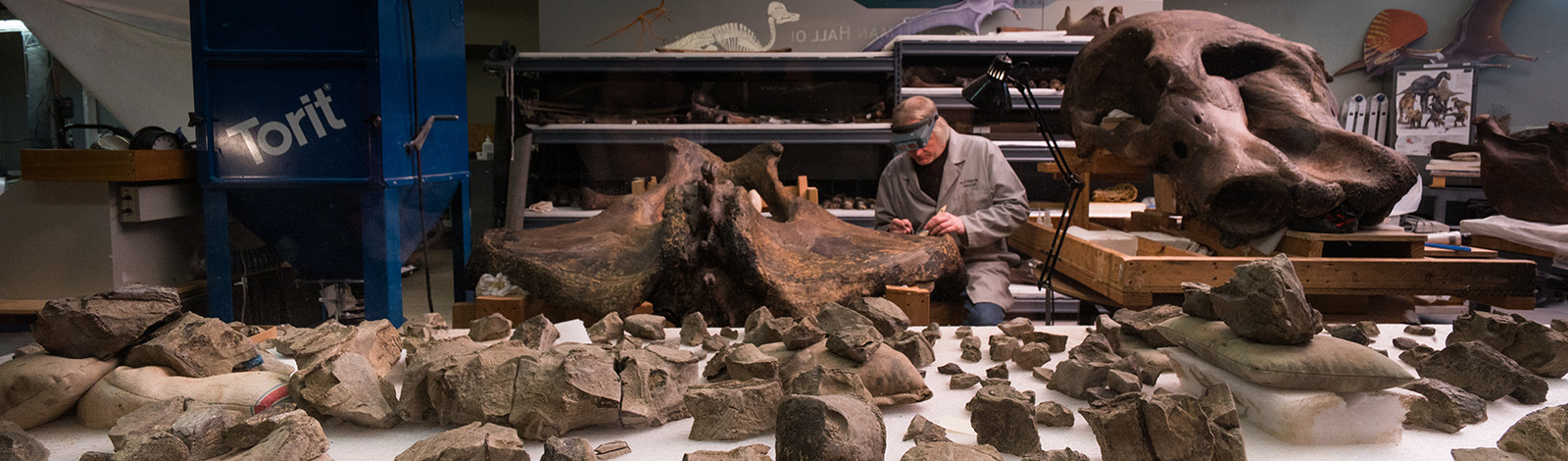
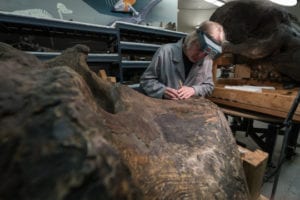
PaleoLab is a working paleontology lab that offers visitors a window into scientific research at Carnegie Museum of Natural History. Watch our paleontologists and scientific preparators unpack, prepare, and analyze fossils and specimens for research or display. View the fossilized bones of prehistoric mammals and fascinating dinosaur species before they’re displayed in museum galleries, or watch brand new specimens unwrapped straight from the field.

There is always something new happening in the PaleoLab. New specimens arrive, bones are chiseled out of rock, and scientist glean new insights from specimens they’re examining. Watch our scientists at work and learn about the tools and methods they use to uncover the past in this working lab.

PaleoLab is sponsored by

Green Mountain Energy logo
  • First Floor

Meet our Vertebrate Paleontologists

Lamanna, Matt

Matt Lamanna, Ph.D.

Curator of Vertebrate Paleontology

Learn More
Henrici, Amy

Amy Henrici, M.S.

Collection Manager of Vertebrate Paleontology

Learn More

Learn about the Fossil VertebrateCollection at the Museum

The Section of Vertebrate Paleontology collection began in 1895 with the sponsorship of Andrew Carnegie. In the early 20th century, the Carnegie Corporation supported the museum’s numerous paleontological expeditions to the American West, building one of the best dinosaur collections in the world. More recent efforts by Vertebrate Paleontology staff have concentrated on collecting mammals, reptiles, and amphibians from the Cenozoic and tetrapods from the Paleozoic and Mesozoic.

Learn about the Section of Vertebrate Paleontology

Blogs about the Dinosaurs

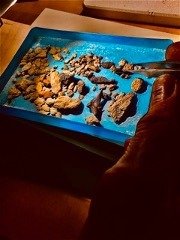
  • Fossil Matrix Under the Microscope

    Fossil Matrix Under the Microscope

    by Pat McShea Museum visitors who approach the broad window of PaleoLab encounter an array of large fossilized bones. If not for …
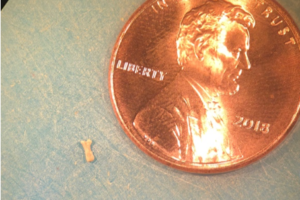
  • Badwater 20: Not So Bad After All

    Badwater 20: Not So Bad After All

    by Lauren Raysich Although many people are familiar with fossilized bones of dinosaurs and other large extinct creatures, some fossils can be so …
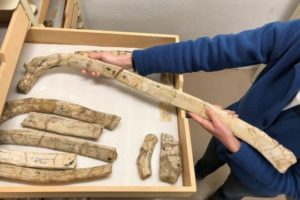
  • Mastodon Restoration

    Mastodon Restoration

    What does a Scientific Preparator do? Part of Dan Pickering’s really cool job is carefully restoring museum specimens. In this photo he’s …

  • Clues

    Clues

    By Amy Henrici Collection Managers often solve fossil mysteries, and sometimes we have only a few clues to assist us. A recent …

Filed Under: Uncategorized Tagged With: dinos, dinosaurs, dinosaurs in their time

  • « Go to Previous Page
  • Page 1
  • Interim pages omitted …
  • Page 18
  • Page 19
  • Page 20
  • Page 21
  • Page 22
  • Interim pages omitted …
  • Page 26
  • Go to Next Page »

sidebar

About

  • Mission & Commitments
  • Directors Team
  • Museum History

Get Involved

  • Volunteer
  • Membership
  • Carnegie Discoverers
  • Donate
  • Employment
  • Events

Bring a Group

  • Groups of 10 or More
  • Birthday Parties at the Museum
  • Field Trips

Powdermill

  • Powdermill Nature Reserve
  • Powdermill Field Trips
  • Powdermill Staff
  • Research at Powdermill

More Information

  • Image Permission Requests
  • Science Stories
  • Accessibility
  • Shopping Cart
  • Contact
  • Visitor Policies
One of the Four Carnegie Museums | © Carnegie Institute | Privacy Policy | Terms of Use | Accessibility
Rad works here logo