• Skip to primary navigation
  • Skip to main content
  • Skip to primary sidebar

Carnegie Museum of Natural History

One of the Four Carnegie Museums of Pittsburgh

  • Visit
    • Buy Tickets
    • Visitor Information
    • Exhibitions
    • Events
    • Dining at the Museum
    • Celebrate at the Museum
    • Powdermill Nature Reserve
    • Event Venue Rental
    • Gift Cards
  • Learn
    • Field Trips
    • Educator Information
    • Programs at the Museum
    • Bring the Museum to You
    • Guided Programs FAQ
    • Programs Online
    • Climate and Rural Systems Partnership
  • Research
    • Scientific Sections
    • Science Stories
    • Science Videos
    • Senior Science & Research Staff
    • Museum Library
    • Science Seminars
    • Scientific Publications
    • Specimen and Artifact Identification
  • About
    • Mission & Commitments
    • Directors Team
    • Museum History
  • Tickets
  • Give
  • Shop

dinosaurs in their time

January 30, 2020 by

Bird Hall

  • Third Floor

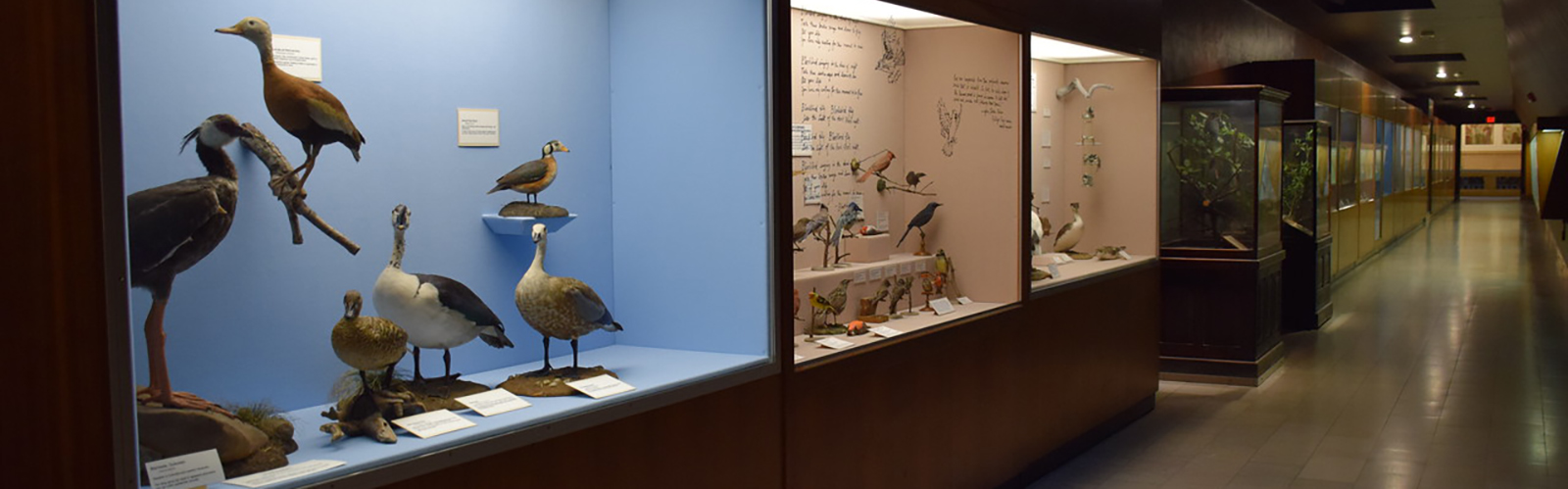
Explore Bird Hall to discover the many shapes, sizes, colors, and characteristics of birds. Bird Hall features more than 300 taxidermy mounts and study skins of birds that range from tiny hummingbirds to massive Golden eagles. Compare the variations of owls or examine the elaborate feathery plume of a superb Lyrebird up close.

Bird Hall has an array of birds collected over two centuries that illustrate many topics: Endangered and Extinct Species, Flightless, Tropical Rainforests, Birds of Paradise, Sexual Dimorphism, Avian Reproduction, Aquatic Birds, Adaptations for Feeding, and Defining Species. The lower hallway mostly displays non-passerines (non-perching birds) found in Pennsylvania: ducks, raptors, herons, doves, shorebirds, gallinaceous birds (ground-feeding game birds), and more.
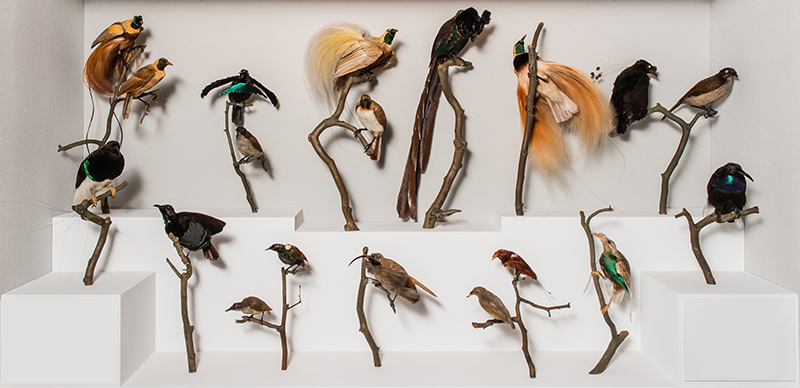
Case of colorful bird taxidermy in Bird Hall

Meet our Ornithologists

Serina Brady

Serina Brady, M.S.

Collection Manager of Birds

Luke DeGroote

Luke DeGroote, M.S.

Avian Ecologist and Program Manager

Learn More

Learn about the Bird Collection at the Museum

The bird collection at the museum, the Section of Birds, contains nearly 190,000 specimens of birds. 

Learn about the Section of Birds

Some ornithologists are Bird Banders. What is that?

Learn about Bird Banding

Blogs about Birds

  • 2025 Rector Christmas Bird Count Results

    2025 Rector Christmas Bird Count Results

    by Annie Lindsay Since 1974, intrepid birders in southwestern Pennsylvania have been gathering to count birds during the Rector Christmas Bird Count …
  • Natural History Collection Managers: The Stewards of Time Travel 

    Natural History Collection Managers: The Stewards of Time Travel 

    by Serina Brady and Mariana Marques For centuries, naturalists have collected the living world with the primary goal of understanding the diversity …
  • Life Lessons from Dead Birds

    Life Lessons from Dead Birds

    by Pat McShea The title of this post, “Life Lessons from Dead Birds,” is a phrase I use to summarize my long …
  • A Year in Review: Bird Banding 2023

    A Year in Review: Bird Banding 2023

    by Annie Lindsay Nestled between the Chestnut and Laurel Ridges near the town of Rector, Pennsylvania lies Powdermill Nature Reserve, Carnegie Museum …
Filed Under: Uncategorized Tagged With: dinos, dinosaurs, dinosaurs in their time

January 30, 2020 by

Hillman Hall of Minerals and Gems

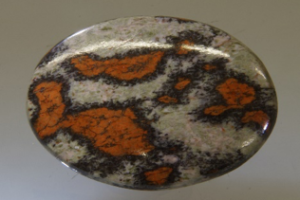
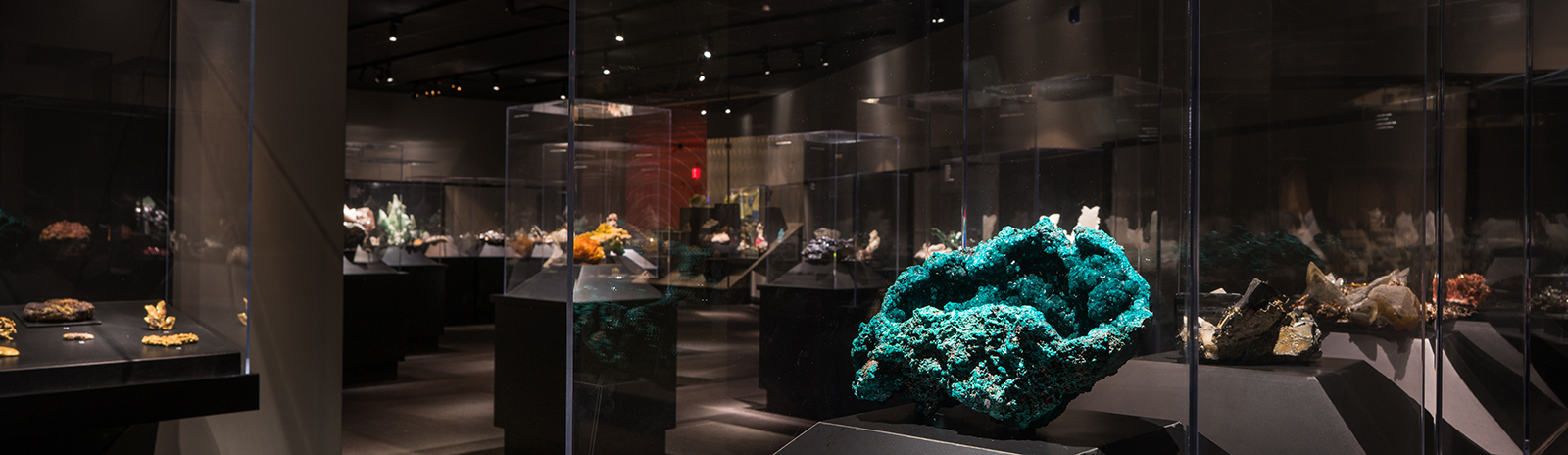
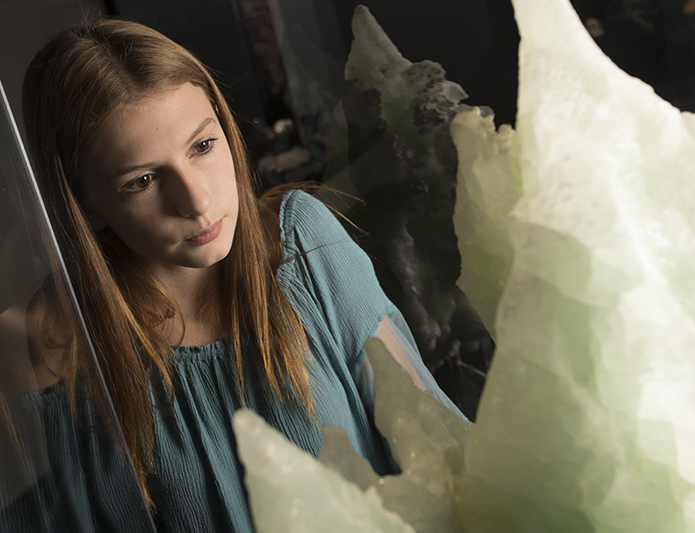
Hillman Hall of Minerals and Gems invites you to appreciate the wild variety and beauty of minerals and gems. This exhibition artfully displays more than 1,300 specimens from all over the world that come in a large range of striking colors, fascinating forms, and dramatic shapes. Hillman Hall has gained an international reputation as one of the finest and most important mineral exhibitions in the country.

Admire the bright green, mossy like texture of a pyromorphite specimen or find out what causes the delicately hued colors in massive pieces of quartz. Learn about minerals that make up everything from table salt to diamond rings, or check out some tools that mineralogists use like microscopes and Geiger counters. Watch how some minerals are transformed in ultraviolet light or get lost in the Masterpiece Gallery taking in each unique specimen.

Hillman Hall displays highlight systematics, mineral localities, pseudomorphism, and more with a special section dedicated to Pennsylvania minerals.

  • First Floor
young woman looking at minerals

Meet our Researchers

Travis Olds

Travis Olds, Ph.D.

Assistant Curator of Minerals (Mineralogy)

Wilson, Deb

Debra Wilson, B.A.

Collection Manager of Minerals (Mineralogy) and Earth Sciences

Learn about the Minerals (Mineralogy) and Earth Sciences Collection at the Museum

The Section of Minerals (Mineralogy) and Earth Sciences includes an outstanding suite of minerals from the former Soviet Union, a historically important suite of nearly 5,000 Pennsylvania minerals formerly owned by the Academy of Natural Sciences in Philadelphia, and more than 2,700 Pennsylvania minerals acquired from the Bryon Brookmyer collection.

Learn about the Section of Minerals (Mineralogy) and Earth Sciences

  • Mineral Gazing

    Mineral Gazing

    by Debra Wilson Have you ever gazed up at the sky and noticed a cloud that looks like a face, or an …
  • Fungi make minerals and clean polluted water along the way!

    Fungi make minerals and clean polluted water along the way!

    Fungi are all around in the environment. For example, the mold that invades wet basements, the mushrooms that we cook with, and …
  • Roll Out the Beryl

    Roll Out the Beryl

    Beryl has many different varieties that you may be familiar with, the most recognized being: Emerald (green), Heliodor (yellow), Morganite (pink), and …
  • Everything Pennsylvania

    Everything Pennsylvania

    On May 10th a new temporary exhibit is scheduled to be installed in Wertz Gallery: Gems and Jewelry that will feature gemstones, cabochons, …

Filed Under: Uncategorized Tagged With: dinos, dinosaurs, dinosaurs in their time

January 30, 2020 by

Bone Hunters’ Quarry

  • First Floor

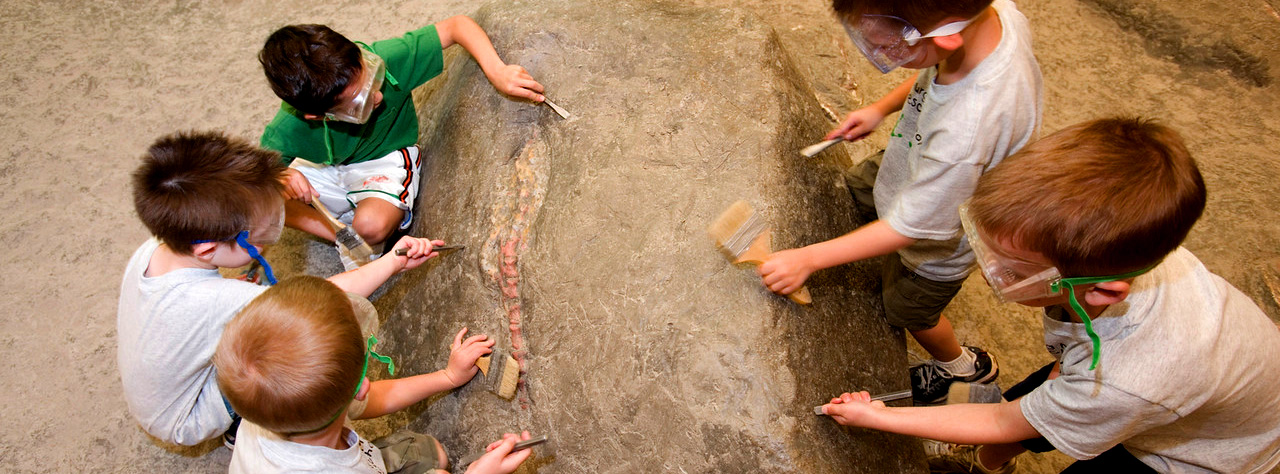
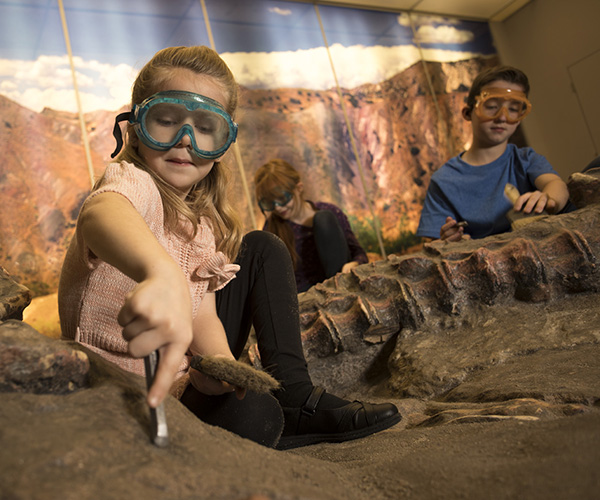
Dig for fossils in a recreation of Dinosaur National Monument in Utah.

Pick up a brush, put on some goggles and practice uncovering dinosaur and mammal fossils in this recreation of an actual dig-site! A friendly Natural History Interpreter is there to answer your questions.

HOURS
Friday, Saturday, and Sunday: 12:00 p.m. – 3:00 p.m.

Bone Hunters’ Quarry will be closed on Friday, June 12, 2026.

Children 10 and under must be accompanied by an adult. Protective goggles are recommended.

We cannot guarantee that Bone Hunters’ Quarry will be open during your visit. Please call (412) 622-3131 on the day you plan to visit for the most up to date information. We apologize for any inconvenience as our staff work to improve this experience. 

kids digging for bones

Filed Under: Uncategorized Tagged With: dinos, dinosaurs, dinosaurs in their time

January 30, 2020 by

Discovery Basecamp

  • First Floor

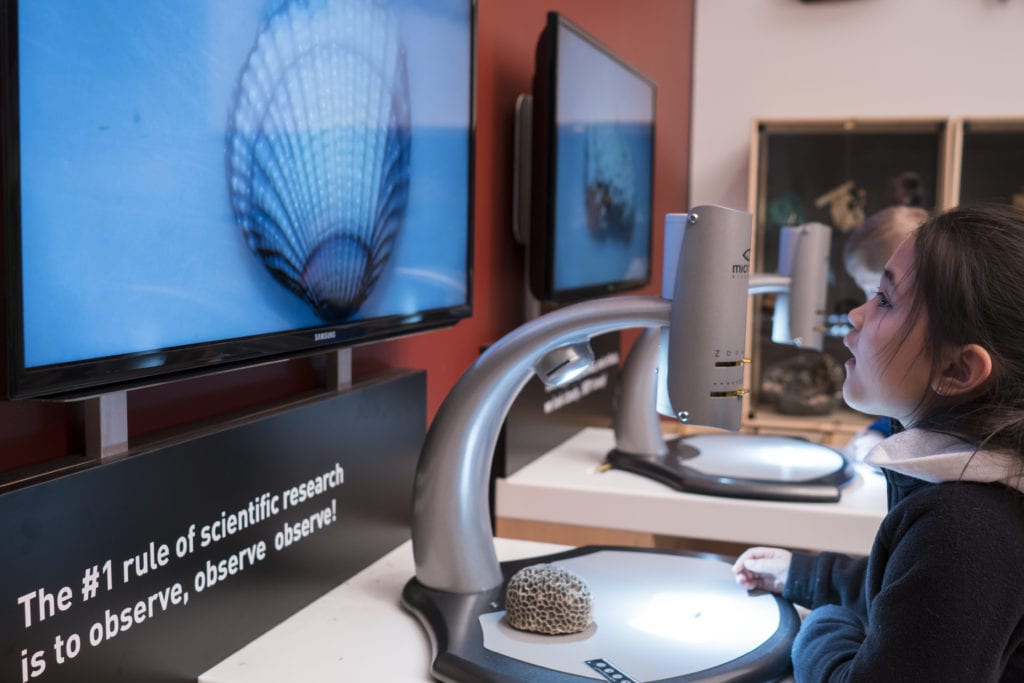
Explore the wonders of the natural world in Discovery Basecamp, a permanent, hands-on gallery. Look at the coarseness of an African lion’s mane, buzz and dance like bees to learn how honeybees “talk” to each other, and explore a collection of rare and exciting specimens you can only find at a natural history museum. Zoom in on specimens on the Alcohol House touchscreen to examine reptiles and amphibians preserved in fluid. Watch a behind-the-scenes video from the Section of Mollusks and look at a display of shells. Discovery Basecamp is a bustling and lively gallery where you’re encouraged to slow down, look closely, and explore everything.

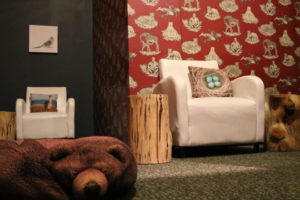
Parents can join the process of discovery, or relax and watch play-based learning unfold. The gallery also features comfortable seating and a private breastfeeding station, decorated with wallpaper depicting mother animals breastfeeding their babies designed by Pittsburgh artist and illustrator Ashley Cecil.

New specimens, activities, and programming are always being added, so there’s something new to discover with every visit.

girl using microscope to look at a shell

Presented by

Reach Cyber Charter School: Reach your potential
  • Learning From Misinterpretations

    Learning From Misinterpretations

    by Patrick McShea Every job has its awkward moments, even work aiding museum visitors in their interpretation of exhibits. One memorable situation …
  • 2018 Breastfeeding Friendly Place Award

    2018 Breastfeeding Friendly Place Award

    We are proud to be a winner of the 2018 Breastfeeding Friendly Place Award! Cozy chairs and pillows in a private area …
  • The Honey Bee (Apis mellifera)

    The Honey Bee (Apis mellifera)

    The honey bee (Apis mellifera) has been domesticated by humans since ancient times. Drone bees have composite eyes that consist of about …
  • Check out our new selfie station featuring Dippy

    Check out our new selfie station featuring Dippy

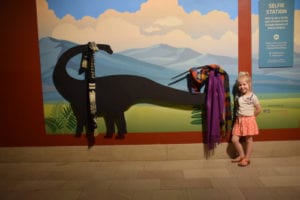
    Check out our new selfie station featuring Dippy and all of his scarves! The set-up is located in Discovery Basecamp at Carnegie …

Filed Under: Uncategorized Tagged With: dinos, dinosaurs, dinosaurs in their time

January 22, 2020 by

Daniel G. And Carole L. Kamin Hall of Dinosaurs

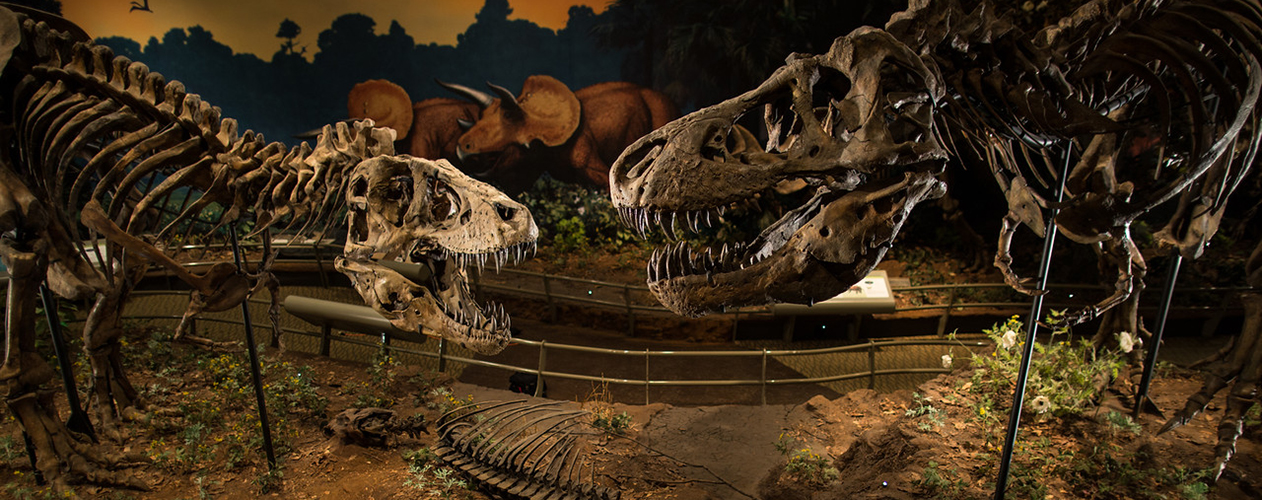
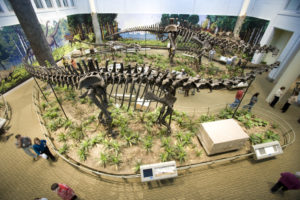
Plan an expedition to the Kamin Hall of Dinosaurs—Carnegie Museum of Natural History’s core exhibition featuring real dinosaur fossils.

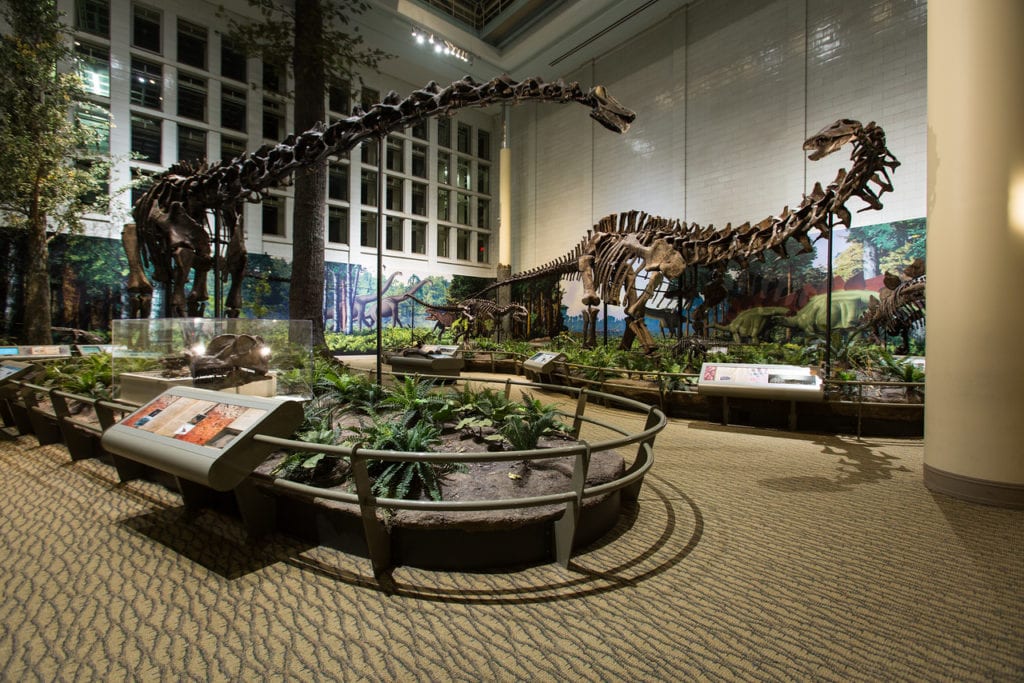
This exhibition is home to dozens of original fossils from throughout the Mesozoic Era displayed in scientifically accurate reconstructions of their ancient habitats.

Are the Dinosaur Fossils on Display Real?

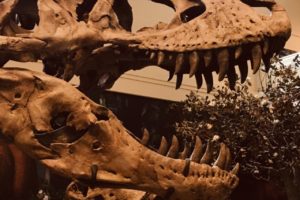
About 75% of the more than 230 objects on display are original fossils from one of the finest paleontological collections in the world, and most of the exhibition’s dinosaur skeletons are real, not replicas. Several of these skeletons—including those of the iconic dinosaurs Apatosaurus louisae, Diplodocus carnegii, and Tyrannosaurus rex—are holotypes, the original specimens upon which their respective species are based.

In the many decades since the discovery of Diplodocus, scientific interpretations of dinosaurs and their lifestyles have changed dramatically. This exhibition uses up-to-date paleontological evidence—much of which has been provided by the museum’s own scientists—to accurately reconstruct the appearance and behavior of these colossal creatures.

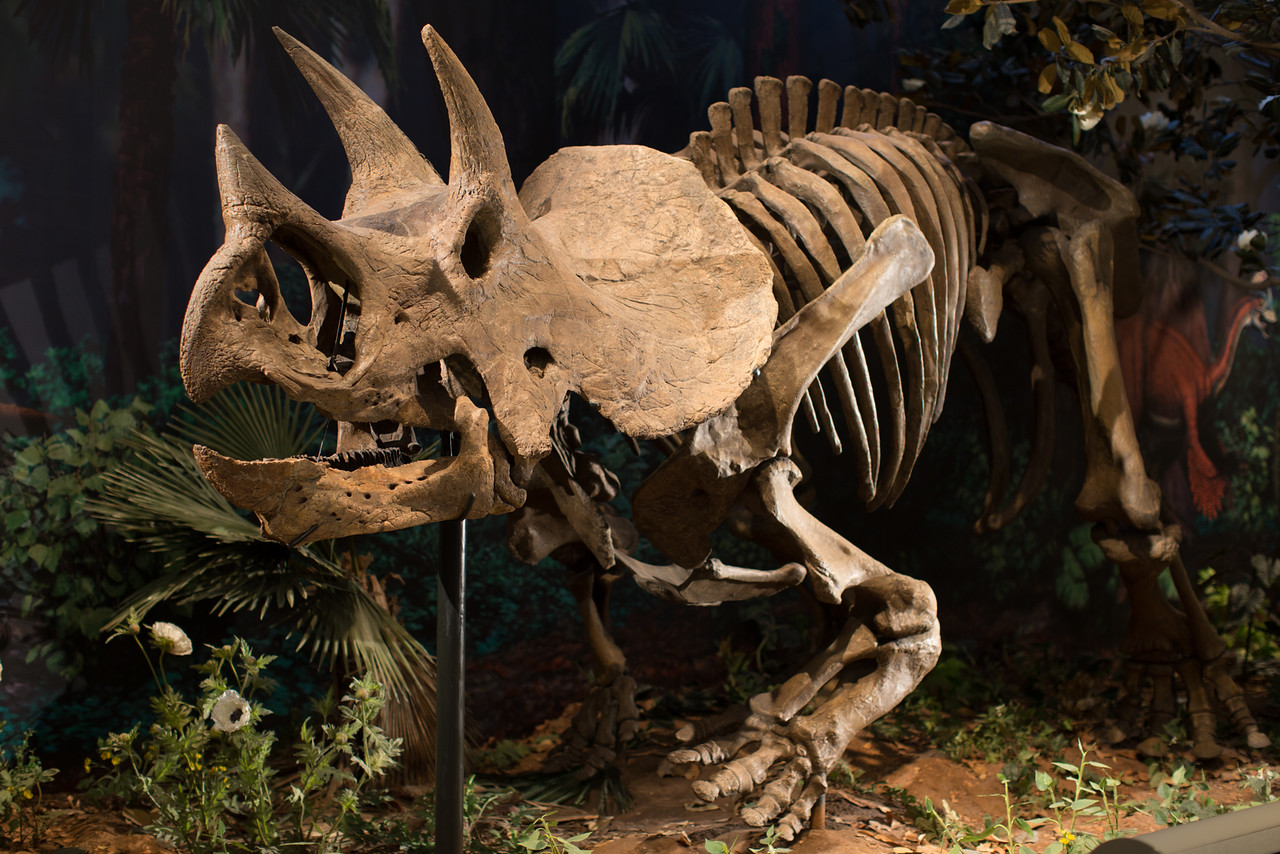
For instance, we now know that Apatosaurus and Diplodocus (two famous long-necked dinosaurs) did not spend their lives wallowing in swamps and that predatory dinosaurs such as T. rex walked with their tails held off the ground and their backs horizontal. The three-horned Triceratops may have used its famous headgear more for display than for fighting, whereas some theropod dinosaurs (such as Anzu wyliei, the notorious “Chicken from Hell”) would have closely resembled their modern descendants—modern birds.

Dinosaur Exhibition Layout

Many museum exhibitions group extinct species according to geologic time, but this exhibition takes this concept several steps further. In this exhibition, dinosaurs and other Mesozoic animals are shown in extraordinarily detailed reconstructions of their respective environments. Like the dinosaurs themselves, the habitats in this exhibition are firmly grounded in scientific evidence.

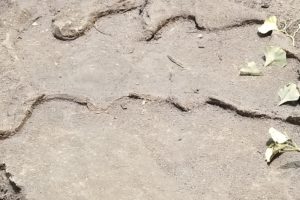
A panicked Apatosaurus smashes a small tree known from fossils found in the same Jurassic-aged rocks. A sculpted trackway of a hungry T. rex is based directly on the only known footprint of this terrifying meat-eater. The cat-sized Cretaceous mammal Didelphodon angrily confronts a much larger Triceratops. In short, in our museum’s exhibition, when dinosaur species are exhibited together, they actually lived together—their fossils are found in the same rock formations, and in many cases, the same quarries.

  • First Floor
triceratops
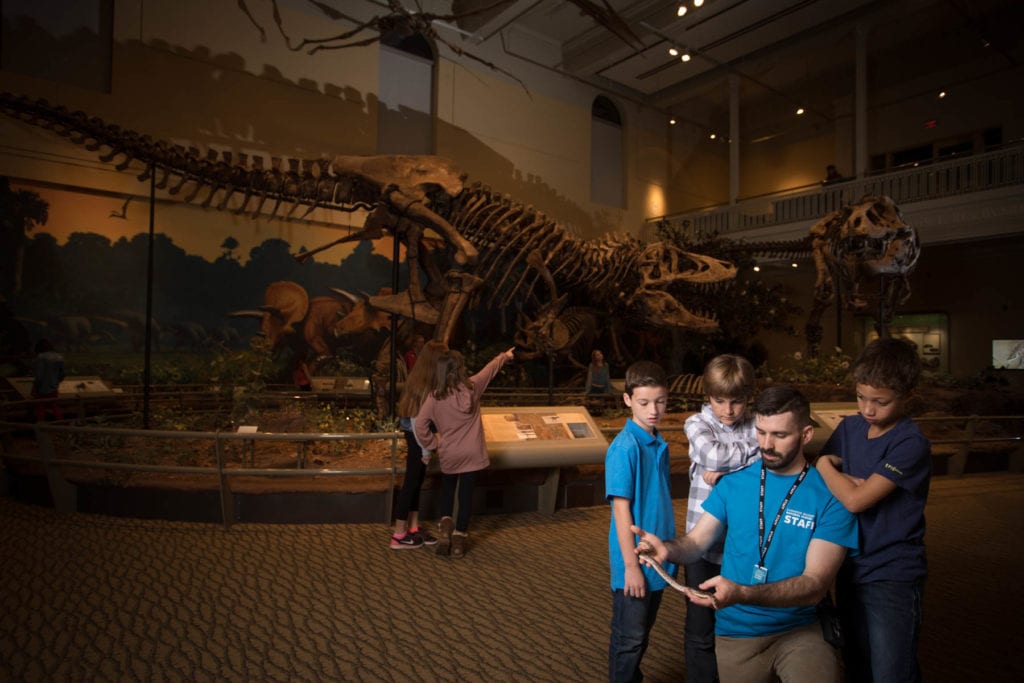
Visitors in Dinosaurs in their Time
herbivores in Dinosaurs in their Time

Meet our Vertebrate Paleontologists

Lamanna, Matt

Matt Lamanna, Ph.D.

Mary R Dawson Associate Curator

Learn More

sarah davis

Sarah Davis, Ph.D.

Collection Manager

Learn More

Meet the rest of the Fossil Vertebrate (Vertebrate Paleontology) Section

  • Stepping Back in Time

    Stepping Back in Time

    by Suzanne Nuss I grew up in the silent Canadian Arctic, so sounds switch me to alertness. Once alert, I pause to …
  • Jurassic Days: Icarosaurus

    Jurassic Days: Icarosaurus

    by Zach Lyons-Weiler Both visitors and staff love Carnegie Museum of Natural History’s Dinosaurs in Their Time exhibition for many reasons. For …
  • What Did Dinosaurs Sound Like?

    What Did Dinosaurs Sound Like?

    A Brief Foray into Paleoacoustics in Science and Film by Niko Borish and Caroline Lee Did Dinosaurs Roar? When you think about …
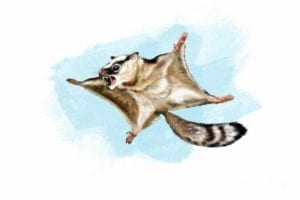
  • MESOZOIC MONTHLY: Volaticotherium

    MESOZOIC MONTHLY: Volaticotherium

    by Lindsay Kastroll Once again, spring has sprung. Prepare to see the gorgeous forests of Pennsylvania launch back into action. I, for …

Filed Under: Uncategorized Tagged With: dinos, dinosaurs, dinosaurs in their time

August 12, 2019 by wpengine

Travels with a Sketchbook: A Natural History Artist’s Observations at the Museum

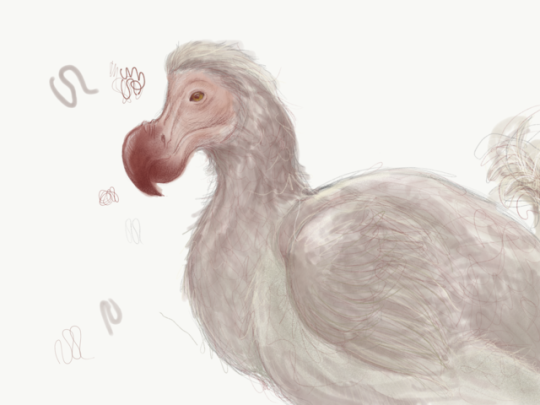
Carnegie Museum of Natural History has a large and expansive collection of artifacts, oddities, and wonders. It also has its fair share of mounted animals and skeletons on display, which makes it an ideal spot for the wandering artist. Where else can an artist study both extinct and extant species up close and in great detail? If, like me, you’re an illustrator who loves to draw animals, you could, for example, grab your sketchbook and head to the museum’s Bird Hall to get a close look at the flightless dodo (Raphus cucullatus). Driven to extinction by European colonists during the 1600s, early artists’ renderings provide some of the best evidence for the dodo’s appearance in life. Perhaps surprisingly, this bird is now known to be closely related to pigeons!

Dodo (Raphus cucullatus) in Bird Hall at Carnegie Museum of Natural History. Sketch by the author.

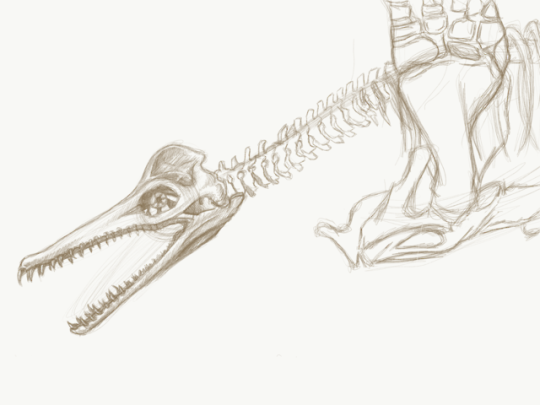
If your tastes are more prehistoric, check out the museum’s sprawling Dinosaurs in Their Time exhibition. Travel back in time to ancient seas and imagine the graceful movements of the plesiosaur Dolichorhynchops bonneri while the giant carnivorous mosasaur Tylosaurus proriger hovers ominously above you. These marine reptile groups vanished in the mass extinction that also wiped out non-avian dinosaurs roughly 66 million years ago.

Skeleton of the short-necked plesiosaur Dolichorhynchops bonneri in the Dinosaurs in Their Time exhibition at Carnegie Museum of Natural History. Sketch by the author.

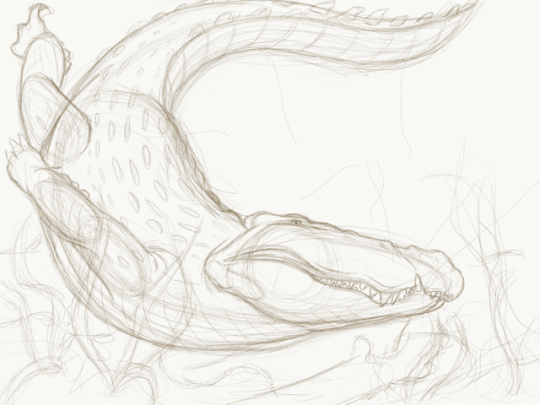
Or perhaps you’re more interested in observing and sketching modern day animals? If so, visit the Hall of North American Wildlife and Hall of African Wildlife on the museum’s second floor. Get up close and personal with the Nile crocodile (Crocodylus niloticus) trio and capture their anatomy in detail. It’s the safest way to do so – not to mention the only way to do so here in Western Pennsylvania! (Reports of alligators in our rivers notwithstanding.)

Nile crocodile (Crocodylus niloticus) in the Hall of African Wildlife at Carnegie Museum of Natural History. Sketch by the author.

So, my fellow artists and nature lovers, as I hope this post has shown, there are scores of species to inspire you here at the museum. Grab your sketchbook and come on over!

Hannah Smith is an intern working with Scientific Illustrator Andrew McAfee in the Section of Vertebrate Paleontology at Carnegie Museum of Natural History. Museum employees, interns, and volunteers are encouraged to blog about their unique experiences and knowledge gained from working at the museum.

Related Content

Celebrating Women in the Natural History Art Collection

Art and the Animal

New Vision of Old Rock Art

Carnegie Museum of Natural History Blog Citation Information

Blog author: Smith, Hannah
Publication date: August 12, 2019

Share this post!

  • Share on Twitter Share on Twitter
  • Share on Facebook Share on Facebook
  • Share on Pinterest Share on Pinterest
  • Share on LinkedIn Share on LinkedIn
  • Share on Reddit Share on Reddit
  • Share via Email Share via Email

Filed Under: Blog Tagged With: Andrew McAfee, bird hall, Birds, dinosaurs in their time, fossils, Hall of African Wildlife, Vertebrate Paleontology

  • « Go to Previous Page
  • Page 1
  • Interim pages omitted …
  • Page 20
  • Page 21
  • Page 22
  • Page 23
  • Page 24
  • Interim pages omitted …
  • Page 26
  • Go to Next Page »

sidebar

About

  • Mission & Commitments
  • Directors Team
  • Museum History

Get Involved

  • Volunteer
  • Membership
  • Carnegie Discoverers
  • Donate
  • Employment
  • Events

Bring a Group

  • Groups of 10 or More
  • Birthday Parties at the Museum
  • Field Trips

Powdermill

  • Powdermill Nature Reserve
  • Powdermill Field Trips
  • Powdermill Staff
  • Research at Powdermill

More Information

  • Image Permission Requests
  • Science Stories
  • Accessibility
  • Shopping Cart
  • Contact
  • Visitor Policies
One of the Four Carnegie Museums | © Carnegie Institute | Privacy Policy | Terms of Use | Accessibility
Rad works here logo