• Skip to primary navigation
  • Skip to main content
  • Skip to primary sidebar

Carnegie Museum of Natural History

One of the Four Carnegie Museums of Pittsburgh

  • Visit
    • Buy Tickets
    • Visitor Information
    • Exhibitions
    • Events
    • Dining at the Museum
    • Celebrate at the Museum
    • Powdermill Nature Reserve
    • Event Venue Rental
  • Learn
    • Field Trips
    • Educator Information
    • Programs at the Museum
    • Bring the Museum to You
    • Guided Programs FAQ
    • Programs Online
    • Climate and Rural Systems Partnership
  • Research
    • Scientific Sections
    • Science Stories
    • Science Videos
    • Senior Science & Research Staff
    • Museum Library
    • Science Seminars
    • Scientific Publications
    • Specimen and Artifact Identification
  • About
    • Mission & Commitments
    • Directors Team
    • Museum History
  • Tickets
  • Give
  • Shop

Nature 360

March 29, 2019 by wpengine

Adventures with Taiji Nelson

“If you stop and look with some intention, you can find some really amazing things…”

Taiji Nelson

Frick Park has an extensive network of trails and is home to more wildlife than you might imagine.  Taiji Nelson is there to help you explore it all.

“When nature shows up for you as an educator, it’s so great…”

Taiji works for the Pittsburgh Parks Conservancy at the Frick Environmental Center as a Naturalist Educator.  What does that mean?  It means that he works with middle school and high school students to look at ecosystems in the parks and restore park health.  He shows students how parks can connect communities and introduce people to nature.
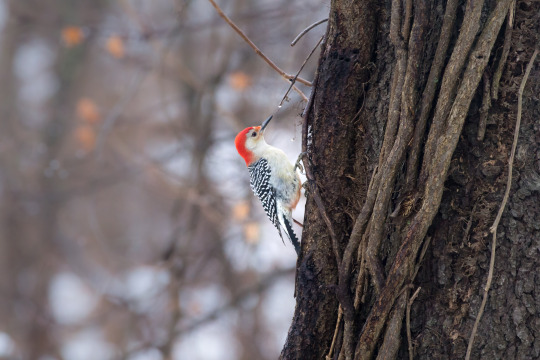
A red-belied woodpecker sips from a water droplet.

“Finding a salamander, finding a snake, finding an owl…you don’t expect to be able to see that kind of stuff in the middle of a city, in the middle of Pittsburgh, but it’s out here.”

“An interest in nature can be a really strong force to connect people.”

Taiji loves parks because he thinks they are places where groups of people can come together and be excited about being outside.

“There’s a ton of value in bringing people with different perspectives together.  Being a queer person of color, I understand the value of meeting people who think differently than you and being able to find common ground.”

“I’m the hype man for nature.”

Nature is always there for adventurers who want to see new and exciting things.  Taiji is there to guide those adventurers along.

A World of Wonder

In the parks, Taiji has seen all sorts of interesting sights. There are always birds flying from tree to tree, there are great horned owls that come out when it gets dark, and even a beaver that’s been known to frequent a stream in the park’s ravine.

Explore nature together.  Visit Nature 360 for activities and information.

Blog post by Melissa Cagan. 
Filed Under: Blog Tagged With: Education, Melissa Cagan, Nature 360, Pittsburgh, Taiji Nelson

March 20, 2019 by wpengine

Frosty Frogs and Tunneling Toads

by Melissa Cagan and Hannah Smith

In the fall, many animals begin to prepare for winter. Squirrels collect food, groundhogs eat extra food to store as fat, birds migrate to warmer regions…but what do frogs do?  Although frogs and toads don’t seem to make any special preparations for the approaching cold, they survive extraordinarily cold temperatures every winter.  How do they manage this?

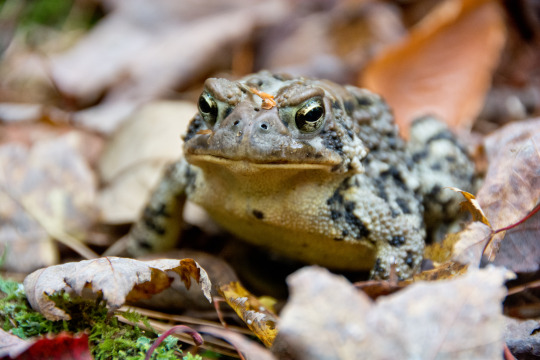
An American toad hops through fallen leaves.

A Long Winter “Nap”

Like other amphibians, frogs and toads are cold-blooded.  This means their body temperatures change to match the temperatures of their environment.  When winter comes around, frogs and toads go into a state of hibernation.  They find a place to “sleep” through winter and slow their metabolism, heart rate, and breathing rate to conserve energy.  Frogs and toads rely on two different hibernation strategies depending on whether they spend more time on land or underwater.

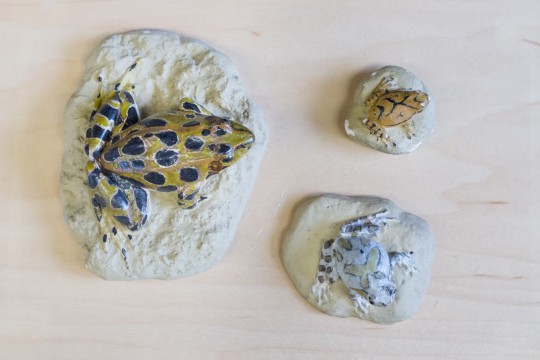
Above are models of three different sized frogs. The largest model is a leopard frog, the medium model is a grey tree frog, and the smallest model is a spring peeper.

Beneath the Icy Ground

Aquatic species, such as the green frog and the bullfrog, rest on pond or river bottoms.  So long as the water doesn’t completely freeze, frogs or underwater toads will be able to survive the winter…by breathing through their skin! If these animals buried themselves in mud, they would not be able to absorb enough oxygen.  Species that spend more time on land however, such as the American toad or the spring peeper, find drier places to sleep the winter away. Since the ground surface can freeze when temperatures drop dramatically, land frogs and toads need to find places that protect them from snow or frost.  This may require a frog or toad to dig deeply enough into the ground that they reach below the frost line – around 50 cm. or more than 20 in. deep!

Frogging Awesome!

Frogs and toads are much tougher animals than you might imagine.  Next time you see a frog or a toad, give them a tip of your hat – they are exceptionally hardy (resilient) creatures!

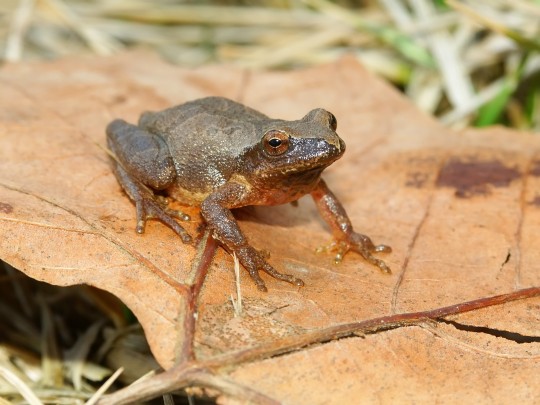
frog on a fallen leaf

Frozen Frogs

A few, unique species of frogs have found a different way of dealing with cold temperatures.  These frogs, like the wood frog and some tree frogs, actually freeze part of their body! These special creatures are able to freeze around 40% of their body’s water content.  In this state, the frogs don’t breathe, have no heartbeat, and stop all blood flow.  Once spring comes, the frog thaws its body and comes back to life!

Can You Find the Frogs?

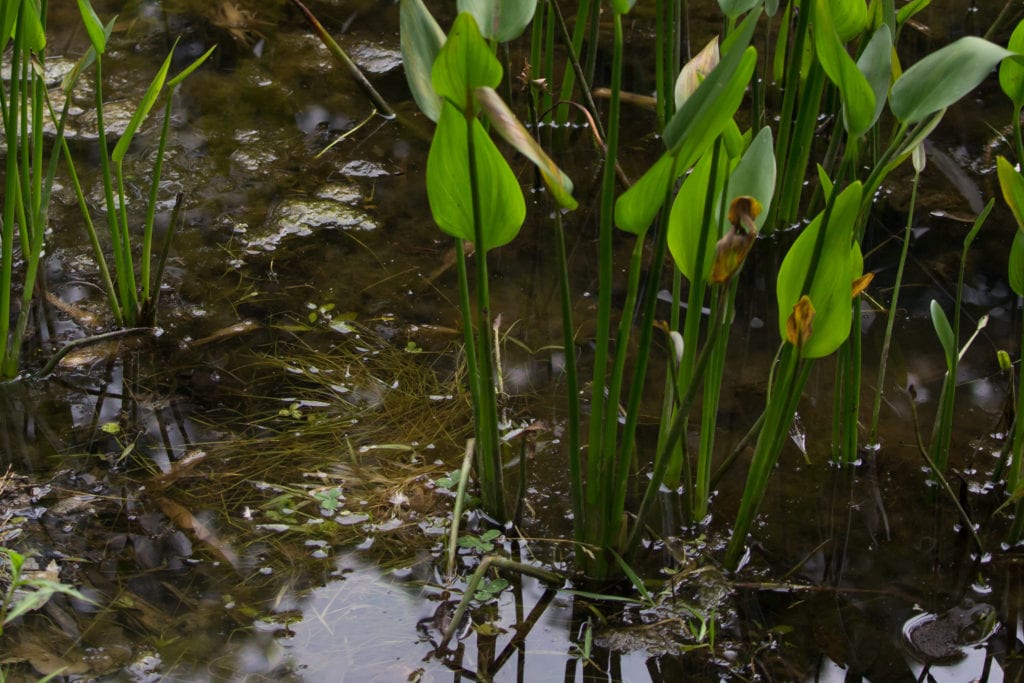
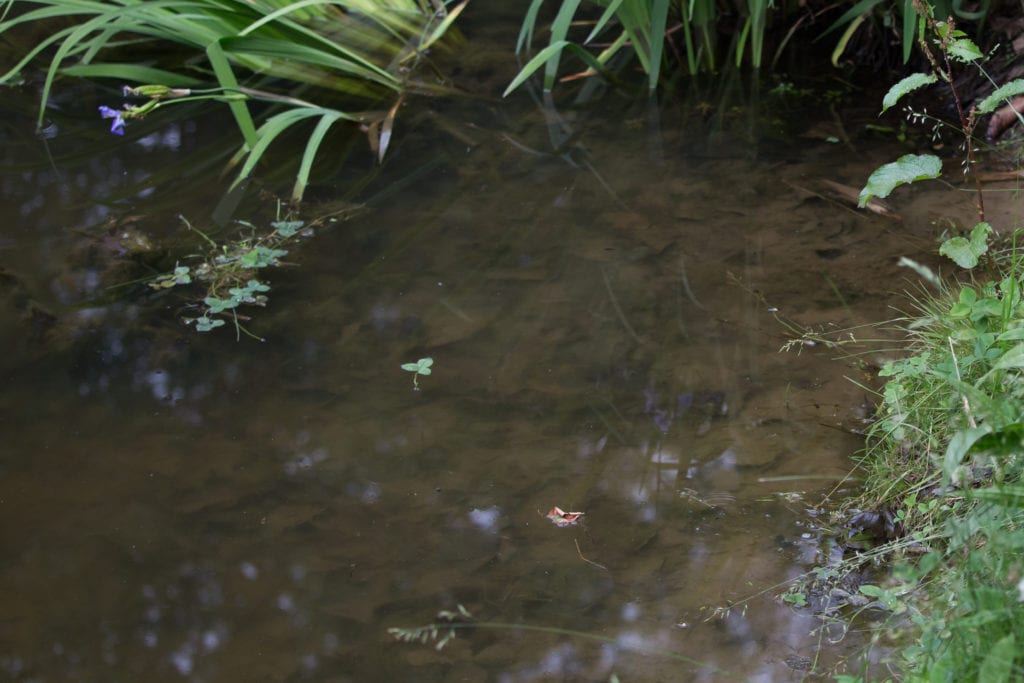
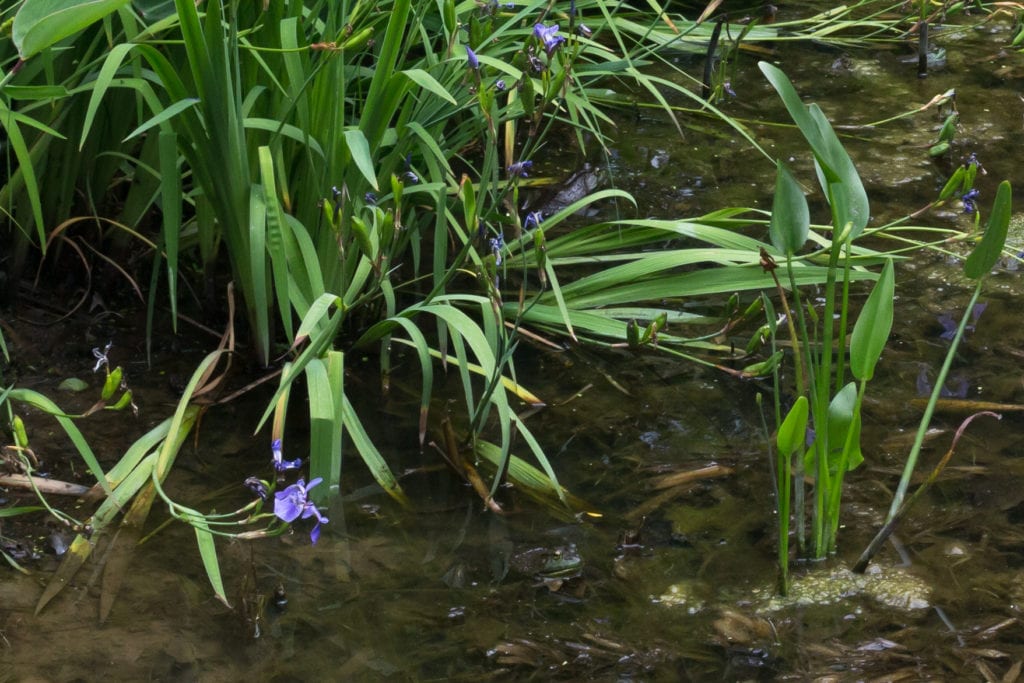
Frogs are great at hiding amongst their environment. They often hide in reeds, plants, and on the banks of ponds or other bodies of water.  There are frogs hiding in each of these photos…how many can you find?

marshy area with frogs
wetlands with frog hiding
wetland marsh with frogs

Related Content

Ask a Scientist: What is a pitfall trap?

Spiders as Interior Designers

Trick or Tweet! Clever Creature Disguises

Carnegie Museum of Natural History Blog Citation Information

Blog author: Cagan, Melissa; Smith, Hannah
Publication date: March 20, 2019

Share this post!

  • Share on Twitter Share on Twitter
  • Share on Facebook Share on Facebook
  • Share on Pinterest Share on Pinterest
  • Share on LinkedIn Share on LinkedIn
  • Share on Reddit Share on Reddit
  • Share via Email Share via Email

Filed Under: Blog Tagged With: amphibians and reptiles, frogs, Nature 360, Winter

March 4, 2019 by wpengine

Make Your Own Pinecone Bird Feeder!

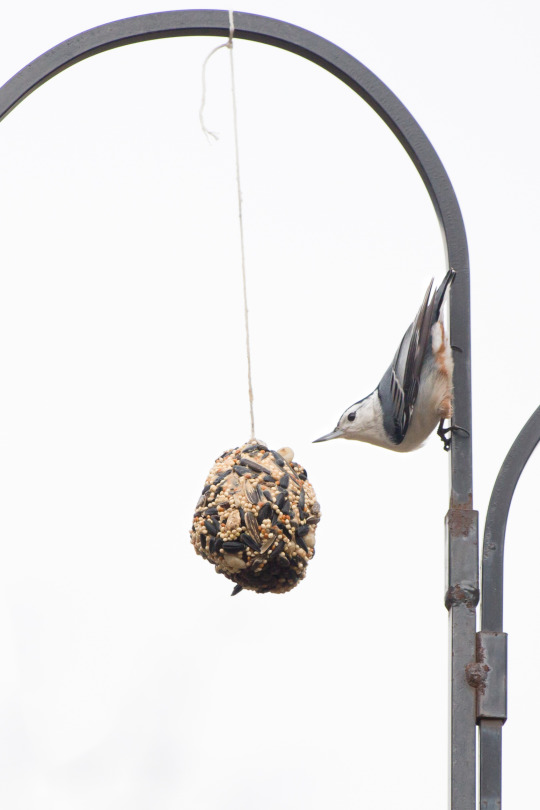
bird with pinecone bird feeder

Homemade bird feeders are a great way to attract many birds to your yard this winter…even when it seems like all the animals have disappeared!

What You’ll Need:

·      Large pinecones

·      String, wire, or pipe cleaners

·      Peanut butter or vegetable shortening

·      2 plates

·      Scissors

·      Butter knife

·      Store-bought or homemade* birdseed

*We recommend visiting https://feederwatch.org/learn/feeding-birds/#food-types for pointers on what seeds to use or avoid.

Directions:

1.    Gather large pinecones with open scales. Explore your backyard or find a nearby hiking trail.  This is a great opportunity to go on an adventure with your friends or family!

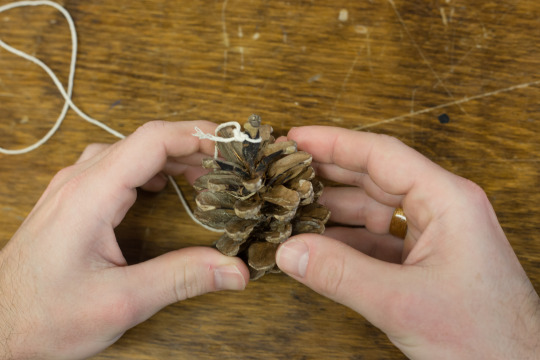
2.    Attach string, wire, or pipe cleaner to the top of the pinecone.  Make sure your string or wire is long enough to tie and hang from a high point.  You can use one attachment around the tip of the cone or you can tie two attachments to two different scales below the tip of the pinecone.  Do this first!  Your cone will get very messy and it will be hard to attach anything after you’ve rolled your pinecones in seed.

two hands holding pinecone

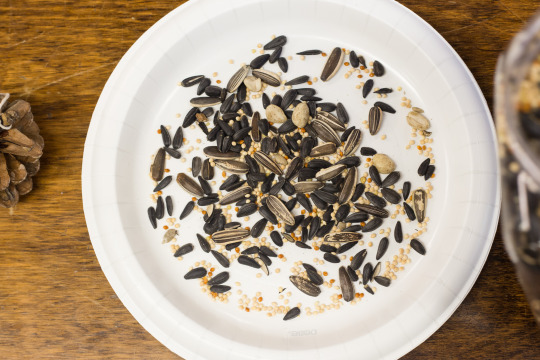
3.    Pour your bird seed onto a plate.  If you’re using a homemade mix, try mixing the different nuts and seeds together in a bowl before you pour them onto a plate.

birdseed on a plate

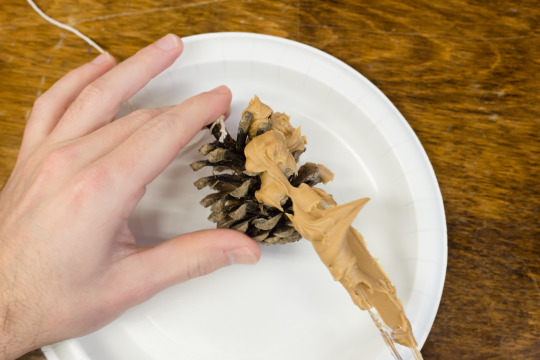
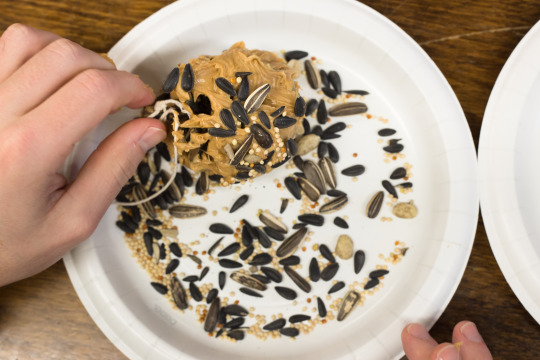
4.    Get ready to get messy!  Spread peanut butter or shortening all over a pinecone using a butter knife.  Make sure you get your “glue” in all the creases and crannies.

spreading peanut butter on pinecone with a knife

5.    Next, roll your sticky pinecone on your plate of seeds.  Press down and roll back and forth until the pinecone is mostly covered in your seed mixture.  Sprinkle more seeds in any areas that have been missed and roll one more time.

rolling peanut butter covered pinecone in bird seed

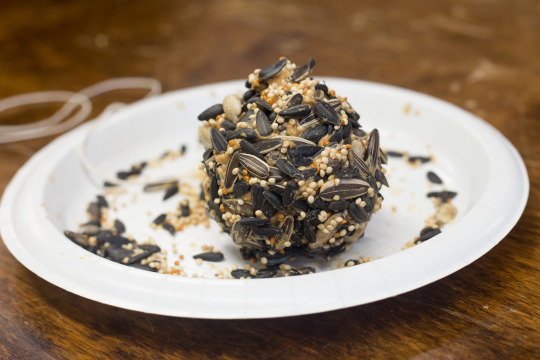
6.    When you’re happy with how the pinecone looks, place it on a plate to rest while you finish the rest of your pinecones. Repeat steps 4 and 5 with all the pinecones you want to make.

pinecone bird feeder on a plate

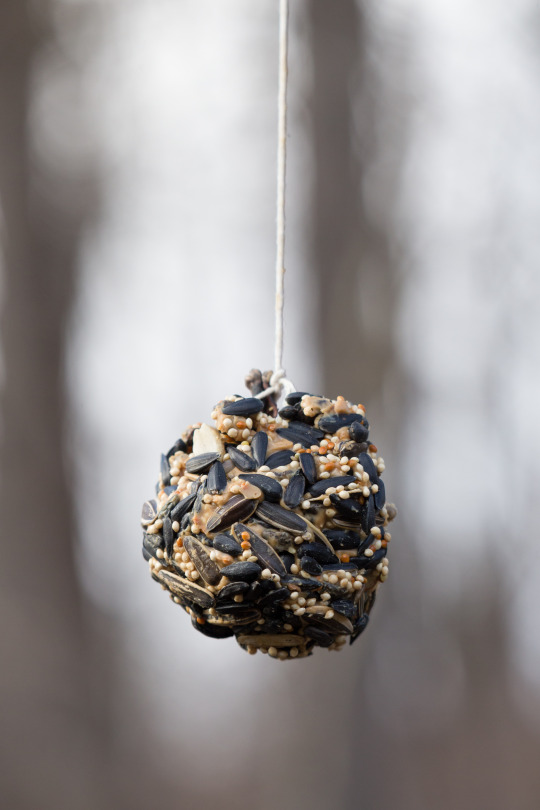
7.    Finally, go outside and look for places to hang your new birdfeeders!  Good places to hang your cones are on tree branches, the edges of buildings, or poles. It might be impossible to keep squirrels away from your pinecone, but hang your feeder high enough so that cats, dogs, and other animals can’t reach it.  You may need to tie extra string, wire, or pipe cleaners to your feeder to reach high enough.  Pick places that are easy for you to observe but are far enough away from a window that birds don’t hurt themselves by flying into windows!

finished pinecone bird feeder hanging

After you’ve made and hung your homemade bird feeders, take time every day to watch and see what kinds of birds come to snack! Make observations and sketches in your handy nature notebook. Are different birds visiting at different times of the day?  What birds are attracted to the type of seed you used?  What birds do you see more often than others?  When you see a bird you don’t recognize, use a bird guide like the Merlin ID mobile app and, if you can, take a picture!

Visit https://feederwatch.org/ to see how sharing your observations can help scientists learn more about birds visiting feeders.

Now You See(d) It:  The type of seeds you use in your birdfeeder can determine how many birds come to visit and what kinds.  Over 20 different types of seeds are often sold as birdseed!  To attract a diverse population of birds, try using a wide assortment of seeds.

Explore nature together.  Visit Nature 360 for activities and information.

Blog post by Melissa Cagan and Rachel Carlberg.

Filed Under: Blog Tagged With: Birds, Crafts, nature, Nature 360

February 14, 2019 by wpengine

Getting Ready for the Great Backyard Bird Count

So you want to take part in the Great Backyard Bird Count? You’ve got your nature notebook ready and you’ve found the perfect spot to birdwatch.  What do you do next?  The Great Backyard Bird Count website has a lot of resources to help you organize your bird counts and submit your information, so you should check those out before the bird count starts.  This post will give you a basic picture of how to document the birds you see and submit your observations properly.

Make a List, Check it Twice

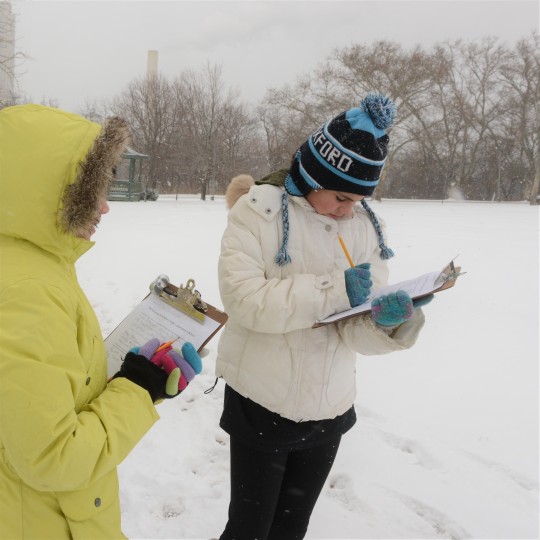
two people taking notes outside in winter
Photo credit: Jim Judkis

Creating a checklist before you start birdwatching will be really helpful in organizing your research.  You can print out this template, enter your location on the count’s website to create a checklist, or create your own guide using a list of birds found in your area.  When you enter your observations online, you will submit a “checklist” for each different session of birdwatching. These lists will document where and when you observed, what species you noticed, and how many individual birds you estimated per species.  A bird guide like the Merlin Bird ID app can help you identify birds you see.

You will want to make a new checklist for each new day, new location, or new time that you look for birds.  For example, you’ll need two checklists if you observe in the same location on two different days, in two different locations on the same day, or in the same location but at two separate times.  When you go to submit your observations, you will be asked to enter the location, date, time, and duration of your expedition.  You will also be asked whether you were walking, standing, sitting, or even riding in a car while you were counting.  Now go forth and count those birds!

Data Ready

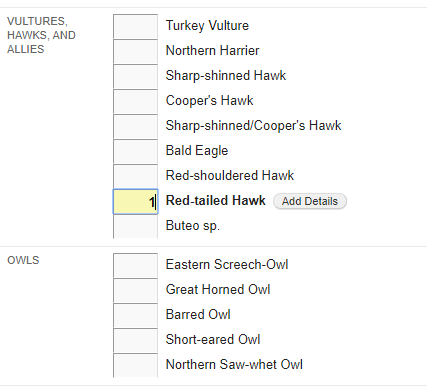
Once you have collected your data, all you need to do is go online and enter in the number of birds you saw next to the name of the birds you noticed!  You can also add details about each bird species and if you were able to take pictures of any birds, you can include them as well.

excerpt of data from bird count

Keep in Mind

The submission form will have a question at the end, “Are you submitting a complete checklist of the birds you were able to identify?” which can be confusing to some.  You should only click “no” if you are deliberately excluding a species from your list (for example you counted everything except crows).

Explore nature together. Visit Nature 360 for more activities and information.

Blog post by Melissa Cagan. 
Filed Under: Blog Tagged With: bird banding, bird hall, birding, Birds, Nature 360, Powdermill

February 7, 2019 by wpengine

Bird is the Word

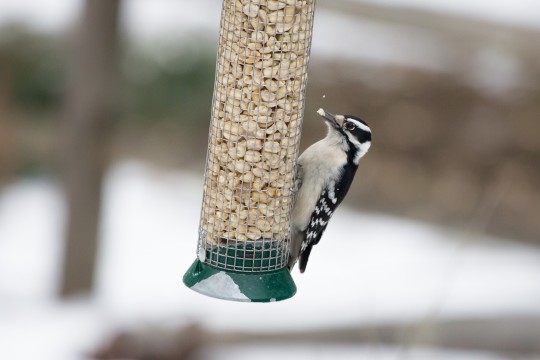
bird at bird feeder

February’s here and you know what that means… it’s time for the Great Backyard Bird Count!  Since 1998, people all over the world have participated annually in the Great Backyard Bird Count to collect information on wild birds by observing areas in their own neighborhoods.  Last year people from over 100 countries participated!  The Great Backyard Bird Count gathers data to help scientists figure out what is happening to bird populations around the globe.  That means YOU can contribute to science just by taking time to look outside your windows.  Scientists can’t be everywhere, and that’s where you come in!

Birds, Birds, Everywhere

The best part about the bird count is… it’s really easy (and free) to join in!  All you need is a way to note your observations (a task perfect for your handy nature notebook), access to the internet, and your enthusiasm!  You can look at a local park, your yard, or anywhere you want to go — data from everywhere is useful!

Ready, Set, Count!

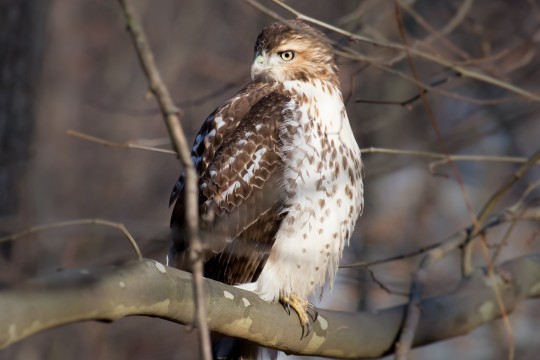
bird on a branch

Before you start looking for birds, you’ll want to set up an online account through the Great Backyard Bird Count’s website.  Once that is ready, all you have to do is spend at least 15 minutes looking outside at any time between February 15th and February 18th.  Count the number of birds and different species you see, and then submit your observations through your online account. Scientists will use the data, and you can use the information to explore what kinds of birds other people have seen nearby.

Some questions you might help scientists answer are:

-“How does weather and climate change affect bird populations?

-“How are diseases that birds can catch, like the West Nile virus, affecting birds in different areas?”

-“Are there bird species that only live in certain locations such as cities or rural areas?”

Lord of the Wings

The Christmas Bird Count, which happens at the end of December, found over 24,000 birds in Pittsburgh in 2018.  There were 71 different species represented in the total count.  Let’s see if we can find even more birds this February!  Follow this link to get ready!

Explore nature together. Visit Nature 360 for more activities and information.

Blog post written by Melissa Cagan and Rachel Carlberg.

Filed Under: Blog Tagged With: Anthropocene, bird hall, birding, Birds, Education, Melissa Cagan, Nature 360, Rachel Carlberg

January 17, 2019 by wpengine

Dial M for a Murder (of crows)

By Melissa Cagan

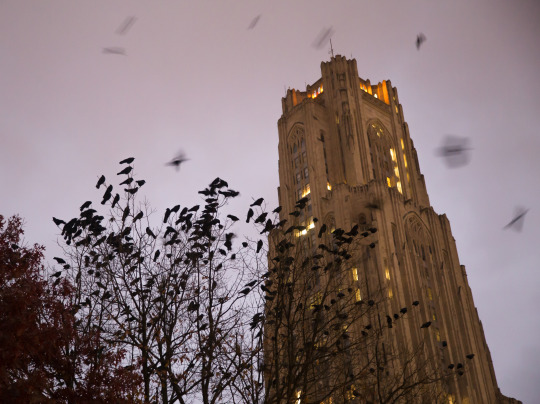
crows with cathedral of learning

In the city of Pittsburgh, there are many different places you might find a rowdy roost of crows.  Crows gather to spend the night in areas with big trees and some source of light. Most people wouldn’t want to sleep with the lights on, but for crows, lights let them keep an eye out for possible predators like the fearsome great horned owl.

Fun Fact:  They’re not really that vicious, but a group of crows is often referred to as a “murder.”  Spooky, right?  One reason for the term “murder” could be that, as scavengers, crows are often associated with cemeteries or battlefields.

Duck, duck… crow?

Throughout winter, roosts of crows will shift around the city of Pittsburgh.  This means that you could spot a group of crows in one place and then three months later observe the same exact “murder” in another area of the city!

Where can I find crows?

Here are some of the places in Pittsburgh where you might have seen a crow (or a thousand!) in past years:

• Flagstaff Hill

• Homewood Cemetery (in October)

• Allegheny Cemetery (in October)

• By Bigelow Boulevard in the Hill District

• Next to the Cathedral of Learning

In fact, the University of Pittsburgh has started blasting predatory bird calls from the Cathedral to try and scare the crows away. Do you think this is working?  If you’re riding through Oakland keep both your eyes and ears open!

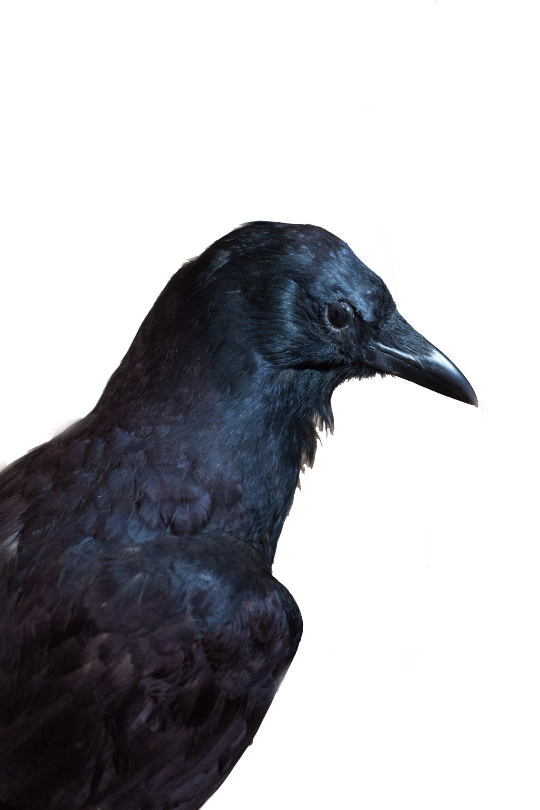
crow

I Spy with My Little Eye…

Next time the sun starts to set, go outside and see what sorts of things you notice.  Do you observe anything unusual happening with the birds in your area? You can even take along a camera or notepad to write down your observations.  Make a note of anything fun or interesting that stands out to you!

Explore nature together. Visit Nature 360  for activities and information.

Filed Under: Blog Tagged With: bird hall, Birds, Melissa Cagan, Nature 360, Pittsburgh

  • « Go to Previous Page
  • Page 1
  • Page 2
  • Page 3
  • Page 4
  • Page 5
  • Go to Next Page »

sidebar

About

  • Mission & Commitments
  • Directors Team
  • Museum History

Get Involved

  • Volunteer
  • Membership
  • Carnegie Discoverers
  • Donate
  • Employment
  • Events

Bring a Group

  • Groups of 10 or More
  • Birthday Parties at the Museum
  • Field Trips

Powdermill

  • Powdermill Nature Reserve
  • Powdermill Field Trips
  • Powdermill Staff
  • Research at Powdermill

More Information

  • Image Permission Requests
  • Science Stories
  • Accessibility
  • Shopping Cart
  • Contact
  • Visitor Policies
One of the Four Carnegie Museums | © Carnegie Institute | Privacy Policy | Terms of Use | Accessibility
Rad works here logo