Pat McShea, an educator at Carnegie Museum of Natural History, recently gave an excellent TEDx talk in the Strip District of Pittsburgh. Listen to his story, titled “People are part of Nature,” below.
nature
Owl study skins
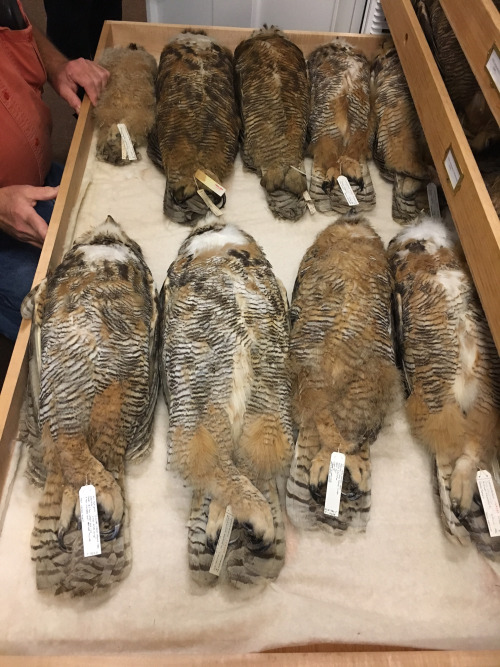
Owl study skins from Carnegie Museum of Natural History’s hidden collection.
Our Section of Birds cares for nearly 195,000 specimens of birds, including 555 holotypes and syntypes.
Think lions and tigers are scary cats?
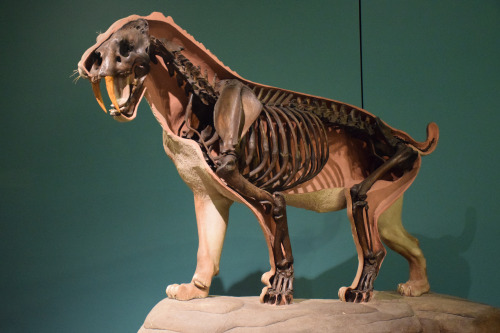
Think lions and tigers are scary cats? Check out the teeth on this Sabertooth cat who lived during the Cenozoic Era.
Most predatory cats today typically kill their prey by biting the neck or nose and holding on, thereby strangling their prey.
That’s a little subtle for the muscular and toothy sabertooths, which paleontologists think held down their prey using their powerful front legs and then used their slicing canine teeth to slash the underbelly and throat.
Makes today’s lions and tigers seem like big ol’ softies…. especially when their babies look like this.
Fall Bird Banding at Powdermill
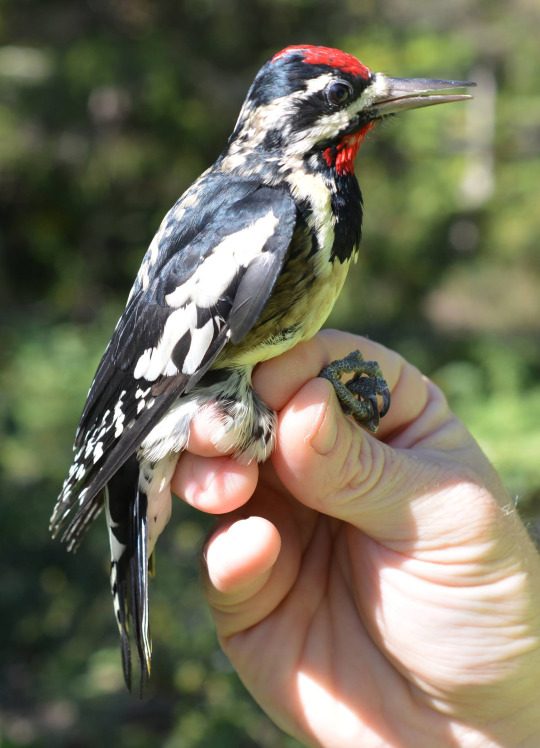
Fall is an exciting and busy time for our avian researchers at Powdermill Nature Reserve, Carnegie Museum of Natural History’s environmental research center in Rector Pennsylvania.
As birds migrate south, thousands fly through Powdermill, where they are identified, banded, and studied before they continue their long journey to their winter nesting grounds.
Researchers band anything from worm-eating Warblers to brightly colored purple finches in their nets each year.
This fall alone, more than 4,000 birds representing 150+ species have been studied and banded since September. Researchers catch the birds in specially designed mist nets that are cast each morning before dawn. Caught birds are carefully transported to a banding station, where they are identified, measured, and given a small band issued through the US Geological Survey. Bands provide information for other researchers and don’t affect the birds flight, nesting, or eating habits.
Above all else, the well being of every bird is Powdermill’s top priority at all times. The entire banding process takes less than a minute, and the vast majority of birds are actually quite calm during their short visit at the banding station.
But why band birds at all?
The fundamental goal of bird banding has always been to record the age, sex, wing length, fat deposits, and body mass of captured species as a way of monitoring, year to year, how avian populations are faring in the wild.
Banding gives us insight into many things like the life cycles and longevity of birds, habitat use, and how disease and environmental toxins are affecting wild bird populations.
Want to learn more? You can see monthly and annual banding summaries online or follow Powdermill Nature Reserve on Facebook for weekly updates and stunning pictures.
A Wood Turtle at Powdermill
by Lauren Peele Horner
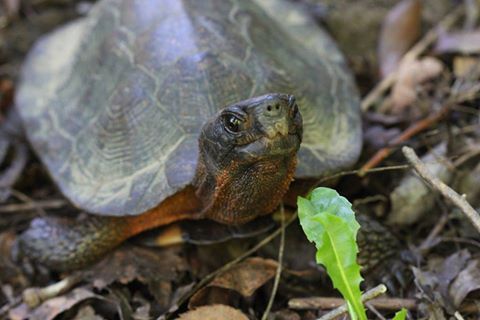
On an afternoon hike, this handsome male wood turtle (Glyptemys insculpta) made his presence known. The rings of a turtle’s scutes can be used much like the rings of a tree. If you count them, you can learn the age! This particular wood turtle is about 13 years old. We measured and marked him, then let him carry on about his business.
Wood turtles are a species of special concern, so seeing this fellow was a real treat. Because they are semi-aquatic and spend parts of the year on land and other parts in the water, wood turtles are affected by habitat destruction, farming, water pollution, traffic, and the pet trade. Keeping their natural habitat clean and letting them live their lives in nature are great ways you can help wood turtles.
Lauren Peele Horner is a naturalist and educator at Powdermill Nature Reserve, Carnegie Museum of Natural History’s environmental research center. Museum employees are encouraged to blog about their unique experiences.
Related Content
Carnegie Museum of Natural History Blog Citation Information
Blog author: Horner, LaurenPublication date: October 18, 2016
Share this post!
Share this post!
X-rays at Discovery Basecamp
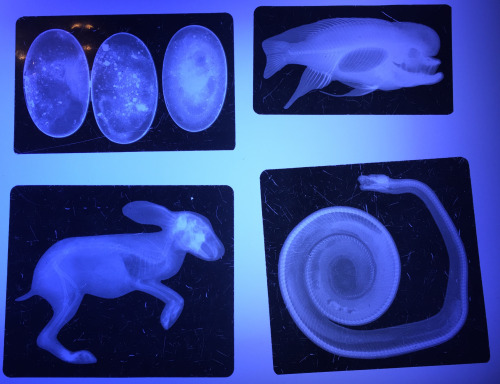
Visitors can examine all different types of x-rays at Discovery Basecamp, our new permanent, interactive gallery that invites visitors to take part in hands-on learning.
