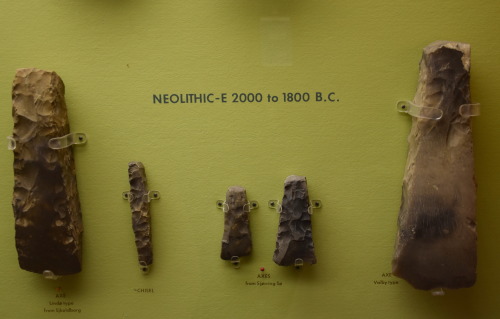
Tools from the Neolithic Age are on display at Carnegie Museum of Natural History in Pittsburgh.
Carnegie Museum of Natural History
One of the Four Carnegie Museums of Pittsburgh
Carnegie Museum of Natural History is in Pittsburgh, Pennsylvania. Many of the museum's collection specimens are from the local area, including our Botany, Invertebrate Paleontology, and Herpetology specimens. Our collections and our community often influence our work, whether that includes researching climate change, air pollution improvements from the closing of steel mills in the city, or invasive species.
Tools from the Neolithic Age are on display at Carnegie Museum of Natural History in Pittsburgh.
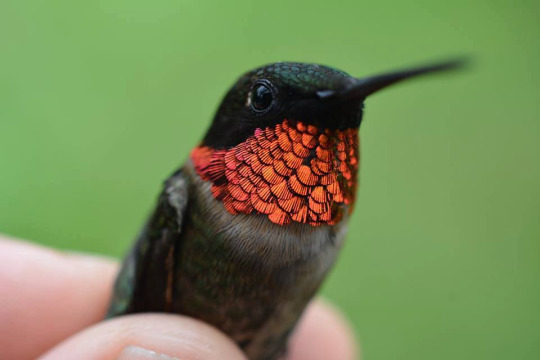
Each week, staff at Powdermill Nature Reserve staff posts stunning,
high-resolution photos of birds that land in their nets on their Facebook page.
The photos show detailed characteristics of local birds, like the
subtle coloring of a Common Yellowthroat or the sharp beak of a Pine
Siskin, that are hard to see as they fly above.
Powdermill is Carnegie Museum of Natural History’s environmental
research center in Rector Pa, where thousands of birds are identified, banded,
and released each year. As they band, research staffers often snap pictures
that highlight the huge variety of different birds flying through Western
Pennsylvania’s skies.
One favorite is the Ruby-throated hummingbird, which has
iridescent, fuchsia feathers on its neck that abut a dark green heads and long
black beak.
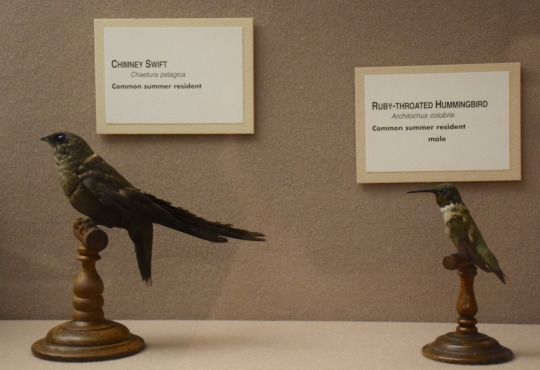
Comparing the Powdermill pictures to Bird Hall in the museum
is an interesting exercise. For example, Powdermill’s high resolution pictures let
you appreciate each and every line of the hummingbird’s bright feathers. But in
the museum, to see a taxidermy mount of a ruby throated humming bird
helps you grasp the miniscule size of these little birds that don’t often grow
larger than 3.5 inches.
Powdermill’s pictures and Bird Halls specimens work
in tandem to encourage us to pause and consider tiny players in our huge
local ecosystem, helping us all foster a little more appreciation for the
natural world.
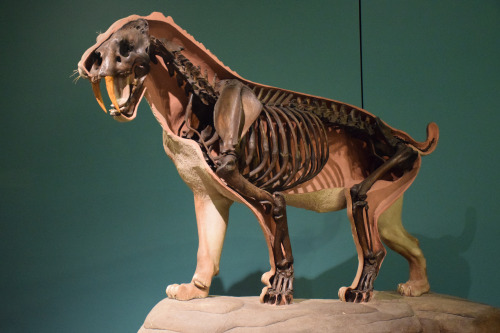
Think lions and tigers are scary cats? Check out the teeth on this Sabertooth cat who lived during the Cenozoic Era.
Most predatory cats today typically kill their prey by biting the neck or nose and holding on, thereby strangling their prey.
That’s a little subtle for the muscular and toothy sabertooths, which paleontologists think held down their prey using their powerful front legs and then used their slicing canine teeth to slash the underbelly and throat.
Makes today’s lions and tigers seem like big ol’ softies…. especially when their babies look like this.

Shells of the Coquina clams (Donax Variabilis) are found in the ocean from Virginia to Florida. See them on display at Carnegie Museum of Natural History in Pittsburgh!
by Patrick McShea
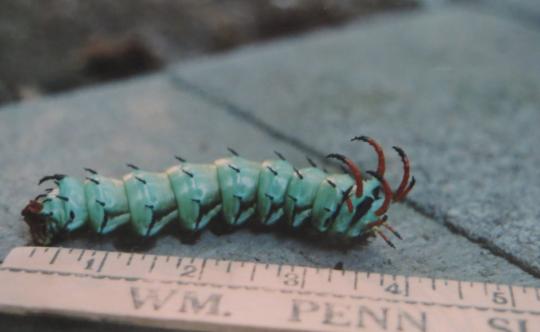
The first grade teacher who provided this picture didn’t realize how much it revealed about her skill in conveying scientific principles. She was more concerned about finding answers for her students’ pressing questions.
The photo and an attached note accompanied a box of preserved insect materials returned to the museum’s loan program one early November day. “A little girl found the ‘creature’ in this picture! She put it in a container and in three days it spun a hard black cocoon, also about four inches long. WHAT IS IT??? And what will
come out of the cocoon???”
Answers were quickly supplied. The mysterious creature was a caterpillar known as a hickory horned devil, the larval stage of the moth bearing the scientific name Citheronia regalis, and the common names regal moth and royal walnut moth. The caterpillars are harmless to touch, but as noted in the USDA Forest Service
publication, Caterpillars of Eastern Forests, hickory horned devils are the “largest and most formidable appearing eastern forest insect.”
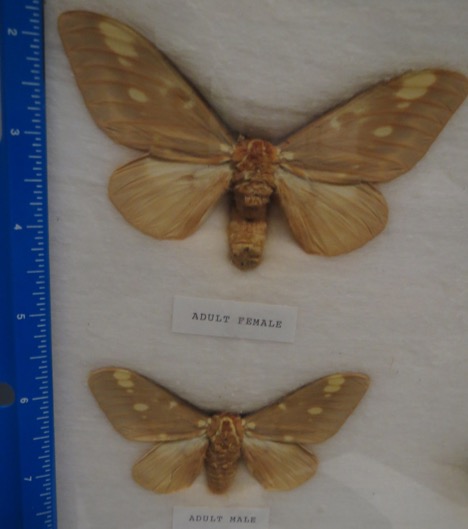
The teacher’s next loan of museum materials included preserved specimens of regal moths (above), and a note praising the use of a ruler as a scale bar in the caterpillar photo. First grade is not too early to learn the importance of making objective measurements when sharing first hand observations, even when the subject is a frightening looking caterpillar.
Pittsburgh teachers looking to learn more about our loan program can visit our website. Schools can have unlimited access to the museum’s loan collection for $200 a year.
Patrick McShea works in the Education and Visitor Experience department of Carnegie Museum of Natural History. Museum employees are encouraged to blog about their unique experiences and knowledge gained from working at the museum.
by Lauren Peele Horner
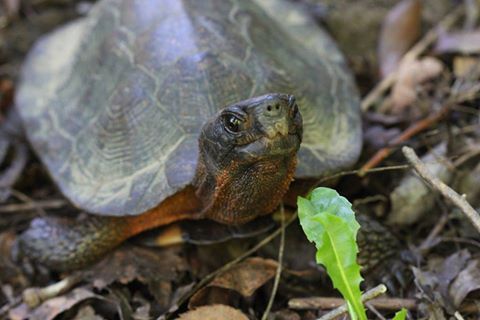
On an afternoon hike, this handsome male wood turtle (Glyptemys insculpta) made his presence known. The rings of a turtle’s scutes can be used much like the rings of a tree. If you count them, you can learn the age! This particular wood turtle is about 13 years old. We measured and marked him, then let him carry on about his business.
Wood turtles are a species of special concern, so seeing this fellow was a real treat. Because they are semi-aquatic and spend parts of the year on land and other parts in the water, wood turtles are affected by habitat destruction, farming, water pollution, traffic, and the pet trade. Keeping their natural habitat clean and letting them live their lives in nature are great ways you can help wood turtles.
Lauren Peele Horner is a naturalist and educator at Powdermill Nature Reserve, Carnegie Museum of Natural History’s environmental research center. Museum employees are encouraged to blog about their unique experiences.
