• Skip to primary navigation
  • Skip to main content
  • Skip to primary sidebar

Carnegie Museum of Natural History

One of the Four Carnegie Museums of Pittsburgh

  • Visit
    • Buy Tickets
    • Visitor Information
    • Exhibitions
    • Events
    • Dining at the Museum
    • Celebrate at the Museum
    • Powdermill Nature Reserve
    • Event Venue Rental
  • Learn
    • Field Trips
    • Educator Information
    • Programs at the Museum
    • Bring the Museum to You
    • Guided Programs FAQ
    • Programs Online
    • Climate and Rural Systems Partnership
  • Research
    • Scientific Sections
    • Science Stories
    • Science Videos
    • Senior Science & Research Staff
    • Museum Library
    • Science Seminars
    • Scientific Publications
    • Specimen and Artifact Identification
  • About
    • Mission & Commitments
    • Directors Team
    • Museum History
  • Tickets
  • Give
  • Shop

Blogs from Powdermill Nature Reserve

Powdermill Nature Reserve is Carnegie Museum of Natural History’s environmental research center. Located 55 miles southeast of Pittsburgh in Rector, Pennsylvania, Powdermill is a field station and laboratory where researchers do long-term studies of natural populations in western Pennsylvania. In addition to being positioned for Appalachian-specific studies in ornithology, ecology, invertebrate zoology, and botany, Powdermill is a great place to spend a fun-filled day outdoors with the family.

January 10, 2025 by Max Edelstein

Family Nature Hike

When: April 5, 2:00 p.m.–3:00 p.m.
Where: Powdermill Nature Reserve
Tickets: Free

Join us as we hit the trails for a guided nature walk! We’ll meet in the atrium of the Powdermill Nature Center at 2 pm before heading outside to explore. This family-friendly experience is open to participants of all ages.

Events fill up fast! Registration is recommended to guarantee your spot and help us plan timing, seating, and/or trail routes. If there are spots available at the time of the program, non-registered individuals can join on a first-come, first-served basis.

Powdermill Nature Reserve is located at 1795 Route 381, Rector, PA 15677.

Tagged With: Powdermill Nature Reserve

January 10, 2025 by Max Edelstein

Family Nature Hike

When: March 1, 2:00 p.m.–3:00 p.m.
Where: Powdermill Nature Reserve
Tickets: Free

Join us as we hit the trails for a guided nature walk! We’ll meet in the atrium of the Powdermill Nature Center at 2 pm before heading outside to explore. This family-friendly experience is open to participants of all ages.

Events fill up fast! Registration is recommended to guarantee your spot and help us plan timing, seating, and/or trail routes. If there are spots available at the time of the program, non-registered individuals can join on a first-come, first-served basis.

Powdermill Nature Reserve is located at 1795 Route 381, Rector, PA 15677.

Tagged With: Powdermill Nature Reserve

November 1, 2024 by Webmaster CMOA

Jolly Opossum

Saturday, December 21, 12:00 – 2:00 p.m.

Powdermill Nature Reserve, Rector, PA

Pay what you wish

Join us at Powdermill Nature Reserve to hear the tale of the Jolly Opossum! This story will delve into what the creatures of the forest are up to during the holidays. Meet Dr. Skunk, Mx. Chickadee, Mr. Bear, and, of course, the Jolly Opossum. We will also make festive holiday ornaments/decorations. Children of all ages are welcome.

Tagged With: Powdermill, Powdermill Nature Reserve

February 8, 2024 by Erin Southerland

A Year in Review: Bird Banding 2023

by Annie Lindsay

Nestled between the Chestnut and Laurel Ridges near the town of Rector, Pennsylvania lies Powdermill Nature Reserve, Carnegie Museum of Natural History’s environmental field research station, where ornithologists have been operating a long-term bird banding station since June 1961. In 62 years of banding birds year-round, we’ve gathered more than 830,000 banding records of nearly 200 species. Some, like the Cedar Waxwing, have tens of thousands of records in our dataset, whereas single individuals are the only representatives of other species, like Kirtland’s Warbler.

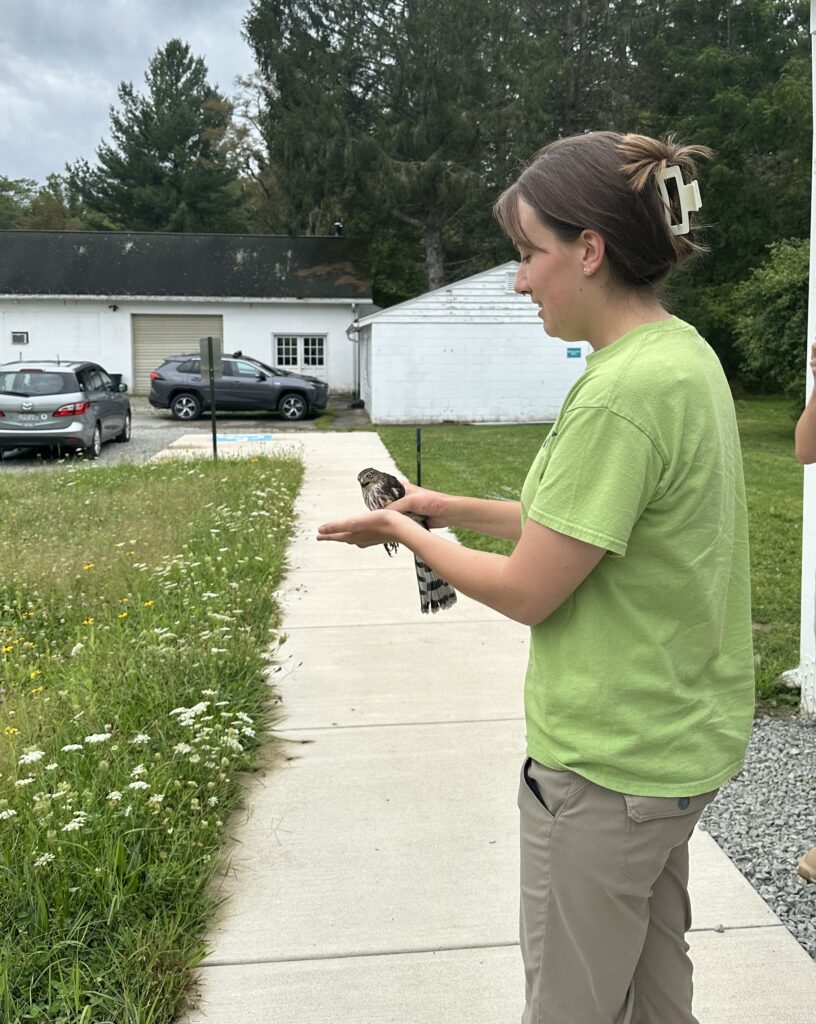
Banding Field Tech Grace Muench releasing a Sharp-shinned Hawk.
Banding Field Tech Grace Muench releasing a Sharp-shinned Hawk, one of her favorite moments from the year.

At Powdermill, we band birds all year, varying our effort seasonally, which gives us a picture of what species we expect to see at any given time of year and the relative abundance of those species. Each season brings something new. By March we are eagerly awaiting the earliest spring migrants and as spring progresses, we revel in the flood of colorful songbirds in their breeding plumage. Summer brings breeding birds and our anticipation of which individuals will return year after year. As summer fades into fall, we enjoy the subtle beauty of birds in their non-breeding plumage as they migrate south to their wintering grounds. By mid-November, almost all migrating songbirds have passed through and we are in our winter banding season, dominated by cold-hardy birds that are often recaptured between years.

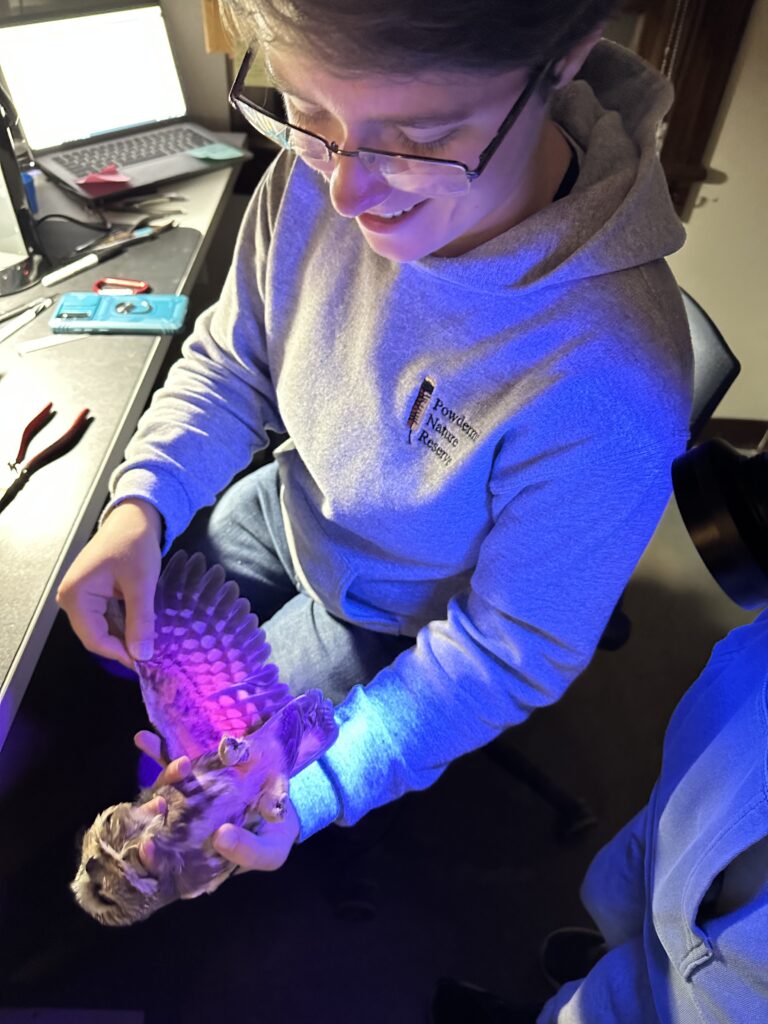
Fall Banding Field Tech Jordan Mouton using a black light to age a Northern Saw-whet Owl.
Fall Banding Field Tech Jordan Mouton using a black light to age a Northern Saw-whet Owl. Saw-whet and screech owls were the highlights of Jordan’s season.

In 2023, we banded 9,095 new birds and recaptured 5,074 individuals of 123 species (plus one hybrid). The most abundant species was Swainson’s Thrush with 631 new birds banded this year, followed by Ruby-crowned Kinglet (596), Gray Catbird (484), and Cedar Waxwing (447). The year saw slightly lower numbers than average overall, but several species had notably high captures and some even set spring or fall season records. In spring, 11 Black-billed Cuckoos edged out last year’s ten to claim that season’s record, and in the fall nine Louisiana Waterthrushes (a species that is a very early migrant and generally scarce during our fall months), 158 Ovenbirds, and two Bicknell’s Thrushes set fall high records.

We can use these numbers to compare 2023 to previous years and to totals from other banding stations, but the stories about the year’s highlights are most compelling. Each year when we analyze our data, we eagerly look for species that set new record high totals, individuals that represent early or late banding dates, or recaptures that are particularly old birds, and await reports that our banded birds have been recaptured at another station. 

This year, as in recent years, many of the species that had above average totals are species that have been increasing in southwestern Pennsylvania, which is a trend that is reflected in Christmas Bird Count data. The core of these species’ ranges has historically been a bit farther south, but they seem to have recently been expanding northward. For example, Carolina Wrens and Red-bellied Woodpeckers are year-round residents in southwestern Pennsylvania and are encountered far more often now than they were a few decades ago. Similarly, Yellow-throated Warbler is a species that tends not to breed much farther north than non-Appalachian Pennsylvania, but is a species that we’ve seen in spring attempting to establish territories and even breeding. 

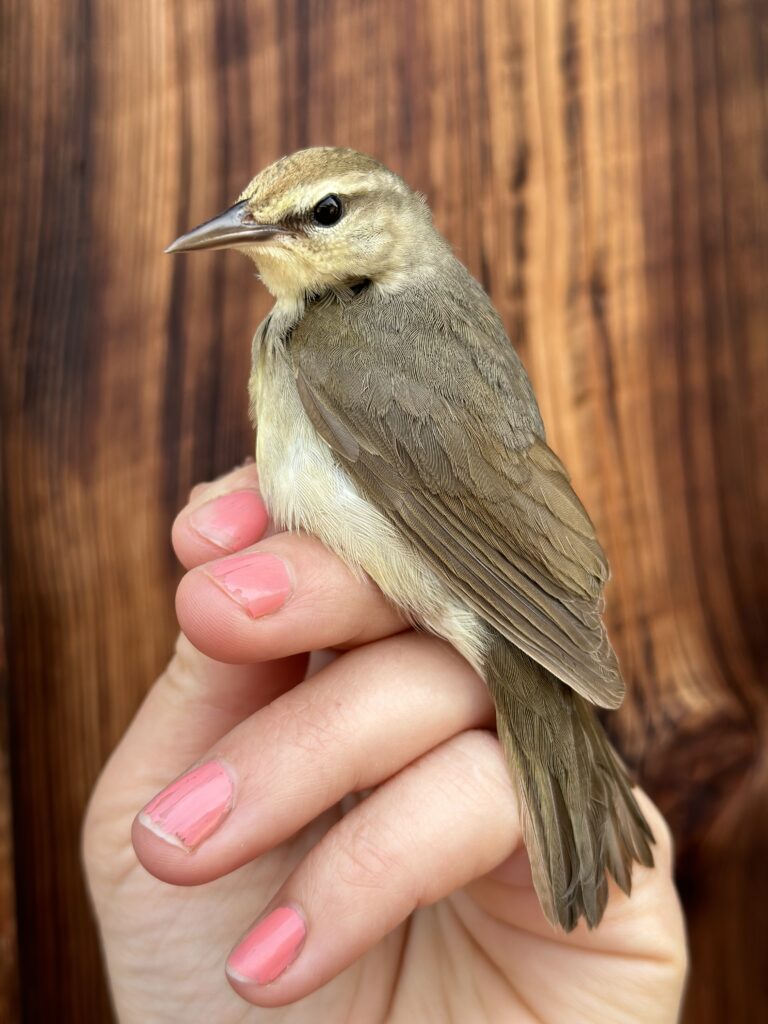
Swainson’s Warbler caught in spring 2023, the 8th of its species ever banded at Powdermill.
Swainson’s Warbler caught in spring 2023, the 8th of its species ever banded at Powdermill.

This year’s exciting captures began with a Swainson’s Warbler that was caught on May 11, only the eighth individual of that species in Powdermill’s banding dataset. Swainson’s Warblers breed significantly south of Pennsylvania in the very southern part of West Virginia, but since 2020, birders have spotted several nearby in the spring and summer and the first breeding record in the state was confirmed in summer 2023. This unexpected capture, affectionately nicknamed “Sword-billed Warbler” by the banding crew, was certainly a favorite.

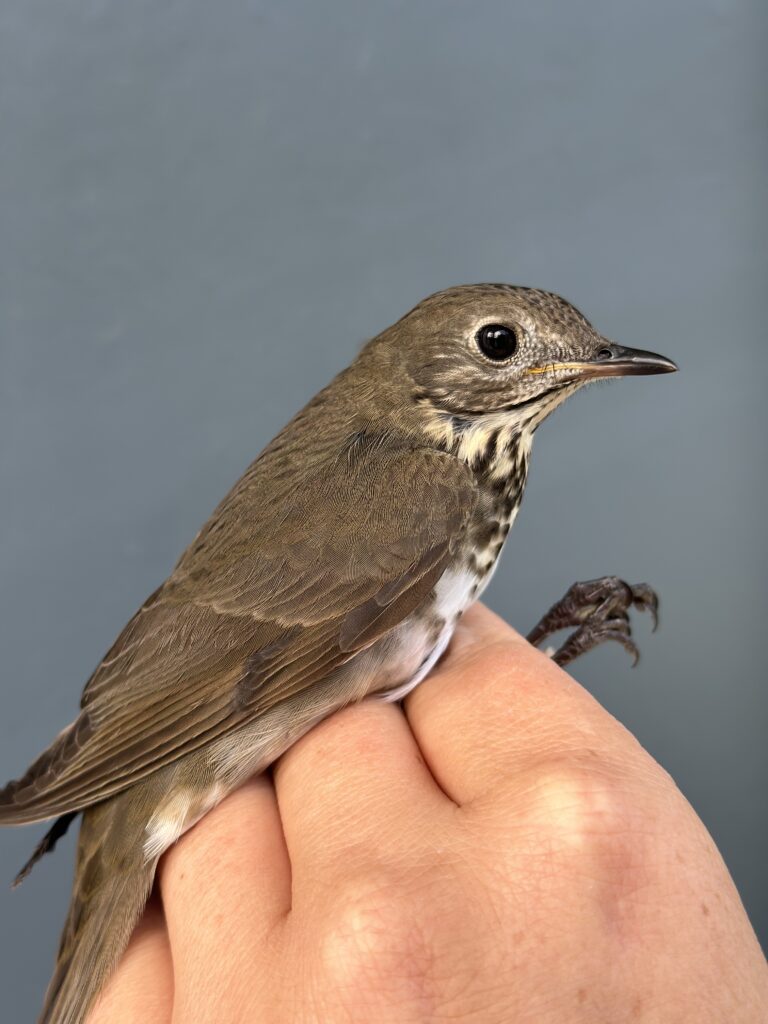
Bicknell's Thrush
The first of two Bicknell’s Thrush banded in fall 2023, a new species for Powdermill’s dataset.

This fall, something happened that is rare for a 62-year-old banding station: we added a new species to our dataset. Bicknell’s Thrush was considered a subspecies of the more common Gray-cheeked Thrush until 1995 when there was enough evidence (based on morphology, vocalizations, habitat, and migration patterns) to elevate Bicknell’s to full species status. Over the years, a few possible Bicknell’s Thrushes were banded at Powdermill, but it wasn’t until this year that two were definitively identified here, one on September 14 and one on October 8. 

solitary sandpiper
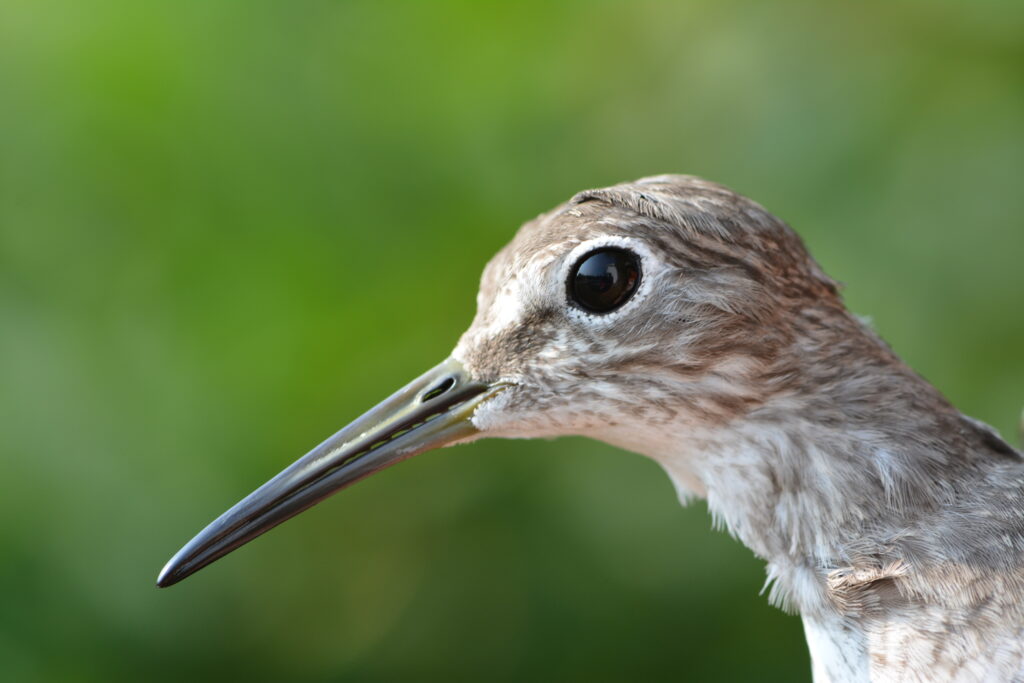
Solitary Sandpiper, fall Banding Field Tech Lindsey Doyel’s season highlight.

One of the questions we are frequently asked is how long birds live. While it’s difficult to know how long each species lives on average, recapturing birds between seasons tells us something about how long they can live. In general, smaller birds are shorter-lived and larger birds are longer-lived. Catching a bird with a band and looking back through the data to see how long ago it was initially banded and how many times it’s been captured over the years is a highlight for the banding crew. Several notable standouts in 2023 include:

  • A Ruby-throated Hummingbird that was banded in August 2021 and aged as a bird that had hatched in a previous year was recaptured exactly two years later, making her at least three years old.

  • A Kentucky Warbler that was banded in June 2018 and aged as a bird that had hatched the previous summer was recaptured in May, making it six years old.

  • A Gray Catbird that was banded in August 2015, the summer it hatched, was recaptured this fall when it had a refeathering brood patch (the bare patch of skin on the belly that songbirds develop to help incubate eggs). This catbird was eight years old and, because female catbirds develop brood patches when they’re breeding, we were able to determine that she was breeding at Powdermill that summer.

  • Black-capped Chickadees are frequently recaptured because they’re year-round residents at Powdermill and because they tend to spend time at feeders near the banding station. Because of this, we often have their band numbers memorized and sometimes can recognize individual mannerisms. This fall, we caught one such chickadee several times; it was banded in April 2016 and aged as a bird that had hatched the previous summer, making it eight years old!
Brewster's Warbler
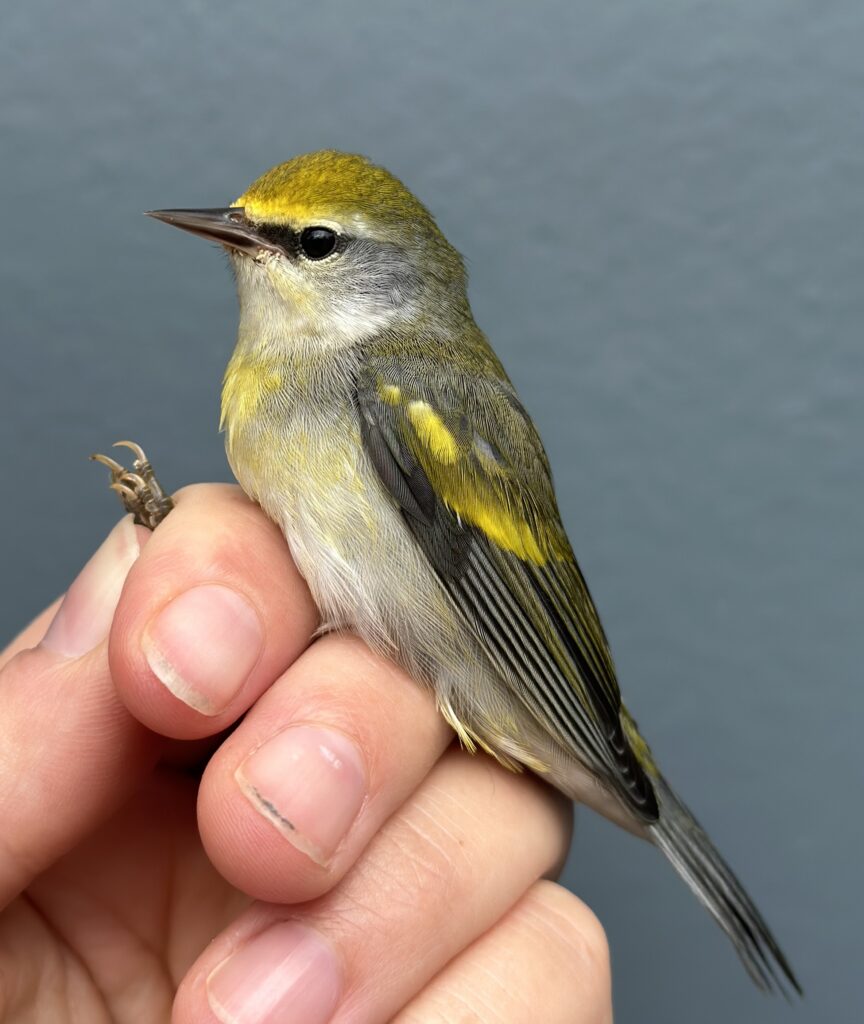
“Brewster’s” Warbler, a hybrid between Golden-winged and Blue-winged Warblers, was fall Banding Field Tech Connor O’Hea’s season highlight.

There were many more old birds captured in 2023, each one delighting the crew with its history. 

PARC is back to the winter banding schedule and we’re looking forward to what 2024 will bring us!

To learn more about bird banding, please see the post “What is bird banding?”

Annie Lindsay is the Banding Program Manager at Powdermill Nature Reserve.

Related Content

2023 Rector Christmas Bird Count Results

60 Years, One Bird at a Time

Spring Birds in Your Backyard

Carnegie Museum of Natural History Blog Citation Information

Blog author: Lindsay, Annie
Publication date: February 8, 2024

Share this post!

  • Share on Twitter Share on Twitter
  • Share on Facebook Share on Facebook
  • Share on Pinterest Share on Pinterest
  • Share on LinkedIn Share on LinkedIn
  • Share on Reddit Share on Reddit
  • Share via Email Share via Email

Filed Under: Blog Tagged With: Annie Lindsay, bird banding, Birds, parc, Powdermill Nature Reserve

January 24, 2024 by Erin Southerland

2023 Rector Christmas Bird Count Results

by Annie Lindsay
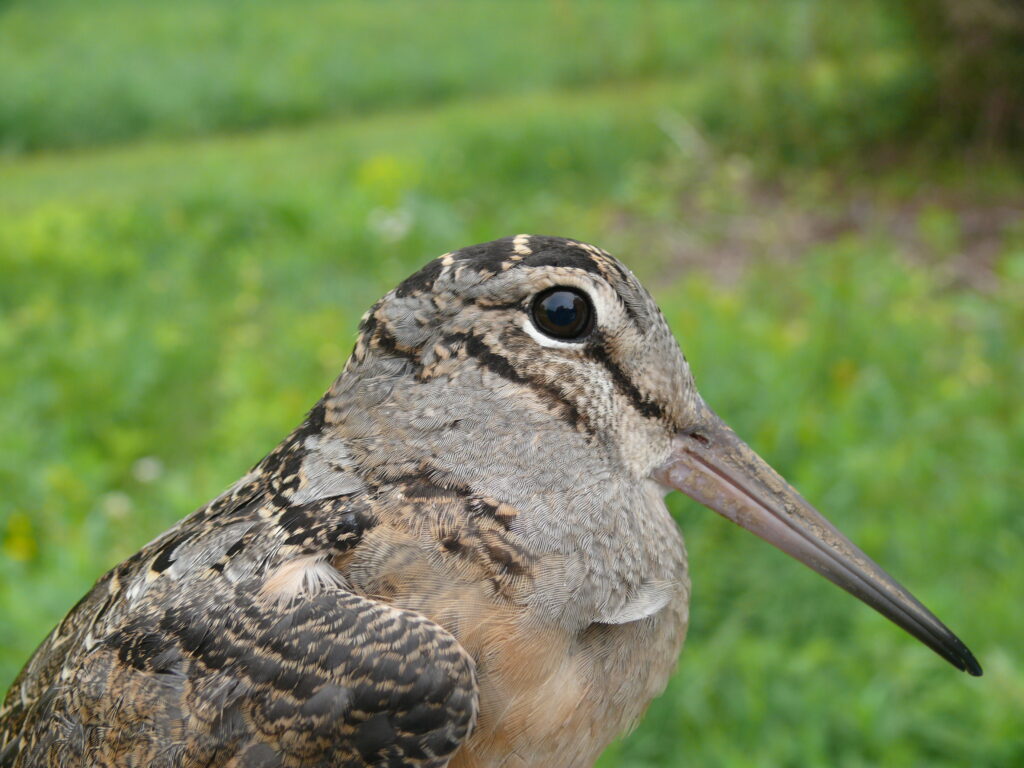
American Woodcock. Photo by Powdermill Avian Research Center.

For a few hours before dawn on the chilly morning of December 16, several intrepid birders scoured the Rector Christmas Bird Count circle for owls, and with a bit of luck, counted four species. Eastern Screech-Owl is a common, year-round resident and a respectable 14 individuals were heard calling that morning, in addition to one encounter each of Great Horned Owl, Barred Owl, and Northern Saw-whet Owl.

Once the sun rose that morning, the owlers were joined by many other birders to spend the day systematically searching for and tallying all the birds they could see and hear throughout the day. The Christmas Bird Count (CBC) is an annual citizen science tradition that began in 1900 with the goal of counting all the birds that participants encounter within an established 15-mile diameter circle on a selected day between December 14 and January 5. The Rector count, centered just northwest of Powdermill Nature Reserve, covers a variety of habitats and elevations spanning from the Chestnut Ridge to the Laurel Ridge, and has been going strong since 1974. Because of the diversity of habitats and the dedication of participants, Rector CBCers have totaled 132 species within the circle, including a new species added this year.

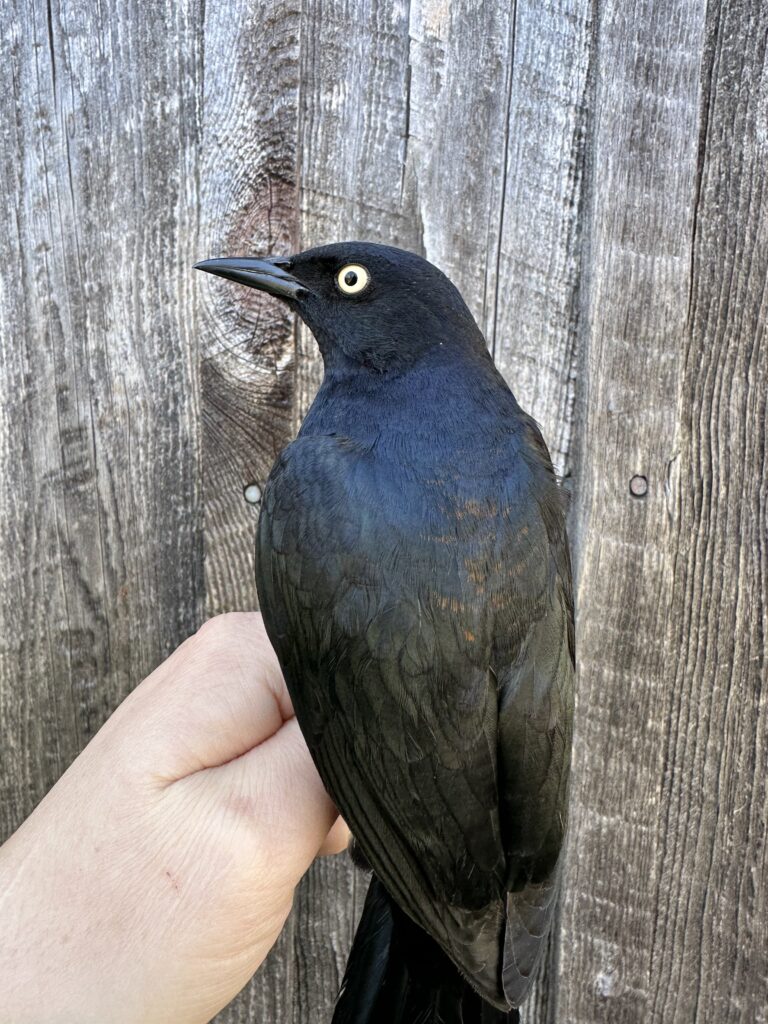
Rusty Blackbird. Photo by Powdermill Avian Research Center.

The Rector count circle is divided into sectors, and this year’s 43 participants fanned out to cover as much territory as they could within their assigned sectors, some opting to hike trails in the state parks and forest, some traveling the roads by car, stopping periodically to listen and watch, and eight birders counted the species they saw visiting their feeders and yards. At the end of the day, everyone gathered at Powdermill for the tally dinner, an evening to chat about the day’s events, share a delicious meal, and to add up the birds each group counted. This year’s total was above average with 6,131 individuals of 76 species tallied, surpassed in recent years only by 2021, a year with unseasonably warm temperatures extending quite late into the fall that garnered several species not normally expected to persist into December. Many species set new high-count records this year, including Canada Goose, Black Vulture, Red-tailed Hawk, American Woodcock, Red-bellied Woodpecker, Yellow-bellied Sapsucker, Hairy Woodpecker, Pileated Woodpecker, Carolina Wren, Eastern Bluebird, Northern Mockingbird, and Red-winged Blackbird. Although some of these high counts likely can be attributed to increased effort and number of participants, almost all of these species seem to be expanding their ranges northward, or are occurring in southwestern Pennsylvania in greater numbers, often year-round, a trend ornithologists have been noticing in recent years.

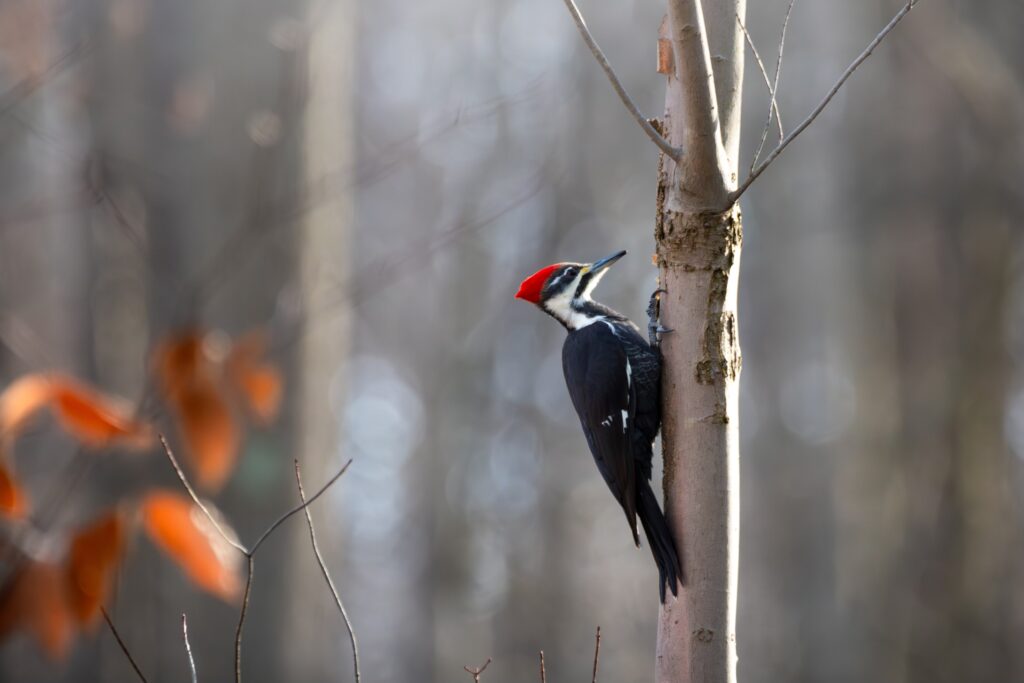
Pileated Woodpecker. Photo by Alex Busato.

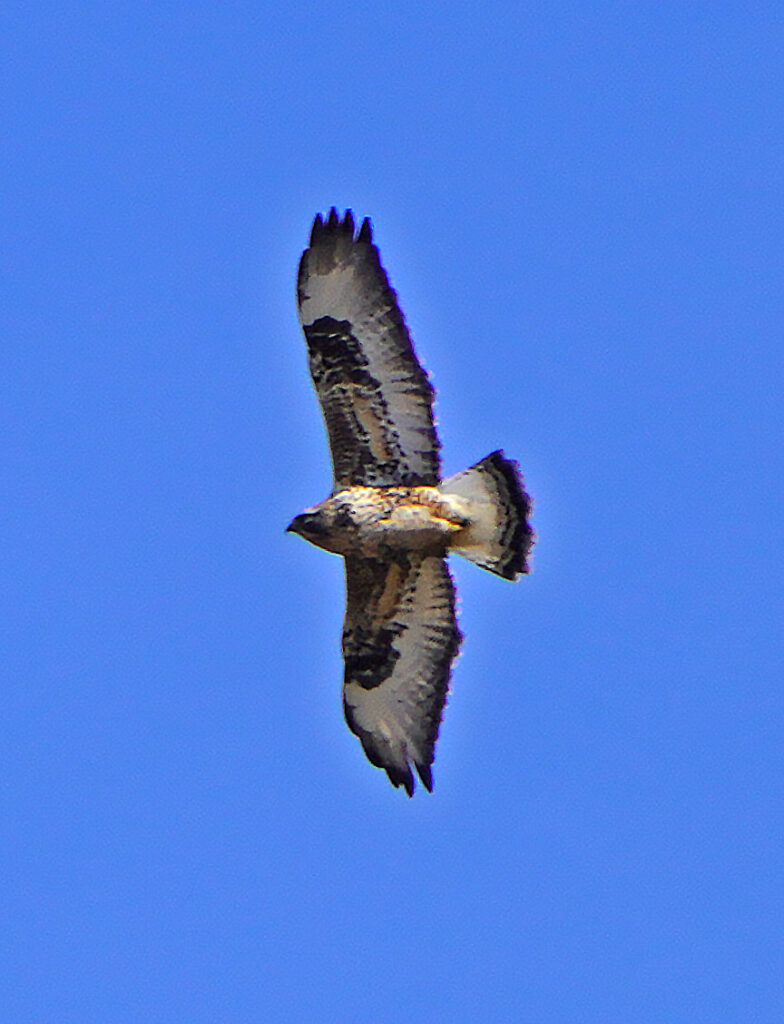
Excitement is always high at the tally, and this year was no exception. Highlights of the count were plentiful as participants shared photos and stories about their birds-of-the-day. One group found two Ruby-crowned Kinglets (nearly matching the count’s high total of three set in 2021) and a massive flock of 915 Canada Geese, which was the bulk of the day’s record-setting total. Another group found an Eastern Phoebe, a species recorded only twice before on the Rector CBC, perched in a tree pumping its tail up and down. Three participants photographed a Rough-legged Hawk, a species uncommon enough that they knew they would have to “prove” their identification, soaring over farm fields while driving to get lunch. And another group reported a flock of 150 Red-winged and 20 Rusty Blackbirds, setting a record for Red-wingeds and the highest count of Rusties since the mid-1990s. They also spotted an American Woodcock, a new species for the count, doing its bobbing walk in a wet spot along a road. 

Rough-legged Hawk. Photo by Mark McConaughy.

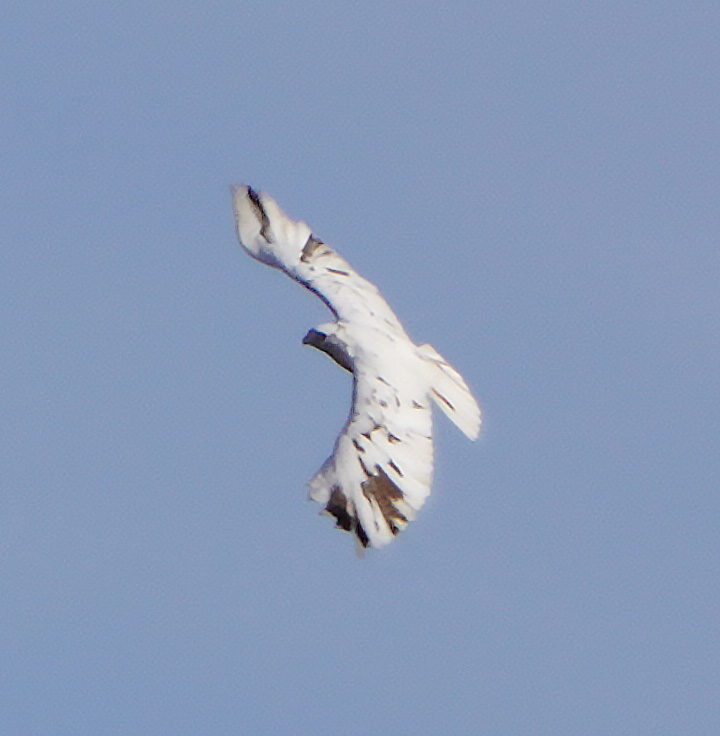
One more notable finding of the day was three leucistic Red-tailed Hawks. At least one had been spotted at the edges of fields near Powdermill for much of 2023, but on the day of the count, two different birds, with varying amounts of white, were spotted and photographed in those fields, and a third was spotted many miles to the northwest in a different sector. The word “leucistic” refers to lack of pigment, and these leucistic birds have one or, in the case of these particular hawks, many white feathers. Finding one leucistic bird is uncommon, but three relatively large birds showing this same coloration is quite rare.

Leucistic Red-tailed Hawk. Photo by Mark McConaughy.

As we wrap up the 124th Christmas Bird Count season and submit the Rector count’s data to the National Audubon Society, we thank all participants for their commitment to the birds and look forward to next year’s count!

For more information about the Christmas Bird Count and to see how the data are used, please visit: https://www.audubon.org/conservation/science/christmas-bird-count

Final 2023 Tally:

*Canada Goose – 1009

Mute Swan – 4

Tundra Swan – 1

Wood Duck – 1

American Black Duck – 13

Mallard – 74

Bufflehead – 2

Hooded Merganser – 11

Common Merganser – 3

Ruddy Duck – 6

Ring-necked Pheasant – 7

Wild Turkey – 14

Pied Billed Grebe – 6

*Black Vulture – 55

Turkey Vulture – 80

Northern Harrier – 1

Sharp-shinned Hawk – 1

Cooper’s Hawk – 2

Black Eagle – 2

Red-shouldered Hawk – 9

*Red-tailed Hawk – 66

Rough-legged Hawk – 1

Killdeer – 3

*American Woodcock – 1

Rock Pigeon – 37

Mourning Dove – 90

Eastern Screech-Owl – 14

Great Horned Owl – 1

Barred Owl – 1

Northern Saw-whet Owl – 1

Belted Kingfisher – 8

Red-headed Woodpecker – 6

*Red-bellied Woodpecker – 102

*Yellow-bellied Sapsucker – 16

Downy Woodpecker – 66

*Hairy Woodpecker – 28

Northern Flicker – 17

*Pileated Woodpecker – 38

American Kestrel – 2

Eastern Phoebe – 1

Blue Jay – 287

American Crow – 764

Common Raven – 25

Carolina Chickadee – 1

Black-capped Chickadee – 311

Tufted Titmouse – 212

Red-breasted Nuthatch – 7

White-breasted Nuthatch – 144

Brown Creeper – 8

Winter Wren – 3

*Carolina Wren – 86

Golden-crowned Kinglet – 60

Ruby-crowned Kinglet – 2

*Eastern Bluebird – 191

Hermit Thrush – 5

American Robin – 85

*Northern Mockingbird – 19

European Starling – 794

Cedar Waxwing – 45

Yellow-rumped Warbler – 7

American Tree Sparrow – 7

Field Sparrow – 5

Fox Sparrow – 1

Dark-eyed Junco – 411

White-throated Sparrow – 105

Song Sparrow – 117

Swamp Sparrow – 12

Eastern Towhee – 3

Northern Cardinal – 168

*Red-winged Blackbird – 151

Rusty Blackbird – 20

House Finch – 110

Purple Finch – 1

American Goldfinch – 90

House Sparrow – 61

Total Species: 76

Total Individuals: 6,131

*asterisk indicates high total for count

Annie Lindsay is Banding Program Manager at Powdermill Nature Reserve, Carnegie Museum of Natural History’s environmental research center.

Related Content

A Year in Review: Bird Banding 2023

What is Bird Banding?

Bird Banding with a Crew of One

Carnegie Museum of Natural History Blog Citation Information

Blog author: Lindsay, Annie
Publication date: January 24, 2024

Share this post!

  • Share on Twitter Share on Twitter
  • Share on Facebook Share on Facebook
  • Share on Pinterest Share on Pinterest
  • Share on LinkedIn Share on LinkedIn
  • Share on Reddit Share on Reddit
  • Share via Email Share via Email

Filed Under: Blog Tagged With: Annie Lindsay, Birds, Powdermill Nature Reserve, Science News

September 22, 2023 by Erin Southerland

2023 Point Counts at Powdermill Avian Research Center

by Grace Muench

Since 2013, field technicians at Powdermill Avian Research Center have gathered data about breeding birds on the 2200-acre Powdermill Nature Reserve through point counts. This wildlife survey term denotes tallies of every bird detected by sight and sound by a single observer located at fixed, predetermined positions for specified time periods, along with rough estimates of each bird’s distance from the surveyor. On many days this summer I was the surveyor, and the experience was enriching. 

Powdermill is divided into ten sectors containing eight to eleven points, and during June and early July, I visited a different sector each day to conduct ten-minute point counts. I surveyed each sector twice, for a total of 190 different counts. Point counts can tell us about densities of birds in the immediate area, trends in the regional populations, species proclivity for a certain habitat, and more. Because Powdermill’s point count locations overlay plots from a vegetation survey that was completed at Powdermill in the mid-2000s, the paired data give us valuable information about the forest ecology on the reserve.

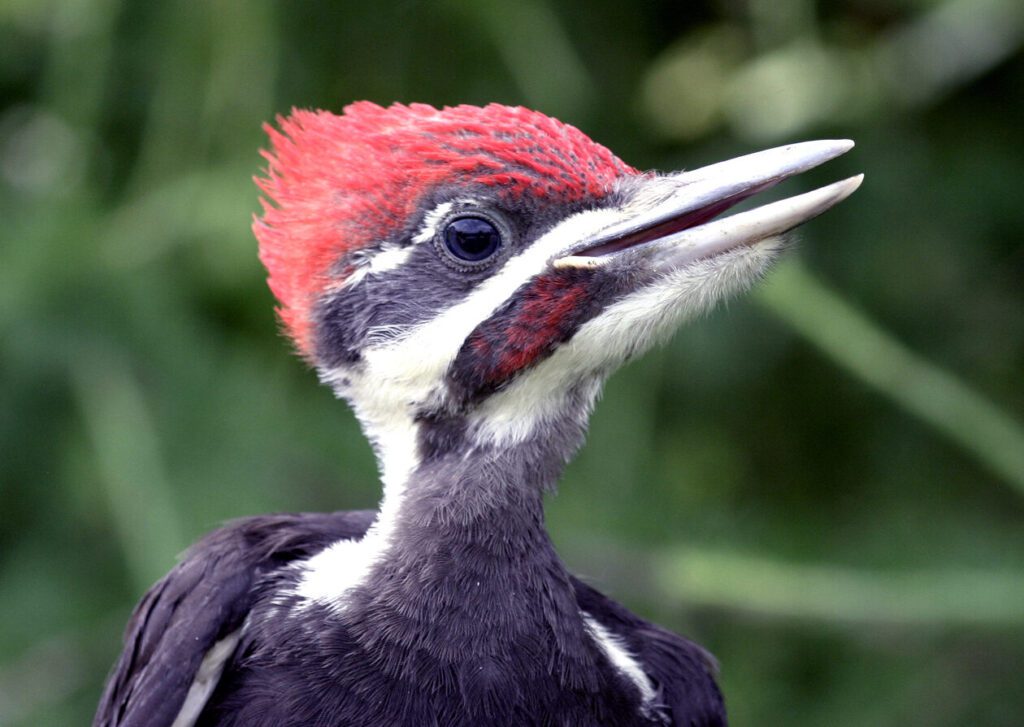
Pileated Woodpecker
Credit: Powdermill Nature Reserve, Carnegie Museum of Natural History

On the first day of point counts, the Porcupine Ridge trail acted as the main access corridor for many of the points in the sector. While walking along the trail to the last point of the day, I heard an unfamiliar noise. It sounded like several incessant hollow bark-like calls, and in the far distance I could hear Pileated Woodpeckers. Knowing that these woodpeckers primarily nest in dead trees, I began to search for nestlings. At the very top of an old, dead chestnut oak tree with almost no bark, I saw three heads poke out of a cavity, calling to the parents who were now close by and began acting defensively. While I had heard Pileated Woodpeckers in almost every sector this summer, this was the only nest that I observed, and it was the first of many incredible sightings. 

Shortly after completing surveys at every point in all ten sectors, I restarted from the beginning. The particular sector I surveyed on June 11 has about a one-mile-long hike uphill to get to the first point. Three quarters of a mile in, I saw some movement to my right and redirected my attention. A yearling black bear was running up and down a fallen tree, stopping only briefly to scratch himself. I could tell the bear was a yearling by the shape of the head, along with the long and slender legs making the bear look tall. The bear ran across the fallen tree two or three times before he noticed my presence. He very slowly turned himself to look in my direction, paused for a few seconds at most, and took off into the forest. 

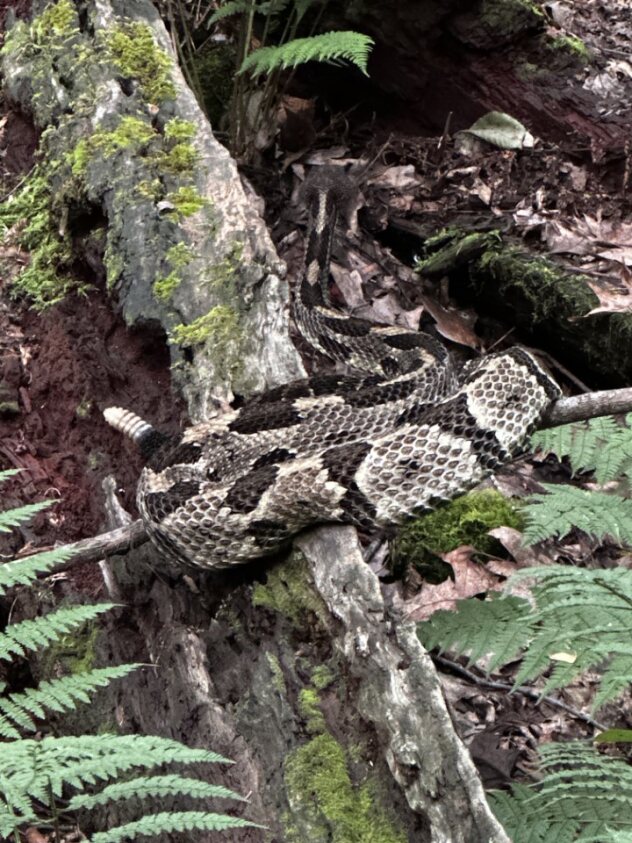
Pennsylvania is also home to the Timber Rattlesnake, which brings me to my next animal encounter. I was walking through a mountainous, hilly second growth forest. The understory was filled with green briar and stinging nettles, so I had my eyes on the ground to minimize the chances of being stuck or stung by these plants. The walk from one point to the next was about 250 meters, or 0.16 miles. There are often obstacles like fallen trees, some of which are easy to step over, but others I had to go around. As I approached a fallen tree, I heard an unfamiliar noise. Though unfamiliar, the rattling sound was unmistakable. A few meters down the fallen tree was a large, perfectly coiled dark phase Timber Rattlesnake. I estimated this snake was four to five feet long, and it was clear that there was a meal moving through the snake’s digestive tract. The snake had eight rattles, specialized hollow scales which are added, one layer at a time, each time the reptile sheds its skin. I was lucky to be able to observe the snake from a safe distance for a few minutes before I headed to the next point. 

timber rattlesnake
Credit: Grace Muench

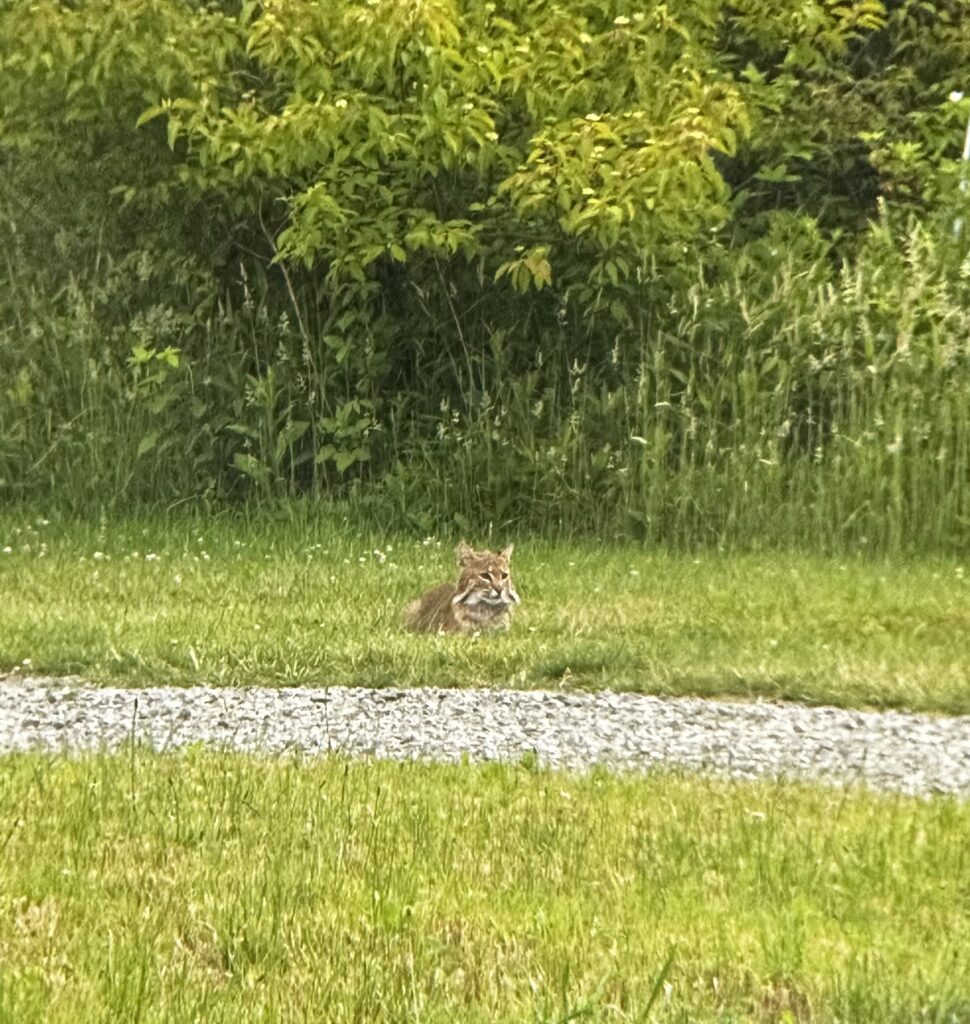
The last day of point counts was also one to remember. About halfway through the final point of the sector, something about 250 meters away made a noise that I can only describe as a woman screaming. Immediately, all birds stopped singing and flew up into the canopy. I knew this animal call. It was a bobcat! This scream is referred to as “caterwauling,” and the sound is produced primarily during the mating season. After hiking back down to the avian research center, I was lucky enough to spot a different bobcat! A relatively small bobcat was hiding next to a structure near the bird banding lab, stalking the eastern cottontails that were foraging in the grasses. After a few minutes of inching closer and closer to the rabbits, the bobcat pounced. The rabbits frantically ran in all different directions, and the bobcat was left empty-handed. 

bobcat laying in the grass
Credit: Grace Muench

After completing the 190 point counts, I rejoined the banding crew to finish the breeding season and to prepare for fall migration. I will always remember encountering and observing incredible wildlife, seeing my lifer Cerulean Warbler, and all that the Powdermill staff has taught me this summer. I can’t wait to learn more this fall!

Grace Muench is a Field Tech at Powdermill Avian Research Center.

Related Content

A Summer Internship at Powdermill

Tracking Migratory Flight in the Northeast

Hummingbird Lessons

Filed Under: Blog Tagged With: Grace Muench, Powdermill Nature Reserve, Science News

  • « Go to Previous Page
  • Page 1
  • Page 2
  • Page 3
  • Page 4
  • Interim pages omitted …
  • Page 17
  • Go to Next Page »

sidebar

About

  • Mission & Commitments
  • Directors Team
  • Museum History

Get Involved

  • Volunteer
  • Membership
  • Carnegie Discoverers
  • Donate
  • Employment
  • Events

Bring a Group

  • Groups of 10 or More
  • Birthday Parties at the Museum
  • Field Trips

Powdermill

  • Powdermill Nature Reserve
  • Powdermill Field Trips
  • Powdermill Staff
  • Research at Powdermill

More Information

  • Image Permission Requests
  • Science Stories
  • Accessibility
  • Shopping Cart
  • Contact
  • Visitor Policies
One of the Four Carnegie Museums | © Carnegie Institute | Privacy Policy | Terms of Use | Accessibility
Rad works here logo